From Surf Wiki (app.surf) — the open knowledge base
Arcade video game
Coin-operated entertainment machine genre

Coin-operated entertainment machine genre
An arcade video game is an arcade game that takes player input from its controls, processes it through electrical or computerized components, and displays output to an electronic monitor or similar display. All arcade video games are coin-operated or accept other means of payment, housed in an arcade cabinet, and located in amusement arcades alongside other kinds of arcade games. Until the early 2000s, arcade video games were the largest and most technologically advanced segment of the video game industry.
Early prototypical entries Galaxy Game and Computer Space in 1971 established the principle operations for arcade games, and Atari's Pong in 1972 is recognized as the first successful commercial arcade video game. Improvements in computer technology and gameplay design led to a golden age of arcade video games, the exact dates of which are debated but range from the late 1970s to the early 1980s. This golden age includes Space Invaders, Pac-Man, and Donkey Kong. The arcade industry had a resurgence from the early 1990s to mid-2000s, including Street Fighter II, Mortal Kombat, and Dance Dance Revolution, but ultimately declined in the Western world as competing home video game consoles such as the Sony PlayStation and Microsoft Xbox increased in their graphics and gameplay capability and decreased in cost. Nevertheless, Japan, China, and South Korea continue to maintain a robust arcade industry in contemporary times.
History
Main article: History of arcade video games

Games of skill were popular amusement-park midway attractions from the 19th century on. With the introduction of electricity and coin-operated machines, they facilitated a viable business. When pinball machines with electric lights and displays were introduced in 1933 (but without the user-controller flippers which would not be invented until 1947) these machines were seen as games of luck. Numerous states and cities treated them as amoral playthings for rebellious young people, and banned them into the 1960s and 1970s.
Electro-mechanical games (EM games) appeared in arcades in the mid-20th century. Following Sega's EM game Periscope (1966), the arcade industry experienced a "technological renaissance" driven by "audio-visual" EM novelty games, establishing the arcades as a suitable environment for the introduction of commercial video games in the early 1970s. In the late 1960s, college student Nolan Bushnell had a part-time job at an arcade where he became familiar with EM games watching customers play and helping to maintain the machinery, while learning the game business.
The early mainframe game Spacewar! (1962) inspired the first commercial arcade video game, Computer Space (1971), created by Nolan Bushnell and Ted Dabney and released by Nutting Associates. It was demonstrated at the Amusement & Music Operators Association (AMOA) show in October 1971. Another Spacewar-inspired coin-operated video game, Galaxy Game, was demonstrated at Stanford University in November 1971. Bushnell and Dabney followed their Computer Space success to create - with the help of Allan Alcorn - a table-tennis game, Pong, released in 1972. Pong became a commercial success, leading numerous other coin-op manufacturers to enter the market.
Main article: Golden age of arcade video games
The video game industry transitioned from discrete integrated circuitry to programmable microprocessors in the mid-1970s, starting with Gun Fight in 1975. The arcade industry entered a "Golden Age" in 1978 with the release of Taito's Space Invaders, which introduced many novel gameplay features. From 1978 to 1982, several other major arcade-games from Namco, Atari, Williams Electronics, Stern Electronics, and Nintendo were all considered blockbusters, particularly Namco's Pac-Man (1980), which became a fixture in popular culture. Across North America and Japan, dedicated video-game arcades appeared and arcade-game cabinets appeared in many smaller storefronts. By 1981, the arcade video-game industry was worth in the US.
The novelty of arcade games waned sharply after 1982 due to several factors, including market saturation of arcades and arcade games and a moral panic over video games (similar to fears raised over pinball machines in the decades prior). The arcade market had recovered by 1986, with the help of software-conversion kits, the arrival of popular beat 'em up games (such as Kung-Fu Master (1984) and Renegade (1986–1987)), and advanced motion simulator games (such as Sega's "taikan" games including Hang-On (1985), Space Harrier (1985), and Out Run (1986)). However, the growth of home video-game systems such as the Nintendo Entertainment System led to another brief arcade decline toward the end of the 1980s.
Arcade games continued to improve with the development of technology and of gameplay. In the early 1990s, the release of Capcom's Street Fighter II established the modern style of fighting games and led to a number of similar games such as Mortal Kombat, Fatal Fury, Killer Instinct, Virtua Fighter, and Tekken, creating a new renaissance in the arcades. Another factor was realism, including the "3D Revolution" from 2D and pseudo-3D graphics to "true" real-time 3D polygon graphics. This was largely driven by a technological arms-race between Sega and Namco. During the early 1990s games such as Sega's Virtua Racing and Virtua Fighter popularized 3D-polygon technology in arcades. 3D graphics later became popular in console and computer games by the mid-1990s, though arcade systems such as the Sega Model 3 remained considerably more advanced than home systems in the late 1990s. Until about 1996, arcade video-games had remained the largest segment of the global video-game industry. Arcades declined in the late 1990s, surpassed by the console market for the first time around 1997–1998.
Since the 2000s, arcade games have taken different routes globally. In the United States, arcades have become niche markets as they compete with the home-console market, and they have adapted other business models, such as providing other entertainment options or adding prize redemptions. In Japan, where arcades continue to flourish, games like Dance Dance Revolution and The House of the Dead aim to deliver tailored experiences that players cannot easily have at home.
Technology

Virtually all modern arcade games (other than the very traditional fair midway) make extensive use of solid state electronics, integrated circuits, and monitor screens, all installed inside an arcade cabinet.
With the exception of Galaxy Game and Computer Space, which were built around small form-factor mainframe computers, the first arcade games are based on combinations of multiple discrete logic chips, such as transistor–transistor logic (TTL) chips. Designing an arcade game was more about the combination of these TTL chips and other electronic components to achieve the desired effect on screen. More complex gameplay required significantly more TTL components to achieve this result. By the mid-1970s, the first inexpensive programmable microprocessors had arrived on the market. The first microprocessor-based video game is Midway's Gun Fight in 1975 (a conversion of Taito's Western Gun), and with the advent of Space Invaders and the golden era, microprocessor-based games became typical. Early arcade games were also designed around raster graphics displayed on a cathode-ray tube (CRT) display. Many games of the late 1970s and early 1980s use special displays that rendered vector graphics, though these waned by the mid-1980s as display technology on CRTs improved. Prior to the availability of color CRT or vector displays, some arcade cabinets have a combination of angled monitor positioning, one-way mirrors, and clear overlays to simulate colors and other graphics onto the gameplay field.
Coin-operated arcade video games from the 1990s to the 2000s generally use custom hardware often with multiple CPUs, highly specialized sound and graphics chips, and the latest in expensive computer graphics display technology. This allows more complex graphics and sound than contemporary video game consoles or personal computers. Many arcade games since the 2000s run on modified video game console hardware (such as the Sega NAOMI or Triforce) or gaming PC components (such as the Taito Type X). Many arcade games have more immersive and realistic game controls than PC or console games. This includes specialized ambiance or control accessories such as fully enclosed dynamic cabinets with force feedback controls, dedicated lightguns, rear-projection displays, reproductions of automobile or airplane cockpits, motorcycle or horse-shaped controllers, or highly dedicated controllers such as dancing mats and fishing rods. These accessories are usually too bulky, expensive, and specialized to be used with typical home PCs and consoles. Arcade makers experiment with virtual reality technology. Arcades have progressed from using coins as credits to smart cards that hold the virtual currency of credits.
Modern arcade cabinets use flat panel displays instead of cathode-ray tubes. Internet services such as ALL.Net, NESiCAxLive, e-Amusement and NESYS, allow the cabinets to download updates or new games, do online multiplayer gameplay, save progress, unlock content, or earn credits.
Genres

Many arcade games have short levels, simple and intuitive control schemes, and rapidly increasing difficulty. The classic formula for a successful arcade video game is "easy to learn, difficult to master" along with a "multiple life, progressively difficult level" paradigm. This is due to the environment of the arcade, where the player is essentially renting the game for as long as their in-game avatar can stay alive or until they run out of tokens. Games on consoles or PCs can be referred to as "arcade games" if they share these qualities, or are direct ports of arcade games.
Arcade racing games often have sophisticated motion simulator arcade cabinets, a simplified physics engine, and short learning time when compared with more realistic racing simulations. Cars can turn sharply without braking or understeer, and the AI rivals are sometimes programmed so they are always near the player with a rubberband effect. Other types of arcade-style games include music games (particularly rhythm games), and mobile and casual games with intuitive controls and short sessions.
Action
The term "arcade game" can refer to an action video game designed to play similarly to an arcade game with frantic, addictive gameplay. The focus of arcade action games is on the user's reflexes, and many feature very little puzzle-solving, complex thinking, or strategy skills. These include fighting games often played with an arcade controller, beat 'em up games including fast-paced hack and slash games, and light gun rail shooters and "bullet hell" shooters with intuitive controls and rapidly increasing difficulty.
Many arcade combat flight simulation games have sophisticated hydraulic motion simulator cabinets, and simplified physics and handling. Arcade flight games are meant to have an easy learning curve, in order to preserve their action component. Increasing numbers of console flight video games, such as Crimson Skies, Ace Combat, and Secret Weapons Over Normandy indicate the falling of manual-heavy flight sim popularity in favor of instant arcade flight action.
A modern subgenre of action games called "hack and slash" or "character action games" represent an evolution of traditional arcade action games, and are sometimes considered a subgenre of beat 'em up brawlers. This subgenre of games was largely defined by Hideki Kamiya, creator of the Devil May Cry and Bayonetta franchises.
Industry
Arcade games are found in restaurants, bowling alleys, college campuses, video rental shops, dormitories, laundromats, movie theaters, supermarkets, shopping malls, airports, and other retail environments. They are popular in public places where people are likely to have free time.
Their profitability is expanded by the popularity of conversions of arcade games for home-based platforms. In 1997, WMS Industries (parent company of Midway Games) reported that if more than 5,000 arcade units are sold, at least 100,000 home version units will be sold.
The American Amusement Machine Association (AAMA) is a trade association established in 1981 that represents the American coin-operated amusement machine industry, including 120 arcade game distributors and manufacturers. The Japan Amusement Machine and Marketing Association (JAMMA) represents the Japanese arcade industry. Arcade machines may have standardized connectors or interfaces such as JAMMA, or JVS, that help with quick replacement of game systems or boards in arcade cabinets. The game boards or arcade boards may themselves allow for games to be replaced via game cartridges or discs.
Conversions, emulators, and recreations
Prior to the 2000s, successful video games were often converted to a home video game console or home computer. Many of the initial Atari VCS games, for example, were conversions of Atari's success arcade games. Arcade game manufacturers that were not in the home console or computer business found licensing of their games to console manufacturers to be a successful business model, as console manufacturer competitors would vie for rights to more popular games. Coleco famously bested Atari to secure the rights to convert Nintendo's Donkey Kong, which it subsequently included as a pack-in game for the ColecoVision to challenge the VCS.
Arcade conversions typically had to make concessions for the lower computational power and capabilities of the home console, such as limited graphics or alterations in gameplay. Such conversions had mixed results. The Atari VCS conversion of Space Invaders was considered the VCS's killer application, helping to quadruple the VCS sales in 1980. In contrast, the VCS conversion of Pac-Man in 1982 was highly criticized for technical flaws due to VCS limitations such as flickering ghosts and simplified gameplay. Though Pac-Man was the best-selling game on the VCS, it eroded consumer confidence in Atari's games and partially contributed to the 1983 crash.
The need for arcade conversions began to wane as arcade game manufacturers like Nintendo, Sega, and SNK entered the home console market and used similar technology within their home consoles as found at the arcade, negating the need to simplify the game. Concessions still may be made for a home release; notably, the Super Nintendo Entertainment System conversion of Mortal Kombat removed much of the gore from the arcade version to meet Nintendo's quality control standards.
Main article: List of video game emulators#Arcade
Exact copies of arcade video games can be run through emulators such as MAME on modern devices. An emulator is an application that translates foreign software onto a modern system, in real-time. Emulated games appeared legally and commercially on the Macintosh in 1994 with Williams floppy disks, Sony PlayStation in 1996, and Sega Saturn in 1997 with CD-ROM compilations such as Williams Arcade's Greatest Hits and Arcade's Greatest Hits: The Atari Collection 1, and on the PlayStation 2 and GameCube with DVD-ROM compilations such as Midway Arcade Treasures. Arcade games are downloaded and emulated through the Nintendo Wii Virtual Console service starting in 2009.
Using emulation, companies like Arcade1Up have produced at-scale or reduced-scale recreations of arcade cabinets using modern technology, such as LCD monitors and lightweight construction. These cabinets are typically designed to resemble the original arcade game cabinets, but may also support multiple related games. These cabinets can be offered in diverse and miniaturized styles, such as table-mounted and wall-mounted versions.
Highest-grossing
For arcade games, success is usually judged by either the number of arcade hardware units sold to operators, or the amount of revenue generated. The revenue can include the coin drop earnings from coins (such as quarters, dollars, or 100 yen coins) inserted into machines, and/or the earnings from hardware sales with each unit costing thousands of dollars. Most of the revenue figures listed below are incomplete as they only include hardware sales revenue, due to a lack of available data for coin drop earnings which typically account for the majority of a hit arcade game's gross revenue. This list only includes arcade games that either sold more than 10,000 hardware units or generated a revenue of more than . Most of the games listed were released between the golden age of arcade video games (1978–1984) and the 1990s.
| Game | Publisher | Release year | Hardware units sold | Estimated gross revenue | |||||||||||
|---|---|---|---|---|---|---|---|---|---|---|---|---|---|---|---|
| (US$ without inflation) | Estimated gross revenue | ||||||||||||||
| (US$ with inflation) | |||||||||||||||
| Pac-Man | Namco | 1980 | last=Kao | first=John J. | title=Entrepreneurship, creativity & organization: text, cases & readings | year=1989 | publisher=Prentice Hall | location=Englewood Cliffs, NJ | isbn=0-13-283011-6 | url=https://books.google.com/books?id=P-MJAQAAMAAJ | author-link=John Kao | page=45 | quote=Estimates counted 7 billion coins that by 1982 had been inserted into some 400,000 Pac Man machines worldwide, equal to one game of Pac Man for every person on earth. US domestic revenues from games and licensing of the Pac Man image for T-shirts, pop songs, to wastepaper baskets, etc. exceeded $1 billion.}} | (until 1982) | |
| Space Invaders | Taito | 1978 | title=After Pong | magazine=ACE | date=4 February 1988 | issue=6 (March 1988) | pages=29–32 (29) | url=https://archive.org/details/ACE_Issue_06_1988-03_Future_Publishing_GB/page/n28/mode/1up}} | (until 1982) | $ | |||||
| Street Fighter II | Capcom | 1991 | 221,000+ (until 1995){{refn | Street Fighter II: | group=n}} | (until 1999) | |||||||||
| The King of Fighters '97 | SNK | 1997 | 150,000 (until 1998) | ||||||||||||
| Donkey Kong | Nintendo | 1981 | 132,000 (until 1982){{refn | Donkey Kong: | name=DonkeyKong}} | (until 1982) | |||||||||
| (US hardware sales) | |||||||||||||||
| Ms. Pac-Man | Midway | 1982 | title=Bally Will Quit Making Pinball, Video Machines | url=https://news.google.com/newspapers?id=4FtQAAAAIBAJ&pg=6893,2823984 | newspaper=Toledo Blade | date=11 July 1988 | page=22 | access-date=12 May 2020 | archive-date=20 October 2021 | archive-url=https://web.archive.org/web/20211020162953/https://news.google.com/newspapers?id=4FtQAAAAIBAJ&pg=6893%2C2823984 | url-status=live}} | (until 1995) | |||
| Asteroids | Atari | 1979 | (until 2001) | (until 1991) | $ | ||||||||||
| Defender | Williams | 1981 | (until 2020) | (until 2020) | $ | ||||||||||
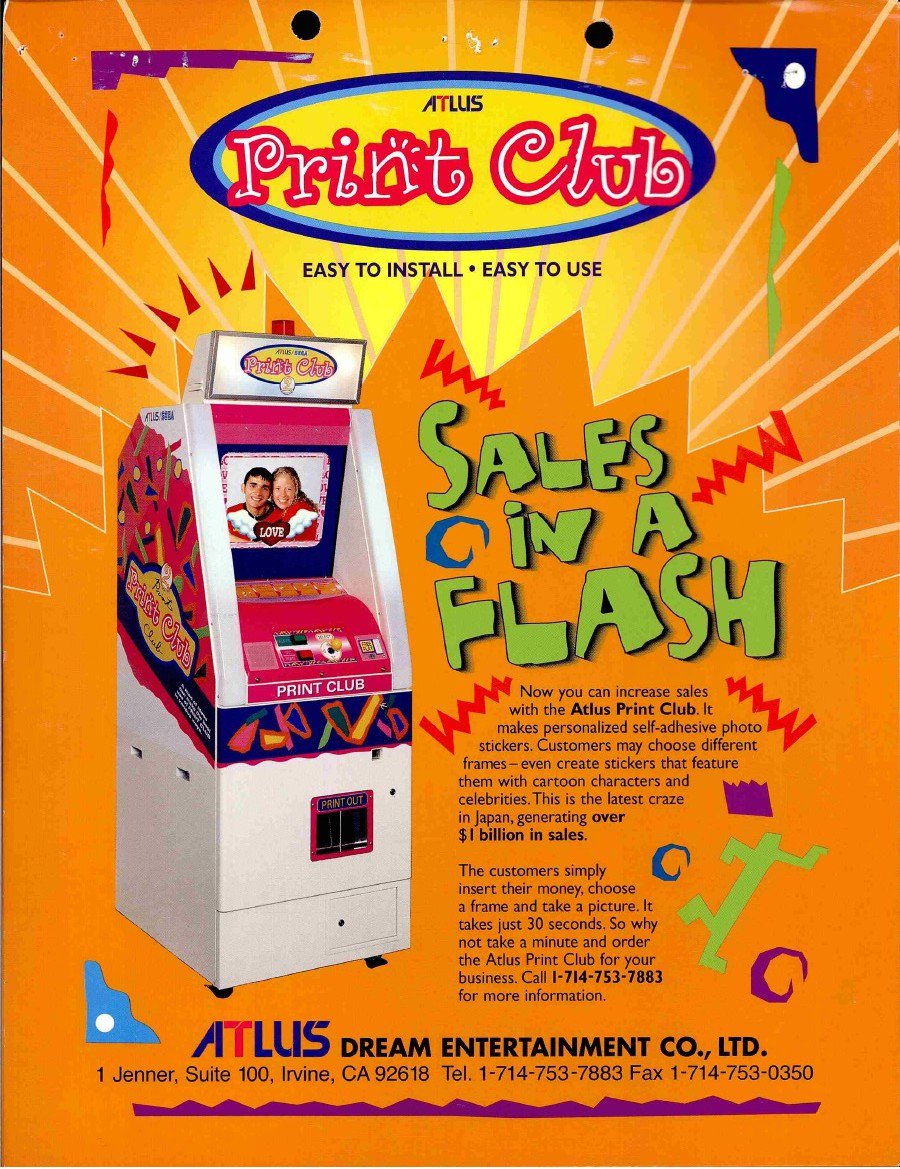
| Print Club (Purikura) | Sega/Atlus | 1995 | (until 1997) | (until 1997) | $ | ||||||||||
| Centipede | Atari | 1981 | (until 1991) | ||||||||||||
| (hardware sales until 1991) | $ | ||||||||||||||
| (hardware sales) | |||||||||||||||
| Galaxian | Namco | 1979 | (in the US until 1982) | ||||||||||||
| Virtua Fighter | Sega | 1993 | (until 1996) | ||||||||||||
| Virtua Fighter 2 | Sega | 1994 | (until 1996) | ||||||||||||
| Tekken 2 | Namco | 1995 | (until 1996) | ||||||||||||
| Starhorse2 | Sega | 2005 | (until 2009){{refn | StarHorse2: | name=StarHorse2Sales}} | (until 2011) | |||||||||
| (Fifth Expansion){{refn | StarHorse2: Fifth Expansion | ||||||||||||||
| Hyper Olympic (Track & Field) | Konami | 1983 | (1983 in Japan) | ||||||||||||
| Tekken 3 | Namco | 1997 | (in 1997) | ||||||||||||
| Donkey Kong Jr. | Nintendo | 1982 | (1982 in the US){{#tag:ref | Donkey Kong: | |||||||||||
| Mr. Do! | Universal | 1982 | (1982 in the US) | ||||||||||||
| Karate Champ | Data East | 1984 | (in the US until 1985) | ||||||||||||
| Out Run | Sega | 1986 | (until 1994) | (cabinet sales) | (cabinet sales) | ||||||||||
| Final Fight | Capcom | 1989 | (until 1991) | ||||||||||||
| Virtua Fighter 3 | Sega | 1996 | (until 1997) | ||||||||||||
| NBA Jam | Midway | 1993 | (until 2013) | (until 2013) | |||||||||||
| World Club Champion Football | Sega | 2002 | (until 2009){{refn | World Club Champion Football series, unit sales: | (until 2012){{refn | World Club Champion Football series, revenue: | $ | ||||||||
| Mortal Kombat II | Midway | 1993 | 27,000 (until 2002) | (until 2002) | $ | ||||||||||
| Frogger | Sega | 1981 | (US hardware sales) | $ | |||||||||||
| (US hardware sales) | |||||||||||||||
| Tempest | Atari | 1981 | (until 1983) | ||||||||||||
| (hardware sales until 1991) | $ | ||||||||||||||
| (hardware sales) | |||||||||||||||
| Qbert* | Gottlieb | 1982 | (until 2001) | ||||||||||||
| Teenage Mutant Ninja Turtles | Konami | 1989 | (US & EU until May 1990) | ||||||||||||
| Beatmania | Konami | 1997 | (until 2000) | (until 1998) | |||||||||||
| (Japan hardware sales){{refn | Beatmania: | name=Beatmania}} | |||||||||||||
| Mortal Kombat | Midway | 1992 | last=Horwitz | first=Jeremy | title=Technology: Mortal Apathy? | url=https://www.nytimes.com/2002/07/08/technology/08MIDW.html | newspaper=The New York Times | date=8 July 2002 | access-date=18 February 2017 | archive-date=3 October 2013 | archive-url=https://web.archive.org/web/20131003002950/http://www.nytimes.com/2002/07/08/business/technology-mortal-apathy.html?pagewanted=2 | url-status=live}} | (until 2002) | $ | |
| Darkstalkers: The Night Warriors | Capcom | 1994 | |||||||||||||
| Robotron: 2084 | Williams | 1982 | (until 1983) | ||||||||||||
| Pole Position | Namco | 1982 | (in the US until 1983) | (until 1983) | |||||||||||
| (US hardware sales) | $ | ||||||||||||||
| (US hardware sales) | |||||||||||||||
| Dig Dug | Namco | 1982 | (in the US until 1983) | (until 1983) | |||||||||||
| (US hardware sales) | $ | ||||||||||||||
| (US hardware sales) | |||||||||||||||
| Popeye | Nintendo | 1982 | (in the US until 1982) | ||||||||||||
| Vs. Super Mario Bros. | Nintendo | 1986 | (1986) | ||||||||||||
| Pump It Up | Andamiro | 1999 | (until 2005) | ||||||||||||
| Tekken Tag Tournament | Namco | 1999 | (until 2000) | ||||||||||||
| Jungle Hunt | Taito | 1982 | (in the US until 1983) | ||||||||||||
| Raiden | Tecmo | 1990 | |||||||||||||
| Killer Instinct | Midway | 1994 | + | $ million+ | |||||||||||
| Pokémon Mezastar | Takara Tomy | 2020 | + (until 2021) | + | |||||||||||
| Dragon's Lair | Cinematronics | 1983 | (until 1983) | ||||||||||||
| (hardware sales until 1983) | $ | ||||||||||||||
| (hardware sales) | |||||||||||||||
| Asteroids Deluxe | Atari | 1981 | (until 1999) | ||||||||||||
| (hardware sales until 1999) | $ | ||||||||||||||
| (hardware sales) | |||||||||||||||
| Missile Command | Atari | 1980 | (until 2010) | ||||||||||||
| (hardware sales until 1991) | $ | ||||||||||||||
| (hardware sales) | |||||||||||||||
| Berzerk | Stern | 1980 | (until 1981) | ||||||||||||
| Scramble | Konami | 1981 | (until 1981) | ||||||||||||
| Champion Baseball | Sega | 1983 | (in Japan until June 1983) | ||||||||||||
| Mushiking: King of the Beetles | Sega | 2003 | (until 2005) | (until 2007){{refn | Mushiking: | name=Mushiking}} | |||||||||
| Battlezone | Atari | 1980 | (until 1999) | ||||||||||||
| (hardware sales until 1999) | $ | ||||||||||||||
| (hardware sales) | |||||||||||||||
| Stargate | Williams | 1981 | (until 1983) | ||||||||||||
| Space Duel | Atari | 1982 | (until 1991) | ||||||||||||
| Mahjong Fight Club 3 | Konami | 2004 | (until 2004) | ||||||||||||
| Super Cobra | Konami | 1981 | (until 1981) | ||||||||||||
| Capcom Bowling | Capcom | 1988 | (until 1991) | ||||||||||||
| Sega Rally Championship | Sega | 1994 | |||||||||||||
| Oshare Majo: Love and Berry | Sega | 2004 | (until 2006) | (until 2007){{refn | Love and Berry: | name=LoveBerry}} | |||||||||
| Double Dragon | Technōs | 1987 | (US in 1988) | ||||||||||||
| Street Fighter | Capcom | 1987 | (until 1991) | ||||||||||||
| Dance Dance Revolution | Konami | 1998 | 10,000+ (until 1999) | ||||||||||||
| Wheels / Wheels II (Speed Race) | Taito | 1974 | (1975 in the US) | ||||||||||||
| Gee Bee | Namco | 1978 | |||||||||||||
| Big Buck Hunter Pro | Raw Thrills | 2006 | (until 2009) | ||||||||||||
| World Club Champion Football: Intercontinental Clubs | Sega | 2008 | (until 2009){{refn | World Club Champion Football: Intercontinental Clubs | (until 2012){{refn | World Club Champion Football: Intercontinental Clubs | $ | ||||||||
| Pokémon Battrio | Takara Tomy | 2007 | + (until 2012) | $+ | |||||||||||
| StarHorse3 Season I: A New Legend Begins | Sega | 2011 | (until 2012){{refn | StarHorse3 Season I: A New Legend Begins | name=StarHorse3}} | ||||||||||
| Pokémon Tretta | Takara Tomy | 2012 | + (until 2014) | $+ | |||||||||||
| Border Break | Sega | 2009 | (until 2009) | (until 2012){{refn | Border Break: | name=BorderBreak}} | |||||||||
| Tron | Midway | 1982 | (in the US until 1982) | (until 1983) | |||||||||||
| Sengoku Taisen | Sega | 2010 | (until 2012){{refn | Sengoku Taisen: | name=Sengoku}} | ||||||||||
| Pokémon Ga-Olé | Takara Tomy | 2016 | + (until 2018) | $+ | |||||||||||
| Dragon Quest: Monster Battle Road | Square Enix | 2007 | (until 2008){{refn | Dragon Quest: Monster Battle Road | name=BattleRoad}} | ||||||||||
| Samba de Amigo | Sega | 1999 | (until 2000) | (until 2000){{refn | Samba de Amigo: ¥3.84 billion | $ | |||||||||
| Sangokushi Taisen 3 | Sega | 2007 | (until 2011){{refn | Sangokushi Taisen 3: | name=Sangokushi3}} | ||||||||||
| Pong | Atari | 1972 | (until 1973) | $ | |||||||||||
| Lord of Vermilion | Square Enix | 2008 | (until 2008){{refn | Lord of Vermilion: ¥4 billion | name=Vermillion}} | ||||||||||
| Sega Network Mahjong MJ4 | Sega | 2008 | (until 2009){{refn | Sega Network Mahjong MJ4: | (until 2010){{refn | Fiscal year ended 31 March 2010: ¥3.8 billion | name=MJ4}} | ||||||||
| Kangaroo | Sunsoft | 1982 | (until 1983) | (until 1983) | |||||||||||
| (US hardware sales) | $ | ||||||||||||||
| (US hardware sales) | |||||||||||||||
| Hard Drivin' | Atari | 1989 | (until 1989) | (until 1989) | $ | ||||||||||
| Gauntlet | Atari | 1985 | (until 1985) | (until 1985) | $ | ||||||||||
| Sega Network Mahjong MJ5 | Sega | 2011 | (until 2012){{refn | Fiscal year ended March 2012: ¥2.8 billion | name=MJ5}} | ||||||||||
| Millipede | Atari | 1982 | (until 1991) | (until 1991) | $ | ||||||||||
| Race Drivin' | Atari | 1990 | (until 1991) | (until 1991) | $ | ||||||||||
| Breakout | Atari | 1976 | (until 1981) | ||||||||||||
| (hardware sales until 1981) | $ | ||||||||||||||
| Time Traveler | Sega | 1991 | (until 1991) | $ | |||||||||||
| Space Ace | Cinematronics | 1984 | (until 1984) | $ | |||||||||||
| Xevious | Namco | 1982 | (in the US until 1983) | (until 1983) | |||||||||||
| (US hardware sales) | $ | ||||||||||||||
| (US hardware sales) | |||||||||||||||
| Atari Football | Atari | 1978 | (until 1999) | (until 1999) | $ | ||||||||||
| Final Lap | Namco | 1987 | (in the US until 1988) | (until 1988) | |||||||||||
| (US hardware sales) | $ | ||||||||||||||
| (US hardware sales) | |||||||||||||||
| Paperboy | Atari | 1984 | (until 1991) | (until 1991) | $ | ||||||||||
| Star Wars | Atari | 1983 | (until 1991) | (until 1991) | $ | ||||||||||
| Sprint 2 | Atari | 1976 | (until 1999) | (until 1999) | $ | ||||||||||
| Championship Sprint | Atari | 1986 | (until 1991) | (until 1991) | $ | ||||||||||
| Pole Position II | Namco | 1983 | (in the US until 1983) | (until 1983) | |||||||||||
| (US hardware sales) | $ | ||||||||||||||
| (US hardware sales) | |||||||||||||||
| Sea Wolf | Midway | 1976 | (until 2000) | ||||||||||||
| Lunar Lander | Atari | 1979 | (until 1999) | (until 1999) | $ | ||||||||||
| Super Sprint | Atari | 1986 | (until 1999) | (until 1999) | $ | ||||||||||
| Marble Madness | Atari | 1984 | (until 1985) | (until 1991) | $ | ||||||||||
| Rolling Thunder | Namco | 1986 | (in the US until 1987) | (until 1987) | |||||||||||
| (US hardware sales) | $ | ||||||||||||||
| (US hardware sales) | |||||||||||||||
| Arabian | Sunsoft | 1983 | (in the US until 1983) | (until 1983) | |||||||||||
| (US hardware sales) | $ | ||||||||||||||
| (US hardware sales) |
Franchises
These are the combined hardware sales of at least two or more arcade games that are part of the same franchise. This list only includes franchises that have sold at least 5,000 hardware units or grossed at least $10 million revenues.
| Franchise | Publisher | Original release year | Total hardware units sold | Estimated gross revenue | |||||
|---|---|---|---|---|---|---|---|---|---|
| (US$ without inflation) | Estimated gross revenue | ||||||||
| (US$ with inflation) | |||||||||
| Pac-Man | Namco | 1980 | 526,412 (until 1988){{refn | Pac-Man series: | group=n}} | (until 1982) | |||
| Space Invaders | Taito | 1978 | 750,000 (until 1980) | (until 1982) | $ | ||||
| Street Fighter | Capcom | 1987 | 500,000 (until 2002) | (until 1999) | $ | ||||
| Pac-Man clones | — | 1980 | 300,000 (until 2002) | ||||||
| Street Fighter clones | — | 1987 | 200,000+ | ||||||
| Mario | Nintendo | 1981 | 190,800 (until 1983){{refn | Mario series: | group=n}} | (until 1982) | |||
| (US hardware sales) | |||||||||
| Donkey Kong | Nintendo | 1981 | 167,000 (until 1983) | (until 1982) | |||||
| (US hardware sales) | $ | ||||||||
| (US hardware sales) | |||||||||
| Asteroids | Atari | 1979 | 136,437 (until 1999){{refn | Asteroids series: | group=n}} | (until 1999){{refn | Asteroids series: | ||
| Virtua Fighter | Sega | 1993 | {{efn | Virtua Fighter series arcade unit sales: | |||||
| Golden Tee Golf | Incredible Technologies | 1989 | url = http://www.goldentee.com/gt/GT/TheGame/WhatIsGT/ | title = What is Golden Tee? | publisher = Incredible Technologies | archive-url = https://archive.today/20130111053415/http://www.goldentee.com/gt/GT/TheGame/WhatIsGT/ | archive-date = 11 January 2013}} | ||
| Data Carddass | Bandai | 2005 | 100,000 (until 2012) | ||||||
| Tekken | Namco | 1994 | {{efn | Tekken series arcade unit sales: | |||||
| Defender | Williams | 1981 | (until 2020){{refn | Defender series: | group=n}} | (until 2020) | |||
| Centipede | Atari | 1981 | (until 1991){{refn | Centipede series: | group=n}} | (until 1991){{refn | Centipede series: | ||
| Mortal Kombat | Midway | 1992 | (until 2002) | (until 200) | $ | ||||
| Galaxian | Namco | 1979 | (in the US until 1988){{refn | Galaxian series: | group=n}} | ||||
| Pokémon arcade games | Takara Tomy | 2007 | + (until 2021) | $+ | |||||
| Starhorse | Sega | 2000 | (until 2009){{refn | StarHorse series: | group=n}} | (until 2012){{refn | Starhorse series, 2009–2011: | ||
| Bemani | Konami | 1997 | (until 2000){{refn | Bemani series, sales: | group=n}} | (until 1998) | |||
| (Beatmania hardware sales in Japan) | |||||||||
| Big Buck | Incredible Technologies/Raw Thrills | 2000 | (until 2010){{refn | Big Buck series: | group=n}} | ||||
| Mr. Do! | Universal | 1982 | (in the US until 1982) | ||||||
| Dragon Quest: Monster Battle Road | Square Enix | 2007 | (until 2008) | $ | |||||
| Lord of Vermilion | Square Enix | 2008 | (until 2008) | $ | |||||
| Scramble | Konami | 1981 | (until 1981) | ||||||
| Sega Network Mahjong | Sega | 2000 | (until 2006){{refn | Sega Network Mahjong MJ series: | name=MJ2}} | name=MJ4Sales}} | |||
| Darkstalkers | Capcom | 1994 | |||||||
| Pole Position | Namco | 1982 | (in the US until 1983){{refn | Pole Position series US sales: | group=n}} | (until 1988) | |||
| (US hardware sales){{refn | Pole Position series US sales: | ||||||||
| Dig Dug | Namco | 1982 | (in the US until 1983) | (until 1983) | |||||
| (US hardware sales) | $ | ||||||||
| (US hardware sales) | |||||||||
| Pump It Up | Andamiro | 1999 | (until 2005) | ||||||
| Breakout | Atari | 1976 | (until 1999) | (until 1999) | $ | ||||
| Star Wars | Atari | 1983 | (until 1991) | (until 1983) | $ | ||||
| Sprint | Atari | 1976 | (until 1999) | (until 1999) | $ | ||||
| Mushiking | Sega | 2003 | (until 2005) | (until 2007){{#tag:ref | Mushiking: | name=Mushiking}} | |||
| Sea Wolf | Midway | 1976 | (until 2000) | ||||||
| Mahjong Fight Club | Konami | 2002 | (until 2004) | ||||||
| Gauntlet | Atari | 1985 | (until 1991) | (until 1991) | $ | ||||
| Love and Berry | Sega | 2004 | (until 2006) | (until 2007){{#tag:ref | Love and Berry: | name=LoveBerry}} | |||
| Sangokushi Taisen | Sega | 2005 | (until 2008){{refn | Sangokushi Taisen series: | name=Sangokushi}} | group=n}} | |||
| Pong | Atari | 1972 | (until 1973) | $ | |||||
| Hard Drivin' | Atari | 1989 | (until 1991) | (until 1991) | |||||
| Samba de Amigo | Sega | 1999 | (until 2000) | (until 2000){{#tag:ref | Samba de Amigo: ¥3.84 billion | name=Samba}} | |||
| Border Break | Sega | 2009 | (until 2009) | (until 2012){{#tag:ref | Border Break: | name=BorderBreak}} | |||
| World Club Champion Football | Sega | 2012 | (until 2015) | (until 2012){{#tag:ref | World Club Champion Football series, revenue: | name=Intercontinental}} |
Notes
References
References
- (2016-12-06). "Why Japan's arcades are its game industry's cutting-edge labs".
- Kocurek, Carly. (2015). "Coin-Operated Americans: Rebooting Boyhood at the Video Game Arcade". University of Minnesota Press.
- (19 November 2019). "They Create Worlds: The Story of the People and Companies That Shaped the Video Game Industry, Vol. I: 1971-1982". [[CRC Press]].
- (November 1996). "The Great Videogame Swindle?". [[Imagine Media]].
- June, Laura. (January 16, 2013). "For Amusement Only: the life and death of the American arcade". [[The Verge]].
- Smith, Alexander. (November 27, 2019). "They Create Worlds: The Story of the People and Companies That Shaped the Video Game Industry". [[CRC Press]].
- (3 February 1984). "Can Lasers Save Video Arcades?". [[The Philadelphia Inquirer]].
- (1998). "Coin-Op history – 1975 to 1997 – from the pages of RePlay".
- Compton, Shanna. (2004). "Gamers: writers, artists & programmers on the pleasures of pixels". [[Soft Skull Press]].
- Carter, Jay. (July 1993). "Insert Coin Here: Getting a Fighting Chance".
- (November 1994). "Arcades: Ready for a Renaissance?". [[Paragon Publishing]].
- (16 March 2017). "History of Digital Games: Developments in Art, Design and Interaction". [[CRC Press]].
- Spencer, Spanner. (February 12, 2008). "The Tao of Beat-'em-ups (part 2)".
- (March 2014). "The 90s: The Decade of Rivalries".
- (14 March 2001). "Virtua Racing – Arcade (1992)". [[GameSpot]].
- (May 1996). "News: Virtua Fighter 3".
- (October 22, 1999). "Second Hand Smoke – One up, two down". [[Tom's Hardware Guide]].
- Naramura, Yuki. (January 23, 2019). "Peak Video Game? Top Analyst Sees Industry Slumping in 2019". [[Bloomberg L.P.]].
- Fuller, Brad. "Awakening the Arcade".
- Ashcraft, Brian. (15 February 2017). "Why Arcades Haven't Died in Japan".
- Kent, Steven L.. (16 June 2010). "The Ultimate History of Video Games: Volume Two: from Pong to Pokemon and beyond...the story behind the craze that touched our lives and changed the world". Crown/Archetype.
- (2008). "The video game explosion: a history ... - Mark J. P. Wolf - Google Books". Abc-Clio.
- Gains, Raiford. (November 2015). "Beyond the Bezel: Coin-Op Arcade Video Game Cabinets as Design History". Journal of Design History.
- (February 1983). "Insert Coin Here: Jungle King".
- Hague, James. (March 1997). "Halcyon Days: Interviews with Classic Computer and Video Game Programmers". Dadgum Games.
- (6 June 2013). "Sega's Wonderful Simulation Games Over The Years". Arcade Heroes.
- (6 July 2018). "The Sega Arcade Revolution: A History in 62 Games". [[McFarland & Company]].
- "Genre Definitions". Mobygames.
- (December 1998). "State of Play - Arcade Action". [[Future plc]].
- Butts, Steve. (2003). "Secret Weapon Over Normandy Review". [[IGN]].
- (2019-03-10). "How Devil May Cry's arcade inspirations shaped character action games". [[Destructoid]].
- ''Tricks of the Podcasting Masters'' p. 38
- Webb, Marcus. (January 1998). "WMS Report Offers Revealing Look at Factory". [[Imagine Media]].
- "American Amusement Machine Association".
- (2016). "AAMA mission statement". AAMA.
- Kushner, David. (1999-09-23). "Care for a Latte With That, Mr. Nukem?". The New York Times.
- McFerran, Damien. (September 18, 2010). "Feature: How ColecoVision Became the King of Kong". [[Nintendo Life]].
- (September 2007). "The Definitive Space Invaders". [[Imagine Publishing]].
- (February 28, 2008). "A History of Gaming Platforms: Atari 2600 Video Computer System/VCS".
- "Gamespy's The 25 Dumbest Moments in Gaming". Archive.gamespy.com.
- "Joust for Macintosh (1994) – MobyGames".
- "Digital Eclipse Software, Inc. – MobyGames".
- Paprocki, Matt. (November 6, 2019). "How Arcade1Up found a sweet spot for scaled-down home game cabinets". [[Ars Technica]].
- Wolf, Mark J. P.. (2008). "The video game explosion: a history from PONG to Playstation and beyond". [[ABC-CLIO]].
- "CPI Inflation Calculator". [[Bureau of Labor Statistics]].
- Kao, John J.. (1989). "Entrepreneurship, creativity & organization: text, cases & readings". [[Prentice Hall]].
- (September 1999). "Uncle John's Legendary Lost Bathroom Reader". [[Portable Press]].
- (November 2012). "Uncle John's Legendary Lost Bathroom Reader". [[Simon and Schuster]].
- (4 February 1988). "After ''Pong''".
- Hansen, Dusty. (2016). "Game On! Video Game History From Pong and Pac-Man to Mario, Minecraft and More". MacMillan Publishing Group, LLC.
- Ste Curran. (2004). "Game plan: great designs that changed the face of computer gaming". Rotovision.
- (February 3, 2014). "Street Fighter 2: An Oral History".
- Steven L. Kent. (2001). "The Ultimate History of Video Games: The Story behind the Craze that Touched Our Lives and Changed the World". [[Prima Games.
- (October 1993). "Hot Off The Press! Revenue Sharing".
- Leack, Jonathan. (26 January 2017). "World of Warcraft Leads Industry With Nearly $10 Billion In Revenue".
- (August 1998). "Fiscal Year Sales".
- (2008). "Arcade Mania: The Turbo-charged World of Japan's Game Centers". [[Kodansha]].
- Bienaimé, Pierre. (13 January 2012). "Square Roots: Donkey Kong (NES)". Nintendojo.
- Jörg Ziesak. (2009). "Wii Innovate – How Nintendo Created a New Market Through the Strategic Innovation Wii". [[:de:GRIN Verlag.
- (11 July 1988). "Bally Will Quit Making Pinball, Video Machines". [[Toledo Blade]].
- Mark J. P. Wolf. (2001). "The medium of the video game". [[University of Texas Press]].
- (March 1995). "Ms. Pac-Man (Coin-Op)".
- Steve L. Kent. (2001). "The ultimate history of video games: from Pong to Pokémon and beyond: the story behind the craze that touched our lives and changed the world". [[Prima Games.
- Gottschalk, S.. (1995). "Videology: Video-Games as Postmodern Sites/Sights of Ideological Reproduction". Symbolic Interaction.
- (1981). "Forbes".
- (6 August 2020). "Beyond Donkey Kong: A History of Nintendo Arcade Games". [[McFarland & Company]].
- (23 November 2018). "How 'playing Puri' paved the way for Snapchat".
- (1997). "Atlus Print Club: Sales in a Flash". [[Atlus]].
- (4 January 2010). "Atari Production Numbers Memo". [[Atari Games]].
- (1982). "Video Invaders". Arco Publishing.
- (September 3, 1996). "Virtua Fighter Kids: New Sega Saturn game is way "a-head" of its time". [[Sega of America]].
- (1 April 1996). "Sega Promotes 64-Bit CG Board "Model 3"". [[:ja:アミューズメント通信社.
- (1 February 1997). ""Tekken 2", "Virtua Cop 2" Top Videos '96". [[:ja:アミューズメント通信社.
- (14 May 2007). "Fiscal Year Ended March 2007: Full Year Results". [[Sega Sammy Holdings]].
- (12 November 2007). "Fiscal Year 2008: Interim Results". [[Sega Sammy Holdings]].
- (15 May 2008). "FY 2008: Full Year Results (Ending March 2008)". [[Sega Sammy Holdings]].
- (January 1984). "RePlay".
- (1 February 1998). ""Tekken 3", "Virtua Fighter 3" Top Videos". [[:ja:アミューズメント通信社.
- Steve L. Kent. (2001). "The ultimate history of video games: from Pong to Pokémon and beyond: the story behind the craze that touched our lives and changed the world". [[Prima Games.
- (1 May 1985). "Overseas Readers Column". [[:ja:アミューズメント通信社.
- (August 1994). "OutRun". EMAP.
- (22 June 2018). "The Sega Arcade Revolution: A History in 62 Games". [[McFarland & Company]].
- (8 December 2020). "Street Fighter 3: An oral history". [[Polygon (website).
- (2013-09-26). "'NBA Jam' Rigged Against The Chicago Bulls According To Pistons Fan/Lead Designer, Mark Turmell". The Huffington Post.
- Leone, Matt. "The Rise, Fall, and Return of NBA Jam". 1UP.
- (16 May 2006). "FY Ending March 2006: Full Year Results Presentation". [[Sega Sammy Holdings]].
- (28 July 2006). "FY 2007: 1st Quarter Results (April–June 2006)". [[Sega Sammy Holdings]].
- (10 November 2006). "FY 2007: Interim Results (April–September 2006)". [[Sega Sammy Holdings]].
- (2 March 2009). "AOU 2009 – Sega World Club Champion Football Intercontinental Clubs 2007–2008". DigInfo TV.
- (22 September 2009). "Sports Gaming in Japan: World Club Champion Football".
- (1 January 2016). "Top 10 Highest-Grossing Arcade Games of All Time".
- (22 June 2018). "The Sega Arcade Revolution: A History in 62 Games". [[McFarland & Company]].
- Steve L. Kent. (2001). "[[The ultimate history of video games: from Pong to Pokémon and beyond: the story behind the craze that touched our lives and changed the world]]". [[Prima Games.
- (1 May 1990). "Overseas Readers Column: Korean Counterfeiters Were Exposed By Police". [[:ja:アミューズメント通信社.
- (June 1990). "News Digest: ''TMNT'' Counterfeiters".
- Beals, Gregory. (11 December 2000). "Kings of Cool". [[Newsweek]].
- (1999). "Special Feature: Music Simulation Games Rock the Market". [[Konami]].
- Horwitz, Jeremy. (8 July 2002). "Technology: Mortal Apathy?". [[The New York Times]].
- Okamoto, Yoshiki. (23 January 2021). "[How Darkstalkers Was Born!] Katsuya Akitomo, the Man Who Influenced Character Designs in "CAPCOM"".
- Fujihara, Mary. (2 November 1983). "Inter Office Memo". [[Atari]].
- Steven L. Kent. (2001). "The Ultimate History of Video Games: The Story behind the Craze that Touched Our Lives and Changed the World". [[Prima Games.
- (30 July 2020). "Beyond Donkey Kong: A History of Nintendo Arcade Games". [[McFarland & Company]].
- (8 September 2005). "Pump It Up: Exceed drops to PS2 / Xbox". Punch Jump Crew.
- (15 January 2001). ""Tekken TT", "Samba DE Amiga" Top Videos". [[:ja:アミューズメント通信社.
- (July 25, 1983). "Inter Office Memo: Coin-Op Product Sales". [[Atari, Inc.]].
- (2007). "THE FLASH DESIRE 雷電III".
- (30 July 2020). "Beyond Donkey Kong: A History of Nintendo Arcade Games". [[McFarland & Company]].
- (May 26, 1995). "Sony, Sega Fire Latest Shot in Game Wars". [[Chicago Tribune]].
- (14 December 2021). "アミューズメントマシン『ポケモンメザスタ』 累計プレイ回数1億回突破のお知らせ". [[:ja:PR TIMES.
- Steve L. Kent. (2001). "The ultimate history of video games: from Pong to Pokémon and beyond: the story behind the craze that touched our lives and changed the world". [[Prima Games.
- Harmetz, Aljean. (13 August 1983). "Daring Dirk Perk For Arcades". [[Ottawa Citizen]].
- (August 31, 1999). "Production Numbers". [[Atari Games]].
- Fulton, Jeff. (2010). "The essential guide to Flash games: building interactive entertainment with ActionScript 3.0". Friends of ED.
- (1 May 2012). "Stern Production Numbers and More CCI Photos".
- (June 16, 1983). "#1 Game In Japan: Sega Electronics To Bring 'Champion Baseball' Vid to U.S.".
- (22 November 2005). "FY Ending March 2006: Interim Results Presentation (April–September 2005)". [[Sega Sammy Holdings]].
- Carless, Simon. (29 March 2007). "Uemura – Sega's Hidden Game Design Power?". GameSetWatch.
- (27 January 2005). "FY2005 Third quarter Financial Results (April–December 2004)". [[Konami]].
- (February 1991). "Craven Exits Capcom to Form Leprechaun, Inc.; Walker Now Tops Capcom Sales, Sets Dealer Meet".
- (February 8, 2008). "DICE: Mizuguchi Talks Artistry And Commerce In Concert". [[Gamasutra]].
- (7 February 2007). "Fiscal Year Ending March 2007: 3rd Quarter Results (April–December 2006)". [[Sega Sammy Holdings]].
- (8 February 2006). "Fiscal Year Ending March 2006: 3rd quarter Results (April–December 2005)". [[Sega Sammy Holdings]].
- Ashcraft, Brian. (14 October 2005). "How Sega Reels in Girls". Kotaku.
- (1989). "Patent, Trademark & Copyright Series". [[Bureau of National Affairs]].
- (July 7, 2020). "Street Fighter 1: An oral history". [[Vox Media]].
- (1 February 2000). "Sega's CG Videos Top Game Charts". [[:ja:アミューズメント通信社.
- (2005). "Videogames: In the Beginning". Rolenta Press.
- (17 March 2018). "ビデオゲームの語り部たち 第4部:石村繁一氏が語るナムコの歴史と創業者・中村雅哉氏の魅力". Aetas.
- (1 September 2009). "Big Buck Safari Reaches Two Milestones!". [[Raw Thrills]].
- Strang, Katie. (24 April 2007). "Shootout at the local pub: Big Buck Hunter is a hit". [[The Arizona Republic]].
- (14 May 2010). "Appendix of Consolidated Financial Statements: Year Ended March 31, 2010". [[Sega Sammy Holdings]].
- (13 May 2011). "Appendix of Consolidated Financial Statements: Year Ended March 31, 2011". [[Sega Sammy Holdings]].
- (3 February 2012). "Appendix of Consolidated Financial Statements: 9 Months Ended December 31, 2011". [[Sega Sammy Holdings]].
- (11 May 2012). "Appendix of Consolidated Financial Statements: Year Ended March 31, 2012". [[Sega Sammy Holdings]].
- (5 February 2010). "Appendix of Consolidated Financial Statements: 9 Months Ended December 31, 2009". [[Sega Sammy Holdings]].
- (31 October 2011). "Appendix of Consolidated Financial Statements 6 Months Ended September 30, 2011". [[Sega Sammy Holdings]].
- (1 August 2012). "FY Ending March 2013: 1st Quarter Results Presentation (Ended June 2012)". [[Sega Sammy Holdings]].
- Harmetz, Aljean. (3 July 1982). "Movie Themes Come To Video Games". [[Star-News]].
- (1983). "The naked computer: a layperson's almanac of computer lore, wizardry, personalities, memorabilia, world records, mind blowers, and tomfoolery". [[William Morrow and Company]].
- (23 May 2008). "Outline of Results Briefing". [[Square Enix]].
- "Currency Conversion". [[XE.com]].
- (14 August 2000). "Japanese gamers shake it, shake it!". [[Independent Online (South Africa)]].
- (5 October 1983). "Business 1974: Industry: Space Age Pinball, Atari's PONG".
- (2009). "Computer and Video Game Law: Cases and Materials". Carolina Academic Press.
- Barack, Lauren. (8 May 2003). "In Blast From the Past, Atari Video Games Plan a Return". [[New York Post]].
- "Outline of Results Briefing by SQUARE ENIX HOLDINGS held on November 7, 2008". Square-Enix.com.
- (14 May 2009). "Fiscal Year 2009: Full Year Results (Ending March 2009)". [[Sega Sammy Holdings]].
- (25 October 1981). "Video Games Star War". [[The New York Times]].
- "Rick Dyer: Biography". [[Allgame]].
- Steven L. Kent. (2000). "The first quarter: a 25-year history of video games". BWD Press.
- Orland, Kyle. (4 March 2011). "GDC 2011: Mark Cerny Discusses Marble Madness' Turbulent Development".
- (1992). "Jane & Michael Stern's Encyclopedia of Pop Culture: An A to Z Guide of Who's who and What's What, from Aerobics and Bubble Gum to Valley of the Dolls and Moon Unit Zappa". [[Harper Perennial]].
- (16 May 2002). "Call-it Entertainment, Inc. Partners with Capcom to Launch Street Fighter Wireless Game Series".
- (2008). "Guinness World Records Gamer's Edition 2008". [[Guinness World Records]].
- (2002). "The History of Video Games".
- "What is Golden Tee?". [[Incredible Technologies]].
- (March 29, 2012). "Bandai's "Carddas" topped the total sales volume of 10 billion pieces". [[:ja:GIGAZINE.
- (25 May 2005). "FY2004 Financial Results (for the year ended March 31, 2005)". [[Sega Sammy Holdings]].
- Shaggy. (7 January 2010). "Big Buck Hunter Open Season pushes 3000 units in 90 days". Arcade Heroes.
- (4 August 2005). "FY2005 1Q Business Results (April–June 2005)". [[Sega Sammy Holdings]].
This article was imported from Wikipedia and is available under the Creative Commons Attribution-ShareAlike 4.0 License. Content has been adapted to SurfDoc format. Original contributors can be found on the article history page.
Ask Mako anything about Arcade video game — get instant answers, deeper analysis, and related topics.
Research with MakoFree with your Surf account
Create a free account to save articles, ask Mako questions, and organize your research.
Sign up freeThis content may have been generated or modified by AI. CloudSurf Software LLC is not responsible for the accuracy, completeness, or reliability of AI-generated content. Always verify important information from primary sources.
Report