From Surf Wiki (app.surf) — the open knowledge base
Shelf-stable food
Foods that can be stored at room temperature
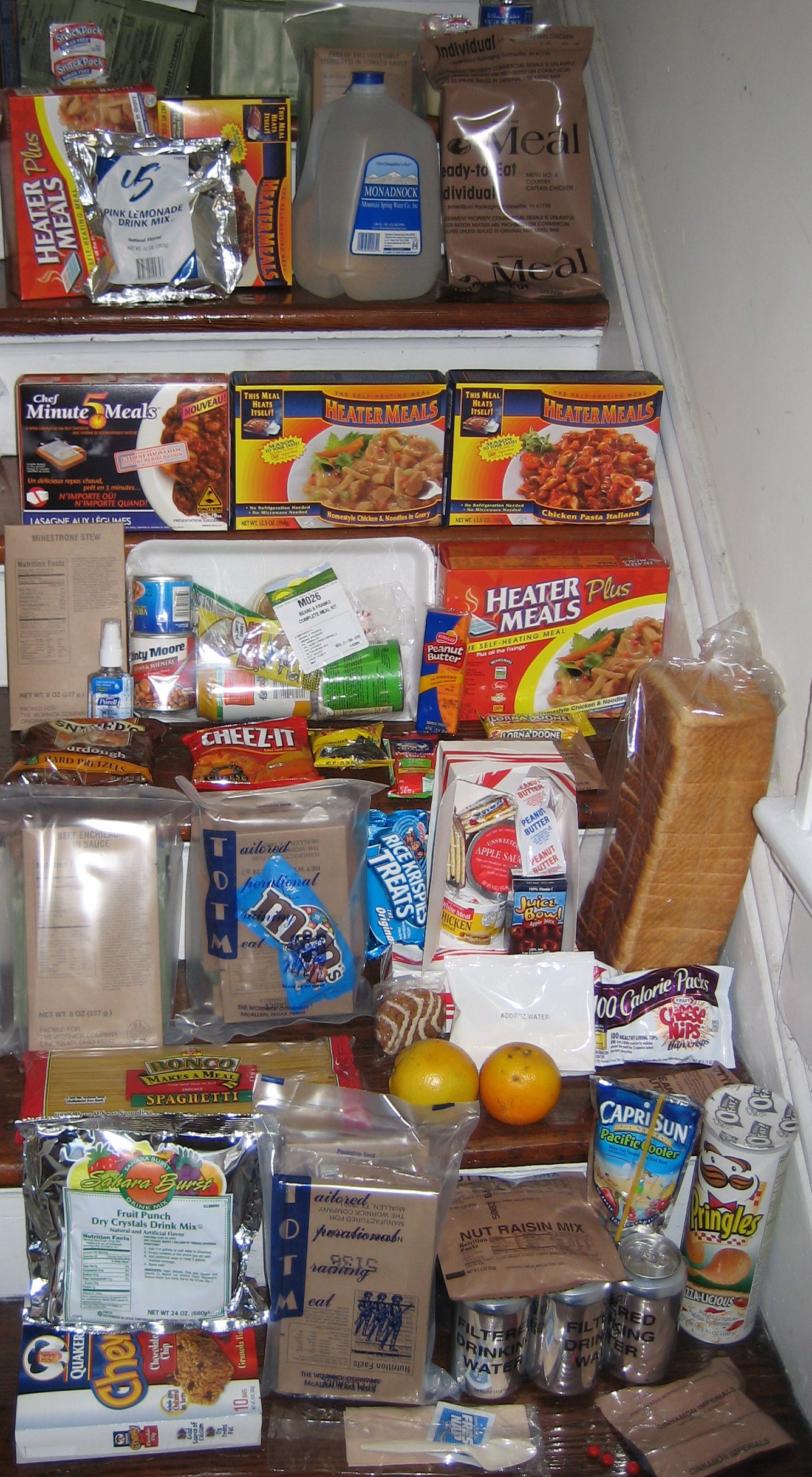
Foods that can be stored at room temperature
Shelf-stable food (sometimes ambient food) is food of a type that can be safely stored at room temperature in a sealed container. This includes foods that would normally be stored refrigerated, but which have been processed so that they can be safely stored at room or ambient temperature for a usefully long shelf life.
Various food preservation and packaging techniques are used to extend a food's shelf life. Decreasing the amount of available water in a product, increasing its acidity, or irradiating or otherwise sterilizing the food and then sealing it in an air-tight container are all ways of depriving bacteria of suitable conditions in which to thrive. All of these approaches can extend a food's shelf life, often without unacceptably changing its taste or texture.
For some foods, alternative ingredients can be used. Common oils and fats become rancid relatively quickly if not refrigerated; replacing them with hydrogenated oils delays the onset of rancidity, increasing shelf life. This is a common approach in industrial food production, but concerns about health hazards associated with trans fats have led to their strict control in several jurisdictions. Even where trans fats are not prohibited, in many places there are new labeling laws (or rules), which require information to be printed on packages, or to be published elsewhere, about the amount of trans fat contained in certain products.
Packaging
Main article: Aseptic processing
| access-date =June 21, 2018 | access-date=2024-01-13 | archive-date=2024-01-13 | archive-url=https://web.archive.org/web/20240113143024/https://onlinelibrary.wiley.com/doi/abs/10.1111/j.1745-4530.2008.00328.x | url-status=dead | url-access=subscription
All aspects of food production, package filling and sealing must be tightly controlled and meet regulatory requirements. Uniformity, sterility and other requirements are needed to maintain good manufacturing practices.
Product safety management is vital. A complete quality management system must be in place. Verification and validation involves collecting documentary evidence of all aspects of compliance. Quality assurance extends beyond the packaging operations through distribution.
Examples
Canning and bottling
Main article: Canning
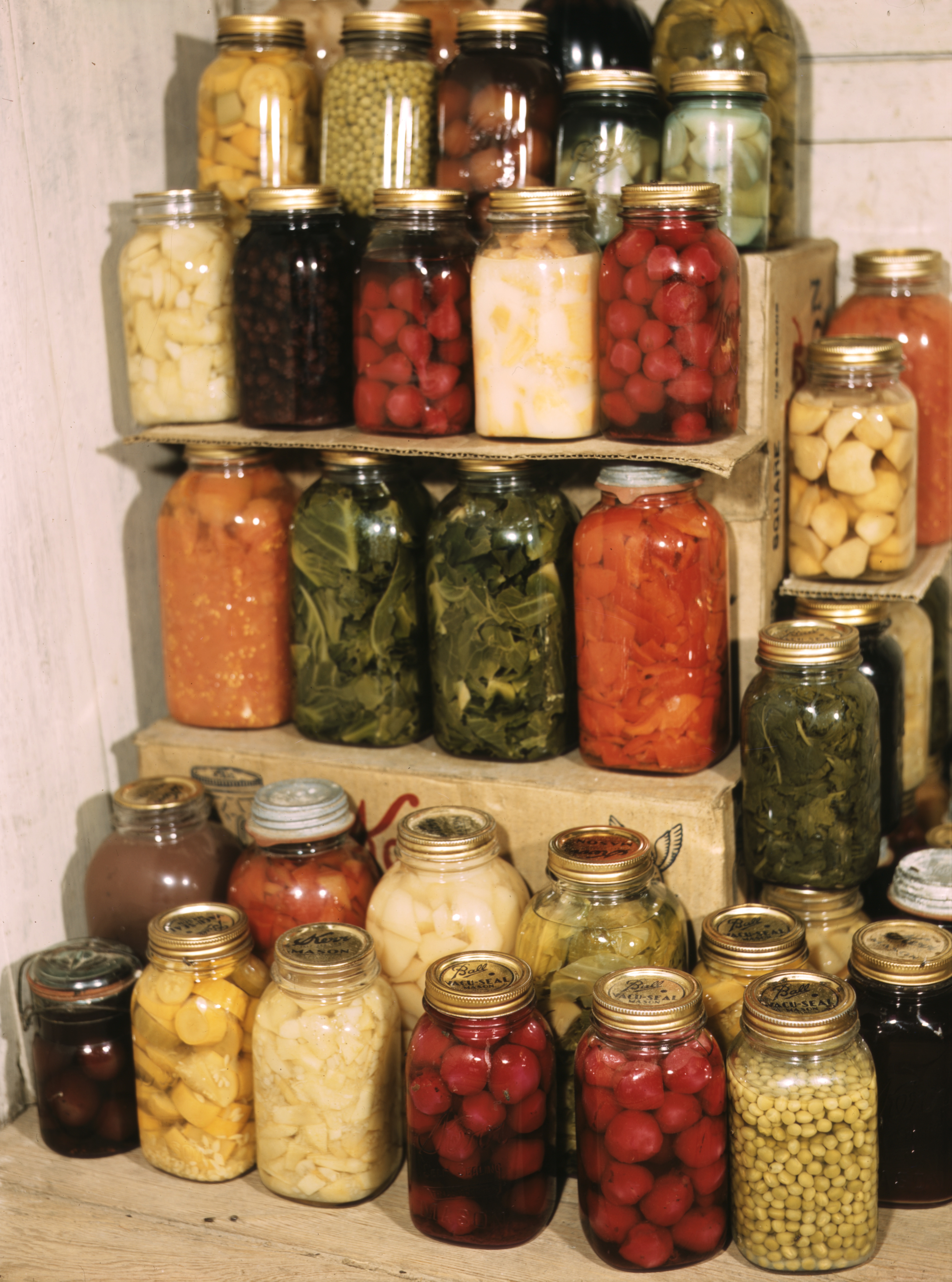
Commercial canning involves cooking food and sealing it in sterilized tin cans. Home canning (or bottling) uses glass jars, such as Kilner jars or Mason jars, and boiling the containers to sterilize the contents.
Retort pouch
Main article: Retort pouch
Retort pouches involve heat processing the food in sterilized heat-stable flexible packages. This is used for camping food and military field rations.
Ranch dressing
The first shelf-stable formulation of ranch dressing, created in 1983, had a shelf life of 150 days.
Milk products
Pasteurized milk in aseptically processed cartons (such as Tetra Brik) is shelf-stable without refrigeration.
Fruit juice
Fruit juice can be processed with proper pasteurization to allow shelf-stable options.{{cite journal | access-date =June 14, 2018
References
References
- Harris, Gardiner. (August 21, 2008). "Irradiation: A safe measure for safer iceberg lettuce and spinach". The New York Times.
- Leth, Torben. (2012). "Denmark's trans fat law".
- Koerner, Brendan I.. (August 5, 2005). "America's love-affair with ranch dressing".
This article was imported from Wikipedia and is available under the Creative Commons Attribution-ShareAlike 4.0 License. Content has been adapted to SurfDoc format. Original contributors can be found on the article history page.
Ask Mako anything about Shelf-stable food — get instant answers, deeper analysis, and related topics.
Research with MakoFree with your Surf account
Create a free account to save articles, ask Mako questions, and organize your research.
Sign up freeThis content may have been generated or modified by AI. CloudSurf Software LLC is not responsible for the accuracy, completeness, or reliability of AI-generated content. Always verify important information from primary sources.
Report