From Surf Wiki (app.surf) — the open knowledge base
Sega AM2
Japanese video game developer

Japanese video game developer
| Field | Value |
|---|---|
| name | Sega AM Research & Development No. 2 |
| trading_name | Sega AM2 |
| native_name_lang | ja |
| logo | Sega AM2 logo.png |
| logo_alt | A palm tree with the letters "AM2" in front of it. |
| logo_caption | Logo used as SEGA-AM2 Co., Ltd. |
| former_name | Studio 128 (1986-1988) |
| Sega R&D8 (1988-1990) | |
| Sega AM R&D Dept. #2 (1990-1999) | |
| Sega Software R&D Dept #2 (AM2) (1999-2000) | |
| AM2 of CRI (2000-2001) | |
| SEGA-AM2 Co., Ltd. (2001-2004) | |
| AM R&D Dept. #2 (2004-2011) | |
| Sega R&D2 (2011-2015) | |
| Sega Interactive R&D2 (2015-2020) | |
| type | Division |
| industry | Video games |
| predecessor | Sega R&D1 |
| founder | Yu Suzuki |
| location_city | Tokyo |
| location_country | Japan |
| key_people | |
| products | Arcade games, video games |
| parent | Sega |
Sega R&D8 (1988-1990) Sega AM R&D Dept. #2 (1990-1999) Sega Software R&D Dept #2 (AM2) (1999-2000) AM2 of CRI (2000-2001) SEGA-AM2 Co., Ltd. (2001-2004) AM R&D Dept. #2 (2004-2011) Sega R&D2 (2011-2015) Sega Interactive R&D2 (2015-2020)
previously known as is a video game development team within the Japanese multinational video game developer Sega. Yu Suzuki, who had previously developed arcade games for Sega including Hang-On and Out Run, was the first manager of the department.
AM2's first game produced was 1992's Virtua Racing, followed by the highly popular Virtua Fighter and Daytona USA. Through the remainder of the 1990s, they developed more arcade titles and focused on fighting and racing games. AM2 was placed under the management of CSK Research Institute in 2000, and a year later became SEGA-AM2 Co., Ltd. Their development of Shenmue was over budget and cost millions of dollars, and despite positive reviews and good sales was unable to become profitable.
Suzuki was promoted and left AM2 in 2003; Hiroshi Kataoka became the head of AM2. A year later Sega was acquired by Sammy Corporation and AM2 was merged back into Sega. Since, the team has continued work on arcade games such as Border Break and the Hatsune Miku: Project DIVA series, as well as smartphone games in Japan. Several games produced by Sega AM2 have influenced and innovated the video game industry from a technical and developmental perspective.
History
Precursors to AM2: Yu Suzuki and Studio 128
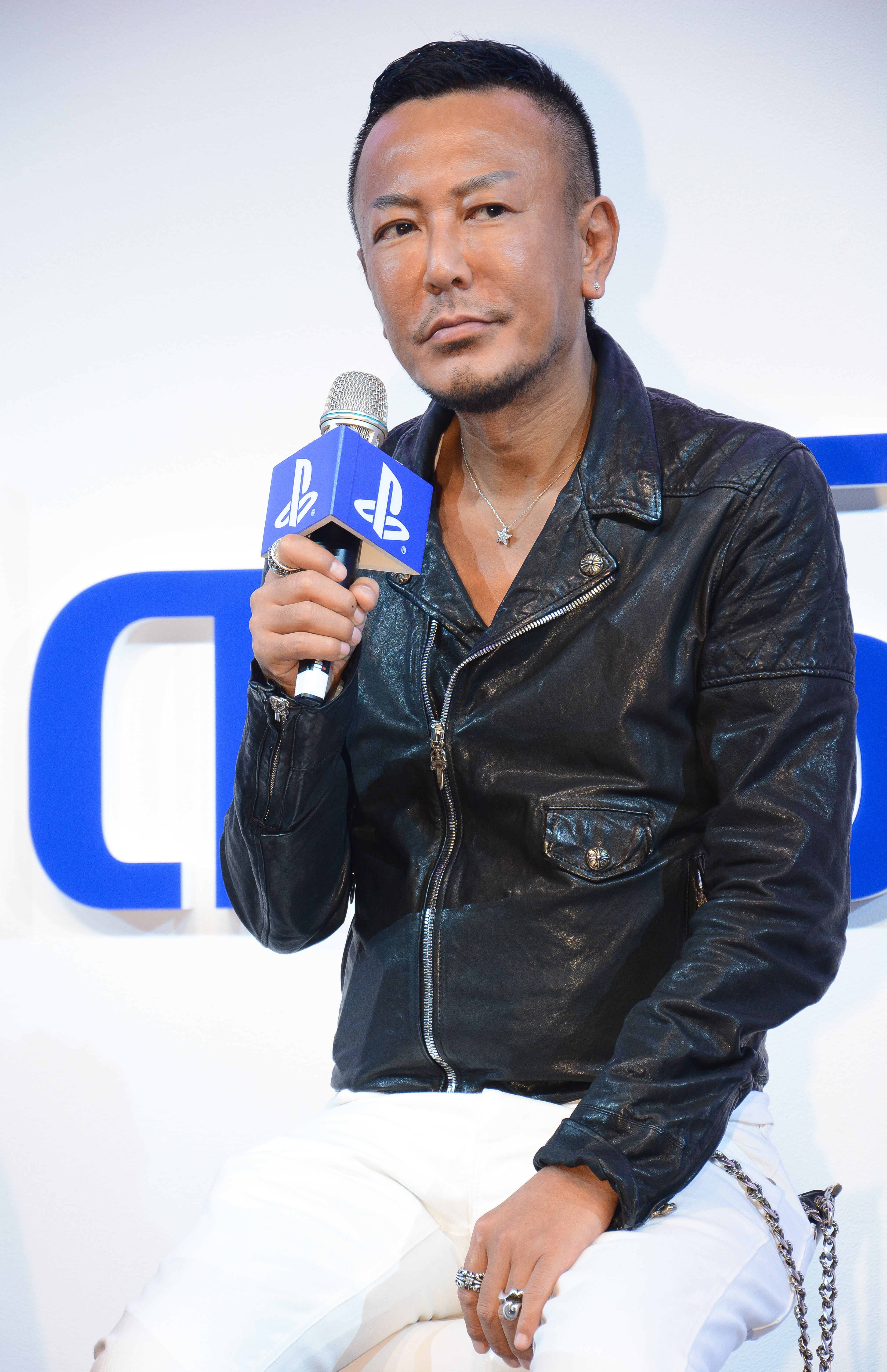
Yu Suzuki joined Sega in 1983 as a programmer. At the time Suzuki joined Sega, there was only one development division at the company. In his first year, he created a 2D boxing game called Champion Boxing for Sega's first home game console, the SG-1000. According to Suzuki, the executive staff at Sega found the game so impressive that they released it in arcades as-is by simply installing an SG-1000 into an arcade cabinet. He was promoted to project leader while still in his first year at the company. Suzuki's next project was the motorcycle racing game Hang-On. To accomplish his desire to make a 3D game despite technological limitations at the time, he specified the design of Sega's new Super Scaler arcade system board, which utilized 16-bit graphics and sprite-scaling. Hang-On was very popular at launch and sold well for Sega. Suzuki's success followed with additional titles Space Harrier, Out Run, and Enduro Racer. He and his team relocated to "Studio 128", a more private location where After Burner and Power Drift were developed. He also worked on development of G-LOC: Air Battle and the R360 arcade cabinet. Developer Toshihiro Nagoshi joined Sega in 1989 as a designer with Suzuki's team.
Establishment of AM2 and years as a department
Some time after the release of Power Drift, Sega began to separate the amusement division into the Amusement Machine Research and Development teams, or AM teams. Suzuki was made general manager of Research and Development No. 2, or Sega AM2. According to Suzuki, Sega employed approximately 600 people in research and development, and that AM2 began as a group of around 100 people. He has also stated the reason for this separation was the advent of advanced computer graphics technology. Around the time of AM2's formation, Suzuki's team moved back into the main office, then to an annex a short walk from the office. Even so, Suzuki worked with a desire of secrecy, so much so that Sega president Hayao Nakayama was denied entry on one occasion.
The first project developed by AM2 was Virtua Racing. While development began with 10 people on Virtua Racing, it finished with 25 workers on the project for a year, and the Model 1 arcade system board on which it runs took approximately three years. AM2 also ported the game for the Sega Genesis. Next Generation stated that AM2 "single-handedly chang[ed] the perception of polygons in a gaming environment" with Virtua Racing.
After the release of Virtua Racing, AM2 split into two teams; one began work on Virtua Fighter, while another started on Daytona USA. According to Suzuki, he wanted to develop a game with multiple joint movements, such as a soccer or rugby game. Finding that the Model 1 was not powerful enough to handle this many motions, Suzuki resorted to a game with only two moving characters at a time. With the massive success of Street Fighter II in the industry at the time, he made the decision to make a 3D fighting game to compete. In developing the game, Suzuki identified the need for the game to be realistic, yet fun to play. Virtua Fighter became a huge success in Japan, and its Sega Saturn port sold at a nearly one-to-one ratio with the console itself.

For Daytona USA, Nagoshi was director and chief designer, while Suzuki served as producer. The concept for the game was suggested by Tom Petit, head of Sega Enterprises USA, as a way to debut Sega's new Model 2 arcade system board. Sega mandated that Daytona USA had to be better than Ridge Racer, a game made by Namco. To accurately depict Daytona International Speedway, the developers used satellite imagery and sent staff to photograph the track; Nagoshi walked a full lap to get a feel for the banking in the corners. Daytona USA was released in Japan in August 1993, and worldwide in March 1994. AM2 ported the game to Saturn in April 1995. The Saturn port was a launch title in the West. Daytona USA was highly popular in arcades, and the twin cabinet was one of three 1995 recipients of the American Amusement Machine Association's Diamond Awards, which are based strictly on sales achievements. In a 2002 report, Sega reported it to be one of the most successful arcade games of all time.
Over the course of the remainder of the 1990s, Suzuki's primary concern in arcades were the Virtua Fighter series and working as a producer for other titles. Subsequently, AM2 released Virtua Cop and Virtua Fighter 2 for the Model 2. Produced in twelve months, Virtua Fighter 2 was an even greater success in Japan than its predecessor. In a 1996 interview, Suzuki stated in an interview his philosophy to be not an imitator, but a pioneer in the arcade industry. He also described the palm tree logo of AM2 as representing reliance and peace of mind. Further titles developed in the end of 1990s included Virtua Cop 2, Fighting Vipers, Daytona USA 2: Battle on the Edge, and SpikeOut. Daytona USA 2 and SpikeOut made use of the Model 3 system board.
AM2 of CRI and SEGA-AM2 Co., Ltd.
In April 2000, CSK Research Institute (CRI) took management over AM2. CRI was a subsidiary of CSK Corporation, which was Sega's parent company at the time, and had previously published Aero Dancing. The new division became known as "AM2 of CRI", and Suzuki remained in charge. Also in 2000, Sega restructured its arcade and console development teams into nine semi-autonomous studios headed by the company's top designers. Sega's design houses were encouraged to experiment and benefited from a relatively lax approval process. During the development of Shenmue, Nagoshi requested and was granted his own studio, leaving AM2.
AM2 developed what Sega hoped would be the Dreamcast's killer app in Shenmue, a "revenge epic in the tradition of Chinese cinema." The action-adventure game involved the quest of protagonist Ryo Hazuki to avenge his father's murder, but its main selling point was its rendition of the Japanese city of Yokosuka, which included a level of detail considered unprecedented for a video game. Incorporating a simulated day/night cycle with variable weather, non-player characters with regular schedules, and the ability to pick up and examine detailed objects (also introducing the Quick-time event in its modern form), Shenmue went over budget and was rumored to have cost Sega over $50 million. Originally planned as the first installment in an 11-part saga, Shenmue was eventually downsized to a trilogy. According to Sega of America president Peter Moore, Shenmue sold "extremely well", but the game had no chance of making a profit due to the Dreamcast's limited installed base. The high amount Shenmue went over budget was also a factor in the game's lack of profitability. Its sequel, Shenmue II, "was completed for a much more reasonable sum".[[File:Sega F355 Challenge.jpg|alt=An arcade cabinet with a steering wheel|thumb|[[F355 Challenge]], developed by AM2]]In addition to the mixed reception for Shenmue, IGN's Travis Fahs stated that "the [Dreamcast] era wasn't as kind to [AM2] as earlier years"—citing (among others) F355 Challenge as an "acclaimed" arcade game that "didn't do much at home", and Genki's port of Virtua Fighter 3 as inferior to the arcade version, "which was already a couple years old and never as popular as its predecessors." The Virtua Fighter series would experience a "tremendous comeback" with the universally acclaimed Virtua Fighter 4—which saw a console release exclusively on PlayStation 2. In Japanese arcades, Virtua Fighter 4 proved to be highly influential with its VF.NET system, paving the way for arcade games with network features. The quest mode of Virtua Fighter 4: Evolution on PlayStation 2, used AI mined from players in Japan playing through VF.NET.
In 2001, AM2 of CRI was renamed to SEGA-AM2 Co., Ltd. After serving as a producer on Virtua Cop 3 and OutRun 2, Suzuki left AM2 on October 1, 2003, in order to start a new studio with Sega, called Digitalrex. He was promoted to non-executive board director. Hiroshi Kataoka was placed in charge of AM2. Kataoka, who had led research and development at AM2 for a year, had worked on numerous projects for Sega and Yu Suzuki's division as old as Space Harrier to Virtua Fighter 4 Evolution. Makoto Osaki became AM2's head of development, reporting to Kataoka. At the same time as the changes, a number of Sega's studios were merged. However, AM2 did not merge with any other studio.
Merge into Sega and years since

During mid-2004, Sammy Corporation bought a controlling share in Sega and created the new company Sega Sammy Holdings, an entertainment conglomerate. Since then, Sega and Sammy became subsidiaries of the aforementioned holding company, with both companies operating independently, while the executive departments merged. Prior to the acquisition by Sammy, Sega began the process of re-integrating its subsidiaries into the main company, which was completed by October 2004. Sega would also restructure the development studios again, consolidating the divisions further into the Global Entertainment, Amusement Software, and New Entertainment R&D divisions.

AM2 continued to develop games after the merger. Virtua Fighter 5 was released in 2007. An upgrade, Virtua Fighter 5 R, was released the following year. The last release of the Virtua Fighter franchise was the console port of Virtua Fighter 5: Final Showdown, the final iteration of the game. Ghost Squad, in the style of Virtua Cop, received an arcade and a Wii release in 2008. AM2 has developed games for the Hatsune Miku: Project DIVA series, as well as a number of free-to-play smartphone games in Japan, such as Soul Reverse Zero. Some titles have been developed for consoles as well, such as Hatsune Miku: Project Diva Mega 39’s for Nintendo Switch. AM2 became involved with the Hatsune Miku license with items for Virtua Fighter 5 R and the racing game R-Tuned: Ultimate Street Racing. When the PSP game Hatsune Miku: Project DIVA was in development, it was decided that AM2 would develop an arcade version as well as develop the holographic imagery for Hatsune Miku's live concerts. The visuals for these projects were based on the Virtua Fighter 5 engine. Makoto Osaki called this period the most stressful for him since Shenmue.

A major success for AM2 has been Border Break. The game was partly developed because the development team felt envious of the Virtua Fighter 5 team and wanted to develop a competitive game as well. The arcade release in 2009 was continuously updated, with releases Border Break Union in 2012, Border Break Scramble in 2015, and Border Break X in 2017—with a PlayStation 4 version released in 2018. Port requests have been there since the beginning, however Sega remained concerned that people stop going to arcade if it didn't remain arcade exclusive, only after the decrease of arcades across Japan and receiving player comments that they needed drive several hours to get to an arcade, it was decided that the game would receive a PlayStation 4 port. In 2019, Border Break celebrated its 10th Anniversary.
Other titles from AM2 to get long-term support in arcades are Quest of D, Sega Network Taisen Mahjong MJ, and Shining Force Cross. Hiroshi Kataoka likened the basic enjoyability of these network-based arcade games to those of an MMO, but collectible cards and a community differentiated these from the usually solitary MMO experience on PC. According to Sega Amusement International CEO Paul Williams, these types of core games are only possible in Japan due to Sega owning their own chains and being able to kickstart an online infrastructure. The latest effort, Soul Reverse, was born out of the desire to create a fantasy version of Border Break. It lasted a year, launching in 2018 with its network features shutting down in 2019. The game was not well received by the Japanese arcade player base. It took four years to produce. Currently running arcade games with AM2 staff working on them are KanColle Arcade, Fate/Grand Order Arcade as well as an updated version of Virtua Fighter 5, Virtua Fighter 5: Ultimate Showdown, co-developed with Ryu Ga Gotoku Studio.
As of 2014, Hiroshi Kataoka was still in charge of AM2. Currently he is an executive for Sega supervising arcade engineers and the technology backend of games developed at the engineering division.
Games

AM2 has several arcade and video game series they develop, including Daytona USA, Virtua Fighter, OutRun, Virtua Cop, Virtua Striker, Fighting Vipers, and Shenmue. Other titles developed by the studio include Scud Race, Sonic the Fighters, 18 Wheeler: American Pro Trucker, F355 Challenge, Outtrigger, and Soul Reverse. AM2 has also developed smartphone games in Japan. Of AM2's games, the Virtua Fighter series is "the highest grossing game in Japan arcades." The Hatsune Miku: Project Diva series has sold over 6 million units as of 2018. As of March 2012, the game Border Break has grossed JP¥8.1 billion from arcade machine sales, equivalent to more than US$100 million.Fiscal year ended March 31, 2010: ¥3.3 billion ()
Fiscal year ended March 31, 2011: ¥2.5 billion ()
Six months ended March 31, 2012: ¥2.3 billion ()
¥3.3 billion = $40.7317 million
¥2.5 billion = $30.8542 million
¥2.3 billion = $28.6371 million
Journalists have praised AM2 as having a "legendary" status in game development, in particular under Yu Suzuki. According to Aaron Souppouris of Engadget, AM2 in the past developed games that defined their genres, and called the department Sega's "most-storied division". While lamenting the changes in development focus in recent years, Souppouris called the Hatsune Miku series "admittedly excellent". In 1995, Edge called Suzuki "the legendary head of AM2, Sega's core coin-op operation". Also in 1995, Next Generation stated that AM2's unusual repeated success came from its ability to release high-quality games on a regular basis. ''IGN'''s Travis Fahs stated that "[f]or as long as SEGA has had internal studios, AM2 has been the favorite son of the arcade division... Without AM2, SEGA would not have been able to dominate the arcades the way that they did." Video game researcher Ken Horowitz has stated that AM2 became the most well-known of Sega's in-house development teams and that the studio produced "ground-breaking classics".
| Title | Year released | Platform | ||||||
|---|---|---|---|---|---|---|---|---|
| Hang-On | 1985 | Sega Hang-On hardware | ||||||
| Space Harrier | Sega Space Harrier hardware | |||||||
| Out Run | 1986 | Sega OutRun hardware | ||||||
| After Burner | 1987 | Sega X Board | ||||||
| After Burner II | ||||||||
| Power Drift | 1988 | Sega Y Board | ||||||
| Dynamite Düx | Sega System 16 | |||||||
| Turbo Outrun | 1989 | Sega OutRun hardware | ||||||
| Sword of Vermilion | Sega Mega Drive | |||||||
| G-LOC: Air Battle | 1990 | Sega Y Board | ||||||
| GP Rider | Sega X Board | |||||||
| Strike Fighter | 1991 | Sega Y Board | ||||||
| Rent a Hero | Sega Mega Drive | |||||||
| F1 Exhaust Note | 1991 | Sega System 32 | ||||||
| Arabian Fight | 1992 | Sega System 32 | ||||||
| Virtua Racing | Sega Model 1 | |||||||
| Soreike Kokology | Sega System 32 | |||||||
| Burning Rival | 1993 | Sega System 32 | ||||||
| Virtua Fighter | Sega Model 1 | |||||||
| Daytona USA | 1994 | Sega Model 2 | ||||||
| Desert Tank | ||||||||
| Virtua Cop | ||||||||
| Virtua Fighter | Sega Saturn | |||||||
| Virtua Fighter 2 | Sega Model 2 | |||||||
| Virtua Racing | Sega Mega Drive | |||||||
| Daytona USA | 1995 | Sega Saturn | ||||||
| Virtua Fighter 2 | ||||||||
| Virtua Fighter Remix | ||||||||
| Virtua Striker | Sega Model 2 | |||||||
| Virtua Cop 2 | ||||||||
| Fighting Vipers | ||||||||
| Virtua Cop 2 | 1996 | Sega Saturn | ||||||
| Virtua Fighter 2 CG Portrait Series | ||||||||
| Virtua Fighter Kids | Sega ST-V, Sega Saturn | |||||||
| Virtua Fighter 3 | Sega Model 3 | |||||||
| Fighters Megamix | Sega Saturn | |||||||
| Fighting Vipers | ||||||||
| Scud Race | Sega Model 3 | |||||||
| Sonic the Fighters | Sega Model 2 | |||||||
| Digital Dance Mix Vol. 1 Namie Amuro | 1997 | Sega Saturn | ||||||
| Scud Race Plus | Sega Model 3 | |||||||
| Virtua Fighter 3tb | ||||||||
| Fighting Vipers 2 | 1998 | |||||||
| Daytona USA 2: Battle on the Edge | ||||||||
| Daytona USA 2: Power Edition | ||||||||
| Virtua Fighter 3tb | Dreamcast | |||||||
| Ferrari F355 Challenge | 1999 | Sega NAOMI Multiboard | ||||||
| Outtrigger | Sega NAOMI | |||||||
| 18 Wheeler: American Pro Trucker | Sega NAOMI | |||||||
| Shenmue | Dreamcast | |||||||
| 18 Wheeler: American Pro Trucker | 2000 | |||||||
| Ferrari F355 Challenge | ||||||||
| Beach Spikers | 2001 | Sega NAOMI | ||||||
| F355 Challenge 2 International Course Edition | Sega NAOMI Multiboard | |||||||
| Fighting Vipers 2 | Dreamcast | |||||||
| Shenmue II | ||||||||
| Outtrigger (video game) | ||||||||
| Virtua Fighter 4 | Sega NAOMI 2 | |||||||
| Aero Elite: Combat Academy | 2002 | PlayStation 2 | ||||||
| Beach Spikers | GameCube | |||||||
| Ferrari F355 Challenge | PlayStation 2 | |||||||
| Sega Network Taisen Mahjong MJ | Sega NAOMI 2 | |||||||
| Shenmue II | Xbox | |||||||
| The King of Route 66 | Sega NAOMI 2 | |||||||
| Virtua Cop: Elite Edition | PlayStation 2 | |||||||
| Virtua Fighter 4 | ||||||||
| Virtua Fighter 4: Evolution | Sega NAOMI 2 | |||||||
| Choujikuu Yousai Macross | 2003 | PlayStation 2 | ||||||
| Virtua Cop 3 | Sega Chihiro | |||||||
| Sega Network Taisen Mahjong MJ2 | ||||||||
| The King of Route 66 | PlayStation 2 | |||||||
| OutRun 2 | Sega Chihiro | |||||||
| Virtua Fighter 4 Evolution | PlayStation 2 | |||||||
| Ghost Squad | 2004 | Sega Chihiro | ||||||
| Quest of D | ||||||||
| Sega Ages 2500 Vol. 16: Virtua Fighter 2 | PlayStation 2 | |||||||
| Sega Golf Club | Sega Chihiro | |||||||
| OutRun 2 SP | ||||||||
| Virtua Fighter 4 Final Tuned | Sega NAOMI 2 | |||||||
| Virtua Quest | PlayStation 2, GameCube | |||||||
| Quest of D Ver. 2.0: Gofu no Keisyousya | 2005 | Sega Chihiro | ||||||
| Sega Ages 2500 Vol. 19: Fighting Vipers | PlayStation 2 | |||||||
| Sega Network Taisen Mahjong MJ3 | Sega Chihiro | |||||||
| Sonic Gems Collection (Sonic the Fighters) | GameCube, PlayStation 2 | |||||||
| After Burner: Climax | 2006 | Sega Lindbergh | ||||||
| Quest of D Ver 3.0: Oukoku no Syugosya | Sega Chihiro | |||||||
| Sega Golf Club Ver. 2006 | ||||||||
| Miyazato San Kyoudai Naizou: Sega Golfclub | PlayStation 3 | |||||||
| Virtua Fighter 5 | Sega Lindbergh | |||||||
| Ghost Squad Evolution | 2007 | Sega Chihiro | ||||||
| Ghost Squad | Wii | |||||||
| Quest of D: The Battle Kingdom | Sega Chihiro | |||||||
| Sega Network Casino Club | Sega Lindbergh | |||||||
| Virtua Fighter 5 | Xbox 360, PlayStation 3 | |||||||
| R-Tuned: Ultimate Street Racing | 2008 | Sega Lindbergh | ||||||
| Sega Network Casino Club Ver. 2 | ||||||||
| Sega Network Taisen Mahjong MJ4 | ||||||||
| Virtua Fighter 5 R | ||||||||
| Border Break | 2009 | Sega RingeEdge | ||||||
| Cyber Troopers Virtual-On Oratorio Tangram | Xbox 360, PlayStation 3 | |||||||
| Sega Racing Classic | Sega RingWide | |||||||
| Sega Network Casino Club Ver. 3 | Sega Lindbergh | |||||||
| Shining Force Cross | Sega RingEdge | |||||||
| After Burner: Climax | 2010 | Xbox 360, PlayStation 3 | ||||||
| Border Break Airburst | Sega RingEdge | |||||||
| Cyber Troopers Virtual-On Force | Xbox 360 | |||||||
| Hatsune Miku: Project DIVA Arcade | Sega RingEdge | |||||||
| Shining Force Cross Raid | ||||||||
| Virtua Fighter 5 Final Showdown | Sega Lindbergh | |||||||
| Daytona USA | 2011 | Xbox 360, PlayStation 3 | ||||||
| Sega Network Taisen Mahjong MJ5 | Sega RingEdge | |||||||
| Border Break Union | 2012 | |||||||
| Fighting Vipers | Xbox 360, PlayStation 3 | |||||||
| Hatsune Miku and Future Stars: Project Mirai | Nintendo 3DS | last=株式会社インプレス | date=2015-05-28 | title=3DS「初音ミク Project mirai でらっくす」発売、開発者囲みインタビュー 「1曲しか追加されてないという声もあるけど、PVを魂を込めて作ったので楽しんで!」 | url=http://game.watch.impress.co.jp/docs/news/704238.html | access-date=2021-06-26 | website=GAME Watch | language=ja}} |
| Shining Force Cross Elysion | Sega RingEdge | |||||||
| Sonic the Fighters | Xbox 360, PlayStation 3 | |||||||
| Virtua Fighter 2 | ||||||||
| Virtua Fighter 5: Final Showdown | ||||||||
| Hatsune Miku: Project DIVA Arcade Future Tone | 2013 | Sega Nu | ||||||
| Hatsune Miku: Project Mirai 2 | Nintendo 3DS | |||||||
| Sega Network Taisen Mahjong MJ | Microsoft Windows | |||||||
| Sega Network Taisen Mahjong MJ5R | Sega RingEdge | |||||||
| Shining Force Cross Elysion | ||||||||
| Virtual On: Cyber Troopers | Xbox 360, PlayStation 3 | |||||||
| Virtua Striker | ||||||||
| Border Break Scramble | 2014 | Sega RingEdge | ||||||
| Shining Force Cross Exlesia Zenith | ||||||||
| Sega Network Taisen Mahjong MJ Mobile | iOS, Android | |||||||
| Border Break X | 2016 | Sega RingEdge | ||||||
| Hatsune Miku: Project DIVA Future Tone | PlayStation 4 | |||||||
| Kancolle Arcade | Sega Nu | |||||||
| Soul Reverse Zero | iOS Android | |||||||
| Border Break X Zero | 2017 | Sega RingEdge | ||||||
| Sega Network Taisen Mahjong MJ Arcade | Sega Nu | |||||||
| Border Break | 2018 | PlayStation 4 | ||||||
| Soul Reverse | ALLS UX | |||||||
| Fate/Grand Order Arcade | ||||||||
| Hatsune Miku: Project DIVA Mega Mix | 2020 | Switch | ||||||
| Virtua Fighter 5 Ultimate Showdown | 2021 | ALLS UX, PlayStation 4 | ||||||
| Hatsune Miku: Project DIVA Mega Mix + | 2022 | Microsoft Windows | ||||||
| Virtua Fighter 3tb Online | 2023 | Arcade | ||||||
| Virtua Fighter 5 R.E.V.O. | 2025 | Microsoft Windows |
Notes
Notes
References
References
- Marley, Scott. (December 2016). "Q&A with Yu Suzuki". [[Future Publishing]].
- (June 1994). "Yu Suzuki: Sega's driving force".
- Robinson, Martin. (March 22, 2015). "Out Ran: Meeting Yu Suzuki, Sega's original outsider". Gamer Network.
- Horowitz, Ken. (2018). "The Sega Arcade Revolution: A History in 62 Games". [[McFarland & Company]].
- Fahs, Travis. (April 21, 2009). "IGN Presents the History of SEGA". [[IGN]].
- Grazza, Brian. (October 5, 2017). "OutRun". Kurt Kalata.
- (April 1995). "AM2".
- (December 11, 2013). "VF20th Anniversary Interview with Yu Suzuki". [[Sega]].
- (November 1995). "Nothing Compares to Yu". [[Imagine Media]].
- (January 1995). "Street's Fighting for Squares... Virtua Fighter is Big in Japan". [[Future Publishing]].
- Kent, Steven L.. (2001). "[[The Ultimate History of Video Games: The Story Behind the Craze that Touched our Lives and Changed the World]]". Prima Publishing.
- (October 1993). "Daytona USA".
- Ogasawara, Nob. (May 1995). "The Creation of Daytona, and the Future Projects of AM2". Sendai Publishing.
- (December 1995). "Virtua Fighter 2 Development Diary". [[Emap International Limited]].
- (January 1996). "1995: The Calm Before the Storm?". [[Imagine Media]].
- (July 1995). "Sega Hopes to Run Rings Around the Competition with Early Release of the Saturn". Sendai Publishing.
- (May 1996). "And the Winner Is...". [[Imagine Media]].
- (2002). "Sega Annual Report, 2002". [[Sega Sammy Holdings]].
- (January 2016). "The Arcade Pioneer: The Story of Yu Suzuki". [[Future plc]].
- (June 1996). "AM Tidbits".
- Sato, Yukiyoshi Ite. (April 27, 2000). "New Management for Sega's AM2".
- Parish, Jeremy. (September 3, 2009). "9.9.99, A Dreamcast Memorial".
- "The Dreamcast, Console of the Avant-Garde". Loading... The Journal of the Canadian Game Studies Association.
- Brown, Nathan. (December 28, 2018). "From Shenmue to Yakuza, Toshihiro Nagoshi looks back on an illustrious career of Japanese game development".
- (July 13, 1999). "''Shenmue'', the History".
- Kolan, Patrick. (August 7, 2007). "''Shenmue'': Through the Ages".
- Mott, Tony. (2013). "1001 Video Games You Must Play Before You Die". Universe Publishing.
- Lamosca, Adam. (June 24, 2007). "On-Screen Help, In-Game Hindrance". [[The Escapist (magazine).
- Corriea, Alexa Ray. (March 19, 2014). "Creator Yu Suzuki shares the story of ''Shenmue'''s development". [[Polygon (website).
- Fahs, Travis. (September 9, 2010). "IGN Presents the History of Dreamcast".
- Matt. (December 2000). "F355 Challenge: Passione Rossa".
- (October 25, 1999). "''Virtua Fighter 3tb''".
- "''Virtua Fighter 4''".
- James, Mielke. (March 31, 2006). "The Last Arcade Crusaders".
- "Virtua Fighter 4 – Hardcore Gaming 101".
- (August 1, 2001). "CSK Research Institute Becomes Sega-AM2 Co. Ltd.".
- Doree, Adam. (July 25, 2013). "Sega Studio Mergers: Full Details". Superglobal.
- Vazzoler, Marlen. (January 27, 2018). "Magic 2018 – Da tite kubo a Yu Suzuki a Bill Sienkiewicz ospiti e programma".
- (July 8, 2003). "Sega-AM2 gets new president".
- Fahey, Rob. (July 9, 2003). "Sega reshuffles development studios".
- Doree, Adam. (June 18, 2004). "Sega-AM2: The Kikizo Interview 2004". Superglobal.
- Niizumi, Hirohiko. (July 30, 2003). "Sega reveals new development studio structure".
- Niizumi, Hirohiko. (June 1, 2004). "Sammy reveals new logo, changes at Sega".
- Fahey, Rob. (June 29, 2004). "Sega development studios return to the fold". Gamer Network.
- Fahey, Rob. (October 4, 2004). "Sega and Sammy complete merger, new holding company launched".
- (March 21, 2007). "Sega AM2: The Complete VF5 Interview". Superglobal.
- (October 7, 2008). "Virtua Fighter 5 R: The ONLY Interview". Superglobal.
- Robinson, Martin. (14 May 2012). "Virtua Fighter 5 Final Showdown release date, price announced".
- Dransfield, Ian. (June 10, 2008). "Wii Review: Ghost Squad". Superglobal.
- Bozon, Mark. (November 20, 2007). "Ghost Squad Review".
- Souppouris, Aaron. (August 23, 2019). "Sega is becoming its weird and wonderful self again".
- Fukuhara, Hiroyuki. (October 21, 2016). "Sega · Interactive, announces new arrival RPG "SOUL REVERSE ZERO" of AM2 lab!". Impress Corporation.
- Wong, Alistair. (July 1, 2019). "Hatsune Miku: Project Diva Mega 39's To Sing And Dance On Nintendo Switch In Early 2020".
- (December 11, 2017). "『初音ミク』の10年と、『ディーヴァ』シリーズの歩みを振り返る。クリプトン佐々木氏&セガ大崎氏インタビュー(1/2)".
- 徹也, 稲元. (September 19, 2019). "「ボーダーブレイク」の10年を開発者とゲストが振り返る,「10周年だヨ!ボダりな祭」レポート。12月のPS4版アップデートも一部が明らかに".
- (2018-12-30). "百渓 曜【前編】 {{!}} 株式会社セガ・インタラクティブ". 株式会社セガ・インタラクティブ.
- (November 13, 2003). "New from Sega-AM2: Quest of D".
- "Games". Sega-AM2 Co..
- Kiharu, Taku. (May 1, 2009). "シャイニング・フォース クロス".
- James, Mielke. (March 31, 2006). "The Last Arcade Crusaders".
- Zangirolami, Marco. (December 16, 2016). "T3 Interview: CEO of Sega Amusements International Paul Williams".
- Muratani, Kenta. (April 14, 2008). "アップデートで巻き返しを図る「SOUL REVERSE」クリエイターインタビュー。バランス調整が施されたVer.1.2の狙い……のその前に,苦戦の理由を聞いてみた".
- (October 12, 2018). "アーケード用対戦アクション「SOUL REVERSE」が2019年2月下旬でサービス終了".
- "アップデートで巻き返しを図る「SOUL REVERSE」クリエイターインタビュー。バランス調整が施されたVer.1.2の狙い……のその前に,苦戦の理由を聞いてみた".
- (December 2025). "『Fate/Grand Order Arcade』 「Amusement Journal」の「2020 Best Income Award 大型ビデオゲーム部門」にて2年連続大賞受賞 {{!}} 最新情報 {{!}} ディライトワークス株式会社".
- (2023-05-29). "大人気アプリゲーム・FGOの世界観を徹底再現!Fate/GrandOrder Arcadeのマスターになろう! - マガポケベース".
- (2014-10-27). "バーチャファイター20周年記念特設サイト -株式会社セガ-".
- (2024-01-10). "『Beep21』片岡洋特別インタビュー 〜クリエイター・リユニオン・ファイルVol.7〜|Beep21".
- "技術本部インタビュー".
- (April 1997). "NG Alphas: Super GT". [[Imagine Media]].
- Thompson, Jon. "18-Wheeler: American Pro Trucker (DC) - Review". [[All Media Network]].
- Mathers, Martin. (27 December 2001). "Outtrigger". [[Paragon Publishing]].
- (October 21, 2016). "セガ・インタラクティブ、AM2研の入魂の新作RPG「SOUL REVERSE ZERO」を発表!".
- Romano, Sal. (October 12, 2018). "Sega shares updated sales numbers for Persona, Megami Tensei, Yakuza, and more; aiming for simultaneous worldwide releases".
- (2004-06-30). "SEGA-AM2 - Games : 最新のAM2作品 -".
- (2017-02-18). "格闘ゲームの歴史はこう変わった。バーチャファイター、そして".
- Leadbetter, Rich. (November 1995). "Virtua Fighter: The Second Coming". [[Emap International Limited]].
- (December 1995). "Virtua Fighter 2 Development Diary". [[Emap International Limited]].
- "Amazon.co.jp: Sega Saturn Category: Virtua Fighter [Special Limited Edition] : Toys".
- "ビデオゲームの語り部たち 第5部:「バーチャストライカー」を作り上げた三船 敏氏と中込博之氏の旅路".
- Bramwell, Tom. (2007-05-11). "Ghost Squad heading to Wii".
- "SEGA VOICE".
- "SEGA GOLFCLUB Network ProTourロケテストレポート".
- (2015-07-27). "Noriyuki Shimoda {{!}} LinkedIn".
- (2009-04-25). "アルバイト採用詳細 {{!}} ニュースリリース {{!}} 会社情報 {{!}} SEGA".
- "SEGA AGES 2500 ファイティングバイパーズ".
- (February 25, 2007). "Sonic Gems Collection Credits".
- (2009-02-27). "19年を経て甦る爽快感!『アフターバーナー クライマックス』 {{!}} セガボイス {{!}} SEGA".
- (June 27, 2008). "Test Out SEGA-AM2's New Arcade Racer".
- (2011-12-28). "アルバイト採用詳細 {{!}} ニュースリリース {{!}} 会社情報 {{!}} SEGA".
- (August 24, 2012). "Daytona USA (PSN) Credits and Records".
- 株式会社インプレス. (2015-05-28). "3DS「初音ミク Project mirai でらっくす」発売、開発者囲みインタビュー 「1曲しか追加されてないという声もあるけど、PVを魂を込めて作ったので楽しんで!」".
- (2018-12-29). "片岡 洋【後編】".
- "Hatsune Miku: Project DIVA Future Tone DX (Chinese/Japanese Ver.)".
- "「ボーダーブレイク」の10年を開発者とゲストが振り返る,「10周年だヨ!ボダりな祭」レポート。12月のPS4版アップデートも一部が明らかに".
- ""初音ミク×セガ"新作『初音ミク Project DIVA MEGA39's』発表! Nintendo Switch向けに2020年初頭発売予定".
- (2021-05-31). "Virtua Fighter 5 Ultimate Showdown: Remaking a legend".
This article was imported from Wikipedia and is available under the Creative Commons Attribution-ShareAlike 4.0 License. Content has been adapted to SurfDoc format. Original contributors can be found on the article history page.
Ask Mako anything about Sega AM2 — get instant answers, deeper analysis, and related topics.
Research with MakoFree with your Surf account
Create a free account to save articles, ask Mako questions, and organize your research.
Sign up freeThis content may have been generated or modified by AI. CloudSurf Software LLC is not responsible for the accuracy, completeness, or reliability of AI-generated content. Always verify important information from primary sources.
Report