From Surf Wiki (app.surf) — the open knowledge base
Cinema of India
none

none
| Field | Value |
|---|---|
| name | Cinema of India |
| image | India film clapperboard (variant).svg |
| screens | 9,742 (2023) |
| screens_per_capita | 6 per million (2021) |
| distributors | |
| produced_year | 2021–2022 |
| produced_ref | |
| produced_total | 2886 |
| admissions_year | 2016 |
| admissions_ref | |
| admissions_total | 2,020,000,000 |
| admissions_per_capita | 1.69 |
| admissions_national | 1,713,600,000 |
| box_office_year | 2024 |
| box_office_ref | |
| box_office_total | () |
sidebars are redundant with bottom nav templates --
The cinema of India, consisting of motion pictures made by the Indian film industry, has had a large effect on world cinema since the second half of the 20th century.{{bulleted list|
- }} Indian cinema is made up of various film industries, each focused on producing films in a specific language, such as Hindi, Telugu, Tamil, Malayalam, Kannada, Bengali, Marathi, Gujarati, Punjabi, Bhojpuri, Assamese, Odia and others.
Major centres of film production across the country include Mumbai, Hyderabad, Chennai, Kolkata, Kochi, Bengaluru, Bhubaneswar-Cuttack, and Guwahati.{{refn|group=details|
- Mumbai is the hub of Hindi cinema and Marathi cinema.
- Hyderabad is the hub of the Telugu cinema.
- Chennai is the hub of Tamil cinema.
- Kolkata is the home of Bengali cinema.
- Kochi is known as the hub of Malayalam cinema.
- Bengaluru is the hub of Kannada cinema.
- The twin cities of Bhubaneswar & Cuttack play host to the Odia cinema.
- Guwahati is the hub of Assamese cinema}} For a number of years, the Indian film industry has ranked first in the world in terms of annual film output. In 2024, Indian cinema earned ($1.36 billion) at the Indian box-office. Ramoji Film City located in Hyderabad is certified by the Guinness World Records as the largest film studio complex in the world measuring over 1,666 acres (674 ha).
Indian cinema is composed of multilingual and multi-ethnic film art. The term 'Bollywood', often mistakenly used to refer to Indian cinema as a whole, specifically denotes the Hindi-language film industry. Indian cinema, however, is an umbrella term encompassing multiple film industries, each producing films in its respective language and showcasing unique cultural and stylistic elements.
In 2021, Telugu cinema emerged as the largest film industry in India in terms of box office. In 2022, Hindi cinema represented 33% of box office revenue, followed by Telugu representing 20%, Tamil representing 16%, Bengali and Kannada representing 8%, and Malayalam representing 6%, with Marathi, Punjabi and Gujarati being the other prominent film industries based on revenue. As of 2022, the combined revenue of South Indian film industries has surpassed that of the Mumbai-based Hindi-language film industry (Bollywood). As of 2022, Telugu cinema leads Indian cinema with 23.3 crore (233 million) tickets sold, followed by Tamil cinema with 20.5 crore (205 million) and Hindi cinema with 18.9 crore (189 million).
Indian cinema is a global enterprise, and its films have attracted international attention and acclaim throughout South Asia. Since talkies began in 1931, Hindi cinema has led in terms of box office performance, but in recent years it has faced stiff competition from Telugu cinema. Overseas Indians account for 12% of the industry's revenue.
History
Main article: History of cinema of India
The history of cinema in India extends to the beginning of the film era. Following the public screening of the Lumière brothers' and Robert Paul's moving pictures in London in late 1895 and early 1896, respectively, commercial cinematography became a worldwide sensation and these films were shown in Bombay (now Mumbai) that same year.
Silent era (1890s–1920s)
From 1913 to 1931, all the movies made in India were silent films, which had no sound and had intertitles.
In 1913, Dadasaheb Phalke released Raja Harishchandra (1913) in Bombay, the first film made in India. It was a silent film incorporating English, Marathi, and Hindi intertitles. Films steadily gained popularity across India as affordable entertainment for the masses (admission as low as an anna [one-sixteenth of a rupee] in Bombay). Young producers began to incorporate elements of Indian social life and culture into cinema, others brought new ideas from across the world. Global audiences and markets soon became aware of India's film industry.
In 1927, the British government, to promote the market in India for British films over American ones, formed the Indian Cinematograph Enquiry Committee. This committee failed to support the intended recommendations for promoting British film, instead recommending support for the fledgling Indian film industry. As a result, their suggestions were set aside.
Sound era
The first Indian sound film was Alam Ara (1931) made by Ardeshir Irani.
The first film studio in South India, Durga Cinetone, was built in 1936 by Nidamarthi Surayya in Rajahmundry, Andhra Pradesh. The advent of sound to Indian cinema launched musicals such as Indra Sabha and Devi Devyani, marking the beginning of song-and-dance in Indian films. By 1935, studios emerged in major cities such as Madras, Calcutta and Bombay as filmmaking became an established industry, exemplified by the success of Devdas (1935). The first colour film made in India was Kisan Kanya (1937, Moti B).
Swamikannu Vincent, who had built the first cinema of South India in Coimbatore, introduced the concept of "tent cinema" in which a tent was erected on a stretch of open land to screen films. The first of its kind was in Madras and was called Edison's Grand Cinema Megaphone, named for the electric carbons used in motion picture projectors. Bombay Talkies opened in 1934 and Prabhat Studios in Pune began production of Marathi films. However, while Indian filmmakers sought to tell important stories, the British Raj banned Wrath (1930) and Raithu Bidda (1938) for broaching the subject of the Indian independence movement.
The Indian Masala film—a term used for mixed-genre films that combined song, dance, romance, etc.—arose following the Second World War. During the 1940s, cinema in South India accounted for nearly half of India's cinema halls, and cinema came to be viewed as an instrument of cultural revival. The Indian People's Theatre Association (IPTA), an art movement with a communist inclination, began to take shape through the 1940s and the 1950s. IPTA plays, such as Nabanna (1944), prepared the ground for realism in Indian cinema, as seen in the films Mother India (1957) and Pyaasa (1957), among India's most recognisable cinematic productions.
Following independence, the 1947 partition of India divided the nation's assets and a number of studios moved to Pakistan. Partition became an enduring film subject thereafter. The Indian government had established a Films Division by 1948, which eventually became one of the world's largest documentary film producers.
Golden Age (late 1940s–1960s)
The period from the late 1940s to the early 1960s is regarded by film historians as the Golden Age of Indian cinema. This period saw the emergence of the parallel cinema movement, which emphasised social realism. Mainly led by Bengalis, it laid the foundations for Indian neorealism.
The Apu Trilogy (1955–1959, Satyajit Ray) won prizes at several major international film festivals and firmly established the parallel cinema movement. It was influential on world cinema and led to a rush of coming-of-age films in art house theatres.
During the 1950s, Indian cinema reportedly became the world's second largest film industry, earning a gross annual income of in 1953. The government created the Film Finance Corporation (FFC) in 1960 to provide financial support to filmmakers. While serving as Information and Broadcasting Minister of India in the 1960s, Indira Gandhi supported the production of off-beat cinema through the FFC. Commercial Hindi cinema began thriving, including acclaimed films Pyaasa (1957) and Kaagaz Ke Phool (1959, Guru Dutt) Awaara (1951) and Shree 420 (1955, Raj Kapoor). These films expressed social themes mainly dealing with working-class urban life in India.
Epic film Mother India (1957, Mehboob Khan) was the first Indian film to be nominated for the US-based Academy of Motion Picture Arts and Sciences' Academy Award for Best Foreign Language Film and defined the conventions of Hindi cinema for decades. It spawned a new genre of dacoit films. Gunga Jumna (1961, Dilip Kumar) was a dacoit crime drama about two brothers on opposite sides of the law, a theme that became common in Indian films in the 1970s.
Actor Dilip Kumar rose to fame in the 1950s, and was the biggest Indian movie star of the time. He was a pioneer of method acting, predating Hollywood method actors such as Marlon Brando. Much like Brando's influence on New Hollywood actors, Kumar inspired Hindi actors, including Amitabh Bachchan, Naseeruddin Shah, Shah Rukh Khan and Nawazuddin Siddiqui.
1970s–present
By 1986, India's annual film output had increased to 833 films annually, making India the world's largest film producer. Hindi film production of Bombay, the largest segment of the industry, became known as "Bollywood".
By 1996, the Indian film industry had an estimated domestic cinema viewership of 600million people, establishing India as one of the largest film markets, with the largest regional industries being Hindi, Telugu, and Tamil films. In 2001, in terms of ticket sales, Indian cinema sold an estimated 3.6 billion tickets annually across the globe, compared to Hollywood's 2.6 billion tickets sold.
Hindi
Realistic parallel cinema continued throughout the 1970s, practised in many Indian film cultures. The FFC's art film orientation came under criticism during a Committee on Public Undertakings investigation in 1976, which accused the body of not doing enough to encourage commercial cinema.
Hindi commercial cinema continued with films starring Rajesh Khanna such as Aradhana (1969), Sachaa Jhutha (1970), Haathi Mere Saathi (1971), Anand (1971), Kati Patang (1971) Amar Prem (1972), Dushman (1972) and Daag (1973).
By the early 1970s, Hindi cinema was experiencing thematic stagnation, dominated by musical romance films. Screenwriter duo Salim–Javed (Salim Khan and Javed Akhtar) revitalised the industry. They established the genre of gritty, violent, Bombay underworld crime films with Zanjeer (1973) and Deewaar (1975). They reinterpreted the rural themes of Mother India and Gunga Jumna in an urban context reflecting 1970s India, channelling the growing discontent and disillusionment among the masses, unprecedented growth of slums and urban poverty, corruption and crime, as well as anti-establishment themes. This resulted in their creation of the "angry young man", personified by Amitabh Bachchan, who reinterpreted Kumar's performance in Gunga Jumna and gave a voice to the urban poor. The women on the other hand were shown as ones who have adopted western values and outfits especially by heroines like Parveen Babi (who was featured on the cover of Time magazine for a story on Bollywood's success) and Zeenat Aman.
By the mid-1970s, Bachchan's position as a lead actor was solidified by crime-action films Zanjeer and Sholay (1975). The devotional classic Jai Santoshi Ma (1975) was made on a low budget and became a box office success and a cult classic. Another important film was Deewaar (1975, Yash Chopra), a crime film with brothers on opposite sides of the law which Danny Boyle described as "absolutely key to Indian cinema".
The term "Bollywood" was coined in the 1970s, when the conventions of commercial Bombay-produced Hindi films were established. Key to this was masala film genre, which combines elements of action, comedy, romance, drama, melodrama and musical. Their film Yaadon Ki Baarat (1973) has been identified as the first masala film and the first quintessentially Bollywood film. Masala films made Bachchan the biggest Bollywood movie star of the period. Another landmark was Amar Akbar Anthony (1977, Manmohan Desai). Desai further expanded the genre in the 1970s and 1980s.
Commercial Hindi cinema grew in the 1980s, with films such as Ek Duuje Ke Liye (1981), Disco Dancer (1982), * Himmatwala* (1983), Tohfa (1984), Naam (1986), Mr India (1987), and Tezaab (1988).
In the late 1980s, Hindi cinema experienced another period of stagnation, with a decline in box office turnout, due to increasing violence, decline in musical melodic quality, and rise in video piracy, leading to middle-class family audiences abandoning theatres. The turning point came with Indian blockbuster Disco Dancer (1982) which began the era of disco music in Indian cinema. Lead actor Mithun Chakraborty and music director Bappi Lahiri had the highest number of mainstream Indian hit movies that decade. At the end of the decade, Yash Chopra's Chandni (1989) created a new formula for Bollywood musical romance films, reviving the genre and defining Hindi cinema in the years that followed. The film consolidated Sridevi's position as the biggest female star of the era. Commercial Hindi cinema grew in the late 1980s and 1990s, with the release of Mr. India (1987), Qayamat Se Qayamat Tak (1988), Chaalbaaz (1989), Maine Pyar Kiya (1989), Lamhe (1991), Saajan (1991), Khuda Gawah (1992), Khalnayak (1993), Darr (1993), Hum Aapke Hain Koun..! (1994), Dilwale Dulhaniya Le Jayenge (1995), Dil To Pagal Hai (1997), Pyar Kiya Toh Darna Kya (1998) and Kuch Kuch Hota Hai (1998). Cult classic Bandit Queen (1994) directed by Shekhar Kapur received international recognition and controversy.

In the late 1990s, there was a resurgence of parallel cinema in Bollywood, largely due to the critical and commercial success of crime films such as Satya (1998) and Vaastav (1999). These films launched a genre known as "Mumbai noir", reflecting social problems in the city. Ram Gopal Varma directed the Indian Political Trilogy, and the Indian Gangster Trilogy; film critic Rajeev Masand had labelled the latter series as one of the "most influential movies of Bollywood. The first instalment of the trilogy, Satya, was also listed in CNN-IBN's 100 greatest Indian films of all time.
Since the 1990s, the three biggest Bollywood movie stars have been the "Three Khans": Aamir Khan, Shah Rukh Khan, and Salman Khan. Combined, they starred in the top ten highest-grossing Bollywood films, and have dominated the Indian box office since the 1990s. Shah Rukh Khan was the most successful for most of the 1990s and 2000s, while Aamir Khan has been the most successful since the late 2000s; according to Forbes, Shah Rukh Khan is "arguably the world's biggest movie star" as of 2017, due to his immense popularity in India and China. Other notable Hindi film stars of recent decades include Ajay Devgn, Akshay Kumar, Anil Kapoor, Hrithik Roshan, Sanjay Dutt, Sunil Shetty and Sunny Deol among males and Aishwarya Rai, Juhi Chawla, Karisma Kapoor, Kajol, Madhuri Dixit, Preity Zinta, Rani Mukerji, Raveena Tandon, Sridevi, Tabu.
Haider (2014, Vishal Bhardwaj), the third instalment of the Indian Shakespearean Trilogy after Maqbool (2003) and Omkara (2006), won the People's Choice Award at the 9th Rome Film Festival in the Mondo Genere making it the first Indian film to achieve this honour.
The 2000s and 2010s also saw the rise of a new generation of popular actors like Shahid Kapoor, Ranbir Kapoor, Ranveer Singh, Ayushmann Khurrana, Varun Dhawan, Sidharth Malhotra, Sushant Singh Rajput, Kartik Aaryan, Arjun Kapoor, Aditya Roy Kapur and Tiger Shroff, as well as actresses like Vidya Balan, Priyanka Chopra, Kareena Kapoor, Katrina Kaif, Kangana Ranaut, Deepika Padukone, Sonam Kapoor, Anushka Sharma, Shraddha Kapoor, Alia Bhatt, Parineeti Chopra and Kriti Sanon with Balan, Ranaut and Bhatt gaining wide recognition for successful female-centric films such as The Dirty Picture (2011), Kahaani (2012), Queen (2014), Highway (2014), Tanu Weds Manu Returns (2015), Raazi (2018) and Gangubai Kathiawadi (2022).
Salim–Javed were highly influential in South Indian cinema. In addition to writing two Kannada films, many of their Bollywood films had remakes produced in other regions, including Tamil, Telugu and Malayalam cinema. While the Bollywood directors and producers held the rights to their films in Northern India, Salim–Javed retained the rights in South India, where they sold remake rights for films such as Zanjeer, Yaadon Ki Baarat and Don. Several of these remakes became breakthroughs for actor Rajinikanth.
Sridevi is widely regarded as the first female superstar of Indian cinema due to her pan-Indian appeal with equally successful careers in Hindi, Tamil, Malayalam, Kannada and Telugu cinema. She is the only Bollywood actor to have starred in a top 10 grossing film each year of her active career (1983–1997).
In 2024, regional film industries collectively accounted for around 60 % of India's box office share, with Hindi cinema's contribution falling to 40 %, reflecting a notable shift in audience preferences toward regional-language films including Malayalam, Tamil, Telugu, and Gujarati cinema
Telugu
K. V. Reddy's Mayabazar (1957) is a landmark film in Indian cinema, a classic of Telugu cinema that inspired generations of filmmakers. It blends myth, fantasy, romance and humour in a timeless story, captivating audiences with its fantastical elements. The film excelled in various departments like cast performances, production design, music, cinematography and is particularly revered for its use of technology. The use of special effects, innovative for the 1950s, like the first illusion of moonlight, showcased technical brilliance.. Powerful performances and relatable themes ensure Mayabazar stays relevant, a classic enjoyed by new generations. On the centenary of Indian cinema in 2013, CNN-IBN included Mayabazar in its list of "100 greatest Indian films of all time". In a poll conducted by CNN-IBN among those 100 films, Mayabazar was voted by the public as the "Greatest Indian film of all time".
K. Viswanath, one of the prominent auteurs of Indian cinema, he received international recognition for his works, and is known for blending parallel cinema with mainstream cinema. His works such as Sankarabharanam (1980) about revitalisation of Indian classical music won the "Prize of the Public" at the Besançon Film Festival of France in the year 1981. Forbes included J. V. Somayajulu's performance in the film on its list of "25 Greatest Acting Performances of Indian Cinema". Swathi Muthyam (1986) was India's official entry to the 59th Academy Awards. Swarna Kamalam (1988) the dance film choreographed by Kelucharan Mohapatra, and Sharon Lowen was featured at the Ann Arbor Film Festival, fetching three Indian Express Awards.
B. Narsing Rao, K. N. T. Sastry, and A. Kutumba Rao garnered international recognition for their works in new-wave cinema. Narsing Rao's Maa Ooru (1992) won the "Media Wave Award" of Hungary; Daasi (1988) and Matti Manushulu (1990) won the Diploma of Merit awards at the 16th and 17th MIFF respectively. Sastry's Thilaadanam (2000) received "New Currents Award" at the 7th Busan; Rajnesh Domalpalli's Vanaja (2006) won "Best First Feature Award" at the 57th Berlinale.
Ram Gopal Varma's Siva (1989), which attained cult following introduced steadicams and new sound recording techniques to Indian films. Siva attracted the young audience during its theatrical run, and its success encouraged filmmakers to explore a variety of themes and make experimental films. Varma introduced road movie and film noir to Indian screen with Kshana Kshanam (1991). Varma experimented with close-to-life performances by the lead actors, which bought a rather fictional storyline a sense of authenticity at a time when the industry was being filled with commercial fillers.
Singeetam Srinivasa Rao introduced time travel to the Indian screen with Aditya 369 (1991). The film dealt with exploratory dystopian and apocalyptic themes, taking the audience through a post-apocalyptic experience via time travel and folklore from 1526 CE, including a romantic subplot. Singeetam Srinivasa Rao was inspired by the classic sci-fi novel The Time Machine.
Chiranjeevi's works such as the social drama film Swayamkrushi (1987), comedy thriller Chantabbai (1986), the vigilante thriller Kondaveeti Donga (1990), the Western thriller Kodama Simham (1990), and the action thriller, Gang Leader (1991), popularised genre films with the highest estimated cinema footfalls. Sekhar Kammula's Dollar Dreams (2000), which explored the conflict between American dreams and human feelings, re-introduced social realism to Telugu film which had stagnated in formulaic commercialism. War drama Kanche (2015, Krish Jagarlamudi) explored the 1944 Nazi attack on the Indian army in the Italian campaign of the Second World War.

Pan-Indian film is a term related to Indian cinema that originated with Telugu cinema as a mainstream commercial film appealing to audiences across the country with a spread to world markets. S. S. Rajamouli pioneered the pan-Indian films movement with duology of epic action films Baahubali: The Beginning (2015) and Baahubali 2: The Conclusion (2017), that changed the face of Indian cinema. Baahubali: The Beginning became the first Indian film to be nominated for American Saturn Awards. It received national and international acclaim for Rajamouli's direction, story, visual effects, cinematography, themes, action sequences, music, and performances, and became a record-breaking box office success. The sequel Baahubali 2 (2017) went on to win the American "Saturn Award for Best International Film" & emerged as the second-highest-grossing Indian film of all time.
S.S Rajamouli followed up with the alternate historical film RRR (2022) that received universal critical acclaim for its direction, screenwriting, cast performances, cinematography, soundtrack, action sequences and VFX, which further consolidated the Pan-Indian film market. The film was considered one of the ten best films of the year by the National Board of Review, making it only the seventh non-English language film ever to make it to the list. It also became the first Indian film by an Indian production to win an Academy Award. The film went on to receive several other nominations at the Golden Globe Awards, Critics' Choice Movie Award including Best Foreign Language Film. Films like Pushpa: The Rise, Salaar: Part 1 – Ceasefire and Kalki 2898 AD have further contributed to the pan-Indian film wave.
Actors like Prabhas, Allu Arjun, Ram Charan and N. T. Rama Rao Jr. enjoy a nationwide popularity among the audiences after the release of their respective Pan-Indian films. Film critics, journalists and analysts, such as Baradwaj Rangan and Vishal Menon, have labelled Prabhas as the "first legit Pan-Indian Superstar".
Hindi cinema has been remaking Telugu films since the late 1940s, some of which went on to become landmark films. Between 2000 and 2019, one in every three successful films made in Hindi was either a remake or part of a series. And most of the star actors, have starred in the hit remakes of Telugu films.
Tamil
Tamil cinema established Madras (now Chennai) as a secondary film production centre in India, used by Hindi cinema, other South Indian film industries, and Sri Lankan cinema. Over the last quarter of the 20th century, Tamil films from India established a global presence through distribution to an increasing number of overseas theatres.
- The industry also inspired independent filmmaking in Sri Lanka and Tamil diaspora populations in Malaysia, Singapore, and the Western Hemisphere.
Marupakkam (1991, K. S. Sethumadhavan) and Kanchivaram (2007) each won the National Film Award for Best Feature Film. Tamil films receive significant patronage in neighbouring Indian states Kerala, Karnataka, Andhra Pradesh, Maharashtra, Gujarat and New Delhi. In Kerala and Karnataka the films are directly released in Tamil but in Andhra Pradesh and Telangana they are generally dubbed into Telugu.
Tamil films have had international success for decades. Since Chandralekha (1948), Muthu (1995) was the second Tamil film to be dubbed into Japanese (as Mutu: Odoru Maharaja) and grossed a record $1.6 million in 1998. In 2010, Enthiran grossed a record $4 million in North America. Tamil-language films appeared at multiple film festivals. Kannathil Muthamittal (Ratnam), Veyyil (Vasanthabalan) and Paruthiveeran (Ameer Sultan), Kanchivaram (Priyadarshan) premiered at the Toronto International Film Festival. Tamil films were submitted by India for the Academy Award for Best Foreign Language Film on eight occasions. Chennai-based music composer A. R. Rahman achieved global recognition with two Academy Awards and is nicknamed as "Isai Puyal" (musical storm) and "Mozart of Madras". Nayakan (1987, Kamal Haasan) was included in Time All-Time 100 Movies list.
Malayalam

Malayalam cinema experienced its Golden Age during this time with works of filmmakers such as Adoor Gopalakrishnan, G. Aravindan, T. V. Chandran and Shaji N. Karun. Gopalakrishnan is often considered to be Ray's spiritual heir. He directed some of his most acclaimed films during this period, including Elippathayam (1981) which won the Sutherland Trophy at the London Film Festival. In 1984 My Dear Kuttichathan, directed by Jijo Punnoose under Navodaya Studio, was released and it was the first Indian film to be filmed in 3D format. Karun's debut film Piravi (1989) won the Caméra d'Or at Cannes, while his second film Swaham (1994) was in competition for the Palme d'Or. Vanaprastham was screened at the Un Certain Regard section of the Cannes Film Festival. Murali Nair's Marana Simhasanam (1999), inspired by the first execution by electrocution in India, the film was screened in the Un Certain Regard section at the 1999 Cannes Film Festival where it won the Caméra d'Or. The film received special reception at the British Film Institute.
Fazil's Manichitrathazhu (1993), scripted by Madhu Muttam, is inspired by a tragedy that happened in an Ezhava tharavad of Alummoottil meda' (an old traditional house) located at Muttom, Alappuzha district, with a central Travancore Channar family, in the 19th century. It was remade in four languages – in Kannada as Apthamitra, in Tamil as Chandramukhi , in Bengali as Rajmohol and in Hindi as Bhool Bhulaiyaa – all being commercially successful. Jeethu Joseph's Drishyam (2013) was remade into four other Indian languages: Drishya (2014) in Kannada, Drushyam (2014) in Telugu, Papanasam (2015) in Tamil and Drishyam (2015) in Hindi. Internationally, it was remade in Sinhala language as Dharmayuddhaya (2017) and in Chinese as Sheep Without a Shepherd (2019), and also in Indonesian.
Kannada
Ethnographic works took prominence such as B. V. Karanth's Chomana Dudi (1975), (based on Chomana Dudi by Shivaram Karanth), Girish Karnad's Kaadu (1973), (based on Kaadu by Srikrishna Alanahalli), Pattabhirama Reddy's Samskara (1970) (based on Samskara by U. R. Ananthamurthy), fetching the Bronze Leopard at Locarno International Film Festival, and T. S. Nagabharana's Mysuru Mallige (based on the works of poet K. S. Narasimhaswamy). Girish Kasaravalli's Ghatashraddha (1977), won the Ducats Award at the Manneham Film Festival Germany, Dweepa (2002), made to Best Film at Moscow International Film Festival,
Prashanth Neel's K.G.F (2018, 2022) is a period action series based on the Kolar Gold Fields. Set in the late 1970s and early 1980s the series follows Raja Krishnappa Bairya aka Rocky (Yash), a Mumbai-based high ranking mercenary born in poverty, to his rise to power in the Kolar Gold Fields and the subsequent uprising as one of the biggest gangster and businessman at that time. The film gathered cult following becoming the highest-grossing Kannada film. Rishab Shetty's Kantara (2022), received acclaim for showcasing the Bhoota Kola, a native Ceremonial dance performance prevalent among the Hindus of coastal Karnataka.
Marathi
Marathi cinema also known as Marathi film industry, is a film industry based in Mumbai, Maharashtra. It is the oldest film industry of India. The first Marathi movie, Raja Harishchandra of Dadasaheb Phalke was made in 1912, released in 1913 in Girgaon, it was a silent film with Marathi-English intertitles made with full Marathi actors and crew, after the film emerged successful, Phalke made many movies on Hindu mythology.
In 1932, the first sound film, Ayodhyecha Raja was released, just five years after 1st Hollywood sound film The Jazz Singer (1927). The first Marathi film in colour, Pinjara (1972), was made by V. Shantaram. In 1960s70s movies was based on rural, social subjects with drama and humour genre, Nilu Phule was prominent villain that time. In 1980s, M. Kothare and Sachin Pilgaonkar made many hit movies on thriller, and comedy genre respectively. Ashok Saraf and Laxmikant Berde starred in many of these and emerged as top actors. Anant Mane, Kamlaker Torne, Raja Paranjpe, Raj Dutta are considered as the best film Directors of the Marathi film's golden era. Mid-2000s onwards, the industry frequently made hit movies.
Cultural context

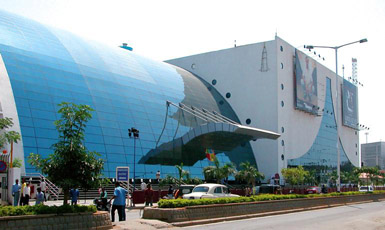

K. Moti Gokulsing and Wimal Dissanayake identified six major influences that have shaped Indian popular cinema:
- The ancient epics of Mahabharata and Ramayana influenced the narratives of Indian cinema. Examples of this influence include the techniques of a side story, back-story and story within a story. Indian popular films often have plots that branch into sub-plots; such narrative dispersals can be seen in the 1993 films Khalnayak and Gardish.
- Ancient Sanskrit drama, with its emphasis on spectacle, music, dance and gesture combined "to create a vibrant artistic unit with dance and mime being central to the dramatic experience". Sanskrit dramas were known as natya, derived from the root word sa (dance), featuring spectacular dance-dramas. The Rasa method of performance, dating to ancient times, is one of the fundamental features that differentiate Indian from Western cinema. In the Rasa method, the performer conveys emotions to the audience through empathy, in contrast to the Western Stanislavski method where the actor must become "a living, breathing embodiment of a character". The rasa method is apparent in the performances of Hindi actors such as Bachchan and Shah Rukh Khan and in Hindi films such as Rang De Basanti (2006), and Ray's works.
- Traditional folk theatre, which became popular around the 10th century with the decline of Sanskrit theatre. These regional traditions include the Yatra of West Bengal, the Ramlila of Uttar Pradesh, Yakshagana of Karnataka, 'Chindu Natakam' of Andhra Pradesh and the Terukkuttu of Tamil Nadu.
- Parsi theatre, which blends realism and fantasy, containing crude humour, songs and music, sensationalism, and dazzling stagecraft. These influences are clearly evident in masala films such as Coolie (1983), and to an extent in more recent critically acclaimed films such as Rang De Basanti.
- Hollywood-made popular musicals from the 1920s through the 1960s, though Indian films used musical sequences as another fantasy element in the song-and-dance tradition of narration, undisguised and "intersect[ing] with people's day-to-day lives in compelex and interesting ways."
- Western music videos, particularly MTV, had an increasing influence in the 1990s, as can be seen in the pace, camera angles, dance sequences, and music of recent Indian films. An early example of this approach was Bombay (1995, Mani Ratnam).
Sharmistha Gooptu and Bhaumik identify Indo-Persian/Islamicate culture as another major influence. In the early 20th century, Urdu was the lingua franca of popular performances across northern India, established in performance art traditions such as nautch dancing, Urdu poetry and Parsi theatre. Urdu and related Hindi dialects were the most widely understood across northern India, thus Hindustani became the standardised language of early Indian talkies. One Thousand and One Nights (Arabian Nights) had a strong influence on Parsi theatre, which adapted "Persianate adventure-romances" into films, and on early Bombay cinema where "Arabian Nights cinema" became a popular genre.
Like mainstream Indian popular cinema, Indian parallel cinema was influenced by a combination of Indian theatre and Indian literature (such as Bengali literature and Urdu poetry), but differs when it comes to foreign influences, where it is influenced more by European cinema (particularly Italian neorealism and French poetic realism) than by Hollywood. Ray cited Vittorio De Sica's Bicycle Thieves (1948) and Jean Renoir's The River (1951), on which he assisted, as influences on his debut film Pather Panchali (1955).
International influence
During colonial rule, Indians bought film equipment from Europe. The British funded wartime propaganda films during the Second World War, some of which showed the Indian army pitted against the Axis powers, specifically the Empire of Japan, which had managed to infiltrate India. One such story was Burma Rani, which depicted civilian resistance to Japanese occupation by British and Indian forces in Myanmar. Pre-independence businessmen such as J. F. Madan and Abdulally Esoofally traded in global cinema.
Early Indian films made early inroads into the Soviet Union, Middle East, Southeast Asia and China. Mainstream Indian movie stars gained international fame across Asia and Eastern Europe. For example, Indian films were more popular in the Soviet Union than Hollywood films and occasionally domestic Soviet films. From 1954 to 1991, 206 Indian films were sent to the Soviet Union, drawing higher average audience figures than domestic Soviet productions, Films such as Awaara and Disco Dancer drew more than 60 million viewers. Films such as Awaara, 3 Idiots and Dangal, were among the 20 highest-grossing films in China.
Many Asian and South Asian countries increasingly found Indian cinema more suited to their sensibilities than Western cinema.
Indian films frequently appeared in international fora and film festivals.
Indian cinema more recently began influencing Western musical films, and played a particularly instrumental role in the revival of the genre in the Western world. Ray's work had a worldwide impact, with filmmakers such as Martin Scorsese, James Ivory, Abbas Kiarostami, François Truffaut, Carlos Saura, Isao Takahata and Gregory Nava citing his influence, and others such as Akira Kurosawa praising his work. The "youthful coming-of-age dramas that flooded art houses since the mid-fifties owe a tremendous debt to the Apu trilogy", according to the film critic Michael Sragow. Since the 1980s, overlooked Indian filmmakers such as Ghatak and Dutt posthumously gained international acclaim. Baz Luhrmann stated that his successful musical film Moulin Rouge! (2001) was directly inspired by Bollywood musicals. That film's success renewed interest in the then-moribund Western musical genre, subsequently fuelling a renaissance. Danny Boyle's Slumdog Millionaire (2008) was directly inspired by Indian films, and is considered to be an "homage to Hindi commercial cinema".
Indian cinema has been recognised repeatedly at the US-based Academy Awards. Indian films Mother India (1957), Salaam Bombay! (1988) and Lagaan (2001), were nominated for the Academy Award for Best Foreign Language Film. Indian Oscar winners include Bhanu Athaiya (costume designer), Ray (filmmaker), A. R. Rahman (music composer), Resul Pookutty (sound editor) and Gulzar (lyricist), M. M. Keeravani (music composer), Chandrabose (lyricist) Cottalango Leon and Rahul Thakkar Sci-Tech Award.
Genres and styles
Masala film
Main article: Masala film
Masala is a style of Indian cinema that mixes multiple genres in one work, pioneered in the early 1970s Bollywood by filmmaker Nasir Hussain, For example, one film can portray action, comedy, drama, romance and melodrama. These films tend to be musicals with songs filmed in picturesque locations. Plots for such movies may seem illogical and improbable to unfamiliar viewers. The genre is named after masala, a mixture of spices in Indian cuisine.
Parallel cinema
Main article: Parallel cinema
Parallel cinema, also known as art cinema or the Indian New Wave, is known for its realism and naturalism, addressing the sociopolitical climate. This movement is distinct from mainstream Bollywood cinema and began around the same time as the French and Japanese New Waves. The movement began in Bengal (led by Ray, Sen and Ghatak) and then gained prominence in other regions. The movement was launched by Bimal Roy's Do Bigha Zamin (1953), which was both a commercial and critical success, winning the International Prize at Cannes. Ray's films include the three instalments of The Apu Trilogy which won major prizes at the Cannes, Berlin and Venice Film Festivals, and are frequently listed among the greatest films of all time.
Other neo-realist filmmakers were Shyam Benegal, Karun, Gopalakrishnan and Kasaravalli.
Multilingual
Main article: List of multilingual Indian films
Some Indian films are known as "multilinguals", filmed in similar but non-identical versions, in different languages. Chittoor Nagayya, was one of the first multilingual filmmakers in India. Alam Ara and Kalidas are earliest examples of bilingual filmmaking in India*.* According to Ashish Rajadhyaksha and Paul Willemen in the Encyclopedia of Indian Cinema (1994), in its most precise form, a multilingual is
Rajadhyaksha and Willemen note that in seeking to construct their Encyclopedia, they often found it "extremely difficult to distinguish multilinguals in this original sense from dubbed versions, remakes, reissues or, in some cases, the same film listed with different titles, presented as separate versions in different languages ... it will take years of scholarly work to establish definitive data in this respect".
Pan-India film
Main article: Pan-Indian film
Pan-India is a term related to Indian cinema that originated with Telugu cinema as a mainstream commercial cinema appealing to audiences across the country with a spread to world markets. S. S. Rajamouli pioneered the Pan-Indian films movement with his duology of epic action films Baahubali: The Beginning (2015) and Baahubali 2: The Conclusion (2017). "Pan-India film" is both a style of cinema and a distribution strategy, designed to universally appeal to audiences across the country and simultaneously released in multiple languages.
Music
Music and songs are a big part of Indian cinema and it's not just for entertainment but they play a crucial role in storytelling. Music and dance are a core part of Indian culture, and films weave them in to tell the story. Songs are used to express emotions that spoken dialogue might struggle to convey. Songs often used to move the plot forward. Lyrics might reveal a character's inner thoughts, motivations, or foreshadow future events. Sometimes the song itself can become a turning point in the story. While some may find them disruptive, songs remain a deeply rooted tradition in Indian cinema, reflecting both its culture and what audiences love.
Music is a substantial revenue generator for the Indian film industry, with music rights alone accounting for 4–5% of net revenues. The major film music companies are T-Series at Delhi, Sony Music India at Chennai and Zee Music Company at Mumbai, Aditya Music at Hyderabad and Saregama at Kolkata. Film music accounts for 48% of net music sales in the country. A typical film may feature 5–6 choreographed songs.
The demands of a multicultural, increasingly globalised Indian audience led to a mixing of local and international musical traditions. Local dance and music remain a recurring theme in India and followed the Indian diaspora. Playback singers such as Mohammad Rafi, Lata Mangeshkar, Kishore Kumar, Asha Bhosle, Mukesh, S. Janaki, P. Susheela, K. J. Yesudas, S. P. Balasubrahmanyam, K. S. Chithra, Anuradha Paudwal, Kavita Krishnamurthy, Alka Yagnik, Sadhana Sargam, Shreya Ghoshal ,Sunidhi Chauhan, Kumar Sanu, Udit Narayan, Abhijeet and Sonu Nigam drew crowds to presentations of film music. In the 21st century interaction increased between Indian artists and others.
In 2023, the song "Naatu Naatu" composed by M. M. Keeravani for the movie RRR won the Oscar for Best Original Song at the 95th Academy Awards, making it the first song from an Indian film, as well as the first from an Asian film, to win in this category. This made it the first Indian film by an Indian production to win an Academy Award.
Filming locations
A filming location is any place where acting and dialogue are recorded. Sites where filming without dialogue takes place are termed a second unit photography site. Filmmakers often choose to shoot on location because they believe that greater realism can be achieved in a "real" place. Location shooting is often motivated by budget considerations.
The most popular locations for filming in India are the main cities of their state for regional industry. Other locations include Manali and Shimla in Himachal Pradesh; Srinagar in Jammu and Kashmir; Ladakh; Darjeeling in West Bengal; Ooty and Kodaikanal in Tamil Nadu; Amritsar in Punjab; Udaipur, Jodhpur, Jaisalmer and Jaipur in Rajasthan; Delhi; Ottapalam in Kerala; Goa and Puducherry.
Production companies
Main article: List of film production companies in India
More than 1000 production organisations operate in the Indian film industry, but few are successful. AVM Productions is the oldest surviving studio in India. Other major production houses include Yash Raj Films, T-Series Films, Aamir Khan Productions, Red Chillies Entertainment, Dharma Productions, Eros International, Ajay Devgn FFilms, Balaji Motion Pictures, UTV Motion Pictures, Cape of Good Films, Maddock Films, K Sera Sera Virtual Productions, Vyjayanthi Movies, Lyca Productions, Madras Talkies, AGS Entertainment, Arka Media Works, Hombale Films, Mythri Movie Makers, Geetha Arts, Sun Pictures, Sri Venkateswara Creations, Raaj Kamal Films International, Aashirvad Cinemas, and Wunderbar Films.
Cinema by language
Films are made in many cities and regions in India including Andhra Pradesh and Telangana, Assam, Bengal, Bihar, Gujarat, Haryana, Jammu, Kashmir, Jharkhand, Karnataka, Goa, Kerala, Maharashtra, Manipur, Odisha, Chhattisgarh, Punjab, Rajasthan, Tamil Nadu, Tripura and Mizoram.
| Language | No. of films |
|---|---|
| Hindi | 468 |
| Telugu | 438 |
| Kannada | 381 |
| Tamil | 377 |
| Malayalam | 355 |
| Bhojpuri | 222 |
| Marathi | 136 |
| Bengali | 111 |
| Gujarati | 82 |
| Odia | 74 |
| Punjabi | 53 |
| Hindustani | 33 |
| Manipuri | 27 |
| Urdu | 27 |
| Assamese | 24 |
| English | 13 |
| Chhattisgarhi | 12 |
| Awadhi | 8 |
| Tulu | 6 |
| Banjara | 5 |
| Maithili | 4 |
| Rajasthani | 4 |
| Sanskrit | 4 |
| Konkani | 3 |
| Nagpuri | 2 |
| Nepali | 2 |
| Kodava | 2 |
| Haryanvi | 2 |
| Beary | 1 |
| Garhwali | 1 |
| Himachali | 1 |
| Kurumba | 1 |
| Hajong | 1 |
| Irula | 1 |
| Khasi | 1 |
| Magahi | 1 |
| Mising | 1 |
| Rabha | 1 |
| Silent | 1 |
| Total | 2886 |
Assamese
Main article: Assamese cinema
.jpg)
The Assamese-language film industry is based in Assam in northeastern India. It is sometimes called Jollywood, for the Jyoti Chitraban Film Studio. Some films have been well received by critics but they have not yet captured national audiences. The 21st century has produced Hollywood and Bollywood-style Assamese movies which have set new box office records for the small industry.
Bengali

Main article: Cinema of West Bengal
The Bengali-language cinematic tradition of Tollygunge, West Bengal, is also known as Tollywood. When the term was coined in the 1930s, it was the centre of the Indian film industry. West Bengal cinema is historically known for the parallel cinema movement and art films.
Braj Bhasha
Braj-language films present Brij culture mainly to rural people, predominantly in the nebulous Braj region centred around Mathura, Agra, Aligarh and Hathras in Western Uttar Pradesh and Bharatpur and Dholpur in Rajasthan (northern India). It is the predominant language in the central stretch of the Ganges-Yamuna Doab in Uttar Pradesh. The first Brij Bhasha movie was Brij Bhoomi (1982, Shiv Kumar), which was a success throughout the country. Later Brij Bhasha cinema saw the production of films like Jamuna Kinare and Brij Kau Birju.
Bhojpuri
Main article: Bhojpuri cinema
Bhojpuri-language films predominantly cater to residents of western Bihar and eastern Uttar Pradesh and also have a large audience in Delhi and Mumbai due to the migration of Bhojpuri speakers to these cities. International markets for these films developed in other Bhojpuri-speaking countries of the West Indies, Oceania and South America.
Bhojpuri film history begins with Ganga Maiyya Tohe Piyari Chadhaibo (Mother Ganges, I will offer you a yellow sari, 1962, Kundan Kumar). Throughout the following decades, few films were produced. The industry experienced a revival beginning with the hit Saiyyan Hamar (My Sweetheart, 2001, Mohan Prasad). Although smaller than other Indian film industries, these successes increased Bhojpuri cinema's visibility, leading to an awards show and a trade magazine, Bhojpuri City.
Chakma
Main article: Chakma cinema
The Chakma language is spoken in Tripura and Mizoram (Northeast India), as well as in the Chittagong Hill Tracts region of Bangladesh. Films in Chakma include Tanyabi Firti (Tanyabi's Lake, 2005, Satarupa Sanyal).
Chhattisgarhi
Main article: Chhattisgarhi cinema
The Chhattisgarhi-language film industry of Chhattisgarhi state, central India, is known as Chhollywood. Its beginnings are with Kahi Debe Sandesh (In Black and White, 1965, Manu Nayak) No Chhattisgarhi films were released from 1971 until Mor Chhainha Bhuinya (2000).
English
Main article: English-language Indian films
Indian filmmakers also produce English language films. Deepa Mehta, Anant Balani, Homi Adajania, Vijay Singh, Vierendrra Lalit and Sooni Taraporevala have garnered recognition in Indian English cinema.
Gujarati
Main article: Gujarati cinema
The Gujarati-language film industry, also known as Gollywood or Dhollywood, is currently centered in the state of Gujarat. During the silent era, many filmmakers and actors were Gujarati and Parsi, and their films were closely related to Gujarati culture. Twenty film companies and studios, mostly located in Bombay, were owned by Gujaratis and at least 44 major Gujarati directors worked during this era. The first film released in Gujarati was Narsinh Mehta (1932). More than one thousand Gujarati films have been released.
Gujarati cinema ranges from mythology to history and from social to political. Gujarati films originally targeted a rural audience, but after its revival () catered to an urban audience.
Hindi
Main article: Hindi cinema
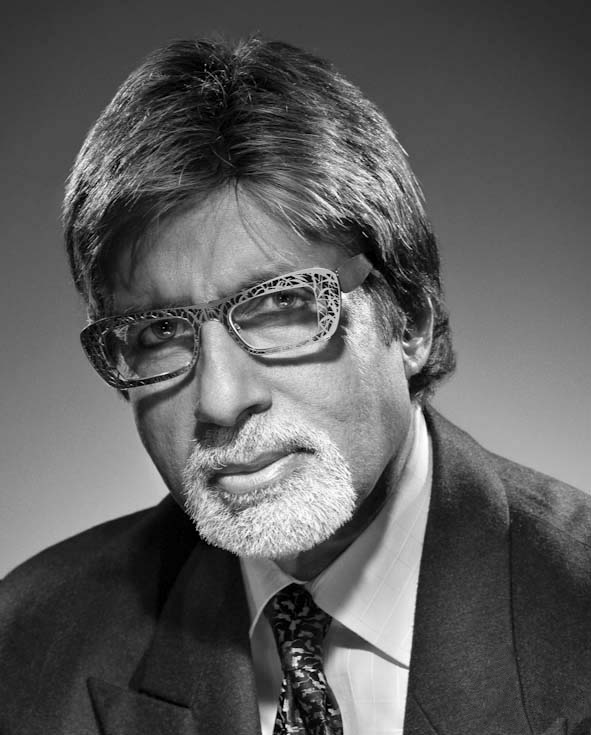
The Hindi language film industry of Mumbai (formerly Bombay), also known as Bollywood, is the largest and most powerful branch of Hindi cinema. Hindi cinema explores issues of caste and culture in films such as Achhut Kanya (1936) and Sujata (1959). International visibility came to the industry with Raj Kapoor's Awara and later in Shakti Samantha's Aradhana. Art film directors include Kaul, Kumar Shahani, Ketan Mehta, Govind Nihalani, Shyam Benegal, Mira Nair, Nagesh Kukunoor, Sudhir Mishra and Nandita Das. Hindi cinema grew during the 1990s with the release of as many as 215 films annually. Magazines such as Filmfare, Stardust and Cine Blitz popularly cover the industry.
Kannada
Main article: Kannada cinema
Kannada cinema, also known as Sandalwood or Chandanavana, is the segment of Indian cinema dedicated to the production of motion pictures in the Kannada language, which is widely spoken in Karnataka state. Sati Sulochana (1934, Y. V. Rao) was the first talkie film in the Kannada language. Kannada films include adaptations of major literary works and experimental films.
Kokborok
Main article: Kokborok Cinema
Kokborok-language films are mainly produced in Tripura and parts of Bangladesh. These films are also clubbed as 'Tripuri cinema' as a blanket term that alludes to the film industry of Tripura, encompassing films made by and for the people of Tripura and Kokborok speaking people in Bangladesh, regardless of the multitude of languages in which cinema is produced in the region'.
Konkani
Main article: Konkani cinema
Konkani-language films are mainly produced in Goa, one of India's smallest film regions which produced four films in 2009. The first full-length Konkani film was Mogacho Anvddo (1950, Jerry Braganza). The film's release date, 24 April, is celebrated as Konkani Film Day. An immense body of Konkani literature and art is a resource for filmmakers. Kazar (Marriage, 2009, Richard Castelino) and Ujvaadu (Shedding New Light on Old Age Issues, Kasaragod Chinna) are major releases. The pioneering Mangalorean Konkani film is Mog Ani Maipas.
Maithili
Maithili cinema is made in the Maithili language. The first full-length film was Kanyadan (1965). There are numerous films made in the Maithili over the years The film Mithila Makhaan (2019) won a National Award in the regional films category.
Malayalam
Main article: Malayalam cinema

The Malayalam-language film industry, also known as Mollywood, is India's fourth-largest film industry. It is mainly based at Kochi, Kerala state. Neelakkuyil (1954) was one of the first Malayalam films to get national recognition. Newspaper Boy (1955), made by a group of students, was the first neo-realistic Malayalam film. Chemmeen (1965, Ramu Kariat), based on a story by Thakazhi Sivasankara Pillai, became the first South Indian film to win the National Film Award for Best Feature Film.
Malayalam cinema has been in the forefront of technological innovation in Indian filmmaking. The first neorealistic film (Newspaper Boy), the first CinemaScope film (Thacholi Ambu), the first 70 mm film (Padayottam), the first 3D film (My Dear Kuttichathan), the first Panavision film (Vanaprastham), the first digital film (Moonnamathoral), the first Smartphone film (Jalachhayam), and the first 8K film (Villain) in India were made in Malayalam.
The period from 1986 to 1990 is regarded as the Golden Age of Malayalam cinema, with four Malayalam films recognised by selection at the Cannes Film Festival—Shaji N. Karun-directed Piravi (1989), Swaham (1994) and Vanaprastham (1999), and Murali Nair-directed Marana Simhasanam (1999). Piravi (1989) won the Caméra d'Or — Mention Spéciale and Marana Simhasanam has won the Caméra d'Or.
The Kerala State Film Awards established by the Government of Kerala recognises the best works in Malayalam cinema every year, along with J. C. Daniel Award for lifetime achievement in Malayalam cinema. K. R. Narayanan National Institute of Visual Science and Arts (KRNNIVSA) is a training and research centre for film and video technology.
Manipuri
Main article: Cinema of Manipur
Manipuri cinema is a small film industry of Manipur, encompassing Meitei language and other languages of the state. It began in the 1970s and gained momentum following a 2002 state ban on Hindi films. 80–100 movies are made each year. Among the notable Manipuri films are Imagi Ningthem (1982, Aribam Syam Sharma), Ishanou, Yenning Amadi Likla, Phijigee Mani, Leipaklei, Loktak Lairembee, Eikhoishibu Kanano, Eikhoigi Yum and Oneness.
Marathi
Main article: Marathi cinema
Marathi films are produced in the Marathi language in Maharashtra state. It the oldest of India's film industries, which began in Kolhapur, moved to Pune and is now based in old Mumbai.
Some of the more notable films are Sangtye Aika, Ek Gaon Bara Bhangadi, Pinjara, Sinhasan, Pathlaag, Jait Re Jait, Saamana, Santh Wahate Krishnamai, Sant Tukaram and Shyamchi Aai.
Nagpuri
Main article: Nagpuri cinema
Nagpuri films are produced in the Nagpuri language in Jharkhand state. The first Nagpuri feature film was Sona Kar Nagpur (1992). With a mainly rural population and cinema halls closing, non-traditional distribution models may be used.
Gorkha
Gorkha cinema consists of films produced by Nepali-speaking Indians.
Odia
Main article: Cinema of Odisha
The Odia-language film industry of Bhubaneswar and Cuttack, Odisha state, is also known as Ollywood. The first Odia-language film was Sita Bibaha (1936). The best year for Odia cinema was 1984 when Maya Miriga (Nirad Mohapatra) and Dhare Alua were showcased in Indian Panorama and Maya Miriga was invited to Critics Week at Cannes. The film received the Best Third World Film award at Mannheim Film Festival, Jury Award in Hawaii and was shown at the London Film Festival.
Punjabi
Main article: Punjabi cinema
The Punjabi-language film industry, based in Amritsar and Mohali, Punjab, is also known as Pollywood. K. D. Mehra made the first Punjabi film, Sheela (1935). As of 2009, Punjabi cinema had produced between 900 and 1,000 movies.
Rajasthani
Main article: Cinema of Rajasthan
The cinema of Rajasthan (Rajjywood) refers to films produced in Rajasthan in north-western India. These films are produced in various regional and tribal languages including Rajasthani varieties such as Mewari, Marwari, Hadoti etc.
Sindhi
Main article: Sindhi cinema
The Sindhi-language film industry is largely based in Sindh, Pakistan, and with Sindhi speakers in North Gujarat and Southwestern Rajasthan, India, and elsewhere among the Sindhi diaspora. The first Indian-made Sindhi film was Ekta (1940). while the first Sindhi film produced in Pakistan was Umar Marvi (1956). The industry has produced some Bollywood-style films.
The Sindhi film industry produces movies at intervals. The first was Abana (1958), which was a success throughout the country. Sindhi cinema then produced some Bollywood-style films such as Hal Ta Bhaji Haloon, Parewari, Dil Dije Dil Waran Khe, Ho Jamalo, Pyar Kare Dis: Feel the Power of Love and The Awakening. Numerous Sindhi have contributed in Bollywood, including G P Sippy, Ramesh Sippy, Nikkhil Advani, Tarun Mansukhani, Ritesh Sidhwani and Asrani.
Sherdukpen
Director Songe Dorjee Thongdok introduced the first Sherdukpen-language film Crossing Bridges (2014). Sherdukpen is native to the north-eastern state of Arunachal Pradesh.
Tamil
Main article: Tamil cinema
The Tamil-language film industry based in Chennai, also known as Kollywood, once served as a hub for all South Indian film industries. The first South Indian talkie film Kalidas (1931, H. M. Reddy) was shot in Tamil. Sivaji Ganesan became India's first actor to receive an international award when he won Best Actor at the Afro-Asian film festival in 1960 and the title of Chevalier in the Legion of Honour by the French Government in 1995.
Tamil cinema is influenced by Dravidian politics and has a tradition of addressing social issues. Many of Tamil Nadu's prominent Chief Ministers previously worked in cinema: Dravidian stalwarts C N Annadurai and M Karunanidhi were scriptwriters and M G Ramachandran and Jayalalithaa gained a political base through their fan followings.
Tamil films are distributed to Tamil diaspora populations in various parts of Asia, Southern Africa, Northern America, Europe, and Oceania. The industry-inspired Tamil film-making in Sri Lanka, Malaysia, Singapore and Canada.
Telugu
Main article: Telugu cinema
The Film and Television Institute of Telangana, Film and Television Institute of Andhra Pradesh, Ramanaidu Film School and Annapurna International School of Film and Media are among the largest film schools in India. The Telugu states are home to approximately 2800 theatres, more than any single state in India. Being commercially consistent, Telugu cinema had its influence over commercial cinema in India.
The industry holds the Guinness World Record for the largest film production facility in the world, Ramoji Film City. The Prasads IMAX located in Hyderabad is one of the largest 3D IMAX screens, and is the most attended cinema screen in the world. As per the CBFC report of 2014, the industry is placed first in India, in terms of films produced yearly. In the years 2005, 2006, 2008, and 2014 the industry has produced the largest number of films in India, exceeding the number of films produced in Bollywood.
Tulu
Main article: Tulu cinema
The Tulu-language film industry based in the port city of Mangalore, Karnataka, is also known as Coastalwood. A small industry, its origins trace to the release of Enna Thangadi (1971) with about one release per year until growth was spurred by the commercial success of Oriyardori Asal (2011). Films are released across the Tulu Nadu cultural region, with some recent films having a simultaneous release in Mumbai, Bangalore, and Arabian Gulf countries.
Exhibition and distribution
PVR INOX, Cinepolis India etc. are some of the top multiplexes chains in India, which have cinemas across the nation. Book My Show and District are the leading online booking platforms in India. They have tie-ups with multiplexes and other cinemas. However, PVR INOX and Cinepolis India also sell tickets through their applications and websites. Due to the convenience in booking tickets, online most of the viewers pre-book tickets through mobile application. Since the advancement of internet service in India, online ticket selling business have had robust growth in the country. Since 2010, OTT platforms have gained popularity in India, thus some film-makers prefer to release their films online through OTT platforms like Netflix, WFCN, Amazon Prime, JioHotstar, SonyLIV, ZEE5, etc. and avoid a theatrical release.
Awards
The Dadasaheb Phalke Award, named for "father of Indian cinema" Dadasaheb Phalke, is given in recognition of lifetime contribution to cinema. It was established by the government of India in 1969, and is the country's most prestigious film award.
| Award | Year of | |
|---|---|---|
| inception | Awarded by | |
| Bengal Film Journalists' Association Awards | 1937 | Government of West Bengal |
| National Film Awards | 1954 | Government of India |
| Maharashtra State Film Awards | 1963 | Government of Maharashtra |
| Nandi Awards | 1964 | Government of Andhra Pradesh |
| Tamil Nadu State Film Awards | 1967 | Government of Tamil Nadu |
| Karnataka State Film Awards | 1967 | Government of Karnataka |
| Odisha State Film Awards | 1968 | Government of Odisha |
| Kerala State Film Awards | 1969 | Government of Kerala |
| Gaddar Telangana Film Awards | 2025 | Government of Telangana |
| Award | Year of | |
|---|---|---|
| inception | Awarded by | |
| Bhojpuri Film Awards | 2001 | AB5 Multimedia |
| Sabrang Film Awards | 2014 | Godrej Consumer Products |
| International Bhojpuri Film Awards | 2015 | Yashi Films International |
| Filmfare Awards | 1954 | Bennett, Coleman and Co. Ltd. |
| Filmfare Awards South | ||
| South Indian International Movie Awards | 2012 | Vibri Media Group |
| IIFA Awards | 2000 | Wizcraft International Entertainment Pvt Ltd |
| IIFA Utsavam | 2016 | |
| Zee Cine Awards Telugu | 2017 | Zee Entertainment Enterprises |
| Zee Cine Awards | 1998 | |
| Sansui Viewer's Choice Movie Awards | Pritish Nandy Communications | |
| Santosham Film Awards | 2004 | Santosham film magazine |
| CineMAA Awards | Tollywood Movie Artistes Association | |
| Asianet Film Awards | 1998 | Asianet |
| Screen Awards | 1994 | Screen Weekly |
| Stardust Awards | 2003 | Stardust |
| Zee Gaurav Puraskar | Zee Entertainment Enterprises | |
| TSR TV9 National Awards Telugu | 2007–2008 | Associated Broadcasting Company Private Limited |
| Apsara Awards | 2004 | Apsara Producers Guild Awards |
| Vijay Awards | 2007 | STAR Vijay |
| Marathi International Film and Theatre Awards | 2010 | Marathi Film Industry |
| Punjabi International Film Academy Awards | 2012 | Parvasi Media Inc. |
| Prag Cine Awards | 2013 | Prag AM Television |
| Filmfare Awards East | 2014 | Bennett, Coleman and Co. Ltd. |
Film education
Government-run and private institutes provide formal education in various aspects of filmmaking. Some of the prominent ones include:
- State Institute of Film and Television
- AJK Mass Communication Research Centre, Jamia Millia Islamia, New Delhi
- Cultural Education Centre, University Film Club, Aligarh Muslim University, Aligarh
- Annapurna International School of Film and Media, Hyderabad
- Asian Academy of Film and Television
- Biju Pattnaik Film and Television Institute of Odisha
- BOFTA – Blue Ocean Film and Television Academy, Kodambakkam, Chennai, Tamil Nadu
- Centre for advanced media studies, Patiala
- Dr. Bhupen Hazarika Regional Government Film and Television Institute, Guwahati
- Mass Communication and the New Media Central University of Jammu
- Department of Culture and Media studies, Central University of Rajasthan
- Film and Television Institute of India (FTII), Pune
- Makhanlal Chaturvedi National University of Journalism and Communication (MCNUJC), Bhopal
- Film-Theater Studies, SOH, Tamil Nadu Open University, Saidapet, Chennai
- Government Film and Television Institute, Bangalore
- K. R. Narayanan National Institute of Visual Science and Arts (KRNNIVSA), Kottayam, Kerala
- L. V. Prasad Film and TV Academy, Chennai
- M.G.R. Government Film and Television Training Institute, Chennai
- Matrikas Film School
- National Institute of Design, Ahmedabad
- Palme Deor Media College, Tambaram west, Chennai and Arulananda Nagar, Thanjavur
- Satyajit Ray Film and Television Institute, Calcutta
- School of Media and Cultural Studies, Tata Institute of Social Sciences, Mumbai
- Srishti School of Art, Design, and Technology, Bangalore, Karnataka
- Whistling Woods International
- National School of Drama, Delhi
- School art and aesthetic, JNU Delhi
Explanatory notes
References
References
- "Number of cinema screens across India from 2016 to 2023".
- "Feature films: Cinema infrastructure – Capacity". [[UNESCO]].
- "Table 6: Share of Top 3 distributors (Excel)". UNESCO Institute for Statistics.
- "Indian Feature Films Certified in 2021—22".
- (2015). "Culture: Feature Films". UNESCO Institute for Statistics.
- (11 January 2025). "Indian cinema generates Rs 11,833 crore in 2024". [[The Financial Express (India).
- (13 January 2025). "INews Indian box office falls 3% to $1.36bn in 2024 topped by 'Pushpa 2'". [[Screen International.
- Hasan Suroor. (26 October 2012). "Arts: Sharmila Tagore honoured by Edinburgh University". The Hindu.
- (25 July 2013). "The birth of India's film industry: how the movies came to Mumbai". [[The Guardian]].
- (25 December 2011). "Commercial and bollywood hub Mumbai vs Media and political 'capital' Delhi: Is the race over?". [[The Economic Times]].
- (7 May 2013). "Most of Jubilee Hills, Film Nagar is Wakf land". [[The Hindu]].
- (13 May 2016). "ANR inspired Telugu film industry's shift from Chennai". [[The Hindu]].
- (23 February 2017). "Tamil films: How north Chennai marks its presence while Kodambakkam thrives".
- Hiro, Dilip. (2010). "After Empire: The Birth of a Multipolar World". PublicAffairs.
- (21 January 2013). "Lights, camera, action...". [[Business Standard]].
- (23 April 2020). "Will viewers return to theatres after lockdown? asks Bengal's film industry".
- (16 December 2016). "Love, sex and the bhadralok". [[Business Line]].
- (29 January 2013). "Kochi sizzling onscreen". [[The New Indian Express]].
- (4 March 2013). "Mollywood comes home to Kochi". [[The Hindu]].
- (6 April 2015). "Kochi Says Lights, Camera, Action!". [[The New Indian Express]].
- (7 November 2017). "Mini-film city at Ramanthuruth". The Times of India.
- (12 October 2017). "Bengaluru's 100-yr-old Badami House, hub of Kannada cinema, will soon be no more". [[The News Minute]].
- (28 October 2016). "Thriving nucleus of a film industry". [[The Hindu]].
- "The New Capital at Bhubaneswar".
- (25 June 2020). "First archives for Odia films soon". [[The New Indian Express]].
- (30 December 2018). "Express Rewind: Assamese cinema and the murmurs of a comeback". [[The New Indian Express]].
- (26 November 2019). "Guwahati to host 65th Filmfare Awards". The Times of India.
- "Leading film markets worldwide by number of films produced 2018".
- "Largest film studio". Guinness World Records.
- (27 January 2023). "10K Crore: Return of the box office".
- (22 March 2023). "Distribution of the Indian box office in 2022, by language".
- (7 December 2022). "The rise of South Indian Cinema: How Southern movies are going national".
- (11 July 2020). "India Box Office collections: Regional cinema led by Telugu, Tamil movies overtakes Bollywood". The Financial Express.
- Jha, Lata. (31 January 2023). "Footfalls for Hindi films slump up to 50%".
- (27 January 2023). "Ormax Media Report: 2022".
- Khanna, 155
- Khanna, 158
- Srinivas, S. V.. (22 September 2022). "Is Telugu cinema replacing Hindi as India's favourite film industry?".
- (22 December 2021). "Is South cinema the new Bollywood?".
- Potts, 74
- Burra & Rao, 252
- (14 March 2017). "First Indian talkie film Alam Ara was released on this day: Top silent era films".
- (21 November 2013). "Dadasaheb Torne, not Dadasaheb Phalke, was pioneer of Indian Cinema". DNA.
- Burra & Rao, 252–253
- Purohit, Vinayak. (1988). ["Arts of transitional India twentieth century, Volume 1"]({{google books). Popular Prakashan.
- Burra & Rao, 253
- (6 May 2005). "The Hindu News". [[The Hindu]].
- Burra & Rao, 254
- "First Indian Colour Film".
- (30 April 2010). "He brought cinema to South". [[The Hindu]].
- (21 May 2012). "How free is freedom of speech?". Postnoon.
- "Celebrating 100 Years of Indian Cinema: www.indiancinema100.in".
- Rajadhyaksa, 679
- Rajadhyaksa, 681
- Rajadhyaksa, 681–683
- "BAM/PFA - Film Programs".
- "Critics on Ray - Satyajit Ray Film and Study Center, UCSC".
- (12 August 2013). "Satyajit Ray: five essential films".
- K. Moti Gokulsing, K. Gokulsing, Wimal Dissanayake. (2004). "Indian Popular Cinema: A Narrative of Cultural Change". Trentham Books.
- Sharpe, Jenny. (2005). "Gender, Nation, and Globalization in Monsoon Wedding and Dilwale Dulhania Le Jayenge". Meridians: Feminism, Race, Transnationalism.
- Gooptu, Sharmistha. (July 2002). "Reviewed work(s): ''The Cinemas of India'' (1896–2000) by Yves Thoraval". [[Economic and Political Weekly]].
- (3 August 1980). "Do Bigha Zamin". Dear Cinema.
- Rajadhyaksa, 683
- Sragow, Michael. (1994). "An Art Wedded to Truth". [[University of California, Santa Cruz]].
- Pani, S. S.. (1954). "The Film Daily Year Book of Motion Pictures". John W. Alicoate.
- Rajadhyaksa, 684
- K. Moti Gokulsing, K. Gokulsing, Wimal Dissanayake. (2004). "Indian Popular Cinema: A Narrative of Cultural Change". Trentham Books.
- Sridharan, Tarini. (25 November 2012). "Mother India, not Woman India". The Hindu.
- (2009). "Bollywood Blockbusters: ''Mother India'' (Part 1)". [[CNN-IBN]].
- Kehr, Dave. (23 August 2002). "Mother India (1957). Film in review; 'Mother India'". [[The New York Times]].
- Teo, Stephen. (2017). ["Eastern Westerns: Film and Genre Outside and Inside Hollywood"]({{google books). [[Taylor & Francis]].
- Ganti, Tejaswini. (2004). ["Bollywood: A Guidebook to Popular Hindi Cinema"]({{google books). Psychology Press.
- Usman, Yasser. (16 January 2021). "Dilip Kumar as 'Pyaasa' hero is what Guru Dutt wanted. But first day of shoot changed it all".
- (9 December 2020). "How Bollywood legend Dilip Kumar became India's biggest star".
- (11 December 2015). "Before Brando, There Was Dilip Kumar". TheQuint.
- (1986). "Films in Review". Then and There Media, LCC..
- (July 1996). "Business India". A. H. Advani.
- (2 December 2002). "Bollywood: Can new money create a world-class film industry in India?". [[Business Week]].
- Lorenzen, Mark. (April 2009). "Go West: The Growth of Bollywood". [[Copenhagen Business School]].
- Rajadhyaksa, 685
- Rajadhyaksa, 688
- Raj, Ashok. (2009). ["Hero Vol.2"]({{google books). [[Hay House]].
- (20 June 2017). "Revisiting Prakash Mehra's Zanjeer: The film that made Amitabh Bachchan". [[The Indian Express]].
- Ganti, Tejaswini. (2004). ["Bollywood: A Guidebook to Popular Hindi Cinema"]({{google books). [[Psychology Press]].
- Chaudhuri, Diptakirti. (2015). ["Written by Salim-Javed: The Story of Hindi Cinema's Greatest Screenwriters"]({{google books). [[Penguin Books]].
- Kumar, Surendra. (2003). ["Legends of Indian cinema: pen portraits"]({{google books). Har-Anand Publications.
- Chaudhuri, Diptakirti. (2015). ["Written by Salim-Javed: The Story of Hindi Cinema's Greatest Screenwriters"]({{google books). [[Penguin Group]].
- (29 January 2017). "Deewaar was the perfect script: Amitabh Bachchan on 42 years of the cult film". Hindustan Times.
- Mazumdar, Ranjani. (2007). ["Bombay Cinema: An Archive of the City"]({{google books). [[University of Minnesota Press]].
- Anand. (7 March 2004). "On the Bollywood beat". [[The Hindu]].
- Subhash K Jha. (8 April 2005). "Amit Khanna: The Man who saw 'Bollywood'".
- Chaudhuri, Diptakirti. (1 October 2015). ["Written by Salim-Javed: The Story of Hindi Cinema's Greatest Screenwriters"]({{google books). [[Penguin Books.
- (30 March 2017). "How film-maker Nasir Husain started the trend for Bollywood masala films". Hindustan Times.
- Kaushik Bhaumik, [https://thewire.in/24564/an-insightful-reading-of-our-many-indian-identities/ An Insightful Reading of Our Many Indian Identities], [[The Wire (Indian web publication). The Wire]], 12 March 2016
- Rachel Dwyer. (2005). ["100 Bollywood films"]({{google books). Lotus Collection, Roli Books.
- iDiva. (13 October 2011). "Sridevi – The Dancing Queen".
- Ray, Kunal. (18 December 2016). "Romancing the 1980s". [[The Hindu]].
- (26 November 2012). "Yash Chopra's greatest hits - Hindustan Times".
- [http://www.india-today.com/itoday/19991213/roy.html Arundhati Roy, Author-Activist] {{Webarchive. link. (24 November 2010 ''india-today.com''. Retrieved 16 June 2013)
- [http://www.sawnet.org/books/writing/roy_bq1.html "The Great Indian Rape-Trick"] {{webarchive. link. (14 April 2016, SAWNET – The South Asian Women's NETwork. Retrieved 25 November 2011)
- (30 June 1987). "From India Today Magazine {{!}} When Sridevi emerged as the highest paid Indian actress".
- Aruti Nayar. (16 December 2007). "Bollywood on the table". The Tribune.
- Christian Jungen. (4 April 2009). "Urban Movies: The Diversity of Indian Cinema". [[FIPRESCI]].
- "Masand's Verdict: ''Contract'', mangled mess of ''Satya'', ''Company''". CNN-News18.
- "Behind The Scenes - Rachel Dwyer - May 30, 2005". outlookindia.com.
- "The Sunday Tribune - Spectrum". tribuneindia.com.
- "100 Years of Indian Cinema: The 100 greatest Indian films of all time". IBNLive.
- (18 September 2012). "The Three Khans of Bollywood – DESIblitz".
- Cain, Rob. "Are Bollywood's Three Khans The Last Of The Movie Kings?".
- Raghavendra, MK. (16 October 2016). "After Aamir, SRK, Salman, why Bollywood's next male superstar may need a decade to rise". Firstpost.
- (12 July 2017). "Why Aamir Khan Is The King Of Khans: Foreign Media". NDTV.
- D'Cunha, Suparna Dutt. "Why 'Dangal' Star Aamir Khan Is The New King Of Bollywood".
- Cain, Rob. (5 October 2017). "Why Aamir Khan Is Arguably The World's Biggest Movie Star, Part 2".
- Muzaffar Raina. (25 November 2013). "Protests hit Haider shoot on Valley campus". [[The Telegraph (India).
- (25 October 2014). "The Official Awards of the ninth edition of the Rome Film Festival".
- (2016). ["Salaam Bollywood: Representations and Interpretations"]({{google books). [[Routledge]].
- Jha, Lata. (18 July 2016). "10 Rajinikanth films that were remakes of Amitabh Bachchan starrers". [[Mint (newspaper).
- Samosa, Social. "Regional films gain ground with 60% share as Hindi cinema drops to 40% : Report".
- (30 April 2015). "Mayabazar (1957)".
- (9 February 2013). ""1" The Hindu".
- (17 April 2013). "100 Years of Indian Cinema: The 100 greatest Indian films of all time".
- (12 May 2013). "Mayabazar' is India's greatest film ever: IBNLive poll".
- "K. Viswanath Film craft Page 6 DFF".
- (27 April 2013). "25 Greatest Acting Performances of Indian Cinema".
- (2 May 2017). "Dance without frontiers: K Viswanath – Director who aims to revive classical arts".
- 30 June 2011 - Ranjana Dave. (30 June 2011). "The meaning in movement". The Asian Age.
- (7 May 2011). "Arts / Cinema: Conscientious filmmaker". The Hindu.
- "Tikkavarapu Pattabhirama Reddy – Poet, Film maker of international fame from NelloreOne Nellore". One Nellore.
- "MEDIAWAVE ARCHÍVUM (1991-2022) :: 1992 :: FILMES DÍJLISTA - www.mediawave.hu".
- "Metro Plus Hyderabad / Travel : Unsung moments".
- "Awards".
- (31 December 2004). "How Kamli came alive onscreen". Rediff.com.
- (22 February 2008). "Vanaja Best First Feature".
- Ebert, Roger. (19 December 2012). "The year's ten best films and other shenanigans {{pipe}} Roger Ebert's Journal". Roger Ebert.
- Raghavan, Nikhil. (4 October 2010). "A saga in the making?". The Hindu.
- Pasupulate, Karthik. (29 October 2015). "Raj Tarun to star in a silent film by RGV".
- (5 October 2014). "Nagarjuna's Shiva completes 25 years".
- (18 May 2012). "Cannes critic on RGV's film craft at fribourg festival". Indiatoday.in.
- Gopalrao, Griddaluru. (18 October 1991). "చిత్ర సమీక్ష: క్షణ క్షణం". [[Zamin Ryot]].
- Narasimham, M. L.. (12 October 2018). "The story behind the song ' Nerajaanavule' from the movie Aditya 369". The Hindu.
- "Singeetam Srinivasa Rao Interview: "The Golden Rule Of Cinema Is That There Is No Golden Rule"".
- Srinivasan, Pavithra. (7 September 2010). "Singeetham Srinivasa Rao's gems before Christ".
- "Sudeep's excited about film with Ram Gopal Varma". [[The Times of India]].
- (August 2024). "Kondaveeti Donga (1990)". IMDb}}{{Dead link.
- Gopalan, Krishna. (30 August 2008). "Southern movie stars & politics: A long love affair". [[The Economic Times]].
- Gangadhar, V. (17 July 2000). "rediff.com, Movies: The Dollar Dreams review".
- Kalyanam, Rajeswari. (24 October 2015). "Breaking new grounds".
- Sharma, Suparna. (30 April 2022). "Indian director Rajamouli scores a global hit with new film RRR".
- Dwyer, Rachel. (1 April 2022). "Director's Roar".
- (3 August 2022). "The secret of the pan-Indian success of films from the south: Balancing the local and universal".
- (27 February 2016). "'Baahubali' nominated for Saturn Awards in five categories".
- (9 September 2022). ""Baahubali-the-beginning"".
- McNary, Dave. (27 June 2018). "'Black Panther' Leads Saturn Awards; 'Better Call Saul,' 'Twin Peaks' Top TV Trophies".
- Sudhir, TS. (May 2017). "Is Baahubali 2 a Hindu film? Dissecting religion, folklore, mythology in Rajamouli's epic saga". FirstPost.
- (9 December 2022). "'RRR' Oscar campaign gets a boost: Rajamouli's film named among National Board of Review's 10 best films". The Economic Times.
- (13 March 2023). "Oscars 2023: RRR's Naatu Naatu wins best original song".
- Davis, Clayton. (12 December 2022). "'RRR' Roars With Golden Globe Noms for Original Song and Non-English Language Film".
- (20 August 2020). ""Is Prabhas India's First Legit PAN Indian Star?'".".
- (18 February 2023). "Bollywood's Telugu takeover: 'Shehzada' to 'Jersey', remakes of hit South films". The Times of India.
- "The Tamil Nadu Entertainments Tax Act, 1939". Government of Tamil Nadu.
- Pillai, Sreedhar. "A gold mine around the globe". [[The Hindu]].
- Baskaran, Sundararaj Theodore. (2013). "The Eye Of The Serpent: An Introduction To Tamil Cinema". Westland.
- Movie Buzz. (14 July 2011). "Tamil films dominate Andhra market".
- (29 December 2006). "A few hits and many flops". [[The Hindu]].
- "Mutu: Odoru Maharaja".
- Gautaman Bhaskaran. (6 January 2002). "Rajnikanth casts spell on Japanese viewers". [[The Hindu]].
- (11 March 2018). "Agni Natchathiram & Kaakha Kaakha {{!}} 12 Unknown facts in Kollywood history!".
- "India's Oscar failures (25 Images)". Movies.ndtv.com.
- [https://web.archive.org/web/20050525030815/http://www.time.com/time/2005/100movies/0,23220,nayakan,00.html Nayakan], [[Time's All-Time 100 Movies. All-Time 100 Best Films]], ''[[Time (magazine). Time]]'', 2005
- "Cinema History Malayalam Cinema". Malayalamcinema.com.
- (31 July 1997). "The Movie Interview: Adoor Gopalakrishnan". [[Rediff.com.
- "Festival de Cannes: Throne of Death". festival-cannes.com.
- (8 July 1999). "Rediff On The NeT, Movies: An interview with Murali Nair". M.rediff.com.
- "Marana Simhasanam (1999)". BFI.
- site admin. (7 June 1999). "Golden windfall - Society & The Arts News - Issue Date: Jun 7, 1999". Indiatoday.in.
- (2000). "Social Mobility in Kerala: Modernity and Identity in Conflict". Pluto Press.
- "Shobana reminisces on impact of Manichitrathazhu on film's "27 birthday"".
- (22 January 2020). "Wu Sha: The Chinese remake of Mohanlal starrer Drishyam is minting moolah".
- (16 September 2021). "ഇൻഡോനേഷ്യൻ ഭാഷയിലേക്ക് റീമേക്ക് ചെയ്യുന്ന ആദ്യ മലയാള ചിത്രമായി 'ദൃശ്യം' മാറിയ വിവരം സന്തോഷപൂർവം അറിയിക്കുന്നു. ജ...".
- "Mohanlal's 'Drishyam' to be remade in Indonesian". [[The Times of India]].
- "Tikkavarapu Pattabhirama Reddy – Poet, Film maker of international fame from Nellore".
- "TS Nagabharana movies list".
- "Asiatic Film Mediale". asiaticafilmmediale.it.
- (25 April 2011). "Girish Kasaravalli to be felicitated". [[The Hindu]].
- (25 October 2002). "A genius of theatre".
- Mitra, Shilajit. (5 December 2018). "The story of KGF is fresh and special for Indian cinema: Yash". The New Indian Express.
- (9 June 2022). "KGF Chapter 2 Closing Collections : యశ్ కేజీఎఫ్ ఛాప్టర్ 2 క్లోజింగ్ కలెక్షన్స్.. ఎన్ని వందల కోట్ల లాభం అంటే".
- "Yash's KGF: Chapter 2 makes multiple records in Canada".
- (9 February 2019). "Yash's film KGF: Chapter 1 made more than Rs 250 crore at the box office worldwide and became a magnum-opus. Now, the makers are busy with pre-production work of KGF: Chapter 2.". indiatoday.
- (May 2023). "Kantara Twitter review: Celebs and netizens hail Rishab Shetty's film as a masterpiece". Ottplay.
- "CNN Travel". CNN.
- (7 August 2011). "King of Good times Prasad's Imax". The Hindu Newspaper.
- (30 May 2009). "The Seven IMAX Wonders of the World". Gizmodo.com.
- "Ramoji Film City sets record".
- (2004). "Indian Popular Cinema: A Narrative of Cultural Change". Trentham Books.
- Matthew Jones. (January 2010). "Bollywood, Rasa and Indian Cinema: Misconceptions, Meanings and Millionaire". Visual Anthropology.
- Cooper, Darius. (2000). "The Cinema of Satyajit Ray: Between Tradition and Modernity". [[Cambridge University Press]].
- K. Moti Gokulsing, K. Gokulsing, Wimal Dissanayake. (2004). "Indian Popular Cinema: A Narrative of Cultural Change". Trentham Books.
- K. Moti Gokulsing, K. Gokulsing, Wimal Dissanayake. (2004). "Indian Popular Cinema: A Narrative of Cultural Change". Trentham Books.
- K. Moti Gokulsing, K. Gokulsing, Wimal Dissanayake. (2004). "Indian Popular Cinema: A Narrative of Cultural Change". Trentham Books.
- Gooptu, Sharmistha. (2010). ["Bengali Cinema: 'An Other Nation'"]({{google books). [[Routledge]].
- Velayutham, 174
- Desai, 38
- Sudha Ramachandran. (2 June 2015). "Budding romance: Bollywood in China". [[Asia Times]].
- Anil K. Joseph. (20 November 2002). "Lagaan revives memories of Raj Kapoor in China". [[Press Trust of India]].
- (13 February 2004). "Rahman's 'Lagaan' cast a spell on me".
- Ashreena, Tanya. "Promoting Bollywood Abroad Will Help to Promote India".
- Rajagopalan, Sudha. (2005). ["Indian Films in Soviet Cinemas: The Culture of Movie-going After Stalin"]({{google books). Indiana University Press.
- [https://is.muni.cz/el/1421/podzim2015/FAV291/um/Roth-Ey-Moscow_Prime_Time.pdf#page=5 ''Moscow Prime Time: How the Soviet Union Built the Media Empire that Lost the Cultural Cold War'', page 44], [[Cornell University Press]], 2011
- (2005). ["Behind The Scenes Of Hindi Cinema: A Visual Journey Through The Heart Of Bollywood"]({{google books). Royal Tropical Institute Press KIT (Koninklijk Instituut voor de Tropen).
- (5 June 2014). ["The Routledge Handbook of the Cold War"]({{google books). Routledge.
- Sergey Kudryavtsev. "Зарубежные фильмы в советском кинопрокате".
- (27 September 2007). "Bollywood re-enters Russian homes via cable TV". [[The Hindu]].
- [https://www.forbes.com/sites/robcain/2017/06/11/how-to-become-a-foreign-movie-star-in-china-aamir-khans-5-point-formula-for-success/ How To Become A Foreign Movie Star In China: Aamir Khan's 5-Point Formula For Success], ''[[Forbes]]'', 11 June 2017
- (20 May 2017). "Dangal in China: How Aamir Khan became India's most popular export to the land of the dragon".
- [https://www.forbes.com/sites/robcain/2017/06/09/dangal-makes-history-in-china-by-joining-list-of-all-time-20-biggest-box-office-hits/ 'Dangal' Makes More History In China, Joins List Of All-Time 20 Biggest Box Office Hits], ''[[Forbes]]'', 9 June 2017
- [[Jigna Desai]] holds that by the 21st century, Indian cinema had become 'deterritorialised', spreading to parts of the world where [[Indian diaspora
- Chris Ingui. "Martin Scorsese hits DC, hangs with the Hachet". Hatchet.
- Sheldon Hall. "Ivory, James (1928–)". Screen Online.
- Dave Kehr. (5 May 1995). "The 'world' of Satyajit Ray: Legacy of India's Premier Film Maker On Display". [[Daily News (New York).
- Suchetana Ray. (11 March 2008). "Satyajit Ray is this Spanish director's inspiration". [[CNN-IBN]].
- "On Ray's Trail".
- Robinson, A. (2003). "Satyajit Ray: The Inner Eye: the Biography of a Master Film-maker". I. B. Tauris.
- Carrigy, Megan. (October 2003). "Ritwik Ghatak". [[Senses of Cinema]].
- (2001). "Asian Film Series No. 9 GURU DUTT Retorospective". [[Japan Foundation]].
- "Baz Luhrmann Talks Awards and 'Moulin Rouge'". [[About.com]].
- "Guide Picks – Top Movie Musicals on Video/DVD". [[About.com]].
- Amitava Kumar. (23 December 2008). "Slumdog Millionaire's Bollywood Ancestors".
- (25 January 2009). "Slumdog draws crowds, but not all like what they see". [[The Age]].
- (11 January 2009). "'Slumdog Millionaire' has an Indian co-director". [[The Hindu]].
- (13 March 2023). "True colours: On the significance of India's Oscar wins". The Hindu.
- "Slumdog gets 10 Oscar noms". Rediff News.
- Joshi, Poorva. (30 March 2017). "How film-maker Nasir Husain started the trend for Bollywood masala films". [[Hindustan Times]].
- Chaudhuri, Diptakirti. (1 October 2015). ["Written by Salim-Javed: The Story of Hindi Cinema's Greatest Screenwriters"]({{google books). [[Penguin Books.
- Srikanth Srinivasan. (4 August 2008). "Do Bigha Zamin: Seeds of the Indian New Wave". Dear Cinema.
- "Trends and genres". Film Reference.
- (1999). "Take One: The First Annual Village Voice Film Critics' Poll". [[The Village Voice]].
- (12 February 2005). "All-Time 100 Best Movies".
- "The Sight & Sound Top Ten Poll: 1992". [[British Film Institute]].
- [https://www.nytimes.com/ref/movies/1000best.html "The Best 1,000 Movies Ever Made"]. by the Film Critics of ''The New York Times'', 2002.
- Gokulsing & Dissanayake, 132
- (8 April 2005). "Nagaiah – noble, humble and kind-hearted". [[The Hindu]].
- (1994). "Encyclopaedia of Indian Cinema". Oxford University Press; British Film Institute (London).
- (1 April 2022). "Cinema's Biggest Mythmaker".
- (26 June 2022). ""The original Pan India filmmaker""".
- (17 April 2021). "'Pan-India' films make a comeback".
- Potts, 75
- Thompson, 74
- Zumkhawala-Cook, 312
- Willman, Chris. (9 January 2023). "'RRR' Composer and Director on How the Song 'Naatu Naatu' Became Such a Rip-Roaring Rouser".
- ScoopWhoop. (16 May 2015). "13 Locations In India Made Famous By Bollywood Movies".
- (26 October 2015). "Top filming locations in India".
- (19 September 2013). "The myth of the overseas market". Business Standard India.
- "Film Federation Of India".
- Lakshmi B. Ghosh, ''A rare peep into the world of Assamese cinema'' [https://web.archive.org/web/20060110195304/http://www.hindu.com/2006/01/05/stories/2006010504870200.htm The Hindu: New Delhi News: A rare peep into the world of Assamese cinema], The Hindu, 2006
- Gokulsing & Dissanayake, 138
- Sarkar, Bhaskar. (2008). "The Melodramas of Globalization". Cultural Dynamics.
- (21 January 2013). "Encyclopedia of India's Art, Culture, Movies and People".
- (2 April 2010). "First Film Produced In Different Languages".
- "Central Board of Film Certification".
- "Braj Bhasha: Braj Bhasha language - Audio Bible stories and lessons. Evangelism tools, church planting resources, Christian songs and audio bible study materials".
- Mesthrie, Rajend. (1991). "Language in Indenture: A Sociolinguistic History of Bhojpuri-Hindi in South Africa". Routledge.
- (17 April 2013). "Routledge Handbook of Indian Cinemas". Routledge.
- (14 April 2006). "The Telegraph – Calcutta: etc". The Telegraph.
- "Home". Bhojpuri Film Award.
- "bhojpuricity.com". bhojpuricity.com.
- (15 November 2017). "Rare language films enthral film buffs at KIFF". Business Standard India.
- (7 November 2010). "Chhollywood Films". CGFilm.
- ["A film entitled "Kahi Debe Sandesh" the first film to be produced in Chhattisgarh dialect was released for commercial exhibition at Durg'"]({{google books).
- P.E.N. All-India Centre, Bombay. (1969). ["The Indian P.E.N., Volume 35"]({{google books). The Indian P.E.N..
- Ghosh, Avijit. (16 May 2010). "Chhollywood calling". The Times of India.
- (17 April 2013). ["Routledge Handbook of Indian Cinemas"]({{google books). Routledge.
- (4 May 2007). "News: Limping at 75".
- (22 April 2007). "'Dhollywood' at 75 finds few takers in urban Gujarat". [[The Financial Express (India).
- (29 July 2011). "Golly! Gujarati films cross 1k mark". The Times of India.
- (25 November 2009). "Bachchan Receives Lifetime Achievement Award at DIFF". [[Khaleej Times]].
- "When Bollywood's ex-lovers reunited to work together". [[Mid-Day]].
- (2006). "Frommer's India". Frommer's.
- Gokulsing & Dissanayake, 10–11
- Gokulsing & Dissanayake, 10
- Gokulsing & Dissanayake, 11
- (24 August 2019). "From The Golden Era Of 70s To Now: A Brief History Of The Birth & Rise Of Kannada Cinema – ZEE5 News".
- Manohar, R.. (11 March 2011). "Sandalwood rechristened {{pipe}} Latest News & Updates at DNAIndia.com".
- Shampa Banerjee, Anil Srivastava. (1988). "One Hundred Indian Feature Films: An Annotated Filmography". Taylor & Francis.
- Shenoy, Megha. (27 December 2010). "When it rained films". Deccan Herald.
- (3 May 1913). "Statewise number of single screens".
- Dhaan, M S. (13 April 2006). "Dr.Raj's impact on Kannada cinema". Rediff.com.
- (31 December 2004). "First film to talk in Kannada". [[The Hindu]].
- (22 August 2003). "A revolutionary filmmaker". [[The Hindu]].
- "TS Nagabharana movies list".
- Barma, Aloy Deb. (2024). "Talking Back through Peripheral Visions and Negotiating Identity: Kokborok and Bengali Films and Music Videos in Tripura". Journal of Film and Video.
- "Annual report 2009".
- "Panaji Konkani Cinema – A Long Way to Go". Daijiworld.com.
- (23 April 2011). "Konkani Cinema Day – Some Reflections {{pipe}} iGoa".
- "First Maithili movie?".
- "'प्यारी बहनिया बनेगी दुल्हनिया मैथिली फिल्म का मुहुर्त".
- "Neetu Chandra's 'Mithila Makhaan' wins 'Best Maithili Film' National Award!".
- "Mammootty: Lesser known facts". The Times of India.
- B. Vijayakumar. (1 November 2008). "Neelakuyil 1954". [[The Hindu]].
- B. Vijayakumar. (20 May 2005). "Newspaper Boy: a flashback to the Fifties". [[The Hindu]].
- B. Vijayakumar. (22 November 2010). "Chemmeen 1965". [[The Hindu]].
- "An interview with 'Navodaya' Appachan". Archives.chennaionline.com.
- "Rediff Movies: Team of 48".
- thssk. "Casting a magic spell". Hinduonnet.com.
- [http://www.cinemaofmalayalam.net/malayalam_his_5.html History of Malayalam Cinema] {{Webarchive. link. (23 June 2010 . Cinemaofmalayalam.net. Retrieved on 29 July 2013.)
- (7 June 2010). "Film shot with cell phone camera premiered". The Hindu.
- "Filmfare for Malayalam Film Industry – Filmfare Awards for Malayalam Films".
- Special Correspondent. (12 January 2016). "Cinema an integral part of our cultural identity". The Hindu.
- (7 October 2016). "The Encyclopedia of Musicians and Bands on Film". Rowman & Littlefield.
- (9 April 2017). "Balan may act in Nagpuri film if script is appealing".
- "नागपुरी फिल्म के 'दादा साहेब' धनंजय नाथ तिवारी !".
- (November 2021). "Journey of Jhollywood: A Study in the Context of Nagpuri Cinema".
- "History of Oriya Film Industry". izeans.com.
- "Orissa Cinema:: History of Orissa Cinema, Chronology of Orissa Films". orissacinema.com.
- "Jatt, Juliet and jameen".
- Salman, Peerzada. (29 August 2015). "Book launched to preserve half a century of Sindhi films".
- (5 January 2015). "Umar Marvi and the Representation of Sindh: Cinema and Modernity in the Margins". BioScope: South Asian Screen Studies.
- "Interview with Sange Dorjee". DearCinema.
- Kasbekar, Asha. (2006). ["Pop Culture India!: Media, Arts, and Lifestyle"]({{google books). ABC-CLIO.
- Gokulsing & Dissanayake, 132–133
- Kasbekar, Asha. (2006). ["Pop Culture India!: Media, Arts, and Lifestyle"]({{google books). ABC-CLIO.
- Gokulsing & Dissanayake, 133
- (22 August 2003). "A revolutionary filmmaker".
- (6 May 2011). "Paul Muni of India – Chittoor V.Nagayya". Bharatjanani.com.
- (6 April 2012). "Annapurna Studios' film, media school to offer course on iPhone, iPad apps". [[The Hindu]].
- (6 April 2012). "FTIA". [[The Hindu]].
- (9 August 2013). "Economic times indiatimes.com". The Times of India.
- (25 January 2006). "Tamil, Telugu film industries outshine Bollywood". Business Standard India.
- "Official Site of Guinnessworldrecords.com Largest Film studio in the world".
- (7 August 2011). "Thehindu.com King of Good times Prasad's Imax". The Hindu Newspaper.
- Dan Nosowitz. (30 May 2009). "The Seven IMAX Wonders of the World". Gizmodo.com.
- "Annual report 2011".
- (2 October 2010). "Tollywood loses to Bollywood on numbers". [[The Times of India]].
- (6 November 2007). "Telugu film industry enters new era". Blonnet.com.
- Reddy, J Deepthi Nandan. (30 September 2017). "Online movie ticket business on robust growth path in India".
- (5 August 2020). "Here's How Big Banner Films Releasing on OTT Platforms Make Money". TheQuint.
- "Dadasaheb Phalke Father of Indian Cinema". Thecolorsofindia.com.
- (2004). ["Dadasaheb Phalke, the father of Indian cinema"]({{google books). National Book Trust.
- Sachin Sharma. (28 June 2012). "Godhra forgets its days spent with Dadasaheb Phalke". The Times of India.
- Vilanilam, J. V.. (2005). ["Mass Communication in India: A Sociological Perspective"]({{google books). Sage Publications.
- (10 June 2012). "Directorate of Film Festivals". Dff.nic.in.
- "Best Chennai Film Institute / Film School – BOFTA – Blue Ocean Film and Television Academy".
- "GFTI".
- KRNNIVSA. "Govt Film Institute in Kerala".
- L.V.Prasad Film & TV Academy. "prasadacademy.com". prasadacademy.com.
- "matrikasfilmschool.com". matrikasfilmschool.com.
- "National Institute of Design – Film and Video Communication". Nid.edu.
- "Welcome To Palmedeor Film & Media College".
- "School of Media and Cultural Studies – TISS".
This article was imported from Wikipedia and is available under the Creative Commons Attribution-ShareAlike 4.0 License. Content has been adapted to SurfDoc format. Original contributors can be found on the article history page.
Ask Mako anything about Cinema of India — get instant answers, deeper analysis, and related topics.
Research with MakoFree with your Surf account
Create a free account to save articles, ask Mako questions, and organize your research.
Sign up freeThis content may have been generated or modified by AI. CloudSurf Software LLC is not responsible for the accuracy, completeness, or reliability of AI-generated content. Always verify important information from primary sources.
Report