From Surf Wiki (app.surf) — the open knowledge base
Zakopane

| Field | Value |
|---|---|
| name | Zakopane |
| native_name | Zokopane |
| image_skyline | Zakopane T58.jpg |
| imagesize | 250px |
| image_caption | View of Zakopane from Butorowy Wierch |
| image_shield | POL Zakopane COA.svg |
| image_flag | POL Zakopane flag.svg |
| pushpin_map | Poland |
| pushpin_label_position | top |
| coordinates | |
| subdivision_type | Country |
| subdivision_name | |
| subdivision_type1 | Voivodeship |
| subdivision_name1 | Lesser Poland Voivodeship |
| subdivision_type2 | County |
| subdivision_name2 | Tatra |
| subdivision_type3 | Gmina |
| subdivision_name3 | Zakopane (urban gmina) |
| leader_title | Mayor |
| leader_name | Łukasz Filipowicz |
| established_title | Established |
| established_date | 17th century |
| established_title3 | Town rights |
| established_date3 | 1933 |
| elevation_min_m | 750 |
| elevation_max_m | 2301 |
| area_total_km2 | 84 |
| population_as_of | 2017 |
| population_total | 27266 |
| population_density_km2 | auto |
| population_demonym | zakopianin (male) |
| zakopianka (female) (pl) | |
| timezone | CET |
| utc_offset | +1 |
| timezone_DST | CEST |
| utc_offset_DST | +2 |
| postal_code_type | Postal code |
| postal_code | 34-500 to 34-504 |
| area_code | +48 18 |
| blank_name | Car plates |
| blank_info | KTT |
| website |
zakopianka (female) (pl) Zakopane (Podhale Goral: Zokopane) is a town in the south of Poland, in the southern part of the Podhale region at the foot of the Tatra Mountains. From 1975 to 1998, it was part of Nowy Sącz Voivodeship; since 1999, it has been part of Lesser Poland Voivodeship. its population was 27,266. Zakopane is a centre of Goral culture and is often referred to as "the winter capital of Poland". It is a popular tourist destination for many types of mountain activities such as skiing, trekking, mountaineering and various forms of climbing.
Zakopane lies near Poland's border with Slovakia, in a valley between the Tatra Mountains and Gubałówka Hill. It is connected by rail and road to the provincial capital, Kraków. Zakopane lies 800 – above sea level and centres on the intersection of its Krupówki and Kościuszko Streets.
History
The earliest documents mentioning Zakopane date to the 17th century, describing a glade called Zakopisko. In 1676, it was a village of 43 inhabitants. In 1818, Zakopane was a small town that was still being developed. There were only 340 homes that held 445 families. The population of Zakopane at that time was 1,805: 934 women and 871 men. The first church was built in 1847, by Józef Stolarczyk.
Zakopane became a center for the region's mining and metallurgy industries; by the 19th century, it was the largest center for metallurgy in the region of Galicia. It expanded during the 19th century as the climate attracted more inhabitants. By 1889, it had developed from a small village into a climatic health resort. Rail services to Zakopane began on 1 October 1899. In the late 1800s, Zakopane constructed a road that went to the town of Nowy Targ and had railways that came from Chabówka. Because of easier transportation, the population of Zakopane had increased to about 3,000 people by the end of the 1800s. In the 19th century, Krupówki Street was just a narrow beaten path that was meant for people to get from the central part of town to the village of Kuźnice.
The ski jump on Wielka Krokiew was opened in 1925. The cable car to Kasprowy Wierch was completed in 1936. The funicular connected Zakopane and the top of Gubałówka in 1938.
Because of Zakopane's popular ski mountains, the town gained popularity which made the number of tourists increase to about 60,000 people by 1930.
World War II

During the joint German-Soviet invasion of Poland, which started World War II in September 1939, the town was invaded by Germany, and the Einsatzgruppe I entered the town on 4 September 1939 to commit various crimes against Poles. In March 1940, representatives of the Soviet NKVD and the Nazi Gestapo met for one week in Zakopane's Villa Tadeusz, to coordinate the pacification of resistance in Poland. The pre-war mayor Zdzisław Adamczyk and several other people from Zakopane were murdered by the Russians in the Katyn massacre in 1940. Throughout World War II, Zakopane served as an underground staging point between Poland and Hungary.
From 1942 to 1943, 1,000 prisoners from the German Kraków-Płaszów concentration camp were set to work in a stone quarry. In 1944, during the Warsaw Uprising, the Germans deported thousands of Varsovians from the Dulag 121 camp in Pruszków, where they were initially imprisoned, to Zakopane. Those Poles were mainly old people, ill people and women with children. In mid-October 1944, there were 3,800 registered Poles, who were expelled from Warsaw, and probably another 3,800 unregistered expellees. In January 1945, the Germans retreated from Zakopane and the German occupation ended.
Immediately after the war, a children's Home for Holocaust Survivors was established in Zakopane.
Climate
Zakopane has a humid continental climate (Köppen climate classification: Dfb), with the main factor behind its relative coldness compared to the rest of Poland is its altitude. In general, the temperature tends to fall with altitude, therefore Zakopane is almost 3 C-change colder than northern Kraków, which is more than 600 m lower than Zakopane. With higher altitudes, the climate gets even colder, therefore, on the top of Kasprowy Wierch (1987 m above sea level), the climate is tundra-like (Köppen: ET). The tree line is located at about 1500 m above sea level in the Tatra Mountains.
Winters are typically frosty but are relatively sunny for Poland - in fact, Zakopane receives among the most sun in winter in the country. Snow is normally abundant, particularly in the higher altitudes, which makes Zakopane among the most popular ski resorts in Poland. Summers are cool to warm but rarely get hot.
The defining feature of the local climate is the location on the northern slope of the Tatra mountains. Zakopane receives significantly more precipitation than cities on the lowlands to the north of the Carpathians, and just like in the mountains in general, there might be sudden weather changes from sunny to rainy, and vice versa. Occasionally, a very warm foehn wind locally known as halny may dramatically increase the temperatures, sometimes beyond 10 C in winter.
Extreme temperatures range from −34.1 °C on 1 February 1956 up to 32.8 °C on 8 August 2013; the record cold daily maximum is −19.6 °C, set on 1 February 1956, while, conversely, the record warm daily minimum is 23.4 °C on 29 August 1992. | Jan record high C = 14.9 | Feb record high C = 17.6 | Mar record high C = 20.3 | Apr record high C = 25.5 | May record high C = 27.3 | Jun record high C = 31.4 | Jul record high C = 32.5 | Aug record high C = 32.8 | Sep record high C = 30.7 | Oct record high C = 26.3 | Nov record high C = 20.6 | Dec record high C = 18.4 | year record high C = 32.8 | Jan avg record high C = 9.9 | Feb avg record high C = 11.0 | Mar avg record high C = 14.3 | Apr avg record high C = 20.3 | May avg record high C = 23.7 | Jun avg record high C = 27.4 | Jul avg record high C = 28.5 | Aug avg record high C = 28.1 | Sep avg record high C = 23.9 | Oct avg record high C = 20.8 | Nov avg record high C = 15.7 | Dec avg record high C = 10.2 |year avg record high C = 29.6 | Jan avg record low C = -17.6 | Feb avg record low C = -15.9 | Mar avg record low C = -12.3 | Apr avg record low C = -6.2 | May avg record low C = -0.9 | Jun avg record low C = 3.8 | Jul avg record low C = 5.4 | Aug avg record low C = 4.9 | Sep avg record low C = 0.5 | Oct avg record low C = -5.1 | Nov avg record low C = -10.6 | Dec avg record low C = -15.7 |year avg record low C = -19.9 | Jan record low C = -29.8 | Feb record low C = -34.1 | Mar record low C = -23.8 | Apr record low C = -12.0 | May record low C = -6.1 | Jun record low C = -1.6 | Jul record low C = 0.9 | Aug record low C = 0.2 | Sep record low C = -4.9 | Oct record low C = -10.7 | Nov record low C = -19.6 | Dec record low C = -25.5 | year record low C = -34.1 | Jan snow depth cm = 62.0 | Feb snow depth cm = 90.5 | Mar snow depth cm = 97.9 | Apr snow depth cm = 71.2 | May snow depth cm = 13.4 | Jun snow depth cm = 3.3 | Jul snow depth cm = 0.1 | Aug snow depth cm = 0.4 | Sep snow depth cm = 5.2 | Oct snow depth cm = 13.7 | Nov snow depth cm = 23.3 | Dec snow depth cm = 37.9 | year snow depth cm = | archive-url = https://web.archive.org/web/20211203115527/https://klimat.imgw.pl/pl/climate-normals/TSR_AVE | archive-date = 3 December 2021 | access-date = 5 February 2022}} | archive-url = https://web.archive.org/web/20220115043924/https://klimat.imgw.pl/pl/climate-normals/TMIN_AVE | archive-date = 15 January 2022 | access-date = 5 February 2022}} | archive-url = https://web.archive.org/web/20220115044916/https://klimat.imgw.pl/pl/climate-normals/TMAX_AVE | archive-date = 15 January 2022 | access-date = 5 February 2022}} | archive-url = https://web.archive.org/web/20220109045820/https://klimat.imgw.pl/pl/climate-normals/OPAD_SUMA | archive-date = 9 January 2022 | access-date = 5 February 2022}} | archive-url = https://web.archive.org/web/20220115051112/https://klimat.imgw.pl/pl/climate-normals/OPAD_01 | archive-date = 15 January 2022 | access-date = 5 February 2022}} | archive-url = https://web.archive.org/web/20220115054936/https://klimat.imgw.pl/pl/climate-normals/SNIEG_SR_GRUB | archive-date = 15 January 2022 | access-date = 5 February 2022}} | archive-url = https://web.archive.org/web/20220121044246/https://klimat.imgw.pl/pl/climate-normals/SNIEG_0 | archive-date = 21 January 2022 | access-date = 5 February 2022}} | archive-url = https://web.archive.org/web/20220115055331/https://klimat.imgw.pl/pl/climate-normals/USL | archive-date = 15 January 2022 | access-date = 5 February 2022}} | access-date = 5 February 2022}} | access-date = 5 February 2022}} | access-date = 5 February 2022}} Weather Atlas (UV){{cite web | access-date = 3 August 2022}} | Jan record high C = 7.2 | Feb record high C = 9.9 | Mar record high C = 9.4 | Apr record high C = 14.2 | May record high C = 18.7 | Jun record high C = 22.6 | Jul record high C = 23.4 | Aug record high C = 22.5 | Sep record high C = 19.8 | Oct record high C = 16.9 | Nov record high C = 13.9 | Dec record high C = 8.8 | year record high C = 23.4 | Jan avg record high C = 3.1 | Feb avg record high C = 2.6 | Mar avg record high C = 4.1 | Apr avg record high C = 8.2 | May avg record high C = 13.4 | Jun avg record high C = 17.9 | Jul avg record high C = 19.1 | Aug avg record high C = 18.7 | Sep avg record high C = 14.4 | Oct avg record high C = 11.9 | Nov avg record high C = 7.5 | Dec avg record high C = 4.6 |year avg record high C = 20.3 | Jan avg record low C = -19.2 | Feb avg record low C = -19.4 | Mar avg record low C = -16.3 | Apr avg record low C = -12.5 | May avg record low C = -6.3 | Jun avg record low C = -2.2 | Jul avg record low C = 0.0 | Aug avg record low C = 0.1 | Sep avg record low C = -4.1 | Oct avg record low C = -9.8 | Nov avg record low C = -13.7 | Dec avg record low C = -17.6 |year avg record low C = -21.9 | Jan record low C = -30.2 | Feb record low C = -29.1 | Mar record low C = -27.9 | Apr record low C = -18.1 | May record low C = -13.0 | Jun record low C = -7.6 | Jul record low C = -3.1 | Aug record low C = -4.5 | Sep record low C = -8.2 | Oct record low C = -15.2 | Nov record low C = -24.8 | Dec record low C = -28.0 | year record low C = -30.2 | Jan snow depth cm = 92.7 | Feb snow depth cm = 130.5 | Mar snow depth cm = 153.3 | Apr snow depth cm = 147.9 | May snow depth cm = 67.9 | Jun snow depth cm = 14.4 | Jul snow depth cm = 0.7 | Aug snow depth cm = 1.2 | Sep snow depth cm = 9.0 | Oct snow depth cm = 15.1 | Nov snow depth cm = 27.2 | Dec snow depth cm = 56.1 | year snow depth cm = | archive-url = https://web.archive.org/web/20211203115527/https://klimat.imgw.pl/pl/climate-normals/TSR_AVE | archive-date = 3 December 2021 | access-date = 5 February 2022}} | archive-url = https://web.archive.org/web/20220115043924/https://klimat.imgw.pl/pl/climate-normals/TMIN_AVE | archive-date = 15 January 2022 | access-date = 5 February 2022}} | archive-url = https://web.archive.org/web/20220115044916/https://klimat.imgw.pl/pl/climate-normals/TMAX_AVE | archive-date = 15 January 2022 | access-date = 5 February 2022}} | archive-url = https://web.archive.org/web/20220109045820/https://klimat.imgw.pl/pl/climate-normals/OPAD_SUMA | archive-date = 9 January 2022 | access-date = 5 February 2022}} | archive-url = https://web.archive.org/web/20220115051112/https://klimat.imgw.pl/pl/climate-normals/OPAD_01 | archive-date = 15 January 2022 | access-date = 5 February 2022}} | archive-url = https://web.archive.org/web/20220115054936/https://klimat.imgw.pl/pl/climate-normals/SNIEG_SR_GRUB | archive-date = 15 January 2022 | access-date = 5 February 2022}} | archive-url = https://web.archive.org/web/20220121044246/https://klimat.imgw.pl/pl/climate-normals/SNIEG_0 | archive-date = 21 January 2022 | access-date = 5 February 2022}} | archive-url = https://web.archive.org/web/20220115055331/https://klimat.imgw.pl/pl/climate-normals/USL | archive-date = 15 January 2022 | access-date = 5 February 2022}} | access-date = 5 February 2022}} | access-date = 5 February 2022}} | access-date = 5 February 2022}}
Architecture
Main article: Zakopane Style of Architecture

The Zakopane Style of Architecture is an architectural mode inspired by the regional art of Poland's highland region known as Podhale. Drawing on the motifs and traditions in the buildings of the Carpathian Mountains, the style was pioneered by Stanisław Witkiewicz and is now considered a core tradition of the Goral people.
The most prominent examples of the style are:
- Villa Koliba - built in 1892–93 by Stanisław Witkiewicz
- Villa Oksza - built in 1894–95 by Stanisław Witkiewicz
- Villa Pod Jedlami - built in 1897 by Stanisław Witkiewicz
- Chapel in Jaszczurówka - built in 1904–07 by Stanisław Witkiewicz
- Tatra Museum - built in 1913–24 by Stanisław Witkiewicz
- Grand Hotel Stamary - built in 1903-05 by Eugeniusz Wesołowski
Other important sights in Zakopane include:
- Holy Family Church - Romanesque Revival church built in 1879–96 by Józef Pius Dziekoński
- Church of Our Lady of Częstochowa - wooden church built in 1847, located next to the Old Cemetery in Pęksowy Brzyzek
- Old Cemetery in Pęksowy Brzyzek - burial place of many artists, architects, writers, sculptors and mountaineer, among them Stanisław Witkiewicz, Kazimierz Przerwa-Tetmajer, Władysław Hasior and Sabała. There is also a cenotaph of Witkacy.
- Modernist stations of the Kasprowy Wierch cable railway (1935–36) and the Gubałówka Hill funicular (1938)
File:Willa drewn. „Koliba”, Zakopane, A-1125 M 01.jpg|Museum of Zakopane Style at Villa Koliba File:Willa „Oksza”, Zakopane, A-68 M 02.jpg|Villa Oksza art gallery File:Willa pod Jedlami w Zakopanem.jpg|Pod Jedlami villa File:Muzeum Karola Szymanowskiego w willi Atma w Zakopanem, fot. K. Schubert MIK 2019 (49140610748).jpg|Karol Szymanowski Museum at the Villa Atma File:Kaplica w Jaszczurówce.jpg|Chapel at Jaszczurówka File:Muzeum Tatrzańskie”, Zakopane, A-1130 M 05.jpg|The Tatra Museum in Zakopane File:Zakopane, Grand Hotel Stamary - panoramio.jpg|Grand Hotel Stamary File:Zakopane kosciol Swietej Rodziny dron (1).jpg|Romanesque Revival Church of the Holy Family File:Zakopane - Cmentarz Na Pęksowym Brzyzku 01 fot. Hanna Ozimek.JPG|Old Cemetery in Pęksowy Brzyzek with the Church of Our Lady of Częstochowa in the background
Culture
Since the end of the 19th century Zakopane was an important place for many artists, who frequently visited, worked or lived here, especially during the Young Poland period.
Today the city hosts many museums and galleries:
- Tatra Museum
- Museum of Tatra National Park
- Museum of Zakopane Style at Villa Koliba
- Villa Oksza Art Gallery
- Karol Szymanowski Museum in Villa Atma
- Jan Kasprowicz Museum in Villa Harenda
- Kornel Makuszyński Museum
- Władysław Hasior Gallery
- Kamil Stoch Museum Galeria Kamiland
- Museum of the Armed Resistance in the former Hotel Palace
Sports
The Tatras are a popular destination among hikers, skiers, ski-tourers and climbers.
Mountaineering

There is a network of well-marked hiking trails in the Tatras and according to the national park regulations the hikers must stick to them. Most of these trails are overcrowded, especially in the summer season.
The High Tatras offer excellent opportunities for climbing (up to X UIAA grade).
In summer, lightning and snow are both potential hazards for climbers, and the weather can change quickly. Thunderstorms are common in the afternoons. In winter the snow can be up to several meters deep.
Skiing
In the winter, thousands arrive in Zakopane to ski, especially around Christmas and in February. The most popular skiing areas are Kasprowy Wierch and Gubałówka. There are a number of cross country skiing trails in the forests surrounding the town.
Zakopane hosted the Nordic World Ski Championships in 1929, 1939, and 1962; the winter Universiades in 1956, 1993, and 2001; the biathlon World Championship; several ski jumping world cups; and several Nordic combined, Nordic and Alpine European Cups. It hosted the second Alpine World Ski Championships in 1939, the first outside the Alps and the last official world championships prior to World War II.
Zakopane made unsuccessful bids to host the 2006 Winter Olympics and the 2011 and 2013 Alpine World Ski Championships.
In February 1933 the Winter Maccabiah Games were held in Zakopane.
Football
In Zakopane, there are two football clubs – one of them is KS Zakopane, which was established in 2007 as a result of the merger of ZKP Zakopane and Jutrzenka Zakopane. It currently competes in the B-class league, in the Podhale II group. Its matches are played at the facility located at Orkana Street 6.
In the 2015/2016 season, the Football Club Zakopane was reactivated. After a successful 2015/16 season, in which the ZKP players managed to secure a promotion-eligible spot in the Podhale C-class, they are now playing in the Podhale B-class league.
Tourism


Zakopane is visited by over 2,500,000 tourists a year. In the winter, Zakopane's tourists are interested in winter sports activities such as skiing, snowboarding, ski jumping, snowmobiling, sleigh rides, snowshoe walks, and Ice skating. During the summer, Tourists come to do activities like hiking, climbing, bike and horse ride the Tatras mountain, there are many trails in the Tatras. Tourists ride quads and dirt bikes that you can rent. Swimming and boat rides on the Dunajec river are popular. Many come to experience Goral culture, which is rich in its unique styles of food, speech, architecture, music, and costume. Zakopane is especially popular during the winter holidays, which are celebrated in traditional style, with dances, decorated horse-pulled sleighs called kuligs and roast lamb.
A popular tourist activity is taking a stroll along the town's most popular street: Krupówki. It is lined with stores, restaurants, carnival rides, and performers.
During the winter and summer seasons, Krupówki Street is crowded with tourists visiting the shops and restaurants. In the summer, a local market along Krupówki Street offers traditional Goral apparel, leather jackets, fur coats, shoes, and purses. Venders also sell foods like the famous oscypek smoked sheep cheese, fruit, vegetables, and meats. There are also many stands with Zakopane souvenirs.
Zakopane is popular for its nightlife. At night there are always people walking around town checking out the different bars and dance clubs. Most of these bars and dance clubs are located on Krupowki street.http://www.local-life.com/zakopane/pubs
Other activities include also Zakopane's Thermal Baths - a modern aquapark with outside swimming pools with thermal water.
A scene in Andrzej Wajda's film Man of Marble (Człowiek z marmuru) was filmed in Zakopane, introducing the town to a worldwide audience.
The mountain scenes from the Bollywood film Fanaa were filmed around Zakopane.
International relations
Zakopane participates in town twinning to foster international links.
- BUL Bansko, Bulgaria
- ARG San Carlos de Bariloche (Argentina)
- NED Bavel (Netherlands)
- TUR Polonezköy, Turkey
- SVK Poprad, Slovakia
- FRA Saint-Dié-des-Vosges (France)
- POL Sopot, Poland
- UKR Stryi, Ukraine
- SVK Vysoké Tatry, Slovakia
- GER Siegen, Germany
Notable structures
- COS Zakopane speed-skating rink
- Gubałówka Hill Funicular
- Kasprowy Wierch cable car
- Wielka Krokiew ski jumping ramp
Notable residents
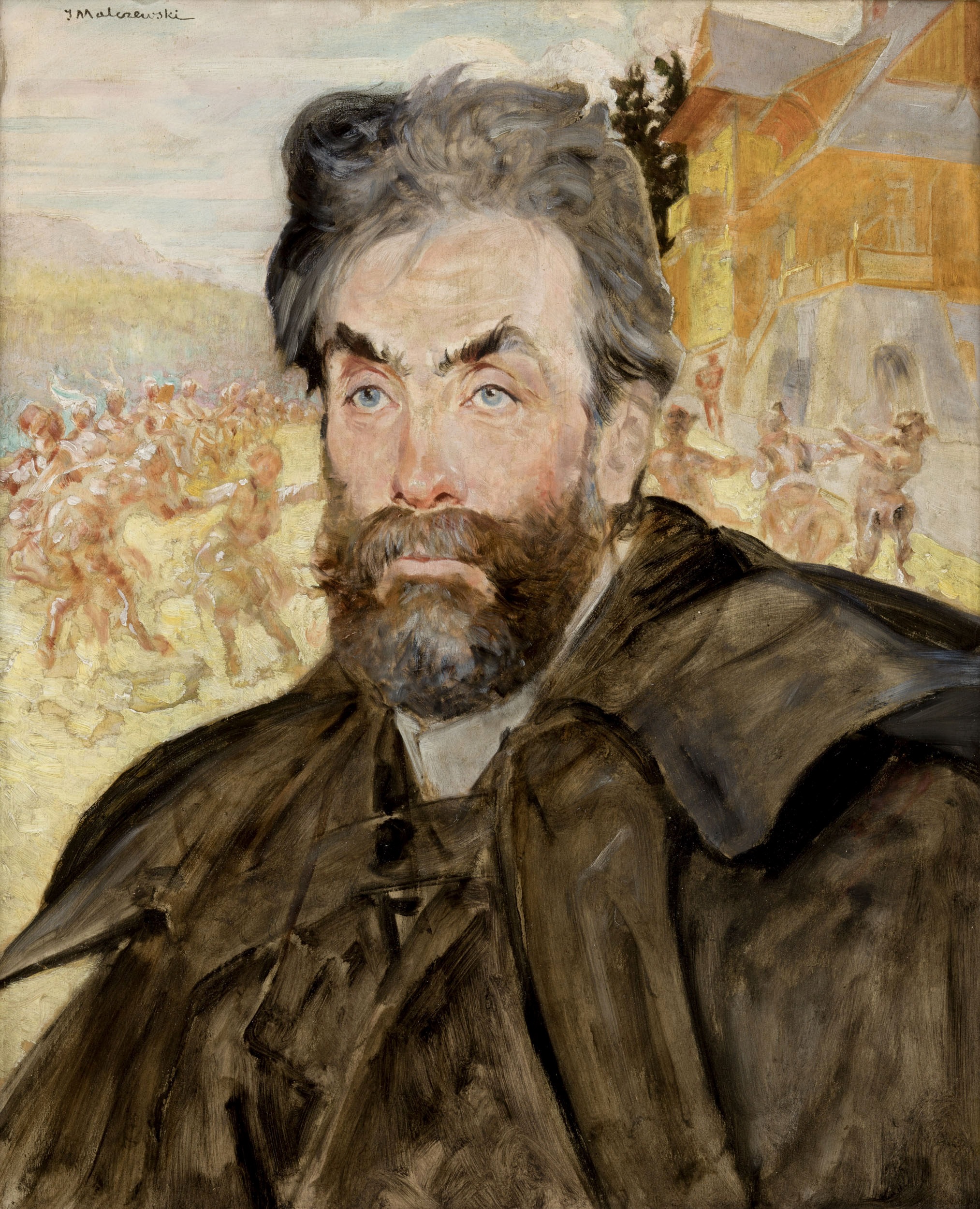
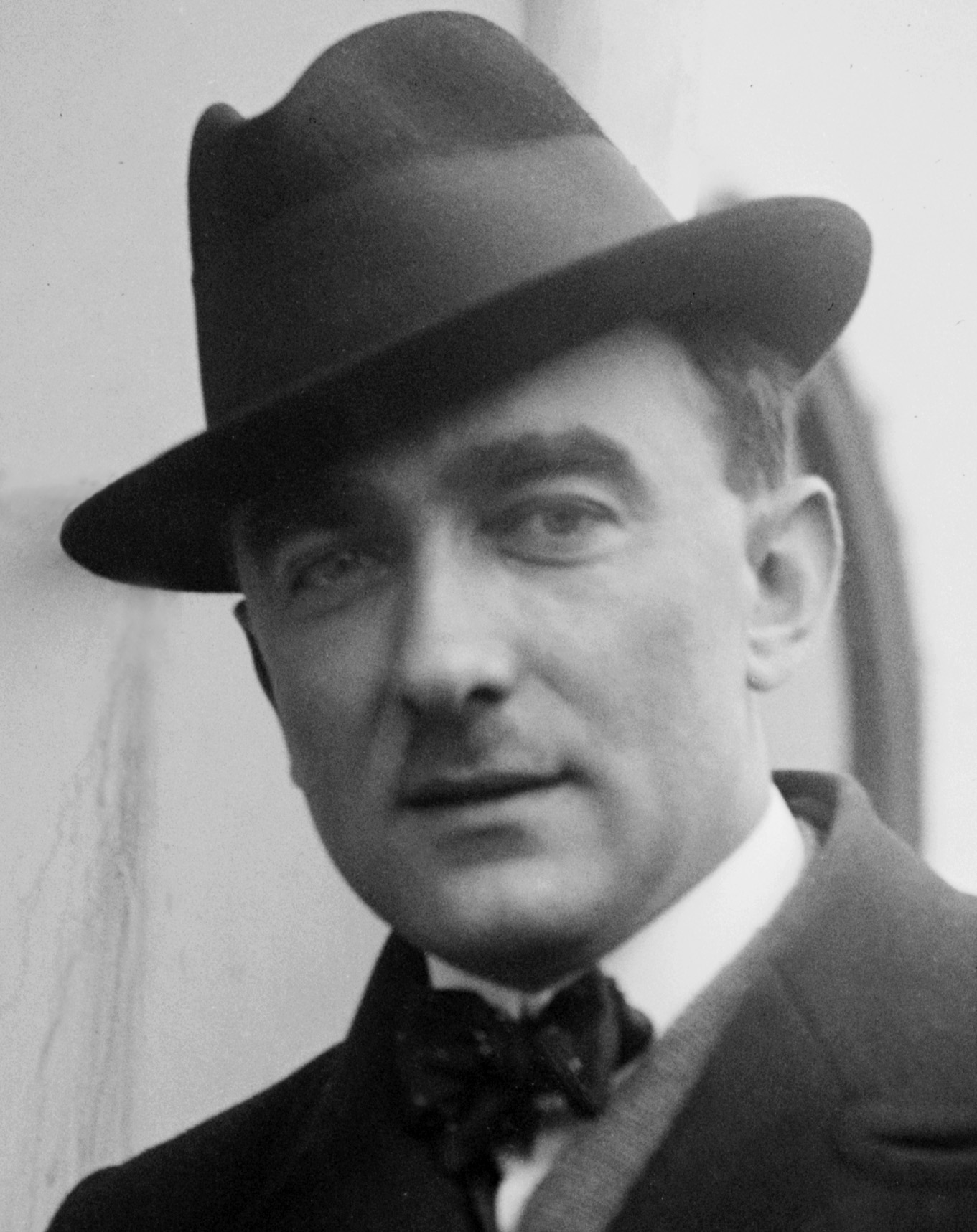

- Tytus Chałubiński (1820 – 1889 in Zakopane), Polish physician and co-founder of the Polish Tatra Society
- Klemens Bachleda (1851–1910), Polish mountain guide and mountain rescuer, worked from Zakopane
- Stanisław Witkiewicz, (1851 – 1915) Polish painter, architect, writer and art theoretician
- Jan Kasprowicz, (1860 – 1926) poet, playwright, critic and translator; a foremost representative of Young Poland
- Mariusz Zaruski, (1867–1941) Polish Brigadier-General, a pioneer of Polish sports yachting, a climber of the Tatra Mountains, a photographer, painter, poet, a seaman, a conspirator, a social activist and teacher
- Jerzy Żuławski, (1874 – 1915) Polish literary figure, philosopher, translator, alpinist and nationalist
- Władysław Orkan, (1875 – 1930) Polish writer from the Young Poland period
- Mieczysław Karłowicz, (1876 – 1909) Polish composer, conductor, mountaineer and photographer of the Tatra Mountains
- Karol Szymanowski, (1882 – 1937) Polish composer and pianist, member of the modernist movement Young Poland; his house in Zakopane, the Villa Atma, is now a museum
- Kornel Makuszyński, (1884 – 1953) Polish writer of children's and youth literature, elected member of the Polish Academy of Literature in interwar Poland
- Stanisław Ignacy Witkiewicz (1885 – 1939), Witkacy, a painter, philosopher, playwright, novelist and photographer
- Olga Drahonowska-Małkowska, (1888 – 1979 in Zakopane), with her husband, founded scouting in Poland
- Count Edward Bernard Raczyński (1891 – 1993) Polish diplomat, writer, politician and President of Poland in exile
- Aniela Chałubińska (1902–1998), Polish geographer, geologist and university professor
- Anna Zofia Krygowska (1904–1988) Polish mathematician, known for her work in mathematics education
- Wawrzyniec Żuławski (1916 in Zakopane – 1957) Wawa Polish alpinist, educator, composer, music critic, and musicologist
- Władysław Hasior, (1928 – 1999) Polish contemporary sculptor from Podhale region, a painter and theatre set designer
- Teresa Bogucka (born 1945 in Zakopane), journalist, writer, a democratic opposition activist in Communist Poland
- Andrzej Gąsienica-Makowski (born 1952 in Zakopane) politician, led the Nonpartisan Bloc for Support of Reforms
- Janusz Waluś (born 1953 in Zakopane) assassinated Chris Hani, General Secretary of the South African Communist Party
- Liz Glazowski, (born 1957 in Zakopane) Polish-American model, Playboy magazine's Playmate of the Month in April 1980
- Sergiusz Pinkwart, (born 1973) Polish journalist, writer, classical musician and traveler, Magellan Award winner
- Małgorzata Mirga-Tas (born 1978), Polish-Romani visual artist
- Małgorzata Babiarz, (born 1984 in Zakopane) professionally known as Megitza is a singer, double bass player and composer
Sport
- Stanisław Marusarz (1913 in Zakopane – 1993 in Zakopane) Polish Nordic skiing competitor in the 1930s
- Jan Wojciech Bachleda-Curuś (1951 in Zakopane – 2009) Polish alpine skier who competed in the 1976 Winter Olympics
- Wojciech Fortuna (born 1952 in Zakopane), ski jumper, Olympic gold medallist
- Kamil Stoch, (born 1987 in Zakopane) Polish ski jumper, world champion and three-time Olympic gold medalist
- Andrzej Bargiel, first person to ski down Mount Everest without bottled oxygen and first person to ski all 8,000-meter summits in the Karakoram Range
- Oskar Kwiatkowski, (born 1996 in Zakopane), Polish snowboarder
Notable visitors
- Henryk Sienkiewicz (1846–1916)
- Bolesław Prus (1847 – 1912)
- Joseph Conrad (1857 – 1924)
- Stefan Żeromski (1864 – 1925)
- Bronisława Dłuska, (1865 – 1939) Polish physician, older sister of physicist Marie Curie
- Marie Curie (1867 – 1934)
- Józef Piłsudski (1867 – 1935)
- Vladimir Lenin (1870 – 1924)
- Alfred Döblin (1878 – 1957)
- Aniela Zagórska (1881 – 1943) niece of Joseph Conrad
- Rudolf Weigl (1883 – 1957)
- Edward Rydz-Śmigły (1886 – 1941), Marshal of Poland, who painted some Zakopane sights
- Artur Rubinstein (1887 – 1982)
- Julian Tuwim (1894 – 1953), died in Zakopane
- Krystyna Skarbek (1908 – 1952)
- Stanisław Lem (1921 – 2006)
- Charles III (born 1948)
Gallery
File:2018-07-03 Zakopane from air 05.jpg|Aerial view of Zakopane File:Zakopane at night.jpg|Zakopane at night File:Zakopane - skiing (28).JPG|Zakopane - view from Gubałówka Hill (Tatra mountains in the background) File:Wielka Krokiew 2012.jpg|Wielka Krokiew ski jumping hill File:Zakopane - skiing (35).JPG|Zakopane - Gubałówka Hill ski run File:Zakopane - skiing (14).JPG|Zakopane - Gubałówka Hill: a nursery ski run File:Kolejka linowa Polana Szymoszkowa T58.jpg|Polana Szymoszkowa ski lift File:Katyn Memorial at Zakopane.JPG|Katyń Memorial in Peksów Brzyzek Cemetery File:The contemplative Christ of Zakopane.JPG|Traditional wooden shrine File:Zakopane Jan 2014 017.JPG|Traditional oscypek cheese File:Zakopane Poland 1938.jpg|Zakopane, mountain massif Giewont (1938) File:Rydz.JPG|Old Church in Zakopane, oil painting by Edward Rydz-Śmigły.
Notes
Bibliography
- Stanisław Kasztelowicz and Stanisław Eile, Stefan Żeromski: kalendarz życia i twórczości (Stefan Żeromski: A Calendar of His Life and Work), Kraków, Wydawnictwo Literackie, 1961.
- Zdzisław Najder, Joseph Conrad: A Life, translated by Halina Najder, Rochester, New York, Camden House, 2007, .
- Krystyna Tokarzówna and Stanisław Fita, Bolesław Prus, 1847–1912: Kalendarz życia i twórczości (Bolesław Prus, 1847–1912: A Calendar of His Life and Work), edited by Zygmunt Szweykowski, Warsaw, Państwowy Instytut Wydawniczy, 1969.
References
- GUS. "Powierzchnia i ludność w przekroju terytorialnym w 2017 r.".
- "Gwara góralska".
- (21 December 2015). "Zakopane - What To See in Poland's Winter Capital".
- "Local history - Information about the town - Zakopane - Virtual Shtetl".
- Wardzyńska, Maria. (2009). "Był rok 1939. Operacja niemieckiej policji bezpieczeństwa w Polsce. Intelligenzaktion". [[Institute of National Remembrance.
- (2003). "Charków. Księga Cmentarna Polskiego Cmentarza Wojennego". Rada Ochrony Pamięci Miejsc Walk i Męczeństwa.
- (2000). "Katyń. Księga Cmentarna Polskiego Cmentarza Wojennego". Rada Ochrony Pamięci Miejsc Walk i Męczeństwa.
- (2015). "Убиты в Катыни. Книга Памяти польских военнопленных – узников Козельского лагеря НКВД, расстрелянных по решению политбюро ЦК ВКП(б) от 5 марта 1940 года". [[Memorial (society).
- "Local history {{!}} Virtual Shtetl".
- "Zakopane". sztetl.org.pl.
- "Transporty z obozu Dulag 121".
- [https://www.yadvashem.org/yv/en/exhibitions/childrens-survivors-homes/zakopane.asp The Children's Home in Zakopane, Poland: Lena Küchler's Children], [[Yad Vashem]] website
- (2006). "World Map of the Köppen-Geiger climate classification updated". Meteorologische Zeitschrift.
- (2007). "Updated world map of the Köppen–Geiger climate classification". Hydrol. Earth Syst. Sci..
- "Atlas warunków solarnych - Portal Klimat IMGW-PiB".
- (2023-05-04). "Historyczne dane pomiarowe".
- (2023-05-04). "Historyczne dane pomiarowe".
- (2023-05-04). "Średnie i sumy miesięczne".
- (2023-05-04). "Średnie i sumy miesięczne".
- (2023-05-04). "Historyczne dane pomiarowe".
- "Zakopane Style Museum Zakopane {{pipe}} Poland". Zakopane Life.
- "The Tatra Museum - The Museum of the Zakopane Style". Muzeumtatrzanskie.com.pl.
- "Seattle Times - Scenic Zakopane".
- "History of Snowsports".
- altius. "Things to do in Zakopane and Tatra Mountains.".
- [[:pl:Monika Piątkowska. Monika Piątkowska]], ''Prus: Śledztwo biograficzne'' (Prus: A Biographical Investigation), [[Kraków]], [[Wydawnictwo Znak]], 2017, {{ISBN. 978-83-240-4543-3, p. 327.
- Krystyna Tokarzówna and Stanisław Fita, ''[[Bolesław Prus]], 1847–1912: Kalendarz życia i twórczości'' ([[Bolesław Prus]], 1847–1912: A Calendar of His Life and Work), edited by [[Zygmunt Szweykowski (historian). Zygmunt Szweykowski]], Warsaw, Państwowy Instytut Wydawniczy, 1969, pp. 232, 235, ''et passim''.
- [[Zdzisław Najder]], ''Joseph Conrad: A Life'', translated by Halina Najder, Rochester, New York, Camden House, 2007, {{ISBN. 1-57113-347-X, pp. 458–63.
- [[Zdzisław Najder]], ''Joseph Conrad: A Life'', translated by Halina Najder, Rochester, New York, Camden House, 2007, {{ISBN. 1-57113-347-X, pp. 463–64.
- Mateusiak, Tomasz. (9 March 2011). "Zakopane: Maria Skłodowska Cure kochała Podhale".
- (2023-02-04). "Lenin faktycznie trafił do Zakopanego. "Bose baby (...) zupełnie jak w Rosji!"".
- Döblin, Alfred. (1991). "Journey to Poland". Paragon House Publishers.
- [[Zdzisław Najder]], ''Joseph Conrad: A Life'', translated by Halina Najder, Rochester, New York, Camden House, 2007, {{ISBN. 1-57113-347-X, p. 463.
- [[Waclaw Szybalski]], "The genius of Rudolf Stefan Weigl (1883 – 1957), a Lvovian microbe hunter and breeder": ''in memoriam'', [[McArdle Laboratory for Cancer Research]], [[University of Wisconsin, Madison]], WI 53705, US.
- [[Madeleine Masson]], ''Christine: A Search for [[Christine Granville]], G.M., O.B.E., Croix de Guerre, with a Foreword by [[Francis Cammaerts]], D.S.O., Légion d'Honneur, Croix de Guerre, U.S. Medal of Freedom'', London, Hamish Hamilton, 1975, p. 24.
- "Stanisław Lem odwiedzający Tatry i Zakopane".
- [http://parsonsmedia.photoshelter.com/image/I0000Jv07SSA5Dgk Photo of HRH The Prince of Wales] Thursday 13 June 2002, walking "around the lake Morskie Oko during a walk at Tatras National Park on the final stage of his tour of Poland"
This article was imported from Wikipedia and is available under the Creative Commons Attribution-ShareAlike 4.0 License. Content has been adapted to SurfDoc format. Original contributors can be found on the article history page.
Ask Mako anything about Zakopane — get instant answers, deeper analysis, and related topics.
Research with MakoFree with your Surf account
Create a free account to save articles, ask Mako questions, and organize your research.
Sign up freeThis content may have been generated or modified by AI. CloudSurf Software LLC is not responsible for the accuracy, completeness, or reliability of AI-generated content. Always verify important information from primary sources.
Report