From Surf Wiki (app.surf) — the open knowledge base
Yugoslav Cup
| Field | Value |
|---|---|
| name | Yugoslav Cup |
| founded | |
| abolished | |
| region | Yugoslavia |
| current champions | Partizan (6) |
| most successful club | Red Star Belgrade (12) |
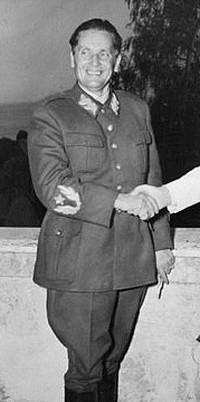
The Yugoslav Cup (; ; , ), officially known between 1923 and 1940 as the King Alexander Cup (; , and between 1947 and 1991 as the Marshal Tito Cup (; ; ; ), was one of two major football competitions in Yugoslavia, the other one being the Yugoslav League Championship. The Yugoslav Cup took place after the league championships when every competitive league in Yugoslavia had finished, in order to determine which teams are ranked as their corresponding seeds. The Marshal Tito Cup trophy was based on a design by Branko Šotra.
Kingdom of Yugoslavia (1923–1941)
The pre-WW II competition in the then Kingdom of Slovenes, Croats and Serbs (renamed Kingdom of Yugoslavia at the end of 1929) was held irregularly, and sometimes involved only regional selections, sometimes only clubs, and occasionally both clubs and regions. Between 1924 and 1927 the competition consisted of squads from the regional subassociations. Only the players with citizenship of the Kingdom of Serbs, Croats and Slovenes were eligible.
List of winners
| Season | Winner | Score | Runners–up | HAŠK Zagreb | Zagreb XI | Zagreb XI | Zagreb XI | Belgrade XI | SAND Subotica | BSK Belgrade | SK Jugoslavija | Građanski Zagreb | SK Jugoslavija | BSK Belgrade |
|---|---|---|---|---|---|---|---|---|---|---|---|---|---|---|
| 1923 | 2–0 | |||||||||||||
| (Zagreb clubs only) | Concordia Zagreb | |||||||||||||
| 1924 | 3–2 | Split XI | ||||||||||||
| 1925 | 3–1 | Split XI | ||||||||||||
| 1926 | 3–1 | Belgrade XI | ||||||||||||
| 1927 | 3–0 | Subotica XI | ||||||||||||
| 1930–31 | 2–2, 2–1 | SAŠK Sarajevo | ||||||||||||
| 1934 | league | Hajduk Split | ||||||||||||
| 1936 | 1–2, 4–0 | Građanski Zagreb | ||||||||||||
| 1938 | 4–1, 2–2 | BSK Belgrade | ||||||||||||
| 1938–40 | 5–1, 0–0 | Slavija Sarajevo | ||||||||||||
| 1941 | league | |||||||||||||
| (Belgrade region only during German occupation) | SK Jugoslavija |
Split XI, losing finalists in 1924 and 1925, was composed of Hajduk Split players only. After their third successive win in 1926, Zagreb obtained the golden cup of King Aleksandar to keep.
SFR Yugoslavia (1947–92)
Competition format
The competition format was an elimination championship where every competitive team was offered a chance to enter. Beginning in the lowest tiers of teams, the competition followed a one-game elimination format. Higher-tier teams got berths in the second round, third round, and so on. The First League (Prva Liga) teams always began in the 1/16 finals, and the rest of the 16 berths being filled by lower-tier teams who managed to make it to the round of 32.
Once the round of 16 was reached, the format would be changed to a two-game elimination format, being played at home and away for each team. At this point it became a First League ordeal, as the smaller teams had zero chance against the titans of Yugoslavian football. Historically, the finals were usually reached only by the better-performing First League teams (Partizan, Hajduk, Red Star, Dinamo, etc.).
Key
| Italics | Team from outside the top level of Yugoslav football |
|---|
List of winners
| Season | Winner | Score | Runners–up | Venue(s) | Attendance | Partizan (1) | Red Star (1) | Red Star (2) | Red Star | Red Star (3) | Dinamo Zagreb (1) | Partizan (2) | BSK Belgrade (1) | Partizan (3) | BSK Belgrade (2) | Partizan (4) | Red Star (4) | Red Star (5) | Dinamo Zagreb (2) | Vardar (1) | OFK Belgrade (3) | Dinamo Zagreb (3) | Red Star (6) | Dinamo Zagreb (4) | OFK Belgrade (4) | Hajduk Split (1) | Red Star (7) | Dinamo Zagreb (5) | Dinamo Zagreb (5) | Red Star (8) | Red Star (9) | Hajduk Split (2) | Hajduk Split (3) | Hajduk Split (4) | Hajduk Split (5) | Hajduk Split (6) | Rijeka (1) | Rijeka (2) | Dinamo Zagreb (6) | Velež Mostar (1) | Red Star (10) | Dinamo Zagreb (7) | Hajduk Split (7) | Red Star (11) | Velež Mostar (2) | Hajduk Split (8) | Borac Banja Luka (1) | Partizan (5) | Red Star (12) | Hajduk Split (9) | Partizan (6) |
|---|---|---|---|---|---|---|---|---|---|---|---|---|---|---|---|---|---|---|---|---|---|---|---|---|---|---|---|---|---|---|---|---|---|---|---|---|---|---|---|---|---|---|---|---|---|---|---|---|---|---|---|
| 1947 | 2–0 | Naša Krila Zemun | Stadion JNA | 10,000 | |||||||||||||||||||||||||||||||||||||||||||||||
| 1948 | 3–0 | Partizan | Stadion Crvene zvezde | 30,000 | |||||||||||||||||||||||||||||||||||||||||||||||
| 1949 | 3–2 | Naša Krila Zemun | Stadion JNA | 50,000 | |||||||||||||||||||||||||||||||||||||||||||||||
| 1950 | 1–1 | Dinamo Zagreb | Stadion JNA | 50,000 | |||||||||||||||||||||||||||||||||||||||||||||||
| (R) | 3–0 | Dinamo Zagreb | Stadion JNA | 45,000 | |||||||||||||||||||||||||||||||||||||||||||||||
| 1951 | 4–0 | Vojvodina | Stadion Maksimir; Stadion JNA | 15,000; 20,000 | |||||||||||||||||||||||||||||||||||||||||||||||
| 1952 | 6–0 | Red Star | Stadion JNA | 60,000 | |||||||||||||||||||||||||||||||||||||||||||||||
| 1953 | 2–0 | Hajduk Split | Stadion JNA | 50,000 | |||||||||||||||||||||||||||||||||||||||||||||||
| 1954 | 4–1 | Red Star | Stadion JNA | 40,000 | |||||||||||||||||||||||||||||||||||||||||||||||
| 1955 | 2–0 | Hajduk Split | Stadion JNA | 20,000 | |||||||||||||||||||||||||||||||||||||||||||||||
| 1956–57 | 5–3 | Radnički Belgrade | Stadion JNA | 12,000 | |||||||||||||||||||||||||||||||||||||||||||||||
| 1957–58 | 4–0 | Velež Mostar | Stadion JNA | 30,000 | |||||||||||||||||||||||||||||||||||||||||||||||
| 1958–59 | 3–1 | Partizan | Stadion JNA | 50,000 | |||||||||||||||||||||||||||||||||||||||||||||||
| 1959–60 | 3–2 | Partizan | Stadion JNA | 40,000 | |||||||||||||||||||||||||||||||||||||||||||||||
| 1960–61 | 2–1 | Varteks | Stadion JNA | 15,000 | |||||||||||||||||||||||||||||||||||||||||||||||
| 1961–62 | 4–1 | Spartak Subotica | Stadion JNA | 10,000 | |||||||||||||||||||||||||||||||||||||||||||||||
| 1962–63 | 4–1 | Hajduk Split | Stadion JNA | 30,000 | |||||||||||||||||||||||||||||||||||||||||||||||
| 1963–64 | 3–0 | Dinamo Zagreb | Stadion Crvene zvezde | 60,000 | |||||||||||||||||||||||||||||||||||||||||||||||
| 1964–65 | 2–1 | Budućnost Titograd | Stadion Crvene zvezde | 13,000 | |||||||||||||||||||||||||||||||||||||||||||||||
| 1965–66 | 6–2 | Dinamo Zagreb | Stadion JNA | 35,000 | |||||||||||||||||||||||||||||||||||||||||||||||
| 1966–67 | 2–1 | Sarajevo | Stadion Stari plac | 15,000 | |||||||||||||||||||||||||||||||||||||||||||||||
| 1967–68 | 7–0 | Bor | Stadion Crvene zvezde | 10,000 | |||||||||||||||||||||||||||||||||||||||||||||||
| 1968–69 | 3–3 | Hajduk Split | Stadion JNA | 20,000 | |||||||||||||||||||||||||||||||||||||||||||||||
| (R) | 3–0 | Hajduk Split | Stadion JNA | 15,000 | |||||||||||||||||||||||||||||||||||||||||||||||
| 1969–70 | 3–2 | Olimpija Ljubljana | Stadion Bežigrad; Stadion Crvene zvezde | 6,000; 30,000 | |||||||||||||||||||||||||||||||||||||||||||||||
| 1970–71 | 6–0 | Sloboda Tuzla | Stadion Tušanj; Stadion Crvene zvezde | 7,000; 6,000 | |||||||||||||||||||||||||||||||||||||||||||||||
| 1971–72 | 2–1 | Dinamo Zagreb | Stadion JNA | 15,000 | |||||||||||||||||||||||||||||||||||||||||||||||
| 1973 | 3–2 | Red Star | Stadion Stari plac; Stadion Crvene zvezde | 25,000; 10,000 | |||||||||||||||||||||||||||||||||||||||||||||||
| 1974 | 1–0 | Borac Banja Luka | Stadion JNA | 20,000 | |||||||||||||||||||||||||||||||||||||||||||||||
| 1975–76 | 1–0 | Dinamo Zagreb | Stadion Crvene zvezde | 60,000 | |||||||||||||||||||||||||||||||||||||||||||||||
| 1976–77 | 2–0 | Budućnost Titograd | Stadion Crvene zvezde | 60,000 | |||||||||||||||||||||||||||||||||||||||||||||||
| 1977–78 | 1–0 | Trepča | Stadion Crvene zvezde | 40,000 | |||||||||||||||||||||||||||||||||||||||||||||||
| 1978–79 | 2–1 | Partizan | Stadion Kantrida; Stadion Crvene zvezde | 20,000; 55,000 | |||||||||||||||||||||||||||||||||||||||||||||||
| 1979–80 | 2–1 | Red Star | Stadion Maksimir; Stadion Crvene zvezde | 50,000; 50,000 | |||||||||||||||||||||||||||||||||||||||||||||||
| 1980–81 | 3–2 | Željezničar Sarajevo | Stadion Crvene zvezde | 40,000 | |||||||||||||||||||||||||||||||||||||||||||||||
| 1981–82 | 6–4 | Dinamo Zagreb | Stadion Maksimir; Stadion Crvene zvezde | 50,000; 60,000 | |||||||||||||||||||||||||||||||||||||||||||||||
| 1982–83 | 3–2 | Sarajevo | Stadion Crvene zvezde | 25,000 | |||||||||||||||||||||||||||||||||||||||||||||||
| 1983–84 | 2–1 | Red Star | Stadion Poljud; Stadion Crvene zvezde | 12,000; 70,000 | |||||||||||||||||||||||||||||||||||||||||||||||
| 1984–85 | 3–2 | Dinamo Zagreb | Stadion Maksimir; Stadion JNA | 40,000; 60,000 | |||||||||||||||||||||||||||||||||||||||||||||||
| 1985–86 | 3–1 | Dinamo Zagreb | Stadion JNA | 40,000 | |||||||||||||||||||||||||||||||||||||||||||||||
| 1986–87 | †1–1 | Rijeka | Stadion JNA | 30,000 | |||||||||||||||||||||||||||||||||||||||||||||||
| 1987–88 | 1–0 | Red Star | Stadion JNA | 25,000 | |||||||||||||||||||||||||||||||||||||||||||||||
| 1988–89 | 6–1 | Velež Mostar | Stadion JNA | 35,000 | |||||||||||||||||||||||||||||||||||||||||||||||
| 1989–90 | 1–0 | Hajduk Split | Stadion JNA | 35,000 | |||||||||||||||||||||||||||||||||||||||||||||||
| 1990–91 | 1–0 | Red Star | Stadion JNA | 7,000 | |||||||||||||||||||||||||||||||||||||||||||||||
| 1991–92 | 3–2 | Red Star | Stadion Crvene zvezde, Stadion JNA | 33,000; 40,000 |
- No participation of Croatian and Slovenian clubs. The only Macedonian club dropped out of competition in Round of 16. The last Bosnian club left the competition in May 1992 in Semi finals stage.
Results by team
Teams shown in italics are no longer in existence.
| Club | Republic/Province | Winners | Last final won | Runners-up | Last final lost | Total apps | Red Star Belgrade | Hajduk Split | Dinamo Zagreb | Partizan | OFK Belgrade | Velež | Rijeka | Borac Banja Luka | Vardar | Sarajevo | Budućnost Titograd | Naša Krila Zemun | Željezničar | Trepça | Sloboda Tuzla | Olimpija Ljubljana | Bor | Spartak Subotica | Varteks | Radnički Belgrade | Vojvodina |
|---|---|---|---|---|---|---|---|---|---|---|---|---|---|---|---|---|---|---|---|---|---|---|---|---|---|---|---|
| Serbia | 12 | 1990 | 8 | 1992 | 20 | ||||||||||||||||||||||
| Croatia | 9 | 1991 | 5 | 1990 | 14 | ||||||||||||||||||||||
| Croatia | 7 | 1983 | 8 | 1986 | 15 | ||||||||||||||||||||||
| Serbia | 6 | 1992 | 4 | 1979 | 10 | ||||||||||||||||||||||
| Serbia | 4 | 1966 | – | – | 4 | ||||||||||||||||||||||
| Bosnia and Herzegovina | 2 | 1986 | 2 | 1989 | 4 | ||||||||||||||||||||||
| Croatia | 2 | 1979 | 1 | 1987 | 3 | ||||||||||||||||||||||
| Bosnia and Herzegovina | 1 | 1988 | 1 | 1974 | 2 | ||||||||||||||||||||||
| Macedonia | 1 | 1961 | – | – | 1 | ||||||||||||||||||||||
| Bosnia and Herzegovina | – | – | 2 | 1983 | 2 | ||||||||||||||||||||||
| Montenegro | – | – | 2 | 1977 | 2 | ||||||||||||||||||||||
| Serbia | – | – | 2 | 1949 | 2 | ||||||||||||||||||||||
| Bosnia and Herzegovina | – | – | 1 | 1981 | 1 | ||||||||||||||||||||||
| Kosovo | – | – | 1 | 1978 | 1 | ||||||||||||||||||||||
| Bosnia and Herzegovina | – | – | 1 | 1971 | 1 | ||||||||||||||||||||||
| Slovenia | – | – | 1 | 1970 | 1 | ||||||||||||||||||||||
| Serbia | – | – | 1 | 1968 | 1 | ||||||||||||||||||||||
| Vojvodina | – | – | 1 | 1962 | 1 | ||||||||||||||||||||||
| Croatia | – | – | 1 | 1961 | 1 | ||||||||||||||||||||||
| Serbia | – | – | 1 | 1957 | 1 | ||||||||||||||||||||||
| Vojvodina | – | – | 1 | 1951 | 1 |
Performance by Republic/Province
| Republic | Winner | Runner-Up | Appearances |
|---|---|---|---|
| SR Bosnia and Herzegovina | 3 | 7 | 10 |
| SR Croatia | 18 | 15 | 33 |
| SAP Kosovo | – | 1 | 1 |
| SR Macedonia | 1 | – | 1 |
| SR Montenegro | – | 2 | 2 |
| SR Slovenia | – | 1 | 1 |
| SR Serbia | 22 | 16 | 38 |
| SAP Vojvodina | – | 2 | 2 |
Successor cups
- Bosnia and Herzegovina → Bosnia and Herzegovina Football Cup (1994–present)
- Croatia → Croatian Football Cup (1992–present)
- Kosovo → Kosovar Cup (1991–present)
- North Macedonia → Macedonian Football Cup (1992–present)
- Montenegro → Montenegrin Cup (2006–present; from 1992 to 2006 had a joint cup with Serbia)
- Serbia → Serbian Cup (2006–present, from 1992 to 2006 had a joint cup with Montenegro)
- Slovenia → Slovenian Football Cup (1991–present)
Sources
References
References
- (11 May 2020). "On this day 32 years ago, Borac won the Marshal Tito Cup". The Sprska Times.
- Mills, Richard. (27 April 2023). "A History of Sport in Europe in 100 Objects". Arete Verlag.
- Fudbal u Kraljevini Jugoslaviji, Milorad Sijić, pag. 30
- [https://www.rsssf.org/tablesj/joegcuphist.html Yugoslavia/Serbia and Montenegro – Cup Finals] at [[RSSSF]]
This article was imported from Wikipedia and is available under the Creative Commons Attribution-ShareAlike 4.0 License. Content has been adapted to SurfDoc format. Original contributors can be found on the article history page.
Ask Mako anything about Yugoslav Cup — get instant answers, deeper analysis, and related topics.
Research with MakoFree with your Surf account
Create a free account to save articles, ask Mako questions, and organize your research.
Sign up freeThis content may have been generated or modified by AI. CloudSurf Software LLC is not responsible for the accuracy, completeness, or reliability of AI-generated content. Always verify important information from primary sources.
Report