From Surf Wiki (app.surf) — the open knowledge base
Ye (pronoun)
Archaic second-person pronoun in English
Archaic second-person pronoun in English
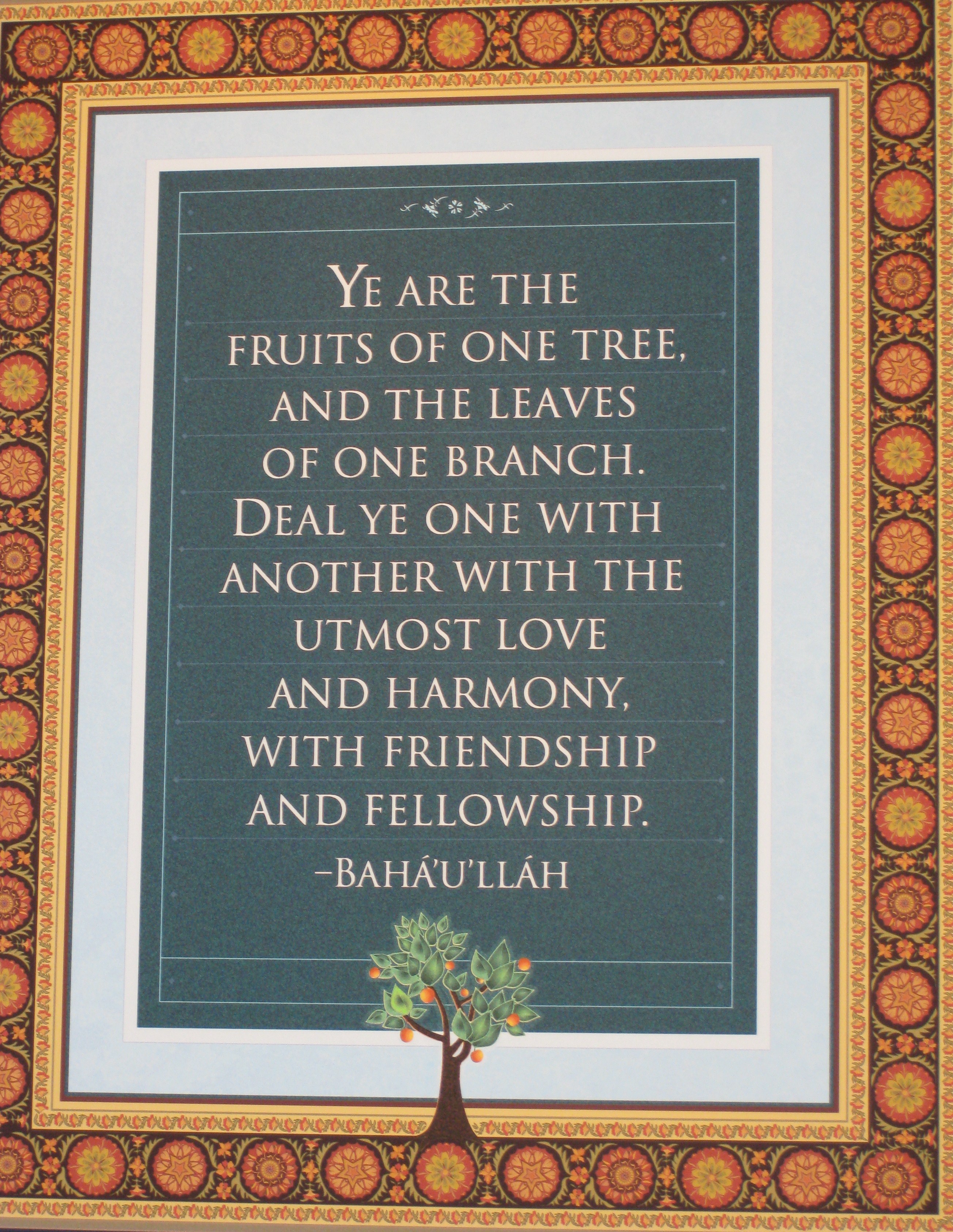
Ye (, unstressed or ) is a second-person, plural, personal pronoun (nominative), spelled in Old English as "ge". In Middle English and Early Modern English, it was used as both an informal second-person plural and a formal honorific, to address a group of equals or superiors or a single superior. Although its use is archaic in most of the English-speaking world, it is used in Newfoundland and Labrador in Canada and in many parts of Ireland, to distinguish from the singular "you". It is also a typical singular and plural form of you in Scots.
In southeastern England, ye had disappeared by 1600 in regular speech, being replaced by the original oblique case form you.
Etymology
In Old English, the use of second-person pronouns was governed by a simple rule: þū addressed one person, ġit addressed two people, and ġē addressed more than two. After the Norman Conquest, which marks the beginning of the French vocabulary influence that characterised the Middle English period, the plural gradually replaced singular as the form of address for a superior and later for an equal. T–V distinction — the practice of matching singular and plural forms with informal and formal connotations, respectively — in English is largely due to the influence of French. This began with the practice of addressing kings and other aristocrats in the plural. Eventually, this was generalised, as in French, to address any social superior or stranger with a plural pronoun, which was believed to be more polite.
Following the French-language conventions, the word þū evolved into thou and became the informal second-person singular pronoun. In Early Modern English, ye functioned as both an informal plural and formal singular second-person nominative pronoun. "Ye" is still commonly used as an informal plural in Hiberno‐English and Newfoundland English. Both dialects also use variants of "ye" for alternative cases, such as "yeer" (your), "yeers" (yours), and "yeerselves" (yourselves).
The pronoun is also sometimes used as a literary device, as in poetry, e.g. "Ye are many—they are few!" (Percy Bysshe Shelley, The Masque of Anarchy, 1819).
Confusion with the definite article ''ye''
Main article: Ye (article)
In Early Modern English, þe (the) was commonly spelled ye because early printing presses from France did not have the letter þ. This is often seen in pseudo-Early Modern English phrases such as Ye Olde.
References
References
- {{Cite OED
- Nosowitz, Dan. (October 13, 2016). "Y'all, You'uns, Yinz, Youse: How Regional Dialects Are Fixing Standard English: The real enemy? "You guys."".
- (2003). "The Cambridge Encyclopedia of the English Language". [[Cambridge University Press]].
- Hickey, Raymond. (1983). "Remarks on pronominal usage in Hiberno-English". Universität Duisburg Essen.
This article was imported from Wikipedia and is available under the Creative Commons Attribution-ShareAlike 4.0 License. Content has been adapted to SurfDoc format. Original contributors can be found on the article history page.
Ask Mako anything about Ye (pronoun) — get instant answers, deeper analysis, and related topics.
Research with MakoFree with your Surf account
Create a free account to save articles, ask Mako questions, and organize your research.
Sign up freeThis content may have been generated or modified by AI. CloudSurf Software LLC is not responsible for the accuracy, completeness, or reliability of AI-generated content. Always verify important information from primary sources.
Report