From Surf Wiki (app.surf) — the open knowledge base
Whiffling
Rapid style of descent in bird flight
Rapid style of descent in bird flight
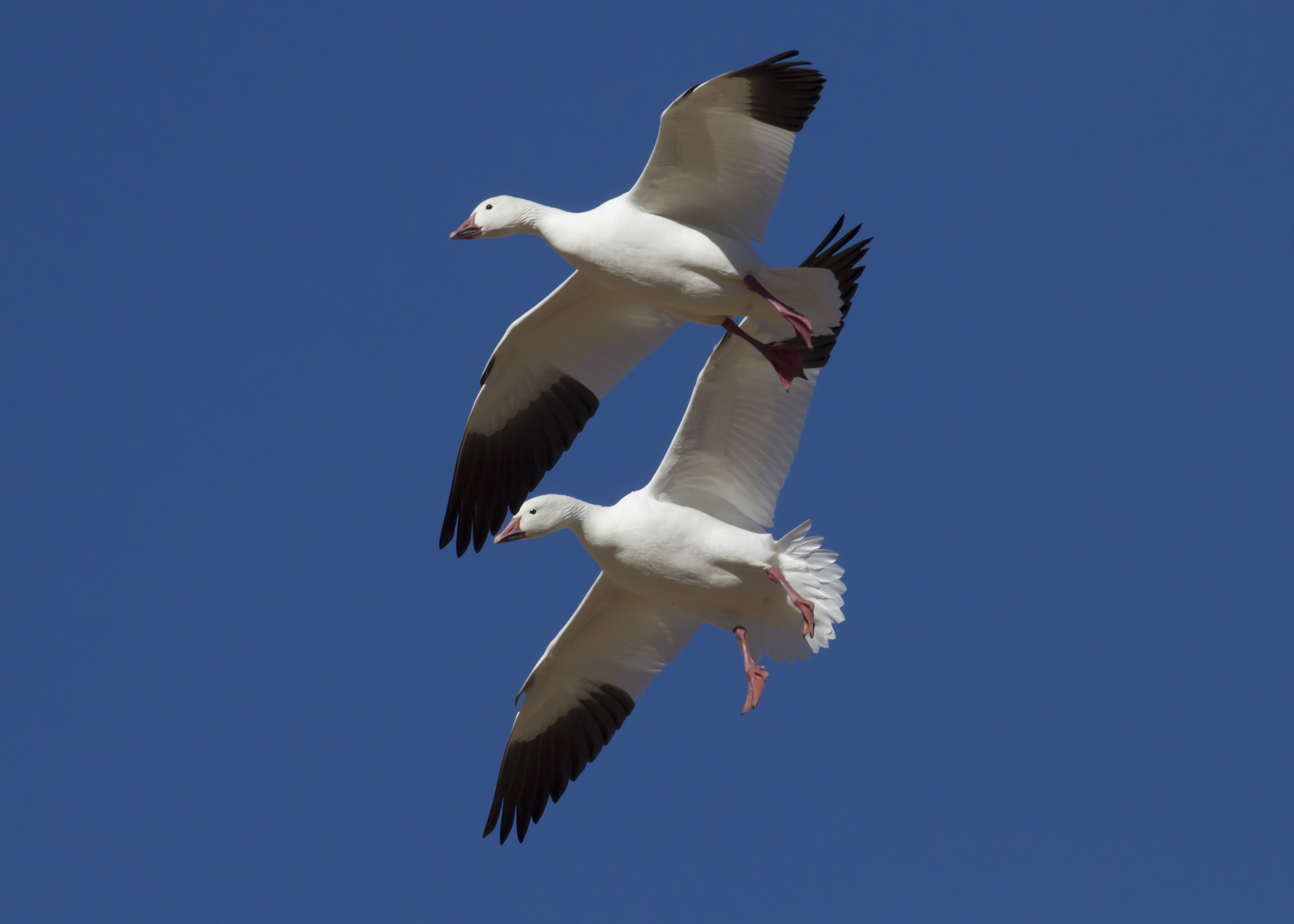
Whiffling is a term used in ornithology to describe the behavior whereby a bird rapidly descends with a zig-zagging, side-slipping motion. Sometimes to whiffle, a bird flies briefly with its body turned upside down but with its neck and head twisted 180 degrees around in a normal position. The aerodynamics which usually give a bird lift during flying are thereby inverted and the bird briefly plummets toward the ground before this is quickly reversed and the bird adopts a normal flying orientation. This erratic motion resembles a falling leaf, and is used to avoid avian predators or may be used by geese (family Anatidae) to avoid a long, slow descent over an area where wildfowling is practised.
The behavior is seen in several species including lesser yellowlegs (Tringa flavipes), the black-tailed godwit (Limosa limosa), the northern lapwing (Vanellus vanellus), geese (e.g., pink-footed goose (Anser brachyrhynchus)), three species of scoter (Melanitta), and other members of the family Anatidae.
References
References
- (1975). "Field identification of grey geese". British Birds.
- Ceurstemont, S.. (January 25, 2012). "Goose flying upside down captured in slow-mo movie". New Scientist TV.
- Weaver, Pete. (1981). "Whiffling". T. & A.D. Poyser.
- Humphries, D. A.. (1970). "Protean defence by prey animals". Oecologia.
This article was imported from Wikipedia and is available under the Creative Commons Attribution-ShareAlike 4.0 License. Content has been adapted to SurfDoc format. Original contributors can be found on the article history page.
Ask Mako anything about Whiffling — get instant answers, deeper analysis, and related topics.
Research with MakoFree with your Surf account
Create a free account to save articles, ask Mako questions, and organize your research.
Sign up freeThis content may have been generated or modified by AI. CloudSurf Software LLC is not responsible for the accuracy, completeness, or reliability of AI-generated content. Always verify important information from primary sources.
Report