From Surf Wiki (app.surf) — the open knowledge base
Wekiwa Springs State Park
State park in Florida, United States
State park in Florida, United States
| Field | Value |
|---|---|
| name | Wekiwa Springs State Park |
| iucn_category | V |
| map | Florida#USA |
| photo | Wekiwa Run.jpg |
| photo_caption | Kayaking on Wekiwa Run near Wekiwa Springs |
| location | Orange County, Florida, USA |
| nearest_city | Apopka, Florida |
| coordinates | |
| area | 7,000 acres (28 km2) |
| governing_body | Florida Department of Environmental Protection |
Wekiwa Springs State Park is a 7000 acre Florida State Park in Apopka, Florida. It is located 20 minutes north of Orlando, off Interstate 4 at exit 94, near Altamonte Springs and Longwood. The park also contains the head water of the Wekiva River. It also serves as the headquarters of one of the state's five AmeriCorps Florida State Parks chapters.
Although the springs are spelled Wekiwa Springs, the river and most subdivisions and streets in Seminole County use the Wekiva spelling. Wekiwa is the Creek word for a spring, but contrary to popular belief that Wekiva means "flowing water", it was actually an alternate spelling used by developers.
History
In the 1800s, Central Florida was primarily agricultural; however, with the end of the Civil War, a tourist trade started to take advantage of Florida's temperate winters, long summers and natural environment, and out of that growth came Wekiwa Springs. In 1941, the Apopka Sportsmen's Club purchased the property from the Wilson Cypress Company, which had maintained a small turpentine camp in what is now the park, maintaining the area for recreational use. [[File:Sportsmens Club monument.jpg|thumb|Sportsmens Club monument]] John H. Land, Mayor of Apopka, Florida, and co-owner of the Apopka Sportsmen's Club campaigned the Florida State Legislature for three years to preserve the land. By 1969 the state of Florida expressed interest in the property for use as a state park, and, starting in 1970, visitors have come for the natural spring, crystal clear water, and the area's wildlife. The spring maintains a year-round water temperature of 72 F.
Attractions
The spring
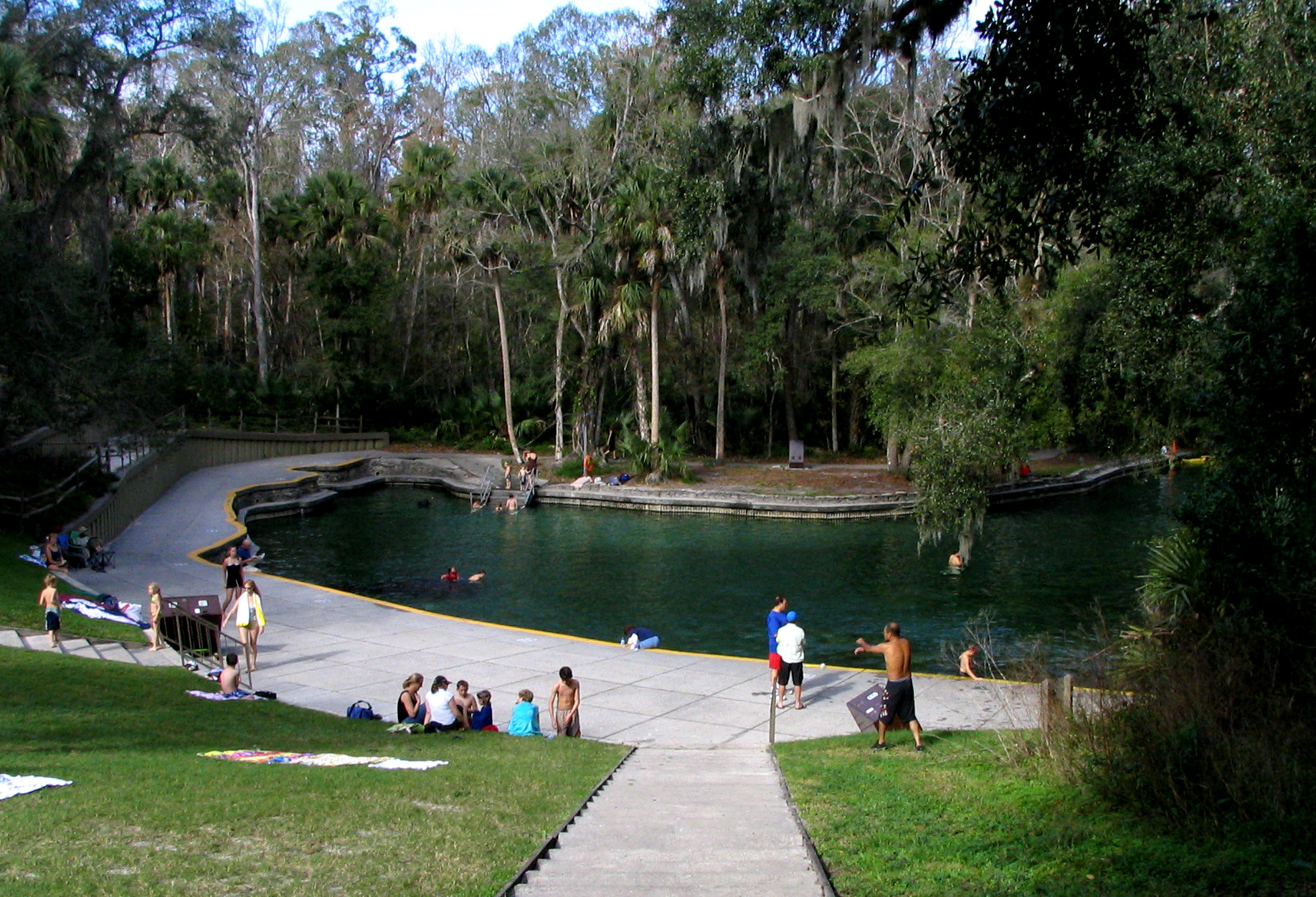
The main attraction at Wekiwa Springs Park is the spring, providing approximately 42 million gallons of water to the Wekiva River each day. The swimming area varies in depth from under a foot to five feet, and a small 15 - cavern at the source of the spring. The cavern extends deeper into a cave, which has been explored in great detail. SCUBA and cave diving is strictly prohibited. The park has a nature center, and access to Wekiwa Springs, Wekiwa Springs Run, Rock Springs Run and the Wekiva River. Picnic pavilions are equipped with charcoal grills, electricity, water, and picnic tables. Canoes and kayaks can be rented at the nature center. There are four campsites in Wekiwa Springs State Park that can only be accessed by canoe or kayak.

Camping
Spread out across the 7000 acre is located a fairly substantial camping area. Infrastructure exists to support all forms and types of camping from tents to recreational vehicles. Family, primitive and cabin youth camping areas are available. Camp Cozy is located 3.5 mi from the main spring and offers primitive camping. Pets are allowed, but must be leashed at all times. Intoxicants are prohibited.
Trails and hiking
There is a network of trails in the park, allowing for bicycling, hiking, and horseback riding. The main hiking trail is 13.5 mi long, and the 5.3 mi Volksmarch trail is marked with orange diamonds. A trail connects the main parking area with a distant parking lot at Sand Lake within the State park.
Ecology
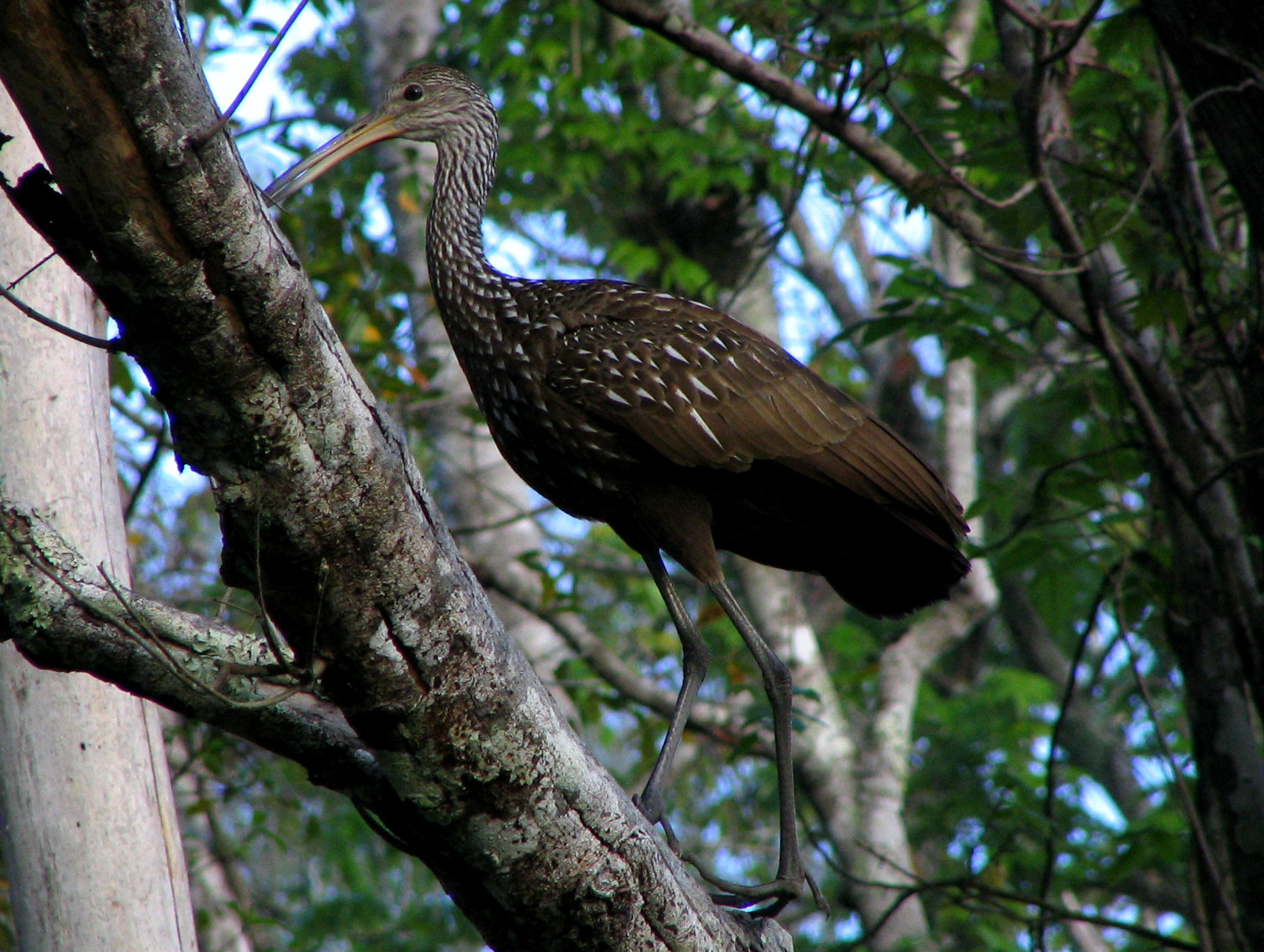
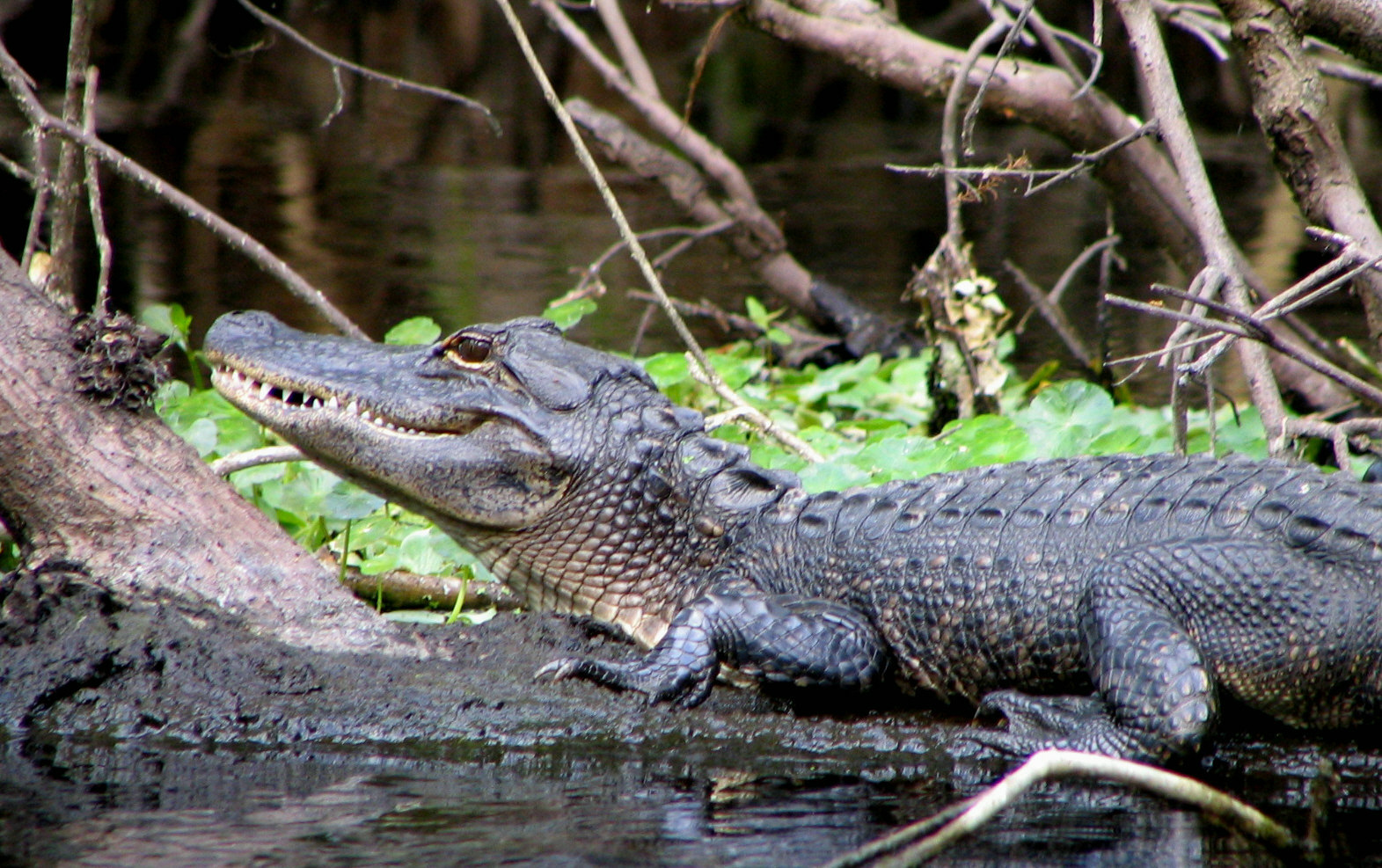
The area around the spring is largely undeveloped and has acres of untouched Florida Ecology. Among the wildlife of the park are coyote, rabbit, deer, gray fox, bobcat, raccoon, opossum, alligator, and black bear. Fishing is permitted, as well as canoeing and snorkeling. However, SCUBA and specifically cave diving are not. The cave has been explored in the past to a distance of about 50 meters.
Four rare snails are found in Wekiwa Springs. The Wekiwa hydrobe (Aphaostracon monas) and the Wekiwa siltsnail (Floridobia wekiwae) are endemic to Wekiwa Springs, and are described as "critically imperiled". Wekiwa Springs is also one of only three springs each in which the smooth rib hydrobe (Tryonia aequicostata) and the armored siltsnail (Spilochlamys gravis) are found. They are described as "vulnerable to extinction".
Administrative
Florida state parks are open between 8 a.m. and sundown every day of the year (including holidays). The nature center is open Saturday and Sunday from noon to 3:00 p.m. EST.
References
References
- [http://www.floridastateparks.org/history/parkhistory.cfm?parkid=114 Florida State Parks: Wekiwa Springs State Park: History and culture]
- Jim Toner, [[Orlando Sentinel]], [https://www.orlandosentinel.com/1999/07/20/you-say-wekiva-i-say-wekiwa/ You Say 'Wekiva,' I Say 'Wekiwa'], July 20, 1999
- "Wekiwa Springs State Park - Wekiva River, Wekiwa Springs".
- [http://www.floridastateparks.org/wekiwasprings/doc/additionalinformation/MapWSSPTrails052305.pdf Wekiwa Springs State Park trail map]
- Shelton, Douglas N.. (September 2005). "The Rare and Endemic Snails of Selected Springs Within the St. Johns River Water Management District". St. Johns River Water Management District.
This article was imported from Wikipedia and is available under the Creative Commons Attribution-ShareAlike 4.0 License. Content has been adapted to SurfDoc format. Original contributors can be found on the article history page.
Ask Mako anything about Wekiwa Springs State Park — get instant answers, deeper analysis, and related topics.
Research with MakoFree with your Surf account
Create a free account to save articles, ask Mako questions, and organize your research.
Sign up freeThis content may have been generated or modified by AI. CloudSurf Software LLC is not responsible for the accuracy, completeness, or reliability of AI-generated content. Always verify important information from primary sources.
Report