From Surf Wiki (app.surf) — the open knowledge base
Washing
Method of cleaning

Method of cleaning
Washing is a method of cleaning, usually with water and soap or detergent. Regularly washing and then rinsing both body and clothing is an essential part of good hygiene and health.
Often people use soaps and detergents to assist in the emulsification of oils and dirt particles so they can be washed away. The soap can be applied directly, or with the aid of a washcloth or assisted with sponges or similar cleaning tools.
In social contexts, washing refers to the act of bathing, or washing different parts of the body, such as hands, hair, or faces. Excessive washing may damage the hair, causing dandruff, or cause rough skin/skin lesions. Some washing of the body is done ritually in religions like Christianity and Judaism, as an act of purification.
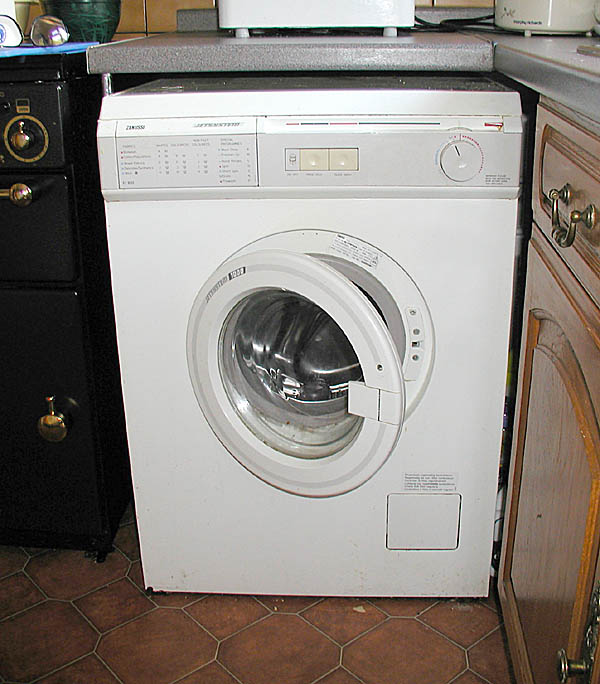
Washing can also refer to washing objects. For example, washing of clothing or other cloth items, like bedsheets, or washing dishes or cookwear. Keeping objects clean, especially if they interact with food or the skin, can help with sanitation. Other kinds of washing focus on maintaining cleanliness and durability of objects that get dirty, such washing one's car, by lathering the exterior with car soap, or washing tools used in a dirty process.
Washing bodies
People wash themselves, or bathe periodically for religious ritual or therapeutic purposes or as a recreational activity.
In Europe, some people use a bidet to wash their external genitalia and the anal region after using the toilet, instead of using toilet paper. The bidet is common in predominantly Catholic countries where water is considered essential for anal cleansing.
More frequent is washing of just the hands, e.g. before and after preparing food and eating, after using the toilet, after handling something dirty, etc. Hand washing is important in reducing the spread of germs. Also common is washing the face, which is done after waking up, or to keep oneself cool during the day. Brushing one's teeth is also essential for hygiene and is a part of washing.
Ritual purification through washing includes acts like Maundy, a Christian ritual involving washing of the feet, or ceremonial washing in Judaism.
Bathing
Hand washing
Hair washing
Face washing
Washing items
Dishwashing
Clothes washing
Washing cars
References
References
- (2019). "Laundry and textile hygiene in healthcare and beyond". Microbial Cell.
- Moyer, Melinda Wenner. (2023-10-23). "Do You Really Need to Shower Every Day?". The New York Times.
- Hadaway, Alexis. (2020-01-02). "Handwashing: Clean Hands Save Lives". Journal of Consumer Health on the Internet.
- Ettinger, Jill. (2018-10-22). "You Probably Wash Your Hair Way Too Much (Really!)".
- Petersen, Eiko E.. (2005-12-07). "Infections in Obstetrics and Gynecology: Textbook and Atlas". Thieme.
- Shove, Elizabeth. (2004). "Comfort, Cleanliness and Convenience The Social Organization of Normality (New Technologies/New Cultures)". Berg.
- (2020-06-18). "Eco-Friendly Cleaning Cloth and Toilet Papers".
- E. Clark, Mary. (2006). "Contemporary Biology: Concepts and Implications". University of Michigan Press.
- (May 4, 2023). "Show Me the Science - Why Wash Your Hands? | Handwashing | CDC".
- Thomas Osborne, M.D.. "Clean hands are key to preventing illness".
This article was imported from Wikipedia and is available under the Creative Commons Attribution-ShareAlike 4.0 License. Content has been adapted to SurfDoc format. Original contributors can be found on the article history page.
Ask Mako anything about Washing — get instant answers, deeper analysis, and related topics.
Research with MakoFree with your Surf account
Create a free account to save articles, ask Mako questions, and organize your research.
Sign up freeThis content may have been generated or modified by AI. CloudSurf Software LLC is not responsible for the accuracy, completeness, or reliability of AI-generated content. Always verify important information from primary sources.
Report