From Surf Wiki (app.surf) — the open knowledge base
War trophy
Items captured during battle

Items captured during battle
NOTOC

History
In ancient Greece and ancient Rome, military victories were commemorated with a display of captured arms and standards. A trophy (from the Greek tropaion) was originally a war memorial assembled from such items on a battlefield. The Roman triumph also displayed these items as well as cultural objects, which later came to be called war trophies. Body parts of slain enemies have sometimes served as trophies since antiquity, in a practice called human trophy collecting. The recovery of Roman eagles taken as trophies by enemy forces sometimes inspired years of added warfare.

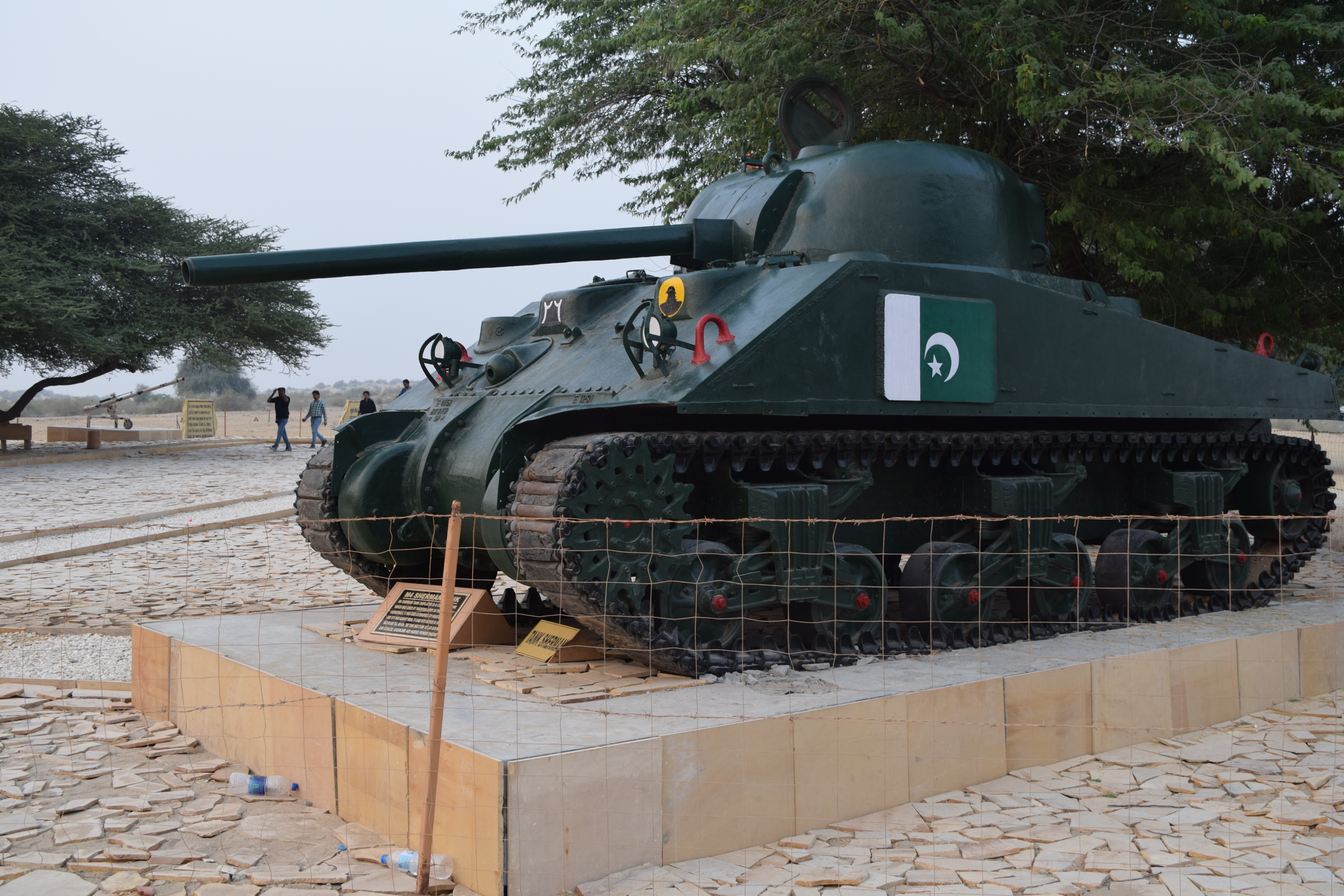
In more recent times, it has been common for soldiers to return home with souvenirs, such as enemy weapons and flags, while larger military items captured in battle, particularly weaponry such as machine guns and artillery pieces, became the property of the state to which the soldiers responsible for the capture belonged.
In the 20th century, the victorious alliance states removed large quantities of property, including cultural objects. After the First World War, the Treaty of Versailles authorized the removal of large amounts of property from Germany, which it termed "reparations". During the Pacific War, some American troops took the skulls and teeth of dead Japanese as war trophies, and during the occupation, as many as three million guntōs and swords were taken as trophies by the Americans.
After the Second World War, the United States Army's 28th Infantry Division's 5,000 men left the European Theater of Operations with 20,000 war trophies. The Potsdam Conference authorized the removal of certain property from Germany, such as the merchant marine fleet. Germany, during the war, had removed large quantities of property from the countries that it had occupied. In some cases, for example the Soviet "trophy brigades", official looting was euphemised as the taking of "trophies".
In the present day, the taking of war trophies continues, but weapons that are taken home as souvenirs are often deactivated first. According to Julian Thompson, only a small number of soldiers will take home war trophies, to avoid trouble – in a highly publicized case in 2012, British soldier Danny Nightingale was subject to a court-martial for illegally bringing a Glock with him after his tour in Iraq.
Cultural objects
Article 56 of the Hague Convention of 1907, stated:
The property of municipalities, that of institutions dedicated to religion, charity and education, the arts and sciences, even when State property, shall be treated as private property.
All seizure of, destruction or wilful damage done to institutions of this character, historic monuments, works of art and science, is forbidden, and should be made the subject of legal proceedings.
However, the article was not much respected during the remainder of the century.
In 1954, a further convention was signed at the Hague: Convention for the Protection of Cultural Property in the Event of Armed Conflict, and two protocols have strengthened its force.
Many works of art moved from their pre-war locations during the turmoils of the 20th century. UNESCO, the United Nations agency responsible for culture has been seeking to resolve issues relating to cultural objects displaced in connection with the Second World War. However, the conference in Spring 2007 failed to reach a consensus on a draft non-binding declaration.
References
References
- (1882). "Trofeos de la Reconquista de la Ciudad de Buenos Aires en el Año 1806". Litografía, Imprenta y Encuadernación de Guillermo Kraft.
- "Japanese Nambu Type 14 Pistol: Still Seen in the Most Curious Places".
- Ziemke, Earl F.. (1975). "The US Army in the Occupation of Germany, 1944-1946". Center of Military History, United States Army.
- (28 November 2012). "Danny Nightingale case: Is the era of the war trophy over?". BBC News.
This article was imported from Wikipedia and is available under the Creative Commons Attribution-ShareAlike 4.0 License. Content has been adapted to SurfDoc format. Original contributors can be found on the article history page.
Ask Mako anything about War trophy — get instant answers, deeper analysis, and related topics.
Research with MakoFree with your Surf account
Create a free account to save articles, ask Mako questions, and organize your research.
Sign up freeThis content may have been generated or modified by AI. CloudSurf Software LLC is not responsible for the accuracy, completeness, or reliability of AI-generated content. Always verify important information from primary sources.
Report