From Surf Wiki (app.surf) — the open knowledge base
Wall panel
Rigid material used as wall covering
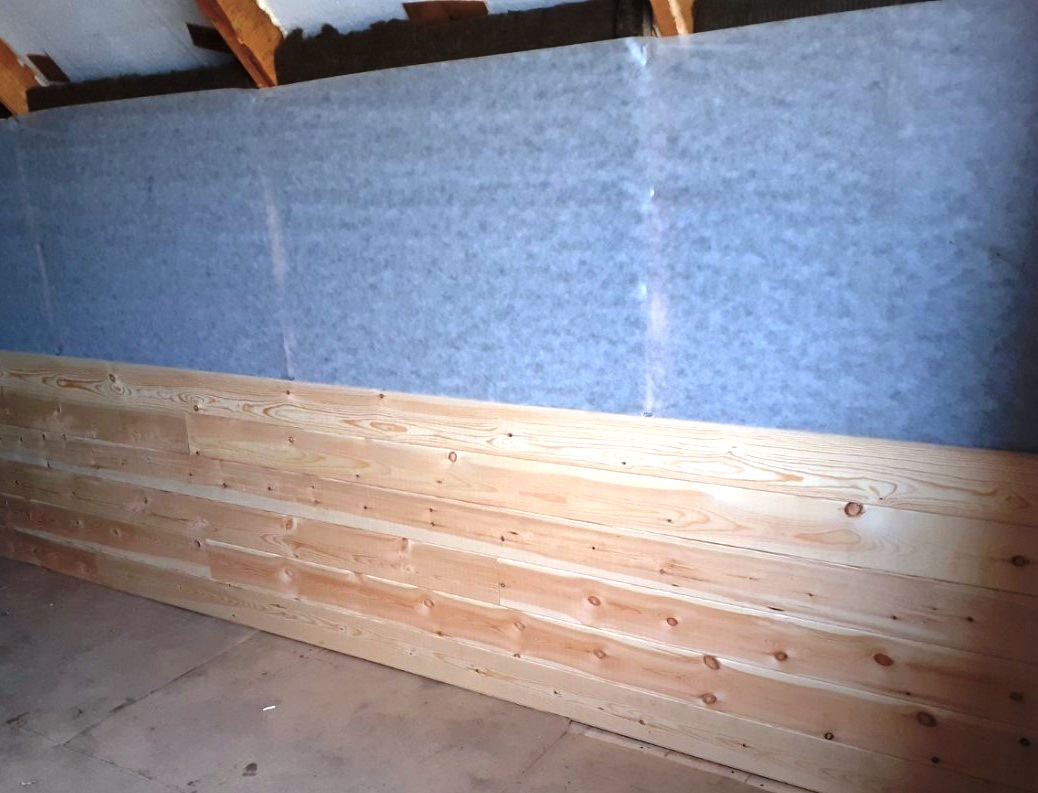
Rigid material used as wall covering
A wall panel is single piece of material, usually flat and cut into a rectangular shape, that serves as the visible and exposed covering for a wall. Wall panels are functional as well as decorative, providing insulation and soundproofing, combined with uniformity of appearance, along with some measure of durability or ease of replaceability. While there is no set size limit for a piece of material fulfilling these functions, the maximum practical size for wall panels has been suggested to be about 0.6 to, to allow for transportation.
Advantages
_and_groove_(bottom)_of_wall_panel.jpg)
Use of wall panels can reduce construction costs by providing a consistent appearance to the panelled surface without requiring the application of paint or another finishing material. Wall panels may be finished on only one side, if the other side is going to be against a brick or concrete wall, or a comparable structure. Alternately, the panels may, if assembled to an appropriate framework, substitute for having any other kind of wall at all. Holes may be cut or drilled into a wall panel to accommodate electrical outlets and other devices coming out of the wall.
Installation
Proper installation of prefabricated brick wall panels is crucial, as inadequate sealing presents an enormous risk of mold and water damage to underlying structural materials.
Fire Safety
Fire resistance is an important consideration in wall panel applications, particularly in public, commercial, and industrial buildings. Wall panels made from materials like gypsum board are often selected for their inherent fire-resistant properties. Other materials, such as PVC and WPC panels, can be treated with fire-retardant coatings to meet safety standards. Fire-resistant panels slow down the spread of flames and help contain fires within specific areas, thereby providing valuable time for evacuation and reducing the overall damage caused by fire. The use of these panels is regulated by building codes to ensure compliance with safety standards.
Biodegradble wall panels
Eco friendly wall panels can be made out of the fibrous residue of sugarcane (bagasse). The raw material used for these wall panels is 100% recycled, and 100% biodegradable.
References
References
- (1979). "Design methods and theories: Volume 13". Design Methods Institute.
- Jerry Okey Newman. (1976). "Design, construction, and evaluation of a low-cost panelized house".
- (1999). "Water Problems in Building Exterior Walls: Evaluation, Prevention". ASTM International.
- Salyer, Ival O.. (1982). "Utilization of bagasse in new composite building materials". Industrial & Engineering Chemistry Product Research and Development.
This article was imported from Wikipedia and is available under the Creative Commons Attribution-ShareAlike 4.0 License. Content has been adapted to SurfDoc format. Original contributors can be found on the article history page.
Ask Mako anything about Wall panel — get instant answers, deeper analysis, and related topics.
Research with MakoFree with your Surf account
Create a free account to save articles, ask Mako questions, and organize your research.
Sign up freeThis content may have been generated or modified by AI. CloudSurf Software LLC is not responsible for the accuracy, completeness, or reliability of AI-generated content. Always verify important information from primary sources.
Report