From Surf Wiki (app.surf) — the open knowledge base
Wali (administrative title)
Title in the Muslim world for governors of administrative divisions
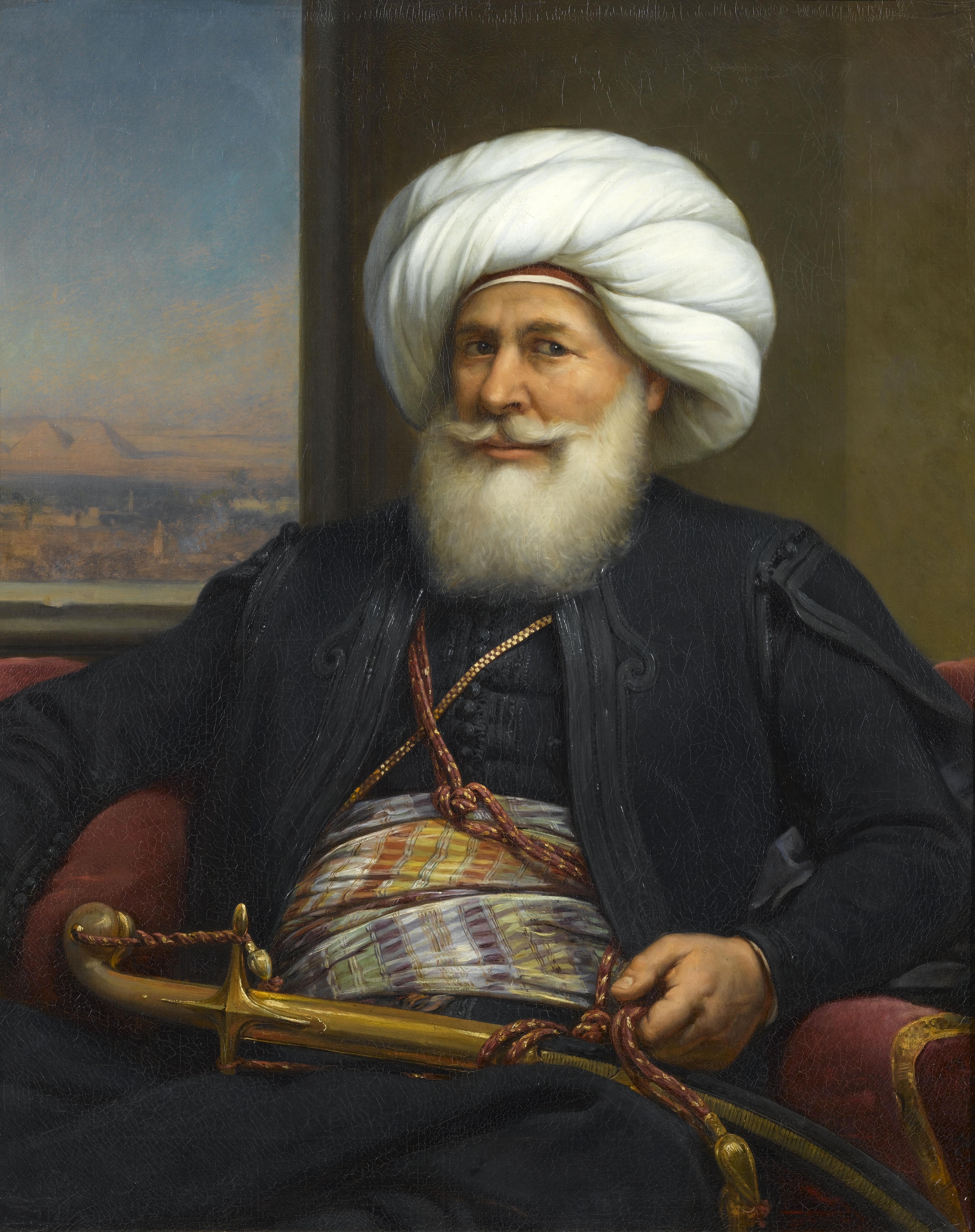
Title in the Muslim world for governors of administrative divisions
This is an article about an administrative title, meaning governor in Arabic. For the Islamic religious concept of Wali, see Wali.

Wāli, Wā'lī or vali (from Wālī) is an administrative title that was used in the Muslim world (including the Rashidun, Umayyad and Abbasid caliphates and the Ottoman Empire) to designate governors of administrative divisions. It is still in use in some countries influenced by Arab or Muslim culture. The division that a Wāli governs is called Wilayah, or Vilayet (Ottoman Empire).
Algerian term
In Algeria, a wāli is the "governor" and administrative head of each of the 58 provinces of the country, and is chosen by the president.
Iranian term
In Iran, Vāli refers to the governor-general or local lord of an important province. During the Safavid era (1501–1736), the former rulers of the then subordinated provinces of the Georgian Kartli and Kakheti kingdom, the Kurdish emirate of Ardalan, the chiefs of Lorestan province and of Khuzestan province in western Iran were regarded as hereditary governor-generals titled Vāli equal to the Beylerbeylik. These "lords of the marches" protected Iran's western borders against foreign powers.
During the Qajar era (1789–1925), the kingdom of Georgia was lost to Russia and the hereditary lords were replaced by officials of the central power. These officials were mainly imperial princes and royal notables and served as the Vāli of important provinces. For example, the crown prince traditionally bore the title of Vāli of Azerbaijan.
Ottoman Empire term
Vali (translated as "gouverneur-général" in French,{{#tag:ref|Some translations in languages used by ethnic minorities:
- Armenian: կուսակալ (kusakal; meaning "governor")
- Bosnian: the expression is adapted to the local idiom and read "valija"
- Bulgarian: The Bulgarian version of the Ottoman Constitution of 1876 had used "vali", with glaven upravitel (meaning "governor-general") as an explanation.
- (genikos dioikētēs), νομάρχης (nomarchēs, which may mean "nomarch" or "prefect of department") or also "valē",
Omani Sultanate term
The Sultanate of Oman, when it ruled Mombasa, Kenya, appointed a wali for the city known locally as LiWali. The term is still used today to denote settlements of Oman, such as the Wilayat Madha, a settlement that intersects the road between Madam in Sharjah and Hatta in Dubai in the United Arab Emirates (UAE). Many rulers of the Trucial States (also called Trucial Oman in the past) appointed walis to look after towns on their behalf, including employing slaves for that purpose.
Moroccan term
Since 1997 regionalisation reform, a Wāli is the governor of one of the twelve regions of Morocco.
Pakistani term
Main article: Wali of Swat
In Pakistan, the rulers of the former princely state of Swat were given the title of Wali.
Philippine term
In the Philippines, the term Wa'lī is the name for the titular head of Bangsamoro Autonomous Region in Muslim Mindanao, an autonomous region in the large southern island of Mindanao. The Wa'lī have ceremonial functions and powers such as moral guardianship of the territory and convocation and dissolution of its parliament.
Tunisian term
In Tunisia, a wāli is the "governor" and administrative head of each of the 24 provinces of the country, and is chosen by the president.
Turkish term
In Turkey a Vali is a provincial governor of one of the 81 Turkish provinces. He is nominated by the interior minister and appointed by the president. A Vali supervises the functioning of the state functions such as security and maintenance and oversees also the elected provincial and municipal councils. During the OHAL State of emergency from 1987 to 2002, there existed a so-called Super Vali who oversaw the Valis of up to 13 provinces in southeast Anatolia.
Notes
References
References
- Strauss, Johann. (2010). "The First Ottoman Experiment in Democracy". [[Orient-Institut Istanbul]].
- Strauss, Johann. (2010). "The First Ottoman Experiment in Democracy". [[Orient-Institut Istanbul]].
- Strauss, Johann. (2010). "The First Ottoman Experiment in Democracy". [[Orient-Institut Istanbul]].
- (11 September 2014). "PNoy submits draft Bangsamoro law Entity to have 58 exclusive powers; UN, Canada hail move". Manila Bulletin.
- Jongerden, Joost. (2007). "The Settlement Issue in Turkey and the Kurds". Brill.
This article was imported from Wikipedia and is available under the Creative Commons Attribution-ShareAlike 4.0 License. Content has been adapted to SurfDoc format. Original contributors can be found on the article history page.
Ask Mako anything about Wali (administrative title) — get instant answers, deeper analysis, and related topics.
Research with MakoFree with your Surf account
Create a free account to save articles, ask Mako questions, and organize your research.
Sign up freeThis content may have been generated or modified by AI. CloudSurf Software LLC is not responsible for the accuracy, completeness, or reliability of AI-generated content. Always verify important information from primary sources.
Report