From Surf Wiki (app.surf) — the open knowledge base
Wadi
Hydrological feature
Hydrological feature
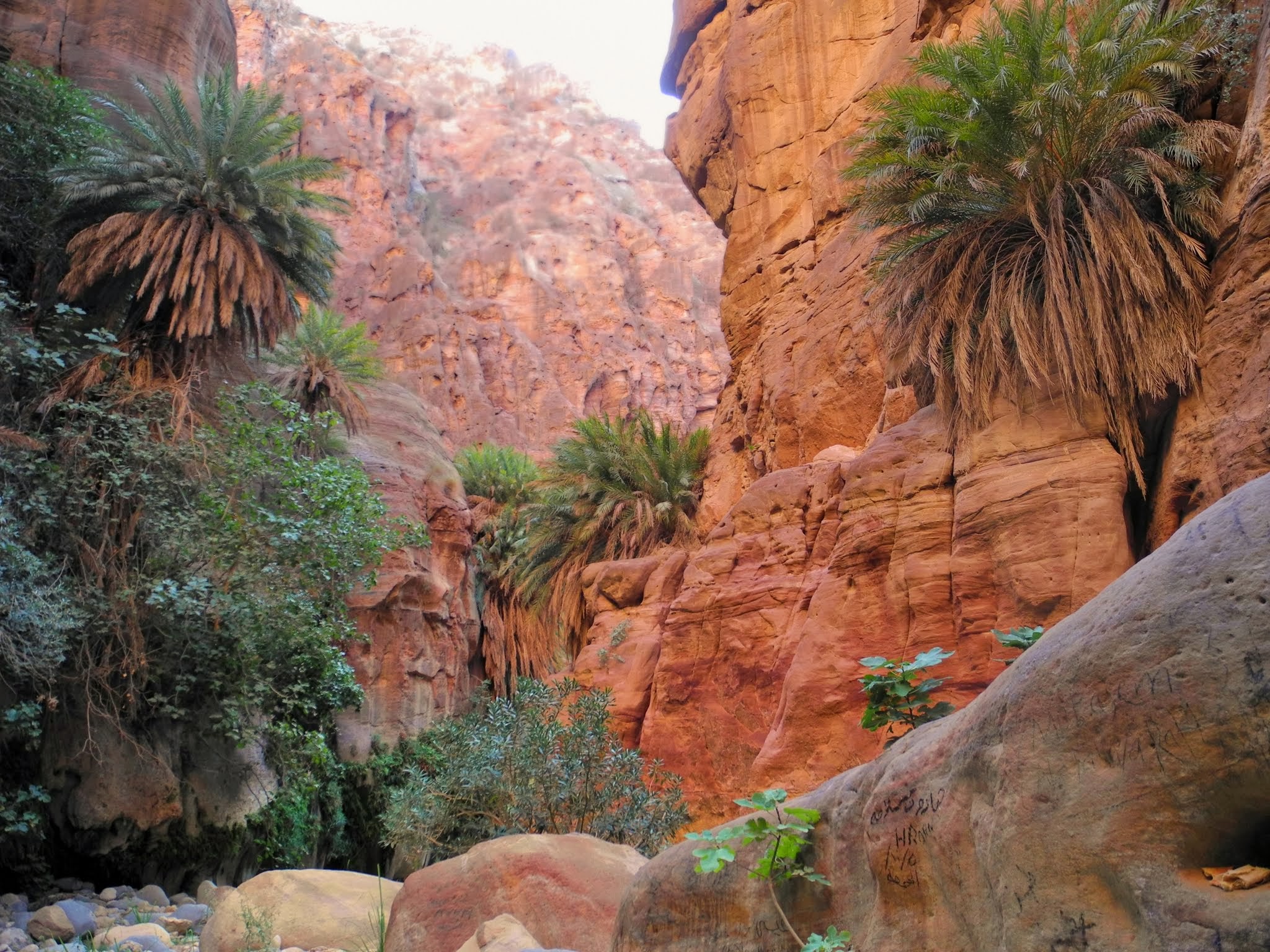
A wadi ( ; ) is a river valley or a wet (ephemeral) riverbed that contains water only when heavy rain occurs. Wadis are located on gently sloping, nearly flat parts of deserts; commonly they begin on the lowest portions of alluvial fans and extend to inland sabkhas or dry lakes. Permanent channels do not exist, due to lack of continual water flow. Water percolates down into the stream bed, causing an abrupt loss of energy and resulting in vast deposition. Wadis may develop dams of sediment that change the stream patterns in the next flash flood.
Wadis tend to be associated with centers of human population because sub-surface water is sometimes available in them. Nomadic and pastoral desert peoples will rely on seasonal vegetation found in wadis, even in regions as dry as the Sahara, as they travel in complex transhumance routes.
The centrality of wadis to water – and human life – in desert environments gave birth to the distinct sub-field of wadi hydrology in the 1990s.
Etymology
The word 'wadi' is very widely found in Arabic toponyms. Some Spanish toponyms are derived from Andalusian Arabic where wadi was used to mean a permanent river, for example: Guadalcanal from wādī al-qanāl (, "river of refreshment stalls"), Guadalajara from wādī al-ḥijārah (, "river of stones"), or Guadalquivir, from al-wādī al-kabīr (, "the great river").
Sediments and sedimentary structures

In basin and range topography, wadis trend along basin axes at the terminus of fans. They have braided stream patterns because of the deficiency of water and the abundance of sediments. Wadi sediments may contain a range of material, from gravel to mud, and the sedimentary structures vary widely. Thus, wadi sediments are the most diverse of all desert environments.
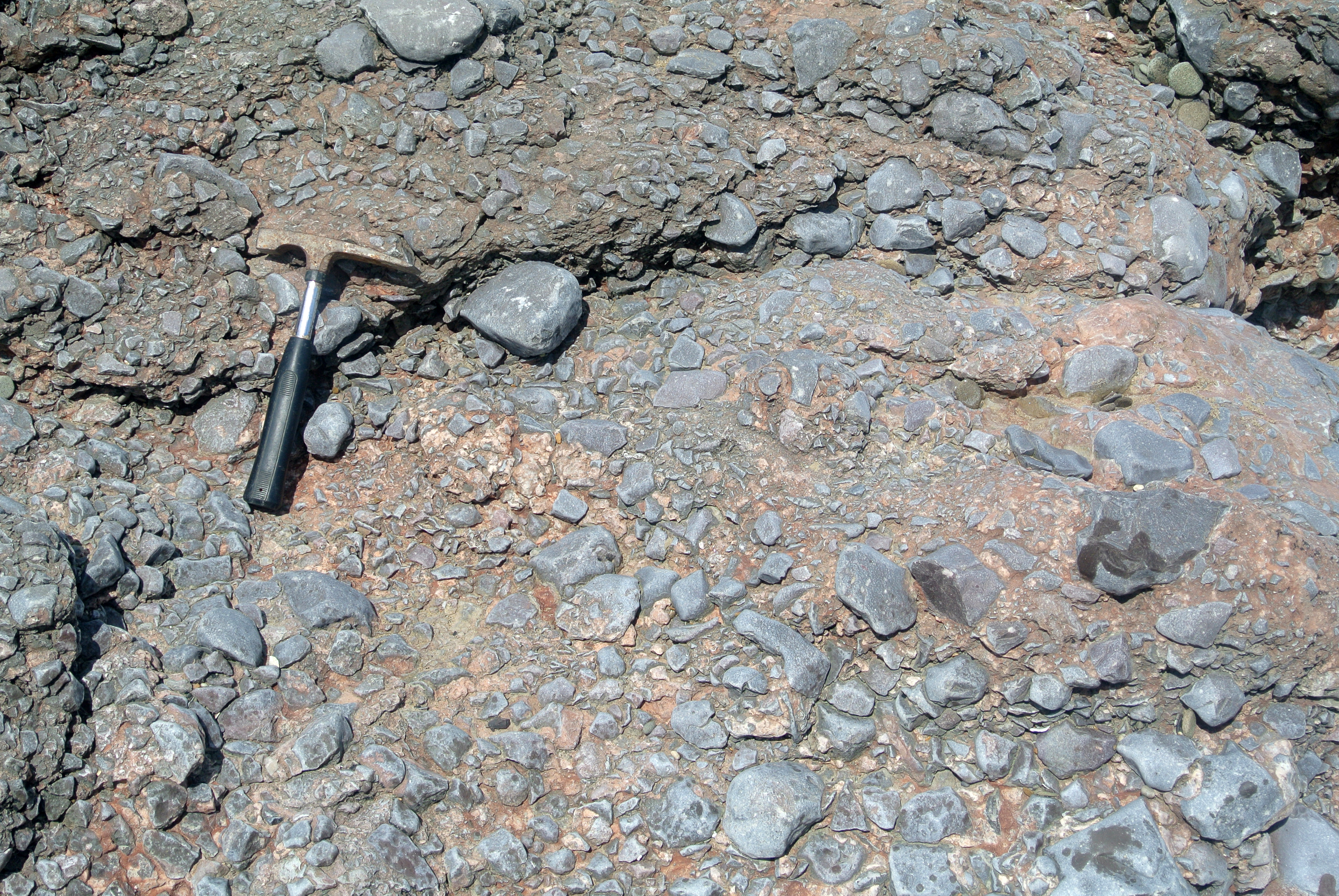
Flash floods result from severe energy conditions and can result in a wide range of sedimentary structures, including ripples and common plane beds. Gravels commonly display imbrications, and mud drapes show desiccation cracks. Wind activity also generates sedimentary structures, including large-scale cross-stratification and wedge-shaped cross-sets. A typical wadi sequence consists of alternating units of wind and water sediments; each unit ranging from about 10 –. Sediment laid by water shows a complete fining upward sequence. Gravels show imbrication. Wind deposits are cross-stratified and covered with mud-cracked deposits. Some horizontal loess may also be present.
Wind also causes sediment deposition. When wadi sediments are underwater or moist, wind sediments are deposited over them. Thus, wadi sediments contain both wind and water sediments.
Hydrological action
Modern English usage differentiates wadis from canyons or arroyo (Spanish, used in the Americas for similar landforms){{cite web
Deposits
Deposition in a wadi is rapid because of the sudden loss of stream velocity and seepage of water into the porous sediment. Wadi deposits are thus usually mixed gravels and sands. These sediments are often altered by eolian processes.
Over time, wadi deposits may become "inverted wadis", where former underground water caused vegetation and sediment to fill in the eroded channel, turning previous washes into ridges running through desert regions.
Gallery
|File:Haid al-Jazil.jpg|Haid al-Jazil in Wadi Dawan, Yemen |File:Wadi Bani Khalid East RB.jpg|Wadi Bani Khalid in the Northern Governorate of Ash-Sharqiyyah Region, Oman, Arabian Peninsula ||File:DSC 0283 غوفي بلدية غسيرة دائرة تكوت ولاية باتنة.jpg|Abiod Valley in Algeria |File:NachalParan1.jpg|Wadi in Nahal Paran, Negev, Israel |File:Oued Tissint.jpg|Oued Tissint, Morocco |File:Dry riverbed and basalt columns (Namibia).jpg|Dry fluvial channel cutting through columnar basalt in Namibia |File:Al Bithnah Fort viewed from the Wadi Ham.jpg|The Al Bithnah Fort in the Wadi Ham, United Arab Emirates |File:Wadi Shawka looking North.jpg|The Wadi Shawkah in the United Arab Emirates |File:Wadi Lajab 2.jpg|Wadi Lajab in Jazan, Saudi Arabia |File:Wadi East Egypt.jpg|Wadis in northeastern Egypt |Wadi, Socotra Island (14495206039).jpg|A wadi in Socotra, Yemen
References
Bibliography
References
- link. (24 July 2009 , UNESCO – Technical documents in hydrology vol 55, SC.2002/WS/33,(2002).)
- Ayuntamiento de Guadalajara, [http://www.guadalajara.es/recursos/doc/Turismo/Guias/32521_2222201291352.pdf Guadalajara tourist guide, p.5.] {{webarchive. link. (1 July 2012 , retrieved 17 August 2013)
- (September 2007). "Suspended sediment transport in a semiarid watershed, Wadi Abd, Algeria (1973–1995)". [[Journal of Hydrology]].
- Alimsk. (2013-12-20). "Wadi Bani Khalid & Wadi Hawer". Oman Tripper.
- Pedro. (5 September 2014). "Visiting Wadi Bani Khalid, Oman: A Desert Paradise". Travel With Pedro.
This article was imported from Wikipedia and is available under the Creative Commons Attribution-ShareAlike 4.0 License. Content has been adapted to SurfDoc format. Original contributors can be found on the article history page.
Ask Mako anything about Wadi — get instant answers, deeper analysis, and related topics.
Research with MakoFree with your Surf account
Create a free account to save articles, ask Mako questions, and organize your research.
Sign up freeThis content may have been generated or modified by AI. CloudSurf Software LLC is not responsible for the accuracy, completeness, or reliability of AI-generated content. Always verify important information from primary sources.
Report