From Surf Wiki (app.surf) — the open knowledge base
Vizier (Ancient Egypt)
Highest rank of official in Ancient Egypt
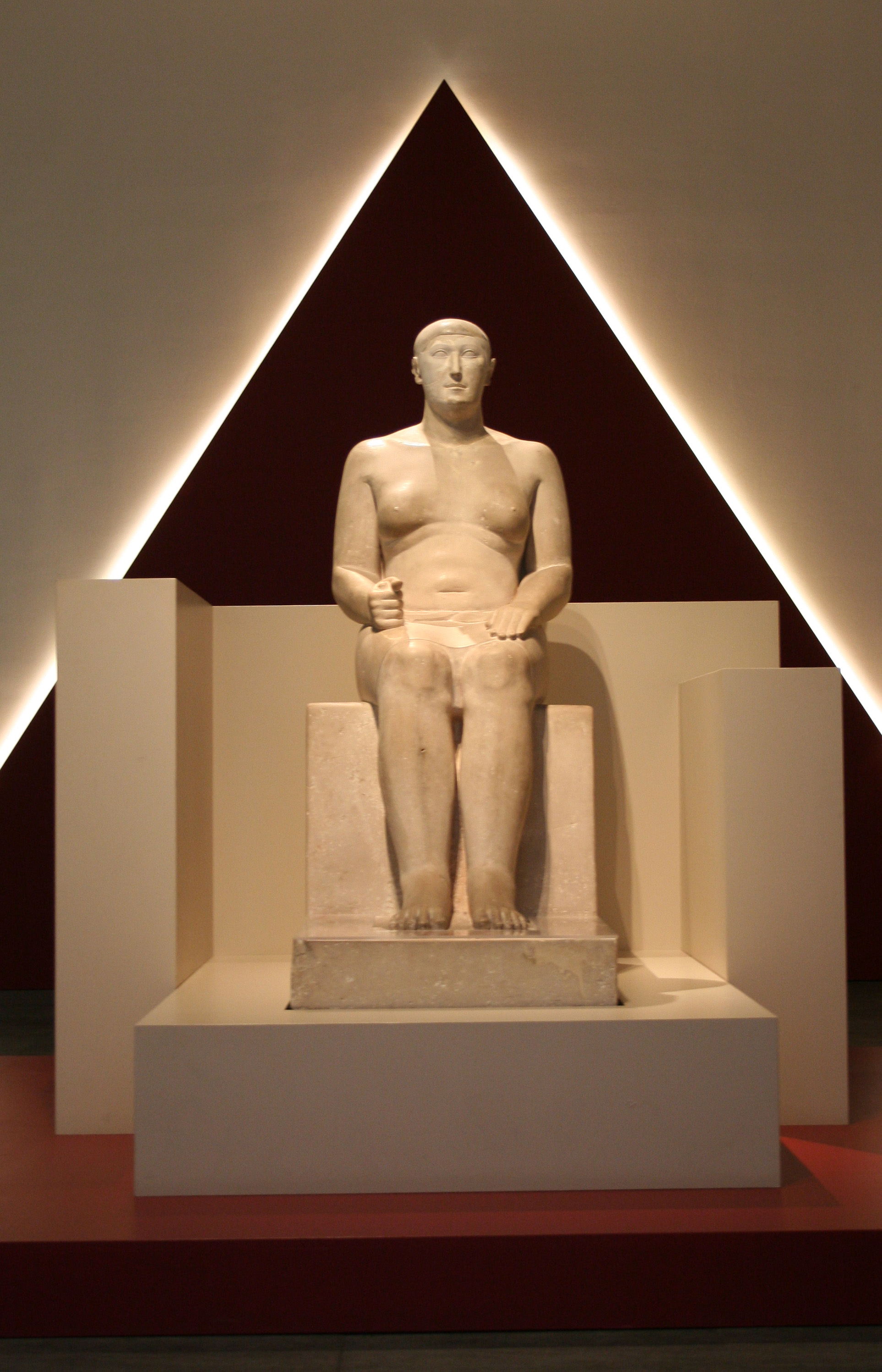
Highest rank of official in Ancient Egypt
The vizier was the highest official in ancient Egypt to serve the pharaoh (king) during the Old, Middle, and New Kingdoms. Vizier is the generally accepted rendering of ancient Egyptian tjati, tjaty etc., among Egyptologists. The Instruction of Rekhmire (Installation of the Vizier), a New Kingdom text, defines many of the duties of the tjaty, and lays down codes of behavior. The viziers were often appointed by the pharaoh. During the 4th Dynasty and early 5th Dynasty, viziers were exclusively drawn from the royal family; from the period around the reign of Neferirkare Kakai onwards, they were chosen according to loyalty and talent or inherited the position from their fathers.
Responsibilities
The viziers were appointed by the pharaohs. The vizier's paramount duty was to supervise the running of the country, much like a prime minister. At times this included small details such as sampling the city's water supply. All other lesser supervisors and officials, such as tax collectors and scribes, reported to the vizier. The judiciary was part of the civil administration, and the vizier also sat in the High Court. At any time, the pharaoh could exert his own control over any aspect of government, overriding the vizier's decisions. The vizier also supervised the security of the pharaoh and the palace by overseeing the comings and goings of palace visitors. The viziers often acted as the pharaoh's seal bearer as well, and the vizier would record trade. From the Fifth Dynasty onwards, viziers, who by then were the highest civilian bureaucratic official, held supreme responsibility for the administration of the palace and government, including jurisdiction, scribes, state archives, central granaries, treasury, storage of surplus products and their redistribution, and supervision of building projects such as the royal pyramid. In the New Kingdom, there was a vizier for Upper Egypt and Lower Egypt each.
Installation of the Vizier
Main article: Installation of the Vizier
According to the Installation of the Vizier, a New Kingdom document describing the office of the vizier, there were certain traits and behaviors that were required to be a vizier:
- Act by the law
- Judge fairly
- Do not act willfully or headstrong
List of viziers
Early Dynastic period
| Vizier | Pharaoh | Dynasty | Comments | ||||
|---|---|---|---|---|---|---|---|
| Rekhit | Narmer | 1st Dynasty | Retired to look after the estates of Neithhotep in their older years | ||||
| Saiset | Hor-Aha | 1st Dynasty | Served as administrator of the Memphite region | ||||
| Amka | Djer, Djet and Merneith's regency | 1st Dynasty | Served as administrator of Her-sekhenti-dju. Retired as overseer of Royal Estates in the Delta. | ||||
| Sewadjka | Djet and Den | 1st Dynasty | Retired as overseer of Her-sekhenti-dju, one of the most prestigious offices of the 1st Dynasty | ||||
| Hemaka | Den | 1st Dynasty | Served as royal sealbearer and chancellor. First non-royal to hold such a position. First dual chancellor over Her-sekhenti-dju and Her-tepi-khet. | ||||
| Henu-Ka | Semerkhet and Qa'a | 1st Dynasty | Served both Pharaohs and supported Qa'a in his early reign | ||||
| Menka | Nynetjer? | 2nd Dynasty | Earliest known holder of the simplified direct title known as 'Tjaty' |
Old Kingdom and First Intermediate Period
| Vizier | Pharaoh | Dynasty | Comments | ||||
|---|---|---|---|---|---|---|---|
| Kagemni I | Sneferu | 4th Dynasty | Purported author of the Instructions of Kagemni. Not attested in contemporary sources. | ||||
| Nefermaat | Khufu | 4th Dynasty | Son of Sneferu and father of Hemiunu | ||||
| Hemiunu | Khufu | 4th Dynasty | Nefermaat's son, believed to have designed Khufu's pyramid | ||||
| Kawab | Khufu | 4th Dynasty | Eldest son and vizier of Khufu | ||||
| Ankhhaf | Khafre | 4th Dynasty | Son of Sneferu | ||||
| Nefermaat II | Khafre | 4th Dynasty | Nephew of Nefermaat the Elder, a son of Nefertkau I; a grandson of Sneferu | ||||
| Minkhaf I | Khafre | 4th Dynasty | Son of Khufu, vizier under Khafre | ||||
| Khufukhaf I | Khafre | 4th Dynasty | Son of Khufu, vizier under Khafre | ||||
| Nikaure | Likely Menkaure | 4th Dynasty | Son of Khafre | ||||
| Ankhmare | Menkaure | 4th Dynasty | Son of Khafre | ||||
| Duaenre | Menkaure | 4th Dynasty | Son of Khafre, vizier during the late 4th dynasty | ||||
| Nebemakhet | Menkaure | 4th Dynasty | Son of Queen Meresankh III | ||||
| Iunmin I | Possibly Menkaure | 4th Dynasty | Possibly son of Khafre, vizier during the late 4th dynasty | ||||
| Babaef II | Shepseskaf | 4th Dynasty | Likely a grandson of Khafre | ||||
| Kanefer | 4th or 5th Dynasty | ||||||
| Possibly Seshathotep | Possibly Userkaf | 5th Dynasty | It is not certain if Seshathetep held the titles of a vizier | ||||
| Sekhemkare | Userkaf and Sahure | 5th Dynasty | Son of Khafre and queen Hekenuhedjet | ||||
| Werbauba | Sahure | 5th Dynasty | |||||
| Washptah | Neferirkare Kakai | 5th Dynasty | |||||
| Minnefer | Nyuserre Ini | 5th Dynasty | |||||
| Ptahshepses | Nyuserre Ini | 5th Dynasty | Became the son-in-law of Nyuserre Ini some time after his ascension to the throne. | ||||
| Seshemnefer III | Nyuserre Ini | 5th Dynasty | |||||
| Kay | Possibly Nyuserre Ini | 5th Dynasty | |||||
| Pehenuikai | Possibly Nyuserre Ini | 5th Dynasty | |||||
| Ptahhotep Desher | Menkauhor Kaiu and/or Djedkare Isesi | 5th Dynasty | |||||
| Rashepses | Djedkare Isesi | 5th Dynasty | |||||
| Ptahhotep | Likely Djedkare Isesi | 5th Dynasty | |||||
| Ptahhotep I | Djedkare Isesi | 5th Dynasty | Purported author of The Maxims of Ptahhotep | ||||
| Akhethotep | Djedkare Isesi | 5th Dynasty | Son of Ptahhotep I | ||||
| Senedjemib Inti | Djedkare Isesi | 5th Dynasty | |||||
| Senedjemib Mehi | Djedkare Isesi and Unas | 5th Dynasty | possible son-in-law of Unas (or Djedkare Isesi), vizier during the early 6th dynasty | ||||
| Ptahhotep II | Unas | 5th Dynasty | |||||
| Akhethetep Hemi | Unas | 5th Dynasty | |||||
| Ihy | Unas | 5th Dynasty | |||||
| Niankhba | Unas | 5th Dynasty | |||||
| Sekhem-ankh-Ptah | 5th or 6th Dynasty | Dating uncertain, may have been the son-in-law of a Pharaoh | |||||
| Nefersheshemre | Teti | 6th Dynasty | |||||
| Kagemni | Teti | 6th Dynasty | son-in-law of Teti | ||||
| Mereruka | Teti | 6th Dynasty | son-in-law of Teti | ||||
| Khentika | Teti | 6th Dynasty | |||||
| Mehu | Teti or Pepi I | 6th Dynasty | |||||
| Ankhmahor | Teti – Pepi I | 6th Dynasty | |||||
| Merefnebef | Possibly Userkare | 6th Dynasty | Merefnebef was also named Fefi and Unasankh | ||||
| Heri | Teti – Pepi I | 6th Dynasty | May have participated in the assassination of Teti | ||||
| Meryteti | Pepi I | 6th Dynasty | grandson of Teti, son of Mereruka | ||||
| Iunmin II | Pepi I | 6th Dynasty | |||||
| Nebet | Pepi I | 6th Dynasty | First woman appointed vizier, mother-in-law of Pepi I | ||||
| Inenek-Inti | Pepi I | 6th Dynasty | Consort of Pepi I | ||||
| Tjetju | Pepi I | 6th Dynasty | |||||
| Qar | Pepi I | 6th Dynasty | |||||
| Djau | Pepi I | 6th Dynasty | brother-in-law of Pepi I, son of Nebet | ||||
| Rawer | Pepi I | 6th Dynasty | |||||
| Weni | Merenre Nemtyemsaf I | 6th Dynasty | Likely the same person as vizier Neferwenmeryre | ||||
| Teti | Pepi II | 6th Dynasty | |||||
| Hemre, Isi | 6th or 8th Dynasty | ||||||
| Pepyankh the Middle | 6th or 8th Dynasty | ||||||
| Pepy-ankh the black | 6th or 8th Dynasty | ||||||
| Shemay | Neferkaure and Neferkauhor | 8th Dynasty | son-in-law of Neferkauhor, nomarch of Coptos, later vizier | ||||
| Idy | Possibly Neferirkare | 8th Dynasty | son of Shemay |
Middle Kingdom and Second Intermediate Period
| Vizier | Pharaoh | Dynasty | Comments | ||||
|---|---|---|---|---|---|---|---|
| Bebi | Mentuhotep II | 11th Dynasty | |||||
| Dagi | Mentuhotep II | 11th Dynasty | |||||
| Amenemhat | Mentuhotep IV | 11th Dynasty | Later succeeded Mentuhotep IV on the throne as Amenemhat I, first Pharaoh of the 12th Dynasty | ||||
| Ipi | Amenemhat I | 12th Dynasty | |||||
| Intefiqer | Amenemhat I | ||||||
| Senusret I | 12th Dynasty | He is indicated in the Wadi el-Hudi as being involved in military missions in Lower Nubia. | |||||
| Senusret | Senusret I | ||||||
| Amenemhat II | 12th Dynasty | ||||||
| Ameny | Amenemhat II | 12th Dynasty | |||||
| Amenemhatankh | Possibly Amenemhat II | 12th Dynasty | |||||
| Siese | Amenemhat II | 12th Dynasty | |||||
| Nebit | Senusret III | 12th Dynasty | |||||
| Khnumhotep III | Senusret III | 12th Dynasty | |||||
| Kheti | Amenemhat III | 12th Dynasty | |||||
| Ameny | Amenemhat III | 12th Dynasty | |||||
| Zamonth | Amenemhat III | 12th Dynasty | |||||
| Senewosret-Ankh | 12th-13th Dynasty | ||||||
| Khenmes | 13th Dynasty | ||||||
| Ankhu | Khendjer | 13th Dynasty | |||||
| Resseneb | 13th dynasty | Son of Ankhu | |||||
| Iymeru | 13th Dynasty | Son of Ankhu | |||||
| Neferkare Iymeru | Sobekhotep IV | 13th Dynasty | |||||
| Sobka called Bebi | 13th Dynasty | ||||||
| Ibiaw | Wahibre Ibiau or Merneferre Ay | 13th Dynasty | |||||
| Sonbhenaf | Wahibre Ibiau or Merneferre Ay, or Sekhemre Sementawy Djehuty | uncertain | |||||
| Aya | Ini I | 13th Dynasty | Aya was Governor of El Kab before being appointed vizier in year 1 of Ini I, as reported in the Juridical Stela | ||||
| Ayameru | 13th Dynasty | Ayameru was the younger son of Aya and succeeded him in office, as reported in the Juridical Stela |
New Kingdom
| Vizier | Pharaoh | Dynasty | Comments |
|---|---|---|---|
| Tetinefer | Ahmose I? | 18th Dynasty | Vizier of the North (Memphis) |
| Imhotep | Thutmose I | 18th Dynasty | Vizier of the South (Thebes) |
| Aakheperreseneb | Thutmose I | 18th Dynasty | Vizier of the South |
| Amethu called Ahmose | Thutmose II, Hatshepsut, Thutmose III | 18th Dynasty | Vizier of the South |
| Useramen | Hatshepsut, Thutmose III | 18th Dynasty | Vizier of the South |
| Neferweben | Thutmose III | 18th Dynasty | Likely Vizier of the North |
| Rekhmire | Thutmose III | 18th Dynasty | Vizier of the South |
| Amenemipet called Pairy | Amenhotep II, Thutmose IV | 18th Dynasty | Vizier of the South |
| Seny | Thutmose IV | 18th Dynasty | Vizier of the South |
| Hepu | Thutmose IV | 18th Dynasty | Vizier of the South |
| Thutmose | Amenhotep III | 18th Dynasty | Vizier of the North |
| Ptahmose | Amenhotep III | 18th Dynasty | Vizier of the South |
| Amenhotep-Huy | Amenhotep III | 18th Dynasty | Vizier of the North |
| Aperel | Amenhotep III, Akhenaten | 18th Dynasty | Vizier of the North |
| Ramose | Amenhotep III, Akhenaten | 18th Dynasty | Vizier of the South |
| Nakhtpaaten | Akhenaten | 18th Dynasty | Vizier of the South |
| Pentu | Tutankhamun | 18th Dynasty | Vizier of the South |
| Usermontu | Tutankhamun | 18th Dynasty | Vizier of the South |
| Ay | Tutankhamun | 18th Dynasty | Vizier of the South, later succeeded Tutankhamun on the throne as Ay |
| Seti | some time between Amenhotep III and Ramesses I | 18th Dynasty | His title appears on monuments of his son Ramesses I |
| Paramessu | Horemheb | 18th Dynasty | Later succeeded Horemheb on the throne as Ramesses I, first Pharaoh of the 19th Dynasty |
| Seti | Ramesses I | 19th Dynasty | Was already the heir apparent to his father Ramesses I when made vizer. Later succeeded Ramesses I on the throne as Seti I |
| Nebamun | Horemheb, Ramesses I, Seti I, Ramesses II | 18th Dynasty, 19th Dynasty | Vizier of the North |
| Paser | Seti I, Ramesses II | 19th Dynasty | Vizier of the South |
| Nehi | Ramesses II | 19th Dynasty | Vizier of the South |
| Khay | Ramesses II | 19th Dynasty | Vizier of the South, ca. Year 27–45 |
| Thutmose | Ramesses II | 19th Dynasty | Vizier of the South, ca. Year 45–50. |
| Prehotep I | Ramesses II | 19th Dynasty | Vizier of the North in ca year 40. |
| Prehotep II | Ramesses II | 19th Dynasty | Vizier of the North in ca year 50. |
| Neferronpet | Ramesses II | 19th Dynasty | Vizier of the South in ca year 50 |
| Panehesy | Merneptah | 19th Dynasty | Vizier of the South |
| Pensekhmet | Merneptah | 19th Dynasty | Vizier of the South, Year 8 |
| Merysekhmet | Merneptah | 19th Dynasty | Vizier of the North, Year 3? |
| Amenmose | Seti II and Amenmesse | 19th Dynasty | Vizier of the South |
| Khaemtir | Seti II and Amenmesse | 19th Dynasty | Vizier of the South |
| Paraemheb | Seti II and Amenmesse | 19th Dynasty | Vizier of the South |
| Hori II | Seti II, Siptah, Tausret, Sethnakht and Ramesses III | 19th Dynasty | |
| Iuty | 20th Dynasty | Vizier of the North? | |
| Nehi? | Ramesses III | 20th Dynasty | |
| Hewernef | Ramesses III | 20th Dynasty | Vizier of the South |
| To | Ramesses III | 20th Dynasty | Vizier of the South |
| Neferronpe | Ramesses IV to Ramesses VI | 20th Dynasty | Vizier |
| Nehy | Ramesses VI | 20th Dynasty | Vizier, son of Neferronpe |
| Mentehetef (Montu-hir-hetef) | Ramesses IX | 20th Dynasty | Vizier of the South |
| Wennefer | Ramesses IX | 20th Dynasty | Vizier of the South |
| Nebmarenakht also called Sahta-nefer | Ramesses IX, Ramesses X and Ramesses XI | 20th Dynasty | Vizier of the South |
| Khaemwaset | Ramesses IX | 20th Dynasty | Vizier of the South |
| Nebmarenakht also called Sahta-nefer (again) | Ramesses IX | 20th Dynasty | Vizier of the South |
| Herihor | Ramesses XI | 20th Dynasty | Vizier of the South |
Third Intermediate Period
| Vizier | Pharaoh | Year | Dynasty | Comments | |||||
|---|---|---|---|---|---|---|---|---|---|
| Herihor | Smendes | 1075 BC | 21st Dynasty | ||||||
| Pinedjem I | Smendes | 1070 BC | 21st Dynasty | ||||||
| Amenhirpamesha | Psusennes I | 1040 BC | 21st Dynasty | ||||||
| Neseramun A | Siamun | 960 BC | 21st Dynasty | Son of Nebneteru II a Letter Writer to the Pharaoh | |||||
| Padimut A | Shoshenq I | 930 BC | 22nd-23rd Dynasty | Vizier of the South | |||||
| Ia-o | Osorkon I | 900 BC | 22nd-23rd Dynasty | ||||||
| Rudpamut | Takelot I | 880 BC | 22nd-23rd Dynasty | ||||||
| Hor | Takelot I | 876 BC | 22nd-23rd Dynasty | ||||||
| Hori | Takelot II | 845 BC | 22nd-23rd Dynasty | Son of Iutjek? | |||||
| Nespakheshuty A | Takelot II | 835 BC | 22nd-23rd Dynasty | ||||||
| Harsiese D | Shoshenq III | 825 BC | 22nd-23rd Dynasty | ||||||
| Hor VIII | Shoshenq III | 820 BC | 22nd-23rd Dynasty | ||||||
| Pentyefankh | Pedubast I | 815 BC | 22nd-23rd Dynasty | ||||||
| Harsiese E | Shoshenq III / Shoshenq IV | 790 BC | 22nd-23rd Dynasty | ||||||
| Djedkhonsefankh E | Shoshenq III / Osorkon III | 780 BC | 22nd-23rd Dynasty | ||||||
| Nakhtefmut C | Shoshenq III / Osorkon III | 775 BC | 22nd-23rd Dynasty | ||||||
| Hor X | Osorkon III | 770 BC | 22nd-23rd Dynasty | Son of Nakhtefmut C | |||||
| Pamiu | Osorkon III | 765 BC | 22nd-23rd Dynasty | Vizier of the South | |||||
| Pakharu | Takelot III | 760 BC | 22nd-23rd Dynasty | Son of Pamiu | |||||
| Ankh-Osorkon | Rudamun | 755 BC | 22nd-23rd Dynasty | ||||||
| Pediamonet | Iuput II | 750 BC | 22nd-23rd Dynasty | Son of Pamiu | |||||
| Harsiese F | Iuput II | 745 BC | 22nd-23rd Dynasty | ||||||
| Nesmin A | Iuput II | 740 BC | 22nd-23rd Dynasty | Son of Harsiese F | |||||
| Ankh-hor | Iuput II | 730 BC | 22nd-23rd Dynasty | ||||||
| Nespakheshuty B | Iuput II | 725 BC | 22nd-23rd Dynasty | ||||||
| Pediese | Iuput II | 720 BC | 22nd-23rd Dynasty | Son of Harsiese F? | |||||
| Paytjauembastet | ? | 25th Dynasty (?) | Vizier of the South | ||||||
| Khamhor A | ? | 25th Dynasty | Vizier of the South, Son of Harsiese F | ||||||
| Harsiese G Pahrer | ? | 25th Dynasty | Vizier of the South, Son of Khamhor A | ||||||
| Nesmin B | ? | 25th Dynasty | Vizier of the South, Son of Khamhor A | ||||||
| Mentuhotep | ? | 25th Dynasty | Vizier of the North | ||||||
| Nespaqashuty C | Shebitku | 25th Dynasty | Vizier of the South | ||||||
| Harsiese R | ? | 25th Dynasty | Vizier of the North | ||||||
| Nespamedu | Taharqa | 25th Dynasty | Vizier of the South, Son of Nespaqashuty C | ||||||
| Nespaqashuty D | ? | 25th-26th Dynasty | Vizier of the South, buried in TT312, Son of Nespademu | ||||||
| Djedkare | ? | 25th-26th Dynasty | Vizier of the North |
Late Period
| Vizier | Pharaoh | Dynasty | Comments | ||||
|---|---|---|---|---|---|---|---|
| Sasobek | Psamtik I | 25th-26th Dynasty | Vizier of the North | ||||
| Nasekheperensekhmet | Psamtik I | 26th Dynasty | Vizier of the North | ||||
| Bakenrenef | Psamtik I | 26th Dynasty | Vizier of the North | ||||
| Ankhwennefer | Psamtik I | 26th Dynasty | Vizier of the North | ||||
| Iry | 26th Dynasty | Vizier of the South | |||||
| Djedwebasettiuefankh | 26th Dynasty | Vizier of the South | |||||
| Iufaa | Psamtik I | 26th Dynasty | Vizier of the North, father of Gemenefhorbak | ||||
| Gemenefhorbak | Psamtik I | 26th Dynasty | Vizier of the North | ||||
| Harsomtusemhat | 26th Dynasty | Vizier of the North | |||||
| Psamtek-Meryneit | Amasis II | 26th Dynasty | Vizier of the North | ||||
| Pasherientaihet | Amasis II | 26th Dynasty | Vizier of the North | ||||
| Horsiese | 26th Dynasty | Vizier of the North | |||||
| Psamtikseneb | Nectanebo II | 30th Dynasty |
Ptolemaic Period
| Vizier | Pharaoh | Dynasty | Comments |
|---|---|---|---|
| Berenice II | Ptolemy III Euergetes | Ptolemaic dynasty | Wife of the Pharaoh, and possibly his co-regent; title attested at the Temple of Philae and Canopus Decree. |
| Cleopatra I Syra | Ptolemy V Epiphanes | Ptolemaic dynasty | Wife of the Ptolemy V, later regent for Ptolemy VI; possibly co-ruler with them; title attested at the Temple of Edfu. |
References
References
- Shaw, Ian. (2002). "The Oxford History of Ancient Egypt". [[Oxford University Press]].
- {{GardinerReference
- M. Heimlich, “Ancient Egyptian Literature”, vol.2, pp.21ff.{{date missing
- Goddard, J. (2012). "Public Health Entomology". CRC Press.
- (2013). "Ancient Egyptian administration".
- [http://www.mnsu.edu/emuseum/prehistory/egypt/government/vizier.htm] {{webarchive. link. (September 13, 2008)
- Jane Bingham, Fiona Chandler, Jane Chisholm, Gill Harvey, Lisa Miles,Struan Reid, and Sam Taplin "The Usborne Internet-Linked Encyclopedia of the Ancient World" page 80 {{Clarify. (July 2010{{date missing)
- W. Grajetzki: ''Court Officials of the Egyptian Middle Kingdom'', London 2009, {{ISBN. 978-0-7156-3745-6, p. 169
- Grajetzki: ''Court Officials'', 169
- Grajetzki: ''Court Officials'', 170
- Kim Ryholt, The Political Situation in Egypt during the Second Intermediate Period c.1800-1550 B.C." Museum Tuscolanum Press, 1997. p.192 ({{ISBN. 87-7289-421-0)
- {{dodson, p.174
- Kitchen, Kenneth A. The Third Intermediate Period in Egypt, 1100-650 B.C. (Book & Supplement) Aris & Phillips. 1986 , Table 15, pg 483
- Mohamed Faik, Mohamed Khater: ''Unpublished Funerary Stela of pA-sn-n-xnsw in The Egyptian Museum (JE 99182 – SR 5/14988)'', in ''SHEDET'' Issue Nu. 13 (2024), 427–429 [https://shedet.journals.ekb.eg/article_388993.html DOI: 10.21608/shedet.2024.258963.1228]
- "Viziers by Anneke Bart".
- Berenice did have titles of "female Horus" and "female Pharaoh", but was not included in dating protocols as co-ruler to her husband. See, Sewell-Lasater, Tara, ''Becoming Kleopatra: Ptolemaic Royal Marriage, Incest, and the Path to the Female Rule'', University of Houston, 2020, pp. 187–189. However she is considered Pharaoh by Sally Ann Ashton, see Ashton, Sally Ann, ''The'' ''Last Queens of Egypt: Cleopatra's Royal House'', Routledge 2014, pp. 112–113.
- Sewell-Lasater, Tara, ''Becoming Kleopatra: Ptolemaic Royal Marriage, Incest, and the Path to the Female Rule'', University of Houston, 2020, p. 456.
- While Cleopatra did have titles like "female Horus" and "female Pharaoh", she was not included in dating protocols as co-Pharaoh during her husband's reign, see Sewell-Lasater, Tara, ''Becoming Kleopatra: Ptolemaic Royal Marriage, Incest, and the Path to the Female Rule'', University of Houston, 2020, pp. 245–246. However she is considered Pharaoh by Sally Ann Ashton, see Ashton, Sally Ann, ''The Last Queens of Egypt: Cleopatra's Royal House'', Routledge 2014, pp. 112–113.
- She is ambiguously classified as both "regent and co-ruler"; see Sewell-Lasater Tara, ''Becoming Kleopatra: Ptolemaic Royal Marriage, Incest, and the Path to the Female Rule'', University of Houston, 2020, p. 246.
- Sewell-Lasater, Tara, ''Becoming Kleopatra: Ptolemaic Royal Marriage, Incest, and the Path to the Female Rule'', University of Houston, 2020, p. 456.
This article was imported from Wikipedia and is available under the Creative Commons Attribution-ShareAlike 4.0 License. Content has been adapted to SurfDoc format. Original contributors can be found on the article history page.
Ask Mako anything about Vizier (Ancient Egypt) — get instant answers, deeper analysis, and related topics.
Research with MakoFree with your Surf account
Create a free account to save articles, ask Mako questions, and organize your research.
Sign up freeThis content may have been generated or modified by AI. CloudSurf Software LLC is not responsible for the accuracy, completeness, or reliability of AI-generated content. Always verify important information from primary sources.
Report