From Surf Wiki (app.surf) — the open knowledge base
Venous blood
Deoxygenated blood
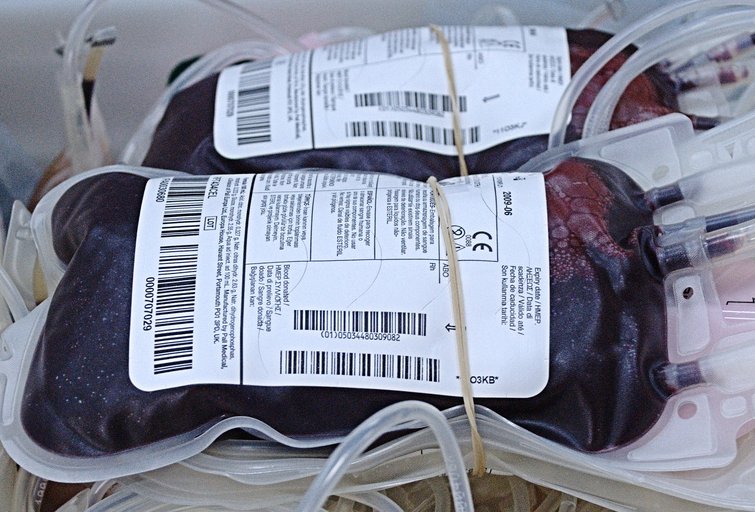
Deoxygenated blood
Venous blood is deoxygenated blood which travels from the peripheral blood vessels, through the venous system into the right atrium of the heart. Deoxygenated blood is then pumped by the right ventricle to the lungs via the pulmonary artery which is divided in two branches, left and right to the left and right lungs respectively. Blood is oxygenated in the lungs and returns to the left atrium through the pulmonary veins.
Venous blood is typically colder than arterial blood, and has a lower oxygen content and pH. It also has lower concentrations of glucose and other nutrients and has higher concentrations of urea and other waste products. The difference in the oxygen content of arterial blood and venous blood is known as the arteriovenous oxygen difference.
Most medical laboratory tests are conducted on venous blood, with the exception of arterial blood gas tests. Venous blood is obtained for lab work by venipuncture (also called phlebotomy), or by finger prick for small quantities.
Color
The color of human blood ranges from bright red when oxygenated to a darker red when deoxygenated. It owes its color to hemoglobin, to which oxygen binds. Deoxygenated blood is darker due to the difference in shape of the red blood cell when oxygen binds to haemoglobin in the blood cell (oxygenated) versus does not bind to it (deoxygenated). Though veins might make it appear as such, human blood is never naturally blue.
The blue appearance of surface veins is caused mostly by the scattering of blue light away from the outside of venous tissue if the vein is at 0.5 mm deep or more. Veins and arteries appear similar when skin is removed and are seen directly.
References
References
- Bostock, J.. (1826). "An elementary system of physiology".
- (10 December 2015). "Is blood really blue".
- "UCSB Science Line".
- (1 February 2010). "Misconceptions in Primary Science". McGraw-Hill International.
- (1996). "Why Are Veins Blue?". Applied Optics.
This article was imported from Wikipedia and is available under the Creative Commons Attribution-ShareAlike 4.0 License. Content has been adapted to SurfDoc format. Original contributors can be found on the article history page.
Ask Mako anything about Venous blood — get instant answers, deeper analysis, and related topics.
Research with MakoFree with your Surf account
Create a free account to save articles, ask Mako questions, and organize your research.
Sign up freeThis content may have been generated or modified by AI. CloudSurf Software LLC is not responsible for the accuracy, completeness, or reliability of AI-generated content. Always verify important information from primary sources.
Report