From Surf Wiki (app.surf) — the open knowledge base
Vehicle insurance
Insurance for road vehicles
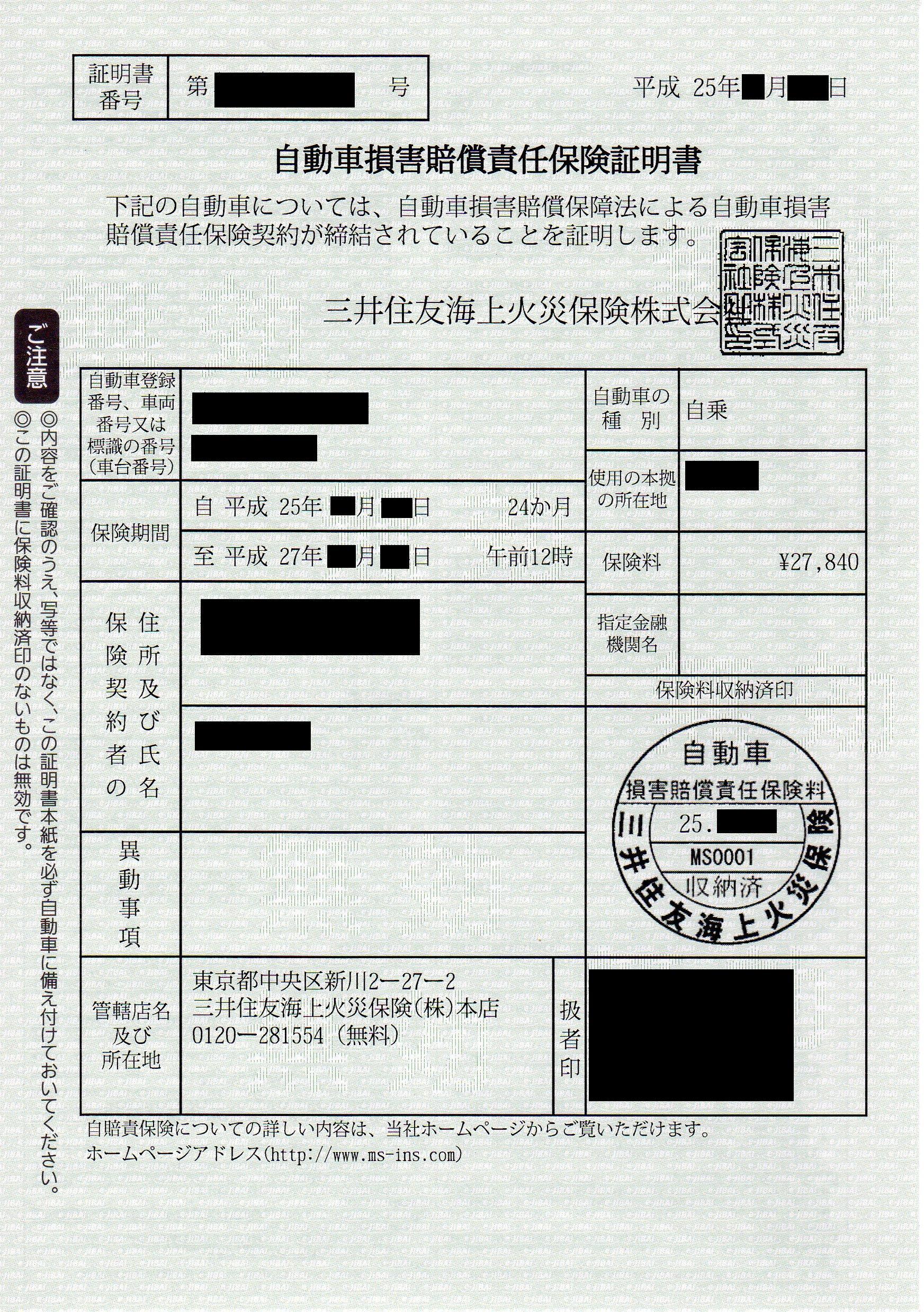
Insurance for road vehicles
Vehicle insurance (also known as car insurance, motor insurance, or auto insurance) is insurance for cars, trucks, motorcycles, and other road vehicles. Its primary use is to provide financial protection against physical damage or bodily injury resulting from traffic collisions and against liability that could also arise from incidents in a vehicle. Vehicle insurance may additionally offer financial protection against theft of the vehicle, and against damage to the vehicle sustained from events other than traffic collisions, such as vandalism, weather or natural disasters, and damage sustained by colliding with stationary objects. The specific terms of vehicle insurance vary with legal regulations in each region.
History
Widespread use of the motor car began after the First World War in urban areas. Cars were relatively fast and dangerous by that stage, yet there was still no compulsory form of car insurance anywhere in the world. This meant that injured victims would rarely get any compensation in a crash, and drivers often faced considerable costs for damage to their car and property.
A compulsory car insurance scheme was introduced in the United Kingdom with the Road Traffic Act 1930. This ensured that all vehicle owners and drivers had to be insured for their liability for injury or death to third parties while their vehicle was being used on a public road. Ireland replicated the obligation via the Road Traffic Act, 1933. Germany enacted similar legislation in 1939 called the "Act on the Implementation of Compulsory Insurance for Motor Vehicle Owners". The EU (then EEC) required mandatory insurance cover be mandated by all member states, from 1973.
Public policies
In most jurisdictions, it is compulsory to have vehicle insurance before using or keeping a motor vehicle on public roads. Most jurisdictions relate insurance to both the car and the driver; however, the degree of each varies greatly.
Several jurisdictions have experimented with a "pay-as-you-drive" insurance plan which utilizes either a tracking device in the vehicle or vehicle diagnostics. This could address issues of uninsured motorists by providing additional options and also charge based on the distance driven, which could theoretically increase the efficiency of the insurance, through streamlined collection.
Australia
In Australia, every state has its own Compulsory Third-Party (CTP) insurance scheme. CTP covers only personal injury liability in a vehicle crash. Comprehensive and Third-Party Property Damage, with or without Fire and Theft insurance, are sold separately.
- Comprehensive insurance covers damages to third-party vehicles, other third-party property and the insured vehicle.
- Third-Party Property Damage insurance covers damage to third-party property and vehicles, but not the insured vehicle.
- Third-Party Property Damage with Fire and Theft insurance covers the insured vehicle against fire and theft as well as damage to third-party property and vehicles.
Compulsory Third-Party Insurance
CTP insurance is compulsory in every state in Australia and is paid as part of vehicle registration. It covers the vehicle owner and any person who drives the vehicle against claims for liability for death or injury to people caused by the fault of the vehicle owner or driver. CTP may include any kind of physical harm, bodily injuries and may cover the cost of all reasonable medical treatment for injuries received in the crash, loss of wages, cost of care services and, in some cases, compensation for pain and suffering. Each state in Australia has a different scheme.
Third-Party Property insurance or Comprehensive insurance covers the third party with the repairing cost of the vehicle, any property damage or medication expenses as a result of a crash by the insured. They are not to be confused with Compulsory Third-Party insurance, which is for injuries or death of someone in a motor crash.
In New South Wales, each vehicle must be insured before it can be registered. It is often called a 'greenslip', because of its colour. There are five licensed CTP insurers in New South Wales. Suncorp holds licences for GIO and AAMI and Allianz holds one licence. The remaining two licences are held by QBE and NRMA Insurance (NRMA). APIA and Shannons and InsureMyRide insurance also supply CTP insurance licensed by GIO.
A privately provided scheme also applies in the Australian Capital Territory through AAMI, APIA, GIO and NRMA. Vehicle owners pay for CTP as part of their vehicle registration.
In Queensland, CTP is included in the registration fee for a vehicle. There is a choice of private insurer – Allianz, QBE and Suncorp and price is government controlled.
In South Australia, since July 2016, CTP is no longer provided by the Motor Accident Commission. The government has now licensed four private insurers – AAMI, Allianz, QBE and SGIC – to offer CTP insurance SA. Since July 2019, vehicle owners can choose their own CTP insurer and new insurers may also enter the market.
There are three states and one territory that do not have a private CTP scheme. In Victoria, the Transport Accident Commission provides CTP through a levy in the vehicle registration fee, known as the TAC charge. A similar scheme exists in Tasmania through the Motor Accidents Insurance Board. A similar scheme applies in Western Australia, through the Insurance Commission of Western Australia (ICWA). The Northern Territory scheme is managed through Territory Insurance Office (TIO).
Bangladesh
For all types of motor insurance policies in Bangladesh, the limit of liability has been fixed by the law. Currently, the limits are too low to compensate the victims. In respect of Act Only Liability Motor Vehicle Insurance, the compensation for personal injuries and property damage to third parties is BDT 20,000 for death, for severe injury, for injury, and for property damage. The limits are under review by the governmental bodies.
Canada
Several Canadian provinces (British Columbia, Saskatchewan, Manitoba and Quebec) provide a public auto insurance system while in the rest of the country insurance is provided privately. The third-party insurance is privatized in Quebec and is mandatory. The province covers everything but the vehicle(s). Basic auto insurance is mandatory throughout Canada (with some exceptions, such as government vehicles{{cite web |access-date=1 September 2020
Facility insurance policies are offered by the "facility association residual market" (or "FARM"), as a last resort since auto insurance is mandatory in Canada, for private and commercial high-risk drivers who cannot buy a policy in the voluntary market (regular auto insurance).
China
Traffic Compulsory Insurance provides protection in the event of third party injuries, third party property losses, etc. The minimum liability cover is RMB180,000 (US$) for death and injury/per crash, RMB18,000 (US$) for medical expense, and RMB2,000 (US$) for physical loss. Additional 3rd Party Liability Insurance also known as Commercial Motor Insurance provides extra cover up to RMB10,000,000 (US$) excluding the driver and passengers. Driver and Passenger insurance covers the driver and passengers, whilst Vehicle Damage and Theft Insurance covers vehicle damage and the objects contained inside. Excess Waiver Insurance is an additional option that waives any deductibles.
Some differences apply in different regions:
Hong Kong
According to section 4(1) of the Motor Vehicles Insurance (Third-Party Risks) Ordinance (Cap. 272 of the Laws of Hong Kong), all users of a car, include its permitted users, must have insurance or some other security with respect to third-party risks. Third party insurance protects the policyholder against liability of death or bodily injury to third party up to and/or damage to third party property up to as a result of crash arising out of the use of the insured vehicle. Comprehensive Motor Insurance is also available.
Macau
The mandatory minimum legal requirement Third Party Liability ("TPL") Cover is MOP1,500,000 per crash and MOP30,000,000 per year, protecting against the legal liability arising from a traffic crash causing loss and damages to any third party. Comprehensive Motor Insurance is also available.
European Union
In the European Union, from the introduction of Directive 1972/166/EEC, insurance cover is mandatory, with the statutory minimum cover being revised every five years, the most recent revision, via Directive (EU) 2021/2118 (the ‘‘Motor Insurance Directive’’ or ‘‘MID’’) requires:
- in the case of personal injury, a minimum amount of cover of €1,300,000 (US$) per injured party or €6,450,000 (US$) per claim, irrespective of the number of parties;
- in the case of damage to property, €1,300,000 (US$) per accident.
In some European languages, comprehensive non-mandatory insurance is known as casco (Casualty and Collision).
Finland
The Finnish road traffic insurance was made mandatory in 1925, when the first Act of Parliament on the topic was promulgated. At the time, the madatoryninsurance covered only partially the damages of the non-guilty party: all property damage was covered, but only permanent personal injury and death were covered by insurance. In 1938, all personal injuries of third parties came under the mandatory insurance scheme. The passengers of the guilty driver were covered in 1951, and the guilty driver's personal injuries were covered in 1968. In 1980, the liability regime was based on strict liability: the insurance of a vehicle covers all accidents related to its operation, regardless of the owner's culpability.
The Finnish Traffic Insurance Act (460/2016) mandates a traffic insurance for all vehicles with a structural speed over 15 km/h or vehicles that are registered for road traffic, with the exception of electrical travel assists with a speed below 25 km/h and mass below 25 kg and for electrical bicycles that turn off their motor at 25 km/h. All commercially rented electric scooters need an insurance, though.
The liability limit of the mandatory insurance is 5 million euros for property damage. For personal injuries, there is no liability cap. The insurance covers all personal injuries, including those of the at-fault driver. The property damage is compensated fully to non-vehicular parties without prejudice to culpability. Vehicle damage is compensated only if the insured vehicle involved was operated against traffic rules or loaded or maintained incorrectly. The damages to the insured vehicle or its trailer are not compensated.
A person who has neglected to take a vehicle insurance is legally liable for a compensation payment not more than three times the insurance premium avoided.
The Finnish Motor Insurers' Center (Liikennevakuutuskeskus) is responsible for paying the compensations to victims of accidents where the responsible vehicle is unknown, foreign or uninsured. It also pays the compensation to individual insurance companies for major accidents where the liability exceeds 75 million euros and pays out insurance claims in case a vehicle insurance company has gone bankrupt. The Center is financed by obligatory contributions of all companies that give vehicle insurance to Finnish vehicles.
The law requires that in a civil lawsuits against a person who has operated a vehicle, any compensation for damages caused by the operation of the vehicle shall be adjusted to be paid directly by the insurance company, never by the person involved in the accident.
Germany

Since 1939, it has been compulsory to have third-party personal insurance before keeping a motor vehicle in all federal states of Germany. In addition, every vehicle owner is free to take out a comprehensive insurance policy. All types of car insurance are provided by several private insurers. The amount of insurance contribution is determined by several criteria, like the region, the type of car or the personal way of driving.
The minimum coverage defined by German law for car liability insurance / third-party personal insurance is €7,500,000 for bodily injury (damage to people), €500,000 for property damage and €50,000 for financial/fortune loss which is in no direct or indirect coherence with bodily injury or property damage. Insurance companies usually offer all-in/combined single limit insurance policies of €50,000,000 or €100,000,000 (about €141,000,000) for bodily injury, property damage and other financial/fortune loss (usually with a bodily injury coverage limitation of €8–15,000,000 for each bodily injured person).
Hungary
Third party vehicle insurance is mandatory for all vehicles in Hungary. No exemption is possible by money deposit. The premium covers all damage up to HUF 500m (about €1.8m) per crash without deductible. The coverage is extended to HUF 1,250m (about €4.5m) in case of personal injuries. Vehicle insurance policies from all EU countries and some non-EU countries are valid in Hungary based on bilateral or multilateral agreements. Visitors with vehicle insurance not covered by such agreements are required to buy a monthly, renewable policy at the border.
Ireland
The Road Traffic Act, 1933 requires all drivers of mechanically propelled vehicles in public places to have at least third-party insurance, or to have obtained exemption – generally by depositing a (large) sum of money to the High Court as a guarantee against claims. In 1933, this figure was set at £15,000. The Road Traffic Act, 1961 (which is currently in force) repealed the 1933 act but replaced these sections with functionally identical sections.
From 1968, those making deposits require the consent of the Minister for Transport to do so, with the sum specified by the Minister.
Those not exempted from obtaining insurance must obtain a certificate of insurance from their insurance provider, and display a portion of this (an insurance disc) on their vehicles' windscreen (if fitted). The certificate in full must be presented to a police station within ten days if requested by an officer. Proof of having insurance or an exemption must also be provided to pay for the motor tax.
Those injured or suffering property damage/loss due to uninsured drivers can claim against the Motor Insurance Bureau of Ireland's uninsured drivers fund, as can those injured (but not those suffering damage or loss) from hit and run offences.
Italy
The law 990/1969 requires that each motor vehicle or trailer standing or moving on a public road have third-party insurance (called RCA, Responsabilità civile per gli autoveicoli). Historically, a part of the certificate of insurance must be displayed on the windscreen of the vehicle. This latter requirement was revoked in 2015, when a national database of insured vehicles was built by the Insurance Company Association (ANIA, Associazione Nazionale Imprese Assicuratrici) and the National Transportation Authority (Motorizzazione Civile) to verify (by private citizens and public authorities) if a vehicle is insured. There is no exemption policy to this law disposition.
Driving without the necessary insurance for that vehicle is an offence that can be prosecuted by the police and fines range from 841 to 3,287 euros. Police forces also have the power to seize a vehicle that does not have the necessary insurance in place, until the owner of the vehicle pays a fine and signs a new insurance policy. The same provision is applied when the vehicle is standing on a public road.
Minimal insurance policies cover only third parties (including the insured person and third parties carried with the vehicle, but not the driver, if the two do not coincide). Third parties, fire and theft is a common insurance policy, while the all-inclusive policies (kasko policy) which include also damages of the vehicle causing the crash or the injuries. It is also common to include a renounce clause of the insurance company to compensate the damages against the insured person in some cases (usually in case of DUI or other infringement of the law by the driver).
The victims of crashes caused by non-insured vehicles could be compensated by the Road's Victim Warranty Fund (Fondo garanzia vittime della strada), which is covered by a fixed amount (2.5%, as 2015) of each RCA insurance premium.
Netherlands
Third-party vehicle insurance is a mandatory requirement for every vehicle in the Netherlands. This obligation is mandatory based on article 2 of the Wet aansprakelijkheidsverzekering motorrijtuigen. When a vehicle is not insured the owner will receive a fine from the RDW (). The third-party vehicle insurance is called a WA verzekering where WA stands for Wettelijke aansprakelijkheid which means legal liability. In general there are three types of auto insurance in the Netherlands: WA verzekering (liability insurance), WA beperkt casco (limited frame coverage), and WA volledig casco (full frame coverage). Limited frame and full frame coverage will provide more coverage against certain additional risks which are not covered by the mandatory legal third-party coverage. For example limited frame coverage will provide coverage against damage caused by the weather such as storm and flooding. Also fire damage and theft of the car is covered. Full frame coverage will provide coverage against all risks mentioned plus damage to the car caused by the driver himself.
Spain
Each motor vehicle on a public road is required to have third party insurance (called Seguro de responsabilidad civil).
Police forces have the power to seize vehicles that do not have the necessary insurance in place, until the owner of the vehicle pays the fine and signs a new insurance policy. Driving without the necessary insurance for that vehicle is an offence that will be prosecuted by the police and will receive a penalty. The same provision is applied when the vehicle is standing on a public road.
The minimum insurance policy covers only third parties (including the insured person and third parties carried with the vehicle, but not the driver, if the two do not coincide). Third parties, fire and theft is a common insurance policy.
Victims of accidents caused by non-insured vehicles may be compensated by a Warranty Fund, which is covered by a fixed amount for each insurance premium.
Since 2013 it is possible to contract an insurance by days as is possible in countries such as Germany and the UK.
Bulgaria
Liability insurance (called Гражданска отговорност) is compulsory for each motor vehicle driven on public roads and covers third parties for injuries up to 10 420 000 BGN and property damage up to 2 100 000 BGN per insured incident.
Romania
Romanian law mandates Răspundere Auto Civilă, a motor-vehicle liability insurance for all vehicle owners to cover damages to third parties.
Indonesia
.svg)
Third-party vehicle insurance is a mandatory requirement in Indonesia and each individual car and motorcycle must be insured or the vehicle will not be considered legal; this compulsory auto insurance is legally called the Road Traffic Accidents Compulsory Coverage Fund (, DPWKLLJ). Therefore, a motorist cannot drive the vehicle until it is insured. DPWKLLJ was introduced in 1964 and merely covers body injuries, and is operated by a SOE called . DPWKLLJ is included, through an annual premium called the Compulsory Donation to the Road Traffic Accident Fund (, SWDKLLJ), in the annual vehicle tax which is paid to the local Samsat (Sistem Administrasi Manunggal di bawah Satu Atap), which is responsible for cars and roads.
India
Main article: Motor Vehicle Insurance (India)
Auto insurance in India covers the loss of or damage caused to the automobile or its parts due to natural and man-made calamities. It provides accident cover for individual owners of the vehicle while driving and also for passengers and third party legal liability. There are certain general insurance companies who also offer online insurance service for the vehicle.
Auto insurance is a compulsory requirement for all new vehicles used whether for commercial or personal use. Insurance companies have tie-ups with leading automobile manufacturers. They offer their customers instant auto quotes. Premiums are determined by a number of factors and the amount of premium increases with the rise in the price of the vehicle. The claims of the auto insurance in India can be accidental, theft claims or third party claims. Certain documents are required for claiming auto insurance, like duly signed claim form, Registration Certificate copy of the vehicle, driving license copy, First information report copy, original estimate and policy copy.
There are different types of auto insurance in India:
- Private car insurance – the fastest growing sector in India as it is compulsory for all new cars. The amount of premium depends on the make and value of the car, state where the car is registered and the year of manufacture. This amount can be reduced by asking the insurer for a no claim bonus (NCB) if no claim is made for insurance in previous year.
- Two wheeler insurance – covers accidental insurance for the driver of the vehicle. The amount of premium depends on the current showroom price multiplied by the depreciation rate fixed by the Tariff Advisory Committee at the beginning of a policy period.
- Commercial vehicle insurance – provides cover for all the vehicles which are not used for personal purposes like trucks and HMVs. The amount of premium depends on the showroom price of the vehicle at the commencement of the insurance period, make of the vehicle and the place of registration of the vehicle.
Malaysia
In Malaysia, renewing car insurances is a very common thing. In general, there are four types of car insurance available for Malaysians:
-
Act cover This is the minimum cover corresponding to the terms of the Road Transport Act 1987. The insurance concerns the legal liability for death or physical injury to the third party (not include the passengers), so it is hardly ever written by insurers.
-
Third-party coverage This type is compulsory to buy for every vehicle so it is the most basic and common car insurance, which insures you against claims for the injury or damage to the third party or its property in a crash.
-
Third-party, fire, and theft coverage In addition to third-party coverage, this policy also provides insurance for your own vehicle due to fire, crash or theft.
-
Comprehensive coverage This policy provides the widest coverage, i.e. the third party's physical injury and death, third party's vehicle damage and your own vehicle's damage caused by fire, theft or a crash. This type of insurance is usually designed for luxury vehicles.
New Zealand
Within New Zealand, the Accident Compensation Corporation (ACC) provides nationwide no-fault personal injury insurance. Injuries involving motor vehicles operating on public roads are covered by the Motor Vehicle Account, for which premiums are collected through levies on petrol and through vehicle licensing fees.
Norway
In Norway, the vehicle owner must provide the minimum liability insurance for his/her vehicle(s) – of any kind. Otherwise, the vehicle is illegal to use. If a person drives a vehicle belonging to someone else and has a crash, the insurance will cover for damage done. Note that the policy carrier can choose to limit the coverage to only apply for family members or persons over a certain age.
Russian Federation
In Russia motor vehicle liability insurance is mandatory for all owners and known as OSAGO. Insurance of the vehicle itself ("Casco") is technically voluntary, but may be mandated in some circumstances, e.g. if the car is leased.
South Africa
South Africa allocates a percentage of the money from fuel into the Road Accident Fund, which goes towards compensating third parties in crashes.
United Arab Emirates
When buying car insurance in the United Arab Emirates, the traffic department requires a 13-month insurance certificate each time a person registers or renews a vehicle registration. In Dubai, vehicle insurance is compulsory as per the UAE RTA law. There are two types of motor insurance policies in Dubai, Third-Party Liability Insurance and Comprehensive Motor Insurance.
It is mandatory to have third-party liability insurance for every individual vehicle owner in Dubai. This insurance policy is the most basic form of vehicle insurance Dubai as it covers the third-party property damage or bodily injuries caused by the insured vehicle.
Policyholder's own vehicle damage such as fire, theft, and accidental collision is not covered under the third-party liability insurance policy.
United Kingdom
Main article: Vehicle insurance in the United Kingdom

The Road Traffic Act 1930, of the UK Government, introduced a law that required every person who used a vehicle on the road to have at least third-party personal injury insurance. Today, this law is contained in the Road Traffic Act 1988. Section 143 of that Act requires that motorists be insured against liability for injuries to others (including passengers) and for damage to other persons' property, resulting from use of a vehicle on a public road or in other public places. The regulations were last revised via The Motor Vehicles (Compulsory Insurance) Regulations 2016 No. 1193, the amendment increased the minimum guaranteed property cover to £1,200,000 (US$) per accident, personal injury cover remains unlimited. Failure to insure a vehicle can result in the vehicle being seized, the driver fined a minimum of £300 (US$) and issued with six to eight penalty driving points (IN10).
All vehicles are categorized into groups from 1 to 50, higher insurance group means more expensive insurance. The exact same car model typically falls into several insurance groups, depending on the engine and other options.
Insurance write-off categories
In the United Kingdom, insurers classify vehicles that have been declared a total loss into standard “write-off” categories. These categories are set out in the Motor Vehicle Salvage Code of Practice published by the Association of British Insurers (ABI).
The four main categories are:
- Category A – vehicle must be scrapped with no parts reused.
- Category B – body shell destroyed, but some parts can be salvaged.
- Category S – structural damage, repairable and may return to the road.
- Category N – non-structural damage, repairable and may return to the road.
Write-off records are stored in the Motor Insurance Anti-Fraud and Theft Register (MIAFTR), which is managed by the Motor Insurers’ Bureau (MIB). Drivers cannot access MIAFTR directly, but commercial vehicle check services provide this information to the public.
United States
Main article: Vehicle insurance in the United States
The regulations for vehicle insurance differ with each of the 50 US states and other territories, with each U.S. state having its own mandatory minimum coverage requirements (see separate main article). Forty-nine U.S. states and the District of Columbia require drivers to have insurance coverage for both bodily injury and property damage, with New Hampshire being the exception, but the minimum amount of coverage required by law varies by state. For example, minimum bodily injury liability coverage requirements range from $30,000 in Arizona to $100,000 in Alaska and Maine, while minimum property damage liability requirements range from $5,000 to $25,000 in most states.
Coverage levels
Vehicle insurance can cover some or all of the following items:
- The insured party (medical payments)
- Property damage caused by the insured
- The insured vehicle (physical damage)
- Third parties (car and people, property damage and bodily injury)
- Third party, fire and theft
- In some jurisdictions coverage for injuries to persons riding in the insured vehicle is available without regard to fault in the auto crash (No Fault Auto Insurance)
- The cost to rent a vehicle if yours is damaged.
- The cost to tow your vehicle to a repair facility.
- Crashes involving uninsured motorists.
Different policies specify the circumstances under which each item is covered. For example, a vehicle can be insured against theft, fire damage, or crash damage independently.
If a vehicle is declared a total loss and the vehicle's market value is less than the amount that is still owed to the bank that is financing the vehicle, GAP insurance may cover the difference. Not all auto insurance policies include GAP insurance. GAP insurance is often offered by the finance company at time the vehicle is purchased.
Excess
An excess payment, also known as a deductible, is a fixed contribution that must be paid each time a car is repaired with the charges billed to an automotive insurance policy. Normally this payment is made directly to the crash repair "garage" (the term "garage" refers to an establishment where vehicles are serviced and repaired) when the owner collects the car. If one's car is declared to be a "write-off" (or "totaled"), then the insurance company will deduct the excess agreed on the policy from the settlement payment it makes to the owner.
If the crash was the other driver's fault, and this fault is accepted by the third party's insurer, then the vehicle owner may be able to reclaim the excess payment from the other person's insurance company.
The excess itself can also be protected by a motor excess insurance policy.
Compulsory excess
A compulsory excess is the minimum excess payment the insurer will accept on the insurance policy. Minimum excesses vary according to the personal details, driving record and the insurance company. For example, young or inexperienced drivers and types of incident can incur additional compulsory excess charges.
Voluntary excess
To reduce the insurance premium, the insured party may offer to pay a higher excess (deductible) than the compulsory excess demanded by the insurance company. The voluntary excess is the extra amount, over and above the compulsory excess, that is agreed to be paid in the event of a claim on the policy. As a bigger excess reduces the financial risk carried by the insurer, the insurer is able to offer a significantly lower premium.
Repair insurance
Auto repair insurance is an extension of car insurance available in all 50 of the United States that covers the natural wear and tear on a vehicle, independent of damages related to a car crash.
Some drivers opt to buy the insurance as a means of protection against costly breakdowns unrelated to a crash. In contrast to more standard and basic coverages such as comprehensive and collision insurance, auto repair insurance does not cover a vehicle when it is damaged in a collision, during a natural disaster or at the hands of vandals.
For many it is an attractive option for protection after the warranties on their cars expire.
Providers can also offer sub-divisions of auto repair insurance. There is standard repair insurance which covers the wear and tear of vehicles, and naturally occurring breakdowns. Some companies will only offer mechanical breakdown insurance, which only covers repairs necessary when breakable parts need to be fixed or replaced. These parts include transmissions, oil pumps, pistons, timing gears, flywheels, valves, axles and joints.{{cite news |access-date=2 June 2018
In several countries insurance companies offer direct repair programs (DRP) so that their customers have easy access to a recommended car body repair shop. Some also offer one-stop shopping where a damaged car can get dropped off and an adjuster handles the claim, the car is fixed and often a replacement rental car is provided. When repairing the vehicle the car body repair shop is obliged to follow the instructions regarding the choice of original equipment manufacturer (OEM), original equipment supplier parts (OES), Matching Quality spare parts (MQ) and generic replacement parts. Both DRPs and non OEM parts help to keep costs down and keep insurance prices competitive. AIRC (International Car body repair Association) General Secretary Karel Bukholczer made clear that DRP's have had big impact on car body repair shops.
References
References
- "Road Traffic Act 1930".
- (July 2025). "Germany's law on compulsory motor insurance marks its 75th anniversary".
- Wenzel T. (1995). [http://www.osti.gov/energycitations/product.biblio.jsp?query_id=1&page=0&osti_id=125357 Analysis of national pay-as-you-drive insurance systems and other variable driving charges]. Lawrence Berkeley Lab., CA.
- (28 November 2018). "Green Slips". New South Wales Government, State Insurance Regulatory Authority.
- "CTP scheme - MAIC". MAIC.
- Australia, Government of South Australia. "Vehicle insurance".
- "A summary of what we cover - MAIB". MAIB.
- "Public Versus Private Auto Insurance".
- "Newfoundland and Labrador Auto Insurance".
- SGI. "Basic auto damage insurance - SGI".
- [http://www.ibc.ca/en/Car_Insurance/SK/index.asp Insurance Bureau of Canada] {{Webarchive. link. (9 January 2008 . Ibc.ca (1 January 2003).)
- "What is facility insurance for high-risk drivers?". driving.
- "Hong Kong-Zhuhai-Macau Bridge (HZMB) Insurance Corner 港珠澳大橋保險專區 港珠澳大桥保险专区".
- (13 December 2017). "Information of Car insurance in China". [[Beijing Tourism Group.
- (16 November 2017). "Chapter 272: Motor Vehicles Insurance (Third Party Risks) Ordinance".
- alexia. (6 April 2022). "Amendments to the Motor Insurance Directive come into force across the EU - the Key changes".
- (2 May 1972). "Council Directive 72/166/EEC of 24 April 1972 on the approximation of the laws of Member States relating to insurance against civil liability in respect of the use of motor vehicles, and to the enforcement of the obligation to insure against such liability".
- Zavadil, Tibor. (2009). "Dynamic Econometric Analysis of Insurance Markets with Imperfect Information". University of Amsterdam.
- Eu-Wong, Shirley. (2003). "Culture Shock! Switzerland". Graphic Arts Center Publishing Company.
- Smart, Tim. (1995). "Hungary: Leading the Way". Euromoney Books.
- (2004). "Inglese. Dizionario e guida alla conversazione". L'Airone.
- "LVK täytti 100 vuotta 2023". Liikennevakuutuskeskus.
- "Liikenteessä sattuu ja tapahtuu". Liikennevakuutuskeskus.
- "Liikennevakuutuslaki (460/2016)". Finlex database.
- "Germany – Car Insurance". Paguro.
- [https://web.archive.org/web/20110724132007/http://193.178.1.79/1933/en/act/pub/0011/sec0061.html#sec61 Road Traffic Act, 1933, Section 61]. 193.178.1.79.
- [http://193.178.1.79/1961/en/act/pub/0024/print.html Road Traffic Act, 1961] {{Webarchive. link. (13 June 2011 . 193.178.1.79 (29 July 1961).)
- Book (eISB), electronic Irish Statute. "electronic Irish Statute Book (eISB)".
- Citizensinformation.ie. "Motor tax".
- Zaken, Ministerie van Algemene. (6 January 2021). "Taking out compulsory third-party liability insurance for a motor vehicle - Vehicles - Government.nl".
- wetten.overheid.nl. "Wet aansprakelijkheidsverzekering motorrijtuigen".
- RDW. "RDW boete".
- "¿Problemas con su seguro tradicional? Ya puede asegurar su coche por días".
- (6 March 2009). "Poliţele RCA se scumpesc în 2009 cu 10 până la 30%". Realitatea.
- [http://www.jasaraharja.co.id PT. Jasa Raharja {{! Asuransi Kecelakaan Lalulintas Jalan dan Penumpang Umum]. Jasaraharja.co.id.
- (8 June 2022). "Persepsi Masyarakat Terhadap Sumbangan Wajib Dana Kecelakaan Lalu Lintas Jalan Dan Kebijakan Perlindungan Kecelakaan Jalan". Jurnal Keselamatan Transportasi Jalan (Indonesian Journal of Road Safety).
- "Motor Insurance".
- "Am I covered?". Accident Compensation Corporation.
- "How we're funded". Accident Compensation Corporation.
- "Petrol Structure". Department of Minerals and Energy, South Africa.
- "South African Road Accident Fund Act of 1996". South African Government.
- "RTA Law in UAE".
- {{Cite legislation UK. (1988). ()
- (October 2015). "Explanatory Memorandum to The Motor Vehicles (Compulsory Insurance) Regulations 2016 No. 1193".
- "Vehicle insurance".
- (2020-01-24). "UK car insurance groups explained: what do they mean for you and your car?".
- (2025-05-13). "Car Insurance Groups Listed & Explained".
- Young, Oliver. (2010-12-13). "Used Volvo C30 Review".
- "Motor Vehicle Salvage Code of Practice".
- "MIAFTR".
- "Insurance Write-off Category Explained".
- "Mandatory Insurance".
- "Maine Bureau of Insurance: Auto Insurance Required by Law".
- "Basic Ratemaking". Casualty Actuarial Society.
- "What determines the price of my policy?". Insurance Information Institute.
- "Neighbourhoods and Auto Insurance Rates".
- Mondalek, Alexandra (20 November 2015) [https://web.archive.org/web/20151121014257/http://time.com/money/4120126/auto-insurance-race-discrimination/ Auto Insurance Rates Are 70% Higher If You Live In A Black Neighborhood], Time.com.
- Al-Balbissi, Adli H.. (March 2003). "Role of Gender in Road Accidents". Traffic Injury Prevention.
- Cendrowicz, Leo (2 March 2011) [https://web.archive.org/web/20110305103213/http://www.time.com/time/business/article/0,8599,2056409,00.html E.U. Court to Insurers: Stop Making Men Pay More], Time.com.
- (10 April 2015). "Men Are Still Charged More than Women for Car Insurance Despite EU Rule Change".
- (23 November 2012). "The gender ruling that could see insurance premiums rise by £100s". The Guardian.
- (16 January 2009). "Economic Education for Consumers". Cengage Learning.
- "Cents Per Mile Now". centspermilenow.org.
- "Progressive's "pay-as-you-drive" auto insurance poised for wide rollout". insure.com.
- (2014). "Smartphone-Based Measurement Systems for Road Vehicle Traffic Monitoring and Usage-Based Insurance". IEEE Systems Journal.
- (2014). "Insurance Telematics: Opportunities and Challenges with the Smartphone Solution". IEEE Intelligent Transportation Systems Magazine.
- [http://www.progressive.com/snapshot/ "Snapshot, Snapshot Discount: Pay As You Drive (PAYD)"]. Progressive.com.
- "How Auto Insurance By The Mile Works".
- (16 July 2014). "Metromile Launches Per-Mile Car Insurance That Could Save Californians 40%".
- "Need Credit or Insurance? Your credit scores helps determine how much you will pay". ftc.gov.
- (11 February 2009). "Bad Credit worse than bad driving". Wall Street Journal.
- Davis, Harold (21 May 2009) {{usurped
- [http://www.peertopatent.org/patent/20090063201/activity US patent application 20090063201 "SoberTeen driving insurance"] {{webarchive. link. (18 June 2010 . Peertopatent.org (20 May 2009).)
- "Kaputt(gemachte)e Märkte - autohaus.de".
This article was imported from Wikipedia and is available under the Creative Commons Attribution-ShareAlike 4.0 License. Content has been adapted to SurfDoc format. Original contributors can be found on the article history page.
Ask Mako anything about Vehicle insurance — get instant answers, deeper analysis, and related topics.
Research with MakoFree with your Surf account
Create a free account to save articles, ask Mako questions, and organize your research.
Sign up freeThis content may have been generated or modified by AI. CloudSurf Software LLC is not responsible for the accuracy, completeness, or reliability of AI-generated content. Always verify important information from primary sources.
Report