From Surf Wiki (app.surf) — the open knowledge base
Vanilla extract
Culinary liquid made from vanilla pods in ethanol solution
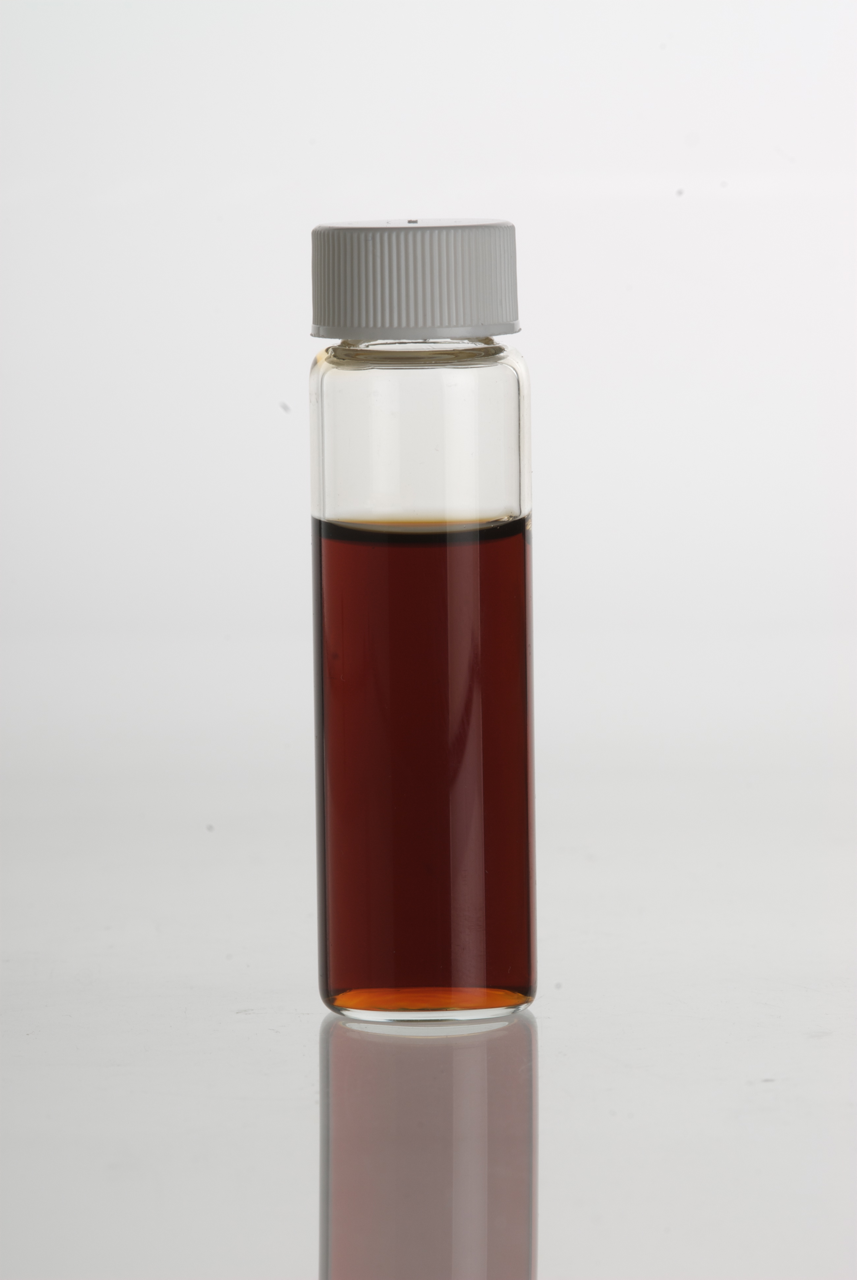
Culinary liquid made from vanilla pods in ethanol solution
Vanilla extract is a solution made by macerating and percolating vanilla pods in a solution of ethanol and water. It is considered an essential ingredient in many Western desserts, especially baked goods like cakes, cookies, brownies, and cupcakes, as well as custards, ice creams, and puddings. Although its primary flavor compound is vanillin, pure vanilla extract contains several hundred additional flavor compounds, which are responsible for its complex, deep flavor. By contrast, artificial vanilla flavor is typically made up of only artificially derived vanillin, which is frequently made from a by-product of the wood pulp industry.
Vanilla extract is the most common form of vanilla used today. Malagasy, Mexican, Tahitian, Indonesian, and Ugandan vanilla beans are the main varieties used today. The term "Bourbon vanilla" refers to the vanilla beans' provenance as being from the Bourbon Islands, most commonly Madagascar but also Mauritius and Réunion. The name comes from the period when the island of Réunion was ruled by the Bourbon kings of France and has no relation to Bourbon whiskey.
Legal definitions
US regulations
In the United States, in order for a vanilla extract to be called pure, the U.S. Food and Drug Administration requires that the solution contain a minimum of 35% alcohol and 100g of vanilla beans per litre (13.35 ounces per gallon). Double and triple strength (up to 20-fold) vanilla extracts are also available, although these are primarily used for manufacturing and food service purposes where the amount of liquid in a recipe needs to be carefully monitored.
Natural vanilla flavoring is derived from vanilla beans with little to no alcohol. The maximum amount of alcohol that is usually present is only 2–3%. Therefore, by FDA regulations it cannot be called an extract.
Canadian regulations
Under the Food and Drug Regulations (C.R.C., c. 870), vanilla extract products have to be processed from vanilla beans: Vanilla planifolia or Vanilla tahitensia. For every 100 ml of extract, it must contain an amount of soluble substances proportional to their natural state available for extract. Specifically, if the beans contain 25% water content, the vanilla extract must consist of at least 7.5 g of vanilla beans. Vanilla extract should not contain added colour.
Companies that manufacture vanilla extract
- Adams Extract
- C.F. Sauer Company
- Dr. Oetker
- Frontier Natural Products
- Madécasse
- McCormick & Company
- Nielsen-Massey Vanillas
- Penzeys Spices
- Spice Islands (brand)
- Watkins Incorporated
References
de:Vanille (Gewürz)#Vanilleextrakt
References
- Lior Lev Sercarz. (3 October 2016). "How vanilla became the world's favorite flavor". Saveur.
- C. Rose Kennedy. (2017). "The Flavor Rundown: Natural vs. Artificial Flavors". Harvard University.
- (2013-04-23). "Rapid Differentiation between Natural and Artificial Vanilla Flavorings for Determining Food Fraud".
- Food and Drug Administration. (April 1, 2010). "Food and Drugs, Chapter I, Subchapter A, Food for Human Consumption, Part 169—Food Dressings and Flavorings". Department of Health and Human Services.
- (27 September 2022). "Consolidated federal laws of canada, Food and Drug Regulations".
This article was imported from Wikipedia and is available under the Creative Commons Attribution-ShareAlike 4.0 License. Content has been adapted to SurfDoc format. Original contributors can be found on the article history page.
Ask Mako anything about Vanilla extract — get instant answers, deeper analysis, and related topics.
Research with MakoFree with your Surf account
Create a free account to save articles, ask Mako questions, and organize your research.
Sign up freeThis content may have been generated or modified by AI. CloudSurf Software LLC is not responsible for the accuracy, completeness, or reliability of AI-generated content. Always verify important information from primary sources.
Report