From Surf Wiki (app.surf) — the open knowledge base
University of Saskatchewan
Public university in Saskatchewan, Canada
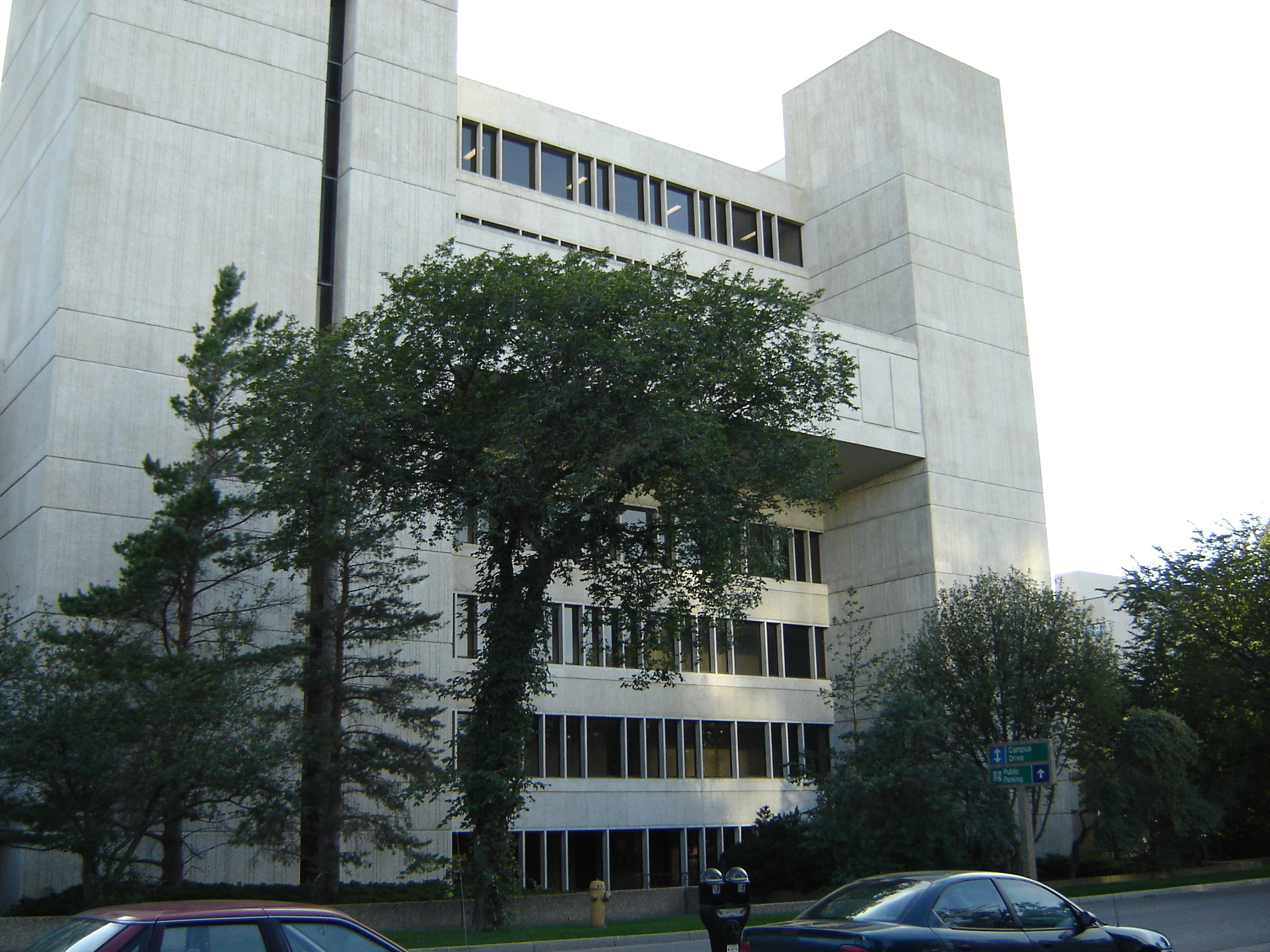
Public university in Saskatchewan, Canada
| Field | Value |
|---|---|
| name | University of Saskatchewan |
| image | USask Coat of Arms.svg |
| image_size | 150 |
| other_name | USask |
| motto | la |
| mottoeng | For God and Country |
| established | |
| type | Public |
| endowment | CAN$509.1 million https://leadership.usask.ca/documents/administration/annual_report_2023-24.pdf |
| chancellor | Scott Banda |
| president | Dr. Vince Bruni-Bossio |
| city | Saskatoon, Saskatchewan |
| country | Canada |
| students | 26,694 |
| undergrad | 21,220 |
| postgrad | 4,630 |
| academic_affiliations | ACU, CARL, UArctic, UASR, Universities Canada |
| athletics_affiliations | U Sports, CWUAA |
| campus | Urban |
| colours | Green and yellow and white |
| sports_nickname | Huskies |
| mascot | Howler (the Huskie) |
| website | |
| logo | File:University of Saskatchewan logo.svg |
| logo_size | 250 |
The University of Saskatchewan (USask, formerly U of S) is a Canadian public research university, founded on March 19, 1907, and located on the east side of the South Saskatchewan River in Saskatoon, Saskatchewan, Canada. An "Act to establish and incorporate a University for the Province of Saskatchewan" was passed by the provincial legislature in 1907. It established the provincial university on March 19, 1907 "for the purpose of providing facilities for higher education in all its branches and enabling all persons without regard to race, creed or religion to take the fullest advantage".{{cite web | access-date = 2007-06-24}}{{cite web | access-date = 2007-06-24 | url-status = dead | archive-url = https://web.archive.org/web/20070624050031/http://explore.usask.ca/about/history/ | archive-date = 2007-06-24
The university began as an agricultural college in 1907 and established the first Canadian university-based department of extension in 1910. There were 300 acre set aside for university buildings and 1000 acre for the USask farm, and agricultural fields. In total 10.32 km² was annexed for the university.{{cite encyclopedia |access-date=2007-06-24 |url-status=live |archive-url=https://web.archive.org/web/20070903131045/http://www.thecanadianencyclopedia.com/index.cfm?PgNm=TCE&Params=A1ARTA0008258 |archive-date=2007-09-03 | access-date = 2007-06-24 }} The main university campus is situated upon 2425 acre, with another 500 acre allocated for Innovation Place Research Park.{{cite web | access-date = 2007-06-24 | archive-date = 2007-03-20 | archive-url = https://web.archive.org/web/20070320122448/http://www.lllp.usask.ca/vtt/index.php | url-status = dead | access-date = 2007-06-24 | archive-date = 2007-12-25 | archive-url = https://web.archive.org/web/20071225195439/http://www.usask.ca/communications/ocn/07-mar-09/10.php | url-status = dead | access-date = 2013-03-14 | archive-date = 2016-03-04 | archive-url = https://web.archive.org/web/20160304082310/http://www.innovation.ca/en/ResearchInAction/ImpactStory/Vaccinenation | url-status = dead | access-date =2007-09-11 | archive-date =2007-12-10 | archive-url =https://web.archive.org/web/20071210094739/http://www.usask.ca/research/news/read.php?id=386 | url-status =dead The university is also home to the Canadian Light Source synchrotron, which is considered one of the largest and most innovative investments in Canadian science. Discoveries made at USask include sulphate-resistant cement and the cobalt-60 cancer therapy unit. The university offers over 200 academic programs.
History
Beginnings
The University of Saskatchewan was modeled on the American state university system, with a focus on extension work and applied research to serve the needs of the largely agrarian province.{{cite encyclopedia |access-date=2009-07-11 |url-status=live |archive-url=https://web.archive.org/web/20090821204157/http://www.thecanadianencyclopedia.com/index.cfm?PgNm=TCE&Params=A1ARTA0008242 |archive-date=2009-08-21
The governance model was based on the University of Toronto Act, 1906, creating a bicameral system that included a senate to manage academic matters and a board of governors to oversee finances. The president was responsible for linking the two governing bodies and providing institutional leadership.
On April 7, 1909, Saskatoon was chosen as the location for the university. The first buildings were constructed shortly after, and the university admitted its first students in 1912. In the same year, the university awarded its first degrees. The emphasis on agriculture and practical education reflected the province's needs, and the establishment of the College of Agriculture became a cornerstone of the university's mission.
The governance was modelled on the provincial University of Toronto Act of 1906 which established a bicameral system of university government consisting of a senate (faculty), responsible for academic policy, and a board of governors (citizens) exercising exclusive control over financial policy and having formal authority in all other matters. The president, appointed by the board, was to provide a link between the two bodies and to perform institutional leadership. The scope of the new institution was to include colleges of arts and science, including art, music and commerce, agriculture with forestry, domestic science, education, engineering, law, medicine, pharmacy, veterinary science and dentistry.
Saskatoon was chosen as the site for the university on April 7, 1909, by the board of governors. On October 12, 1912, the first building opened its doors for student admission. It awarded its first degrees in 1912.{{cite encyclopedia |access-date=December 11, 2012 |url-status=dead |archive-url=https://web.archive.org/web/20121021145753/http://www.thecanadianencyclopedia.com/articles/emc/music-at-university-of-saskatchewan |archive-date=October 21, 2012 last = Murray| first = Jean E.| journal= Saskatchewan History | volume=XII | issue=1, Winter 1959| title = The contest for the University of Saskatchewan| publisher = Saskatchewan Archives Board | pages = 1
Battleford, Moose Jaw, Prince Albert, Regina, and Saskatoon all lobbied to be the location of the new university. Walter Murray preferred the provincial capital, Regina. In a politically influenced vote, Saskatoon was chosen on April 7, 1909.

Designed by David Robertson Brown (architect), the Memorial Gates were erected in 1927 at the corner of College Drive and Hospital Drive in honour of the University of Saskatchewan alumni who served in the First World War. A stone wall bears inscriptions of the names of the sixty seven university students and faculty who lost their lives while on service during World War I. The hallways of the Old Administrative Building (College Building) at the University of Saskatchewan are decorated with memorial scrolls in honour of the University of Saskatchewan alumni who served in the World Wars.
342 students, faculty, and staff enlisted for World War I. Of these, 67 were killed, 100 were wounded, and 33 were awarded medals of valour.{{Cite web | access-date =2007-09-09 | archive-date =2008-01-02 | archive-url =https://web.archive.org/web/20080102011107/http://www.usask.ca/archives/history/wwi.php | url-status =dead
The University of Saskatchewan's Arms were registered with the Canadian Heraldic Authority on February 15, 2001.
In May 2014, Provost and Academic Vice President Brett Fairbairn resigned following turmoil after the university fired the executive director of the School of Public Health, following his public criticism of a process to address the university's structural deficit. President Ilene Busch-Vishniac refused to resign. Two days later she was fired.
Campus

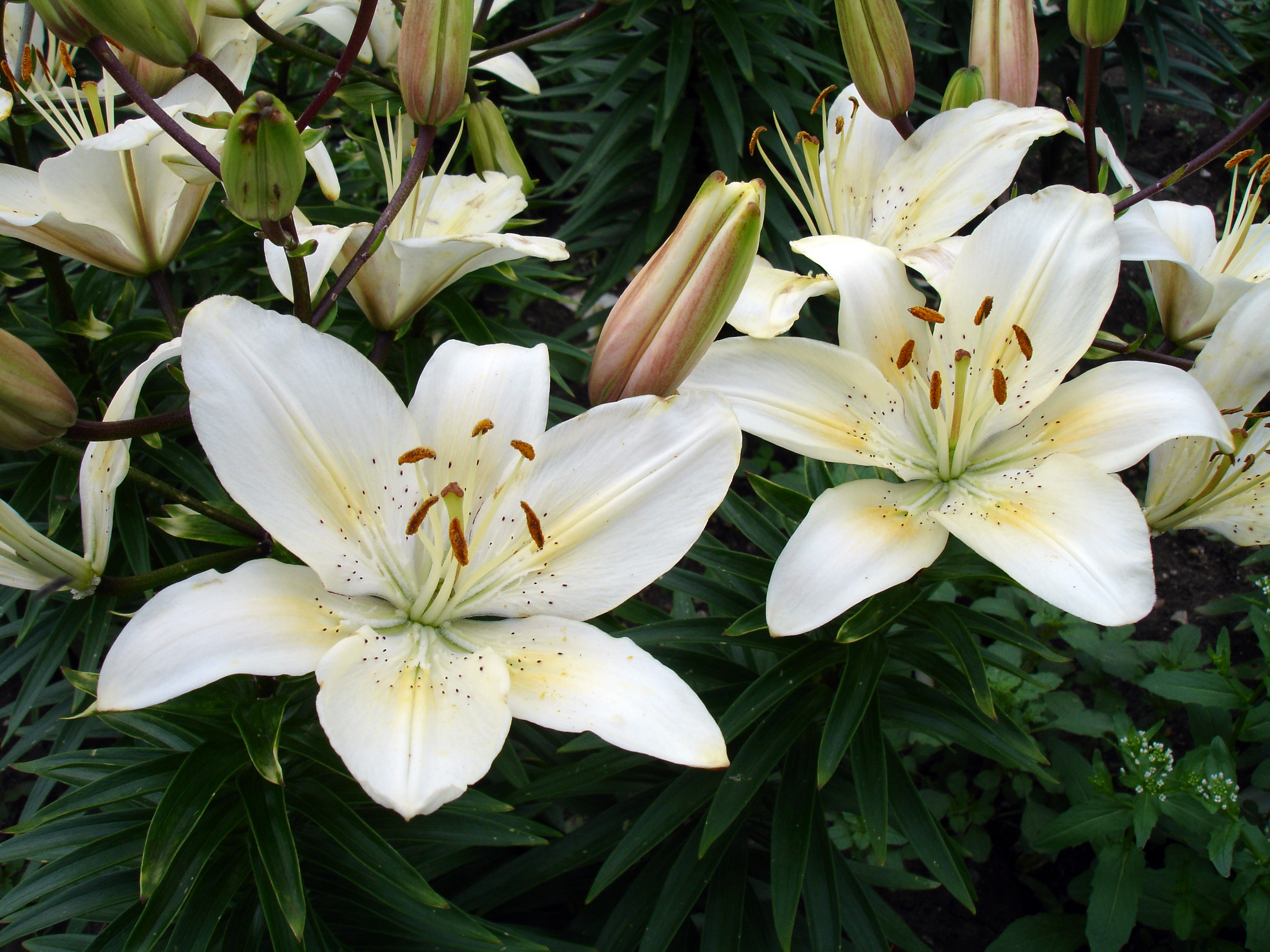
A location next to the South Saskatchewan River, across from the city centre of Saskatoon, was selected for the campus. David Robertson Brown of Brown & Vallance were the initial architects constructing a campus plan and the first university buildings in Collegiate Gothic style: The Prime Minister of Canada, Sir Wilfrid Laurier, laid the cornerstone of the first building, the College Building, on July 29, 1910. The first building to be started on the new campus, the College Building, built 1910–1912 opened in 1913; in 2001, it was declared a National Historic Site of Canada.
Brown & Vallance designed the Administration Building (1910–12); Saskatchewan Hall Student Residence (1910–12). Brown & Vallance designed the Engineering Building (1910–12) as well as additions 1913 in 1920 and rebuilt the building after it burned in 1925. Brown & Vallance designed the Barn and Stock Pavilion (1910–12) and Emmanuel College (1910–12). Brown & Vallance built the Faculty Club (1911–12) and rebuilt it after it burned in 1964. Brown & Vallance constructed the President's Residence (1911–13) Qu'Appelle Hall Student Residence (1914–16) Physics Building (1919–21); Chemistry Building (1922–23); St. Andrew's Presbyterian College (1922–23); Memorial Gates (1927–28) and the Field Husbandry Building (1929).
The original buildings were built using native limestone – greystone – which was mined just north of campus. Over the years, this greystone became one of the most recognizable campus signatures. When the local supply of limestone was exhausted, the university turned to Tyndall stone, which is quarried in Manitoba.{{citation | access-date = December 11, 2012

The original architectural plan called for the university buildings to be constructed around a green space known as The Bowl. The original university buildings are now connected by skywalks and tunnels. Clockwise, from the north; Thorvaldson Building (August 22, 1924) (Spinks addition); Geology, W.P. Thompson Biology (1960) adjoined to Physics Building (1921); College Building (May 1, 1913) (Administration addition); Saskatchewan conjoined with Athabasca Hall (1964); Qu'Appelle Hall (1916); Marquis Hall adjoined to Place Riel – Qu'Appelle Addition; Murray Memorial Main Library (1956); Arts (1960) conjoined with Law and adjoined to Commerce building complete the initial circle around the perimeter of the bowl.{{cite web | access-date = 2007-06-24}}{{cite web | access-date =2007-06-24 }}
Francis Henry Portnall and Frank Martin designed the Dairy & Soils Laboratory (1947).
Establishment of colleges

Main article: University of Saskatchewan academics
Roughly adhering to the original plan of 1909, numerous colleges were established: Arts & Science (1909); Agriculture, now called Agriculture and Bioresources (1912); Engineering (1912); Law (1913); Pharmacy, now called Pharmacy & Nutrition (1914); Commerce, now the N. Murray Edwards School of Business (1917); Medicine (1926); Education (1927); Home Economics (1928); Nursing (1938); Graduate Studies and Research (1946); Physical Education, now called Kinesiology (1958); Veterinary Medicine (1964); Dentistry (1965); and the School of Physical Therapy (1976).
USask also has several graduate programs amongst these colleges, which give rise to a master's or doctorate degree.{{Cite web |access-date=2007-06-30 |url-status=dead |archive-url=https://web.archive.org/web/20070915045928/http://www.usask.ca/uofs/annual-report2000/academics.html |archive-date=2007-09-15

Theological colleges, affiliated with the university, were also established: Emmanuel College – (Anglican denomination) (1909), St. Andrew's College (as Presbyterian College, Saskatoon) then United Church of Canada (1913), Lutheran Theological Seminary (1920), St. Thomas More College (1936), and Central Pentecostal College (1983).
Regina College was saved from bankruptcy and became part of the university in 1934, and was given degree-granting privileges in 1959, making it a second University of Saskatchewan campus. By another act of legislation in 1974, Regina College was made an independent institution known as the University of Regina.
The policy of university education initiated in the 1960s responded to population pressure and the belief that higher education was a key to social justice and economic productivity for individuals and for society. The single-university policy in the West was changed as existing colleges of the provincial universities gained autonomy as universities.
Correspondence courses were established in 1929.
Other federated and affiliated colleges include Briercrest Bible College and Biblical Seminary in Caronport, Saskatchewan; Gabriel Dumont College and St. Peter's Historic Junior College in Muenster, Saskatchewan.

Later development
In the late 1990s, USask launched a major revitalisation program, comprising new capital projects such as an expansion to the Western College of Veterinary Medicine, the building of a new parkade, and a revision of its internal road layout (which has already seen the East Road access being realigned). The Thorvaldson Building, which is home to the departments of chemistry and computer science, hosts a new expansion known as the Spinks addition. The College of Pharmacy and Nutrition has also had a number of renovations.
Land holdings
Up until the late 1980s, the University of Saskatchewan held an extensive area of land in the northeast quadrant of Saskatoon, stretching far beyond the core campus, east of Preston Avenue and north of the Sutherland and Forest Grove subdivisions. Much of this land was used for farming, though some areas were intended for future campus and facility development. In the late 1980s, most USask land beyond Circle Drive was earmarked for residential development; Silverspring was the first of these neighbourhoods to be developed.

Another section of land, west of the Preston Avenue/Circle Drive interchange and north of the Canadian Pacific Railway line, was zoned for commercial use, and led to "big box" retail development in the early 2000s called Preston Crossing.{{Cite web |access-date=2007-09-09 |archive-url=https://web.archive.org/web/20070506110343/http://www.rencordevelopments.com/prestoncrossing.html |archive-date=May 6, 2007 |url-status=dead | access-date = 2007-09-09
In the 1970s and again in the 1980s, USask considered opening up some of its land holdings south of College Drive and north of 14th Street for residential development, but opposition from nearby neighbourhoods that appreciated the "green belt" offered by the university led to these plans being dropped. The city has refrained from indicating any residential development plans for the newer land holdings in the northeast, allowing another green belt to be created separating the new communities of Evergreen and Aspen Ridge from other parts of the city.
The City of Saskatoon's Fire Station No. 5 was relocated to the university's land on Preston Avenue North in 2023. It replaced the former station on Central Avenue in the Sutherland neighbourhood, which dated back to 1967.
Academics
Main article: University of Saskatchewan academics
Rankings and reputation
The University of Saskatchewan has placed in post-secondary school rankings. In the 2023 Academic Ranking of World Universities rankings, the university ranked 301–400 in the world and 12–17 in Canada. The 2025 QS World University Rankings ranked the university 340th in the world and 14th in Canada. The 2024 Times Higher Education World University Rankings placed the university 351–400 in the world, and 16th in Canada. In U.S. News & World Report 2022–23 global university rankings, the university placed 441st, and 18th in Canada. In Maclean's 2024 rankings, Saskatchewan placed 15th in their Medical-Doctoral university category, and 21st in their reputation ranking for Canadian universities.
In February 2025, the University of Saskatchewan was identified as one of Saskatchewan's top 100 employers, based on employees having 'free access to the campus' extensive fitness facilities' and 21-week / 95% of salary maternity and parental leave benefits for 'all new parents'.
Programs
The University of Saskatchewan offers a wide variety of programs and courses. Agriculture and Bioresources, Arts and Science, Biotechnology, Edwards School of Business, Dentistry, Education, Engineering, Graduate and Postdoctoral Studies, Kinesiology, Law, Medicine, Nursing, Pharmacy and Nutrition, Physical Therapy and Veterinary Medicine.
In addition, the university's affiliated colleges and Centre for Continuing and Distance Education offer degree programs, certificates, and training programs. Many affiliated colleges allow students to complete the first two years of a Bachelor of Science or Bachelor of Arts degree, and some offer full degrees in education, native studies, and theology.
Research
In 1948, the university built the first betatron facility in Canada.{{Cite web | access-date = 2007-09-09 | access-date =2007-09-09 | archive-date =2007-08-30 | archive-url =https://web.archive.org/web/20070830113833/http://scaa.usask.ca/gallery/uofs_events/articles/1951.php | url-status =dead | access-date =2007-09-09 | archive-date =2007-10-20 | archive-url =https://web.archive.org/web/20071020045026/http://lib74123.usask.ca/gallery/uofs_buildings/text_linac.htm | url-status =dead
Experience gained from years of research and collaboration with global researchers led to the University of Saskatchewan being selected as the site of Canada's national facility for synchrotron light research, the Canadian Light Source.{{Cite web | access-date =2007-09-09 | archive-date =2012-02-20 | archive-url =https://web.archive.org/web/20120220084913/http://www.usask.ca/research/files/download.php/StarPhoenix+Biotech+Week+Supplement-Sept06.pdf?id=300&view=1 | url-status =dead
The university also is home to the Vaccine and Infectious Disease Organization.{{Cite web | access-date =2007-09-09 | archive-date =2007-12-09 | archive-url =https://web.archive.org/web/20071209090821/http://www.usask.ca/research/news/read.php?id=626 | url-status =dead |access-date=2007-09-09 |url-status=dead |archive-url=https://web.archive.org/web/20071226014223/http://www.gov.sk.ca/news?newsId=ae0f33d3-9e26-4415-843b-73185668d6fa |archive-date=2007-12-26
The university of Saskatchewan is an active member of the University of the Arctic. UArctic is an international cooperative network based in the Circumpolar Arctic region, consisting of more than 200 universities, colleges, and other organizations with an interest in promoting education and research in the Arctic region.
The university participates in UArctic's mobility program north2north. The aim of that program is to enable students of member institutions to study in different parts of the North.
Partner universities
- Beijing Institute of Technology, Beijing, China
- Xi'an Jiao Tong University, Xi'an, China
- University of Greifswald, Greifswald, Germany
- Darmstadt University of Technology, Darmstadt, Germany
- Vellore Institute of Technology, India
- University of Oslo, Norway
- University of Canterbury, New Zealand
- University of Oxford, Oxford, England
- Stockholm University, Stockholm, Sweden
Administration and governance


The University Act provided that the university should provide "facilities for higher education in all its branches and enabling all persons without regard to race, creed or religion to take the fullest advantage". It further stated that "no woman shall by reason of her sex be deprived of any advantage or privilege accorded to the male students of the university." Seventy students began the first classes on September 28, 1909. The first class graduated on May 1, 1912. Of the three students who earned graduation honours, two were women.{{Cite web | access-date = 2007-09-09 The University of Saskatchewan has a tricameral governance structure, defined by the University of Saskatchewan Act, consisting of a Board of Governors, University Council, and Senate, as well as the General Academic Assembly. Financial, management, as well as administration affairs are handled by the Board of Governors, which comprises 11 members. The University of Saskatchewan liaison between the public and professional sector is dealt with by the university Senate, a body of 100 representatives. Finally, University Council is made up of a combination of 116 faculty and students. Council is the university's academic governing body, responsible for "overseeing and directing the University's academic affairs." The General Academic Assembly consists of all faculty members and elected students. As of 2006, faculty and staff total 7,000, and student enrolment comprised 15,005 full-time students as well as 3,552 part-time students.

The university senior administration consists of the President and Vice-Chancellor Professor, Peter Stoicheff; the Provost and Vice-president Academic, Professor Arini; Vice-president (Finance & Resources), Greg Fowler; Vice-president (Research), Professor Baljit Singh; and the vice-president (University Relations) Debra Pozega Osburn.
Campus life and facilities
The Sheaf, a student publication, was first published in 1912, monthly or less frequently. By 1920, it was published weekly with the aim of becoming a more unifying influence on student life. It has continued to publish.{{Cite web |access-date=2007-09-09 |url-status=dead |archive-url=https://web.archive.org/web/20070920231014/http://www.thesheaf.com/about.html |archive-date=2007-09-20
In 1965, a student-run campus radio station, CJUS-FM began broadcasting on a non-commercial basis. In 1983, the station became a limited commercial station. By 1985, however, funding was no longer provided, and the campus radio presence died. In early 2005, CJUS was revived in an internet radio form and continues to broadcast today.{{Cite web | access-date = 2007-09-09
Place Riel Theatre, a campus theatre, was opened in 1975, as was Louis, a campus pub. Place Riel, the existing campus student centre, opened in 1980, and now holds retail outlets, arcade, lounge space, student group meeting areas, and a food court. Place Riel underwent expansion and renovation, which was completed around 2012-13. These facilities were named after Louis Riel. In the late 1990s, Place Riel Theatre stopped public showings and it is now used for campus movie features and lectures.
The University of Saskatchewan Students' Union is the students' union representing full-time undergraduate students at the University of Saskatchewan.
Since 1992, the graduate students are represented by the University of Saskatchewan Graduate Student's Association (GSA-uSask), a not-for-profit student organization that provides services, events, student clubs and advocacy work to the graduate students of USask. Since 2007, the GSA-uSask is located in the Emmanuel and St. Chad Chapel, also called GSA Commons.{{Cite web | access-date = 2018-03-25
Athletics
Main article: Saskatchewan Huskies
thumb|170px|Saskatchewan athletics wordmark Campus sports teams in U Sports use the name "Saskatchewan Huskies". The teams compete in five men's sports: Canadian football, basketball, hockey, soccer, and volleyball. Women's sports include basketball, hockey, soccer, and volleyball. Co-ed sports include cross country, track and field, and wrestling.
The Huskies Track and Field team has won the national championships on 12 occasions and is the most successful team on campus The men's Huskies football team has won the Vanier Cup as national champions on three occasions; in 1990, 1996, and 1998.{{Cite web | access-date = 2007-09-09 }}
Museums and galleries
The Agricultural Displays and Kloppenburg Collection are hosted in the Agriculture & Bioresources College. The agricultural wall displays are located in the walkway connecting the Agriculture Building and the Biology Building. The Kloppenburg Collection is featured on the sixth floor of the College of Agriculture and Bioresources building which opened in 1991. Twenty seven works by famous Saskatchewan artists are featured in this donation to the University of Saskatchewan.{{Cite web | access-date =2007-07-21 | url-status =dead | archive-url =https://web.archive.org/web/20070811103908/http://www.ag.usask.ca/alumni_friends/named_facilities.html | archive-date =2007-08-11
The University of Saskatchewan's 75th Anniversary in 1984 was the starting catalyst for the Athletic Wall of Fame at which time 75 honours were bestowed. The wall of fame celebrates achievements by athletes, teams securing a regional and/or national championship, as well as builders who can be either an administrator, coach, manager, trainer or other major contributor toward the Huskie athletic community for a time period of at least 10 years and have provided outstanding notable support. As of 2001, an annual event, the Huskie Salute inaugurates a new candidate into the Athletic Wall of Fame.{{Cite web | access-date =2007-07-21
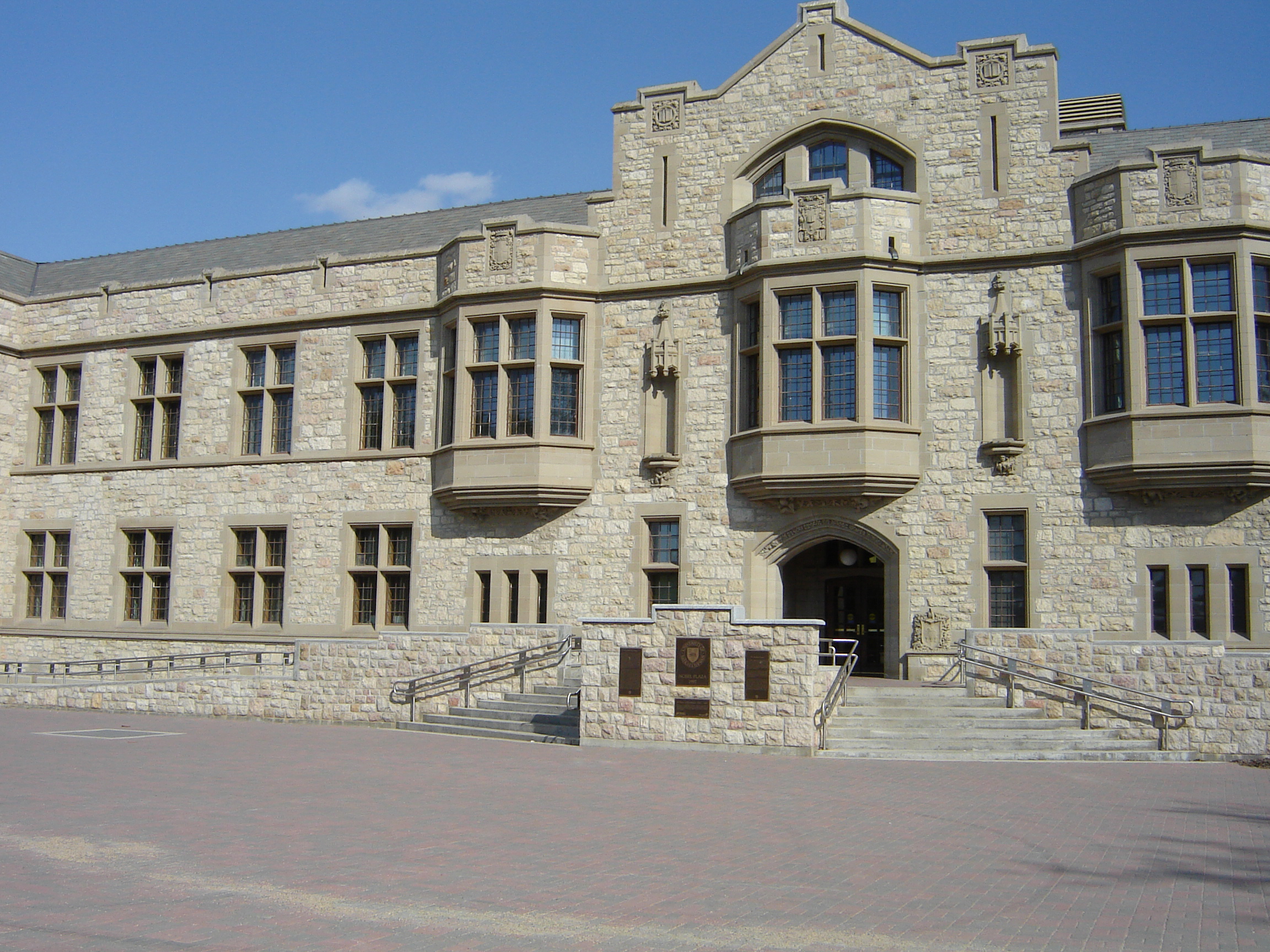
The College Building was officially declared a Canadian National Historic Site by Sheila Copps, Minister of Canadian Heritage on February 27, 2001.{{cite web | access-date =2007-07-12 | url-status =dead | archive-url =https://web.archive.org/web/20071225194701/http://announcements.usask.ca/news/archive/2001/02/u_of_s_college_2.html | archive-date =2007-12-25
The Right Honourable John G. Diefenbaker Centre for the Study of Canada, also known as the Diefenbaker Canada Centre, houses the Diefenbaker paper collection and legacy, changing exhibit, Centre for the Study of Co-operatives and the Native Law Centre. The grave site of Canadian Prime Minister John Diefenbaker is located near this museum.{{cite web |access-date=2007-07-12 |archive-url=https://web.archive.org/web/20070711102456/http://artsandscience.usask.ca/diefenbaker/ |archive-date=2007-07-11 |url-status=dead
The Gordon Snelgrove Gallery is teaching facility and a public gallery that is managed through the Department of Art & Art History. It provides a venue for new work by artists and curators both within the department and the wider community. It has a full-time director and a number of part-time staff.
Additionally, the gallery curates the Department of Art and Art History Collection, consisting of select works from graduating students. Art from the collection is displayed throughout the Murray Building, the university library, a number of sites on campus and the gallery website.
The gallery is located at 191 Murray Building on the University of Saskatchewan campus. It is open Monday to Friday, 9:30am to 4:30pm and closed weekends and holidays.
The Kenderdine Art Gallery celebrated its official opening October 25, 1991. Augustus Frederick Lafosse (Gus) Kenderdine began the University Art Camp at Emma Lake in 1936, the precursor to the Emma Lake Kenderdine Campus, a bequest was donated to the University of Saskatchewan by his daughter, Mrs. May Beamish, and initialized the formation of the Kenderdine Art Gallery which has a permanent collection started by Dr. Murray, as well as ongoing exhibits.{{cite web | access-date =2007-07-21 | archive-date =2007-06-21 | archive-url =https://web.archive.org/web/20070621113941/http://www.usask.ca/kenderdine/home.html | url-status =dead The MacAulay Pharmaceutical Collection is located in the Thorvaldson Building, Room 118A. The collection showcases early 20th-century pharmaceutical paraphernalia, as well as early First Nations remedies such as cherry bark syrup and smartweed.{{cite web | access-date =2007-07-21 |archive-url = https://web.archive.org/web/20060825180638/http://www.usask.ca/pharmacy-nutrition/about/tour.shtml |archive-date = August 25, 2006}}

The Memorial Gates were constructed in honour of those USask students who made the ultimate sacrifice. Inscribed on the gates themselves is an inscription, “These are they who went forth from this University to the Great War and gave their lives that we might live in freedom.”{{cite web | access-date =2007-07-12}} The gates originally straddled the main road entrance to the campus via University Drive (later, this became the access road into Royal University Hospital); when a new road access, Hospital Drive, was constructed to the west in the 1990s, the gates were preserved in their original location.
The Museum of Antiquities started its collection in 1974, and opened in 1981 at its new location. The museum celebrates notable artistic, sculptural and art achievements of various civilizations and eras.{{cite web | access-date =2007-07-12 |archive-url = https://web.archive.org/web/20070625180127/http://www.usask.ca/antiquities/About_Museum.html |archive-date = June 25, 2007}}
The Museum of Natural Sciences in the geology building features a two-story high plant-filled atrium demonstrating the evolution of life on earth. It houses a live gallery of animals including aquariums, and extensive geological specimens as well as paleontological specimens, including a full-size skeletal replica of a Tyrannosaurus Rex.{{cite web | access-date =2007-07-12}}
The University of Saskatchewan Observatory offers public viewing hours, school tours, as well as an adopt-a-star program. An adopted star can commemorate a special or significant achievement, or person and the award is given via certificate, honourable registry mention and maps of star location and facts sheet.{{cite web | access-date =2007-07-12 | archive-date =2007-07-01 | archive-url =https://web.archive.org/web/20070701101641/http://physics.usask.ca/observatory/ | url-status =dead
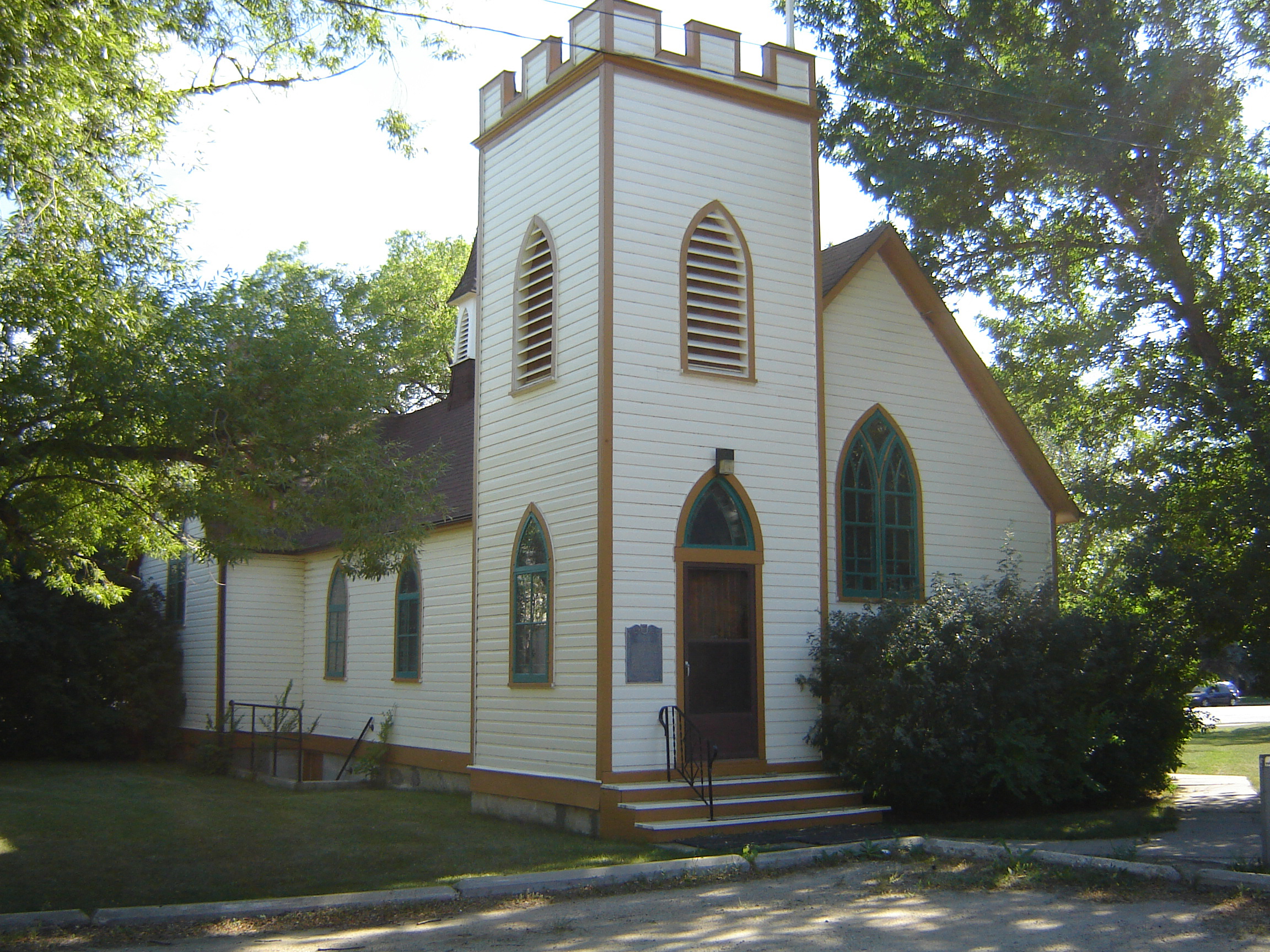
The Rugby Chapel, built in 1912 (as a gift from the students of Rugby School) and moved from Prince Albert, has been declared a City of Saskatoon Municipal Heritage Property.{{cite web | access-date =2007-07-12 | archive-date =2022-12-04 | archive-url =https://web.archive.org/web/20221204183050/http://www.saskatoonheritage.ca/designated/rugby_chapel.html | url-status =dead | access-date =2007-07-12}}
The St. Thomas More College Art Gallery was first opened in 1964 and hosts artwork of local and regional artists.{{cite web | access-date =2007-07-12 |archive-url = https://web.archive.org/web/20070703093334/http://www.stmcollege.ca/artgallery/about.asp |archive-date = July 3, 2007}}

The Victoria School House, known also as the Little Stone School House, was built in 1888 as the first school house of the Temperance Colony. The one room school house was originally constructed in Nutana. The location is now known as five corners at the south or top of the Broadway Bridge. The school yard at one time comprised three school houses, as the population grew. The little stone school house was preserved and moved on campus. It was declared a historic site on June 1, 1967.{{cite web | access-date =2007-07-12}}
Also composed for the university is an Alma Mater hymn known as "University Hymn". Neil Harris wrote the hymn in 1949. The hymn is performed at convocation events.
Residence life

- Voyageur Place 'Room and board' residences on the University of Saskatchewan campus and comprises four separate halls.{{cite web
| access-date =2007-07-02
| archive-date =2007-06-08
| archive-url =https://web.archive.org/web/20070608175907/http://www.usask.ca/residence/voyageur_place.php
| url-status =dead
- Saskatchewan Hall was the first student residence of the university and was completed in 1912. Originally called University Hall, it was designed to provide residences for 150 students.{{cite web | access-date =2007-07-02}} Saskatchewan Hall was named for the Saskatchewan River.{{cite web | access-date =2007-07-02 | archive-date =2007-11-06 | archive-url =https://web.archive.org/web/20071106061039/http://www.usask.ca/communications/ocn/May21-99/archives.html | url-status =dead
- Qu'Appelle Hall was originally known as Student's Residence No. 2 and officially opened in 1916. The design housed 120 students, and in 1963 an addition for 60 additional student residences was completed. The Qu'Appelle Hall Addition is the fourth residence of Voyageur Place and houses male students.{{cite web | access-date = 2007-07-02}} Qu'Appelle Hall was named for the Qu'Appelle River.
- Athabasca Hall provides 270 residences and was completed in 1964. It is now a co-ed hall.{{cite web | access-date = 2007-07-02}} Athabasca Hall was named for the Athabasca River.
Voyageur Place has historically been organized on the house system, with each house named after an explorer associated with Saskatchewan's early history. Thus, traditionally there were three male houses: Hearne House (named after Samuel Hearne and consisting of the residents of Saskatchewan Hall); Kelsey (named after Henry Kelsey and consisting of the residents of Qu'Appelle Hall); and Lav (named after Pierre Gaultier de Varennes, sieur de La Vérendrye and consisting of the residents of Qu'Appelle Hall Addition). There were also three female houses (all of which were composed of residents of the all-female Athabasca Hall): Pond (named after Peter Pond), Henday (named after Anthony Henday), and Palliser (named after John Palliser).

- McEown Park – Residence complex south of the university campus. Opening ceremonies were October 2, 1970 for the four high rise complex. McEown Park was named in honour of a university administrator, A.C. McEown.{{cite web
| access-date = 2007-07-02}}
- Souris Hall is an apartment complex for married students with families. Souris Hall, named after the Souris River, is a nine-storey town house, comprising 67 two-bedroom apartments.{{cite web | access-date =2007-07-02 | archive-date =2007-06-26 | archive-url =https://web.archive.org/web/20070626093337/http://www.usask.ca/residence/souris.php | url-status =dead
- Assiniboine Hall is an eleven-storey apartment house which has 23 two-bedroom and 84 one-bedroom apartments available for married or single students without families.{{cite web | access-date =2007-07-02 | archive-date =2007-06-23 | archive-url =https://web.archive.org/web/20070623094038/http://www.usask.ca/residence/assiniboine_wollaston.php | url-status =dead
- Wollaston Hall was added to McEown Park complex in 1976, providing 21 two-bedroom and 83 one-bedroom apartments.
- Seager Wheeler Hall provides housing for single students living in small groups in a fourteen-storey residential house. Seager Wheeler Hall was named in honour of Seager Wheeler, a notable Saskatchewan pioneer for breeding wheat. This residence was on the original three complexes built at McEown Park.{{cite web | access-date =2007-07-02 | archive-date =2007-06-24 | archive-url =https://web.archive.org/web/20070624091113/http://www.usask.ca/residence/seager.php | url-status =dead
Graduate House is the university's newest residence, which opened in 2013 in the College Quarter.
Protective Services


The University of Saskatchewan Protective Services serve as the campus police for the University. Protective Services officers are peace officers who work closely with the Saskatoon Police Service and other law enforcement agencies, such as the RCMP to maintain a safe and secure campus. Officers patrol on foot, bicycle and in marked patrol vehicles.
Protective Services are responsible for managing the University's lost and found system, and enforcing federal and provincial laws, as well as University bylaws. Protective Services also operates the University's Safe Walk program, with which students can request an escort from officers.
Symbols of the university
Coat of arms

The university's coat of arms was first devised in 1908. It was decided the arms would be based on those of the University of Oxford with the university's motto inscribed on a book. Oxford blue became Saskatchewan green and Oxford's three crowns became garbs from Saskatchewan's coat of arms.
The arms were used in this manner for several decades until 1978 when a petition was submitted to the English College of Arms to obtain an official grant from the Crown. The grant was approved and the university obtained a letters patent authorizing official use of the arms.
In 1993, the university petitioned the Canadian Heraldic Authority for a Canadian grant of arms, and a modification to the blazon to describe the book as argent rather than proper. The Canadian grant was approved in 2001.
School songs
The University of Saskatchewan's fight song "Saskatchewan, Our University", was written by Russell Hopkins in 1939. Hopkins was notable in the university community at the time, and won a Rhodes Scholarship in 1932. The fight song is commonly played at sporting events.
Indigenization, Reconciliation and Decolonization

In 2017, the University of Saskatchewan appointed Dr. Jacqueline Ottmann as the Vice Provost Indigenous Engagement.
The university provides services to Indigenous people in more remote communities. The University of Saskatchewan Summer University Transition Course brings first-year Indigenous students to campus before the start of the school year for some campus orientation. Academic counsellors, tutors and elders are present on campus to provide academic and social supports.
Science outreach Kamskénow program
The science outreach Kamskénow program runs out of the College of Arts and Science at the University of Saskatchewan.{{cite web| title = Award-winning PotashCorp Kamskénow program helps get kids excited about science | access-date = 2014-10-03 |access-date=2014-10-03 |url-status=dead |archive-url=https://web.archive.org/web/20141006104409/http://artsandscience.usask.ca/outreach/science/ |archive-date=2014-10-06 | access-date = 2014-10-03
This program was chosen as the joint winner of the 2014 Science, Technology, Engineering and Math (STEM) Award for the North America region.
Additional funding for PotashCorp Kamskénow comes from NSERC, the Community Initiatives Fund, the College of Arts & Science and USask Community Engagement and Outreach.{{cite web | access-date = 2014-10-03
Students and alumni
Main article: List of University of Saskatchewan alumni

Between 1907 and 2007 there were over 132,200 members of the University of Saskatchewan Alumni Association. The alumni feature those who have successfully graduated from a degree, certificate and/or diploma programme at the University of Saskatchewan.{{cite web |access-date = 2007-07-21 |url-status = dead |archive-url = https://web.archive.org/web/20070806064856/http://www.usask.ca/uofs/fact_sheet.php |archive-date = 2007-08-06
Notable faculty and researchers
- Amira Abdelrasoul, associate professor of Chemical and Biomedical Engineering
- Ken Coates (1956–), historian, Canada Research Chair in Regional Innovation, Johnson-Shoyama Graduate School of Public Policy and Director of the International Centre for Northern Governance and Development
- Sylvia Fedoruk, university chancellor, professor in Oncology, associate member in Physics, and lieutenant-governor of Saskatchewan (1988–1994)
- Paul Finkelman (1949–), historian and legal scholar, Ariel F. Sallows Visiting Professor of Human Rights Law, College of Law
- Herbert V. Günther (1917–2006), Buddhist scholar and philosopher
- Gerhard Herzberg, Nobel Prize in Chemistry, 1970; offered a position in 1935 to flee Nazi Germany, and remained at the university for ten years
- Dorothy Howard, professor emeritus of music and mezzo-soprano
- J.W. Grant MacEwan, director of the School of Agriculture, Professor of Animal Husbandry, and lieutenant-governor of Alberta (1966–1974)
- Hilda Neatby (1904–1975), historian
- Elizabeth Quinlan, sociologist
- William Sarjeant, geologist and novelist
- Thorbergur Thorvaldson, chemist and first dean of graduate studies at the university
- Carl L. von Baeyer, professor emeritus of Psychology
- Curt Wittlin (1941–2019), philologist and expert in medieval literature
Notable alumni
- Noraini Ahmad, 16th Minister of Plantation and Commodities of Malaysia
- Anahita Akhavan, painter
- Lorne Babiuk, scientist
- Michael Byers, political scientist at the University of British Columbia and federal NDP candidate in the Vancouver Centre riding
- Alastair G. W. Cameron, astrophysicist who studied the origin of the chemical elements and the origin of the Moon
- Kenny Chiu, member of Parliament
- Kim Coates, actor
- Jonathan Denis, Alberta MLA and Minister of Housing and Urban Affairs (LLB, 2000)
- Grant Devine, 11th premier of Saskatchewan
- John Diefenbaker, 13th prime minister of Canada; also the university's chancellor; he and his wife were buried at the university, near the Diefenbaker Canada Centre
- N. Murray Edwards, business owner, co-owner of the Calgary Flames NHL franchise
- Edith Fowke, folklorist
- Sherine Gabriel, president of Rush University (Chicago)
- Agnes Gallus (1930–2010), painter
- Emmett Matthew Hall (1898–1995), Supreme Court judge and a father of the Canadian system of Medicare
- Lynda Haverstock, lieutenant-governor of Saskatchewan (2000–2006), leader of the Saskatchewan Liberal Party (1989–1995)
- John Hewson, Australian politician
- Ray Hnatyshyn, 24th governor general of Canada
- Andrew David Irvine, playwright and University of British Columbia professor
- Frederick W. Johnson, 16th lieutenant-governor of Saskatchewan
- Cianna Lieffers, ice hockey referee
- Woodrow Lloyd, 8th premier of Saskatchewan
- Peter Makaroff, Doukhobor peace activist
- William McIntyre, former justice of the Supreme Court of Canada; authored the dissent in the landmark abortion case R. v. Morgentaler (1988)
- Scott Moe, 15th (and current) premier of Saskatchewan
- Permanand Mohan, senior computer science lecturer at the University of the West Indies, St. Augustine Campus, Trinidad and Tobago; chief examiner for the Caribbean Examinations Council's CAPE Examinations in Computer Science
- Carson Morrison, Engineering Institute of Canada Fellow, Canadian Silver Jubilee Medal, Ontario Engineering Society Order of Honour, Canadian Standards Association Jean-Paul Carriere Award
- Caia Morstad, volleyball player
- Hilda Neatby (1904–1975), historian
- George Porteous, 14th lieutenant governor of Saskatchewan
- Zenon Pylyshyn (1937–2022), cognitive scientist and philosopher
- Alison Redford, 14th premier of Alberta
- Tracy A. Robinson, CEO of Canadian National Railway
- Ron Robison, commissioner of the Western Hockey League
- Terry Earl Robinson, Elliot S. Valenstein Distinguished University Professor of Psychology & Neuroscience at the University of Michigan (Ann Arbor)
- Roy Romanow, 12th premier of Saskatchewan
- Lorna Russell, artist
- Nicole Sarauer, Saskatchewan MLA and former leader of the Official Opposition
- Sandra Semchuk, photographic artist
- Henry Taube, Nobel Prize in Chemistry 1983
- Gordon Thiessen, former governor of the Bank of Canada
- Guy Vanderhaeghe (1951–), novelist, winner of the Governor General's Award, officer of the Order of Canada
- Carl L. von Baeyer, psychologist
- Brad Wall, 14th premier of Saskatchewan
- Rylan Wiens, Olympic diver
Rhodes Scholars
In all, 78 graduates of the University of Saskatchewan have gone on to receive the Rhodes Scholarship. These include Wilbur Jackett (1933) and Mark Abley (1975).
References
References
- "USask appoints Dr. Vince Bruni-Bossio as 12th president and vice-chancellor".
- "USask reaches record enrolment".
- "2023/24 ACADEMIC YEAR SNAPSHOT".
- (18 August 2015). "Logos".
- "University of Saskatchewan Act".
- "Benchmarking and Rankings".
- "University of Saskatchewan - U15 Group of Canadian Research Universities".
- Pound, Richard W.. (2005). "Fitzhenry and Whiteside Book of Canadian Facts and Dates". Fitzhenry and Whiteside.
- Murray, Jean E.. (1959). "The Contest for the University of Saskatchewan". Saskatchewan Archives Board.
- Gingras, Yves. (1991). "Science and Innovation: The US, Japan, and the Changing International Environment". Springer.
- "Memorial gates: University of Saskatchewan: Memorial 47009-019 Saskatoon, SK".
- "First World War scrolls: University of Saskatchewan: Memorial 47009-015 Saskatoon, SK".
- "The University of Saskatchewan". The [[Governor General of Canada]].
- (21 May 2014). "University of Saskatchewan dealing with damaged reputation".
- (20 May 2014). "Brett Fairbairn, U of S provost, resigns in wake of tenure scandal". CBC News.
- "TRU president accused of 'silencing' critics at former university".
- (20 May 2014). "Ilene Busch-Vishniac, U of S president, will not resign". CBC News.
- (22 May 2014). "University of Saskatchewan board fires president Ilene Busch-Vishniac". CBC News.
- {{CRHP. 6772. College Building National Historic Site of Canada. 2009-07-11
- "Brown, David Robertson".
- "Portnall, Francis Henry".
- Beaton, Belinda A.. (December 16, 2013). "University of Saskatchewan". [[Historica Canada]].
- "The University of Saskatchewan 1999–2000 Annual Report". usask.ca.
- (2023-08-30). "New No. 5 fire station unveiled in Saskatoon meant to improve response times". [[CBC News]].
- "Top Employer: University of Saskatchewan".
- (2007). "Plasma Physics Laboratory University of Saskatchewan".
- "Members".
- "About Us".
- "north2north".
- "Executive Leadership - Leadership - University of Saskatchewan".
- "T".
- "Gordon Snelgrove Gallery "about" Page". University of Saskatchewan.
- [https://archive.today/20130628052249/http://www.museevirtuel-virtualmuseum.ca/GetMuseumProfile.do?lang=en&chinCode=gukeg1 Kenderdine Art Gallery]
- {{CRHP. 9207. Old Stone School. 2009-07-11
- "University of Saskatchewan Archives - The Student Experience".
- "1949: University of Saskatchewan Hymn".
- (September 5, 2025). "Protective Services".
- (March 29, 1991). "University_Shield_File".
- "University of Saskatchewan Archives - The Student Experience".
- "University Fight Song".
- "Indigenous Engagement - Leadership - University of Saskatchewan".
- (November 2, 1999). "Howard Will Speak". [[The Leader-Post]].
- (2010-12-28). "Agnes (Szentgyorgyi) Gallus". The Globe and Mail.
- Shewaga, James. (February 3, 2022). "USask alumni, former Huskies off to Olympics".
- Hendry, Kelsie. (February 2022). "Saskatoon Sports Hall of Fame Newsletter".
- (1955). "Prairie University". The [[National Film Board of Canada]].
This article was imported from Wikipedia and is available under the Creative Commons Attribution-ShareAlike 4.0 License. Content has been adapted to SurfDoc format. Original contributors can be found on the article history page.
Ask Mako anything about University of Saskatchewan — get instant answers, deeper analysis, and related topics.
Research with MakoFree with your Surf account
Create a free account to save articles, ask Mako questions, and organize your research.
Sign up freeThis content may have been generated or modified by AI. CloudSurf Software LLC is not responsible for the accuracy, completeness, or reliability of AI-generated content. Always verify important information from primary sources.
Report