From Surf Wiki (app.surf) — the open knowledge base
United Kingdom in the Eurovision Song Contest
none

none
| Field | Value |
|---|---|
| Name | United Kingdom |
| Contest | ESC |
| Broadcaster | British Broadcasting Corporation (BBC) |
| Apps | 67 |
| First | |
| Highest | 1st: , , , , |
| Host | , , , , , , , , |
| Related | UK national selection for the Eurovision Song Contest |
| Website | BBC page |
| Current | 2025 |
The United Kingdom has been represented at the Eurovision Song Contest 67 times. Its first participation was at the , in 1957, and it has entered every year since . The British participating broadcaster in the contest is the British Broadcasting Corporation (BBC). The country has won the contest five times: in , with "Puppet on a String" performed by Sandie Shaw; in (a four-way tie), with "Boom Bang-a-Bang" by Lulu; in , with "Save Your Kisses for Me" by Brotherhood of Man; in , with "Making Your Mind Up" by Bucks Fizz; and in , with "Love Shine a Light" by Katrina and the Waves. The UK has also achieved a record sixteen second-place finishes, the first in and the most recent in .
The United Kingdom is one of the "Big Five" countries, alongside , , , and , which have an automatic place in the final of the contest each year, due to their participating broadcasters being the largest financial contributors to the European Broadcasting Union (EBU). The BBC has allowed the public to choose the British entry in the contest through a national selection process on many occasions. The BBC has hosted the contest a record nine times. London was the host city in , , , and , Edinburgh in , Brighton in , Harrogate in , Birmingham in , and Liverpool in .
The United Kingdom had a strong record in the contest before 2000, finishing within the top ten every year except , , and . The country's record has been considerably poorer since 2000, as it has only reached the top ten three times and finished in last place five times (in , , , , and ). Its top ten positions in this period are third in with "Come Back" by Jessica Garlick, fifth in with "It's My Time" by Jade Ewen, and second in with "Space Man" by Sam Ryder.
History
The British Broadcasting Corporation (BBC) is a full member of the European Broadcasting Union (EBU), thus eligible to participate in the Eurovision Song Contest. It has participated in the contest representing the United Kingdom since its in 1957.
1950s to 1970s
It was alleged that the United Kingdom was expected to take part in the first contest in 1956, and that it missed the submission deadline and therefore could not take part. This was later revealed by the EBU in January 2017 to be a myth created by fans of the contest. The EBU further went on to explain that the Festival of British Popular Songs, a contest created by the BBC for the United Kingdom, was the inspiration that brought in format changes to the contest elements from onwards. However, it's also believed that the United Kingdom had selected Shirley Abicair to perform "Little Ship" at the contest, but withdrew due to her nationality being Australian. Patricia Bredin was the first performer to represent the UK at Eurovision, finishing seventh in 1957. The UK was the first choice to stage the third contest in 1958, however following a failure to reach an agreement from various artistic unions, the BBC withdrew its bid in the summer of 1957 and the UK did not enter for the second and last time to date.

At their second attempt in the contest in 1959, the UK achieved the first of its record sixteen runner-up positions, when Pearl Carr and Teddy Johnson sang "Sing Little Birdie". The UK would go on to achieve four more second-place finishes with Bryan Johnson in 1960, The Allisons in 1961, Matt Monro in 1964 and Kathy Kirby in 1965, before eventually winning for the first time in 1967. Sandie Shaw was already a successful performer, having twice topped the UK Singles Chart, and she comfortably won in Vienna with "Puppet on a String", which became her third UK number one and topped the charts all around Europe. In 1968, another successful performer was selected to represent the UK with the song "Congratulations". In London, Cliff Richard gave the UK its sixth second-place finish, losing to Spain's Massiel. "Congratulations" remains one of only two non-winning UK Eurovision entries to top the UK charts. The UK's second victory was provided by the Scottish singer Lulu, who won with the song "Boom Bang-a-Bang" in 1969, in a four-way tie with France, Spain and the Netherlands. Another established performer, she had previously topped the US Billboard Hot 100 with "To Sir with Love" in 1967.
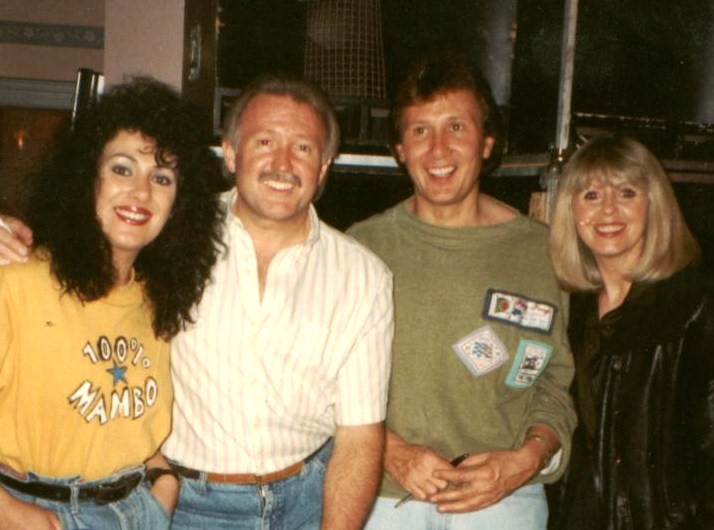
Having finished second on three further occasions in the 1970s – with Mary Hopkin in 1970, The New Seekers in 1972 and The Shadows in 1975 – the UK achieved its third win in 1976 with Brotherhood of Man and "Save Your Kisses for Me", who won with 164 points, which would remain the highest points total for ten years. In 1977, the UK finished second for the tenth time, represented by singer-songwriters Lynsey de Paul and Mike Moran.
1980s and 1990s

.jpg)
The UK's fourth victory came in 1981, with Bucks Fizz and "Making Your Mind Up". The group was created especially for the UK televised selection contest, A Song for Europe (a programme which in later years would be renamed to Making Your Mind Up). At Eurovision in Dublin, they defeated Germany's Lena Valaitis by four points. The group went on to continued success, with 13 UK top 40 hits over the next five years. This would be the last UK win for 16 years, although the country continued to be competitive at the contest with four more second-place results during this time. In 1988, Scott Fitzgerald lost to Celine Dion, who was representing Switzerland, by just one point. In 1989, Live Report lost out to Yugoslavia by seven points. Michael Ball in 1992, also finished second, behind Linda Martin of Ireland. The 1993 entry, Sonia, had already had ten UK top 30 hits, including a 1989 number one with "You'll Never Stop Me Loving You", when she was selected to represent the UK in Millstreet. She finished second to Ireland's Niamh Kavanagh, who won by 23 points. Despite only finishing eighth in the 1996 contest, Gina G went on to huge success with her entry "Ooh Aah... Just a Little Bit", which became only the second non-winning UK entry to top the UK Singles Chart. It also reached the top 20 of the US Billboard Hot 100 and received a Grammy nomination for Best Dance Recording. The UK's fifth victory came in 1997, when Katrina and the Waves, famous for their 1980s hit "Walking on Sunshine", comfortably won the contest with the song "Love Shine a Light". They scored 227 points, which would remain the highest points total of the pre-semi-final era. At the 1998 contest in Birmingham, Imaani achieved the UK's 15th second-place finish and 20th top two result, with the song "Where Are You?", losing to Israel's Dana International. The UK would not finish in the top two again for 24 years.
21st century
The UK has fared less well in the contest in the 21st century. After girl-group Precious finished 12th in 1999, the UK regularly placed in the bottom half of the scoreboard, with a few exceptions. In the 2000s, those exceptions were Jessica Garlick in 2002, who finished joint third with the song "Come Back", and Jade Ewen in 2009, who was praised for ending the country's poor run of results for much of the decade, by finishing fifth with the song "It's My Time". In 2003, the UK finished last in the final for the first time with the duo Jemini, who received the infamous nul points. The country then finished last on two further occasions over the next seven years, with Andy Abraham, who received 14 points in 2008, and Josh Dubovie, who received 10 points in 2010.
In 2011, the BBC announced that it would forgo the national selection and instead internally select the next representative, eventually selecting the boy band Blue to represent the UK. They finished 11th with 100 points. In 2012, the UK were facing calls to quit the contest when the UK entry, Engelbert Humperdinck, finished 25th (out of 26) with only 12 points. However, the UK confirmed its participation in the 2013 contest, with the Welsh singer Bonnie Tyler, best known for her 1983 US and UK number one hit "Total Eclipse of the Heart", representing the country with her song "Believe in Me". In Malmö, she finished 19th with 23 points.
In 2014, the BBC internally selected unknown singer Molly Smitten-Downes, through BBC Introducing, which supports new and unsigned acts. She represented the UK in Copenhagen under her mononym Molly. In the final, she performed the song "Children of the Universe", which she co-wrote with Anders Hansson and finished in 17th place with 40 points, having been regarded as one of the favourites to win the contest. In October 2014, Guy Freeman stated that the BBC were still engaging with record companies and the BBC Introducing platform in order to find an entry for the 2015 contest via the internal selection process, but announced that in addition, for the first time since 2008, it would be giving the general public the option to submit an entry for consideration. Ultimately, the entry for 2015 came through open submission, with the song "Still in Love with You" performed by the duo Electro Velvet finishing in 24th place with five points.
On 30 September 2015, the BBC confirmed the national selection show would return in 2016. Six acts competed in the national final on 26 February and the winner was selected entirely through a public vote, consisting of televoting and online voting. "You're Not Alone" performed by Joe and Jake won the national final broadcast live on BBC Four. In the final, they came 24th with 62 points in total. Of these only 8 were from the public vote, the second lowest public score, following 0 to the Czech Republic. In spite of the disappointing result, the BBC announced the national final format would be retained for 2017. Six acts again participated in the final, which was held on 27 January 2017. It was broadcast on BBC Two as opposed to BBC Four the previous year, and the winner was determined by a combination of scores from a professional jury and televoting (including votes cast online). Former X Factor contestant Lucie Jones won the show and earned the right to represent the UK at the 2017 contest in Kyiv, with the song "Never Give Up on You", becoming the 60th UK Eurovision entry. The song was praised for its impressive staging, and finished 15th in the final with a combined score of 111 points, finishing 10th in the jury vote with 99 points and 20th in the televote with 12 points. In 2018, "Storm" by SuRie was selected by the public to represent the UK. Her performance during the final was marred by an invader who ran onstage halfway through the song and grabbed her microphone, interrupting her performance; however, she was able to complete her performance. She finished in 24th with a combined score of 48. Michael Rice's song "Bigger than Us" was selected by the public to represent the UK in 2019. It finished in 26th place in the final after amassing 11 points, marking the fourth time since the turn of the century that the UK had finished last.
Ahead of the 2020 contest, the BBC stated that it would return to internally selecting its representative, in collaboration with record label BMG. James Newman was chosen as the entrant with his song "My Last Breath"; however, the 2020 contest was cancelled due to the COVID-19 pandemic. The BBC subsequently announced that BBC Studios would produce Eurovision: Come Together, a replacement show for BBC One featuring classic Eurovision performances, interviews and a look at the entries that would have taken part in 2020. The show was part of the BBC's plan to "entertain the nation in time of need". The contest returned in , with Newman being selected again with a new song, "Embers". However, the song finished in last place and became the second UK entry to receive nul points (also the first full nul points since the 2016 voting system was first implemented).
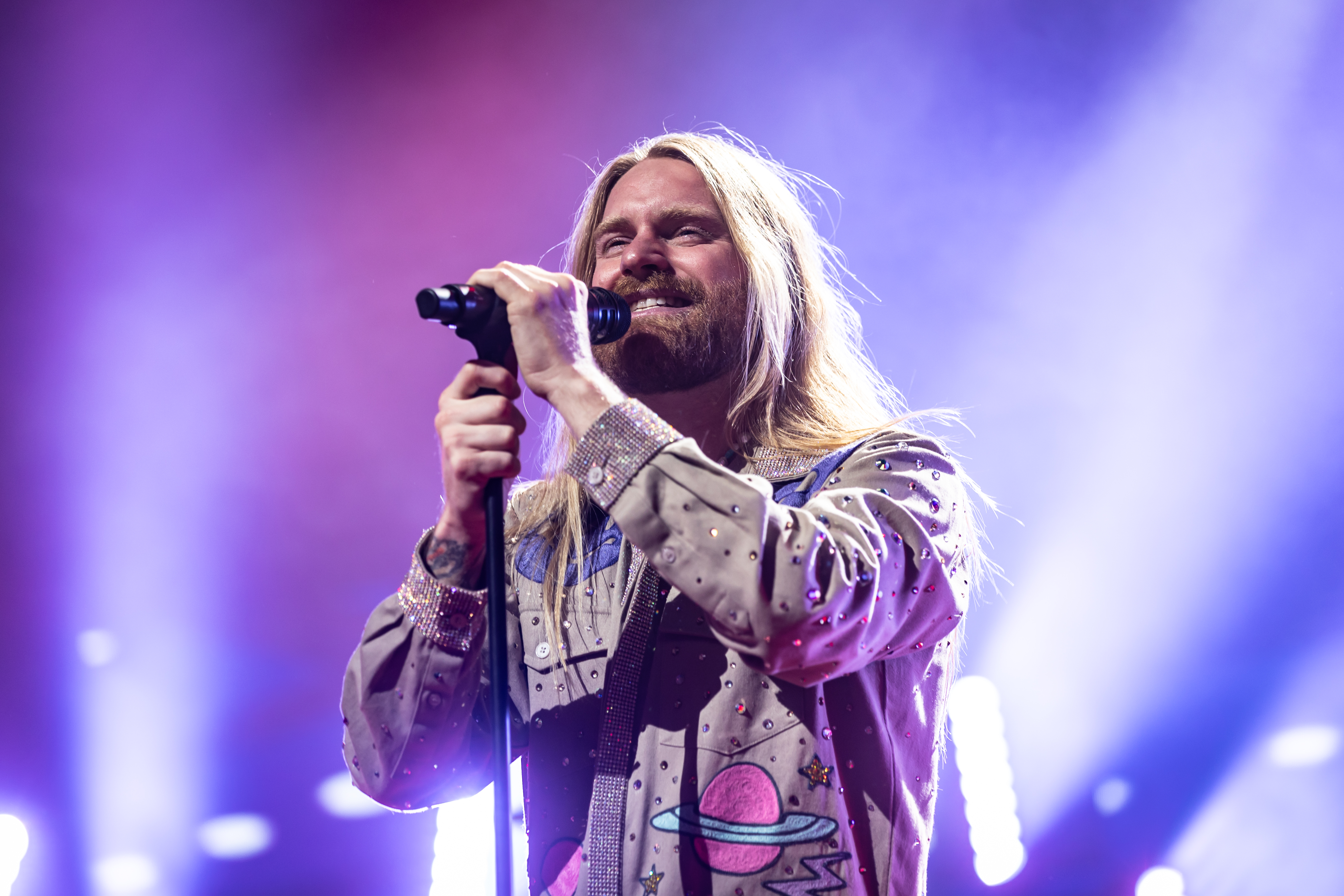
For the 2022 contest, the BBC retained the internal selection format, this time working in partnership with TaP Music. Sam Ryder and his song "Space Man" were selected for the contest and went on to place second with 466 points, the best result achieved by the UK since 1998, earning the most points in the jury vote, and the most points ever received for a UK entry. Ryder also won the Marcel Bezençon Award in the Press category, becoming the first ever UK act to receive the award since its inception in 2002. He was praised by the media for his positive attitude and desire to change the UK public and press' perception of the contest.
The BBC continued its partnership with TaP Music for the 2023 contest, after the success of 2022. However, they were unable to replicate the previous year's success, with Mae Muller and her entry "I Wrote a Song" finishing in 25th place on home soil in Liverpool, with 24 points in total. Later that year, TaP Music announced that it would end its partnership with the BBC. Former Years & Years frontman Olly Alexander with "Dizzy" finished 18th in 2024, receiving 46 points, all from the juries. Girl group Remember Monday with "What the Hell Just Happened?" placed 19th in 2025, receiving 88 points, placing in 10th for jury points, however they failed to receive any points from the public vote placing in last in public votes alongside hosts Switzerland. It was the second year in a row that the United Kingdom received 0 points from the public vote.
On 24 January 2024, the BBC announced that a number of series' tender rights would be put up for auction as part of the corporation's "Competitive Tender" policy, allowing third-parties to bid on producing the programme. On 9 August, it was announced that BBC Studios had retained the tender to produce the UK live coverage for two years starting in May 2026. In the event that the UK wins during the validity of this tender, as host broadcaster, the BBC would run a separate tender to select the producer of a UK-hosted contest.
United Kingdom and the "Big Five"
In , a rule change allowed the United Kingdom, along with , , and , to automatically qualify for the final (irrespective of their recent scores and without entering a semi-final), due to their participating broadcasters being the largest financial contributors to the EBU. Due to their untouchable status in the contest, these countries became known as the "Big Four" (which became the "Big Five" in following the return of to the contest).
In 2008, it was reported that the "Big Four" could lose their status and be forced to compete in the semi-finals; however, this never materialised, and the rule remained in place. In the same year, the BBC defended using money from TV licence fee payers for the contest when Liberal Democrat MP Richard Younger-Ross had tabled a Commons motion which called on the corporation to withdraw its £173,000 funding for the annual contest. Former Eurovision commentator Sir Terry Wogan, that same year, also claimed that the show is "no longer a music contest" after the final of that year's edition ended.
Selection process
Main article: UK national selection for the Eurovision Song Contest
As well as broadcasting the contest each year, the BBC also organises the selection process for the entry, often with a televised national final (historically titled A Song for Europe). The process has varied between selecting both performer and song, or just the song, with the artist being selected internally.
For most years the public has been able to vote for the winner, in the past with postcard voting, where the viewers sent postcards with their vote to the BBC, but more recently televoting and online. In 2009 and 2010, the singer was chosen by a public vote and the song internally selected. From 2011 to 2015, there was no televised selection, and both the artist and song were selected internally by the BBC. This resulted in the national selection process being suspended; however, this returned in 2016, re-titled Eurovision: You Decide, with viewers once again choosing which song to enter into the contest. Since 2017, the votes from a professional jury panel have been combined with the public vote to select the winner. The televised selection process was suspended again in September 2019, with the BBC returning to internally selecting its entry (in partnership with BMG in 2020 and 2021, and with TaP Music in 2022 and 2023).
Participation overview
Below is a list of all songs and their respective performers that have represented the United Kingdom in the contest:
| † | Upcoming event |
|---|
| Year | Artist | Song | Language | Final | Points | Semi | Points |
|---|---|---|---|---|---|---|---|
| Patricia Bredin | "All" | English | 7 | 6 | No semi-finals}} | ||
| Pearl Carr and Teddy Johnson | "Sing Little Birdie" | English | 2 | 16 | |||
| Bryan Johnson | "Looking High, High, High" | English | 2 | 25 | |||
| The Allisons | "Are You Sure?" | English | 2 | 24 | |||
| Ronnie Carroll | "Ring-A-Ding Girl" | English | 4 | 10 | |||
| Ronnie Carroll | "Say Wonderful Things" | English | 4 | 28 | |||
| Matt Monro | "I Love the Little Things" | English | 2 | 17 | |||
| Kathy Kirby | "I Belong" | English | 2 | 26 | |||
| Kenneth McKellar | "A Man Without Love" | English | 9 | 8 | |||
| Sandie Shaw | "Puppet on a String" | English | 1 | 47 | |||
| Cliff Richard | "Congratulations" | English | 2 | 28 | |||
| Lulu | "Boom Bang-a-Bang" | English | 1 | 18 | |||
| Mary Hopkin | "Knock, Knock (Who's There?)" | English | 2 | 26 | |||
| Clodagh Rodgers | "Jack in the Box" | English | 4 | 98 | |||
| The New Seekers | "Beg, Steal or Borrow" | English | 2 | 114 | |||
| Cliff Richard | "Power to All Our Friends" | English | 3 | 123 | |||
| Olivia Newton-John | "Long Live Love" | English | 4 | 14 | |||
| The Shadows | "Let Me Be the One" | English | 2 | 138 | |||
| Brotherhood of Man | "Save Your Kisses for Me" | English | 1 | 164 | |||
| Lynsey de Paul and Mike Moran | "Rock Bottom" | English | 2 | 121 | |||
| Co-Co | "The Bad Old Days" | English | 11 | 61 | |||
| Black Lace | "Mary Ann" | English | 7 | 73 | |||
| Prima Donna | "Love Enough for Two" | English | 3 | 106 | |||
| Bucks Fizz | "Making Your Mind Up" | English | 1 | 136 | |||
| Bardo | "One Step Further" | English | 7 | 76 | |||
| Sweet Dreams | "I'm Never Giving Up" | English | 6 | 79 | |||
| Belle and the Devotions | "Love Games" | English | 7 | 63 | |||
| Vikki | "Love Is" | English | 4 | 100 | |||
| Ryder | "Runner in the Night" | English | 7 | 72 | |||
| Rikki | "Only the Light" | English | 13 | 47 | |||
| Scott Fitzgerald | "Go" | English | 2 | 136 | |||
| Live Report | "Why Do I Always Get It Wrong" | English | 2 | 130 | |||
| Emma | "Give a Little Love Back to the World" | English | 6 | 87 | |||
| Samantha Janus | "A Message to Your Heart" | English | 10 | 47 | |||
| Michael Ball | "One Step Out of Time" | English | 2 | 139 | |||
| Sonia | "Better the Devil You Know" | English | 2 | 164 | Kvalifikacija za Millstreet}} | ||
| Frances Ruffelle | "We Will Be Free (Lonely Symphony)" | English | 10 | 63 | No semi-finals}} | ||
| Love City Groove | "Love City Groove" | English | 10 | 76 | |||
| Gina G | "Ooh Aah... Just a Little Bit" | English | 8 | 77 | 3 | 153 | |
| Katrina and the Waves | "Love Shine a Light" | English | 1 | 227 | No semi-finals}} | ||
| Imaani | "Where Are You?" | English | 2 | 166 | |||
| Precious | "Say It Again" | English | 12 | 38 | |||
| Nicki French | "Don't Play That Song Again" | English | 16 | 28 | |||
| Lindsay Dracass | "No Dream Impossible" | English | 15 | 28 | |||
| Jessica Garlick | "Come Back" | English | 3 | 111 | |||
| Jemini | "Cry Baby" | English | 26 ◁ | 0 | |||
| James Fox | "Hold On to Our Love" | English | 16 | 29 | Member of the "Big Four"}} | ||
| Javine | "Touch My Fire" | English | 22 | 18 | |||
| Daz Sampson | "Teenage Life" | English | 19 | 25 | |||
| Scooch | "Flying the Flag (For You)" | English | 22 | 19 | |||
| Andy Abraham | "Even If" | English | 25 ◁ | 14 | |||
| Jade Ewen | "It's My Time" | English | 5 | 173 | |||
| Josh Dubovie | "That Sounds Good to Me" | English | 25 ◁ | 10 | |||
| Blue | "I Can" | English | 11 | 100 | Member of the "Big Five"}} | ||
| Engelbert Humperdinck | "Love Will Set You Free" | English | 25 | 12 | |||
| Bonnie Tyler | "Believe in Me" | English | 19 | 23 | |||
| Molly | "Children of the Universe" | English | 17 | 40 | |||
| Electro Velvet | "Still in Love with You" | English | 24 | 5 | |||
| Joe and Jake | "You're Not Alone" | English | 24 | 62 | |||
| Lucie Jones | "Never Give Up on You" | English | 15 | 111 | |||
| SuRie | "Storm" | English | 24 | 48 | |||
| Michael Rice | "Bigger than Us" | English | 26 ◁ | 11 | |||
| James Newman | "My Last Breath" | English | Contest cancelled}} X | ||||
| James Newman | "Embers" | English | 26 ◁ | 0 | |||
| Sam Ryder | "Space Man" | English | 2 | 466 | |||
| Mae Muller | "I Wrote a Song" | English | 25 | 24 | Member of the "Big Five" | ||
| Host country}} | |||||||
| Olly Alexander | "Dizzy" | English | 18 | 46 | Member of the "Big Five"}} | ||
| Remember Monday | "What the Hell Just Happened?" | English | 19 | 88 | |||
| Confirmed intention to participate † | Member of the "Big Four"}} |
''Congratulations: 50 Years of the Eurovision Song Contest''
Although the United Kingdom was entered twice into Congratulations: 50 Years of the Eurovision Song Contest, with Cliff Richard's 1968 runner-up entry "Congratulations" and Brotherhood of Man's 1976 winning song "Save Your Kisses for Me", the BBC decided not to air the event or participate in the voting, but instead aired an hour-long special programme in May 2006, titled Boom Bang-a-Bang: 50 Years of Eurovision and hosted by Terry Wogan. The programme featured archive footage and highlights of past contests, along with a performance of that year's UK entry by Daz Sampson.
| Artist | Song | Language | At Congratulations | At Eurovision | Final | Points | Semi | Points | Year | Place | Points |
|---|---|---|---|---|---|---|---|---|---|---|---|
| Cliff Richard | "Congratulations" | English | Failed to qualify}} | 8 | 105 | 2 | 28 | ||||
| Brotherhood of Man | "Save Your Kisses for Me" | English | 5 ◁ | 230 | 5 | 154 | 1 | 164 |
''Eurovision: Come Together''
Following the cancellation of the due to the COVID-19 pandemic, the BBC decided to host Eurovision: Come Together, a competitive special on the night of what would have been the 2020 final. The show was broadcast just before the EBU's main replacement show Eurovision: Europe Shine a Light. An expert panel selected the 19 competing entries, four of which were UK entries.
Hostings
The United Kingdom has hosted the Eurovision Song Contest a record nine times. The BBC stepped in and hosted the contest for the in , in , in and in due to the winning countries' financial and capacity issues, and for in due to the Russian invasion of the country. On four occasions (1968, 1977, 1982, and 1998) the UK was given the right to host as a result of a victory. The BBC offered to joint host the contest in Belfast, Northern Ireland with Irish broadcaster RTÉ, but ultimately RTÉ decided to stage the event solo.
| Year | Location | Venue | Executive producer | Director | Musical director | Presenter(s) | Ref. | |||
|---|---|---|---|---|---|---|---|---|---|---|
| London | Royal Festival Hall | Harry Carlisle | Innes Lloyd | Eric Robinson | Katie Boyle | title=London 1960 | url=https://eurovision.tv/event/london-1960 | publisher=European Broadcasting Union (EBU) | access-date=27 December 2023}} | |
| BBC Television Centre | Yvonne Littlewood | title=London 1960 | url=https://eurovision.tv/event/london-1963 | publisher=European Broadcasting Union (EBU) | access-date=27 December 2023}} | |||||
| Royal Albert Hall | Tom Sloan | Stewart Morris | Norrie Paramor | title=London 1960 | url=https://eurovision.tv/event/london-1968 | publisher=European Broadcasting Union (EBU) | access-date=27 December 2023}} | |||
| Edinburgh | Usher Hall | Bill Cotton | Terry Hughes | Malcolm Lockyer | Moira Shearer | title=Edinburgh 1972 | url=https://eurovision.tv/event/edinburgh-1972 | publisher=European Broadcasting Union (EBU) | access-date=27 December 2023}} | |
| Brighton | Brighton Dome | Michael Hurll | Ronnie Hazlehurst | Katie Boyle | title=Brighton 1974 | url=https://eurovision.tv/event/brighton-1974 | publisher=European Broadcasting Union (EBU) | access-date=27 December 2023}} | ||
| London | Wembley Conference Centre | Stewart Morris | Angela Rippon | title=London 1977 | url=https://eurovision.tv/event/london-1977 | publisher=European Broadcasting Union (EBU) | access-date=27 December 2023}} | |||
| Harrogate | Harrogate International Centre | Michael Hurll | Jan Leeming | title=Harrogate 1982 | url=https://eurovision.tv/event/harrogate-1982 | publisher=European Broadcasting Union (EBU) | access-date=27 December 2023}} | |||
| Birmingham | National Indoor Arena | Kevin Bishop | Geoff Posner | Martin Koch | Terry Wogan and Ulrika Jonsson | title=Birmingham 1998 | url=https://eurovision.tv/event/birmingham-1998 | publisher=European Broadcasting Union (EBU) | access-date=27 December 2023}} | |
| Liverpool | Liverpool Arena | Andrew Cartmell | Nikki Parsons, Richard Valentine and Ollie Bartlett | Alesha Dixon, Hannah Waddingham and Julia Sanina (all shows) and Graham Norton (final) | title=Liverpool 2023 | url=https://eurovision.tv/event/liverpool-2023 | publisher=European Broadcasting Union (EBU) | access-date=27 December 2023}} |
In addition to the contest proper, the United Kingdom hosted Eurovision Song Contest's Greatest Hits, a special concert programme to commemorate the contest's 60th anniversary, at the Hammersmith Apollo in London. Guy Freeman served as executive producer, Geoff Posner was the show's director, and Graham Norton and Petra Mede served as presenters. The show was recorded on 31 March 2015 and was broadcast in 26 countries, starting with the UK and Ireland on 3 April. It was watched by 1.89 million viewers in the UK with a market share of 9.5%.
Awards
AP Awards
| Year | Category | Song | Performer(s) | Place | Points | Host city |
|---|---|---|---|---|---|---|
| Composer Award | "Hold Onto Our Love" | James Fox | 16 | 29 | Turkey Istanbul |
Marcel Bezençon Awards
| Year | Category | Song | Composer(s) | |||||
|---|---|---|---|---|---|---|---|---|
| lyrics (l) / music (m) | Performer | Final | Points | Host city | Ref. | |||
| Press Award | "Space Man" | Sam Ryder, Amy Wadge, Max Wolfgang (m&l) | Sam Ryder | 2 | 466 | Italy Turin |
Separate entrants
Main article: List of countries in the Eurovision Song Contest#Scotland, List of countries in the Eurovision Song Contest#Wales
For several years, the Scottish National Party (SNP) has campaigned for a place in the Eurovision Song Contest for Scotland but had been rejected numerous times, as Scotland is represented as a part of the British entry and is represented by the BBC.
On 11 February 2008, the EBU stated that a Scottish broadcaster could apply for EBU membership, but under the current rules could not enter the Eurovision Song Contest as the BBC currently has exclusive rights to represent the entire United Kingdom. It was announced in late May 2008 that the UK would be participating in the 2009 contest and, therefore, Scotland was not represented in 2009 as a separate entrant.
Scotland could be represented by STV, ITV Border or BBC Scotland. MEP Alyn Smith has said in the European Parliament: "Other small countries have done it [entered the competition] and I will be happy to help any of the broadcasting companies through the progress."
In 2011, the EBU stated that there was nothing to prevent Scotland from submitting its own entry, although STV stated that there were no current plans for a separate entry.
If Scotland were to participate, it is unknown whether or not England, Wales and Northern Ireland would show any interest in entering the Eurovision Song Contest independently as well, although S4C (the Welsh language media channel) has expressed an interest and, in addition, already holds a yearly national song contest called Cân i Gymru (Song for Wales). S4C also considered a bid for the Junior Eurovision Song Contest 2008 but decided not to go ahead. Wales eventually made its Junior Eurovision debut in . In 2009, MEP for Wales Jillian Evans stated her interest in securing Wales a place in the Eurovision Song Contest 2010. Wales could be represented by either BBC Cymru Wales, ITV Wales & West or S4C. There is a small campaign in Northern Ireland for a separate entrant and it could be represented by UTV or BBC Northern Ireland. There are no current plans for England to enter separately.
However, to date, these proposed changes have not occurred, and the United Kingdom still participates in the Eurovision Song Contest as a single entrant. In the run-up to the 2014 Scottish independence referendum, it was unknown what would happen if Scotland were to become an independent country. On 25 November 2013, the Scottish government released a referendum blueprint, which detailed plans for the transfer of BBC Scotland into a Scottish Broadcasting Service (SBS) and EBU membership, as well as participation in competitions, including Scottish entries in the Eurovision Song Contest. However, the referendum result on 18 September 2014 was to remain part of the UK, and the aforementioned BBC retains exclusive rights to represent the UK, including Scotland.
Since 2006, Gibraltar has been attempting to gain EBU membership through broadcaster Gibraltar Broadcasting Corporation (GBC) and thus participate independently in the Eurovision Song Contest. However, GBC cannot obtain EBU membership due to the British Overseas Territories not being independent from the UK. Gibraltar broadcast the final of the contest from to .
Photo gallery
File:Eurovisie Songfestival 1962 te Luxemburg, voor Engeland Ronnie Carroll, Bestanddeelnr 913-6611.jpg|Ronnie Carroll in Luxembourg () File:Eurovision Song Contest 1965 - Kathy Kirby.jpg|Kathy Kirby in Naples () File:Eurovision Song Contest 1976 rehearsals - United Kingdom - Brotherhood of Man 20.jpg|Brotherhood of Man in The Hague () File:ESC 2007 UK Scooch - Flying the flag (for you).jpg|Scooch in Helsinki () File:Andy Abraham - ESC 2008.jpg|Andy Abraham in Belgrade () File:Esc Jade Louise Ewen.jpg|Jade Ewen in Moscow () File:UK rehearsals Eurovision 2010 2.jpg|Josh Dubovie in Oslo () File:Blue eurovision 2011 uk.jpg|Blue in Düsseldorf () File:Bonnie Tyler ESC - United Kingdom 01 crop.JPG|Bonnie Tyler in Malmö () File:Molly, ESC2014 press conference 04 (crop).jpg|Molly in Copenhagen () File:20150520 ESC 2015 Electro Velvet 9139.jpg|Electro Velvet in Vienna () File:ESC2016 - United Kingdom 04 (crop).jpg|Joe and Jake in Stockholm () File:Lucie Jones Eurovision 2017.jpg|Lucie Jones in Kyiv () File:SuRie (United Kingdom 2018).jpg|SuRie in Lisbon () File:ESC2019-UK.jpg|Michael Rice in Tel Aviv () File:Eurovision 2023 - Jury Semi-final 2 - United Kingdom - Mae Muller (03).jpg|Mae Muller in Liverpool () File:Olly Alexander Eurovision Song Contest 2024 Final Malmö dress rehearsal semi 1.jpg|Olly Alexander in Malmö () File:Rememeber Monday at ESC2025 for United Kingdom 18.jpg|Remember Monday in Basel ()
References
- (11 January 2017). "Shining a light on the United Kingdom: 60 Years at Eurovision". European Broadcasting Union.
- West, Chris. (2017). "Eurovision! A History of Modern Europe Through the World's Greatest Song Contest". Melville House.
- "Shining a light on the United Kingdom: 60 Years at Eurovision". [[European Broadcasting Union]].
- Lawson, Mark. (27 May 2012). "A belligerent Eurovision night fit for a broken Europe". (The Guardian).
- "Bonnie Tyler". Eurovision Song Contest.
- "2013 results". Eurovision.tv.
- "Molly Smitten-Downes to represent the UK". Eurovision.tv.
- Freeman, Guy. (6 October 2014). "Looking forward to 2015". British Broadcasting Company.
- "BBC launches open selection for 2015 British entry". Eurovision.tv.
- "Electro Velvet to represent the UK at Eurovision". BBC News.
- (30 September 2015). "Public to help choose UK Eurovision entry - BBC News". [[BBC News Online]].
- (26 February 2016). "Joe & Jake to represent the United Kingdom in Stockholm". [[European Broadcasting Union]].
- (15 May 2016). "Eurovision Song Contest: Ukraine's Jamala wins competition". BBC News.
- (6 October 2016). "Eurovision – UK 2017 song entry now open!". BBC Media Centre.
- (28 January 2017). "Eurovision: X Factor singer Lucie Jones to represent UK". BBC News.
- Roxburgh, Gordon. (27 January 2017). "Lucie Jones becomes the 60th entry for the United Kingdom". [[European Broadcasting Union]].
- (13 May 2017). "Eurovision 2017: Portugal's ballad wins contest". BBC News.
- (8 February 2018). "UK's Eurovision 2018 act chosen".
- (12 May 2018). "Stage stormed during UK's Eurovision song". BBC News.
- (8 February 2019). "Eurovision 2019: Why Michael Rice believes he can break the UK's losing streak". BBC News.
- "UK Eurovision entrant 'wouldn't change a thing'". BBC News.
- (2020-02-27). "Eurovision 2020: James Newman announced as United Kingdom's entry". BBC News.
- "BBC - BBC entertains the nation in time of need - Media Centre".
- (2021-05-26). "Eurovision 2021: James Newman on coming last for the UK". BBC News.
- (2022-05-14). "Ukraine's Kalush Orchestra wins Eurovision Song Contest 2022!".
- (2022-05-14). "2022 Marcel Bezençon Award Winners".
- Savage, Mark. (2022-05-15). "Eurovision 2022: How Sam Ryder turned things around for the UK". [[BBC News]].
- (2022-09-08). "BBC will work with TaP Music on Eurovision 2023 entry".
- (2023-05-14). "Mae Muller: Why did the UK do so badly at Eurovision?". BBC News.
- Stephenson, James. (1 August 2023). "🇬🇧 United Kingdom: TaP Music Ends Eurovision Partnership with BBC".
- (2024-05-12). "Eurovision 2024: Switzerland's Nemo wins as UK comes 18th".
- "Next BBC titles announced to be put out to competitive tender".
- (9 August 2024). "BBC Studios retains the contract to produce UK coverage of Eurovision until 2028".
- O'Connor, John Kennedy. (2005). "The Eurovision Song Contest 50 Years The Official History". Carlton Books Limited.
- Bakker, Sietse. (2010-12-31). "43 nations on 2011 participants list". Eurovision.tv.
- Murray, Gavin. (2008-05-28). "Big 4 (France: Germany; Spain; United Kingdom): May lose automatic place in Eurovision final". ESCToday.
- Viniker, Barry. (2008-09-14). "Eurovision 'Big Four' final spots confirmed". ESCToday.
- Kilkelly, Daniel. (2008-05-26). "BBC defends Eurovision funding".
- (16 September 2019). "BBC drops Eurovision selection public vote". BBC News.
- (2021-10-20). "Eurovision 2022 Plans Outlined for United Kingdom".
- "Tap Music launch talent search for the UK's Eurovision 2022 song and act".
- (8 September 2022). "UK delegation outlines plans for song and act at Eurovision Song Contest 2023". BBC Media Centre.
- "United Kingdom in the Eurovision Song Contest".
- (2024-08-09). "BBC Studios retains the contract to produce UK coverage of Eurovision until 2028".
- (25 July 2022). "United Kingdom to host Eurovision Song Contest 2023". European Broadcasting Union.
- O'Connor, John Kennedy. (2007). "The Eurovision Song Contest: The Official History". [[Carlton Books]].
- "London 1960". [[European Broadcasting Union]] (EBU).
- "London 1960". [[European Broadcasting Union]] (EBU).
- "London 1960". [[European Broadcasting Union]] (EBU).
- "Edinburgh 1972". [[European Broadcasting Union]] (EBU).
- "Brighton 1974". [[European Broadcasting Union]] (EBU).
- "London 1977". [[European Broadcasting Union]] (EBU).
- "Harrogate 1982". [[European Broadcasting Union]] (EBU).
- "Birmingham 1998". [[European Broadcasting Union]] (EBU).
- "Liverpool 2023". [[European Broadcasting Union]] (EBU).
- (5 February 2015). "Official: London to host Eurovision's 60th Anniversary Event". [[European Broadcasting Union]] (EBU).
- (3 February 2015). "Official: London to host Eurovision's 60th anniversary event". European Broadcasting Union.
- Granger, Anthony. (4 April 2015). "United Kingdom: Greatest Hits Brings In Just 1.9 Million Viewers".
- (2022-05-14). "2022 Marcel Bezençon Award Winners".
- (2012). "Songs for Europe: The United Kingdom at the Eurovision Song Contest". [[Telos Publishing]].
- (2014). "Songs for Europe: The United Kingdom at the Eurovision Song Contest". [[Telos Publishing]].
- (2016). "Songs for Europe: The United Kingdom at the Eurovision Song Contest". [[Telos Publishing]].
- "Heads of Delegation". [[European Broadcasting Union]] (EBU).
- Granger, Anthony. (2 December 2018). "United Kingdom: Andrew Cartmell Revealed as Head of Delegation".
- Weaver, Jessica. (13 January 2018). "United Kingdom: Head of Delegation Guy Freeman to leave BBC next month".
- Farren, Neil. (24 October 2018). "United Kingdom: Helen Riddell Steps Down as Head of Delegation".
- (2023-03-09). "Mae Muller set to represent United Kingdom at Eurovision 2023 with I Wrote A Song". BBC.
- Solano, Cristhian. (2024-01-09). "RTVE presenta la identidad de los jurados del Benidorm Fest 2024". ESCplus España.
- "United Kingdom confirms artist and song plans for Eurovision 2025".
- Jiandani, Sanjay. (30 July 2013). "UK: Interview with Gina G [part 1]". ESCToday.
- (16 May 2009). "Jade delighted at top five finish". [[Daily Express]].
- (20 March 2023). "Sam Ryder's Eurovision costume to go on display in Liverpool". [[ITV (TV Network).
- [http://eurovisionarchive.members.beeb.net/trivia.htm Trivia] {{webarchive. link. (May 9, 2008)
- Fletcher, Alex. (2008-08-12). "Terry Wogan quits Eurovision role".
- "Eurovision: Norton to replace Wogan". BBC.
- (25 May 2002). "Des and Mick Online - TV & Radio - Eurovision".
- (2023-04-19). "Eurovision Song Contest 2023 on the BBC". BBC.
- (17 January 2016). "BBC Four takes over Eurovision coverage". a516digital.com.
- Lake, Sophie. (25 August 2023). "BBC boss confirms that semi finals will continue to air on BBC One in 2024".
- "BBC Radio 2 Eurovision Returns!". BBC Eurovision.
- (18 May 1956). "Thursday 24 May – Television".
- (3 March 1957). "Television Programmes – 3 March".
- (16 March 1958). "Television Programmes – Sunday Afternoon".
- (6 March 1959). "Television Programmes – Wednesday Evening".
- (27 March 1960). "Eurovision Song Contest Grand Prix 1960".
- (18 March 1961). "Eurovision Song Contest Grand Prix 1961".
- (17 March 1962). "Eurovision Song Contest Grand Prix 1962".
- (23 March 1963). "Eurovision Song Contest Grand Prix 1963".
- (21 March 1964). "Eurovision Song Contest Grand Prix 1964".
- (20 March 1965). "Eurovision Song Contest Grand Prix 1965 – BBC1".
- (5 March 1966). "Eurovision Song Contest Grand Prix 1966 – BBC1".
- (8 April 1967). "Eurovision Song Contest: Grand Prix 1967".
- (6 April 1968). "Eurovision Song Contest – BBC2".
- (6 April 1968). "Eurovision Song Contest – BBC1".
- (6 April 1968). "as Radio 2 – BBC Radio 1".
- (6 April 1968). "Eurovision Song Contest – BBC Radio 2".
- (29 March 1969). "Eurovision Song Contest: Grand Prix 1969 – BBC1".
- (29 March 1969). "Eurovision Song Contest – BBC Radio 1".
- (29 March 1969). "as Radio 1 – BBC Radio 2".
- (21 March 1970). "Eurovision Song Contest – BBC1".
- (21 March 1970). "Eurovision Song Contest Grand Prix 1970 – BBC Radio 1".
- (21 March 1970). "as Radio 1 – BBC Radio 2".
- (3 April 1971). "The Eurovision Song Contest for the Grand Prix 1971 – BBC1".
- (3 April 1971). "Radio 1 joins Radio 2 – BBC Radio 1".
- (3 April 1971). "Eurovision Song Contest Grand Prix 1971 – BBC Radio 2".
- (25 March 1972). "Eurovision Song Contest 1972 – BBC1". [[Radio Times]].
- (25 March 1972). "Radio 2 – BBC Radio 1". Radio Times.
- (25 March 1972). "Eurovision Song Contest 1972 – BBC Radio 2". Radio Times.
- (7 April 1973). "Eurovision Song Contest 1973 – BBC1".
- (7 April 1973). "Eurovision Song Contest 1973 – BBC Radio 2".
- (7 April 1973). "as Radio 2 – BBC Radio 1".
- (6 April 1974). "Eurovision Song Contest 1974 – BBC1".
- (6 April 1974). "Eurovision Song Contest 1974 – BBC Radio 2".
- (6 April 1974). "as Radio 2 – BBC Radio 1".
- (22 March 1975). "Eurovision Song Contest 1975 – BBC1".
- (22 March 1975). "Eurovision Song Contest 1975 – BBC Radio 2".
- (22 March 1975). "as Radio 2 – BBC Radio 1".
- (3 April 1976). "Eurovision Song Contest – BBC1". [[Radio Times]].
- (3 April 1976). "as Radio 2 – BBC Radio 1".
- (3 April 1976). "Eurovision Song Contest 1976 – BBC Radio 2".
- (7 May 1977). "Eurovision Song Contest 1977 – BBC1".
- (7 May 1977). "as Radio 2 – BBC Radio 1".
- (7 May 1977). "Eurovision Song Contest 1977 – BBC Radio 2".
- (22 April 1978). "Eurovision Song Contest 1978 – BBC1". [[Radio Times]].
- (22 April 1978). "as Radio 2 – BBC Radio 1". Radio Times.
- (22 April 1978). "Eurovision Song Contest 1978 – BBC Radio 2". Radio Times.
- (31 March 1979). "Eurovision Song Contest 1979 – BBC1". [[Radio Times]].
- (31 March 1979). "Eurovision Song Contest 1979 – BBC Radio 2". Radio Times.
- (19 April 1980). "Eurovision Song Contest 1980 – BBC1".
- (19 April 1980). "with Radio 2 through the night – BBC Radio 1".
- (19 April 1980). "Eurovision Song Contest – BBC Radio 2".
- (4 April 1981). "Eurovision Song Contest 1981 – BBC1".
- (4 April 1981). "Eurovision Song Contest 1981 – BBC Radio 2".
- (4 April 1981). "Broadcasting Guide". [[The Times]].
- (24 April 1982). "Eurovision Song Contest 1982 – BBC1".
- (24 April 1982). "Eurovision Song Contest – BBC Radio 2".
- (23 April 1983). "Eurovision Song Contest 1983 – BBC1".
- (5 May 1984). "Eurovision Song Contest 1984 – BBC1".
- (4 May 1985). "Eurovision Song Contest 1985 – BBC1".
- (3 May 1986). "Eurovision Song Contest – BBC1".
- (3 May 1986). "Eurovision Song Contest – BBC Radio 2".
- (3 May 1986). "Weekend television and radio programmes". [[The Times]].
- (9 May 1987). "Eurovision Song Contest 1987 – BBC1".
- (9 May 1987). "Eurovision Song Contest – BBC Radio 2".
- (30 April 1988). "Eurovision Song Contest – BBC1".
- (30 April 1988). "Eurovision Song Contest – BBC Radio 2".
- (6 May 1989). "Eurovision Song Contest – BBC One".
- (6 May 1989). "The Eurovision Song Contest – BBC Radio 2".
- (6 May 1989). "Televisie en radio". [[Limburgs Dagblad]].
- (5 May 1990). "Eurovision Song Contest 90 – BBC One".
- (5 May 1990). "TV lørdag". [[Moss Dagblad]].
- (5 May 1990). "Eurovision Song Contest – BBC Radio 2".
- (5 May 1990). "Radio en televisie zaterdag". [[Limburgs Dagblad]].
- (4 May 1991). "Eurovision Song Contest – BBC One".
- (4 May 1991). "Radio/TV". [[Finnmark Dagblad]].
- (4 May 1991). "Eurovision Song Contest – BBC Radio 2".
- (4 May 1991). "Radio en televisie zaterdag". [[Limburgs Dagblad]].
- (9 May 1992). "Eurovision Song Contest – BBC One".
- (9 May 1992). "Radio og TV". [[Oppland Arbeiderblad]].
- (9 May 1992). "Eurovision Song Contest – BBC Radio 2".
- (9 May 1992). "Fernsehen". {{ill.
- (15 May 1993). "Eurovision Song Contest – BBC One". [[Radio Times]].
- (15 May 1993). "Radio og TV". [[Nordlys]].
- (15 May 1993). "Eurovision Song Contest – BBC Radio 2". Radio Times.
- (29 May – 4 June 1993). "Your SSVC Television from BFBS". [[Penguin News.
- (30 April 1994). "Eurovision Song Contest – BBC One".
- (30 April 1994). "TV – Lørdag 30. april". [[Moss Dagblad]].
- (30 April 1994). "Eurovision Song Contest – BBC Radio 2".
- (13 May 1995). "Eurovision Song Contest – BBC One".
- (11 May 1995). "Samedi 13 mai".
- (13 May 1995). "Eurovision Song Contest – BBC Radio 2".
- (16 May 1996). "Eurovision Song Contest – BBC One".
- (16 May 1996). "Samedi 18 mai".
- (16 May 1996). "Eurovision Song Contest – BBC Radio 2".
- (3 May 1997). "The Eurovision Song Contest – BBC One".
- (3 May 1997). "Radio- og TV-Programmene – Lørdag 3. mai 1997". [[Moss Dagblad]].
- (3 May 1997). "The Eurovision Song Contest – BBC Radio 2".
- (16 May 1997). "Your BFBS Television programmes". [[Penguin News]].
- (9 May 1998). "The Eurovision Song Contest – BBC One".
- (7 May 1998). "Samedi 9 mai".
- (9 May 1998). "Eurovision Song Contest – BBC Radio 2".
- (9–15 May 1998). "Your BFBS Television programmes". [[Penguin News.
- (29 May 1999). "The Eurovision Song Contest – BBC One". [[Radio Times]].
- (27 May 1999). "Samedi 29 mai".
- (29 May 1999). "The Eurovision Song Contest – BBC Radio 2". [[Radio Times]].
- (29 May 1999). "Your BFBS Television programmes". [[Penguin News]].
- (13 May 2000). "The Eurovision Song Contest – BBC One".
- (13 May 2000). "The Eurovision Song Contest – BBC Radio 2".
- (13 May 2000). "Your BFBS Television programmes". [[Penguin News]].
- (13 May 2000). "Eurovision Song Contest 2000". {{lang.
- (12 May 2001). "The Eurovision Song Contest – BBC One".
- (12 May 2001). "The Eurovision Song Contest – BBC Radio 2".
- (12 May 2001). "Lørdag 12. mai". [[Moss Dagblad]].
- (12–17 May 2001). "BFBS Television programmes". [[Penguin News.
- Eurovision Song Contest 2001 (Television programme). Copenhagen, Denmark: DR. 12 May 2001.
- (25 May 2002). "The Eurovision Song Contest – BBC One".
- (23 May 2002). "Samedi 25 mai".
- (25 May 2002). "Liquid Eurovision Party – BBC Choice".
- (25 May 2002). "The Eurovision Song Contest – BBC Radio 2".
- (25–31 May 2002). "Your BFBS Television programmes". [[Penguin News.
- (25–31 May 2002). "Forces Radio BFBS programmes". [[Penguin News.
- (24 May 2003). "The Eurovision Song Contest – BBC One".
- (24 May 2003). "Radio & TV". [[Telemarksavisa]].
- (24 May 2003). "Eurovision Song Contest – BBC Radio 2".
- (24–30 May 2003). "Your BFBS Television programmes". [[Penguin News.
- (24–30 May 2003). "BFBS Radio 2". [[Penguin News.
- (8 May 2004). "Eurovision Song Contest Semi-final – BBC Three". [[Radio Times]].
- (23 April 2012). "Countdown to London". European Broadcasting Union.
- (15 May 2004). "The Eurovision Song Contest 2004 – BBC One". [[Radio Times]].
- (15 May 2004). "Eurovision Song Contest – BBC Radio 2". [[Radio Times]].
- (13 May 2004). "Samedi 15 mai". TV8.
- (15–21 May 2004). "BFBS Television programmes". [[Penguin News.
- (14 May 2004). "And here are the votes from… the spokespersons". ESCToday.
- (14 May 2005). "Eurovision Song Contest Semi-final – BBC Three". [[Radio Times]].
- (21 May 2005). "The Eurovision Song Contest 2005 – BBC One". [[Radio Times]].
- (19 May 2005). "Samedi 21 mai". TV8.
- (21 May 2005). "Eurovision Song Contest – BBC Radio 2". [[Radio Times]].
- (21–27 May 2005). "BFBS Television programmes". [[Penguin News.
- Philips, Roel. (2005-05-17). "The 39 spokespersons!". ESCToday.
- (13 May 2006). "The Eurovision Song Contest Semi-final – BBC Three". [[Radio Times]].
- (20 May 2006). "The Eurovision Song Contest 2006 – BBC One". [[Radio Times]].
- (18 May 2006). "Samedi 20 mai". TV8.
- (20 May 2006). "Eurovision Song Contest – BBC Radio 2". [[Radio Times]].
- (20–26 May 2006). "BFBS Television programmes". [[Penguin News.
- [http://www.esctoday.com/news/read/6200] {{webarchive. link. (June 3, 2006)
- "Eurovision 2007 Broadcast Schedule". [[BBC]].
- (2 May 2008). "Eurovision Song Contest 2008 – BBC coverage". [[BBC]].
- (24 May 2008). "Eurovision Song Contest 2008 – BBC HD". [[Radio Times]].
- (2008-05-21). "Talking Shop: Carrie Grant". BBC News.
- . (1 May 2009). ["The Eurovision Song Contest 2009 – coverage"](https://www.bbc.co.uk/pressoffice/pressreleases/stories/2009/05_may/01/eurovision2.shtml). *[[BBC]]*.
- Klier, Marcus. (2009-03-16). "Live: Draw of the running order".
- (2010-05-11). "Eurovision Song Contest 2010 – introduction". BBC.
- (2010-05-26). "Scott to speak for the UK". BBC.
- "BBC – Press Office – Sara Cox and Scott Mills front Eurovision semi-finals". BBC.
- "BBC – Eurovision Song Contest 2011". BBC.
- "The One Show".
- "BBC One – Eurovision Song Contest, 2012, Semi Final 1". BBC.
- "BBC – Eurovision Song Contest 2012". [[BBC Online]].
- "BBC – Media Centre – BBC Eurovision Song Contest Coverage 2012". [[BBC Online]].
- Roxburgh, Gordon. (26 May 2012). "Running order for the voting tonight". European Broadcasting Union.
- Noone, Alex. (7 March 2013). "United Kingdom: Ana Matronic to commentate". esctoday.com.
- Roxburgh, Gordon. (18 May 2013). "'Good evening Malmö' – Jury order revealed". European Broadcasting Union.
- (5 April 2014). "Laura adds more Irish sparkle to BBC's eurovision song show". Herald.ie.
- (3 March 2014). "BBC unveils new talent Molly as UK representative at Eurovision 2014". BBC Media Centre.
- "Radio 2 Eurovision Schedule: Thursday 8 May". Radio 2 Eurovision.
- Roxburgh, Gordon. (10 May 2014). "'Good evening Copenhagen' – Voting order revealed". European Broadcasting Union.
- (27 April 2015). "Mel Giedroyc to join Scott Mills as co-host of BBC Three's Eurovision Song Contest Semi-finals coverage". BBC.
- (7 March 2015). "Electro Velvet unveiled as UK Entrant for Eurovision Song Contest 2015". BBC Media Centre.
- (23 May 2015). ""Good evening Vienna" – Voting order revealed". European Broadcasting Union.
- (4 April 2016). "When is Eurovision 2016 and how can I watch it?". The Daily Telegraph.
- (25 April 2016). "Radio 2 info and Q&A with Ken Bruce". BBC.
- (14 May 2016). "The 42 spokespersons for the 2016 Grand Final". European Broadcasting Union.
- (9 December 2016). "Eurovision: You Decide is back!".
- (13 May 2017). "Voting order and spokespeople for Grand Final 2017". Eurovisionary.
- (29 March 2018). "2018 presenter line-up revealed". BBC.
- (11 May 2018). "May we have your votes please?". European Broadcasting Union.
- (5 April 2019). "United Kingdom: BBC Reveals Eurovision Commentary Team for Tel Aviv".
- "Eurovision Song Contest 2019". [[British Broadcasting Corporation.
- (18 May 2019). "Eurovision 2019 Spokespersons – Who will announce the points?".
- "BBC - BBC and BMG announce James Newman as the representative for the United Kingdom At The Eurovision Song Contest 2020 - Media Centre". [[BBC]].
- (17 May 2021). "Sarah Cox replaces Rylan Clark Neal as UK Semi-final commentator". Escbubble.
- (12 April 2021). "BBC reveal their Eurovision 2021 coverage line-up".
- Washak, James. (13 April 2021). "United Kingdom: BBC Reveal Eurovision 2021 Coverage Hosts".
- (21 May 2021). "Eurowizja 2021: kto zaprezentuje punktację?". [[OGAE]] Polska.
- "The Eurovision Song Contest 2022 across the BBC". [[BBC]].
- (14 May 2022). "Eurovision 2022, tante eurostars fra chi annuncerà i voti: l'elenco completo". Eurofestival News.
- (22 February 2023). "Meet our Eurovision 2023 family!". [[BBC]].
- (9 March 2023). "Mae Muller set to represent United Kingdom at Eurovision 2023 with I Wrote A Song". BBC.
- (19 April 2023). "Rylan and Scott Mills announced as Radio 2's hosts for Eurovision Song Contest Grand Final and Paddy O'Connell to host Semi-Finals". [[BBC]].
- (19 April 2023). "Eurovision Song Contest 2023 on the BBC". BBC.
- (2 May 2023). "Eurovision: Alternative Scouse commentator is revealed". BBC News.
- (12 May 2023). "Jury voting order revealed for Eurovision 2023".
- (29 April 2024). "Eurovision 2024 across the BBC". [[BBC]].
- "Signed: Semi-Final 1". BBC.
- "Signed: Semi-Final 2". BBC.
- "Signed: Grand Final". BBC.
- Lombardini, Emanuele. (11 May 2024). "Spokesperson Eurovision 2024: Italia in posizione 26, Alessandra Mele rinuncia".
- "Eurovision 2025 on the BBC {{ndash}} Everything you need to know".
- "Sara Cox joins Radio 2 presenting line-up for Eurovision 2025!".
- (2025-05-15). "Eurovision 2025 - Due to unforeseen circumstances, unfortunately Ncuti Gatwa is no longer able to participate as Spokesperson during the Grand Final this weekend. However, we are delighted to confirm that BBC Radio 2's very own Friday night Kitchen Disco Diva Sophie Ellis-Bextor will be presenting the Jury result live from the UK.". [[BBC]].
- Darby, Harry. (2009-05-01). "United Kingdom: BBC interactive coverage plans". ESC Today.
- (12 February 2019). "BBC starts new weekly podcast 'Eurovision Calling'".
- "BBC Sounds - Eurovision Calling".
- Latcham, Sarah. (10 January 2023). "Eurovision Handover and Draw Allocation announced".
- "UK's Eurovision production and broadcast base moves to Greater Manchester".
- "Scotland heading for 2009 bid?". eurovision.tv.
- Kuipers, Michael. (28 May 2008). "United Kingdom will not withdraw". ESCToday.
- "Scotland given the go-ahead to enter Eurovision!". oikotimes.com.
- "Scotland may submit its own Eurovision entry". TheHerald.co.uk.
- "Scotland Given Go-Ahead To Launch Own Eurovision Entry". DailyRecord.co.uk.
- (11 February 2008). "Scotland: first Eurovision Song Contest entry?". ESCToday.
- "Cân i Gymru". S4C.co.uk.
- Lewis, Cole. (17 July 2008). "JESC: UK Less Likely To Participate". ESCToday.
- (9 May 2018). "Wales: Debuts in the Junior Eurovision Song Contest". Eurovoix.
- "Northernirelandeurovision.com".
- "Scotland's Referendum 2014: What will happen to the BBC following independence?". Scottish Government.
- "Scotland's Referendum 2014: Would the Scottish Broadcasting Service (SBS) join the European Broadcasting Union (EBU)?". Scottish Government.
- (19 September 2014). "Scottish independence referendum results as it happened". [[The Daily Telegraph]].
- Granger, Anthony. (9 May 2019). "Gibraltar: GBC Explains Eurovision Broadcasts from 2006 to 2008". Eurovoix.
- (25 March 2015). "Gibraltar: No Plans To Broadcast Eurovision". Eurovoix.
This article was imported from Wikipedia and is available under the Creative Commons Attribution-ShareAlike 4.0 License. Content has been adapted to SurfDoc format. Original contributors can be found on the article history page.
Ask Mako anything about United Kingdom in the Eurovision Song Contest — get instant answers, deeper analysis, and related topics.
Research with MakoFree with your Surf account
Create a free account to save articles, ask Mako questions, and organize your research.
Sign up freeThis content may have been generated or modified by AI. CloudSurf Software LLC is not responsible for the accuracy, completeness, or reliability of AI-generated content. Always verify important information from primary sources.
Report