From Surf Wiki (app.surf) — the open knowledge base
Twelve Grapes
Spanish New Year tradition

Spanish New Year tradition
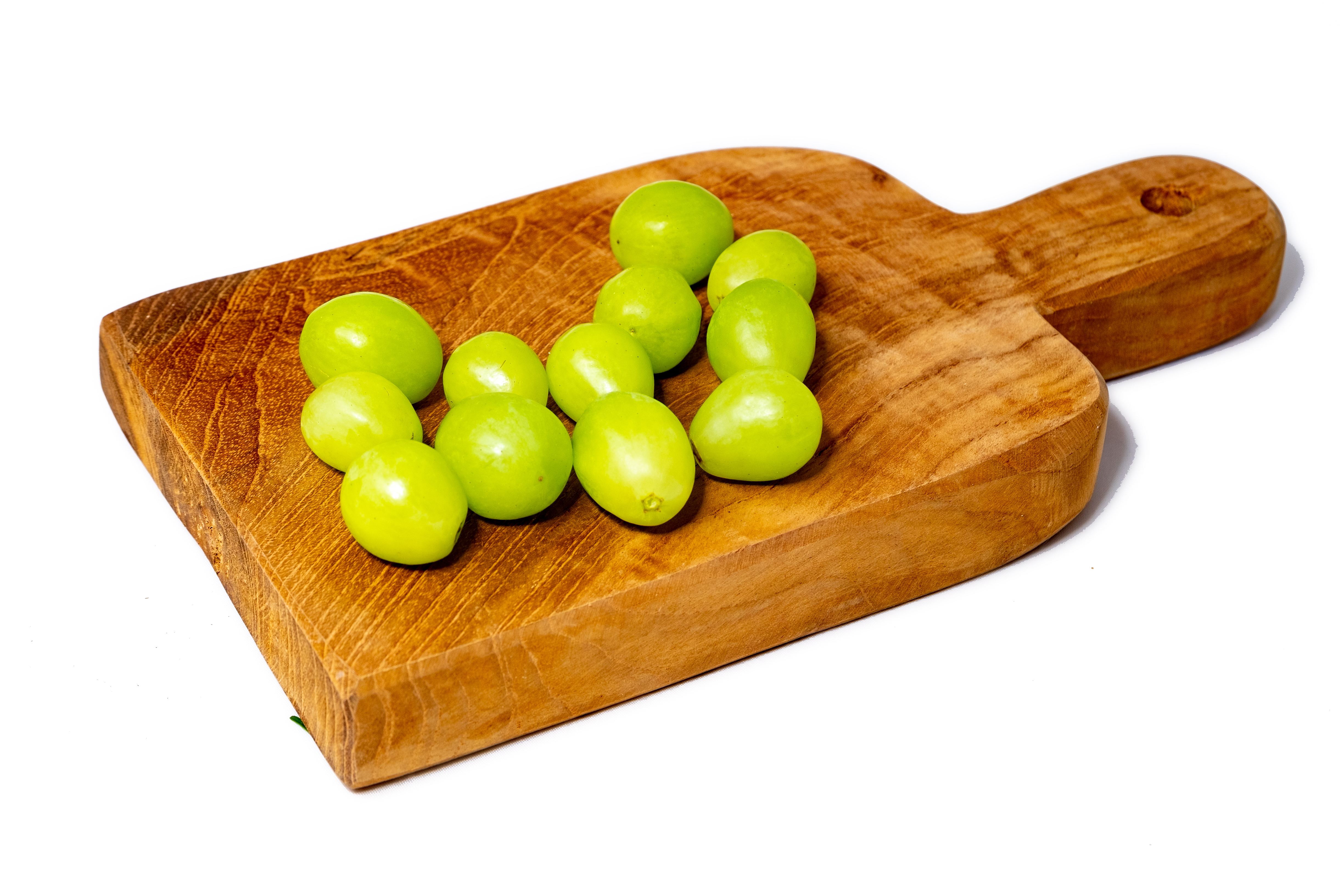
The Twelve Grapes () is a Spanish tradition that consists of eating a grape with each of the twelve clock bell strikes at midnight of 31 December to welcome the New Year. Each grape and clock bell strike represents each of the coming twelve months.
This tradition dates back from at least 1895, but was greatly popularized in 1909. In December of that year, some Alicantese vine growers spread this custom to encourage grape sales due to overproduction during an excellent harvest. According to the tradition, eating the Twelve Grapes leads to a year of good luck and prosperity. In some areas, this practice was also believed to ward off witches and evil in general, although today it is mostly followed as a tradition to celebrate and welcome the New Year.
There are two types of places where people gather to eat the grapes: at home with family members after Nochevieja dinner, or in the main squares around the country. The most famous is where the tradition started, the Puerta del Sol in Madrid. The Twelve Grapes are closely related to the time ball and clock of the Royal House of the Post Office in Puerta del Sol, from where the change of year is broadcast on all major national television networks and radio stations, with television broadcasting beginning in 1962 on Televisión Española.
Other countries
The Twelve Grapes have also been adopted in places with a broad cultural relation with Spain, such as the Philippines, Latin American and Caribbean countries, as well as Hispanic communities in countries such as the United States. This tradition is part of the Hispanic Christmas festivities. It is also done by some Jamaican locals.
Observed in the following:
- Andorra
- Argentina
- Brazil
- Colombia
- Costa Rica
- Cuba
- Dominican Republic
- Ecuador
- Mexico
- Nicaragua
- Peru
- Philippines
- Puerto Rico
- Serbia
- Uruguay
- Venezuela
References
References
- "Hemeroteca Digital. Biblioteca Nacional de España".
- (1 January 1896). "Edición de la mañana". La Correspondencia de España.
- Spicer, Dorothy Gladys. (22 February 2008). "Festivals of Western Europe". [[BiblioBazaar]].
- (2001). "Celebrations: a joyous guide to the holidays from past to present". [[Penguin Group]] (USA) Incorporated.
- (26 December 2020). "De campanadas en campanadas en TVE".
- Puelles, Miriam. (31 December 2019). "Historia de unas Campanadas: la retransmisión más tensa de la TV".
- "Por qué se comen 12 uvas a la medianoche y el origen de otras tradiciones de Año Nuevo en América Latina". BBC News Mundo.
- Álvarez, Alex. (27 December 2012). "15 Curious Latino New Year's Eve Traditions".
This article was imported from Wikipedia and is available under the Creative Commons Attribution-ShareAlike 4.0 License. Content has been adapted to SurfDoc format. Original contributors can be found on the article history page.
Ask Mako anything about Twelve Grapes — get instant answers, deeper analysis, and related topics.
Research with MakoFree with your Surf account
Create a free account to save articles, ask Mako questions, and organize your research.
Sign up freeThis content may have been generated or modified by AI. CloudSurf Software LLC is not responsible for the accuracy, completeness, or reliability of AI-generated content. Always verify important information from primary sources.
Report