From Surf Wiki (app.surf) — the open knowledge base
Turkey in the Eurovision Song Contest
none

none
| Field | Value |
|---|---|
| Name | Turkey |
| Contest | ESC |
| Broadcaster | Türkiye Radyo ve Televizyon Kurumu (TRT) |
| Apps | 34 (33 finals) |
| First | |
| Last | |
| Highest | 1st: |
| Host | |
| Current | 2012 |
Turkey has been represented at the Eurovision Song Contest 34 times since its debut in . The Turkish participating broadcaster in the contest is Türkiye Radyo ve Televizyon Kurumu (TRT). Turkey won the contest once in , and hosted the contest in Istanbul. Since the introduction of the semi-finals in , Turkey has only failed to qualify for the final once, in .
Turkey finished last on its debut at the contest in , and went on to finish last with nul points in and . They reached the top ten for the first time in 1986. "Dinle" performed by Şebnem Paker achieved the country's first top five result in , finishing third. The country went on to achieve five more top five placements after the introduction of the free language rule and televoting, with "Everyway That I Can" by Sertab Erener giving Turkey its first victory in . Turkey's other top five results are "For Real" by Athena (), "Shake It Up Şekerim" by Kenan Doğulu (), "Düm Tek Tek" by Hadise (), who all finished fourth, and "We Could Be the Same" by Manga (), who finished second.
TRT announced in December 2012 that it would not participate in the , citing dissatisfaction with the rules of the competition. 2013 was the first time since that there was no television broadcast of the Eurovision Song Contest on TRT. The country has not returned to the contest since.
History
Türkiye Radyoları, the national radio broadcasting service of Turkey, was one of the founding members of the European Broadcasting Union (EBU) in 1950 along with other twenty-two broadcasting organisations; after beginning regular television broadcasts in December 1971, it would renew its EBU membership on 26 August 1972 fold as Türkiye Radyo ve Televizyon Kurumu (TRT). Its membership in the EBU is possible since Turkey is within the European Broadcasting Area and is a member of the Council of Europe.
As a full member of the EBU, TRT is eligible to participate in the Eurovision Song Contest. It had participated in the contest representing Turkey since its in 1975 until the in 2012. TRT televised the contest between and 2012, even during the years in which it did not enter the competition.
1970s
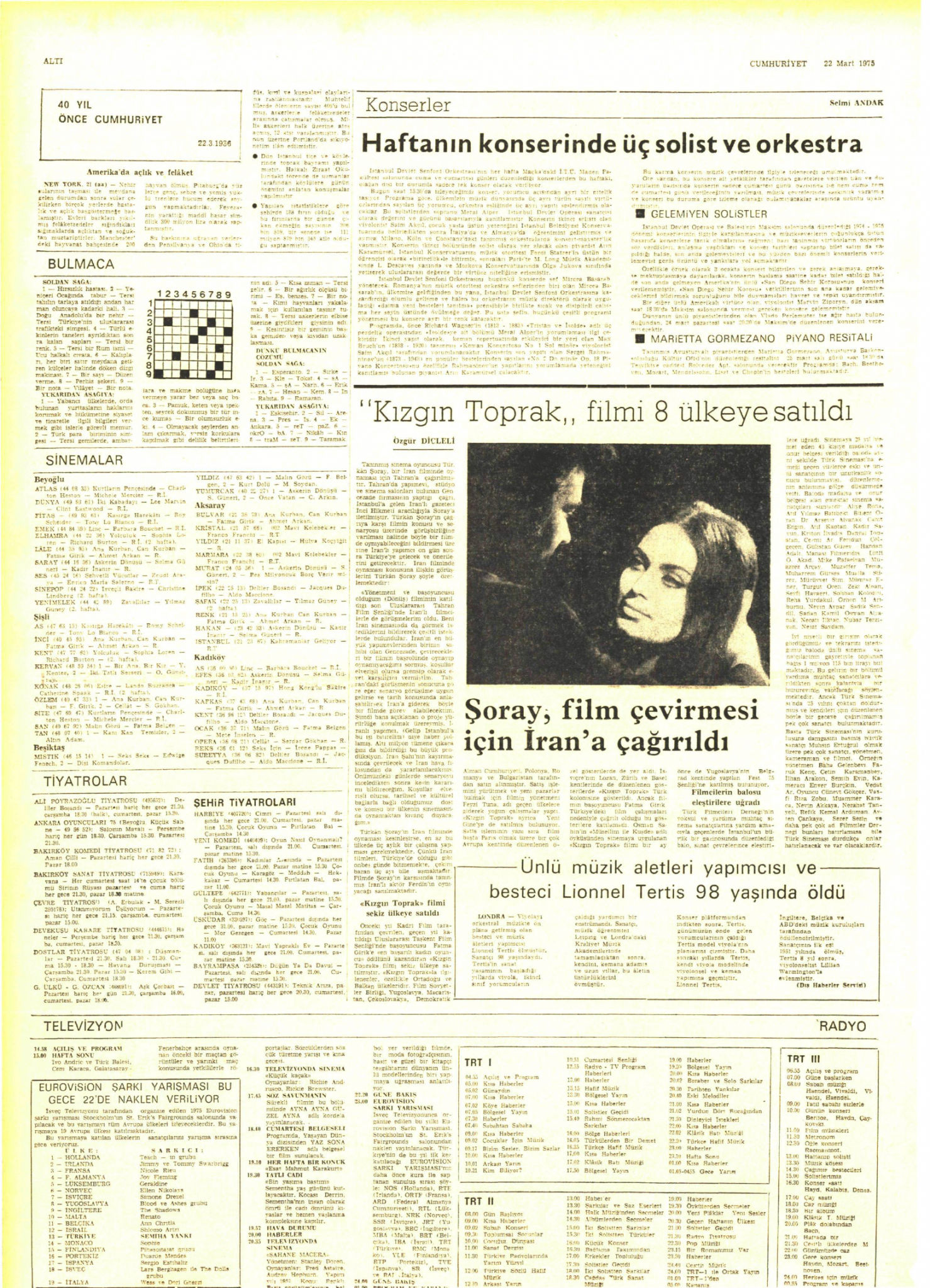
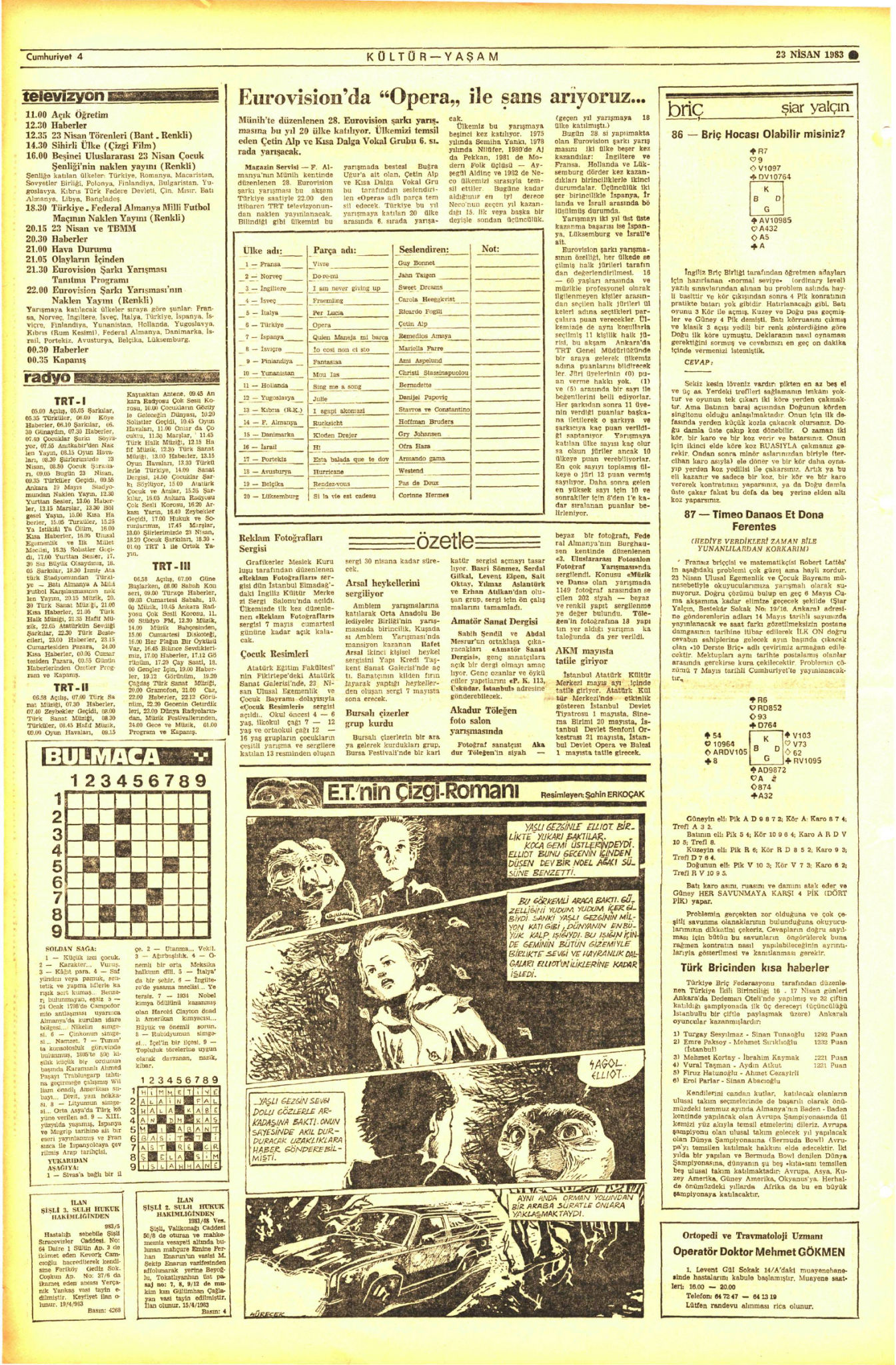
Turkey made its debut at the 1975 contest in Stockholm. did not take part in the contest for "unknown reasons" according to the EBU, but it was later revealed that the withdrawal was in protest of Turkey's debut and their invasion of Cyprus in 1974. TRT organized a to select the first ever Turkish entrant to the Eurovision Song Contest. The final took place on 9 February 1975 in the studios of TRT and was hosted by Bülend Özveren. 106 songs were submitted for the national final. The winning song, "Seninle Bir Dakika" ("A minute with you") by Semiha Yankı, was picked by averaging the ranks from the professional jury and people's jury. At the close of voting during the contest, the song received only three points from and placed last.
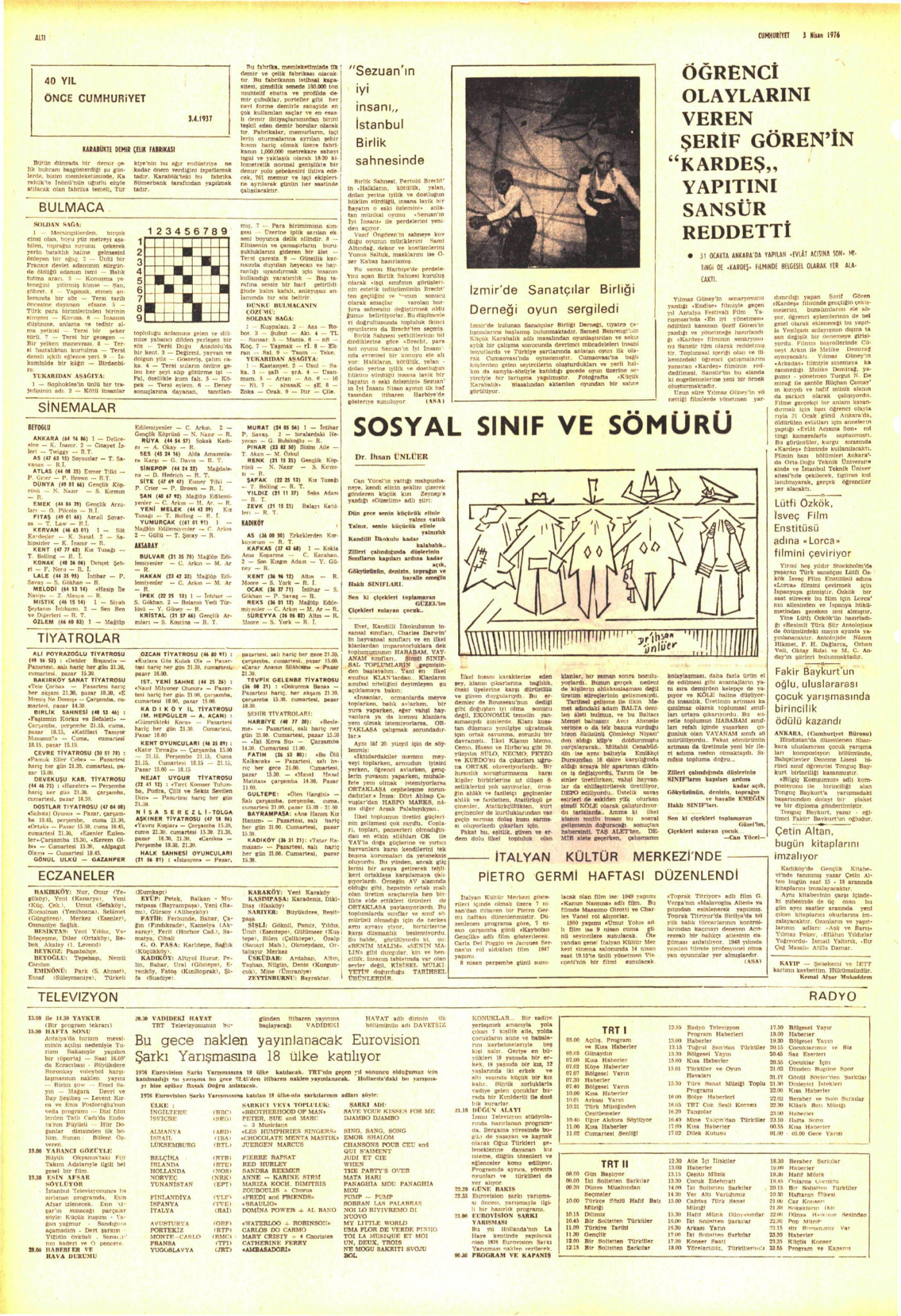
In , Greece's entry to the contest aroused controversy due to its subject matter being the Turkish invasion of Cyprus. Turkey withdrew from the contest to protest the political background of Greece's entry, called "Panagia mou, panagia mou." Turkey televised the final on 3 April 1976 but censored the Greek entrant's performance. They played a nationalist Turkish song titled "Memleketim" ("My motherland", the Turkish cover of the Yiddish folk song "Rabbi Elimelekh"), which was one of the symbols of the Turkish invasion of Cyprus in Turkey.
Turkey did not take part in the contest again until , placing 18th with the song "Sevince" performed by Nazar and Nilüfer.
The was held in Jerusalem. The Turkish entry selected was "Seviyorum" ("I'm in love") by Maria Rita Epik. However, Turkey withdrew from the contest due to pressure from neighboring Arab countries to do so, which arose from the ongoing controversy regarding the status of Jerusalem.
1980s
Turkey participated in the Eurovision Song Contest consistently throughout the 1980s. In , Turkish superstar Ajda Pekkan and the song "Petrol" was selected by TRT through a national final. Pekkan placed 15th with 23 points, including the first ever score 12 points received by Turkey, coming from .
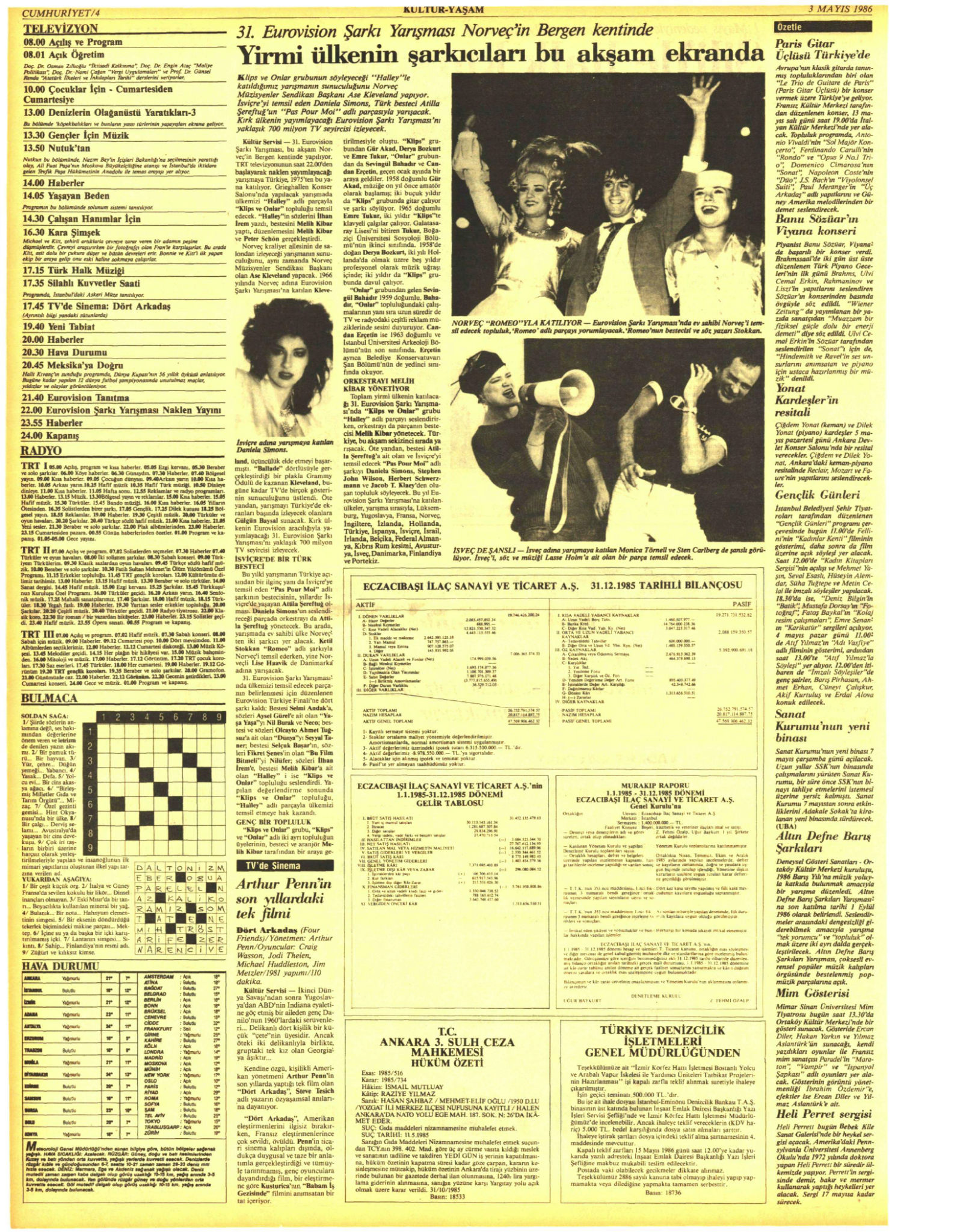
Turkey had their best result (until 1997) in the in Bergen, Norway, when Klips ve Onlar placed ninth with a total of 53 points. The country scored nul points twice in the eighties, first in (shared with ) and later in . Several famous Turkish artists performed for the contest during the 1980s, including Ajda Pekkan, Neco, Candan Erçetin and MFÖ.
1990s
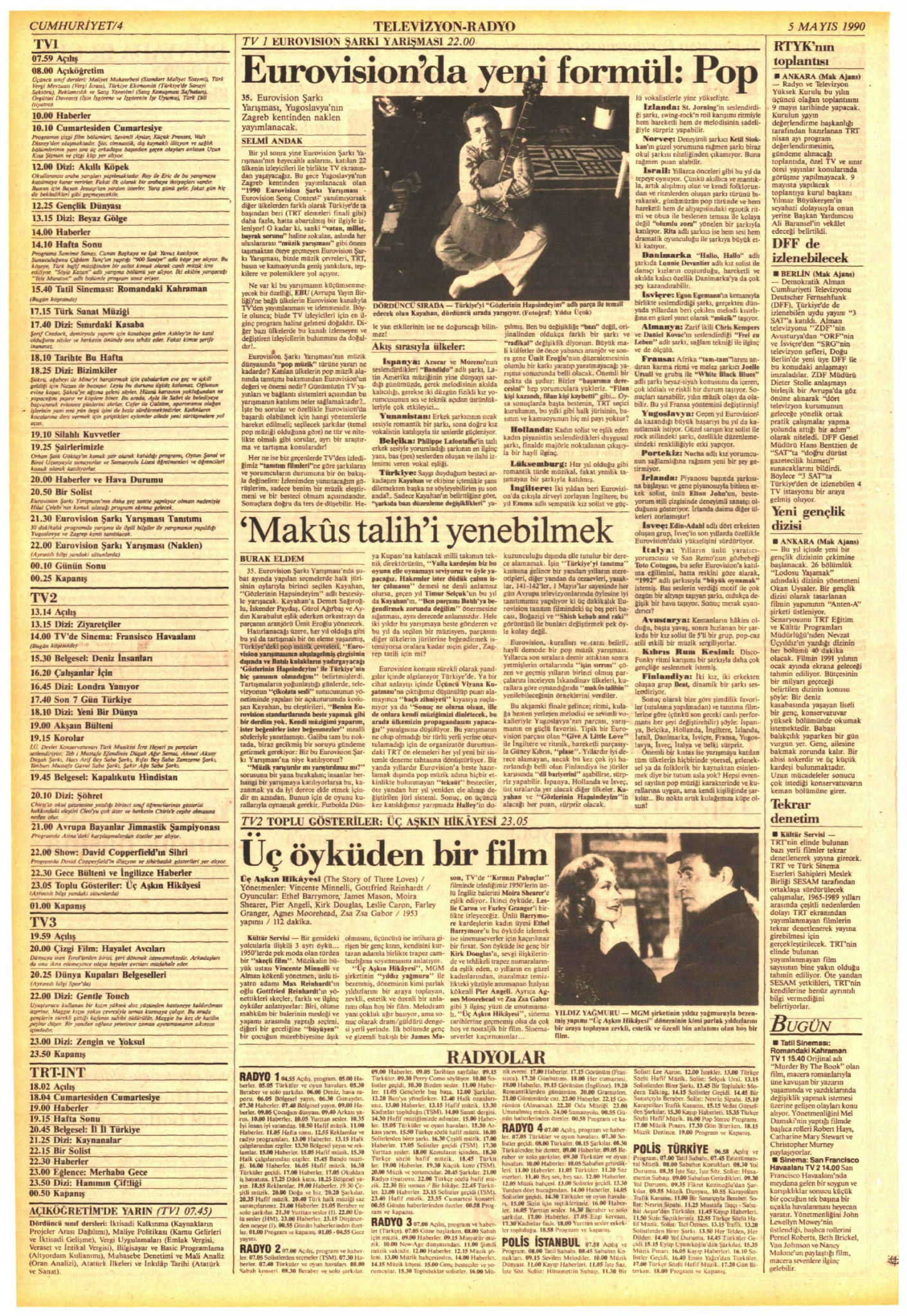
The contest's popularity in Turkey suffered after Kayahan, one of the most famous singers in the country, placed 17th out of 22 participating countries with 21 points. After Kayahan's poor result, Turkey's Eurovision entrants were mostly unknown or amateur singers until .
Şebnem Paker represented the country in two consecutive years. The first time being in where she qualified for the final and placed 12th, and the second in where she placed third, behind the UK and Ireland, with the song "Dinle" ("Listen"), sung in Turkish. This was the first time ever Turkey managed to make it in the top three and also it became the most successful result for the country until its victory in 2003. Şebnem Paker returned to the in 1998, but placed fourth and did not qualify for the contest as the Turkish participant for a third consecutive year. Tüzmen represented the country and placed 14th. Turkey participated throughout all of the 1990s except for the , from which they were relegated due to their 21st-place finish in 1993.
After the free language rule was re-introduced in 1999, the first Turkish entry to be partially sung in English was at the . The same year, Turkey reached the top 10 for a third since 1986, finishing tenth.
2000s and 2010s
In the late 1990s to early 2000s, the contest became one of the most popular events in Turkey as a result of the participation of other Central and Eastern European countries, and Sertab Erener's win in with the song "Everyway That I Can". Following the introduction of televoting in 1998, (initially trialed in 1997 and first implemented in Turkey in 2003), Turkey went on to achieve eight top 10 results in the contest.
"Everyway That I Can" was the first Turkish entry in the contest to be sung completely in English. TRT selected the entry through an internal selection mainly organised by OGAE Turkey.
The 2004 contest was held in the Abdi Ipekci Arena, with the first-ever semi-final held on 12 May, followed by the final on 15 May. After Erener's victory (with the exception of the and contests), Turkish entries to the contest were chosen internally. Turkey had always qualified for the final (except for the in Düsseldorf) since the introduction of the semi-finals in 2004 and always reached the top ten, except in and . From 2000, Turkey had seven songs sung in English and four sung in both English and Turkish, with just three (, , and ) songs sung entirely in Turkish.
Along with Greece, Turkey brought the contest a new outlook with flashy stage performances and dresses alongside their oriental/Mediterranean-flavoured pop music acts (Sertab Erener, Sibel Tüzün, Kenan Doğulu and Hadise). In 2004, , , and , the country was represented by bands, most of them with rock-influenced songs with Ottoman, Eastern European and Balkan instruments. Athena ranked fourth in 2004, when the contest was held in Istanbul; Mor ve Ötesi ranked seventh with a song completely in Turkish in 2008 and the nu metal band Manga, named the Best European Act in the MTV Europe Music Awards 2009, ranked second in 2010. Yüksek Sadakat in 2011 placed 13th in the first semi-final of the contest and failed to qualify, marking the first and only time that Turkey failed to qualify for the final. In 2012, Turkey participated for the last time with the song "Love Me Back" by Can Bonomo, which placed seventh in the final with 112 points.
2013–present: Absence
TRT announced that it would not participate in the on 14 December 2012, citing dissatisfaction with the rules of the competition. TRT specifically cited changes to the voting system, in which a jury was introduced and the televote's influence was decreased to 50%. Turkey has not participated in or broadcast the contest since. In August 2018, İbrahim Eren, the Director-General of TRT, stated that TRT does not plan to return to the contest and break the boycott for various reasons, citing Conchita Wurst's participation and eventual victory in 2014. The EBU and Eren entered talks on a potential Turkish return ahead of ; despite this, the country was not on the final list of participants.
Participation overview
| † | Upcoming event-- |
|---|
| Year | Artist | Song | Language | Final | Points | Semi | Points |
|---|---|---|---|---|---|---|---|
| Semiha Yankı | "Seninle Bir Dakika" | Turkish | 19 ◁ | 3 | No semi-finals}} | ||
| Nilüfer and Nazar | "Sevince" | Turkish | 18 | 2 | |||
| Maria Rita Epik and 21. Peron | "Seviyorum" | Turkish | Withdrawn}} X | ||||
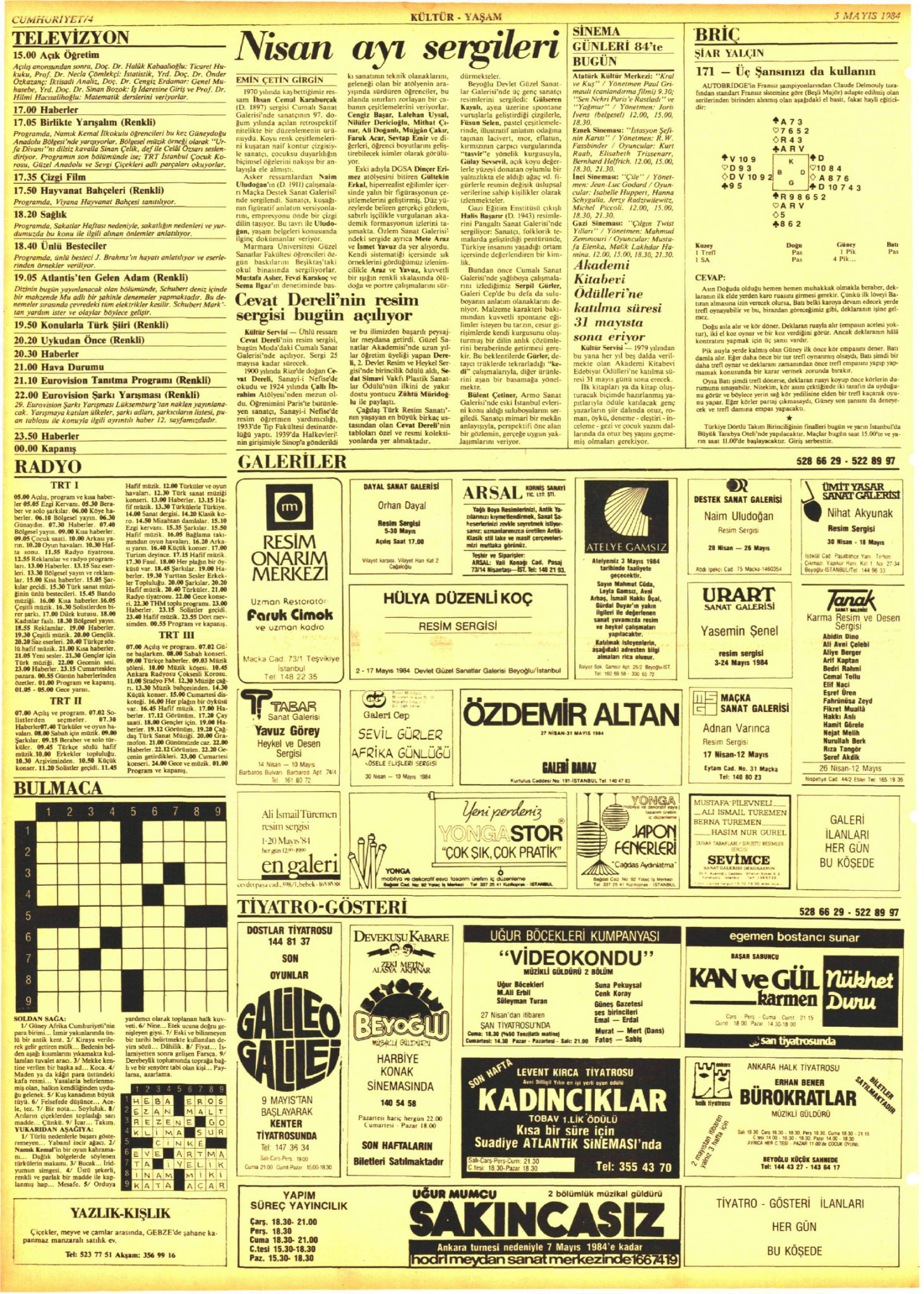
| Ajda Pekkan | "Pet'r Oil" | Turkish | 15 | 23 | |||
| Modern Folk Trio and Ayşegül | "Dönme Dolap" | Turkish | 18 | 9 | |||
| Neco | "Hani?" | Turkish | 15 | 20 | |||
| Çetin Alp and the Short Waves | "Opera" | Turkish | 19 ◁ | 0 | |||
| Beş Yıl Önce, On Yıl Sonra | "Halay" | Turkish | 12 | 37 | |||
| MFÖ | "Didai didai dai" | Turkish | 14 | 36 | |||
| Klips ve Onlar | "Halley" | Turkish | 9 | 53 | |||
| Seyyal Taner and Grup Lokomotif | "Şarkım Sevgi Üstüne" | Turkish | 22 ◁ | 0 | |||
| MFÖ | "Sufi (Hey Ya Hey)" | Turkish | 15 | 37 | |||
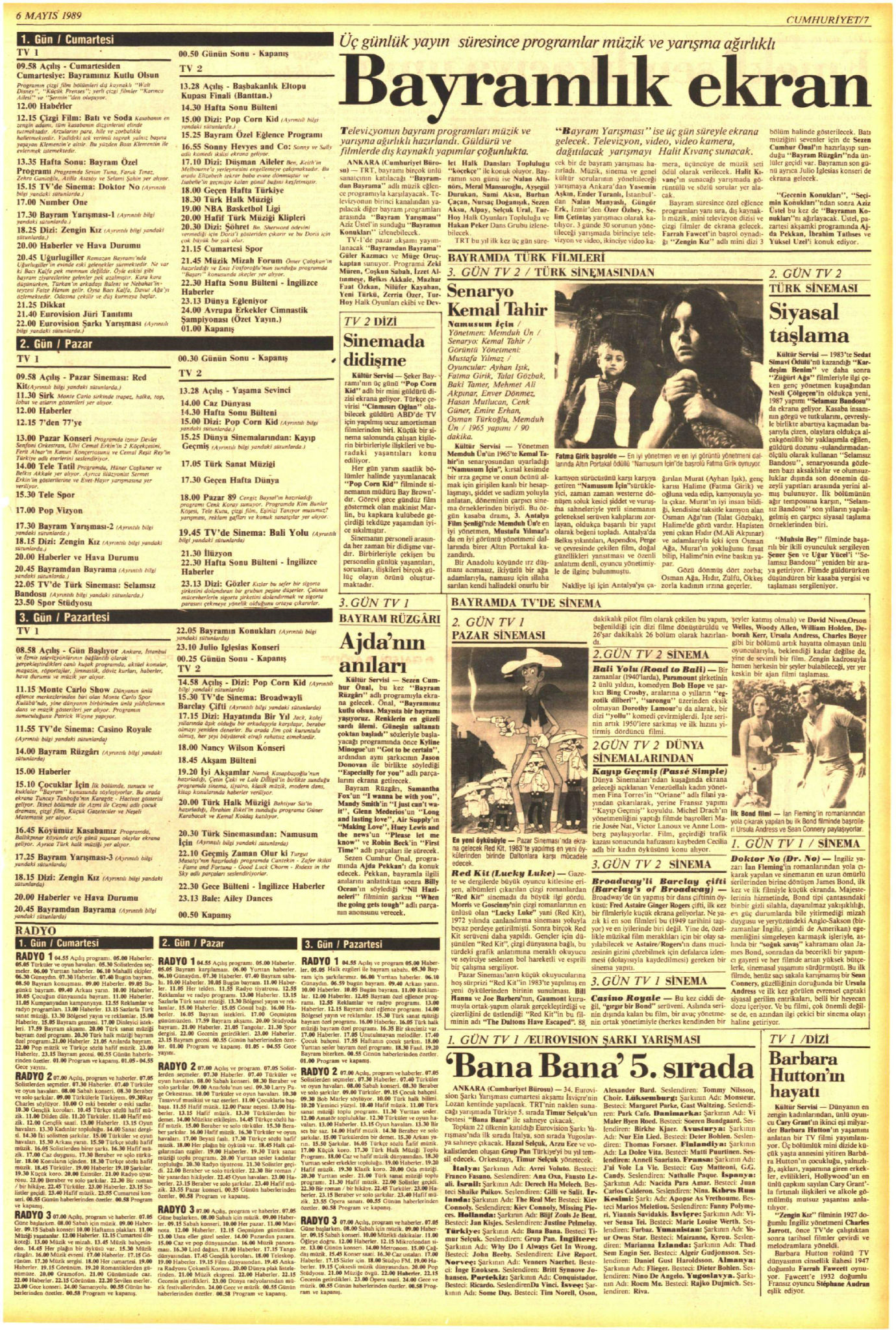
| Pan | "Bana Bana" | Turkish | 21 | 5 | |||
| Kayahan | "Gözlerinin Hapsindeyim" | Turkish | 17 | 21 | |||
| Can Uğurluer, Reyhan Karaca and İzel Çeliköz | "İki Dakika" | Turkish | 12 | 44 | |||
| Aylin Vatankoş | "Yaz Bitti" | Turkish | 19 | 17 | |||
| Burak Aydos, Öztürk Baybora and Serter | "Esmer Yarim" | Turkish | 21 | 10 | Kvalifikacija za Millstreet}} | ||
| Arzu Ece | "Sev!" | Turkish | 16 | 21 | No semi-finals}} | ||
| Şebnem Paker | "Beşinci Mevsim" | Turkish | 12 | 57 | 7 | 69 | |
| Şebnem Paker and Grup Etnik | "Dinle" | Turkish | 3 | 121 | No semi-finals}} | ||
| Tüzmen | "Unutamazsın" | Turkish | 14 | 25 | |||
| Tuba Önal and Grup Mistik | "Dön Artık" | Turkish | 16 | 21 | |||
| Pınar and the S.O.S. | "Yorgunum Anla" | Turkish, English | 10 | 59 | |||
| Sedat Yüce | "Sevgiliye Son" | Turkish, English | 11 | 41 | |||
| Buket Bengisu and Group Safir | "Leylaklar Soldu Kalbinde" | Turkish, English | 16 | 29 | |||
| Sertab Erener | "Everyway That I Can" | English | 1 | 167 | |||
| Athena | "For Real" | English | 4 | 195 | Host country}} | ||
| Gülseren and Shaman | "Rimi Rimi Ley" | Turkish | 13 | 92 | Top 12 in 2004 final}} | ||
| Sibel Tüzün | "Süper Star" | Turkish | 11 | 91 | 8 | 91 | |
| Kenan Doğulu | "Shake It Up Şekerim" | English | 4 | 163 | 3 | 197 | |
| Mor ve Ötesi | "Deli" | Turkish | 7 | 138 | 7 | 85 | |
| Hadise | "Düm Tek Tek" | English | 4 | 177 | 2 | 172 | |
| Manga | "We Could Be the Same" | English | 2 | 170 | 1 | 118 | |
| Yüksek Sadakat | "Live It Up" | English | Failed to qualify}} | 13 | 47 | ||
| Can Bonomo | "Love Me Back" | English | 7 | 112 | 5 | 80 |
''Congratulations: 50 Years of the Eurovision Song Contest''
| Artist | Song | Language | At Congratulations | At Eurovision | Final | Points | Semi | Points | Year | Place | Points |
|---|---|---|---|---|---|---|---|---|---|---|---|
| Sertab Erener | "Everyway That I Can" | English | Failed to qualify}} | 9 | 104 | 1 | 167 |
Hostings
| Year | Location | Venue | Presenters |
|---|---|---|---|
| Istanbul | Abdi İpekçi Arena | Korhan Abay and Meltem Cumbul |
Awards
Marcel Bezençon Awards
| Year | Category | Song | Performer | Final | Points | Host city |
|---|---|---|---|---|---|---|
| Press Award | "Everyway That I Can" | Sertab Erener | 1 | 167 | Latvia Riga |
Conductors
| Year | Conductor | Notes | Ref. |
|---|---|---|---|
| Timur Selçuk | |||
| Onno Tunç | |||
| Tuğrul Karataş | |||
| Atilla Özdemiroğlu | |||
| Onno Tunç | |||
| Garo Mafyan | |||
| Buğra Uğur | |||
| Selçuk Başar | |||
| Garo Mafyan | |||
| Melih Kibar | |||
| Garo Mafyan | |||
| Turhan Yükseler | |||
| Timur Selçuk | |||
| Ümit Eroğlu | |||
| Turhan Yükseler | |||
| Aydın Özarı | |||
| Melih Kibar | |||
| Levent Çoker | |||
| Ümit Eroğlu |
Commentators and spokespersons
Prior to 2012 every contest Turkey had taken part in had always been commentated on by Turkish television presenter Bülend Özveren, with the exception of 1982–1985, 1990–1991, 1998–2001, and 2007. In addition Özveren also co-commentated the contest in 2004, 2011, and 2012. Out of the 38 years Turkey have broadcast the event Özveren has commentated on 29 of them making him nine years short of being the contest's longest commentator.
| Year | Channel | Commentator | Spokesperson | Ref. | – |
|---|---|---|---|---|---|
| TRT Televizyon | Unknown}} | Did not participate}} | |||
| Did not participate}} | |||||
| Bülend Özveren | |||||
| Meral Savcı | |||||
| No broadcast}} | |||||
| TRT Televizyon | Bülend Özveren | Unknown}} | |||
| Ümit Tunçağ | |||||
| Başak Doğru | |||||
| Unknown}} | |||||
| Gülgün Baysal | |||||
| TV1 | Unknown}} | ||||
| Bülend Özveren | |||||
| Başak Doğru | |||||
| Unknown}} | Canan Kumbasar | ||||
| Korhan Abay | |||||
| TRT 1 | Bülend Özveren | ||||
| Unknown}} | |||||
| Ömer Önder | |||||
| TRT 1, TRT Int | |||||
| Bülend Özveren | Osman Erkan | ||||
| Gülşah Banda | |||||
| Ömer Önder | |||||
| Meltem Ersan Yazgan | |||||
| TRT 1 | Ömer Önder | ||||
| TRT 1, TRT Int | Bülend Özveren | ||||
| Unknown}} | |||||
| TRT 1 | |||||
| Bülend Özveren | |||||
| Hakan Urgancı | |||||
| TRT 1, TRT Int | |||||
| TRT Türk (Final) | Bülend Özveren | ||||
| TRT 1 | |||||
| Bülend Özveren | |||||
| Bülend Özveren and | Ömer Önder | ||||
| TRT 1, TRT HD, TRT Türk, TRT Müzik, TRT Avaz | |||||
| No broadcast}} |
Photo gallery
File:Eurovision 2004 Opening Ceremony Sertab Erener.jpg|Sertab Erener in the opening of the . File:ESC 2007 Turkey - Kenan Doğulu - Shake it up Shekerim.jpg|Kenan Doğulu in Helsinki (2007) File:Mor ve Ötesi, Turkey, ESC 2008, 2nd semifinal.jpg|Mor ve Ötesi in Belgrade (2008) File:Hadise.jpg|Hadise in Moscow (2009) File:MaNga - We Could be the Same (2nd Semi-final).jpg|Manga in Oslo (2010)
Notes
References
References
- Jiandani, Sanjay. (14 December 2012). "Turkey will not go to Eurovision in Malmö". ESCToday.
- Jiandani, Sanjay. (7 November 2013). "Turkey: TRT will not participate in Eurovision 2014". ESCToday.
- OGÜNhaber. "TRT, Eurovision'u yayınlamaktan vazgeçti!".
- "EUROVISION SONG CONTEST 1975". OGAE Greece.
- Raycoff, Ivan. (July 2007). "A Song for Europe". [[Ashgate Publishing]].
- (7 February 1975). "TRT Eurovision". [[Milliyet]].
- "Final of Paris 1978". Eurovision Song Contest.
- (6 March 1979). "Türkiye, Eurovision Yarışması'ndan cekildi". [[Milliyet]].
- "Türkiye Eurovision'da yok".
- "TRT won't accept the Big 5 and high participation fees".
- "Why Have Turkey Withdrawn From Eurovision?".
- Jiandani, Sanjay. (5 September 2014). "Turkey: TRT confirms no return to Eurovision in 2015". ESCToday.
- Jiandani, Sanjay. (3 November 2015). "Turkey: TRT confirms non participation in Eurovision 2016". ESCToday.
- Jiandani, Sanjay. (7 August 2017). "Turkey: TRT confirms non participation in Eurovision 2018".
- (4 August 2018). "TRT Genel Müdürü'nden Eurovision açıklaması". ABC Gazetesi.
- (4 August 2018). "Turkey to return Eurovision 'if no more bearded divas'". Hurriyet.
- Washak, James. (2021-06-24). "Turkey: EBU Confirms Discussions With TRT Regarding Return to the Eurovision Song Contest". Eurovoix.
- (20 October 2021). "REVEALED: the 41 countries joining Eurovision in Turin 2022". EBU.
- (2014). "Songs for Europe: The United Kingdom at the Eurovision Song Contest". [[Telos Publishing]].
- (2016). "Songs for Europe: The United Kingdom at the Eurovision Song Contest". [[Telos Publishing]].
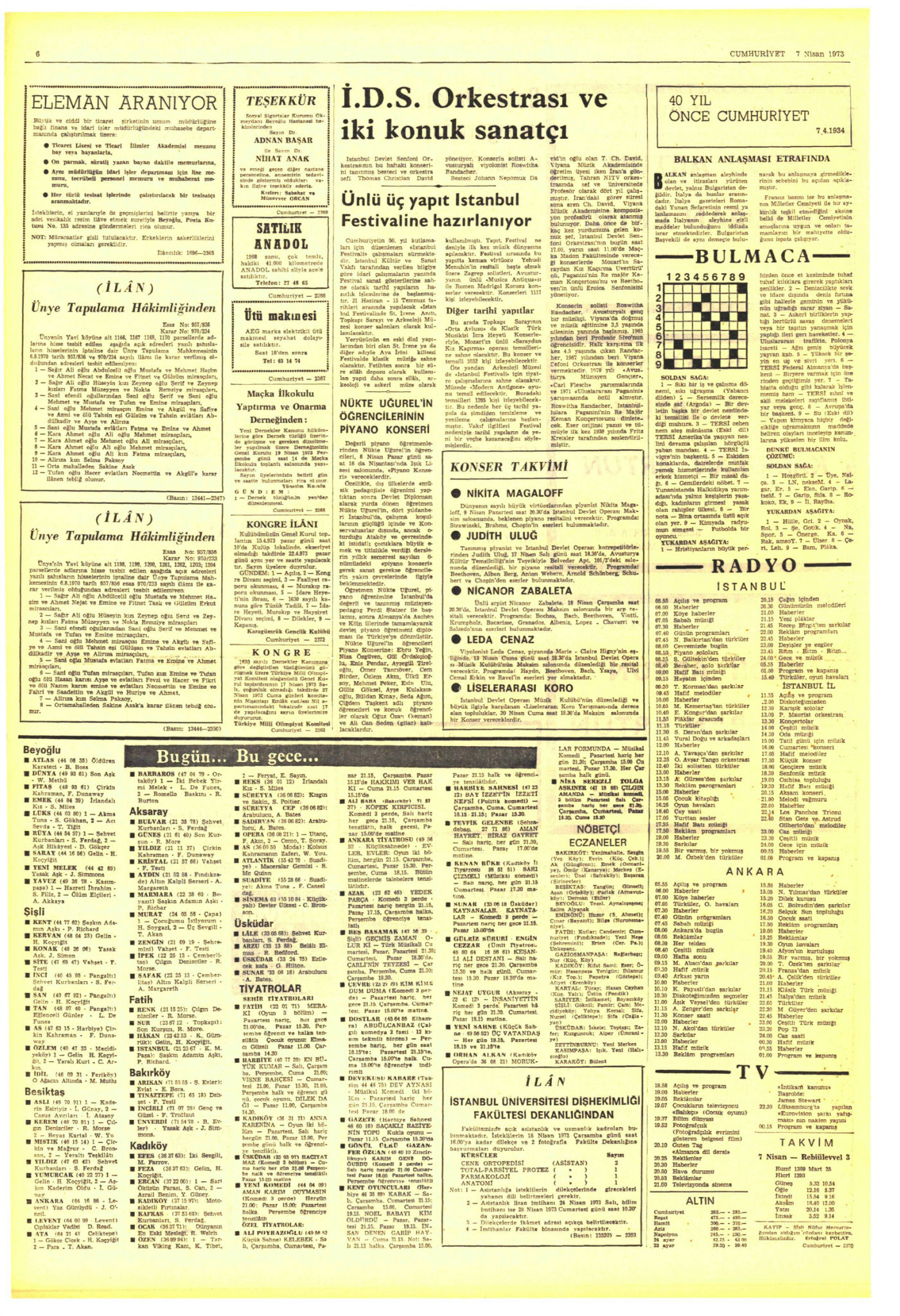
- (7 April 1973). "TV". [[Cumhuriyet]].
- (6 April 1974). "TV". [[Cumhuriyet]].
- (22 March 1975). "Televizyon". [[Cumhuriyet]].
- (3 April 1976). "Televizyon". [[Cumhuriyet]].
- (7 May 1977). "TV". [[Milliyet]].
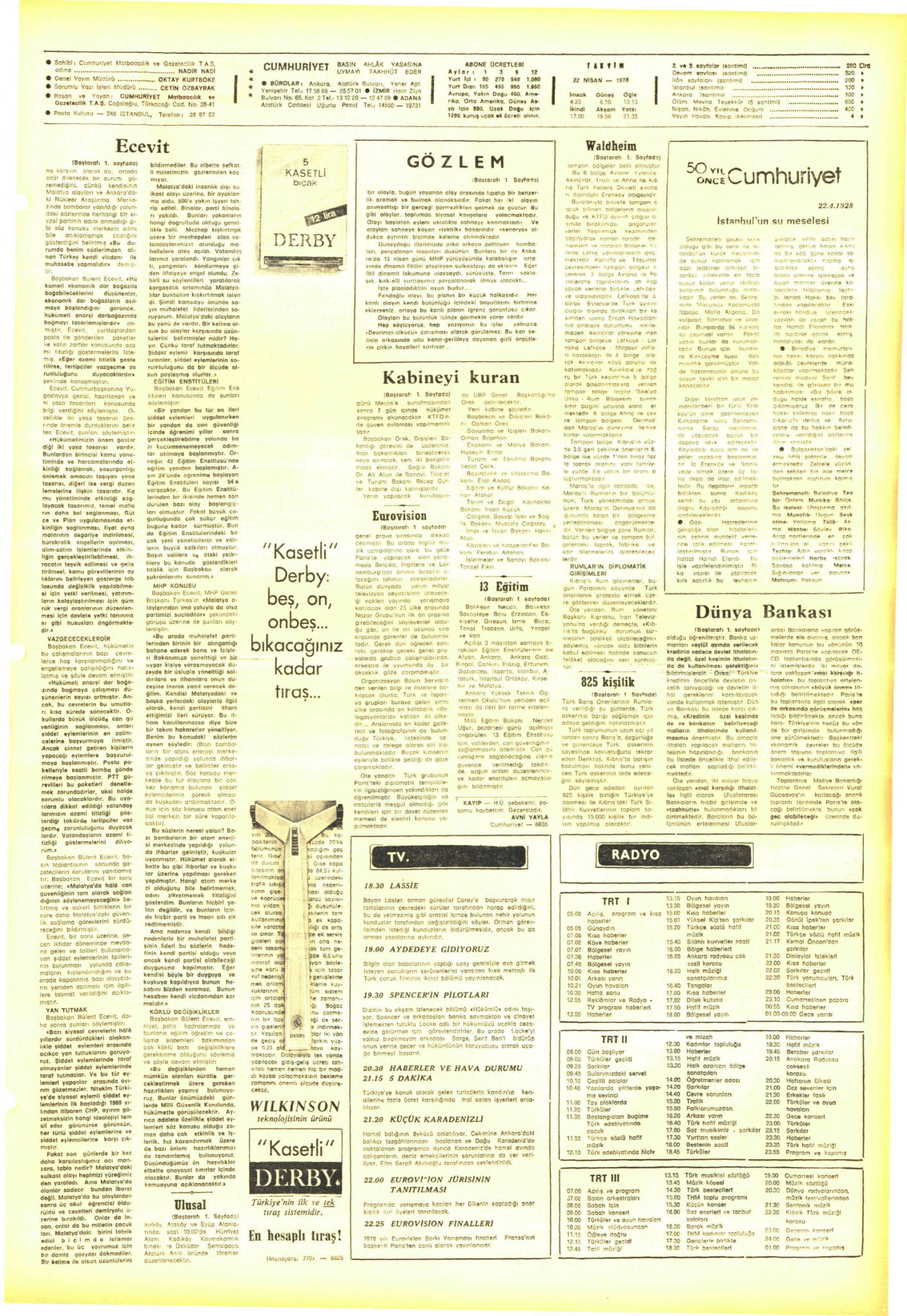
- (22 April 1978). "TV.". [[Cumhuriyet]].
- (22 April 1978). "Yirmi ülke yarısıyor Eurovision". [[Milliyet]].
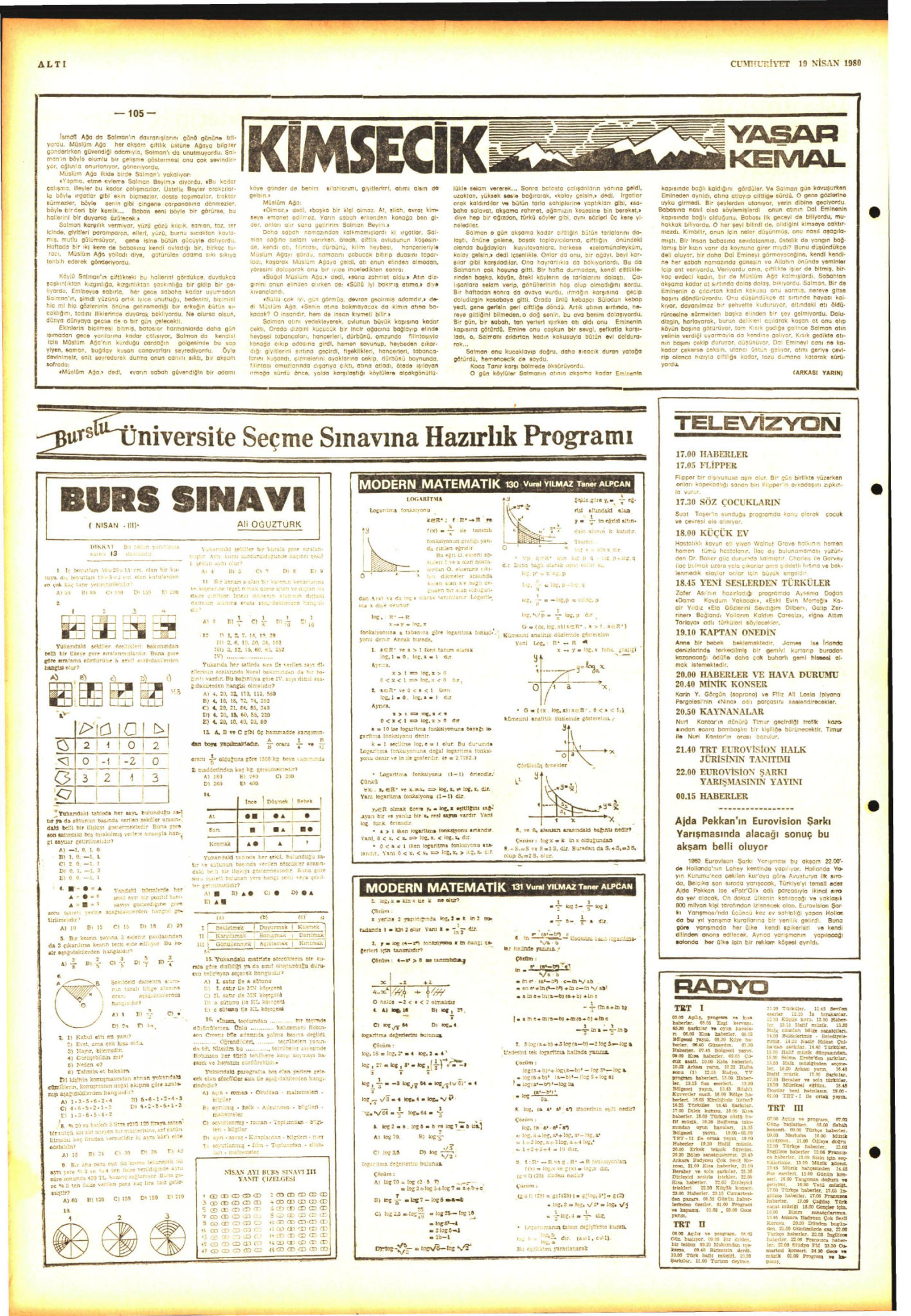
- (19 April 1980). "Televizyon". [[Cumhuriyet]].
- (19 April 1980). "Bütün kalpler Eurovision Yarışması için atiyor «Haydi Ajda» Diyoruz...". [[Milliyet]].
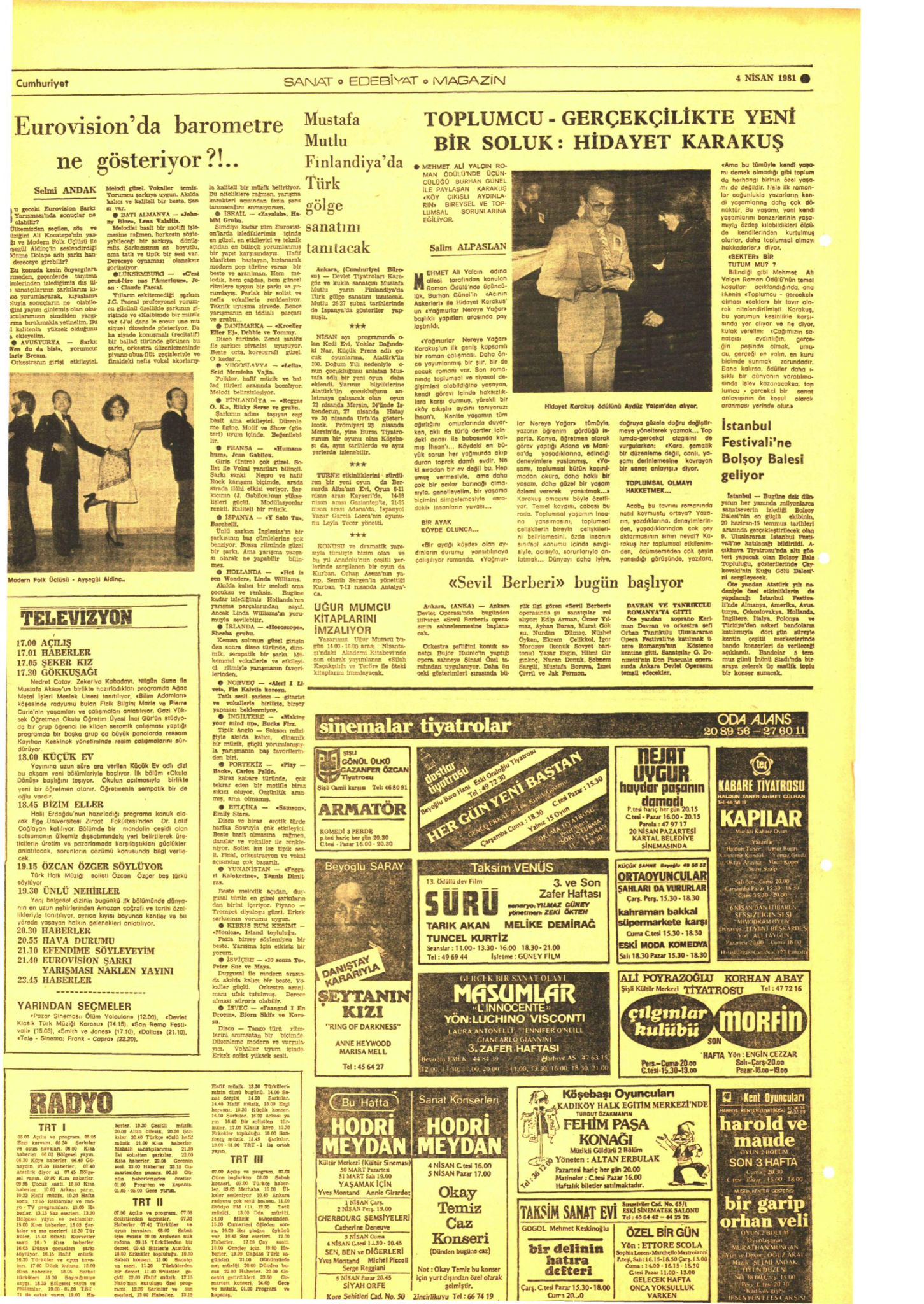
- (4 April 1981). "Televizyon". [[Cumhuriyet]].
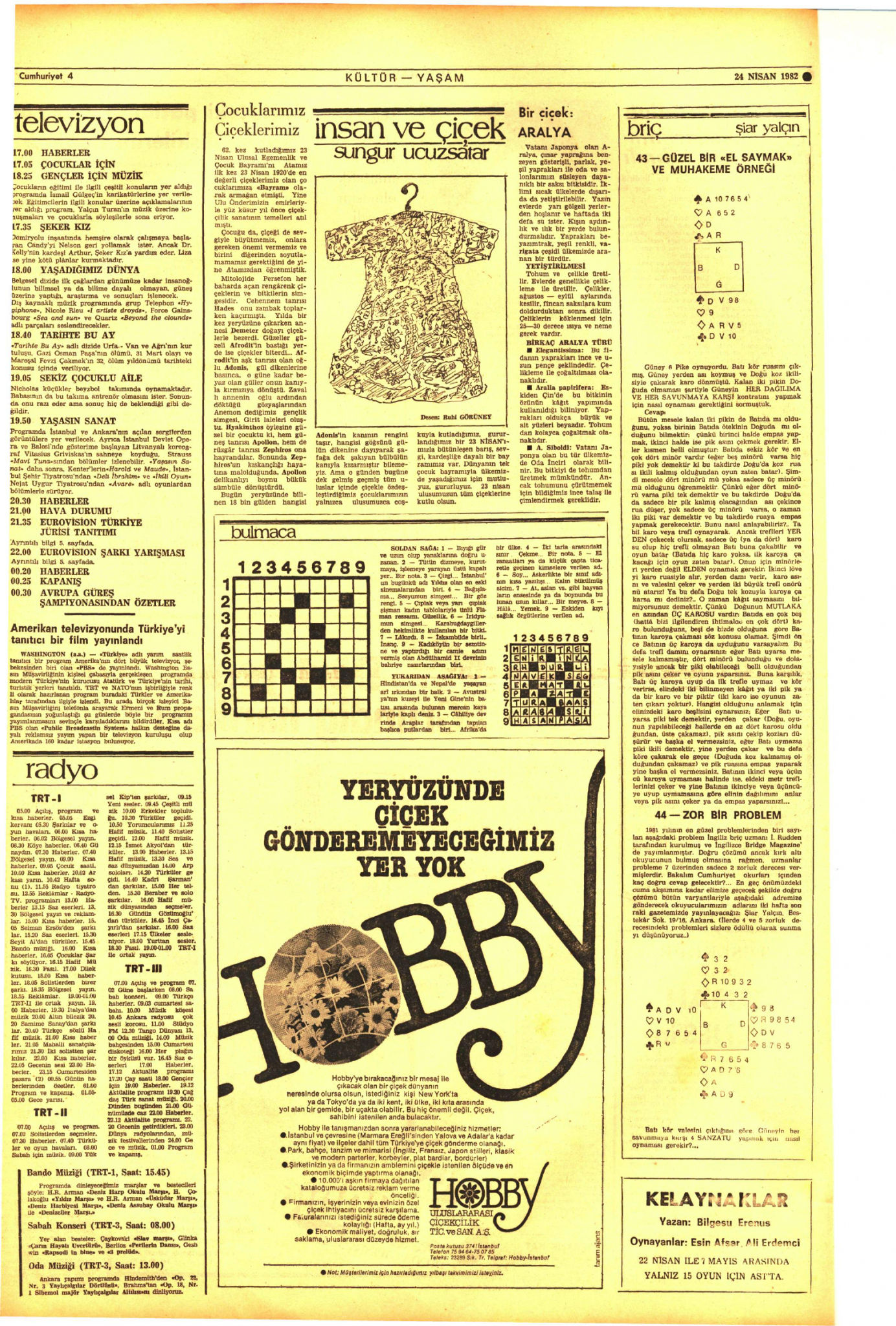
- (24 April 1982). "Televizyon". [[Cumhuriyet]].
- Öztürk, Ümran. (10 December 2017). "Ümit Tunçağ'la zamanda yolucuk". Vansesi Gazetesi.
- (23 April 1983). "Televizyon". [[Cumhuriyet]].
- (5 May 1984). "Televizyon". [[Cumhuriyet]].
- (5 May 1984). "Haydi 'Halay'". [[Milliyet.
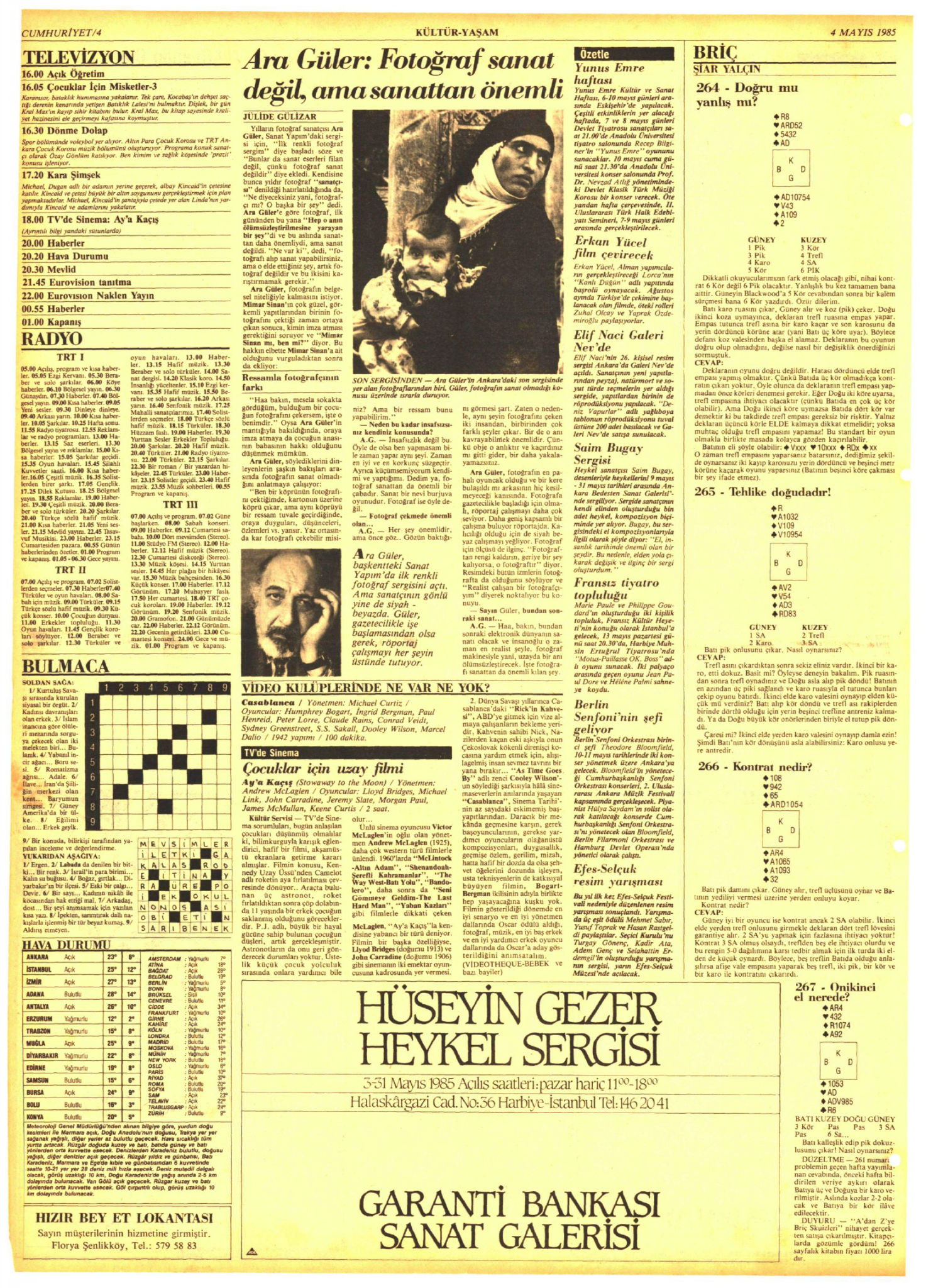
- (4 May 1985). "Televizyon". [[Cumhuriyet]].
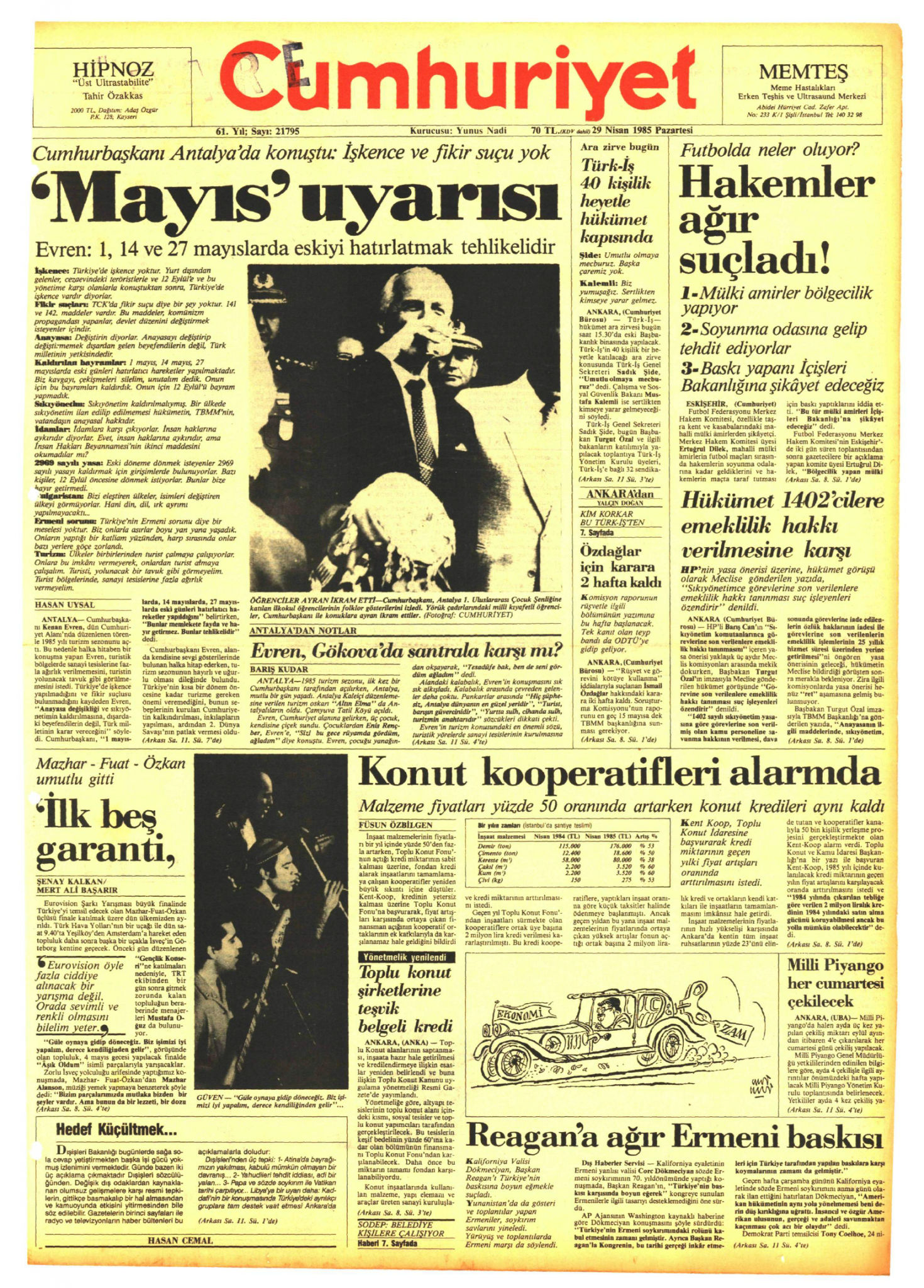
- (29 April 1985). "Mazhar - Fuat - Özkan umutlu gitti: 'İlk beş garanti'". [[Cumhuriyet]].
- (3 May 1986). "Televizyon". [[Cumhuriyet]].
- (3 May 1986). "Bugünkü TV • Radio". [[Milliyet]].
- (9 May 1987). "Televizyon". [[Cumhuriyet]].
- (30 April 1988). "Televizyon". [[Cumhuriyet]].
- (6 May 1989). "1. Gün / Cumartesi". [[Cumhuriyet]].
- (9 May 1989). "Eurovision'a tepki". [[Milliyet]].
- (5 May 1990). "Televizyon-Radyo". [[Cumhuriyet]].
- (8 May 1990). "Tele görüş – Garip anlayış". [[Milliyet]].
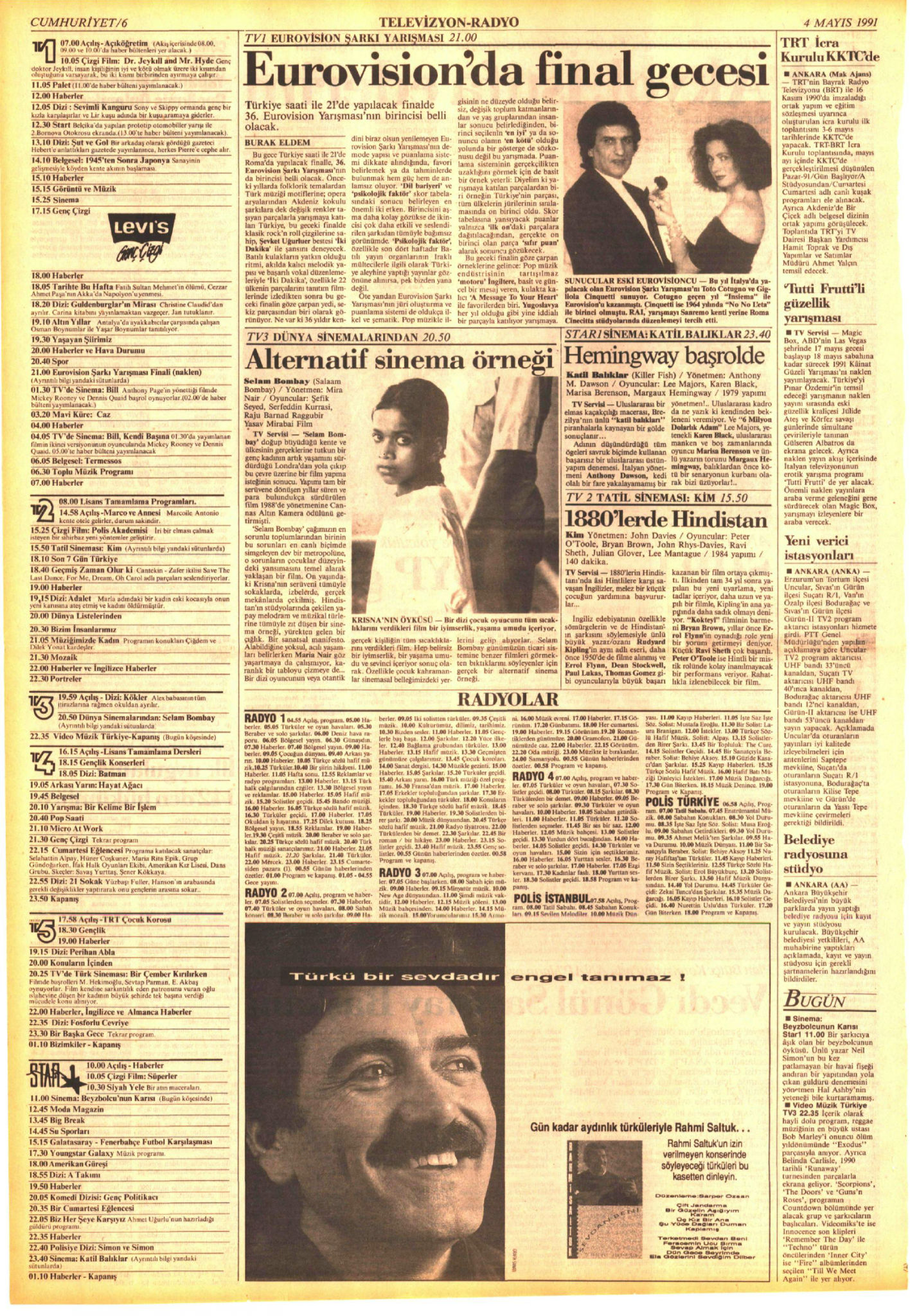
- (4 May 1991). "Televizyon-Radyo". [[Cumhuriyet]].
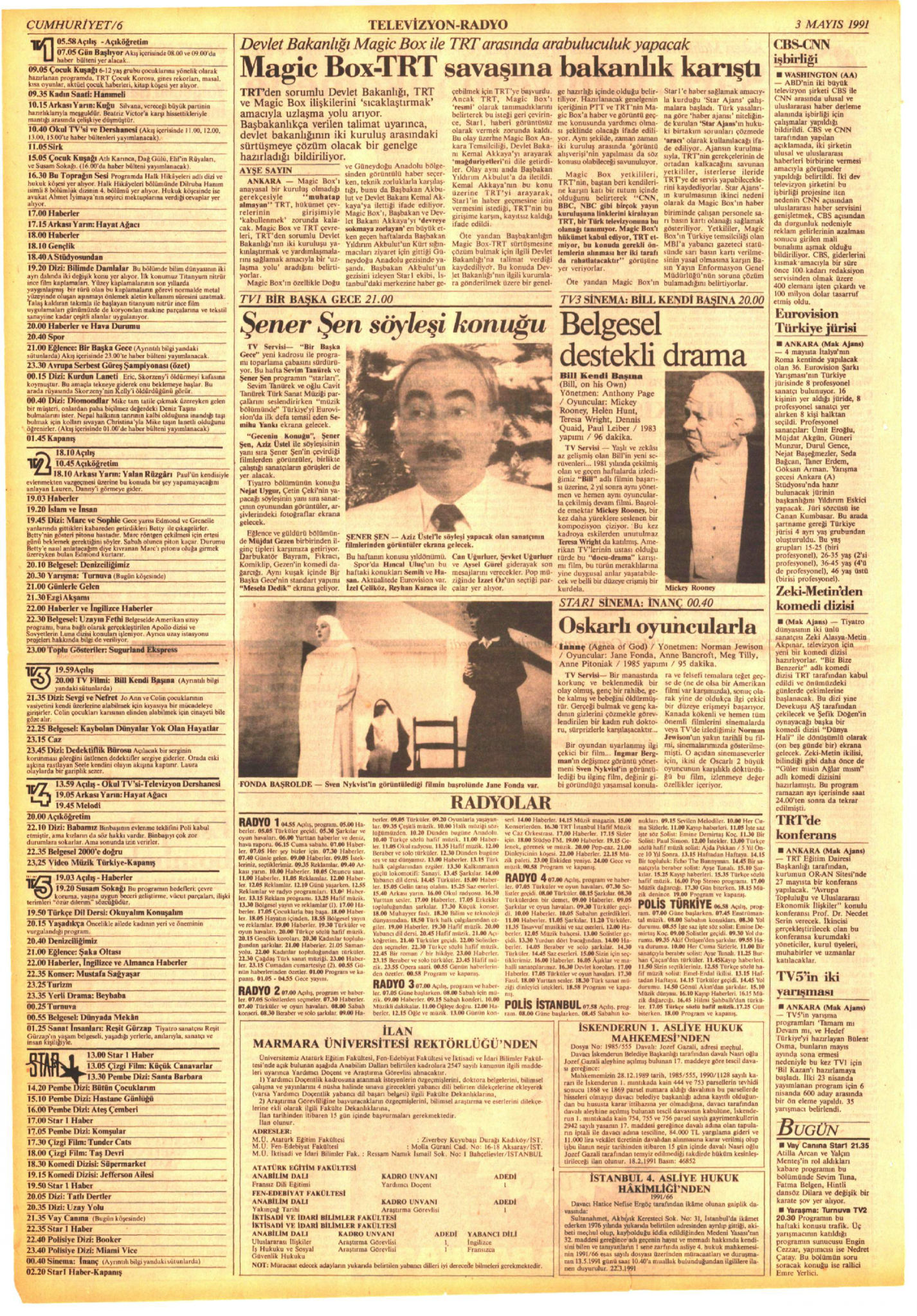
- Ajans, Mak. (3 May 1991). "Eurovision Türkiye jürisi". [[Cumhuriyet]].
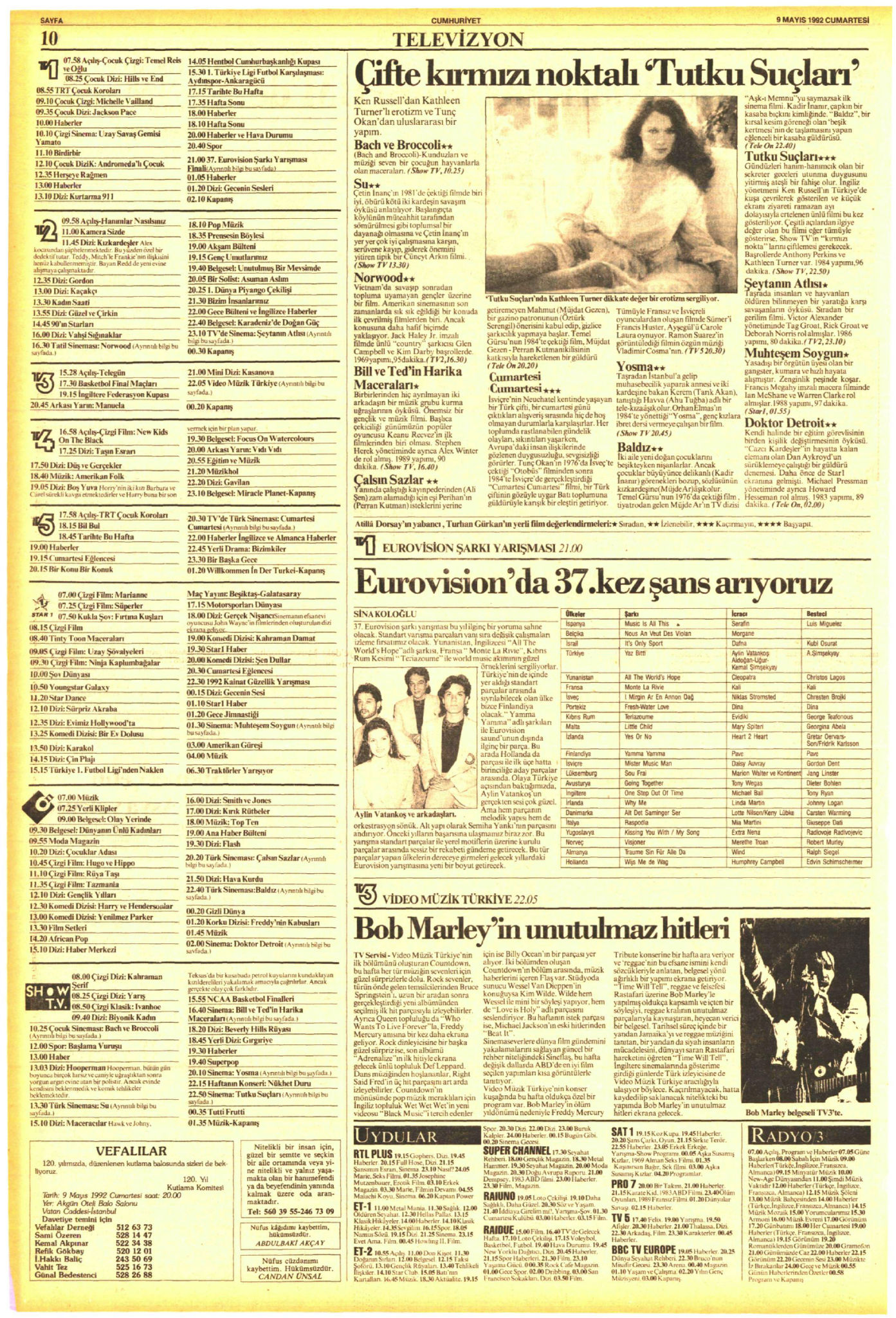
- (9 May 1992). "Televizyon". [[Cumhuriyet]].
- (15 May 1993). "TV Magazin". [[Milliyet]].
- (30 April 1994). "TV Programları". [[Cumhuriyet.
- (13 May 1995). "TV Programları". [[Cumhuriyet]].
- (18 May 1996). "TV Programları". [[Cumhuriyet]].
- (3 May 1997). "TV Programları". [[Cumhuriyet]].
- (9 May 1998). "Eurovision yarışması". [[Cumhuriyet]].
- (29 May 1999). "TV Programları". [[Cumhuriyet]].
- (29 May 1999). "Eurovision'da final gecesi". [[Milliyet]].
- (13 May 2000). "TV Programları". [[Cumhuriyet]].
- (13 May 2000). "İsveç'ten Eurovision heyecanı". [[Milliyet.
- (12 May 2001). "TV Programları". [[Cumhuriyet]].
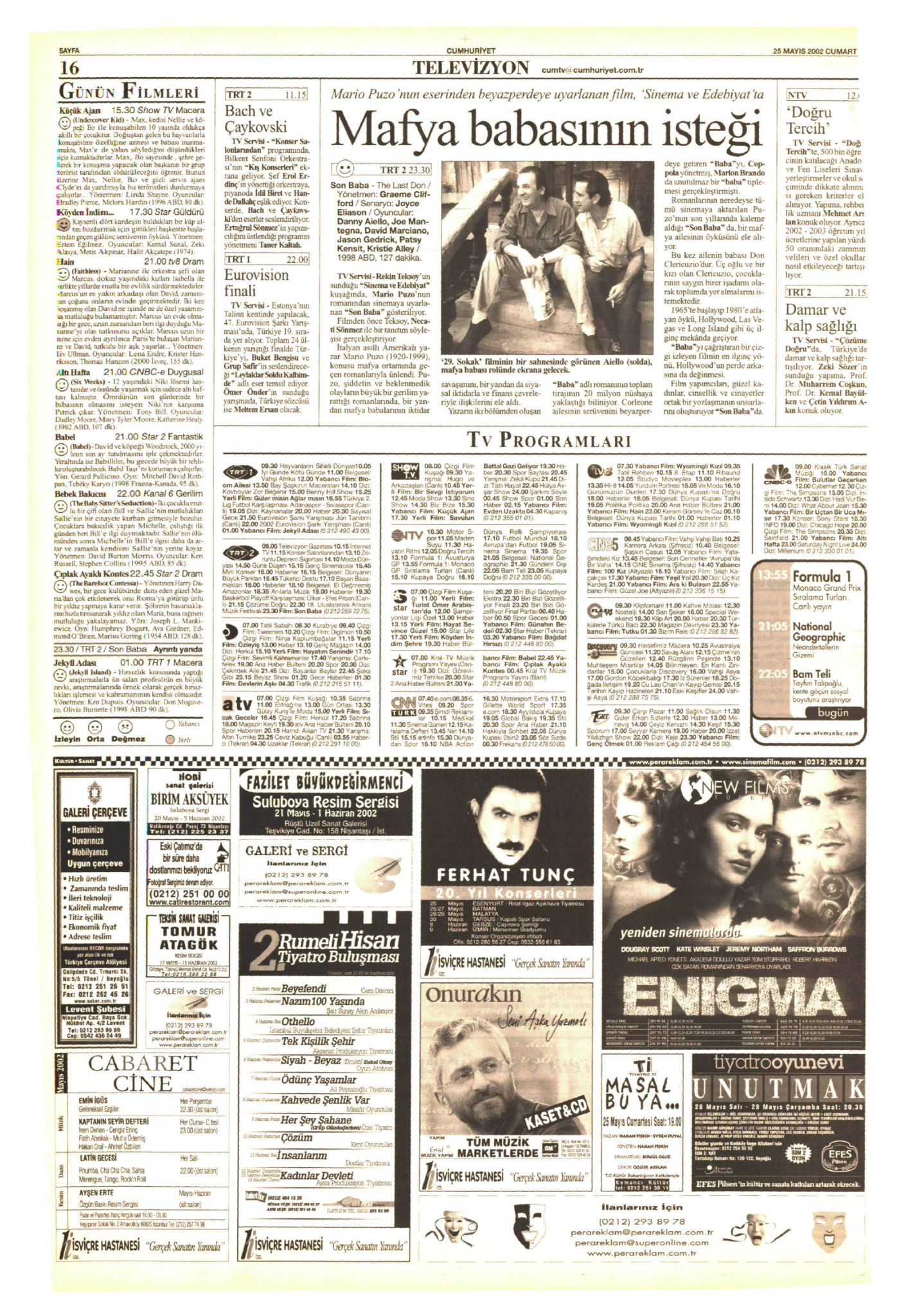
- (25 May 2002). "Eurovision finali". [[Cumhuriyet]].
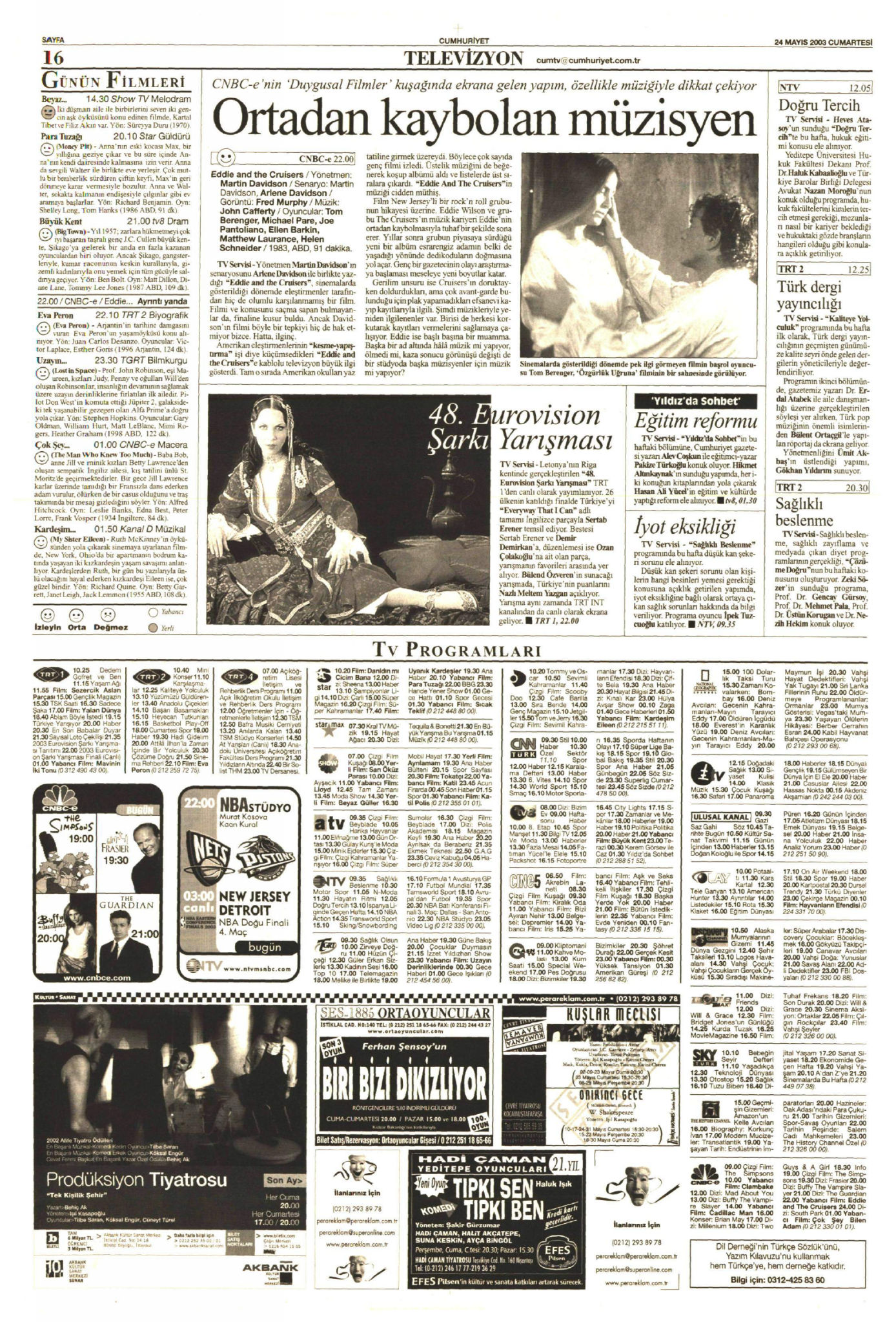
- (24 May 2003). "48. Eurovision Şarkı Yarışması". [[Cumhuriyet]].
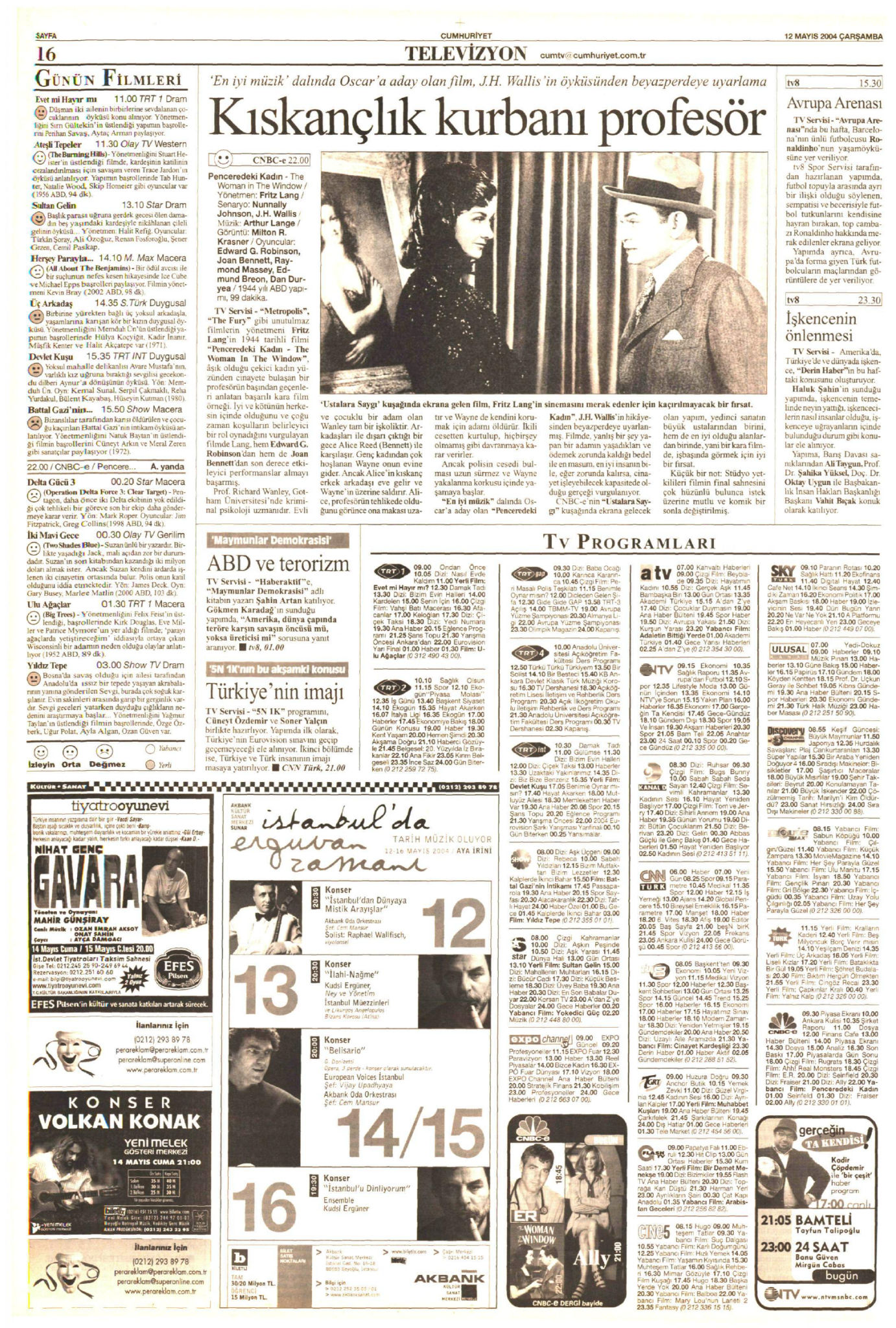
- (12 May 2004). "TV Programları – 12 Mayıs 2004". [[Cumhuriyet]].
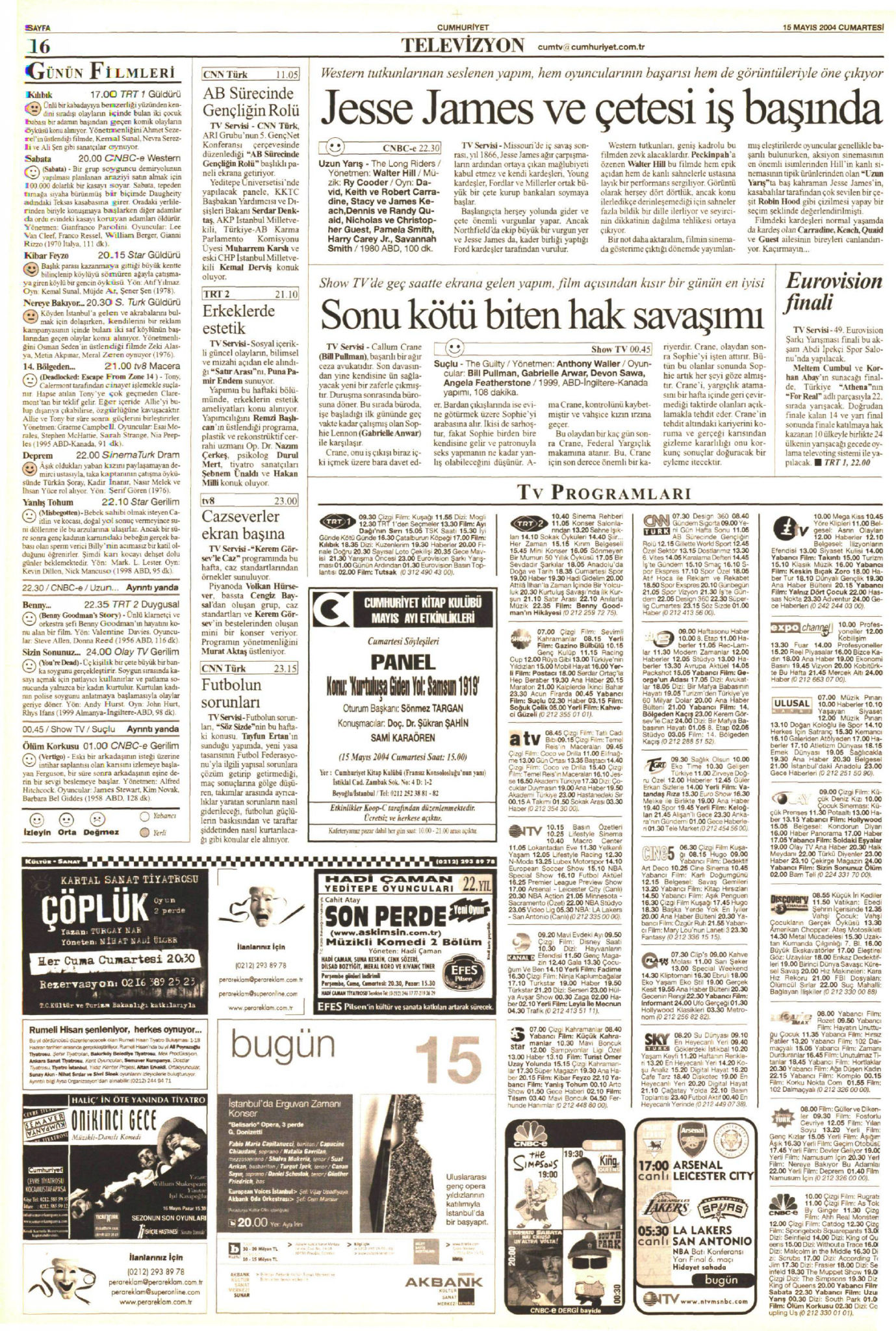
- (12 May 2004). "TV Programları – 15 Mayıs 2004". [[Cumhuriyet]].
- (19 May 2005). "TV Programları – 19 Mayıs 2005". [[Cumhuriyet]].
- (21 May 2005). "TV Programları – 21 Mayıs 2005". [[Cumhuriyet]].
- (18 May 2006). "TV Programları – 18 Mayıs 2006". [[Cumhuriyet]].
- (20 May 2006). "TV Programları – 20 Mayıs 2006". [[Cumhuriyet]].
- (22 May 2006). "'Finlandiya Eurovision ruhunu bozdu'". [[Sabah (newspaper).
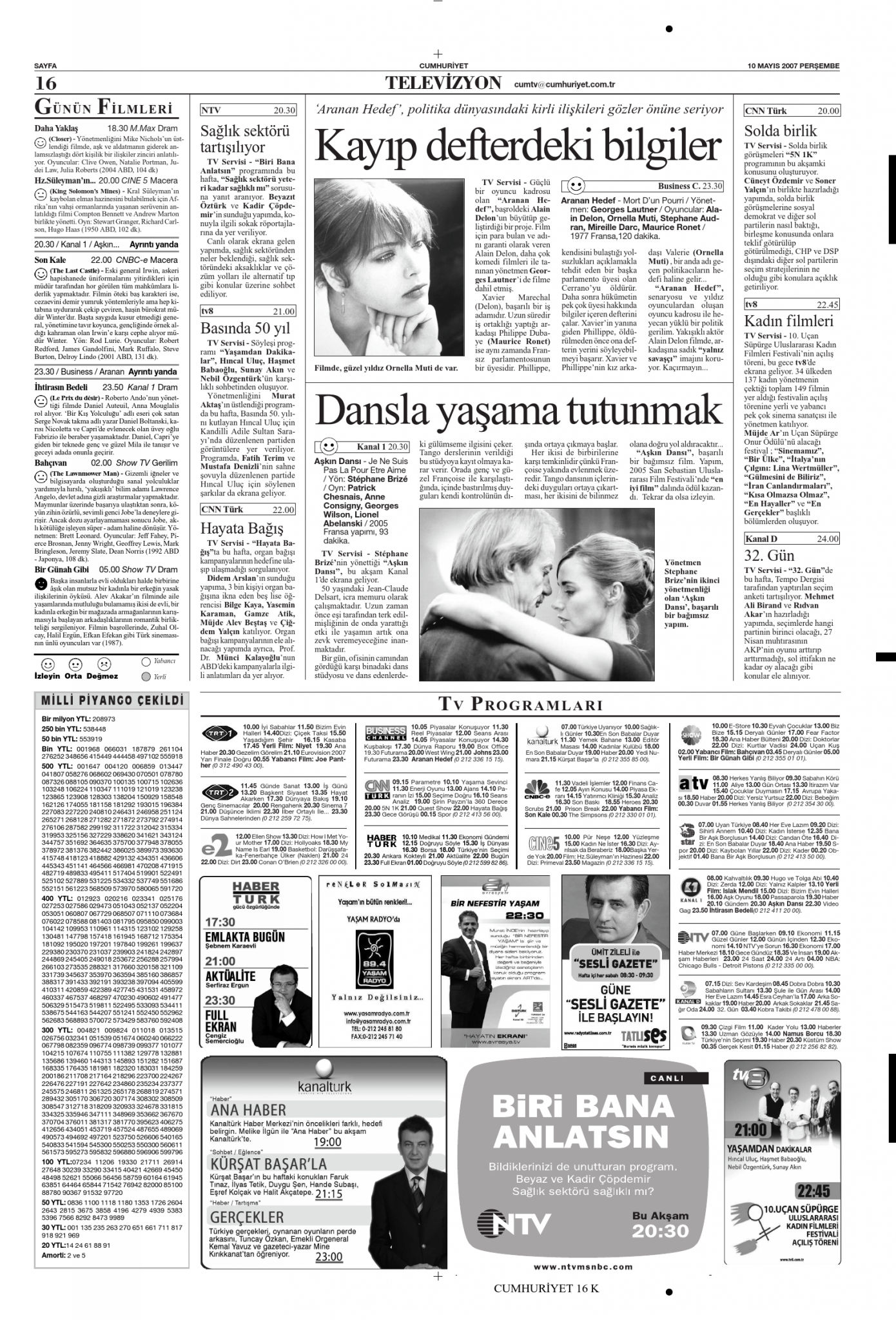
- (10 May 2007). "TV Programları – 10 Mayıs 2007". [[Cumhuriyet]].
- (12 May 2007). "TRT 1". [[Cumhuriyet]].
- (12 May 2007). "Haydi Şekerim göster kendini". Internet Haber.
- "Tanıtım Programı 18 Mayıs'ta". [[Turkish Radio and Television Corporation.
- "Eurovision 2008 Şarkı Yarışması Finali". [[Turkish Radio and Television Corporation.
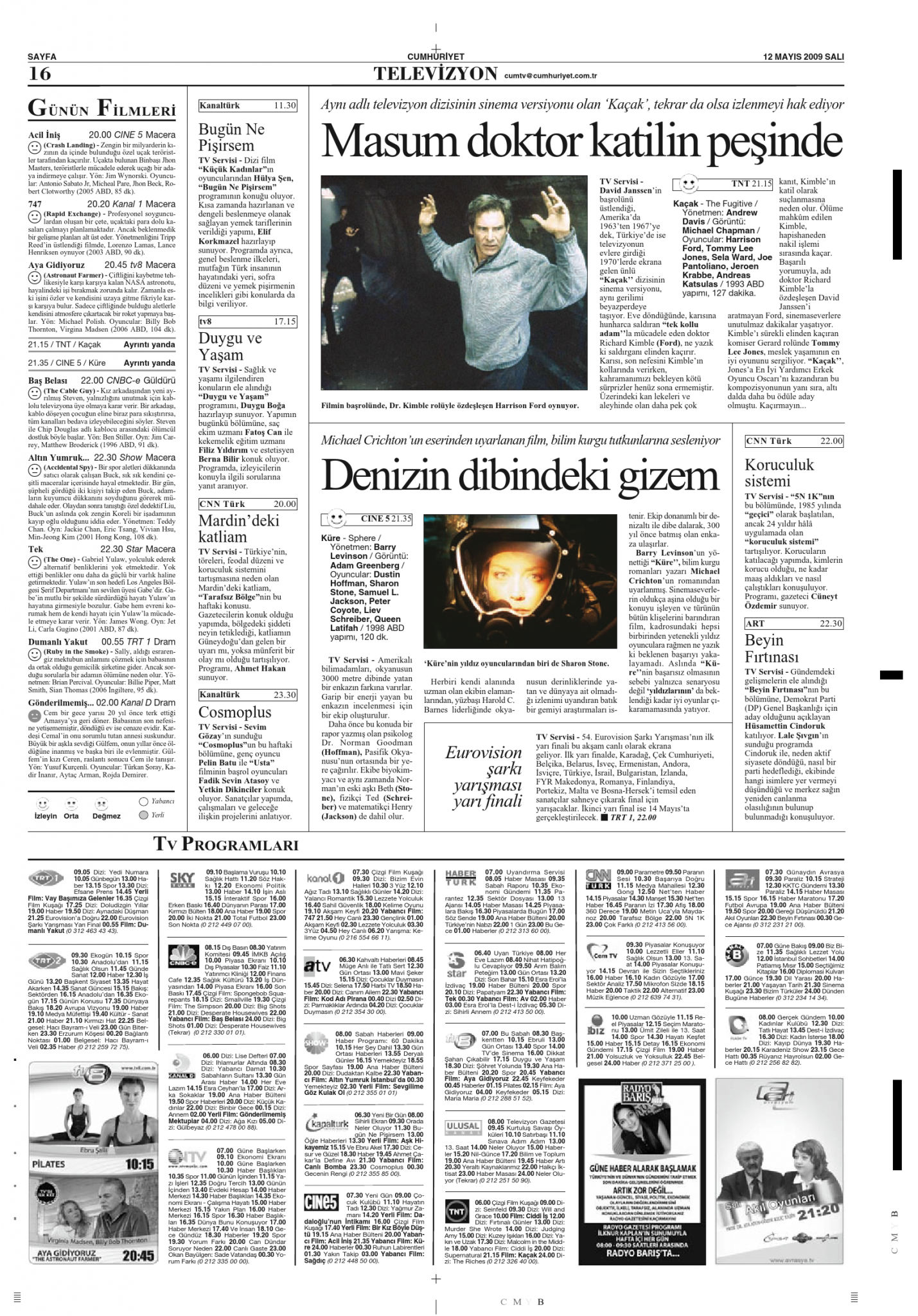
- "TV Programları – 12 Mayıs 2009". [[Cumhuriyet]].
- "TV Programları – 14 Mayıs 2009". [[Cumhuriyet]].
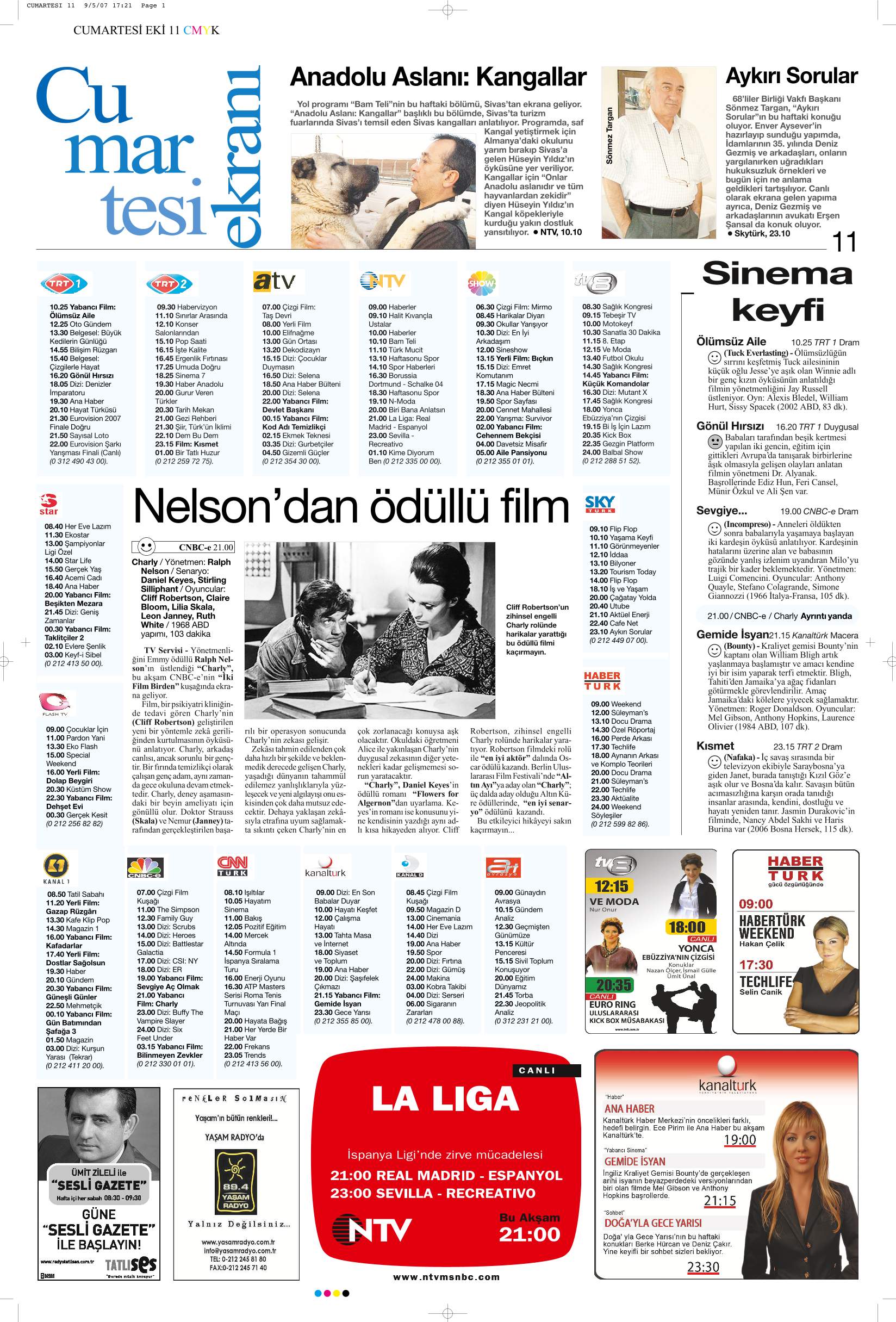
- "Cumartesi ekranı". [[Cumhuriyet]].
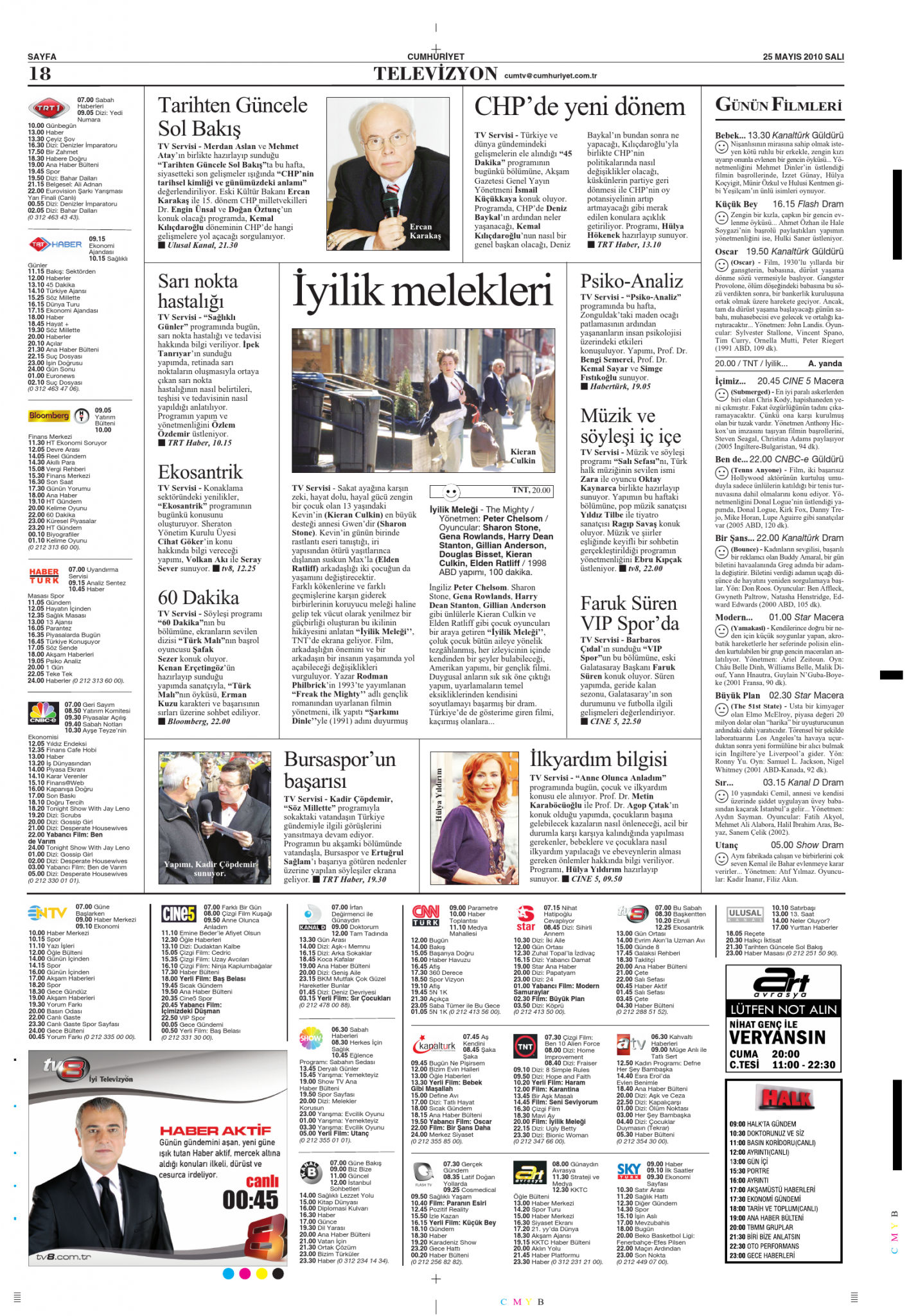
- (25 May 2010). "Televizyon". [[Cumhuriyet]].
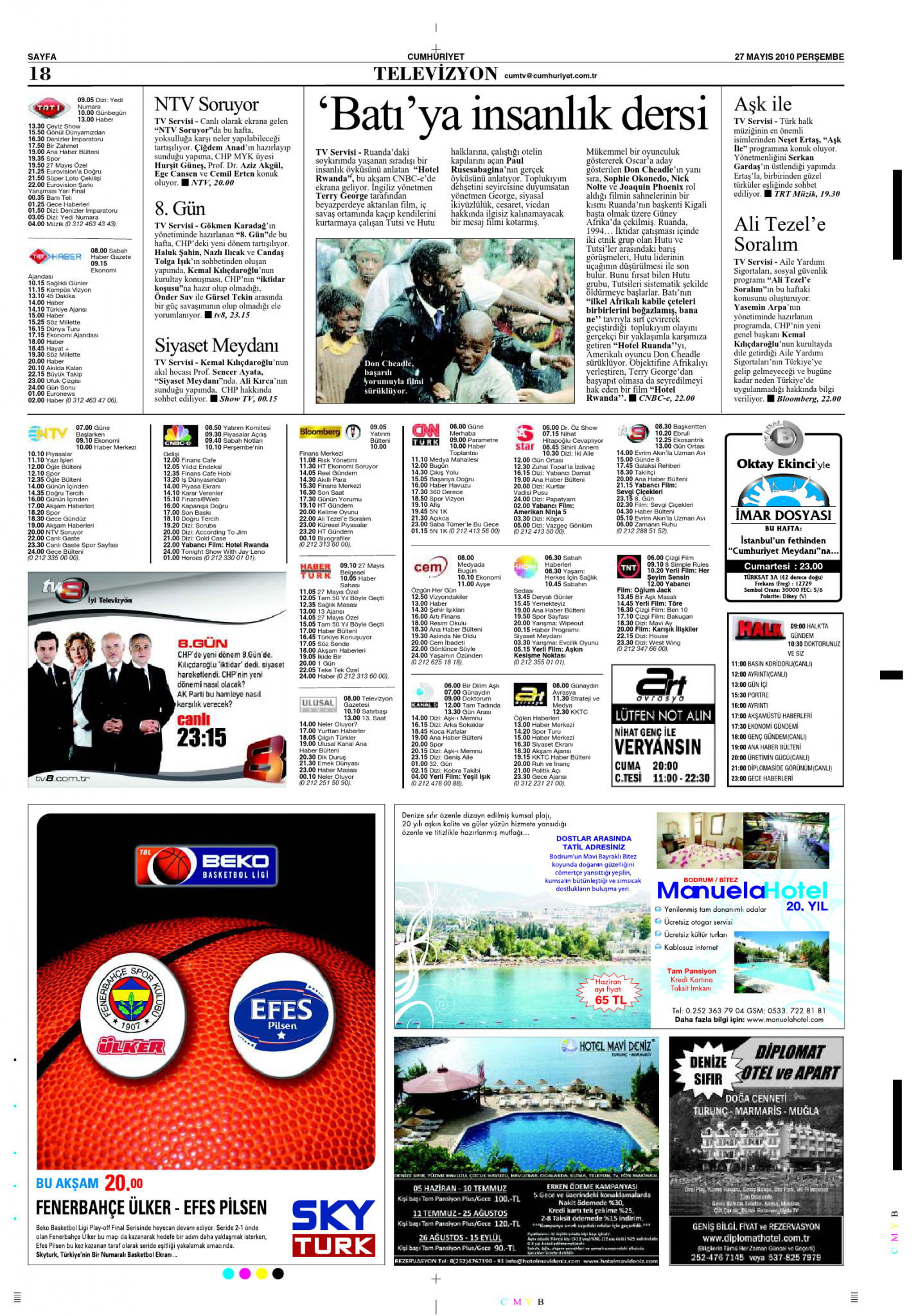
- (27 May 2010). "Televizyon". [[Cumhuriyet]].
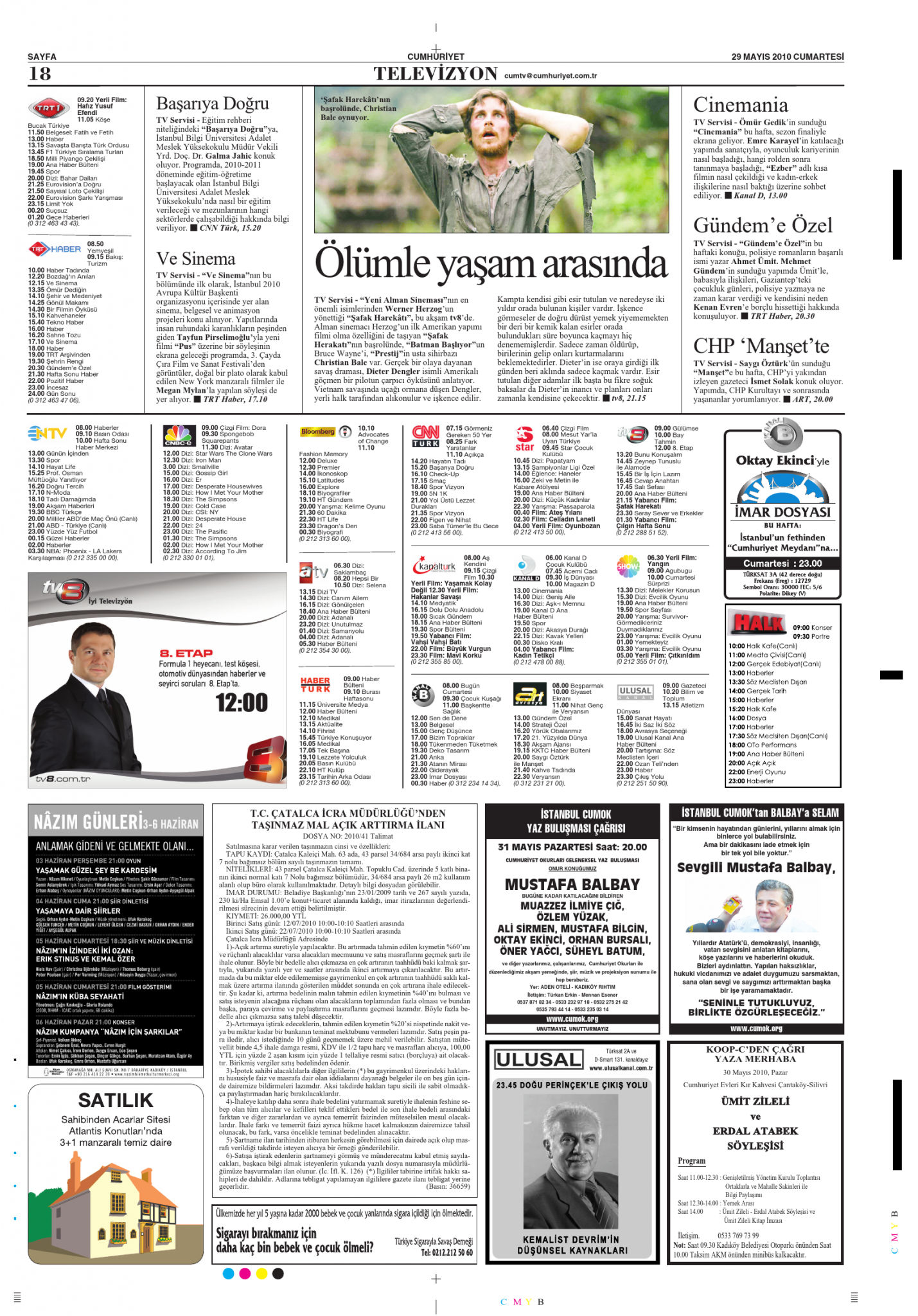
- (29 May 2010). "Televizyon". [[Cumhuriyet]].
- "TRT Televizyon". Trt.net.tr.
- (15 April 2012). "Özveren'in veliahtı kim?". posta.com.tr.
This article was imported from Wikipedia and is available under the Creative Commons Attribution-ShareAlike 4.0 License. Content has been adapted to SurfDoc format. Original contributors can be found on the article history page.
Ask Mako anything about Turkey in the Eurovision Song Contest — get instant answers, deeper analysis, and related topics.
Research with MakoFree with your Surf account
Create a free account to save articles, ask Mako questions, and organize your research.
Sign up freeThis content may have been generated or modified by AI. CloudSurf Software LLC is not responsible for the accuracy, completeness, or reliability of AI-generated content. Always verify important information from primary sources.
Report