From Surf Wiki (app.surf) — the open knowledge base
Trailing cone
Aviation calibration tool
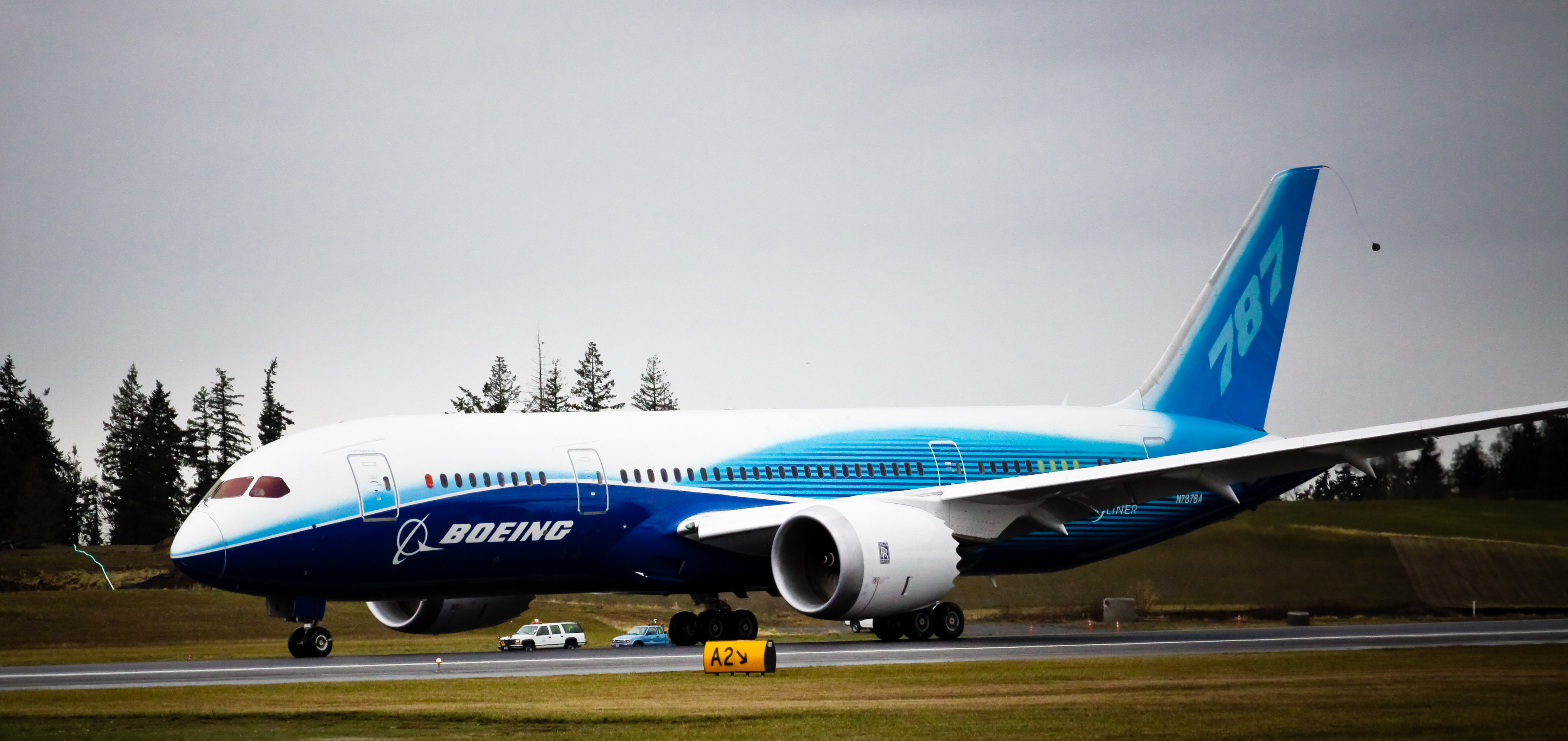
Aviation calibration tool
A trailing cone (also a trailing static cone or, incorrectly, a trailing wire) is an aviation calibration tool first developed and tested in the 1950s and 1960s as a simple means of calibrating the static pressure (altitude reporting) error of an aircraft's pitot-static system. It does this by giving an accurate measurement of the ambient atmospheric pressure (static pressure) well clear of the aircraft's fuselage. The trailing cone system trails at least one fuselage length behind the aircraft (SpaceAge Control) via a high-strength pressure tube. Static pressure is measured forward of the cone by several static ports. The cone stabilizes and aligns the ports relative to the freestream airflow.
The FAA states in Advisory Circular AC 91-85A: "Where precision flight calibrations are used to quantify or verify altimetry system performance they may be accomplished by any of the following methods. Flight calibrations should only be performed once appropriate ground checks have been completed. Uncertainties in application of the method must be assessed and taken into account in the data package.
Precision static pressure measurement methods
- Precision tracking radar in conjunction with pressure calibration of atmosphere at test altitude
- Trailing cone
- Chase aircraft
- Any other method acceptable to the approving authority
References
References
- "Home - FUTEK Advanced Sensor Technology V2".
- "Flight Test Equipment".
- "Trailing cone".
- "Design and Development of a Self-Contained Trailing Static Pressure Measurement System Prototype".
This article was imported from Wikipedia and is available under the Creative Commons Attribution-ShareAlike 4.0 License. Content has been adapted to SurfDoc format. Original contributors can be found on the article history page.
Ask Mako anything about Trailing cone — get instant answers, deeper analysis, and related topics.
Research with MakoFree with your Surf account
Create a free account to save articles, ask Mako questions, and organize your research.
Sign up freeThis content may have been generated or modified by AI. CloudSurf Software LLC is not responsible for the accuracy, completeness, or reliability of AI-generated content. Always verify important information from primary sources.
Report