From Surf Wiki (app.surf) — the open knowledge base
Toy store
Type of shop

Type of shop
A toy store or toy shop is a type of retail business specializing in selling toys; usually ones marketed towards children.
History
The first toy store was founded in 1760 by William Hamley in London, under the name of "Noah's Ark", later renamed to Hamleys. Set over seven floors, a Hamleys branch at 200 Regent Street in the West End of London opened in 1881. The famous toy store in New York City, FAO Schwarz, was founded under the name Schwarz Toy Bazaar. It was founded in 1862 by the German immigrant, Frederick August Otto Schwarz. The former largest toy retailer in the United States, Toys "R" Us, started business in 1948 by Charles Lazarus, a veteran of World War II. In 2015, FAO Schwarz closed, and did not reopen until after Toys "R" Us went bankrupt in 2018.
Notable examples

- Hamleys, listed in the Guinness Book of Records as the world's oldest toy shop
- Toys "R" Us, international company now Tru Kids
- FAO Schwarz, famous American brand and store
- The LEGO Store, official store for Lego toys
- Build-A-Bear Workshop, company specializing in make-your-own stuffed animals
- Learning Express Toys, franchise of specialty toys
- Smyths Toys Superstores, Irish toy store
- Ri Happy, Brazilian toy store
Economics
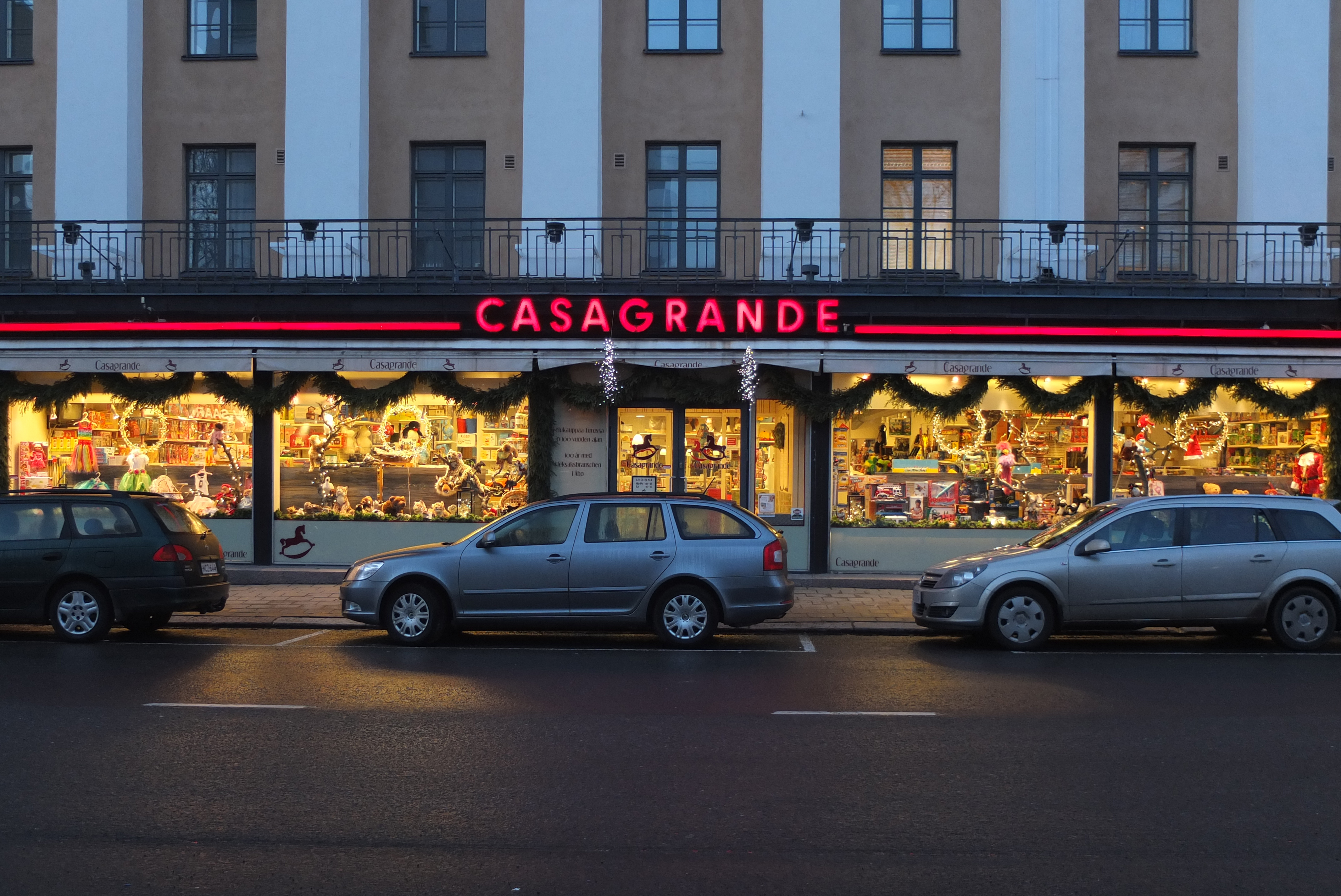
Today, toy stores face competition from the online toy market. As a result, many large toy retailers have been rendered bankrupt. These competing websites include Amazon or eBay. Toys "R" Us cut prices in an attempt to compete, but it ultimately ended in failure. As Jeff P. Bezos explained, "For a toy store to survive, they've got to create the kind of fun that Amazon can't." Toy Stores that adopt this model by increasing in-store interactivity have been more successful in maintaining business. Another model many stores have adopted is an online alternative, specifically for the individual retailer.
Gender-based marketing
Main article: Gender neutrality#Children's toys
There can be a large gender bias for the marketing of certain products. This includes using color to market products to a certain gender, or only showing one gender to market to that specific demographic. On the U.S. Disney Store website, the toys for boys are predominantly red, black, brown, or grey, while the toys for girls are mostly pink or purple. However, the toys meant for both boys and girls were mostly of the same color palette as the toys for boys.

References
References
- Peter Matthews, Michelle Dunkley McCarthy. (1994). "The Guinness Book of Records 1994". Facts on File.
- (2010-02-11). "The history of Hamleys".
- Howland, Daphne. "FAO Schwarz returns to New York".
- Blakemore, Erin. "Inside the Rise and Fall of Toys 'R' Us".
- "Historia". Leluliike Casagrande.
- "Why neighborhood toy stores are thriving while Toys R Us goes bankrupt". Washington Post.
- (2012). "The Gender Marketing of Toys: An Analysis of Color and Type of Toy on the Disney Store Website". Sex Roles.
This article was imported from Wikipedia and is available under the Creative Commons Attribution-ShareAlike 4.0 License. Content has been adapted to SurfDoc format. Original contributors can be found on the article history page.
Ask Mako anything about Toy store — get instant answers, deeper analysis, and related topics.
Research with MakoFree with your Surf account
Create a free account to save articles, ask Mako questions, and organize your research.
Sign up freeThis content may have been generated or modified by AI. CloudSurf Software LLC is not responsible for the accuracy, completeness, or reliability of AI-generated content. Always verify important information from primary sources.
Report