From Surf Wiki (app.surf) — the open knowledge base
Tourism in South Korea
none

none
Tourism in South Korea and its industry caters to both foreign and domestic tourists. The country has 16 World Heritage Sites, including Changdeokgung Palace, Namhansanseong and Hwaseong Fortress. Seoul is the principal tourist destination for visitors. Popular tourist destinations outside of the capital include the major coastal city of Busan, the Seorak-san national park, the historic city of Gyeongju and subtropical Jeju Island.
Tourism industry
Tourism has been encouraged by Korean government. The worldwide popularity of Korean popular culture, often known as the Korean Wave (i.e. Korean entertainment products such as Korean dramas and K-pop) has significantly increased tourist arrivals. Most non-Korean tourists come from East Asia and North America, such as China, Taiwan and the United States. In 2024, 16.37 million foreign tourists visited South Korea. The majority of the South Korean tourist industry is supported by domestic tourism. Thanks to the country's extensive network of trains and buses, most of the country lies within a day's round trip of any major city. International tourists come primarily from nearby countries or regions in Asia. Japan, mainland China, Hong Kong and Taiwan together account for roughly 75% of the total number of international tourists. In addition, the Korean Wave has brought increasing numbers of tourists from Southeast Asia and India. The Korea Tourism Organization (KTO) is targeting 100,000 arrivals from India in 2013.[[File: Park Bo-gum 박보검 朴寶劍 at his appointment ceremony as honorary ambassador of 2025 Korea Tourism 2.jpg |thumb|Actor [[Park Bo-gum]] at his appointment ceremony as honorary ambassador for South Korean tourism, July 2025|250x250px]] The Ministry of Culture, Sports and Tourism, together with the Korea Tourism Organization, appoints globally-known South Korean personalities as honorary ambassadors for their campaigns to promote South Korean tourism. They have included Korean Wave figures like boy group BTS, actor Lee Jung-jae, girl group NewJeans (2024), and actor Park Bo-gum (2025).
Domestic tourism
The number of Korean domestic tourists has increased since 2010. The number of people who participated in domestic travel (which includes one-day trips) was about 238.3 million (in 2015), increased by 4.9% compared to 2014 (227.1 million). In 2014, Korean's domestic tourism expenditure was ₩14.4 trillion.
Also, Korean overseas tourist numbers have been increasing since 2010. From 2012 to 2014, the number of South Koreans travelling overseas has risen by about 8.2% on average. In 2014, number of Korean overseas tourists was about 16.1 million. And Korean overseas tourism expenditure was $19,469.9 million.
Statistics
ImageSize=width:270 height:300 PlotArea=left:60 bottom:75 top:10 right:16 AlignBars=justify Period=from:0 till:1700 TimeAxis=orientation:horizontal
Colors= id:gray value:gray(0.5) id:line1 value:gray(0.9) id:line2 value:gray(0.7)
ScaleMajor=unit:year increment:500 start:0 gridcolor:line2 ScaleMinor=unit:year increment:500 start:0 gridcolor:line1
BarData= bar:January text:January bar:February text:February bar:March text:March bar:April text:April bar:May text:May bar:June text:June bar:July text:July bar:August text:August bar:September text:September bar:October text:October bar:November text:November bar:December text:December
PlotData= color:tan1 width:10
bar:January from:start till:880 text: bar:February from:start till:1030 text: bar:March from:start till:1490 text: bar:April from:start till:1460 text: bar:May from:start till:1420 text: bar:June from:start till:1420 text: bar:July from:start till:1410 text: bar:August from:start till:1560 text: bar:September from:start till:1460 text: bar:October from:start till:1600 text: bar:November from:start till:1360 text: bar:December from:start till:1270 text:
TextData= pos:(50,37) textcolor:gray fontsize:M text:Tourist arrivals in 2024 (k) TextData= pos:(50,20) textcolor:gray fontsize:M text:Source: Trading Economics / TextData= pos:(50,3) textcolor:gray fontsize:M text:Korea Tourism Organization
In 2019, the contribution of travel and tourism to the Korean GDP was up 4.2% of the total economy (₩ 81.4 billion). Which accounted for 4.8% of total employment (1.3%). The impact of international visitors accounted for ₩ 26.5 billion (World Travel and Tourism Council).
Spending habits include:
- Leisure spending 82% vs. Business spending 18%
- Domestic spending 55% vs. International spending 45%
Arrivals
Visitors arriving to South Korea for tourism by nationality:
| Country | 2025 | 2024 | 2023 | 2022 | 2021 | 2020 | 2019 | 2018 | ||||||
|---|---|---|---|---|---|---|---|---|---|---|---|---|---|---|
| China | 5,480,969 | 4,603,273 | ||||||||||||
| Japan | 3,653,137 | 3,224,079 | ||||||||||||
| Taiwan | 1,891,414 | 1,473,908 | ||||||||||||
| United States | 1,483,240 | 1,320,108 | ||||||||||||
| Hong Kong | 623,149 | 571,418 | ||||||||||||
| Philippines | 615,141 | 516,760 | ||||||||||||
| Vietnam | 543,105 | 511,420 | ||||||||||||
| Singapore | 399,635 | 375,428 | ||||||||||||
| Indonesia | 365,596 | 336,185 | ||||||||||||
| Thailand | 333,930 | 323,856 | ||||||||||||
| Malaysia | 329,147 | 300,836 | ||||||||||||
| Canada | 282,618 | 254,332 | ||||||||||||
| Australia | 267,157 | 244,338 | ||||||||||||
| Russia | 224,524 | 197,198 | ||||||||||||
| India | 199,277 | 176,668 | ||||||||||||
| France | 180,076 | 164,508 | ||||||||||||
| Germany | 175,836 | 157,185 | ||||||||||||
| United Kingdom | 171,940 | 147,493 | ||||||||||||
| Mongolia | 166,901 | 141,902 | ||||||||||||
| Myanmar | 86,290 | 76,334 | ||||||||||||
| Mexico | 85,503 | 57,888 | ||||||||||||
| Italy | 81,328 | 63,423 | ||||||||||||
| Uzbekistan | 67,900 | 59,501 | ||||||||||||
| Kazakhstan | 64,990 | 54,893 | ||||||||||||
| Netherlands | 62,695 | 55,038 | ||||||||||||
| Turkey | 60,202 | 46,027 | ||||||||||||
| Spain | 59,134 | 47,031 | ||||||||||||
| Poland | 54,297 | 43,539 | ||||||||||||
| Cambodia | 51,694 | 48,084 | ||||||||||||
| Nepal | 51,257 | 40,507 | ||||||||||||
| New Zealand | 44,632 | 42,177 | ||||||||||||
| Brazil | 41,607 | 33,292 | ||||||||||||
| Sri Lanka | 29,368 | 27,666 | ||||||||||||
| Switzerland | 29,215 | 25,819 | ||||||||||||
| Laos | 28,062 | 19,569 | ||||||||||||
| Bangladesh | 25,905 | 23,959 | ||||||||||||
| Sweden | 25,135 | 20,837 | ||||||||||||
| Israel | 24,949 | 14,789 | ||||||||||||
| Ukraine | 23,506 | 22,414 | ||||||||||||
| Belgium | 21,388 | 19,626 | ||||||||||||
| Saudi Arabia | 20,998 | 22,651 | ||||||||||||
| South Africa | 19,342 | 16,553 | ||||||||||||
| Romania | 18,777 | 16,017 | ||||||||||||
| Denmark | 17,814 | 15,730 | ||||||||||||
| Portugal | 17,466 | 13,919 | ||||||||||||
| Austria | 17,110 | 15,660 | ||||||||||||
| Colombia | 15,820 | 11,374 | ||||||||||||
| Finland | 15,671 | 13,895 | ||||||||||||
| Pakistan | 15,321 | 15,842 | ||||||||||||
| Ireland | 14,947 | 12,317 | ||||||||||||
| Norway | 14,790 | 12,192 | ||||||||||||
| Czech Republic | 13,138 | 10,681 | ||||||||||||
| Kyrgyzstan | 12,787 | 10,691 | ||||||||||||
| Greece | 12,540 | 10,821 | ||||||||||||
| Argentina | 9,849 | 7,236 | ||||||||||||
| Ethiopia | 9,781 | 10,813 | ||||||||||||
| United Arab Emirates | 9,243 | 8,946 | ||||||||||||
| Hungary | 9,138 | 8,843 | ||||||||||||
| Chile | 8,755 | 7,035 | ||||||||||||
| Brunei | 8,069 | 7,212 | ||||||||||||
| Bulgaria | 7,756 | 6,494 | ||||||||||||
| Peru | 7,490 | 5,623 | ||||||||||||
| Egypt | 7,117 | 6,454 | ||||||||||||
| Croatia | 7,052 | 6,112 | ||||||||||||
| Tajikistan | 6,790 | 6,120 | ||||||||||||
| Lithuania | 5,894 | 4,622 | ||||||||||||
| Morocco | 5,662 | 4,690 | ||||||||||||
| Total | 18,936,562 | 16,369,629 |
Total tourist numbers
| Year | Number of international visitor | |
|---|---|---|
| arriving in S. Korea | % change from | |
| previous year | ||
| 2003 | 4,752,762 | -11.1 |
| 2004 | 5,818,138 | +22.4 |
| 2005 | 6,022,752 | +3.5 |
| 2006 | 6,155,046 | +2.2 |
| 2007 | 6,448,240 | +4.8 |
| 2008 | 6,890,841 | +6.9 |
| 2009 | 7,817,533 | +13.4 |
| 2010 | 8,797,658 | +12.5 |
| 2011 | 9,794,796 | +11.3 |
| 2012 | 11,140,028 | +13.7 |
| 2013 | 12,175,550 | +9.3 |
| 2014 | 14,201,516 | +16.6 |
| 2015 | 13,231,651 | -6.8 |
| 2016 | 17,241,823 | +30.3 |
| 2017 | 13,335,758 | -22.7 |
| 2018 | 15,346,879 | +15.1 |
| 2019 | 17,502,756 | +14.0 |
| 2020 | 2,519,118 | -85.6 |
| 2021 | 967,003 | -61.6 |
| 2022 | 3,198,017 | +230.71 |
| 2023 | 11,031,665 | +244.95 |
| 2024 | 16,369,629 | +48.4 |
China

China has been South Korea's largest tourism source for years. In 2016, visitors from China made up 46.8% of tourists in South Korea. However China imposed a group tour ban after the US military deployed the Terminal High Altitude Area Defense (THAAD) system in South Korea. From April 2017, Chinese tourists plummeted by more than 60% compared to the previous year. In 2020, the South Korean tourism industry made it a long-term goal to reduce its dependency on Chinese tourists.
Japan

Since Lee Myung-bak's visit to the Liancourt Rocks and his demand for an apology from the Emperor of Japan over Japanese colonialism in Korea in 2012, the Japanese public's image of South Korea deteriorated significantly. Japanese tourists to South Korea halved from 3.5 million in 2012 to 1.8 million in 2015, while South Korean tourists to Japan doubled from 2 million in 2012 to 4 million in 2015.
Domestic tourism
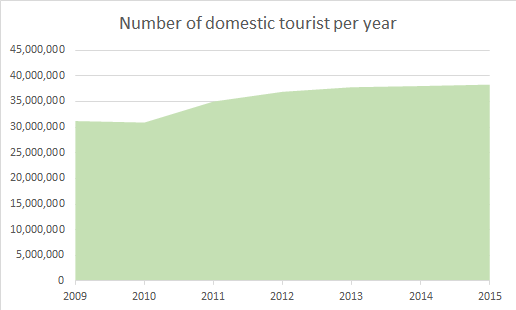
| Year | Number of domestic tourist per year |
|---|---|
| 2015 | 38,307,303 |
| 2014 | 38,027,454 |
| 2013 | 37,800,004 |
| 2012 | 36,914,067 |
| 2011 | 35,013,090 |
| 2010 | 30,916,690 |
| 2009 | 31,201,294 |
Destinations in Korea
South Korea's historical tourist attractions include the ancient capitals of Seoul, Gyeongju and Buyeo.
Some natural landmarks include the peaks of the Baekdudaegan, particularly Seorak-san and Jiri-san, the caves of Danyang and Hwanseongul, and beaches such as Haeundae and Mallipo.
Apart from Jeju island, there are many smaller islands. Excursion ferries are quite common along the south and west coasts and also to Ulleung-do Island, off the east coast. Limited tourism mainly by South Koreans to the Liancourt Rocks (Dokdo) has grown in recent years as a result of the political status of the rocks.
Many local districts hold annual festivals, such as the Boryeong Mud Festival and the Cheongdo Bullfighting Festival.
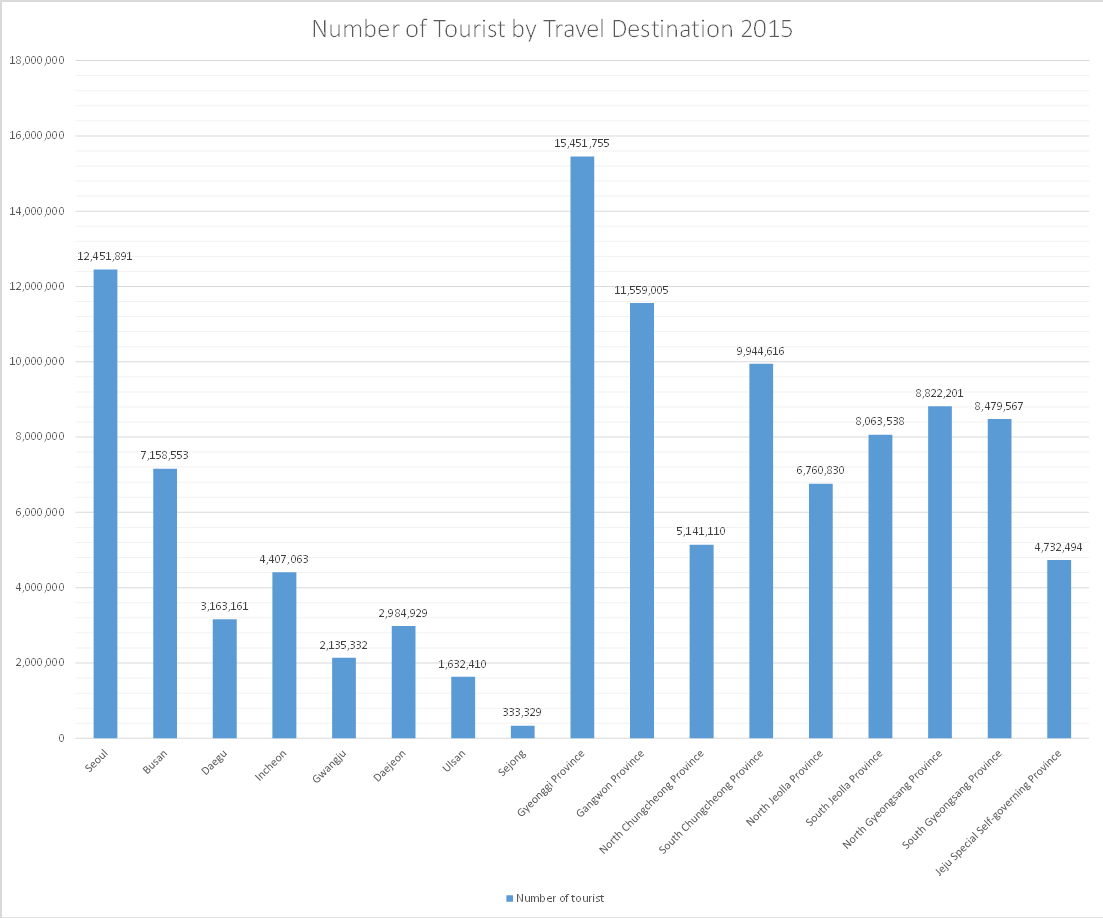
| Administrative divisions | Number of tourist |
|---|---|
| Seoul | 12,451,891 |
| Busan | 7,158,553 |
| Daegu | 3,163,161 |
| Incheon | 4,407,063 |
| Gwangju | 2,135,332 |
| Daejeon | 2,984,929 |
| Ulsan | 1,632,410 |
| Sejong | 333,329 |
| Gyeonggi Province | 15,451,755 |
| Gangwon Province | 11,559,005 |
| North Chungcheong Province | 5,141,110 |
| South Chungcheong Province | 9,944,616 |
| North Jeolla Province | 6,760,830 |
| South Jeolla Province | 8,063,538 |
| North Gyeongsang Province | 8,822,201 |
| South Gyeongsang Province | 8,479,567 |
| Jeju Special Self-governing Province | 4,732,494 |
Major tourist destinations
Main article: List of South Korean tourist attractions
Seoul
Main article: Tourism in Seoul


_사본_-1S6O1452.jpg)
- Gyeongbokgung Palace
- Changdeokgung Palace
- Deoksugung Palace
- Gwanghwamun Square
- Fortress Wall of Seoul
- 63 Building
- N Seoul Tower
- Bukchon Hanok Village
- War Memorial of Korea
- Jogyesa Temple
- National Museum of Korea
- Cheonggyecheon The Seoul Trail is a walking trail that goes around the city.
Busan


Busan is the second largest city in South Korea. It is located in the southeastern coast in Korea, so Busan has abundant tourist attractions such as beach and hot spring. People in South Korea visit beaches in Busan in hot summer. Also, there are various festivals in Busan. 11 festivals are held annually, including local festivals and art events. Busan sea festival is held every August and Busan International Film Festival is held every October. Jagalchi Cultural Festival is developed into a representative cultural tourism festival in Korea. Because of these various festivals and places, many people travel to Busan. Also, the influence of Social Network Service made Busan a popular tourist attraction. The official Facebook of the Busan Culture and Tourism Ministry and official blog sites promote the tourist attractions in Busan.
- Haeundae Beach
- Beomeosa Temple
- Haedong Yonggungsa Temple
- Geumjeongsanseong Fortress
- Dongnaeeupseong Fortress
- Dongnae-hyangyo Confucian Academy
- Chungnyeolsa Shrine
- Gukje Market
- Dongbaekseom
[[Daegu]]

- Palgongsan Mountain
- Donghwasa Temple
- Cathedral of Our Lady of Lourdes in Daegu
- Dalseong Park
- Gyeongsang-gamyeong Park
- Old House of Lee Sang-hwa
- Daegu-hyanggyo Confucian Academy
[[Incheon]]
.jpg)
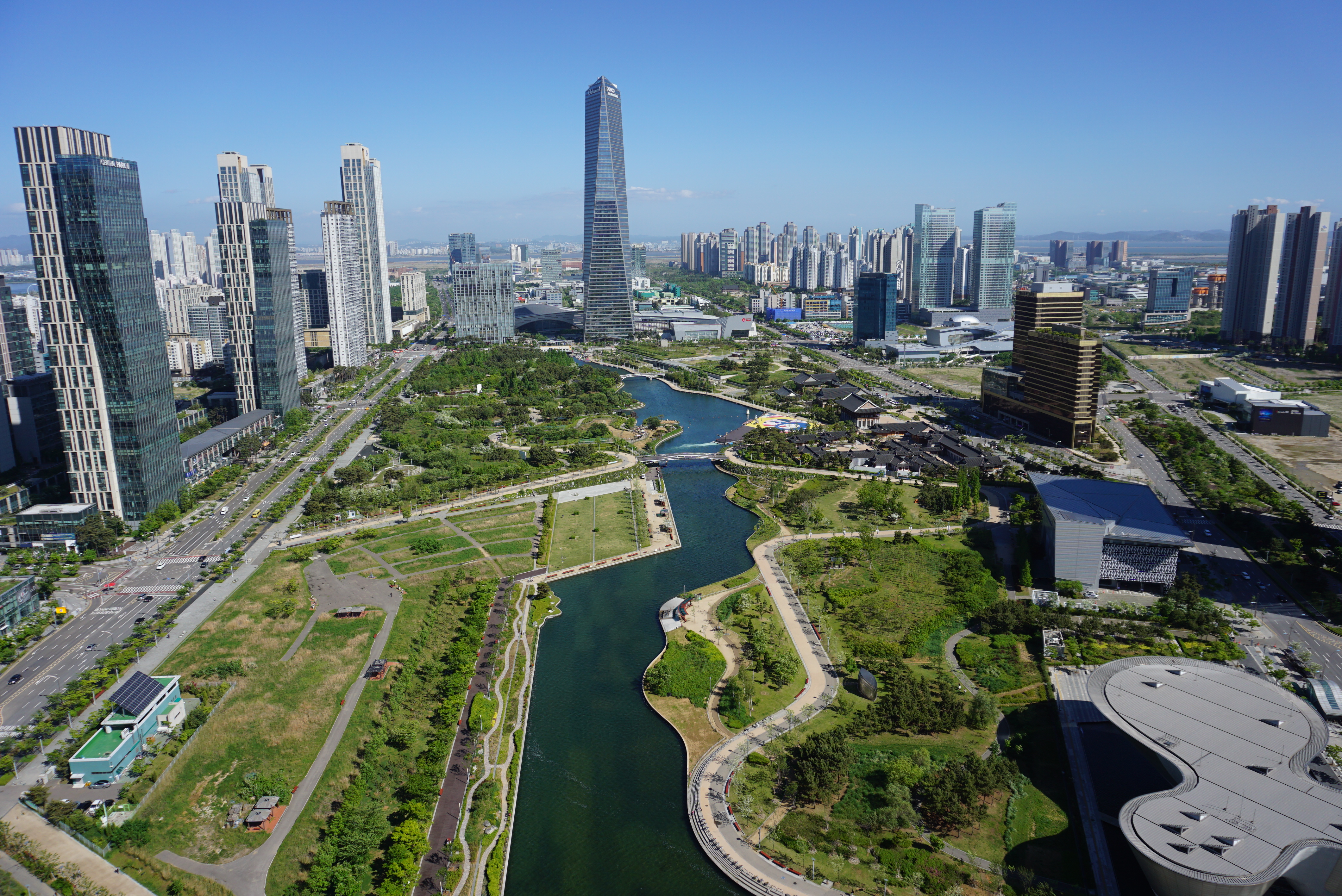
- Songdo Central Park
- Jeondeungsa Temple
- Chamseongdan Altar
- Chinatown
- Wolmido Island
- Gwangseongbo Fortress
[[Gwangju]]
- May 18th National Cemetery
- Mudeungsan National Park
- Gwangju Folk Museum
- Gwangju National Museum
- Jeungsimsa Temple
[[Daejeon]]

- Hanbat Arboretum
- Yuseong Hot Springs
- Expo Park
- Daejeon Museum of Art
[[Gyeonggi Province]]
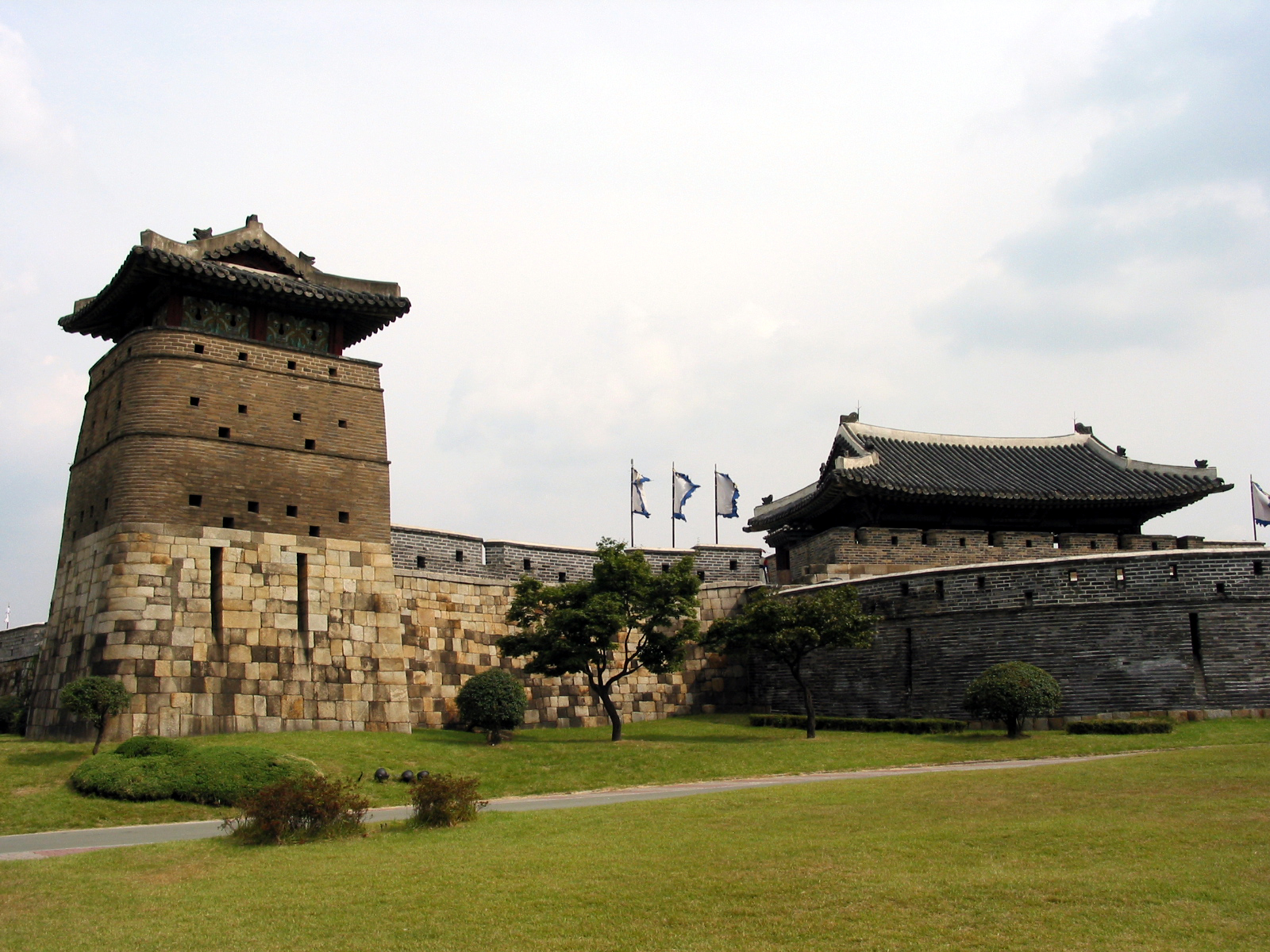
- Suwon — Suwon Hwaseong Fortress
- Gwangju (Gyeonggi) — Namhansanseong Fortress
- Kuri — Donggureung Tomb Cluster
- Paju — DMZ, Panmunjeom
- Yongin — Everland, Korean Folk Village, Yongin Daejanggeum Park
- Gapyeong — The Garden of Morning Calm
- Chuncheon — Legoland Korea Resort
[[Gangwon Province, South Korea|Gangwon Province]]
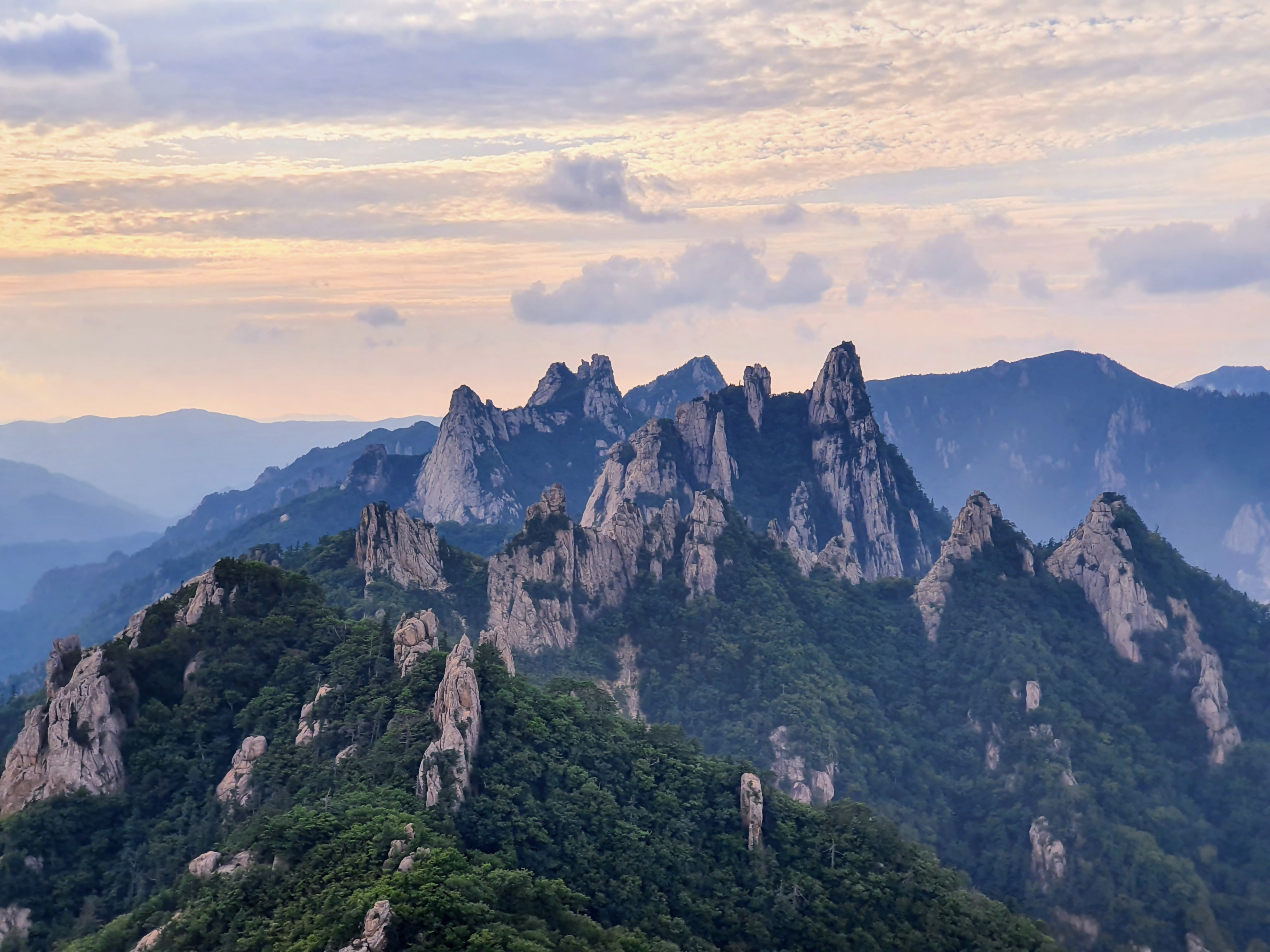


- Sokcho — Seoraksan, Ulsanbawi, Sinheungsa Temple
- Gangneung — Ojukheon, Seongyojang, birthplace of Yul Gok, Gyeongpo Lake
- Pyeongchang — Woljeongsa, Odaesan, Daegwallyeong Stock Farm
- Donghae
- Yangyang — Naksansa Temple
- Samcheok — Samcheok Railbike, Hwanseong and Daegeum Caves, Haesindang Park, Samcheok Rose Park, Samcheok, Jeungsan, Yonghwa, Maengbang and Jangho Beaches
- Wonju — Gangwon Gamyeong, Guryongsa Temple, Park Kyung-ni Literature Park
- Jeongseon — Molundae
- Hongcheon — Suta Temple
- Goseong
- Yeongwol — Jangreung, Eorayeon, Gossigul, Kimsatgat Sites, Cheongryeongpo, Youngwol dahanu Village Byeolmaro Observatory, Donggang Photo Museum, Bongraesan Mountain. Hanbando terrain in Soyanggang River
- Taebaek — Taebaek Mountain, Manggyeongsa Temple, Taebaek Mountains Literature Park, Hwangji Pond
- Cheolwon — Cheorwon Peace Observatory, Memorial Tower of the Baekma Goji (Korean War)
- Hoengseong — Seong Sammum's Tomb, Noeundan, Baekyasa
- Inje —
- Yanggu —
- Hwacheon —
[[North Chungcheong Province]]

- Boeun — Beopjusa Temple, Songnisan National Park, Samnyeonsanseong Fortress, Seon Byeong-guk House, Songnisan National Park
- Danyang — Guinsa Temple, Gosu Cave, Danyang Ondal Cave, Dodamsambong Peaks
- Cheongju — Cheongju National Museum, Cheongnamdae, Sangdangsanseong Fortress
- Jincheon — Bell Museum, Botapsa Temple
[[South Chungcheong Province]]
- Gongju — Tomb of King Muryeong, Gongsanseong, Magoksa Temple, Donghaksa Temple, Gapsa Temple, Seonhwadang, Gongju National Museum
- Buyeo — Buyeo National Museum (Gilt-bronze Incense Burner of Baekje), Five storied stone pagoda of Jeongnimsa Temple site, Gungnamji, Nakhwa-am, Muryangsa Temple, Baekje Royal Tombs (Neungsan-ri Ancient Tombs)
- Cheonan — The independence hall of Korea, Gakwonsa Temple
- Seosan — Rock-carved triad buddha, Haemieupseong Fortress
- Nonsan — Mireuk-bosal at Gwanchoksa Temple
- Boryeong - Dacheon beach
[[North Jeolla Province]]


- Jeonju — Jeonju Hanok Village, Jeondong Catholic Church, Gyeonggijeon Shrine, Hanji Museum, Royal Portrait Museum, Jeonju Gaeksa, Jeonjuhyanggyo Confucian School
- Namwon — Gwanghallu Pavilion, Chunhyang Theme Park, Manin Cemetery of Righteous Fighters, Silsangsa Temple, Gyoryong Sanseong Fortress
- Gochang — Gochangeupseong Fortress, Seonunsa Temple, Pansori Museum
- Iksan — Mireuksaji Pagoda,
- Gimje — Geumsansa Temple
- Gunsan — Hirotsu House, Dongguksa Temple
- Buan — Tapsa Temple, Byeonsanbando National Park

[[South Jeolla Province]]
- Yeosu — Jinnamgwan Hall, Hyangiram, Yi Sun Shin Square
- Suncheon — Songgwangsa Temple, Seonamsa Temple, Nagan Eupseong Folk Village
- Mokpo — Mokpo Modern History Museum, Gatbawi Rock, Yudal Mountain
- Haenam — Ttangggut (End of the Land) Village, Mihwangsa Temple
- Gurye — Hwaeomsa Temple
- Damyang — Damyang Juknokwon, Metasequoia-lined Road, Soswaewon Garden
- Boseong — Boseong Green Tea Field Daehan Dawon
- Wando — Cheongsan island (slow city)
[[North Gyeongsang Province]]


- Gyeongju — Bulguksa Temple, Seokguram, Anapji Pond, Gyeongju National Museum, Cheonmachong Tomb, Cheomseongdae Observatory, Yangdong Folk Village, Bunhwangsaji (Bunhwangsa Temple Site)
- Andong — Hahoe Folk Village, Hahoe Mask Museum, Dosanseowon Confucian School, Byeongsanseowon Confucian School, Wollyeongo Bridge
- Yeongju — Buseoksa Temple
- Mungyeong — Mungyeong Saejae Provincial Park
- Ulleung — Dokdo Island
[[South Gyeongsang Province]]
- Yangsan — Tongdosa Temple
- Hapcheon — Haeinsa Temple
- Tongyeong — Dongpirang Wall Painting Village
- Jinju — Jinjuseong, National Jinju Museum
- Geoje — Historic Park of Geoje POW Camp, Sinseondae
- Namhae — Gacheon Daerangi Village, Namhae German Village
- Gimhae — Tomb of King Suro, Tomb of Queen Heo Hwang-ok
- Changnyeong — Upo Wetland
- Miryang — Yeongnamnu, Pyochungsa, Eoreumgol Valley
[[Jeju Province|Jeju Special Self-governing Province]]


- Mount Halla
- Cheonjeyeon and Cheonjiyeon waterfalls
- Hallim Park
- Yakcheonsa Temple
- Manjanggul
- Jeju Stone Statue Park
Events
South Korea has hosted several international events, including the 1988 Summer Olympics, the 1993 Taejon Expo, the 2002 FIFA World Cup (jointly hosted with Japan), the 2005 APEC conference, the 2010 G-20 Seoul summit, the 2014 Asian Games, and the 2018 Winter Olympics.
References
- For entering South Korea, individuals must apply ETA “K-ETA” for visiting visa free program for tourists.
References
- UNTWO. (June 2008). "UNTWO World Tourism Barometer, vol. 5, n° 2".
- (2020). "International tourism, number of arrivals - Korea, Rep.".
- "Properties inscribed on the World Heritage List". [[UNESCO]].
- Linda Hohnholz. (March 6, 2016). "Statistics Korea: Resort island of Jeju is booming".
- Bunnag, Chatkaphat. (2025-01-28). "THE INFLUENCE OF THE ENTERTAINMENT INDUSTRY ON INTERNATIONAL TOURIST ARRIVALS IN SOUTH KOREA". Procedia of Multidisciplinary Research.
- Moon Joon-hyun. (February 5, 2025). "South Korea tourism surges in 2024 with record spending and arrivals".
- (July 2002). "National tourism policy review Republic of Korea". Organisation for Economic Co-operation and Development.
- "South Korea in hot pursuit of Indians".
- Jae-heun, Kim. (2025-07-24). "Actor Park Bo-gum new face of Korea's tourism".
- (2025-07-29). "한국의 매력 알리는 얼굴에 '박보검'".
- (2016-09-23). "국민여행 총량".
- 이 (Lee), 태훈 (Taehun). (2016-09-06). "국내 관광 5% 늘면 1조2000억 효과". [[The Korea Economic Daily]].
- (2016). "2015년 12월 외래객입국·국민해외여행객 및 관광수입·지출 동향". 한국 관광 통계.
- "Global and regional tourism performance".
- "OECD Tourism Trends and Policies 2020". OECD iLibrary.
- "Travel & Tourism Economic Impact World Travel & Tourism Council (WTTC)". World Travel & Tourism Council.
- "Visitor Arrivals". [[Korea Tourism Organization]].
- (11 July 2017). "South Korea tourism hit by China ban". BBC.
- "Home>Tourism Statistics > key facts on tourism > Korea, Monthly Statistics of Tourism". [[Korea Tourism Organization]].
- Foundation, The Korea International Broadcasting. "한국을 대표하는 글로벌 방송! The World On Arirang!".
- (January 6, 2016). "Aide's memoir tells why S. Korean president demanded apology from emperor". [[The Asahi Shimbun]].
- "Foreign visitors to Japan". Japan National Tourism Organization.
- "Press release". Japan National Tourism Organization.
- "2012국민여행실태조사최종보고서".
- "2015국민여행실태조사보고서".
- "2009년국민여행실태조사".
- 조 (Jo), 용철 (Yongcheol). (2016-10-10). "지역간 문화격차 '참담'". [[The Financial News]].
- 김(Kim), 동민(Dongmin). (2016-10-13). "이종배 "문화 향유기회 확대 및 문화격차 해소해야"". 충북일보(Chungbugilbo).
- "About Seoul Trail".
- Cho, Jung-woo. (2024-06-23). "Seoul Trail hike gives international students taste of city's greener side".
This article was imported from Wikipedia and is available under the Creative Commons Attribution-ShareAlike 4.0 License. Content has been adapted to SurfDoc format. Original contributors can be found on the article history page.
Ask Mako anything about Tourism in South Korea — get instant answers, deeper analysis, and related topics.
Research with MakoFree with your Surf account
Create a free account to save articles, ask Mako questions, and organize your research.
Sign up freeThis content may have been generated or modified by AI. CloudSurf Software LLC is not responsible for the accuracy, completeness, or reliability of AI-generated content. Always verify important information from primary sources.
Report