From Surf Wiki (app.surf) — the open knowledge base
Tongatapu
Main island of the Kingdom of Tonga
Main island of the Kingdom of Tonga
| Field | Value |
|---|---|
| name | Tongatapu |
| image_name | File:Tonga ESA363260.jpg |
| image_caption | Satellite picture of Tongatapu |
| location | Pacific Ocean |
| coordinates | |
| archipelago | Tonga Islands |
| area_km2 | 260.48 |
| country | Tonga |
| country_largest_city | Nukualofa |
| country_largest_city_population | 23,221 |
| population | 74,454 |
| population_as_of | 2021 |
| density_km2 | 273.57 |
| ethnic_groups | Tongan (majority), European, Chinese, Pacific Islanders. |
| image_map | Palauli in Tonga.svg |
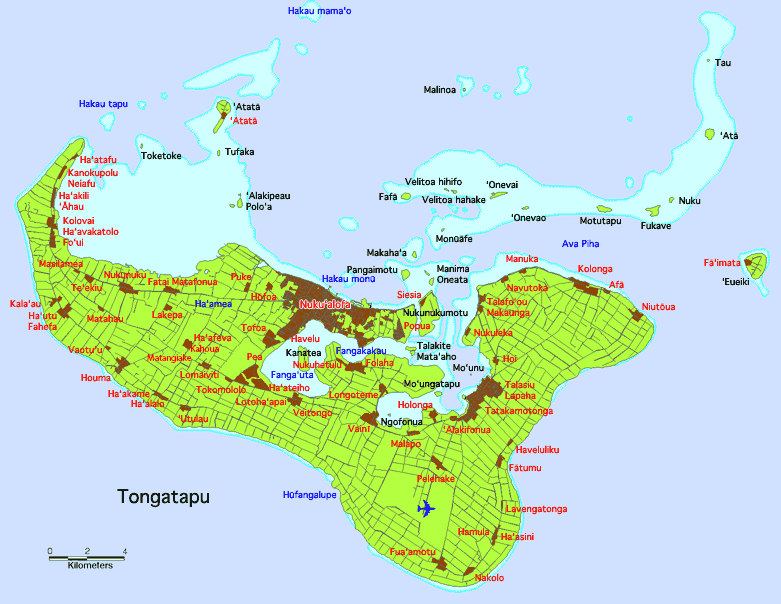
Tongatapu is the main island of Tonga and the site of its capital, Nukualofa. Approximately 260 km2 in size, it is located in Tonga's southern island group, to which it gives its name and it is the country's most populous island, with 74,611 residents (2016) or roughly 70.5% of the total population.
Tongatapu has experienced more rapid economic development than the other islands of Tonga, and has become a business, trade and labor center of the country.
Geography
The island is 257.03 km2 (or 260.48 km2 including neighbouring islands) and rather flat, as it is built of coral limestone. The island is covered with thick fertile soil consisting of volcanic ash from neighbouring volcanoes. At the steep coast of the south, heights reach an average of 35 m, and maximum 70 m, gradually decreasing towards the north.

North of the island are many small isolated islands and coral reefs which extend up to 7 km from Tongatapu's shores. The almost completely closed Fanga'uta and Fangakakau Lagoons are important breeding grounds for birds and fish as they live within the mangroves growing around the lagoon's shores. The lagoons were declared a Natural Reserve in 1974 by the government.
Climate
Tongatapu has a rather cooler climate than the rest of Tonga as it is the southernmost group of islands in the country. Because of this, fruit production is lower in Tongatapu than it is in the warmer islands in the north.
|Jan record high C = 32 |Feb record high C = 32 |Mar record high C = 31 |Apr record high C = 30 |May record high C = 30 |Jun record high C = 28 |Jul record high C = 28 |Aug record high C = 28 |Sep record high C = 28 |Oct record high C = 29 |Nov record high C = 30 |Dec record high C = 31 |year record high C = 32 |Jan record low C = 16 |Feb record low C = 17 |Mar record low C = 15 |Apr record low C = 15 |May record low C = 13 |Jun record low C = 11 |Jul record low C = 10 |Aug record low C = 11 |Sep record low C = 11 |Oct record low C = 12 |Nov record low C = 13 |Dec record low C = 16 |year record low C = 10 | access-date=4 November 2012}}
History
People of the Lapita culture
Tongatapu is known as having one of the highest concentration of archaeological remains in the Pacific. The earliest traces of Lapita pottery found in Tonga was from around 900–850 BC, 300 years after the first settlements in Tonga were established. Archaeologist David Burley discovered the pottery around the Fanga'uta Lagoon, 2,000 km away from the Lapita pottery found at Santa Cruz in the Solomon Islands.
Tonga was always the seat of the Tui Tonga Empire, but in an area of distances up to 1,000 km, it was often only a symbolic rule. From the first capital at Toloa, around 1000 years ago, to the second capital at Heketā, at the site of the Haamonga a Maui Trilithon, none boasts more traditional attractions than the third capital at Mua (from 1220–1851) with more than 20 royal grave mounds.
Europeans

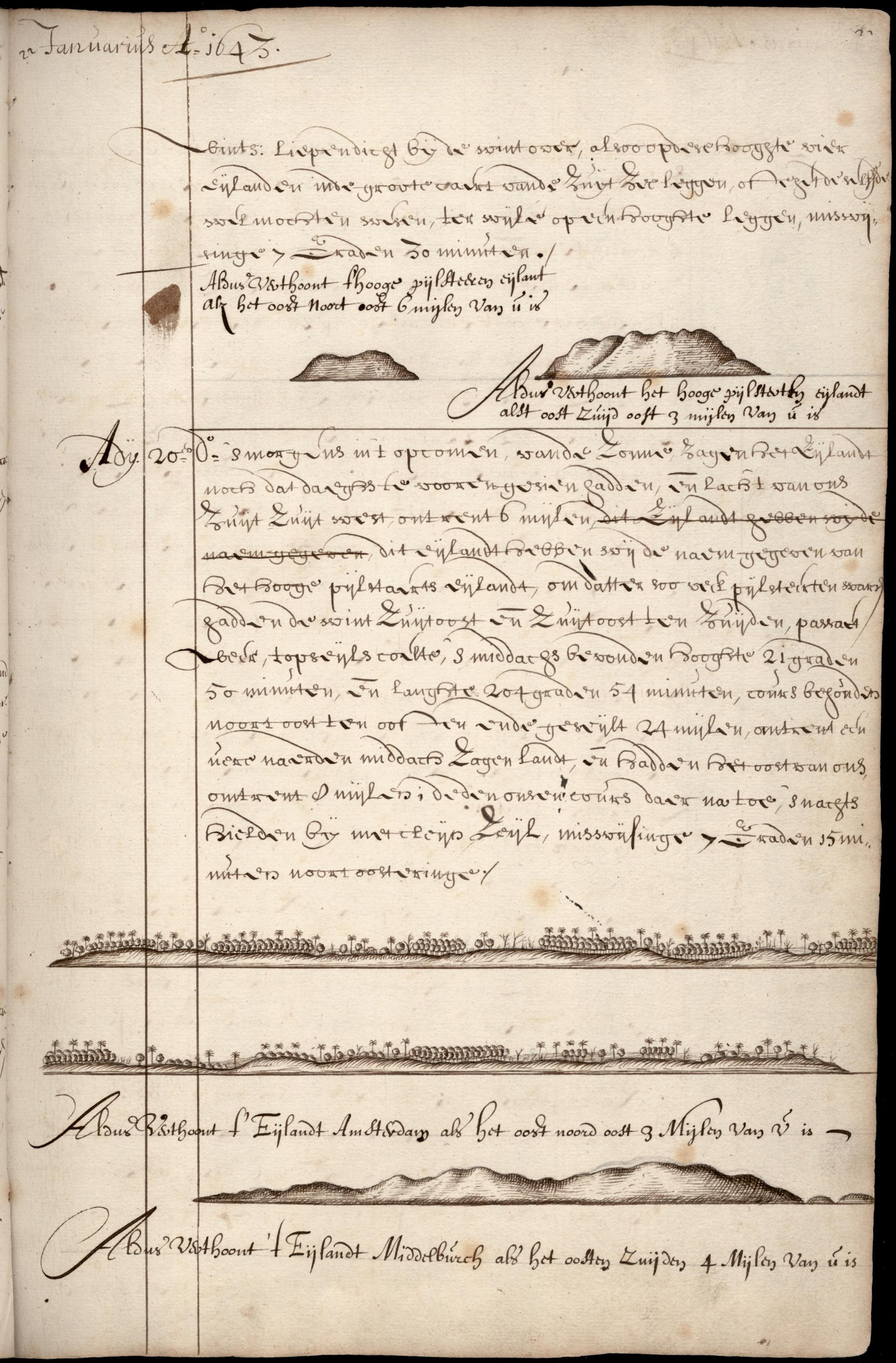
Commander James Cook, sailing the British vessel Resolution visited the island on October 2, 1773 by some accounts and by other accounts October 1774, returning again in 1777, with Omai, whereupon they left some cattle for breeding. These were still flourishing in 1789 when Bounty, under Fletcher Christian visited.
The earliest mention of the name Tongatapu (spelled "Tongataboo" in the text) was by James Cook in 1777, as he wrote his memoirs for the Three Voyages Around the World, Volume 1.
British and American whalers were regular visitors to the island for provisions, water and wood. The first on record was the Hope, in April–May 1807. The last known to have called was the Albatross in November–December 1899.
|1976 |57,411 |1986 |63,794 |1996 |66,979 |2006 |72,045 |2011 |75,416 |2016 |74,611 |2021 |74,454
Main sights

- Nukualofa – Capital of Tonga
- Mua – Second largest town in Tongatapu. Site of the ancient burial mounds and the Papae 'o Tele'a Tombs.
- Langi – Tombs of Tongan kings
- Hule fortress – Located in Nukunuku - Kolotau Ko Hule - Western District of Tongatapu
- Mapu a Vaea – Blowholes in the coral reef on the south-western side
- Hūfangalupe – Natural landbridge on the south eastern side of Tongatapu
- Pangaimotu – Small resort island close to Nukualofa
- Landing site of Captain Cook
- Flying Fox Preserve – Located in Kolovai in the western side Taungapeka
- Haamonga a Maui – Trilithon
- Nukuleka – possibly the site of first Lapita settlement in Tonga
- Tupou College – first educational establishment in the kingdom located in the eastern district of Tongatapu near Malapo
References
References
- (24 December 2021). "Tonga's population drops to 100,209". Matangi Tonga.
- Nationaal Archief, archiefinventaris 1.11.01.01 inventarisnummer 121, scan 85 {{hdl. 10648/877f659e-35ce-4059-945e-294a4d05d29c
- (2013). "The European Discovery of the Tonga Islands". Terrae Incognitae.
- "The Kingdom Of Tonga {{!}} Three Millennia of History".
- "A Cook's Tour of Tonga". The Captain Cook Society (CCS).
- (2010). "Aphrodite's Island". University of California Press.
- Langdon, Robert (ed.) (1984), ''Where the whalers went: an index to the Pacific Islands visited by American whalers (and some other ships) in the 19th century'', Canberra, Pacific Manuscripts Bureau, p.238-9. {{ISBN. 086784471X
- "1996 Tonga Census Administrative Report". Tonga Department of Statistics.
- "Census". Tonga Statistics Department.
This article was imported from Wikipedia and is available under the Creative Commons Attribution-ShareAlike 4.0 License. Content has been adapted to SurfDoc format. Original contributors can be found on the article history page.
Ask Mako anything about Tongatapu — get instant answers, deeper analysis, and related topics.
Research with MakoFree with your Surf account
Create a free account to save articles, ask Mako questions, and organize your research.
Sign up freeThis content may have been generated or modified by AI. CloudSurf Software LLC is not responsible for the accuracy, completeness, or reliability of AI-generated content. Always verify important information from primary sources.
Report