From Surf Wiki (app.surf) — the open knowledge base
Toad
Common name for certain frogs, especially of the family Bufonidae
Common name for certain frogs, especially of the family Bufonidae
amphibians
Toad (also known as a hoptoad) is a common name for certain frogs, especially of the family Bufonidae, that are characterized by dry, leathery skin, short legs, and large bumps covering the parotoid glands.
In popular culture (folk taxonomy), toads are distinguished from frogs by their drier, rougher skin and association with more terrestrial habitats. However, this distinction does not align precisely with scientific taxonomy.
List of toad families
In scientific taxonomy, toads include the true toads (Bufonidae) and various other terrestrial or warty-skinned frogs.
Non-bufonid "toads" can be found in the families:
- Bombinatoridae (fire-bellied toads and jungle toads)
- Calyptocephalellidae (helmeted water toad and false toads)
- Discoglossidae (midwife toads)
- Myobatrachidae (Australian toadlets)
- Pelobatidae (European spadefoot toad)
- Rhinophrynidae (burrowing toads)
- Scaphiopodidae (American spadefoot toads)
- Microhylidae (narrowmouth toads)
Biology
Usually the largest of the bumps on a toad's skin are those that cover the parotoid glands. The bumps are commonly called warts, but they have nothing to do with pathologic warts, being fixed in size, present on healthy specimens, and not caused by infection. It is a myth that handling toads causes warts.
Toads travel from non-breeding to breeding areas of ponds and lakes. Bogert (1947) suggests that the toads' call is the most important cue in the homing to ponds. Toads, like many amphibians, exhibit breeding site fidelity (philopatry). Individual American toads return to their natal ponds to breed, making it likely they will encounter siblings when seeking potential mates. Although inbred examples within a species are possible, siblings rarely mate. Toads recognize and avoid mating with close kin. Advertisement vocalizations given by males appear to serve as cues by which females recognize kin. Kin recognition thus allows avoidance of inbreeding and consequent inbreeding depression.
Habitat
In the United Kingdom, common toads often climb trees to hide in hollows or in nest boxes.
Cultural depictions
In Kenneth Grahame's novel The Wind in the Willows (1908), Mr. Toad is a likeable and popular, if selfish and narcissistic, comic character. Mr. Toad reappears as the lead character in A. A. Milne's play Toad of Toad Hall (1929), based on the book.
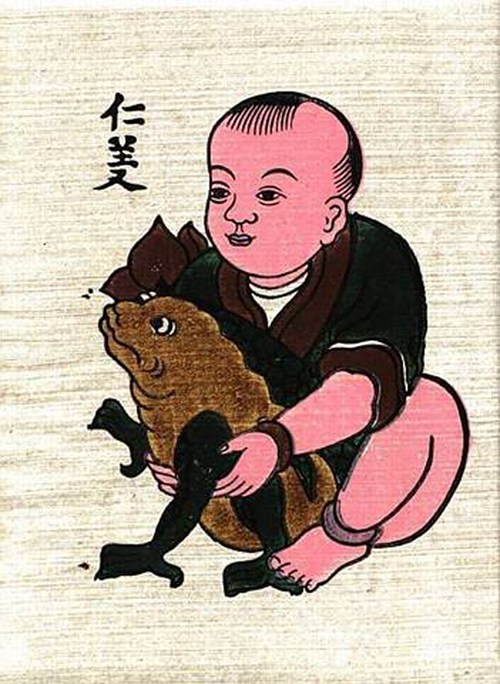
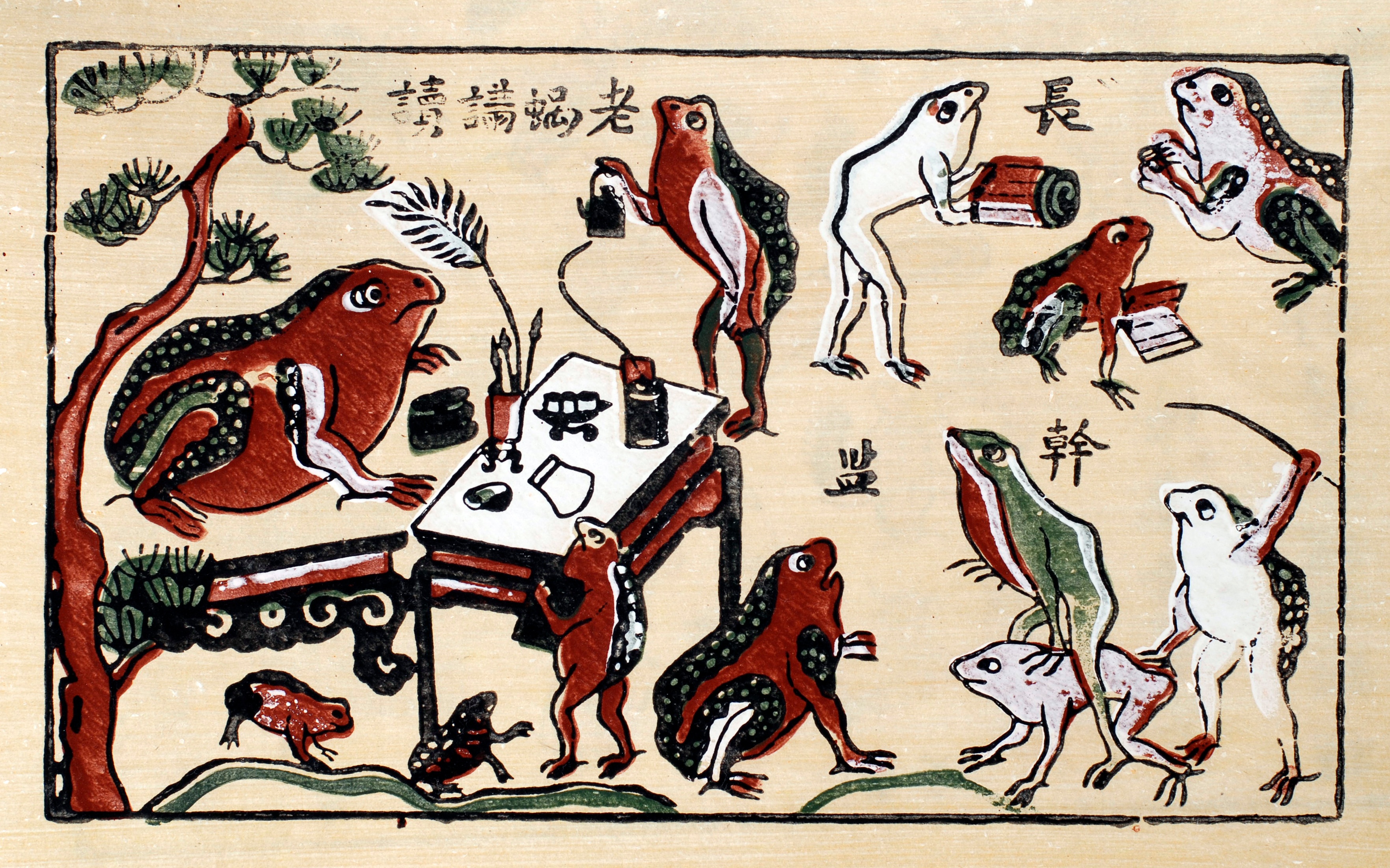
In Chinese culture, the Money Toad (or Frog) Jin Chan appears as a feng shui charm for prosperity.
References
References
- "toad". Houghton Mifflin Harcourt.
- "toad {{!}} amphibian". Encyclopedia Britannica.
- "Toad". Dictionary.com, LLC.
- "Anura, Taxonomic Serial No.: 173423". Integrated Taxonomic Information System.
- (1933). "Error and Superstition in Biology". BIOS.
- "American Toad". psu.edu.
- Waldman B, Rice JE, Honeycutt RL. Kin recognition and incest avoidance in toads. Am. Zool. 1992. 32:18-30.
- "Common toads surprise biologists by climbing trees".
- (April 2003). "The Big Read Top 200". BBC.
- Christine Paik. (2002-03-19). "100 Best Characters in Fiction Since 1900: From ''Book'' Magazine, March/April 2002". [[NPR]].
- "Feng Shui Money Frog".
This article was imported from Wikipedia and is available under the Creative Commons Attribution-ShareAlike 4.0 License. Content has been adapted to SurfDoc format. Original contributors can be found on the article history page.
Ask Mako anything about Toad — get instant answers, deeper analysis, and related topics.
Research with MakoFree with your Surf account
Create a free account to save articles, ask Mako questions, and organize your research.
Sign up freeThis content may have been generated or modified by AI. CloudSurf Software LLC is not responsible for the accuracy, completeness, or reliability of AI-generated content. Always verify important information from primary sources.
Report