From Surf Wiki (app.surf) — the open knowledge base
Tibetan numerals
Numeral system of the Tibetan script
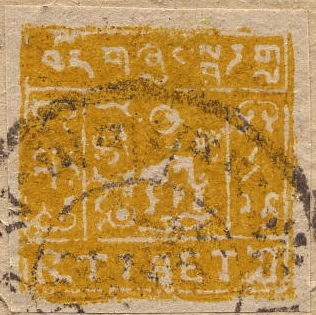
Numeral system of the Tibetan script
Tibetan numerals is the numeral system of the Tibetan script and a variety of the Hindu–Arabic numeral system. It is used in the Tibetan language and has a base-10 counting system. The Mongolian numerals were also developed from the Tibetan numerals.
Cardinal numbers
| Arabic numeral | Tibetan numeral | Tibetan word | Romanisation |
|---|---|---|---|
| 0 | ༠ | ཀླད་ཀོར་ | laykor |
| 1 | ༡ | གཅིག་ | chigk |
| 2 | ༢ | གཉིས་ | nyi |
| 3 | ༣ | གསུམ་ | sum |
| 4 | ༤ | བཞི་ | shi |
| 5 | ༥ | ལྔ་ | nga |
| 6 | ༦ | དྲུག་ | trug |
| 7 | ༧ | བདུན་ | dün |
| 8 | ༨ | བརྒྱད་ | gyay |
| 9 | ༩ | དགུ་ | gu |
Extended numbers
| Arabic numeral | Tibetan numeral | Tibetan word | Romanisation |
|---|---|---|---|
| 10 | ༡༠ | བཅུ་ | chu |
| 11 | ༡༡ | བཅུ་གཅིག་ | chu chigk |
| 12 | ༡༢ | བཅུ་གཉིས་ | chu nyi |
| 13 | ༡༣ | བཅུ་གསུམ་ | chuk sum |
| 14 | ༡༤ | བཅུ་བཞི་ | chu shi |
| 15 | ༡༥ | བཅོ་ལྔ་ | cho nga |
| 16 | ༡༦ | བཅུ་དྲུག་ | chu druk |
| 17 | ༡༧ | བཅུ་བདུན་ | chup dün |
| 18 | ༡༨ | བཅོ་བརྒྱད | cho gyay |
| 19 | ༡༩ | བཅུ་དགུ་ | chu gu |
| 20 | ༢༠ | ཉི་ཤུ་ | nyi shu |
| 21 | ༢༡ | ཉི་ཤུ་རྩ་གཅིག | nyi shu tsa chigk |
| 30 | ༣༠ | སུམ་ཅུ | sum ju |
| 31 | ༣༡ | སུམ་བུ་སོ་གཅིག | sum ju so chigk |
| 40 | ༤༠ | བཞི་བཅུ | ship ju |
| 41 | ༤༡ | བཞི་བཅུ་ཞེ་གཅིག | ship ju shey chigk |
| 50 | ༥༠ | ལྔ་བཅུ | ngap ju |
| 51 | ༥༡ | ལྔ་བཅུ་ང་གཅིག | ngap ju nga chigk |
| 60 | ༦༠ | དྲུག་ཅུ | trug chu |
| 61 | ༦༡ | དྲུག་ཅུ་རེ་གཅིག | trug chu rey chigk |
| 70 | ༧༠ | བདུན་ཅུ | dün ju |
| 71 | ༧༡ | བདུན་ཅུ་དོན་གཅིག | dün ju dön chigk |
| 80 | ༨༠ | བརྒྱད་ཅུ | gyay ju |
| 81 | ༨༡ | བརྒྱད་ཅུ་གྱ་གཅིག | gyay ju gya chigk |
| 90 | ༩༠ | དགུ་བཅུ | gup ju |
| 91 | ༩༡ | དགུ་བཅུ་གོ་གཅིག | gup ju go chigk |
| 100 | ༡༠༠ | བརྒྱ་ | gya |
| 282 | ༢༨༢ | ཉིས་བརྒྱ་དང་བརྒྱད་ཅུ་གྱ་གཉིས | nyi gya dang gyay ju gya nyi |
| 1,000 | ༡༠༠༠ | སྟོང་ | tong |
| 3,047 | ༣༠༤༧ | སུམ་སྟོང་བརྒྱ་མེད་དང་བཞི་བཅུ་ཞེ་བདུན | sum tong gya mey dang ship ju shey dün |
| 10,000 | ༡༠༠༠༠ | ཁྲི་ | thri |
| 1,000,000 | ༡༠༠༠༠༠༠ | ས་ཡ་ | sa ya |
| 10,000,000 | ༡༠༠༠༠༠༠༠ | བྱེ་བ་ | che wa |
| 100,000,000 | ༡༠༠༠༠༠༠༠༠ | དུང་ཕྱུར་ | dung chur |
| 1,000,000,000 | ༡༠༠༠༠༠༠༠༠༠ | ཐེར་འབུམ་ | ther pum |
| 10,000,000,000 | ༡༠༠༠༠༠༠༠༠༠༠ | ཐེར་འབུམ་ཆེན་པོ་ | ther pum chen po |
| 100,000,000,000 | ༡༠༠༠༠༠༠༠༠༠༠༠ | ཁྲག་ཁྲིག་ | thrag trig |
| 1,000,000,000,000 | ༡༠༠༠༠༠༠༠༠༠༠༠༠ | ཁྲག་ཁྲིག་ཆེན་པོ་ | thrag trig chen po |
Tibetan numbers greater than 20 use a numerical interfix to connect the first and second digit. These particles are unique for each set of 10: རྩ for 21-29, སོ for 31-39 , ཞེ for 41-49 , ང for 51-59 , རེ for 61-69 , དོན for 71-79, གྱ for 81-89, and གོ for 91-99. In written Tibetan, ཉེར may be used in place of རྩ. Since each particle corresponds to a unique value of ten, the interfix can be used in place of using the full name of the second digit (e.g. སོ་གཉིས for 32 instead of སུམ་བཅུ་སོ་གཉིས). Interfixes are not used for numbers that end in 0. Additionally, one may emphasize that a number ends in zero by appending ཐམ་པ to the end (e.g. བཞི་བཅུ་ཐམ་པ, བརྒྱ་ཐམ་པ). Numbers in the third digit are separated from second or first digit using the particle དང when written and ར when spoken (e.g ཉིས་བརྒྱ་དང་བརྒྱད་ཅུ་གྱ་གཉིས or ཉིས་བརྒྱ་ར་བརྒྱད་ཅུ་གྱ་གཉིས for 282). If the third digit is zero in a four digit or larger number, this is represented with the phrase བརྒྱ་མེད, literally "without hundred" (e.g. ཉིས་སྟོང་བརྒྱ་མེད་དང་ཉི་ཤུ་ཉེར་ལྔ).
Ordinals
| Arabic numeral | Tibetan numeral | Tibetan ordinal word | Romanisation | |||
|---|---|---|---|---|---|---|
| 1 | ||||||
| 2 | ||||||
| 3 | ||||||
| 4 | ||||||
| 5 | ||||||
| 6 | ||||||
| 7 | ||||||
| 8 | ||||||
| 9 | ||||||
| 10 |
Fractions
Several slashed forms of Tibetan numerals are included in Unicode to represent fractions. However, their exact meaning and authenticity are unclear.
| Tibetan fractions | Values |
|---|---|
| -0.5 | 0.5 |
References
References
- "Tibetan (བོད་སྐད)". Omniglot.
- "Numbers in Tibetan". Omniglot.
- (2003). "Manual of Standard Tibetan: Language and civilization". Snow Lion Publications.
- Chrisomalis, Stephen. (2010). "Numerical Notation: A Comparative History". Cambridge University Press.
- "The Unicode® Standard Version 10.0 – Core Specification: South and Central Asia-II".
- "Numbers that Don't Add up – Tibetan Half Digits".
This article was imported from Wikipedia and is available under the Creative Commons Attribution-ShareAlike 4.0 License. Content has been adapted to SurfDoc format. Original contributors can be found on the article history page.
Ask Mako anything about Tibetan numerals — get instant answers, deeper analysis, and related topics.
Research with MakoFree with your Surf account
Create a free account to save articles, ask Mako questions, and organize your research.
Sign up freeThis content may have been generated or modified by AI. CloudSurf Software LLC is not responsible for the accuracy, completeness, or reliability of AI-generated content. Always verify important information from primary sources.
Report