From Surf Wiki (app.surf) — the open knowledge base
Thomas L. Clingman
American politician and officer (1812 – 1897)
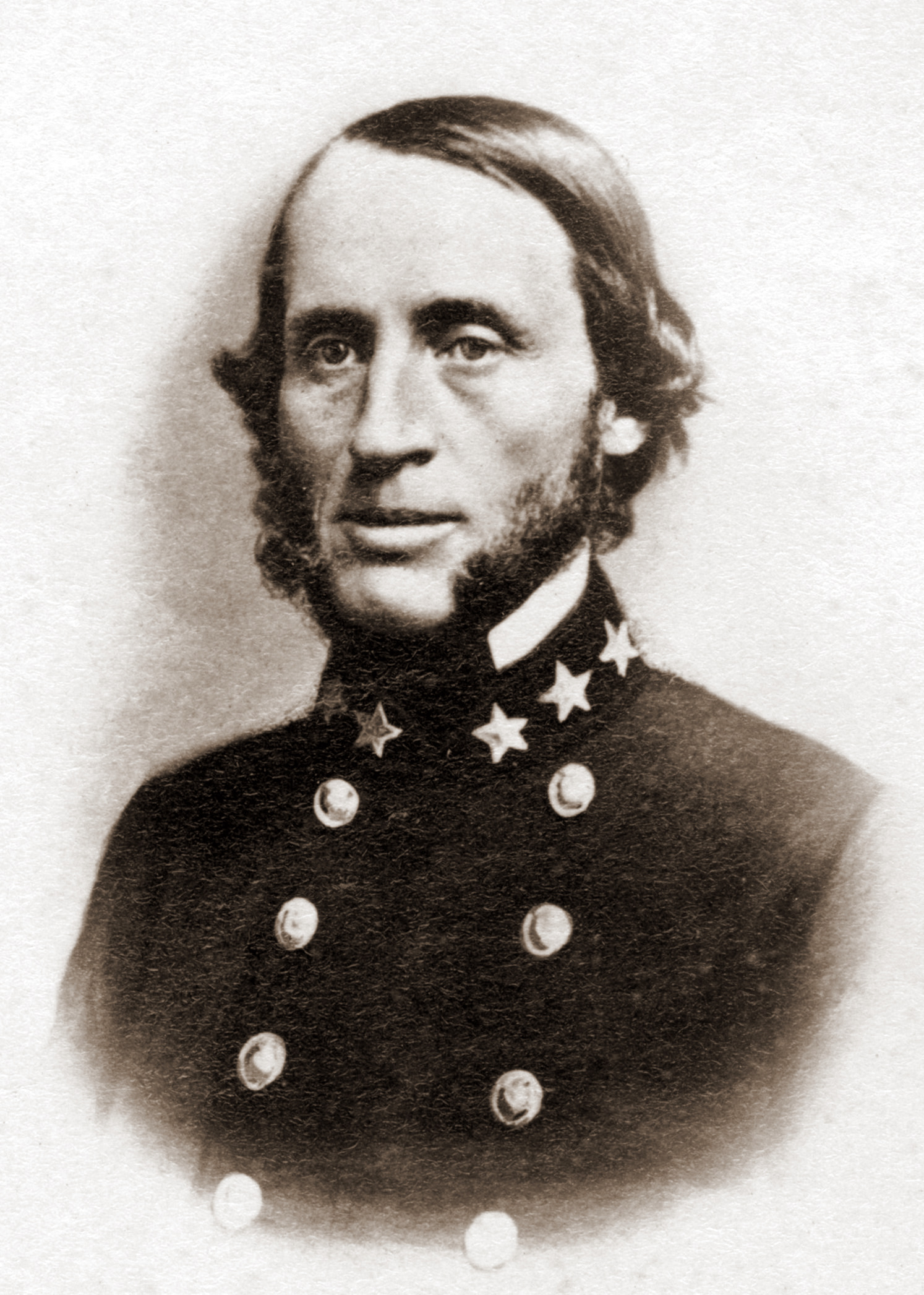
American politician and officer (1812 – 1897)
| Field | Value | ||
|---|---|---|---|
| name | Thomas L. Clingman | ||
| image | Hon. Thomas L. Clingman, N.C - NARA - 528409.jpg | ||
| caption | Clingman photographed by Mathew Brady, c. 1860-65 | ||
| jr/sr | United States Senator | ||
| state | North Carolina | ||
| term_start | May 7, 1858 | ||
| term_end | March 11, 1861 | ||
| predecessor | Asa Biggs | ||
| successor | John Pool (1868) | ||
| state1 | North Carolina | ||
| term_start1 | March 4, 1853 | ||
| term_end1 | May 7, 1858 | ||
| predecessor1 | Edward Stanly | ||
| successor1 | Zebulon Vance | ||
| constituency1 | |||
| term_start2 | March 4, 1847 | ||
| term_end2 | March 3, 1853 | ||
| predecessor2 | James Graham | ||
| successor2 | Henry Shaw | ||
| constituency2 | |||
| term_start3 | March 4, 1843 | ||
| term_end3 | March 3, 1845 | ||
| predecessor3 | Kenneth Rayner | ||
| successor3 | James Graham | ||
| constituency3 | |||
| birth_name | Thomas Lanier Clingham | ||
| birth_date | |||
| birth_place | Huntsville, North Carolina, U.S. | ||
| death_date | |||
| death_place | Morganton, North Carolina, U.S. | ||
| restingplace | Riverside Cemetery | ||
| party | Democratic | ||
| education | University of North Carolina, Chapel Hill (BA) | ||
| allegiance | Confederate States | ||
| branch | Confederate States Army (Infantry) | ||
| serviceyears | 1861–1865 | ||
| rank | Brigadier General | ||
| battles | {{collapsible list | title = See list |
| jr/sr = United States Senator
- American Civil War
- Peninsula Campaign
- Battle of Goldsborough Bridge
- Battery Wagner
- Drewry's Bluff
- Battle of Cold Harbor
- Siege of Petersburg
- Battle of Globe Tavern
- Fort Fisher
- Battle of Bentonville
Thomas Lanier Clingman (July 27, 1812November 3, 1897), known as the "Prince of Politicians," was an American politician who was a Democratic member of the United States House of Representatives from 1843 to 1845 and from 1847 to 1858, and U.S. senator from the state of North Carolina between 1858 and 1861. During the Civil War, he refused to resign his Senate seat and was one of the many southern senators subsequently expelled from the Senate in absentia. He then served as a general in the Confederate States Army.
Early life
Clingman, was born in Huntsville, a small community in present-day Yadkin County, North Carolina. His parents were Jacob and Jane Poindexter Clingman and he was named for Dr. Thomas Lanier, his half uncle.Wheeler, John H.. Reminiscences and memoirs of North Carolina and eminent North Carolinians. Columbus, Ohio: Columbus Print. Works, 1884 He was educated by private tutors and in the public schools in Iredell County, NC. Clingman graduated from the University of North Carolina in 1832, where he was a member of the Dialectic Senate of the Dialectic and Philanthropic Societies. He then studied law and was admitted to the bar in 1834 and began practice in Huntsville.
Political career
Clingman was elected to the North Carolina State House of Commons in 1835. In 1836 he moved to Asheville, North Carolina. He was a member of the North Carolina State Senate in 1840. In 1843 Clingman ran as a Whig and was elected to the 28th United States Congress, however he was defeated in his reelection bid in 1845. In 1845 he fought a duel with a fellow congressman William Lowndes Yancey of Alabama. In Yancey's maiden speech on the House floor, he had impugned his opponent's integrity. Both duelists had missed. In 1847 he regained the seat and won reelection in 1849, 1851, 1853, 1855 and 1857. On May 7, 1858, he resigned after becoming a United States senator as a Democrat the previous day, replacing the resigning Asa Biggs. He was reelected but was expelled from the Senate for support of the Confederacy.
Civil War
When he first entered the War, Clingman was the commander of the 25th North Carolina Infantry and took part in the Peninsula Campaign. He later commanded a brigade of infantry. Clingman's Brigade consisted of the 8th, 31st, 51st and 61st North Carolina Infantry. Clingman's Brigade fought at Goldsborough, Battery Wagner, Drewry's Bluff, Cold Harbor, Petersburg, Globe Tavern, Fort Fisher, and Bentonville.

Post-war career
After the Civil War, Clingman explored and measured mountains in western North Carolina and Tennessee. Kuwohi, Tennessee's highest mountain, shared with North Carolina, was renamed Clingman's Dome in his honor in 1859 as Kuwohi was one of the mountains he had accurately measured, being said to be the first person to do so. The mountain's name was changed back to Kuwohi in 2024. He died in Morganton, North Carolina, and was buried in the Riverside Cemetery in Asheville, North Carolina.
References
References
- Inscoe, John C. and Gordon B. McKinney. ''The Heart of Confederate Appalachia: Western North Carolina in the Civil War''. Chapel Hill: University of North Carolina Press, 2020. {{ISBN. 978-0-8078-5503-4. p. 32.
- Gannett, Henry. (1905). "The Origin of Certain Place Names in the United States". [[Government Printing Office]].
- Whetstone, Tyler. (September 18, 2024). "Clingmans Dome renamed Kuwohi in honor of Cherokee people who consider the mountain sacred". [[Knoxville News Sentinel]].
- "Riverside Cemetery". [[National Register of Historic Places]].
This article was imported from Wikipedia and is available under the Creative Commons Attribution-ShareAlike 4.0 License. Content has been adapted to SurfDoc format. Original contributors can be found on the article history page.
Ask Mako anything about Thomas L. Clingman — get instant answers, deeper analysis, and related topics.
Research with MakoFree with your Surf account
Create a free account to save articles, ask Mako questions, and organize your research.
Sign up freeThis content may have been generated or modified by AI. CloudSurf Software LLC is not responsible for the accuracy, completeness, or reliability of AI-generated content. Always verify important information from primary sources.
Report