From Surf Wiki (app.surf) — the open knowledge base
The Lord of the Rings (film series)
2001–2003 films by Peter Jackson

2001–2003 films by Peter Jackson
| Field | Value | |
|---|---|---|
| name | The Lord of the Rings | |
| image | Tloftr-logo.svg | |
| director | Peter Jackson | |
| screenplay | {{Plainlist | |
| based_on | ||
| producer | {{Plainlist | |
| starring | ||
| cinematography | Andrew Lesnie | |
| editing | {{Plainlist | |
| music | Howard Shore | |
| studio | {{Plainlist | |
| distributor | New Line Cinema | |
| released | ||
| runtime | Total (three films): | |
| {{Plainlist | ||
| country | {{Plainlist | |
| language | English | |
| budget | Total (three films): | |
| $281 million | ||
| gross | Total (three films): | |
| $2.964 billion |
- Fran Walsh
- Philippa Boyens
- Peter Jackson
- Stephen Sinclair
- Barrie M. Osborne
- Peter Jackson
- Fran Walsh
- Tim Sanders
- Elijah Wood
- Ian McKellen
- Viggo Mortensen
- Sean Astin
- Liv Tyler
- Bernard Hill
- Cate Blanchett
- John Rhys-Davies
- Andy Serkis
- Billy Boyd
- Dominic Monaghan
- Orlando Bloom
- Christopher Lee
- Hugo Weaving
- Sean Bean
- John Gilbert
- Michael Horton
- Jamie Selkirk
- New Line Cinema
- WingNut Films {{Plainlist|
- 558 minutes (theatrical)
- 683 minutes (extended)
- New Zealand
- United States $281 million $2.964 billion
The Lord of the Rings is a trilogy of epic high fantasy adventure films directed by Peter Jackson. The films are based on the novel The Lord of the Rings by J. R. R. Tolkien, and are titled identically to the three volumes of the novel: The Fellowship of the Ring (2001), The Two Towers (2002), and The Return of the King (2003). Produced and distributed by New Line Cinema with the co-production of Jackson's WingNut Films, the films feature an ensemble cast.
Set in the fictional world of Middle-earth, the films follow the hobbit Frodo Baggins as he and the Company of the Ring embark on a quest to destroy the One Ring to defeat its maker, the Dark Lord Sauron. The Company eventually splits up and Frodo continues the quest with his loyal companion Sam and, eventually, the treacherous Gollum. Meanwhile, Aragorn, heir in exile to the throne of Gondor, along with the elf Legolas, the dwarf Gimli, Merry, Pippin, Boromir, and the wizard Gandalf, unite to save the Free Peoples of Middle-earth from the forces of Sauron and rally them in the War of the Ring to aid Frodo by distracting Sauron's attention.
The three films were shot simultaneously in Jackson's native New Zealand from 11 October 1999 until 22 December 2000, with pick-up shots from 2001 to 2003. It was one of the biggest and most ambitious film projects ever undertaken, with a budget of $281 million (equivalent to $ million in ). The first film in the series premiered at the Odeon Leicester Square in London on 10 December 2001; the second film premiered at the Ziegfeld Theatre in New York City on 5 December 2002; the third film premiered at the Embassy Theatre in Wellington on 1 December 2003. An extended edition of each film was released on home video a year after its release in cinemas.
The Lord of the Rings is widely regarded as one of the greatest and most influential film series ever made. It was a major financial success and is among the highest-grossing film series of all time, having grossed over $2.9 billion worldwide. Its faithfulness to the source material was a subject of discussion. The series received numerous accolades, winning 17 Academy Awards out of 30 total nominations, including Best Picture for The Return of the King. In 2021, the Library of Congress selected The Fellowship of the Ring for preservation in the United States National Film Registry for being "culturally, historically, or aesthetically significant".
Films
''The Fellowship of the Ring''
Main article: The Lord of the Rings: The Fellowship of the Ring
In the Second Age, lords of Elves, Dwarves, and Men each receive Rings of Power. Sauron secretly forges the One Ring, giving it power over the other Rings. Men and Elves battle Sauron. Isildur cuts the Ring from Sauron's finger, ending the Second Age. The Ring corrupts Isildur, who is killed by Orcs. The Ring is lost for 2,500 years until Gollum finds it. Centuries later, the Ring is found by the hobbit Bilbo Baggins.
Sixty years later, Bilbo passes on the Ring to Frodo. The Wizard Gandalf discovers it is the One Ring, and warns Frodo to leave. Frodo sets out with Sam, pursued by Sauron's nine Nazgûl servants. They meet Merry and Pippin and evade the Nazgûl, reaching Bree, but Gandalf is not there, captured by the evil Wizard Saruman. A Ranger named Strider guides them to Rivendell, but they are ambushed on Weathertop by the Nazgûl. Their leader stabs Frodo with a Morgul blade. Arwen, Strider's beloved Elf, rescues Frodo. Gandalf escapes from Saruman's tower. Arwen's father Elrond holds a council. It decides the Ring must be destroyed in the fires of Mount Doom. Frodo volunteers to take the Ring, accompanied by eight others. Bilbo gives Frodo his sword Sting, and a mithril mail-shirt.
The company travels through the Mines of Moria. Gollum follows them to reclaim the ring. They are attacked by Orcs and a troll. A Balrog attacks; the others escape as Gandalf confronts the Balrog and is pulled into darkness. The Fellowship reaches Lothlórien, where Galadriel, the Elf-queen, tells Frodo that he alone can complete the quest. The Fellowship travels downriver. Boromir attempts to take the Ring and is killed by Orcs; Merry and Pippin are captured. Aragorn, Legolas, and Gimli head to rescue Merry and Pippin while Frodo and Sam travel towards Mordor.
Please do not add anything here, this is necessarily very brief. Thanks.
''The Two Towers''
Main article: The Lord of the Rings: The Two Towers
Frodo and Sam get lost in hills near Mordor, tracked by Gollum. Capturing Gollum, Frodo gets him to guide them.
Aragorn, Legolas, and Gimli enter the kingdom of Rohan. The Orcs are killed by Éomer's riders of Rohan; Merry and Pippin escape into Fangorn Forest. Éomer gives Aragorn horses. In Fangorn, Aragorn's group meets a resurrected Gandalf. Gandalf leads them to Rohan's capital, Edoras; Gandalf frees Théoden from Saruman's control. Théoden travels to Helm's Deep to defend against Saruman's army. In Fangorn, Merry and Pippin meet the Ent Treebeard. He takes them toward Isengard, where they see how Saruman has destroyed the forest. Enraged, the Ents storm Isengard, trapping Saruman in his tower. Aragorn arrives at Helm's Deep. They fight off a night attack; at dawn, the Orc army is destroyed by the trees of Fangorn Forest.
Gollum leads Frodo and Sam to the well-defended Black Gate, and recommends another route. Frodo and Sam are captured by Faramir's Rangers. Frodo helps Faramir catch Gollum. Learning of the One Ring, Faramir takes them to Gondor to bring it to his father, Denethor, but lets them go. Feeling betrayed, Gollum decides he will reclaim the Ring by leading them to the giant spider Shelob.
Please do not add anything here, this is necessarily very brief. Thanks.
''The Return of the King''
Main article: The Lord of the Rings: The Return of the King
Gandalf, Théoden and the others go to Isengard, and reunite with Merry and Pippin. Gandalf retrieves Saruman's palantír, and the group returns to Edoras to celebrate their victory at Helm's Deep. Pippin looks into the palantír, seeing Sauron and a burning tree. Gandalf deduces that the enemy plans to attack Gondor; he rides there with Pippin to warn its leader, Denethor. Pippin triggers the lighting of warning beacons to call Rohan for help.
Frodo and Sam witness the Nazgûl leader heading to Gondor with his army of Orcs. Sam and Frodo argue.
Elrond gives Aragorn Andúril, reforged from the shards of Elendil's sword Narsil, and urges him to claim Elendil's throne in Gondor. Aragorn travels the Paths of the Dead, and pledges to release the ghosts there from their curse should they come to Gondor's aid.
Gollum leads Frodo into Shelob's lair. Shelob paralyses and binds Frodo. Sam wounds Shelob. Mourning Frodo's apparent death, Sam takes the Ring to complete the quest, but realizes his mistake when Orcs take Frodo captive. He rescues Frodo, and the two continue towards Mount Doom.
Faramir, sent by Denethor on a suicide charge, returns gravely wounded; Denethor, believing him dead, falls into madness. Gandalf marshals the defenders, but the Orc army breaks into the city. Denethor attempts to burn himself and Faramir on a pyre, but Pippin and Gandalf rescue Faramir; Denethor dies.
Théoden leads his army against the Orcs. In the ensuing battle, they are opposed by Oliphaunt-riding Haradrim, and the Nazgûl leader mortally wounds Théoden; his niece Éowyn and Merry kill the Nazgûl. Aragorn's Army of the Dead overcome Sauron's forces; Aragorn releases the Dead from their curse.
Aragorn marches on Mordor to distract Sauron from Frodo and Sam's quest, drawing the enemy to confront him. Gollum attacks. Frodo succumbs to the Ring's power and puts it on. Gollum bites off his finger, reclaims the Ring, and falls into the lava; the Ring, Sauron, Mordor, and the Orcs are destroyed. Frodo and Sam are rescued by Eagles.
The Fellowship reunites in Gondor. Aragorn is crowned King and marries Arwen. The hobbits return home and Sam marries Rosie Cotton. Four years later, Frodo, still traumatised, leaves for the Undying Lands with Bilbo, Gandalf, and the remaining Elves. He gives Sam the Red Book of Westmarch, detailing their adventures.
Please do not add anything here, this is necessarily very brief. Thanks.
Cast and crew
Casting
Jackson began abstract discussions on casting during the development of the scripts with Miramax. Jackson, Walsh, and Boyens compiled a casting wishlist, which included Cate Blanchett for Galadriel and Ian Holm for Bilbo. Wondering whether Patrick Stewart would be right for the part of Gandalf, Philippa Boyens drew a tape of him performing opposite Ian McKellen, only to suggest the latter to Jackson. McKellen became Jackson's first choice for Gandalf. Christopher Lee sent Jackson a photograph of himself in a wizard's costume, wanting to play Gandalf.
Miramax wanted a recognisable name for Gandalf and suggested Max von Sydow or Paul Scofield and, wanting an American star, mentioned Morgan Freeman. When New Line took over, they suggested Christopher Plummer or Sean Connery for the part (both declined). When von Sydow inquired for the part later, his agent told him they were looking for an English actor.
While casting, Jackson looked for backup options for the various parts, including Lucy Lawless and Nicole Kidman for Galadriel; Anthony Hopkins or Sylvester McCoy (eventually cast as Radagast in The Hobbit trilogy) for Bilbo; Paul Scofield, Jeremy Irons, Malcolm McDowell, or Tim Curry for Saruman. For Gandalf, they looked into Tom Baker, Tom Wilkinson, Sam Neill, Bernard Hill (who was instead cast as Théoden), and Peter O'Toole.
Miramax and Jackson discussed Daniel Day-Lewis for Aragorn, starting "fanciful internet speculation" that Day-Lewis was approached for the part numerous times, although Jackson eventually inquired about him. Jackson cast Stuart Townsend, whom the studio deemed too young. After shooting began, Jackson agreed and decided to recast the role. They approached Viggo Mortensen, but also spoke to Russell Crowe (who auditioned for Boromir previously), as a backup choice.
Patrick McGoohan, their first choice for Denethor, proved "quite grumpy" when they met, and they instead looked into Donald Sutherland and John Rhys-Davies, and ultimately cast John Noble. Rhys-Davies was recast as Gimli, instead of Billy Connolly (later cast as Dáin in The Hobbit: The Battle of the Five Armies), Robert Trebor, and Timothy Spall. In conversations with Miramax, Liam Neeson's name came up for Boromir, but he declined. New Line suggested Nicolas Cage, but the filmmakers declined.
Cast
The following cast members voiced or portrayed characters in the extended version of the films.
| Character | The Fellowship of the Ring | The Two Towers | The Return of the King | The Fellowship | Frodo Baggins | Aragorn | Boromir | Meriadoc "Merry" Brandybuck | Samwise Gamgee | Gandalf | Gimli | Legolas | Peregrin "Pippin" Took | The Shire and Bree | Bilbo Baggins | Mrs. Bracegirdle | Barliman Butterbur | Rosie Cotton | Gaffer Gamgee | Elanor Gamgee | Bree Gate-Keeper | Farmer Maggot | Old Noakes | Everard Proudfoot | Mrs. Proudfoot | Otho Sackville | Lobelia Sackville-Baggins | Ted Sandyman | Gollum / Sméagol | Rivendell and Lothlórien | Arwen | Celeborn | Elrond | Figwit | Galadriel | Haldir | Rúmil | Mordor, Isengard, and Minas-Morgul | Saruman | Gorbag | Gothmog | Gríma Wormtongue | Grishnákh | Lurtz | Mauhúr | Mouth of Sauron | The One Ring | Sauron | Shagrat | Sharku | Snaga | Uglúk | Witch-king of Angmar | Rohan and Gondor | Damrod | Denethor | Éomer | Éothain | Éowyn | Faramir | Freda | Gamling | Grimbold | Háma | Haleth | Irolas | King of the Dead | Madril | Morwen | Théoden | Théodred | Treebeard | Historical figures | Déagol | Elendil | Gil-galad | Isildur |
|---|---|---|---|---|---|---|---|---|---|---|---|---|---|---|---|---|---|---|---|---|---|---|---|---|---|---|---|---|---|---|---|---|---|---|---|---|---|---|---|---|---|---|---|---|---|---|---|---|---|---|---|---|---|---|---|---|---|---|---|---|---|---|---|---|---|---|---|---|---|---|---|---|---|---|---|---|---|
| Elijah Wood | |||||||||||||||||||||||||||||||||||||||||||||||||||||||||||||||||||||||||||||
| Viggo Mortensen | |||||||||||||||||||||||||||||||||||||||||||||||||||||||||||||||||||||||||||||
| Sean Bean | |||||||||||||||||||||||||||||||||||||||||||||||||||||||||||||||||||||||||||||
| Dominic Monaghan | |||||||||||||||||||||||||||||||||||||||||||||||||||||||||||||||||||||||||||||
| Sean Astin | |||||||||||||||||||||||||||||||||||||||||||||||||||||||||||||||||||||||||||||
| Ian McKellen | |||||||||||||||||||||||||||||||||||||||||||||||||||||||||||||||||||||||||||||
| John Rhys-Davies | |||||||||||||||||||||||||||||||||||||||||||||||||||||||||||||||||||||||||||||
| Orlando Bloom | |||||||||||||||||||||||||||||||||||||||||||||||||||||||||||||||||||||||||||||
| Billy Boyd | |||||||||||||||||||||||||||||||||||||||||||||||||||||||||||||||||||||||||||||
| Ian Holm | Ian Holm | ||||||||||||||||||||||||||||||||||||||||||||||||||||||||||||||||||||||||||||
| Lori Dungey | colspan="2" | ||||||||||||||||||||||||||||||||||||||||||||||||||||||||||||||||||||||||||||
| David Weatherley | colspan="2" | ||||||||||||||||||||||||||||||||||||||||||||||||||||||||||||||||||||||||||||
| Sarah McLeod | Sarah McLeod | ||||||||||||||||||||||||||||||||||||||||||||||||||||||||||||||||||||||||||||
| Norman Forsey | Norman Forsey | ||||||||||||||||||||||||||||||||||||||||||||||||||||||||||||||||||||||||||||
| colspan="2" | Alexandra Astin | ||||||||||||||||||||||||||||||||||||||||||||||||||||||||||||||||||||||||||||
| Martyn Sanderson | colspan="2" | ||||||||||||||||||||||||||||||||||||||||||||||||||||||||||||||||||||||||||||
| Cameron Rhodes | colspan="2" | ||||||||||||||||||||||||||||||||||||||||||||||||||||||||||||||||||||||||||||
| Bill Johnson | colspan="2" | ||||||||||||||||||||||||||||||||||||||||||||||||||||||||||||||||||||||||||||
| Noel Appleby | Noel Appleby | ||||||||||||||||||||||||||||||||||||||||||||||||||||||||||||||||||||||||||||
| Megan Edwards | colspan="2" | ||||||||||||||||||||||||||||||||||||||||||||||||||||||||||||||||||||||||||||
| Peter Corrigan | colspan="2" | ||||||||||||||||||||||||||||||||||||||||||||||||||||||||||||||||||||||||||||
| Elizabeth Moody | colspan="2" | ||||||||||||||||||||||||||||||||||||||||||||||||||||||||||||||||||||||||||||
| Brian Sergent | colspan="2" | ||||||||||||||||||||||||||||||||||||||||||||||||||||||||||||||||||||||||||||
| Andy Serkis | |||||||||||||||||||||||||||||||||||||||||||||||||||||||||||||||||||||||||||||
| Liv Tyler | |||||||||||||||||||||||||||||||||||||||||||||||||||||||||||||||||||||||||||||
| Marton Csokas | Marton Csokas | ||||||||||||||||||||||||||||||||||||||||||||||||||||||||||||||||||||||||||||
| Hugo Weaving | |||||||||||||||||||||||||||||||||||||||||||||||||||||||||||||||||||||||||||||
| Bret McKenzie | Bret McKenzie | ||||||||||||||||||||||||||||||||||||||||||||||||||||||||||||||||||||||||||||
| Cate Blanchett | |||||||||||||||||||||||||||||||||||||||||||||||||||||||||||||||||||||||||||||
| Craig Parker | |||||||||||||||||||||||||||||||||||||||||||||||||||||||||||||||||||||||||||||
| Jørn Benzon | colspan="2" | ||||||||||||||||||||||||||||||||||||||||||||||||||||||||||||||||||||||||||||
| Christopher Lee | |||||||||||||||||||||||||||||||||||||||||||||||||||||||||||||||||||||||||||||
| colspan="2" | Stephen Ure | ||||||||||||||||||||||||||||||||||||||||||||||||||||||||||||||||||||||||||||
| colspan="2" | Lawrence MakoareCraig Parker | ||||||||||||||||||||||||||||||||||||||||||||||||||||||||||||||||||||||||||||
| Brad Dourif | |||||||||||||||||||||||||||||||||||||||||||||||||||||||||||||||||||||||||||||
| Stephen Ure | |||||||||||||||||||||||||||||||||||||||||||||||||||||||||||||||||||||||||||||
| Lawrence Makoare | colspan="2" | ||||||||||||||||||||||||||||||||||||||||||||||||||||||||||||||||||||||||||||
| Robbie MagasivaAndy Serkis | |||||||||||||||||||||||||||||||||||||||||||||||||||||||||||||||||||||||||||||
| colspan="2" | Bruce Spence | ||||||||||||||||||||||||||||||||||||||||||||||||||||||||||||||||||||||||||||
| Alan Howard | Alan Howard | ||||||||||||||||||||||||||||||||||||||||||||||||||||||||||||||||||||||||||||
| Sala BakerAlan Howard | Sala BakerAlan Howard | ||||||||||||||||||||||||||||||||||||||||||||||||||||||||||||||||||||||||||||
| colspan="2" | Peter Tait | ||||||||||||||||||||||||||||||||||||||||||||||||||||||||||||||||||||||||||||
| Jed Brophy | |||||||||||||||||||||||||||||||||||||||||||||||||||||||||||||||||||||||||||||
| Jed BrophyAndy Serkis | |||||||||||||||||||||||||||||||||||||||||||||||||||||||||||||||||||||||||||||
| Nathaniel Lees | |||||||||||||||||||||||||||||||||||||||||||||||||||||||||||||||||||||||||||||
| Brent McIntyreAndy Serkis | Lawrence Makoare | ||||||||||||||||||||||||||||||||||||||||||||||||||||||||||||||||||||||||||||
| colspan="2" | Alistair Browning | ||||||||||||||||||||||||||||||||||||||||||||||||||||||||||||||||||||||||||||
| John Noble | |||||||||||||||||||||||||||||||||||||||||||||||||||||||||||||||||||||||||||||
| Karl Urban | |||||||||||||||||||||||||||||||||||||||||||||||||||||||||||||||||||||||||||||
| Sam Comery | |||||||||||||||||||||||||||||||||||||||||||||||||||||||||||||||||||||||||||||
| Miranda Otto | |||||||||||||||||||||||||||||||||||||||||||||||||||||||||||||||||||||||||||||
| David Wenham | |||||||||||||||||||||||||||||||||||||||||||||||||||||||||||||||||||||||||||||
| Olivia Tennet | |||||||||||||||||||||||||||||||||||||||||||||||||||||||||||||||||||||||||||||
| Bruce Hopkins | |||||||||||||||||||||||||||||||||||||||||||||||||||||||||||||||||||||||||||||
| colspan="2" | Bruce Phillips | ||||||||||||||||||||||||||||||||||||||||||||||||||||||||||||||||||||||||||||
| John Leigh | |||||||||||||||||||||||||||||||||||||||||||||||||||||||||||||||||||||||||||||
| Calum Gittins | |||||||||||||||||||||||||||||||||||||||||||||||||||||||||||||||||||||||||||||
| colspan="2" | Ian Hughes | ||||||||||||||||||||||||||||||||||||||||||||||||||||||||||||||||||||||||||||
| colspan="2" | Paul Norell | ||||||||||||||||||||||||||||||||||||||||||||||||||||||||||||||||||||||||||||
| John Bach | |||||||||||||||||||||||||||||||||||||||||||||||||||||||||||||||||||||||||||||
| Robyn Malcolm | |||||||||||||||||||||||||||||||||||||||||||||||||||||||||||||||||||||||||||||
| Bernard Hill | |||||||||||||||||||||||||||||||||||||||||||||||||||||||||||||||||||||||||||||
| Paris Howe Strewe | |||||||||||||||||||||||||||||||||||||||||||||||||||||||||||||||||||||||||||||
| John Rhys-Davies | |||||||||||||||||||||||||||||||||||||||||||||||||||||||||||||||||||||||||||||
| Thomas Robins (hand only) | Thomas Robins | ||||||||||||||||||||||||||||||||||||||||||||||||||||||||||||||||||||||||||||
| Peter McKenzie | colspan="2" | ||||||||||||||||||||||||||||||||||||||||||||||||||||||||||||||||||||||||||||
| Mark Ferguson | colspan="2" | ||||||||||||||||||||||||||||||||||||||||||||||||||||||||||||||||||||||||||||
| Harry Sinclair | Harry Sinclair |
Crew
| Crew | The Fellowship of the Ring | The Two Towers | The Return of the King | Director | Producers | Screenwriters | Composer | Cinematographer | Editors | Production designers | Conceptual designers | Costume designers | Visual effects supervisor | Production companies | Distributing company |
|---|---|---|---|---|---|---|---|---|---|---|---|---|---|---|---|
| Peter Jackson | |||||||||||||||
| Barrie M. Osborne, Peter Jackson, Fran Walsh, and Tim Sanders | |||||||||||||||
| Fran Walsh, Philippa Boyens, Peter Jackson, and Stephen Sinclair | |||||||||||||||
| Howard Shore | |||||||||||||||
| Andrew Lesnie | |||||||||||||||
| John Gilbert | Michael Horton | Jamie Selkirk | |||||||||||||
| Dan Hennah and Grant Major | |||||||||||||||
| Alan Lee and John Howe | |||||||||||||||
| Ngila Dickson and Richard Taylor | |||||||||||||||
| Jim Rygiel | |||||||||||||||
| New Line Cinema and WingNut Films | |||||||||||||||
| New Line Cinema |
Development
Main article: Middle-earth in motion pictures
Previous attempts
Previous attempts to film J. R. R. Tolkien's works were made by William Snyder, Peter Shaffer and John Boorman. These attempts resulted in a couple of unproduced scripts, concept art and an animated short. Other filmmakers and producers to have an interest in adapting Tolkien are said to include Walt Disney, Al Brodax, Forrest Ackerman, Denis O'Dell (who considered Richard Lester to direct, but instead approached David Lean, Stanley Kubrick, and Michelangelo Antonioni) and George Lucas. The rights to adapt Tolkien's works passed through the hands of several studios, having been briefly leased to Rembrandt Films before being sold perpetually to United Artists (UA). In 1976, UA passed the rights to The Lord of the Rings (and the production rights for The Hobbit) to Fantasy Films.
In 1977, an animated adaptation of The Hobbit was produced as a television special by Rankin and Bass and in 1978 Ralph Bakshi made an animated feature of the first half of The Lord of the Rings. While profitable, the film did not make enough money to automatically warrant the sequel which would close the story and an argument with producer Saul Zaentz led Bakshi to abandon the project. Rankin/Bass then followed in 1980 with an animated television adaptation of The Return of the King. Several other Tolkienesque fantasy films were produced at the time, including Jim Henson and Frank Oz's The Dark Crystal and Lucas's Willow.
At the time Bakshi's film was released, a teenage Peter Jackson had not read the book, but "heard the name", and went to see the film: "I liked the early part—it had some quaint sequences in Hobbiton, a creepy encounter with the Black Rider on the road, and a few quite good battle scenes—but then, about half way through, the storytelling became very disjointed and disorientating and I really didn't understand what was going on. However, what it did do was to make me want to read the book—if only to find out what happened!" Jackson bought a tie-in paperback edition. He later read The Hobbit and The Silmarillion and listened to the 1981 BBC radio adaptation. Assuming someone would one day adapt it to a live-action film, Jackson read up on some previous attempts to bring the piece to the screen. He had not watched the Rankin and Bass television specials.
Pitch to Miramax
In 1995, while completing post-production on The Frighteners, Jackson and Fran Walsh discussed making an original fantasy film, but could not think of a scenario that was not Tolkien-esque, and eventually decided to look up the film rights. They went to Harvey Weinstein from Miramax Films, who got the rights from Saul Zaentz. Jackson knew it would take multiple films to do Tolkien justice, but initially pitched a single trilogy: one film based on The Hobbit and, if that would prove successful, two Lord of the Rings films shot back-to-back. Jackson began rereading The Hobbit, looking at illustrations and commissioning concept art from the book, but the rights eventually proved unattainable, having been split between Zaentz and Metro-Goldwyn-Mayer's United Artists. Weinstein tried to buy UA's share of the rights, but was unsuccessful.
With The Hobbit postponed for a potential prequel down the road, Jackson proceeded with making two Lord of the Rings films: "We pitched the idea of three films and Miramax didn't really want to take that risk, but we agreed on two." He began writing the scripts with Walsh and Stephen Sinclair, storyboarding with Christian Rivers, and discussing casting ideas with the Weinsteins.
Move to New Line Cinema
As the scripts were taking shape, it became clear that the budget required would exceed Miramax Films' capabilities. The Weinsteins suggested cutting the project to one film. Jackson inquired whether it could be around four hours in duration, but Miramax Films insisted on two hours, suggesting major cuts to the story, which Jackson refused. Harvey Weinstein threatened to replace Jackson with screenwriter Hossein Amini and directors John Madden or Quentin Tarantino. Jackson believed this was an empty threat to get him to concede to making a one-film version himself.
Harvey Weinstein eventually relented and agreed to put the project into turnaround, but his draconian conditions were meant to prevent the project from being taken up by another studio. Jackson got an audience with New Line Cinema CEO Robert Shaye, who accepted the project, but requested that it be expanded into a trilogy. New Line Cinema had many promising reasons that the trilogy would be successful, which led them to sign on. Final cut rights were shared contractually between Jackson and Bob Shaye, but there was never any interference in Jackson's cut. Initially, each film had a production budget of $60 million, but New Line Cinema accepted Jackson's request for an increased budget after a 26-minute preview of The Fellowship of the Ring was presented at the 2001 Cannes Film Festival.
Production
Main article: Production of The Lord of the Rings film series

Jackson began storyboarding and screenwriting the series with Christian Rivers, Fran Walsh, and Philippa Boyens in 1997 and assigned his crew to begin designing Middle-earth at the same time. Jackson, Walsh, and Boyens did not write each film to correspond exactly to its respective book, opting instead to write a three-part adaptation with some sequences missing, some sequences created from scratch, and some sequences moved from one area to another, regardless of its placement in the books. To allow the story to be clearer for viewers, Jackson took a more chronological approach to the story than Tolkien's complex interlacing of storylines. During shooting, the screenplays continued to evolve, in part due to contributions from cast members looking to further explore their characters.
Earlier versions of the script included additional characters like Fatty Bolger, Glorfindel, Elladan, Elrohir, Erkenbrand, Imrahil, and Forlong. At one point, Jackson even considered reintroducing Tom Bombadil in a cameo. Gimli was going to swear throughout the films and Arwen would join the Fellowship in Rohan and share a nude scene with Aragorn in the pools of the Glittering Caves.
Jackson hired long-time collaborator Richard Taylor to lead Weta Workshop on five major design elements: armour, weapons, prosthetic makeup, creatures, and miniatures. At New Line's request, animation supervisor Jim Rygiel replaced Weta Digital's Mark Stetson. In November 1997, famed Tolkien illustrators Alan Lee and John Howe joined the project; but Jackson also relied on the work of Ted Nasmith, who later turned down an offer to join Lee and Howe. Jackson wanted realistic designs in the style of historical epics rather than fantasy films, citing Braveheart as an inspiration:
Production designer Grant Major was charged with converting Lee and Howe's designs into architecture, creating models of the sets, while Dan Hennah worked as art director, scouting locations and organizing the building of sets. Ngila Dickson collaborated with Richard Taylor on producing costumes, while Peter King and Peter Owen designed makeup and hair. Most of these crew members (and others) returned to work on The Hobbit.
Jackson and cinematographer Andrew Lesnie considered shooting in large format like 65 mm film, or to master the films at 4K, but both were cost-prohibitive and could not be done on New Zealand soil. They decided to shoot on fine-grain Super 35 mm film and subject the films to rigorous digital grading.

Principal photography for all three films was conducted concurrently in many locations within New Zealand's conservation areas and national parks. Filming took place between 11 October 1999 and 22 December 2000. Pick-up shoots were conducted annually from 2001 to 2003. The series was shot at many different locations, with seven different units shooting, and soundstages around Wellington and Queenstown. Along with Jackson directing the whole production, other unit directors included John Mahaffie, Geoff Murphy, Barrie M. Osborne, Rick Porras, George Marshall Ruge, and any other assistant director, producer, or writer available. Miniature Photography took place throughout the entire period, amounting to over 1,000 shooting days.
Weta Digital developed new technologies to allow for the groundbreaking digital effects required for the trilogy, including the development of the MASSIVE software to generate intelligent crowds for battle scenes, and advancing the art of motion capture, which was used on bipedal creatures like the Cave Troll or Gollum. With Jackson's future films, motion-capture technology came to be pushed so far that it became referred to as "digital makeup", although it was later clarified that during The Lord of the Rings period, it was still fairly reliant on the CG animators.
Each film had the benefit of a full year of post-production time before its respective December release, often finishing in October–November, with the crew immediately going to work on the next film. Jackson originally wanted to edit all three films with Jamie Selkirk, but this proved too much work. The next idea was to have John Gilbert, Michael Horton, and Selkirk, respectively, editing the three films simultaneously, but after a month that proved too difficult for Jackson, and the films were edited in consecutive years, although Selkirk continued to act as "Supervising Editor" on the first two entries. Daily rushes would often last up to four hours, and by the time The Fellowship of the Ring had been released, assembly cuts of the other two films (4 hours each) were already prepared. In total, 1,828 km (six million feet) of film was edited down to the 11 hours and 26 minutes (686 minutes) of extended running time.
Music
Main article: Music of The Lord of the Rings film series
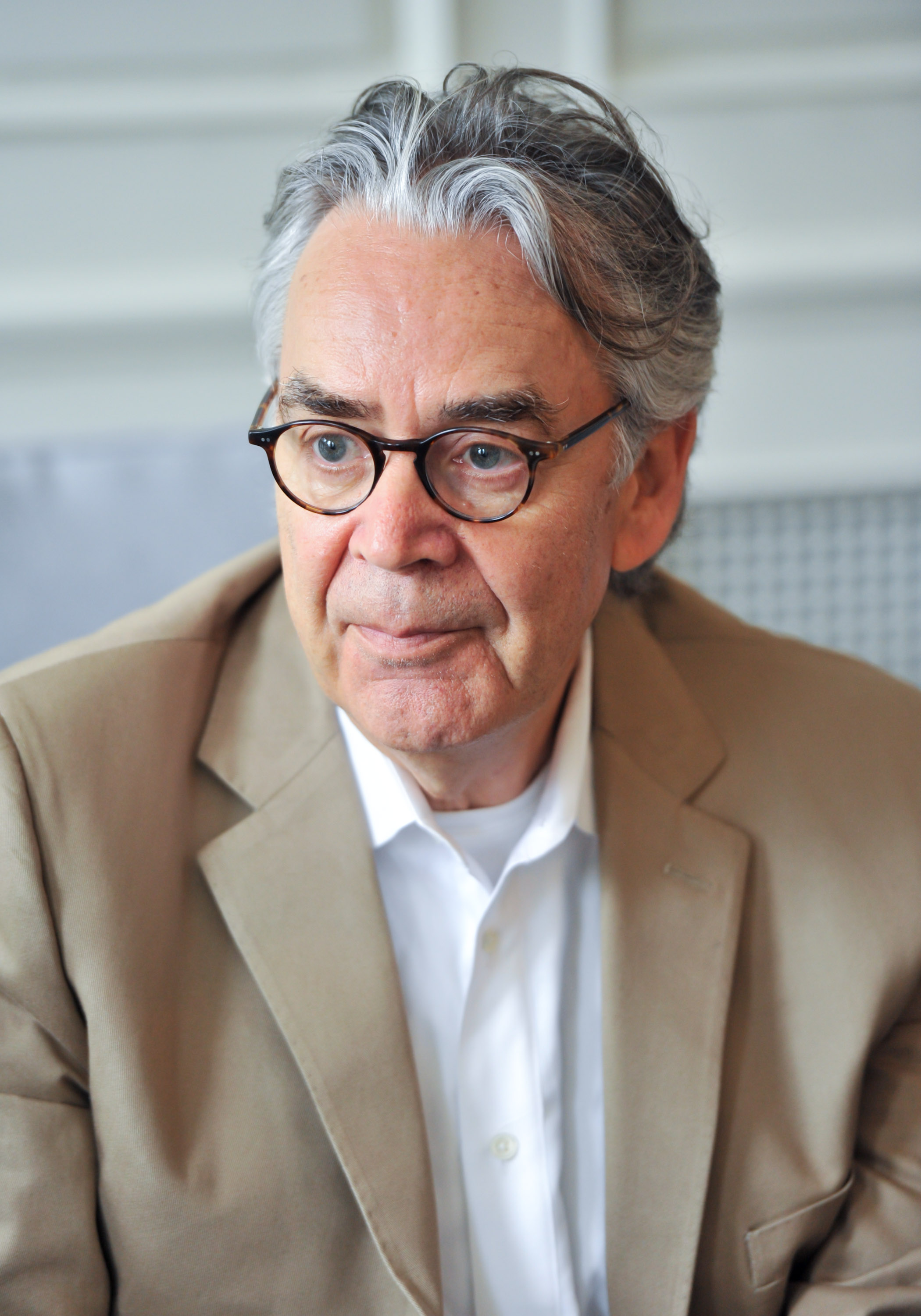
Howard Shore composed, orchestrated, conducted and produced the trilogy's music. Shore visited the set in 1999, and composed a version of the Shire theme and Frodo's Theme before Jackson began shooting. In August 2000, he visited the set again and watched the assembly cuts of The Fellowship of the Ring and The Return of the King. In the music, Shore included many (85 to 110) leitmotifs to represent various characters, cultures and places—the largest catalogue of leitmotifs in the history of cinema, surpassing, for comparison, that of the entire Star Wars film series. For example, there are multiple leitmotifs just for the hobbits and the Shire. Although the first film had some of its score recorded in Wellington, virtually all of the trilogy's score was recorded in Watford Town Hall and mixed at Abbey Road Studios. Jackson planned to advise the score for six weeks each year in London, though for The Two Towers he stayed for twelve.
The score is primarily played by the London Philharmonic Orchestra, ranging from 93 to 120 players throughout the recording. London Voices, the London Oratory School Schola boy choir, and many artists such as Ben Del Maestro, Sheila Chandra, Enya, Renée Fleming, James Galway, Annie Lennox, and Emilíana Torrini contributed. Even actors Billy Boyd, Viggo Mortensen, Liv Tyler, Miranda Otto (extended cuts only for the latter two), and Peter Jackson (for a single gong sound in the second film) contributed to the score. Fran Walsh and Philippa Boyens served as librettists, writing lyrics to various music and songs, which David Salo translated into Tolkien's languages. The third film's end song, "Into the West", was a tribute to a young filmmaker Jackson and Walsh befriended named Cameron Duncan, who died of cancer in 2003.
Shore composed a main theme for the Fellowship rather than many different character themes, and its strength and weaknesses in volume are depicted at different points in the series. On top of that, individual themes were composed to represent different cultures. Infamously, the amount of music Shore had to write every day for the third film increased dramatically to around seven minutes. The music for the series has been voted best movie soundtrack of all time for the six years running, passing Schindler's List (1993), Gladiator (2000), Star Wars (1977), and Out of Africa (1985), respectively.
Soundtracks
Main article: Recordings of the music for The Lord of the Rings film series
| Title | U.S. release date | Length | Composer | Label |
|---|---|---|---|---|
| The Fellowship of the Ring: Original Motion Picture Soundtrack | 71:29 | Howard Shore | Reprise Records | |
| The Two Towers: Original Motion Picture Soundtrack | 72:46 | |||
| The Return of the King: Original Motion Picture Soundtrack | 72:05 |
Reception
Box office
The trilogy's online promotional trailer was first released on 27 April 2000 and set a new record for download hits, registering 1.7 million hits in the first 24 hours of its release. The trailer used a selection from the soundtrack for Braveheart and The Shawshank Redemption among other cuts. In 2001, 24 minutes of footage from the series, primarily the Moria sequence, was shown at the 54th Cannes Film Festival, and was very well received. The showing also included an area designed to look like Middle-earth.
The Fellowship of the Ring was released on 19 December 2001. It grossed $47.2 million in its U.S. opening weekend and made over $868 million worldwide. A preview of The Two Towers was inserted just before the end credits near the end of the film's theatrical run. A promotional trailer was later released, containing music re-scored from the film Requiem for a Dream. The Two Towers was released 18 December 2002. It grossed $62 million in its first U.S. weekend and out-grossed its predecessor with over $923 million worldwide. The promotional trailer for The Return of the King was debuted exclusively before the New Line Cinema film Secondhand Lions on 23 September 2003. Released 17 December 2003, its first U.S. weekend gross was $72.6 million, and became the second film, after Titanic (1997), to gross over $1.1 billion worldwide. The films are the highest-grossing in New Zealand cinema history, and the second-highest grossing franchise filmed in New Zealand behind Avatar.
| Film | U.S. release date | Box office gross | All-time ranking | Budget | Ref(s) | U.S. and Canada | Other territories | Worldwide | U.S. and Canada | Worldwide | Rank | Rank | Total | $ | $ | $ | $281 million |
|---|---|---|---|---|---|---|---|---|---|---|---|---|---|---|---|---|---|
| The Fellowship of the Ring | $319,372,078 | $568,468,333 | $887,840,411 | 91 | 9 | 77 | 5 | $93 million | The Fellowship of the Ring peak positions | ||||||||
| The Two Towers | $345,518,923 | $592,392,292 | $937,911,215 | 72 | 7 | 71 | 4 | $94 million | The Two Towers peak positions | ||||||||
| The Return of the King | $381,878,219 | $756,308,664 | $1,138,186,883 | 51 | 6 | 31 | 2 | $94 million | The Return of the King peak positions |
Critical and public response
The Lord of the Rings trilogy received widespread acclaim and is ranked among the greatest film trilogies ever made.Sources that refer to The Lord of the Rings being praised as one of the greatest film trilogies ever made include:
- Kenneth Turan of the Los Angeles Times wrote that "the trilogy will not soon, if ever, find its equal", while Todd McCarthy of Variety described the films as "one of the most ambitious and phenomenally successful dream projects of all time". The Fellowship of the Ring was voted the greatest fantasy movie of all time in a reader's poll conducted by American magazine Wired in 2012, while The Two Towers and The Return of the King placed fourth and third respectively. The Independent ranked The Lord of the Rings trilogy at No. 2 on its list of "10 greatest movie trilogies of all time". The Lord of the Rings trilogy is ranked at No. 2 in /Films list of "The 15 Greatest Trilogies Of All Time", while Empire ranked it at No. 1 in its list of "The 33 Greatest Movie Trilogies".
The series appears in the Dallas–Fort Worth Film Critics Association: Top 10 Films, Times All-Time 100 Movies, and James Berardinelli's Top 100. In 2007, USA Today named the series as the most important films of the past 25 years. Entertainment Weekly put it on its end-of-the-decade, "best-of" list, saying, "Bringing a cherished book to the big screen? No sweat. Peter Jackson's trilogy — or, as we like to call it, our preciousssss — exerted its irresistible pull, on advanced Elvish speakers and neophytes alike." Paste named it one of the 50 Best Movies of the Decade (2000–2009), ranking it at No. 4. In another Time magazine list, the series ranks second in "Best Movies of the Decade". In addition, six characters and their respective actors made the list of 'The 100 Greatest Movie Characters', also compiled by Empire, with Viggo Mortensen's portrayal of Aragorn ranking No. 15, Ian McKellen's portrayal of Gandalf ranking No. 30, Ian Holm's portrayal of Bilbo Baggins (shared with Martin Freeman for his portrayal of the same character in The Hobbit films) ranking No. 61, Andy Serkis' portrayal of Gollum ranking No. 66, Sean Astin's portrayal of Samwise Gamgee ranking No. 77, and Orlando Bloom's portrayal of Legolas ranking No. 94.
The New York Times suggested in a 2021 article that regular viewing of the film series had become a particular phenomenon for "millennial women," drawing a comparison to Star Wars.
| Film | Rotten Tomatoes | Metacritic | url=https://www.cinemascore.com/ | title=CinemaScore | publisher=CinemaScore | access-date=15 April 2022 | archive-url= https://web.archive.org/web/20220413083139/https://www.cinemascore.com/ | archive-date=13 April 2022 | url-status=live }} |
|---|---|---|---|---|---|---|---|---|---|
| The Fellowship of the Ring | 92% (8.20/10 average rating) (237 reviews) | 92/100 (34 reviews) | |||||||
| The Two Towers | 95% (8.50/10 average rating) (260 reviews) | 87/100 (39 reviews) | |||||||
| The Return of the King | 94% (8.70/10 average rating) (282 reviews) | 94/100 (41 reviews) |
Industry response
The series drew acclaim from within the industry, including from the film directors Steven Spielberg, James Cameron, and George Lucas. John Boorman, who once wrote a script for a Lord of the Rings film, said he was happy his own version was unmade as Jackson's film trilogy was "of such scope and magnitude that it can only be compared to the building of the great Gothic cathedrals." Forrest J. Ackerman, who once presented a film treatment to Tolkien, and appeared on Jackson's Bad Taste said his pitch "could never have been given the grand treatment that Peter Jackson afforded it." Arthur Rankin said Jackson was making "marvellous films."
However, some filmmakers were more critical. Heinz Edelmann, who pitched the idea of an animated feature when United Artists considered shooting the films with the Beatles, thought it was "badly directed." Ralph Bakshi, who made an animated film based on the first half of the trilogy, didn't watch the films, but was told that Jackson's film was derivative of his. Ahead of the films' release, he said he did not "understand it" but that he did "wish it to be a good movie." Later, he begruged Saul Zaentz for not notifying him of the live-action film, and said that Jackson had his film to study and therefore had "a little easier time than I did." Afterwards, he grumbled that Jackson "didn't understand" Tolkien and created "special effects garbage" to sell toys, as well as being derivative of his own film. Bakshi further blamed Jackson for not acknowledging the influence that the animated film had on him, saying (falsely) that he denied having seen Bakshi's film at all until being forced to mention him, at which point (according to Bakshi) he mentioned Bakshi's influence "only once" as "PR bolony." However, he did praise Jackson's special effects and, in 2015, even apologised for some of his remarks. Bakshi's animator Mike Ploog praised the live-action film.
Accolades
Main article: List of accolades received by The Lord of the Rings film series

The three films together were nominated for a total of 30 Academy Awards, of which they won 17, both records for any movie trilogy. The Fellowship of the Ring earned 13 nominations, the most of any film at the 74th Academy Awards, winning four; The Two Towers won two awards from six nominations at the 75th Academy Awards; The Return of the King won in every category in which it was nominated at the 76th Academy Awards, setting the current Oscar record for the highest clean sweep, and its 11 Academy Awards wins ties the record held by Ben-Hur (1959) and Titanic (1997). The Return of the King also became only the second sequel to win the Oscar for Best Picture after The Godfather Part II (1974).
Additionally, members of the production crew won the Academy Award for Technical Achievement for the rendering of skin textures on creatures on The Return of the King, and Stephen Regelous won the Academy Award for Scientific and Engineering Award for the design and development of MASSIVE, "the autonomous agent animation system used for the battle sequences in The Lord of the Rings trilogy."
| Category | 74th Academy Awards | 75th Academy Awards | 76th Academy Awards | The Fellowship of the Ring | The Two Towers | The Return of the King |
|---|---|---|---|---|---|---|
| Picture | ||||||
| Director | ||||||
| Adapted Screenplay | ||||||
| Supporting Actor | ||||||
| Art Direction | ||||||
| Cinematography | ||||||
| Costume Design | ||||||
| Film Editing | ||||||
| Makeup | ||||||
| Original Score | ||||||
| Original Song | ||||||
| Sound Editing | ||||||
| Sound Mixing | ||||||
| Visual Effects |
Each film in the series won the Hugo Award for Best Dramatic Presentation, the MTV Movie Award for Movie of the Year, and the Saturn Award for Best Fantasy Film. The first and third films also won the BAFTA Award for Best Film. The New York Film Critics Circle awarded The Return of the King its Best Picture Award at the 2003 Awards Ceremony, hosted by Andrew Johnston, chair of the organisation at that time, who called it "a masterful piece of filmmaking."
Comparisons with the written work
Main article: Peter Jackson's interpretation of The Lord of the Rings
Commentators have compared Jackson's film trilogy with Tolkien's written work, remarking that while both have been extremely successful commercially, they differ in many respects. Critics have admired Jackson's ability to film the long and complex work at all; the beauty of the cinematography, sets, and costumes; and the epic scale of his version of Tolkien's story. They have however found the characters and the story greatly weakened by Jackson's emphasis on action and violence at the expense of psychological depth; the loss of Tolkien's emphasis on free will and individual responsibility; and the replacement of Frodo's inner journey by an American monomyth with Aragorn as the hero.
As for whether the film trilogy is faithful to the novel, opinions range from Verlyn Flieger's feeling that a film adaptation is not even worth attempting, Wayne G. Hammond's opinion that the film sacrifices the book's richness of characterization and narrative for violence, thrills, and cheap humour, or Christopher Tolkien's view that Jackson's interpretation is unacceptable, to granting, with Jackson and Boyens, that the film version is inevitably different. From that standpoint, scholars such as Brian Rosebury and Tom Shippey have described the films as a partial success, giving some of the feeling and capturing some of the key themes of the novel. Yvette Kisor considers that Jackson was unfaithful to many of Tolkien's details, but succeeded in achieving something of the same impact and feelings of providence, eucatastrophe, and interconnectedness. Dimitra Fimi suggests that Jackson was continuing Tolkien's tradition of adapting folklore, incorporating both the fans' views on that folklore, and cinematic traditions such as the zombie in the film trilogy to produce its own modern folklore.
Home media
The first two films were released on two-disc standard edition DVDs containing previews of the following film. The success of the theatrical cuts brought about four-disc extended editions, with new editing, added special effects and music. Jackson came up with the idea of an extended cut for LaserDisc and DVD formats while in preproduction. He could insert some of the violence that he thought he would have to trim to get a PG-13 rating for the theatre and he could tailor the pacing to the demands of the small screen, which he said were "completely different". Jackson has stated that he considers the theatrical cuts to be the "definitive versions" of the films due to their deliberate pacing, but also that he believes the extended cuts will be "ultimately seen as the more definitive versions of the films".
The extended cuts of the films and the supplemental special features (dubbed "appendices") were spread over two discs each in a four-disc box set for each film. A limited collector's edition was also released featuring sculpted bookends. The Fellowship of the Ring was released on 12 November 2002, containing 30 minutes of extra footage. The Two Towers, released on 18 November 2003, contains 44 minutes of extra footage. The Return of the King was released on 14 December 2004, with 51 minutes more footage.{{efn|The extended editions also feature longer credit sequences listing the names of The Lord of the Rings fan-club members who contributed to the project.
Warner Bros. released a box set of the trilogy's theatrical versions on Blu-ray on 6 April 2010. The four-disc extended sets were released on Blu-ray in a box set on 28 June 2011, with an additional disc including the feature-length documentary. In 2014, Blu-ray steelbook editions of the five-disc extended editions were released. In 2016, a six-disc Blu-ray was released containing only the theatrical films of both The Lord of the Rings and The Hobbit trilogies, as well as a 30-disc bookshelf-themed set of the extended versions of both trilogies and all the special features from previous releases. The Blu-ray releases were criticised for colour-timing issues which degraded the look of the films.
In 2020, both trilogies were released on Ultra HD Blu-ray, featuring both the theatrical and extended versions. All six films were remastered to give them a more consistent colour treatment. Jackson explained that visual effects shots were improved for this release by "[removing] and [painting] out any imperfections," but that they had not been "[upgraded] or [enhanced]". An audio remastering was made as well, with the films receiving a new Dolby Atmos mix. A 31-disc collector's set including both versions of all six films in 4K and Blu-ray formats, was released in 2021 for the 20-year anniversary of the first film; this, however, does not include the appendices.
By 2017, The Lord of the Rings films had a home-media revenue of more than $2.4 billion.
| Film | Theatrical edition length | Extended edition length | Total runtime | 558 minutes (9 hr, 18 min) | 683 minutes (11 hr, 23 min) |
|---|---|---|---|---|---|
| The Fellowship of the Ring | 178 minutes (2 hr, 58 min) | 208 minutes (3 hr, 28 min) | |||
| The Two Towers | 179 minutes (2 hr, 59 min) | 223 minutes (3 hr, 43 min) | |||
| The Return of the King | 201 minutes (3 hr, 21 min) | 252 minutes (4 hr, 12 min) |
Legacy
The release of the films saw a surge of interest in The Lord of the Rings and Tolkien's other works, vastly increasing his impact on popular culture. The success of the films spawned numerous video games and many other kinds of merchandise.
Further films
''The Hobbit'' trilogy
From 2012 to 2014 Peter Jackson and his studio Wingnut Films made The Hobbit trilogy consisting of the films The Hobbit: An Unexpected Journey, The Hobbit: The Desolation of Smaug and The Hobbit: The Battle of the Five Armies. The trilogy works as a prequel to The Lord of the Rings films. Though critics generally considered the trilogy to be inferior to the original films, it was still a financial success.
Spin-offs
In 2024, an anime prequel film titled The War of the Rohirrim was released. It is directed by Kenji Kamiyama, with Miranda Otto reprising her role from live-action, serving as the film's narrator. Additionally, two new live-action films are in development with Jackson returning as producer. The first of these, The Lord of the Rings: The Hunt for Gollum, will be directed by Andy Serkis for a planned release in December 2027.
Reunion
In 2020, the actor Josh Gad aired a virtual cast reunion as the fourth episode of the web series Reunited Apart, a charity fundraising effort during the COVID-19 pandemic, supporting Share Our Strength's campaign called "No Kid Hungry". Many actors from the original cast participated, along with Jackson, Boyens, and Shore. The charity raised over $100,000.
Effects on the film industry and tourism

As a result of the series' success, Peter Jackson has become a major figure in the film industry in the mould of Steven Spielberg and George Lucas, in the process befriending some industry heavyweights like Bryan Singer and Frank Darabont. Jackson has since founded his own film production company, Wingnut Films, as well as Wingnut Interactive, a video game company. He was also finally given a chance to remake King Kong in 2005. The film was a critical and box office success, although not as successful as The Lord of the Rings series. Jackson has been called a "favourite son" of New Zealand. In 2004, Howard Shore toured with The Lord of the Rings Symphony, playing two hours of the score. Along with the Harry Potter films, the series has renewed interest in the fantasy film genre. Tourism in New Zealand is up, possibly due to its exposure in the series, with the country's tourism industry waking up to an audience's familiarity.
In 2002 the Museum of New Zealand Te Papa Tongarewa in Wellington created a travelling exhibition of the film trilogy, The Lord of the Rings Motion Picture Trilogy: The Exhibition. It visited cities around the world including Boston, London, Sydney, Singapore, and Houston.
Legal disputes
The Lord of the Rings left a legacy of court cases over profits from the trilogy. Sixteen cast members (Noel Appleby, Jed Brophy, Mark Ferguson, Ray Henwood, Bruce Hopkins, William Johnson, Nathaniel Lees, Sarah McLeod, Ian Mune, Paul Norell, Craig Parker, Robert Pollock, Martyn Sanderson, Peter Tait, and Stephen Ure) sued over the lack of revenue from merchandise bearing their appearance. The case was resolved out of court in 2008. The settlement came too late for Appleby, who died of cancer in 2007. Saul Zaentz also filed a lawsuit in 2004 claiming he had not been paid all of his royalties.
The next year, Jackson sued the studio over profits from the first film, slowing development of The Hobbit prequels until late 2007. The Tolkien Trust filed a lawsuit in February 2008, for violating Tolkien's original deal over the rights that they would earn 7.5% of the gross from any films based on his works. The Trust sought compensation of $150 million. A judge denied them this option, but allowed them to win compensation from the act of the studio ignoring the contract itself. On 8 September 2009, the dispute was settled.
Video games
Numerous video games were released to supplement the film series. The Two Towers and The Return of the King are direct adaptations of the films. Other games include The Third Age and its Game Boy Advance version, Tactics, The Battle for Middle-earth, The Battle for Middle-earth II and its expansion The Rise of the Witch-king, Conquest, Aragorn's Quest, War in the North, Lego The Lord of the Rings, Guardians of Middle-earth, Middle-earth: Shadow of Mordor, and Middle-earth: Shadow of War.
Influence
According to the scholar of digital media Ian Bogost, the success of the Lord of the Rings film trilogy brought about a resurgence of epic fantasy in the mainstream media. Productions thought to be inspired by the trilogy's success include the 2005–2008 animated series Avatar: The Last Airbender and the 2007 film The Golden Compass.
Notes
References
Sources cited
References
- Tartaglione, Nancy. (14 December 2021). "National Film Registry Adds ''Return Of The Jedi'', ''Fellowship Of The Ring'', ''Strangers On A Train'', ''Sounder'', ''WALL-E'' & More".
- (15 December 2017). "Peter Jackson Rebukes Harvey Weinstein's Denial On Ashley Judd & Mira Sorvino".
- (29 November 2014). "Ian McKellen talks on Gandalf's last day".
- (2017). "The Christopher Lee Film Encyclopedia". [[Rowman & Littlefield]].
- {{harvnb. Nathan. 2018
- {{harvnb. Nathan. 2018
- (11 April 2003). "Max von Sydow As Gandalf?".
- "Lord of the Rings/The Hobbit trilogies (Peter Jackson 1999–2011)".
- Riding, Alan. (2 September 2007). "Every Inch a King (and Buff, Too)". [[The New York Times]].
- {{harvnb. Nathan. 2018
- {{harvnb. Nathan. 2018
- "The Lord of the Rings: The Fellowship of the Ring". [[Yahoo! Movies]].
- "The Lord of the Rings: The Two Towers". [[Yahoo! Movies]].
- "The Lord of the Rings: The Return of the King". [[Yahoo! Movies]].
- (27 April 2011). "Clip joint: 80s cult fantasy cinema". [[The Guardian]].
- "Peter Jackson, as quoted at the Egyptian Theater in Hollywood, on February 6, 2004".
- Sibley, Brian. "Peter Jackson: A Film-Maker's Journey".
- (30 July 2015). "Peter Jackson Exeter interview, 2015".
- (1998-12-30). "20 Questions with Peter Jackson – Part 2". Ain't It Cool News.
- "Peter Jackson interview". ''Explorations''. Barnes & Noble Science Fiction newsletter. October–November 2001.
- Sibley. "A Filmmaker's Journey".
- McWeeny, Drew. (17 February 2021). "What Peter Jackson's original two-movie Lord of the Rings almost looked like". [[Polygon Pictures.
- (22 February 2002). "Peter Jackson interview with Charlie Rose, 2002".
- "Peter Jackson: A Film-Maker's Journey".
- (2007). "The Frodo Franchise: The Lord of the Rings and Modern Hollywood". University of California Press.
- Fleming, Mike Jr.. (7 July 2021). "'The Lord Of The Rings' Trilogy: A Look Back At A Breathtaking Gamble 20 Years Later".
- Sharf, Zack. (7 July 2021). "Peter Jackson Recalls Blowing Up at Studio on 'Lord of the Rings' Set Over Budget Battle".
- Jennings, Collier. (12 April 2022). "How The Cannes Film Festival Set The Stage For Lord Of The Rings".
- Russell, Gary. (2003). "The Art of the Two Towers". Harper Collins.
- Sibley, Brian. (2006). "Peter Jackson: A Film-maker's Journey". Harper Collins.
- (27 July 2014). "Philippa Boyens interview in Comic-Con, 2014".
- (2002). "The Lord of the Rings: The Fellowship of the Ring Appendices". [[New Line Cinema]].
- Braun, J.W.. (2009). "The Lord of the Films". ECW Press.
- Falconer, Daniel. "Middle Earth: From Script to Screen".
- (16 November 2016). "Peter Jackson interview on Charile Rose, 2002".
- "Media Watch: Cinelive Magazine".
- "Film Crew Embarks on Tolkien Adventures". HDRF.de.
- "HdR in der französischen Presse". HDRF.de.
- (1998-12-30). "20 Questions with Peter Jackson". Ain't It Cool News.
- Giardina, Carolyn. (6 April 2011). "Gollum Actor Andy Serkis to Serve as Second Unit Director on 'The Hobbit' (Exclusive)".
- Roberts, Sheila. (14 December 2012). "Peter Jackson Talks THE HOBBIT: AN UNEXPECTED JOURNEY, Coming on When Guillermo del Toro Left, and Post-Converting LORD OF THE RINGS to 3D".
- "ARRI Newsletter: Andrew Lesnie at the 2004 Berlinale".
- (2004). "The Lord of the Rings: The Return of the King "Appendices"". [[New Line Cinema]].
- Sibley, Brian. (2002). "The Making of the Movie Trilogy". [[HarperCollins]].
- (13 May 2014). "Randy Cook Speaks Out On "Digital Makeup"".
- (10 July 2016). "Michael Horton interview".
- "Episode 119: Peter Jackson & Philippa Boyens On The Music Of Mortal Engines & Lord Of The Rings".
- Davidson, Paul. (15 August 2000). "Lord of the Rings Composer Confirmed". [[IGN]].
- (2003). "The Lord of the Rings: The Two Towers "Appendices"". [[New Line Cinema]].
- (2004). "The Lord of the Rings: The Return of the King "Appendices"". [[New Line Cinema]].
- (7 November 2015). "Lord of the Rings voted 'best movie soundtrack'".
- (10 April 2000). "Lord of the Rings News | LoTR movie internet trailer preview". Xenite.org.
- Davidson, Paul. (15 May 2001). "LOTR Footage Wows Journalists". IGN.
- "2001 Worldwide Box Office". [[Box Office Mojo]].
- Davidson, Paul. (25 January 2002). "A Longer Fellowship Ending?". [[IGN]].
- "Movie Answer Man". rogerebert.com.
- "2002 Worldwide Box Office".
- (16 September 2003). "The RETURN OF THE KING trailer confirmed for September 26th! Plus Ian McKellen speaks about the reshoots!". Movieweb.com.
- "2003 Worldwide Box Office".
- (10 March 2024). "'Rings' sinks 'Titanic' record".
- "The Lord of the Rings: The Fellowship of the Ring (2001)". [[IMDb]].
- "The Lord of the Rings: The Fellowship of the Ring (2001)". Nash Information Services, LLC.
- "The Lord of the Rings: The Two Towers (2002)". [[IMDb]].
- "The Lord of the Rings: The Two Towers (2002)". Nash Information Services, LLC.
- "The Lord of the Rings: The Return of the King (2003)". [[IMDb]].
- "The Lord of the Rings: The Return of the King (2003)". Nash Information Services, LLC.
- Johnson, Ross. (27 June 2005). "The Lawsuit of the Rings".
- Griffiths, Katherine. (28 June 2005). "Director of Lord of the Rings says he is still owed $100m".
- Sheperd, Jack. (15 November 2017). "Lord of the Rings set to become the most expensive TV show of all time".
- Swaine, Jon. (10 October 2010). "The Hobbit 'could be most expensive film ever made'".
- Acuna, Kirsten. (19 October 2012). "Will The Multi-Million Dollar Budget Of 'The Hobbit' Pay Off?".
- Chitwood, Adam. (22 October 2014). "THE HOBBIT Movies Cost $745 Million, But That's Okay Because They've Already Made Nearly $2 Billion".
- Nordine, Michael. (19 March 2018). "Amazon Is Spending as Much as $500 Million on Its 'Lord of the Rings' Series — Report".
- Kohn, Eric. (25 April 2019). "Elijah Wood On Amazon's $1 Billion 'Lord of the Rings' Investment: 'That's Crazy to Me'".
- Turan, Kenneth. (16 December 2003). "'The Lord of the Rings: The Return of the King'".
- McCarthy, Todd. (5 December 2003). "The Lord of the Rings: The Return of the King".
- Gilsdorf, Ethan. (30 December 2012). "And the Winner Is... Reader's Choice for Top 10 Fantasy Movies".
- (15 May 2021). "10 greatest movie trilogies of all time".
- Gaughan, Liam. (2 February 2022). "The 15 Greatest Film Trilogies Of All Time Ranked".
- Green, Willow. (4 July 2022). "The 33 Greatest Movie Trilogies".
- Berardinelli, James. "Berardinelli's All-Time Top 100".
- Wloszczyna, Susan. (2 July 2007). "Hollywood highlights: 25 movies with real impact". USA Today.
- Geier, Thom; Jensen, Jeff; Jordan, Tina; Lyons, Margaret; Markovitz, Adam; Nashawaty, Chris; Pastorek, Whitney; Rice, Lynette; Rottenberg, Josh; Schwartz, Missy; Slezak, Michael; Snierson, Dan; Stack, Tim; Stroup, Kate; Tucker, Ken; Vary, Adam B.; Vozick-Levinson, Simon; Ward, Kate (11 December 2009), "THE 100 Greatest Movies, TV shows, albums, books, characters, scenes, episodes, songs, dresses, music videos, and trends that entertained us over the past 10 years". ''[[Entertainment Weekly]]''. (1079/1080):74-84
- (3 November 2009). "The 50 Best Movies of the Decade (2000–2009)". [[Paste Magazine]].
- Corliss, Richard. (29 December 2009). "The Lord of the Rings trilogy (2001–03) – 10 Best Movies of the Decade".
- (29 June 2015). "The 100 Greatest Movie Characters".
- Richardson, Nikita. (2021-12-19). "How ‘Lord of the Rings’ Became ‘Star Wars’ for Millennial Women". The New York Times.
- "CinemaScore". [[CinemaScore]].
- "The Lord of the Rings: The Fellowship of the Ring (2001)". [[Fandango Media.
- "The Lord of the Rings: The Fellowship of the Ring (2001)". [[CBS Interactive]].
- "The Lord of the Rings: The Two Towers (2002)". [[Fandango Media.
- "The Lord of the Rings: The Two Towers (2002)". [[CBS Interactive]].
- "The Lord of the Rings: The Return of the King (2003)". [[Fandango Media.
- "The Lord of the Rings: The Return of the King (2003)". [[CBS Interactive]].
- {{harvnb. Nathan. 2018
- Friedman, Roger. (16 January 2003). "George Lucas 'All Set for Failure'".
- {{harvnb. Nathan. 2018
- Boorman, John. "Adventures of a Suburban Boy". Farmer, Straus and Giroux.
- Hughes, David. (2012). "Tales From Development Hell (New Updated Edition): The Greatest Movies Never Made?". Titan.
- (5 February 2014). "Arthur Rankin Jr., Interview at the Museum of Television & Radio (2003) – Part 3".
- "The Heinz Edelmann Interview".
- (22 August 2002). "A Brief Interview with Ralph Bakshi – What does Ralph think of Peter Jackson's LOTR?".
- "Interview: Ralph Bakshi".
- "Ralph Bakshi on the recent DVD release of "Wizards"".
- Broadway, Cliff. (20 April 2015). "The Bakshi Interview: Uncloaking a Legacy".
- (26 May 2004). "An Interview with Ralph Bakshi".
- Gilsdorf, Ethan. (22 March 2014). "A 2006 INTERVIEW WITH RALPH BAKSHI".
- Ash, Roger. (2008). "Modern Masters Volume 19: Mike Ploog". TwoMorrows Publishing.
- Rosenberg, Adam. (14 January 2016). "'Star Wars' ties 'Lord of the Rings' with 30 Oscar nominations, the most for any series".
- "Most Oscars won by a film".
- Meier, Alex. (11 March 2024). "Best picture winners list: Every single movie to win top Oscar". [[WABC-TV]].
- Thompson, Kristin. (2007). "The Frodo Franchise: The Lord of the Rings and Modern Hollywood". University of California Press.
- (5 October 2014). "THE 76TH SCIENTIFIC & TECHNICAL AWARDS 2003 {{!}} 2004".
- (24 March 2002). "The 74th Academy Awards (2002) Nominees and Winners".
- (23 March 2003). "The 75th Academy Awards (2003) Nominees and Winners".
- (29 February 2004). "The 76th Academy Awards (2004) Nominees and Winners".
- (15 December 2003). "New York film critics honor 'Rings'". [[Today (American TV program).
- Mitchell, Philip Irving. "A Beginner's Guide to Tolkien Criticism". [[Dallas Baptist University]].
- Croft, Janet Brennan. "Anticipation and Flattening in Peter Jackson's The Fellowship of the Ring". University of Oklahoma.
- Rérolle, Raphaëlle. (5 July 2012). "Tolkien, l'anneau de la discorde". [[Le Monde]].
- "20 Questions with Peter Jackson".
- Rosebury, Brian. (2003). "Tolkien: A Cultural Phenomenon". Palgrave.
- Timmons, Daniel. (2013). "Jackson, Peter". [[Routledge]].
- (2011). "[[Picturing Tolkien]]". McFarland.
- Patrizio, Andy. (8 December 2004). "The Lord of the Rings: The Return of the King (Special Extended Edition)". [[IGN]].
- The Fellowship of the Ring Appendices: Assembling an Epic.
- (9 December 2003). "Interview: Peter Jackson". IGN.
- The Return of the King, Director's Commentary.
- Daly, Steve. (29 August 2006). "Is yet another ''LOTR'' reissue really worth it?".
- (14 December 2009). "The Lord of the Rings Trilogy Hits Blu-ray April 6!". ComingSoon.net.
- "'The Lord of the Rings' Extended Edition Heads To Blu-Ray". MTV.
- Dellamorte, Andre. (20 June 2011). "The Lord of the Rings: The Motion Picture Trilogy: Extended Edition Blu-ray Review".
- Demosthenes. (1 February 2014). "The Lord of the Rings: The Fellowship of the Ring coming soon in five-disc blu-ray steelbook format".
- Palmer, Michael. (29 August 2012). "The Lord of the Rings: The Fellowship of the Ring – Extended Edition".
- Hutchinson, Sean. (17 August 2016). "The $800 'Lord of the Rings' Box Set is Completely Ridiculous".
- Ponniah, Gabriel. (7 February 2021). "Lord Of The Rings 4K vs HD: Which Is Better?".
- Brew, Simon. (9 October 2020). "Lord Of The Rings and The Hobbit set for 4K release in November". Film Stories.
- Kurp, Josh. (1 December 2020). "Peter Jackson Remastered 'Inconsistent' 'Lord Of The Rings' Trilogies".
- Weiss, Josh. (7 December 2020). "Peter Jackson didn't pull a Lucas on Lord of the Rings, but here's what did change in the 4K remasters".
- Gilliam, Ryan. (9 September 2021). "31-disc Lord of the Rings 4K Blu-ray box set is the most Lord of the Rings yet".
- Bricken, Rob. (10 September 2021). "Lord of the Rings 4K Ultimate Collector's Edition Isn't That Ultimate".
- (2 January 2018). "Lord of the Rings Total Franchise Revenue". Statistic Brain Research Institute.
- "The Lord Of The Rings – The Fellowship Of The Ring". [[British Board of Film Classification]].
- "The Lord Of The Rings – The Fellowship Of The Ring [Extended version]". [[British Board of Film Classification]].
- "The Lord Of The Rings – The Two Towers". [[British Board of Film Classification]].
- "The Lord Of The Rings – The Two Towers [Extended version]". [[British Board of Film Classification]].
- "The Lord Of The Rings – The Return Of The King". [[British Board of Film Classification]].
- "The Lord Of The Rings – The Return Of The King [Extended version]". [[British Board of Film Classification]].
- Gilsdorf, Ethan. (16 November 2003). "Lord of the Gold Ring".
- Maytum, Matt. (31 July 2012). "Peter Jackson confirms that The Hobbit will become three films". [[GamesRadar+]].
- Foundas, Scott. (1 December 2014). "Film Review: 'The Hobbit: The Battle of the Five Armies'". [[Variety (magazine).
- Mendleson, Scott. (11 February 2015). "'The Hobbit' Trilogy Grossed Almost $3 Billion And No One Cared". [[Forbes]].
- D'Alessandro, Anthony. (15 June 2022). "'The Lord Of The Rings: The War Of The Rohirrim': Anime Voice Cast Counts Brian Cox, Gaia Wise, Miranda Otto & More".
- Felt, Klein. (February 27, 2025). "Lord of the Rings: Hunt for Gollum Movie Gets Disappointing Release Update (Official)".
- (31 May 2020). "One Zoom to Rule Them All ".
- O'Kane, Caitlin. (1 June 2020). "Actor Josh Gad reunites stars of "Lord of the Rings" while raising money for kids in need".
- Axon, Samuel. (1 June 2020). "One Zoom to rule them all: ''Lord of the Rings'' cast reunites to share memories".
- Gad, Josh. (2 June 2020). "I want to cry. During this darkest hour, you all came together and raised over $100,000 for @nokidhungry so that every child can get a hot meal right now. Bless you all!".
- (29 December 2001). "NZer of the year: Peter Jackson". [[The New Zealand Herald]].
- "Movie Tourism in New Zealand".
- "New Zealand, Home of Middle-earth". [[The New Zealand Herald]].
- (8 January 2016). "2006 past exhibitions: The Lord of the Rings Motion Picture Trilogy: The Exhibition". Museum of New Zealand.
- "The Lord Of The Rings Motion Picture Trilogy: The Exhibition". Houston Museum of Natural Science.
- Bruce Hopkins. (8 October 2008). "New Zealand actors settle out of court with New Line". TheOneRing.net.
- . (19 August 2004). ["Producer sues over Lord of the Rings profits"](http://www.theguardian.com/film/2004/aug/19/lordoftherings.news). *[[The Guardian]]*.
- Svetkey, Benjamin. (4 October 2007). "''The Hobbit'': Is Peter Jackson coming back?".
- "J.R.R. Tolkien Trust Sues New Line Cinema for Portion of 'Lord of the Rings' Profits". findlaw.com.
- Alex Viega. (12 February 2008). "Tolkien Estate Sues New Line Cinema". San Francisco Chronicle.
- (26 September 2008). "No punitive damages in Rings case". BBC News.
- Alex Dobuzinskis. (8 September 2009). "Legal settlement clears way for "Hobbit" movie". Reuters.
- (2 December 2002). "Lord of the Games".
- Ajami, Amer. (17 July 2002). "The Lord of the Rings: The Two Towers Preview".
- Perry, Douglass C.. (4 October 2002). "LOTR: The Two Towers Interview".
- "The Lord of the Rings Games".
- Terence, Antony. (28 September 2022). "The best Lord of the Rings games to help you have a Middle-earth adventure".
- Williams, Joel. (March 30, 2012). "Mainstream finally believes fantasy fans". [[WarnerMedia]].
- (2010). "Avatar, The Last Airbender: The Art of the Animated Series.". Dark Horse.
- (29 September 2006). "Dark Material".
This article was imported from Wikipedia and is available under the Creative Commons Attribution-ShareAlike 4.0 License. Content has been adapted to SurfDoc format. Original contributors can be found on the article history page.
Ask Mako anything about The Lord of the Rings (film series) — get instant answers, deeper analysis, and related topics.
Research with MakoFree with your Surf account
Create a free account to save articles, ask Mako questions, and organize your research.
Sign up freeThis content may have been generated or modified by AI. CloudSurf Software LLC is not responsible for the accuracy, completeness, or reliability of AI-generated content. Always verify important information from primary sources.
Report