From Surf Wiki (app.surf) — the open knowledge base
Tata Steel Chess Tournament
Annual chess tournament held in the Netherlands

Annual chess tournament held in the Netherlands
The Tata Steel Chess Tournament is an annual chess tournament held in January in Wijk aan Zee, the Netherlands. It was called the Hoogovens Tournament from its creation in 1938 until the sponsor Koninklijke Hoogovens merged with British Steel to form the Corus Group in 1999, after which the tournament was renamed the Corus Chess Tournament. Corus Group was taken over by the Tata Group and became Tata Steel Europe in 2007, with the tournament changing to its current name in 2011. It has also been referred to as "Wijk aan Zee" since the venue change from the town of Beverwijk to the town of Wijk aan Zee in 1968. Despite the name changes, the series is numbered sequentially from its Hoogovens beginnings; for example, the 2025 event was referred to as the 87th Tata Steel Chess Tournament.
Top grandmasters compete in the tournament, but regular club players are welcome to play in the lower groups. The Masters group pits fourteen of the world's best players against each other in a round-robin tournament, and has sometimes been described as the "Wimbledon of Chess". Since 1938, there has been a long list of very strong winners; of the fifteen undisputed World Chess Champions since the first tournament in 1938, only five – Alexander Alekhine, Vasily Smyslov, Bobby Fischer, Ding Liren and Gukesh Dommaraju – have not won it. In 2001, nine of the top ten players in the world participated.
Magnus Carlsen holds the record for most wins at the tournament, with eight. Viswanathan Anand is the only other player to have won the event five or more times, with five titles to his name. R Praggnanandhaa is the defending champion after defeating Gukesh in the tiebreaks in 2025.
Until recently, players ending on the same score shared the title. The first tie-break was held in 2018, with Magnus Carlsen defeating Anish Giri to clinch the title. As of the 2025 edition, if two or more players lead with the same score at the end of the round-robin, they all take part in the tiebreaks to determine the sole winner. The time control of the tiebreaks is blitz, and then sudden death.
Tournament history
Hoogovens Beverwijk
The early tournaments were very small, starting with groups of four in 1938, and entry restricted to Dutch players. The first four tournaments continued this way, until 1942, when it was expanded to six players, and in 1943 to eight players. No tournament was held in 1945 due to World War II. The first international tournament was held in 1946, with the field expanded to ten, and invitations to Alberic O'Kelly de Galway (Belgium) and Gösta Stoltz (Sweden) along with a Dutch contingent of eight.
The 1946 tournament was one of the first European international chess tournaments after World War II. Food shortages were still a problem in Europe, so the post-tournament banquet featured pea soup, "inexpensive fare of the common people". In subsequent years pea soup has been served as the first course of the concluding banquet, a tradition continued when the tournament was moved from Beverwijk to Wijk aan Zee.
The tournament field was increased to twelve in 1953, and an international women's tournament was also held. In 1954, the tournament field was returned to ten players, but the strength of the competitions increased. The field was greatly enlarged to 18 in 1963, and although it reduced to 16 in 1964, the event had become the strongest international chess tournament in the world.
As the tournament grew in stature, it began to offer lower groups such as a B-group (sometimes called "Challengers" in contrast to group-A or "Masters"), and occasionally a C-group. There also began a tradition to operate a year on year policy of inviting the winner of the B-group to the A-group.
_en_Eeuwe(rechts),_Bestanddeelnr_909-2414.jpg)


The winners of the top group were: :{| class="sortable wikitable" |+ ! scope=col |# ! scope=col | Year ! scope=col | Winner(s) ! scope=col | Country ! scope="col" | Score ! scope=col |% |- ! scope=row rowspan="2" |1 |
| NED Netherlands |
|---|
|
| NED Netherlands |
|---|
| ! scope=row |
| 1939 |
| |NED Netherlands |3/3
| 100.0 |
|---|
| ! scope=row |
| 1940 |
| |NED Netherlands |3/3
| 100.0 |
|---|
| ! scope=row |
| 1941 |
| |NED Netherlands |2½/3
| 83.3 |
|---|
| ! scope=row |
| 1942 |
| |NED Netherlands |4½/5
| 90.0 |
|---|
| ! scope=row |
| 1943 |
| |NED Netherlands |5½/7
| 78.6 |
|---|
| ! scope=row |
| 1944 |
| |NED Netherlands |5/7
| 71.4 |
|---|
| ! scope=row |
| 1945 |
| | | |- ! scope=row |8 |1946 | |BEL Belgium |7/9
| 77.8 |
|---|
| ! scope=row |
| 1947 |
| |NED Netherlands |7½/9
| 83.3 |
|---|
| ! scope=row |
| 1948 |
| |NED Netherlands |6½/9
| 72.2 |
|---|
| ! scope=row |
| 1949 |
| |FRA France |6½/9
| 72.2 |
|---|
| ! scope=row |
| 1950 |
| |NED Netherlands |7/9
| 77.8 |
|---|
| ! scope=row |
| 1951 |
| |ARG Argentina |6½/9
| 72.2 |
|---|
| ! scope=row |
| 1952 |
| |NED Netherlands |7½/9
| 83.3 |
|---|
| ! scope=row |
| 1953 |
| |FRA France |9/11
| 81.8 |
|---|
| ! scope=row rowspan="2" |
|
| NED Netherlands |
|---|
|
| YUG SFR Yugoslavia |
|---|
| ! scope=row |
| 1955 |
| |YUG SFR Yugoslavia |6½/9
| 72.2 |
|---|
| ! scope=row |
| 1956 |
| |SWE Sweden |6½/9
| 72.2 |
|---|
| ! scope=row |
| 1957 |
| |YUG SFR Yugoslavia |6½/9
| 72.2 |
|---|
| ! scope=row rowspan="2" |
|
| NED Netherlands |
|---|
|
| NED Netherlands |
|---|
| ! scope=row |
| 1959 |
| |ISL Iceland |7½/9
| 83.3 |
|---|
| ! scope=row rowspan="2" |
|
| DEN Denmark |
|---|
|
| USSR Soviet Union |
|---|
| ! scope=row rowspan="2" |
|
| DEN Denmark |
|---|
|
| YUG SFR Yugoslavia |
|---|
| ! scope=row |
| 1962 |
| |YUG SFR Yugoslavia |6/9
| 66.7 |
|---|
| ! scope=row |
| 1963 |
| |NED Netherlands |12/17
| 70.6 |
|---|
| ! scope=row rowspan="2" |
|
| USSR Soviet Union |
|---|
|
| USSR Soviet Union |
|---|
| ! scope=row rowspan="2" |
|
| HUN Hungary |
|---|
|
| USSR Soviet Union |
|---|
| ! scope=row |
| 1966 |
| |USSR Soviet Union |11½/15
| 76.6 |
|---|
| ! scope=row |
| 1967 |
| |USSR Soviet Union |11/15 |73.3 |}
Hoogovens Wijk aan Zee
_tegen_Anatoli_Karpov,_Bestanddeelnr_934-1670.jpg)

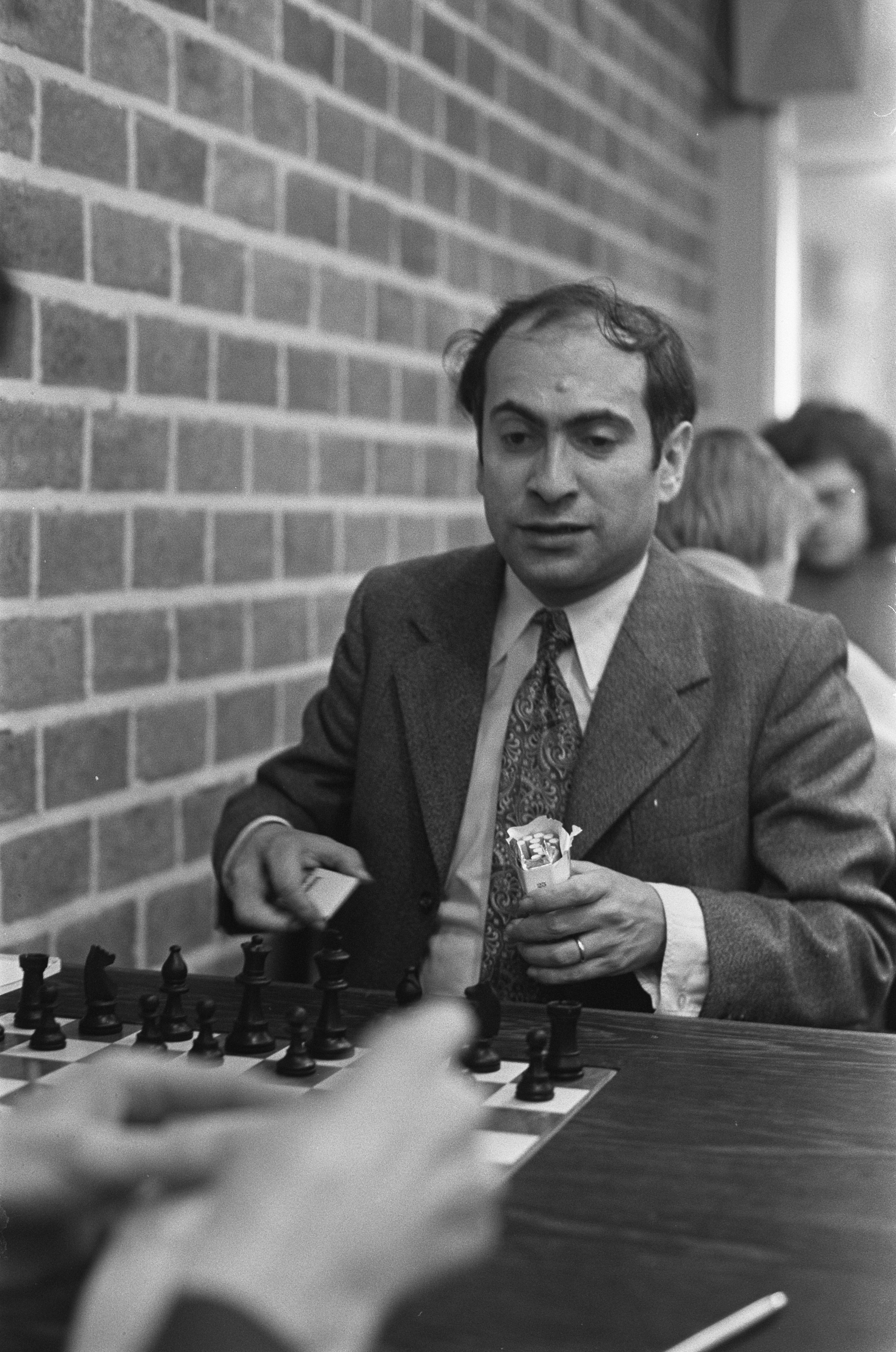
The tournament was moved to the Dutch seaside town Wijk aan Zee in 1968. Starting from 1982, the tournament mostly settled to its present number of 14 players. The winners of the top group were: :{| class="sortable wikitable" |+ ! scope=col | # ! scope=col | Year ! scope=col | Winner(s) ! scope=col | Country ! scope="col" | Score ! scope=col | % |- ! scope=row |30 |1968 | |USSR Soviet Union |12/15
| 80.0 |
|---|
| ! scope=row rowspan="2" |
|
| USSR Soviet Union |
|---|
|
| USSR Soviet Union |
|---|
| ! scope=row |
| 1970 |
| |USSR Soviet Union |12/15
| 80.0 |
|---|
| ! scope=row |
| 1971 |
| |USSR Soviet Union |10/15
| 66.7 |
|---|
| ! scope=row |
| 1972 |
| |HUN Hungary |10½/15
| 70.0 |
|---|
| ! scope=row |
| 1973 |
| |USSR Soviet Union |10½/15
| 70.0 |
|---|
| ! scope=row |
| 1974 |
| |USA United States |11/15
| 73.3 |
|---|
| ! scope=row |
| 1975 |
| |HUN Hungary |10½/15
| 70.0 |
|---|
| ! scope=row rowspan="2" |
|
| YUG SFR Yugoslavia |
|---|
|
| ISL Iceland |
|---|
| ! scope=row rowspan="2" |
|
| NED Netherlands |
|---|
|
| USSR Soviet Union |
|---|
| ! scope=row |
| 1978 |
| |HUN Hungary |8/11
| 72.7 |
|---|
| ! scope=row |
| 1979 |
| |USSR Soviet Union |7½/11
| 68.2 |
|---|
| ! scope=row rowspan="2" |
|
| USA United States |
|---|
|
| USA United States |
|---|
| ! scope=row rowspan="2" |
|
| NED Netherlands |
|---|
|
| NED Netherlands |
|---|
| ! scope=row rowspan="2" |
|
| UK United Kingdom |
|---|
|
| USSR Soviet Union |
|---|
| ! scope=row |
| 1983 |
| |SWE Sweden |9/13
| 69.2 |
|---|
| ! scope=row rowspan="2" |
|
| USSR Soviet Union |
|---|
|
| SUI Switzerland |
|---|
| ! scope=row |
| 1985 |
| |NED Netherlands |9/13
| 69.2 |
|---|
| ! scope=row |
| 1986 |
| |UK United Kingdom |9½/13
| 73.1 |
|---|
| ! scope=row rowspan="2" |
|
| UK United Kingdom |
|---|
|
| SUI Switzerland |
|---|
| ! scope=row |
| 1988 |
| |USSR Soviet Union |9/13
| 69.2 |
|---|
| ! scope=row rowspan="4" |
|
| IND India |
|---|
|
| HUN Hungary |
|---|
|
| HUN Hungary |
|---|
|
| YUG SFR Yugoslavia |
|---|
| ! scope=row |
| 1990 |
| |UK United Kingdom |8/13
| 61.5 |
|---|
| ! scope=row |
| 1991 |
| |UK United Kingdom |8½/13
| 65.4 |
|---|
| ! scope=row rowspan="2" |
|
| RUS Russia |
|---|
|
| BLR Belarus |
|---|
| ! scope=row |
| 1993 |
| |RUS Russia |2½/4 | |- ! scope=row |56 |1994 | |BIH Bosnia and Herzegovina |7/9
| 77.8 |
|---|
| ! scope=row |
| 1995 |
| |RUS Russia |2½/4 | |- ! scope=row |58 |1996 | |UKR Ukraine |9/13
| 69.2 |
|---|
| ! scope=row |
| 1997 |
| |RUS Russia |8½/13
| 65.4 |
|---|
| ! scope=row rowspan="2" |
|
| IND India |
|---|
|
| RUS Russia |
|---|
| ! scope=row |
| 1999 |
| |RUS Russia |10/13 |76.9 |}
Corus tournament


From 2000, the formal name for the tournament was changed to the "Corus Chess Tournament". The winners of the A-group were: :{| class="sortable wikitable" |+ ! scope=col | # ! scope=col | Year ! scope=col | Winner(s) ! scope=col | Country ! scope="col" | Score ! scope="col | % |- ! scope=row |62 |2000 | |RUS Russia |9½/13
| 73.1 |
|---|
| ! scope=row |
| 2001 |
| |RUS Russia |9/13
| 69.2 |
|---|
| ! scope=row |
| 2002 |
| |RUS Russia |9/13
| 69.2 |
|---|
| ! scope=row |
| 2003 |
| |IND India |8½/13
| 65.4 |
|---|
| ! scope=row |
| 2004 |
| |IND India |8½/13
| 65.4 |
|---|
| ! scope=row |
| 2005 |
| |HUNHungary |8½/13
| 65.4 |
|---|
| ! scope=row rowspan="2" |
|
| IND India |
|---|
|
| BUL Bulgaria |
|---|
| ! scope=row rowspan="3" |
|
| ARM Armenia |
|---|
|
| AZE Azerbaijan |
|---|
|
| BUL Bulgaria |
|---|
| ! scope=row rowspan="2" |
|
| ARM Armenia |
|---|
|
| NOR Norway |
|---|
| ! scope=row |
| 2009 |
| |RUSRussia |8/13
| 61.5 |
|---|
| ! scope=row |
| 2010 |
| |NOR Norway |8½/13 |65.4 |}
Tata Steel tournament

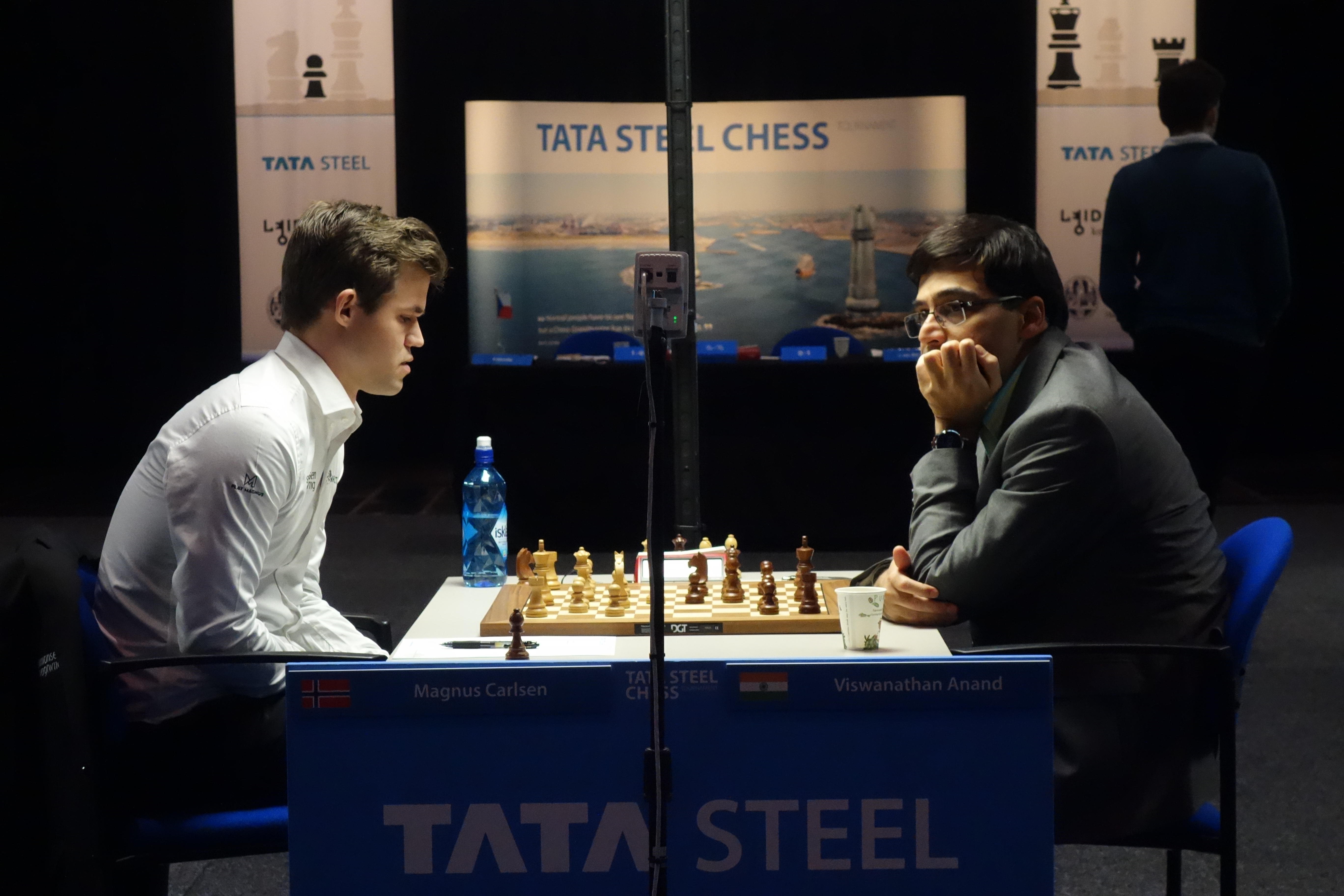

From 2011, the formal name changed to the "Tata Steel Chess Tournament". The winners of the Masters section were: :{| class="sortable wikitable" |+ ! scope=col | # ! scope=col | Year ! scope=col | Winner ! scope=col | Country ! scope=col" |Score ! scope=col |% |- ! scope=row |73 |2011 | |USA United States |9/13
| 69.2 |
|---|
| ! scope=row |
| 2012 |
| |ARM Armenia |9/13
| 69.2 |
|---|
| ! scope=row |
| 2013 |
| |NOR Norway |10/13
| 76.9 |
|---|
| ! scope=row |
| 2014 |
| |ARM Armenia |8/11
| 72.7 |
|---|
| ! scope=row |
| 2015 |
| |NOR Norway |9/13
| 69.2 |
|---|
| ! scope=row |
| 2016 |
| |NOR Norway |9/13
| 69.2 |
|---|
| ! scope=row |
| 2017 |
| |USA United States |9/13
| 69.2 |
|---|
| ! scope=row |
| 2018 |
| |NOR Norway |9/13
| 69.2 |
|---|
| ! scope=row |
| 2019 |
| |NOR Norway |9/13
| 69.2 |
|---|
| ! scope=row |
| 2020 |
| |USA United States |10/13
| 76.9 |
|---|
| ! scope=row |
| 2021 |
| |NED Netherlands |8½/13
| 65.4 |
|---|
| ! scope=row |
| 2022 |
| |NOR Norway |9½/13
| 73.1 |
|---|
| ! scope=row |
| 2023 |
| |NED Netherlands |8½/13
| 65.4 |
|---|
| ! scope=row |
| 2024 |
| |CHN China |8½/13
| 65.4 |
|---|
| ! scope=row |
| 2025 |
| |IND India |8½/13 |65.4 |}
Multiple winners
The following players have won the tournament more than once; years where they shared the title are bolded.
| Player | Country | Wins | Tournaments Won |
|---|---|---|---|
| NOR Norway | 8 (1 shared) | 2008, 2010, 2013, 2015, 2016, 2018, 2019, 2022 | |
| IND India | 5 (3 shared) | 1989, 1998, 2003, 2004, 2006 | |
| NED Netherlands | 4 (1 shared) | 1940, 1942, 1952, 1958 | |
| ARM Armenia | 4 (2 shared) | 2007, 2008, 2012, 2014 | |
| USSR Soviet Union | |||
| SUI Switzerland | 4 (2 shared) | 1968, 1971, 1984, 1987 | |
| HUN Hungary | 4 (1 shared) | 1965, 1972, 1975, 1978 | |
| NED Netherlands | 3 (1 shared) | 1950, 1958, 1963 | |
| USSR Soviet Union | 3 (3 shared) | 1965, 1969, 1977 | |
| RUS Russia | 3 | 1999, 2000, 2001 | |
| GBR United Kingdom | 3 (1 shared) | 1982, 1990, 1991 | |
| USA United States | 2 (1 shared) | 1974, 1980 | |
| USSR Soviet Union | |||
| RUS Russia | 2 | 1988, 1993 | |
| DEN Denmark | 2 (2 shared) | 1960, 1961 | |
| YUG SFR Yugoslavia | |||
| BIH Bosnia and Herzegovina | 2 (1 shared) | 1989, 1994 | |
| ISL Iceland | 2 (1 shared) | 1959, 1976 | |
| USSR Soviet Union | 2 | 1966, 1979 | |
| RUS Russia | 2 (1 shared) | 1992, 1997 | |
| NED Netherlands | 2 (2 shared) | 1977, 1981 | |
| GBR United Kingdom | 2 (1 shared) | 1986, 1987 | |
| NED Netherlands | 2 (1 shared) | 1981, 1985 | |
| BUL Bulgaria | 2 (2 shared) | 2006, 2007 | |
| NED Netherlands | 2 | 1944, 1947 |
Notes
References
References
- (1 February 2007). "India media upbeat on Tata's win".
- (18 January 2025). "Masters & Challengers".
- Ahmed, Shahid. (2 February 2025). "Gukesh or Praggnanandhaa - Who will win 87th Tata Steel Masters?".
- Frey, Eduard. (13 January 2023). "Ten Trivia about the Tata Steel Tournament series, the Wimbledon of Chess".
- Barden, Leonard. (12 January 2018). "Magnus Carlsen aims for strong showing at 'Wimbledon of chess' event".
- (29 January 2018). "Magnus Carlsen wins Tata Steel Chess Tournament 2018".
- "Format".
- (25 August 2005). "The Batsford Book of Chess Records". [[Batsford Books]].
- Golombek, Harry. (1977). "Golombek's Encyclopedia of Chess". [[Crown Publishers]].
- "All-time Tournaments – Tata Steel Chess".
- "Former Champions".
- Green, Nathaniel. (26 August 2024). "Tata Steel Chess: A Photo Retrospective".
This article was imported from Wikipedia and is available under the Creative Commons Attribution-ShareAlike 4.0 License. Content has been adapted to SurfDoc format. Original contributors can be found on the article history page.
Ask Mako anything about Tata Steel Chess Tournament — get instant answers, deeper analysis, and related topics.
Research with MakoFree with your Surf account
Create a free account to save articles, ask Mako questions, and organize your research.
Sign up freeThis content may have been generated or modified by AI. CloudSurf Software LLC is not responsible for the accuracy, completeness, or reliability of AI-generated content. Always verify important information from primary sources.
Report