From Surf Wiki (app.surf) — the open knowledge base
Tarpaulin
Large sheet of strong, flexible, water-resistant or waterproof material

Large sheet of strong, flexible, water-resistant or waterproof material

A tarpaulin ( , ) or tarp is a large sheet of strong, flexible, water-resistant or waterproof material, often cloth such as canvas or polyester coated with polyurethane, or made of plastics such as polyethylene. Tarpaulins often have reinforced grommets at the corners and along the sides to form attachment points for rope, allowing them to be tied down or suspended.
Inexpensive modern tarpaulins are made from woven polyethylene; This material has become so commonly used for tarpaulins that people in some places refer to it colloquially as "poly tarp" or "polytarp".
Etymology
The word tarpaulin originated as a compound of the words tar and palling, referring to a tarred canvas pall used to cover objects on ships. Sailors often tarred their own overclothes in the same manner as the sheets or palls. By association, sailors became known as "jack tars".
In the mid-19th century, paulin was used for such a cloth.
Uses
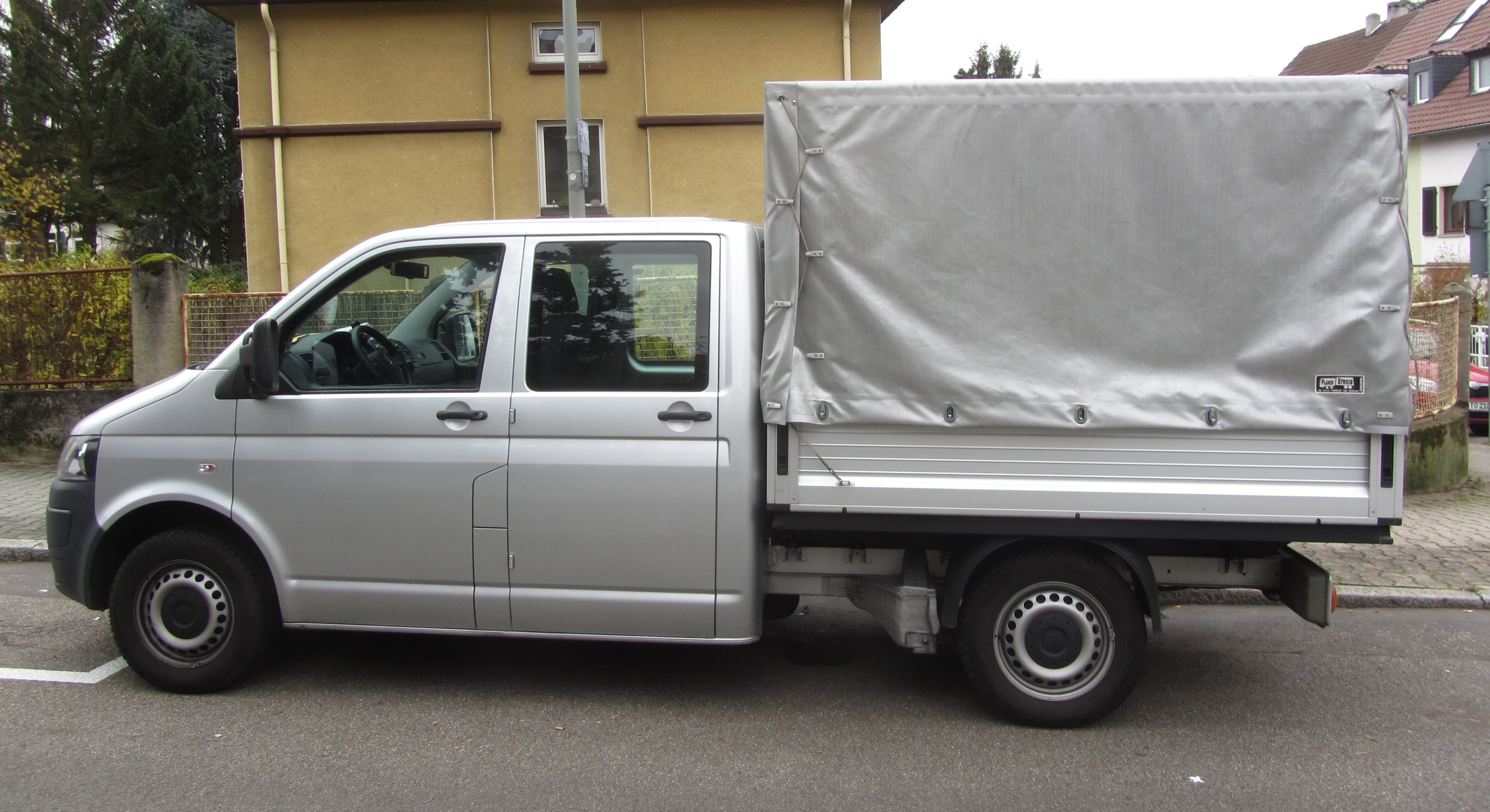

Tarpaulins are used in many ways to protect persons and things from wind, rain, and sunlight. They are used during construction or after disasters to protect partially built or damaged structures, to prevent mess during painting and similar activities, and to contain and collect debris. They are used to protect the loads of open trucks and wagons, to keep wood piles dry, and for shelters such as tents or other temporary structures.

Tarpaulins are also used for advertisement printing, most notably for billboards. Perforated tarpaulins are typically used for medium to large advertising, or for protection on scaffoldings; the aim of the perforations (from 20% to 70%) is to reduce wind vulnerability.
Polyethylene tarpaulins have also proven to be a popular source when an inexpensive, water-resistant fabric is needed. Many amateur builders of plywood sailboats turn to polyethylene tarpaulins for making their sails, as it is inexpensive and easily worked. With the proper type of adhesive tape, it is possible to make a serviceable sail for a small boat with no sewing.
Plastic tarps are sometimes used as a building material in communities of indigenous North Americans. Tipis made with tarps are known as tarpees.
Types
Tarpaulins can be classified based on a diversity of factors, such as material type (polyethylene, canvas, vinyl, etc.), thickness, which is generally measured in mils or generalized into categories (such as "regular duty", "heavy duty", "super heavy duty", etc.), and grommet strength (simple vs. reinforced), among others.
Actual tarp sizes are generally about three to five percent smaller in each dimension than nominal size; for example, a tarp nominally 20 x will actually measure about 19 x. Grommets may be aluminum, stainless steel, or other materials. Grommet-to-grommet distances are typically between 18 in and 5 ft. The weave count is often between 8 and 12 per square inch: the greater the count, the greater its strength. Tarps may also be washable or non-washable and waterproof or non-waterproof, and mildewproof vs. non-mildewproof. Tarp flexibility is especially significant under cold conditions.
Type of material
Polyethylene

A polyethylene tarpaulin ("polytarp") is not a traditional fabric, but rather, a laminate of woven and sheet material. The center is loosely woven from strips of polyethylene plastic, with sheets of the same material bonded to the surface. This creates a fabric-like material that resists stretching well in all directions and is waterproof. Sheets can be either of low density polyethylene (LDPE) or high density polyethylene (HDPE). When treated against ultraviolet light, these tarpaulins can last for years exposed to the elements, but non-UV treated material will quickly become brittle and lose strength and water resistance if exposed to sunlight.
Canvas
Canvas tarpaulins are not 100% waterproof, though they are water resistant. Thus, while a small amount of water for a short period of time will not affect them, when there is standing water on canvas tarps, or when water cannot quickly drain away from canvas tarps, the standing water will drip through this type of tarp.
Vinyl
Polyvinyl chloride ("vinyl") tarpaulins are industrial-grade and intended for heavy-duty use. They are constructed of 10 oz/sqyd coated yellow vinyl. This makes it waterproof and gives it a high abrasion resistance and tear strength. These resist oil, acid, grease and mildew. The vinyl tarp is ideal for agriculture, construction, industrial, trucks, flood barrier and temporary roof repair.
Silnylon
Main article: silnylon
Tarp tents may be made of silnylon.
U.S. color scheme
For years manufacturers have used a color code to indicate the grade of tarpaulins, but not all manufacturers follow this traditional method of grading. Following this color-coded system, blue indicates a lightweight tarp, and typically has a weave count of 8×8 and a thickness of 0.005 -. Silver is a heavy-duty tarp and typically has a weave count of 14×14 and a thickness of 0.011 -.
Some of the more common colors in that scheme are:
| Color | Name | Approx. thickness |
|---|---|---|
| Blue | light-duty tarp | |
| Yellow or orange | medium-duty tarp | |
| Green | medium-duty tarp | |
| Silver | heavy-duty tarp | |
| Brown | super-heavy-duty tarp |
References
References
- "tarpaulin - Definition of tarpaulin in English by Oxford Dictionaries".
- {{Dictionary.com. tarpaulin
- [http://www.etymonline.com/index.php?term=tar Tar], ''[[Online Etymology Dictionary]]''
- (Malcolm), Thorpe, M.. (2010). "Brickwork : for CAA Construction Diploma and NVQs. Level 2". Newnes.
- (2018). "Printed program for Dear Listener: Works by Nicholas Galanin".
- (10 May 2018). ""Those Are Sacred": A First-Person Account From the Tipi Demonstration That Shut Down Traffic". The Stranger.
This article was imported from Wikipedia and is available under the Creative Commons Attribution-ShareAlike 4.0 License. Content has been adapted to SurfDoc format. Original contributors can be found on the article history page.
Ask Mako anything about Tarpaulin — get instant answers, deeper analysis, and related topics.
Research with MakoFree with your Surf account
Create a free account to save articles, ask Mako questions, and organize your research.
Sign up freeThis content may have been generated or modified by AI. CloudSurf Software LLC is not responsible for the accuracy, completeness, or reliability of AI-generated content. Always verify important information from primary sources.
Report