From Surf Wiki (app.surf) — the open knowledge base
Syrup
Thick, viscous solution of sugar in water

Thick, viscous solution of sugar in water
In cooking, syrup (less commonly sirup; from , from earlier ; ar, beverage, wine) is a thick, viscous, liquid condiment consisting primarily of a solution of sugar in water. It typically contains a large amount of dissolved sugars but shows little tendency to deposit crystals. In its concentrated form, its consistency is similar to that of molasses. The viscosity arises from the multiple hydrogen bonds between the dissolved sugar, which has many hydroxyl (OH) groups.
Types

There are a range of syrups used in food production, including:
- Agave syrup, made from agave stem
- Cane syrup, made from sugar canes
- Chocolate syrup
- Corn syrup
- Glucose syrup
- Golden syrup, a by-product of refining crystallized sugar
- High fructose corn syrup, widely used in the US
- Maple syrup
- Table syrup
Uses
For beverages
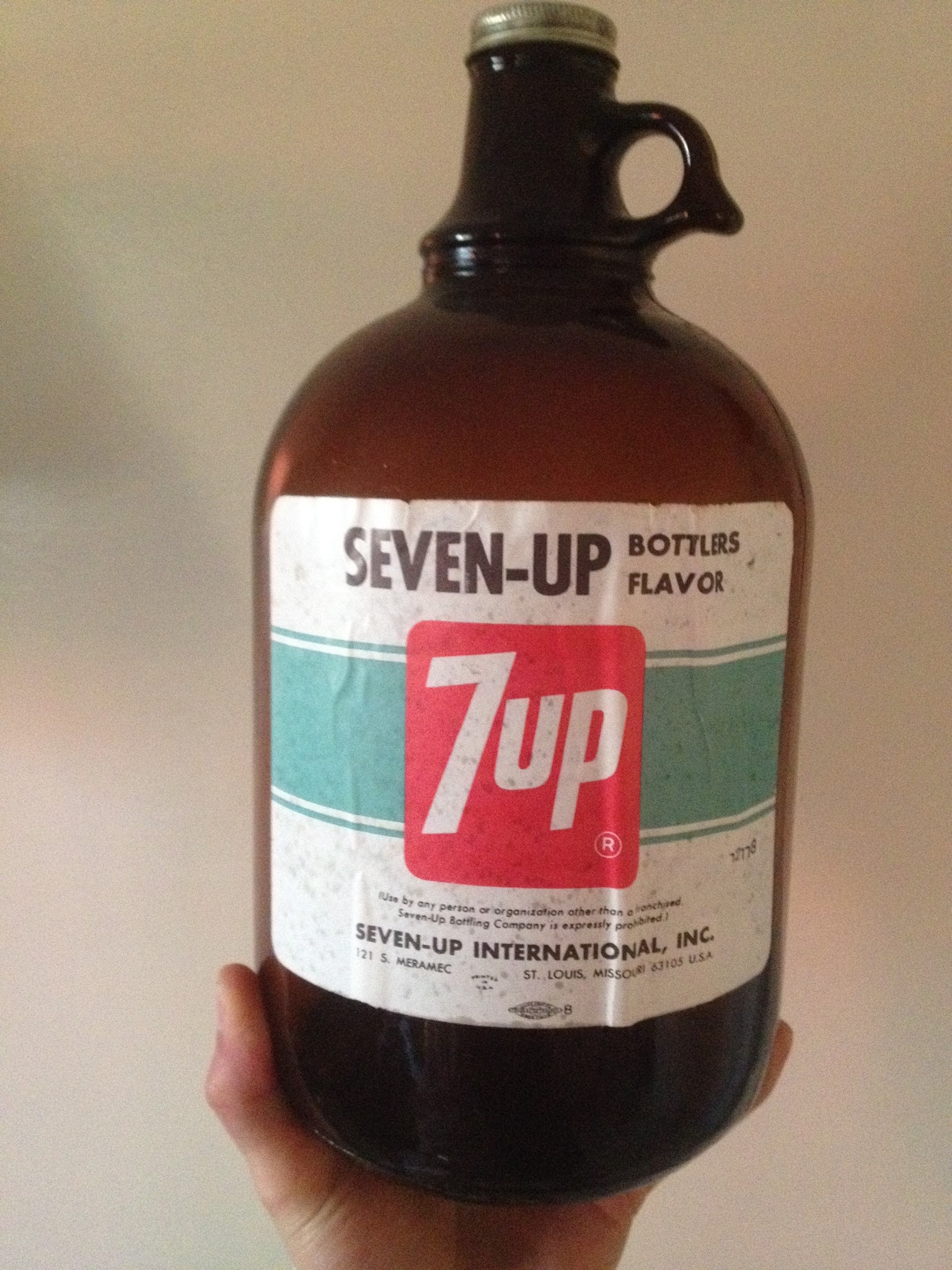
A variety of beverages call for sweetening to offset the tartness of some juices used in the drink recipes. Granulated sugar does not dissolve easily in cold drinks or ethyl alcohol. Since syrups are liquids, they are easily mixed with other liquids in mixed drinks, making them superior alternatives to granulated sugar.
Simple sugar syrups
Simple syrup
Simple syrup (also known as sugar syrup, or bar syrup) is a basic sugar-and-water syrup. It is used by bartenders as a sweetener to make cocktails, and as a yeast feeding agent in ethanol fermentation.
The ratio of sugar to water is 1:1 by volume for normal simple syrup, but can get up to 2:1 for rich simple syrup. For pure sucrose the saturation limit is about 5:1 (500 g sucrose to 100 ml water).
Demerara syrup
Combining demerara sugar, a type of natural brown sugar, with water in this process produces demerara syrup. Sugar substitutes such as honey or agave nectar can also be used to make syrups. Spices can be added to the ingredients during the process, resulting in a spiced simple syrup.
Gomme syrup
Gomme syrup (or gum syrup; gomme is French for "gum") is a boiled mixture of sugar and water, made with the highest ratio of sugar to water possible. In old recipes, gum arabic is added, in the belief that it prevents the sugar from crystallizing and adds a smooth texture. Some recipes omit the gum arabic, thus are just simple syrup, considering the gum undesired, or to reduce cost.
Gomme syrup is an ingredient commonly used in mixed drinks.
In Japan, liquid sweeteners for iced coffee are called gum syrup, although they are actually simple syrup which contains no gum arabic. Ingredients vary by brand; some are glucose–fructose syrup, some are sugar, or blends of both.
Flavored syrup
Flavored syrups are made by infusing simple syrups with flavoring agents during the cooking process. A wide variety of flavoring agents can be used, often in combination with each other, such as herbs, spices, or aromatics. For instance, syrups' aromatics is prepared by adding certain quantities of orange flavorings and cinnamon water to simple syrup. This type of syrup is commonly used at coffee bars, especially in the United States, to make flavored drinks. Infused simple syrups can be used to create desserts, or add sweetness and depth of flavor to cocktails.
For fermentation
Feedstock for fermentation
Glucose syrups rating over 90 DE (dextrose equivalent) are used in industrial fermentation.
Production
Syrups can be made by dissolving sugar in water or by reducing naturally sweet juices such as cane juice, sorghum juice, or maple sap. Corn syrup is made from corn starch using an enzymatic process that converts it to sugars.
A must weight-type refractometer is used to determine the sugar content in the solution.
References
References
- link. (2012-08-21)
- Tyler James Wiltgen. (August 2007). "An Economic History of the United States Sugar Program".
- "U.S. Sugar Policy".
- (November 2006). "Food without Thought: How U.S. Farm Policy Contributes to Obesity". Institute for Agriculture and Trade Policy.
- "Corn Production/Value". Allcountries.org.
- Dietsch, Michael. "Cocktail 101: How to Make Simple Syrup".
- Whitehead, Jessup. (1903). "Gum syrup". Whitehead & Co..
- Embury, David A.. (1961). "[[The Fine Art of Mixing Drinks]]". Dolphin Books.
- Stuart, Thomas. (1904). "Gum syrup". Excelsior publishing house.
- Rowley, Matthew. (2021). "gum syrup". Oxford University Press.
- Oguma. Tokio. 柴田書店 (Shibata Publishing Co.). (1968). link
- link. (2015-01-06). HFCS can be found in gum syrup added in iced coffee.
- link. (2021-04-23). Sakida Miki
- (1995). "Handbook of starch hydrolysis products and their derivatives". Blackie Academic & Professional.
This article was imported from Wikipedia and is available under the Creative Commons Attribution-ShareAlike 4.0 License. Content has been adapted to SurfDoc format. Original contributors can be found on the article history page.
Ask Mako anything about Syrup — get instant answers, deeper analysis, and related topics.
Research with MakoFree with your Surf account
Create a free account to save articles, ask Mako questions, and organize your research.
Sign up freeThis content may have been generated or modified by AI. CloudSurf Software LLC is not responsible for the accuracy, completeness, or reliability of AI-generated content. Always verify important information from primary sources.
Report