From Surf Wiki (app.surf) — the open knowledge base
Surgical mask
Mouth and nose cover against bacterial aerosols
Mouth and nose cover against bacterial aerosols
| Field | Value |
|---|---|
| name | Surgical mask |
| synonym | Procedure mask, medical mask, isolation mask, laser mask, fluid-resistant masks, face mask |
| image | Surgical face mask.jpg |
| caption | A surgical mask with hand-tied straps |
| specialty |
A surgical mask, also known by other names such as a medical face mask or procedure mask, is a personal protective equipment used by healthcare professionals that serves as a mechanical barrier that interferes with direct airflow in and out of respiratory orifices (i.e. nose and mouth). This helps reduce airborne transmission of pathogens and other aerosolized contaminants between the wearer and nearby people via respiratory droplets ejected when sneezing, coughing, forceful expiration or unintentionally spitting when talking, etc. Surgical masks may be labeled as surgical, isolation, dental or medical procedure masks.
Although the material of which surgical masks are made will filter out some viruses and bacteria by trapping the aerosol suspended in breathed air, they only provide partial protection from airborne diseases because of the typically loose fit between the mask edges and the wearer's face. Surgical masks are distinct from filtering respirators, such as those made to the American N95 standard, which are more airtight and purposefully designed to protect against finer airborne particles.
Evidence from randomized controlled trials that surgical masks reduce infection from diseases such as influenza is weak. Although a recent very large (over 300,000 people) study found some evidence that they reduced transmission in the community, surgical masks can vary greatly in quality which may make these studies less useful. The effect of surgical masks is partially attributed to filtering out some of aerosol particles that are how airborne diseases are transmitted. Surgical masks are highly variable but the material of which they are made typically filter out more aerosol particles than do cloth masks but much less than does the material of which N95, FFP2 and similar masks, are made. This combined with the poor fit suggests that surgical masks offer some protection to airborne diseases such as COVID-19 but less than do N95, FFP2 and similar masks.
There are standards for the materials masks are made from. For example, the European EN 14683 Type II standard requires the material of the mask to filter particles (mean diameter close to 3 micrometres) containing the bacterium Staphylococcus aureus. The bacterial filtration efficiency of the mask material is the fractional reduction in the number of colony-forming units (CFUs) when the aerosol is passed through the material. For a Type II mask under this standard, the material must filter enough of the aerosol particles containing the bacteria to achieve a CFU reduction of at least 98%.
ASTM International has an F2100 standard with similar bacterial filtering standard to the European Type II standard but in addition uses a test aerosol of 0.1 micrometre particles. The Level 3 standard F2100 standard requires that these particles must be filtered out with at least 98% efficiency. Neither the European nor the ASTM standard tests performance as worn, they just test the material — the difference being the air leakage. This is different to personal protection equipment standards such as N95 and FFP, which do test performance as worn.
Surgical masks are made of a nonwoven fabric created using a melt blowing process. They came into use in the 1960s and largely replaced cloth facemasks in developed countries. The colored (usually dark blue, green, or occasionally yellow) side of the mask (fluid-repellant layer) is to be worn outwards, and the white side (absorbent layer) inwards.
In some East Asian countries, masks have often customarily been worn by people who are sick in order to avoid spreading it, to protect against air pollution or allergens, as a fashion statement, or to deter social interaction. The use of surgical masks during the COVID-19 pandemic was a subject of debate, as mask shortage was a central issue.
Function
A surgical mask serves as a mechanical barrier that interferes with direct airflow in and out of respiratory orifices (i.e. nose and mouth). Most commonly used surgical masks are designed to only trap respiratory droplets, and therefore do not filter or block fine airborne particles that are smaller than the designed filtration ratings, which may be transmitted by coughs, sneezes, unintentional spitting during talking, or certain aerosol-generating medical procedures (e.g. bronchoscopy, laryngoscopy or dental procedures). Surgical masks also cannot provide complete protection from germs and other contaminants because of the often loose fit between the mask edges and the wearer's face, especially when the mask is worn outright incorrectly (e.g. low with the nose and/or mouth exposed).
A surgical mask is a disposable device that creates a physical barrier between the respiratory tract openings (nose and mouth) of the wearer and potentially pathogenic contaminants in the immediate environment. If worn properly, surgical masks are meant to help block out most (if not all) large-particle droplets, splashes, sprays, or splatter that may contain viruses and bacteria, keeping them from entering the wearer's nose and mouth., and conversely are also effective barriers for retaining large droplets released from the wearer's the mouth and nose. Surgical masks help reduce exposure of the wearer's saliva and respiratory secretions to others that could otherwise travel up to 26 ft. Surgical mask also remind wearers not to touch their mouth or nose, which could otherwise transfer viruses and bacteria after having touched a contaminated surface.
A surgical mask is not to be confused with a respirator (which is specifically rated for sub-micron particles) and is not certified as such. Surgical masks are not designed to protect the wearer from inhaling airborne bacteria or virus particles and are less effective than respirators, which are designed for this purpose. Collection efficiency of surgical mask filters can range from less than 10% to nearly 90% for different manufacturers' masks when measured using the test parameters for NIOSH certification. However, a study found that even for surgical masks with "good" filters, 80–100% of subjects failed an OSHA-accepted qualitative fit test, and a quantitative test showed 12–25% leakage.
Modern surgical masks are made from paper or other non-woven material and should be discarded after each use.
Physical form
| Parameter | Typical unit |
|---|---|
| Pressure differential, ∆P | cm of H2O / cm2 |
| Filtration and exposure | % |
| Liquid penetration resistance | mbar |
| Air permeability | ml/s⋅cm2 at 100 Pa |
| Water vapor permeability | g/24 hr⋅cm2 |
| Water repellency | grade |

The design of the surgical masks depends on the intended usages. Usually, the masks are rectangular shaped with pleats to allow the wearer to expand and curve the mask so it can better cover the entirety of the area from the nose to around the chin. The outward-facing side of the mask is typically colored (usually blue, green, or yellow) and made thicker, tougher, and water impermeable. The inner layers of the mask are made of three-ply (three layers) melt-blown polymer (most commonly polypropylene) placed between non-woven fabric. The melt-blown material acts as the filter that stops microbes from penetrating and exiting the mask. Some masks have an attached thin polyethylene faceshield (known as a "splash shield") to provide additional spray protection over the eye area.
AnchorDuckbillMaskA different type of mask, known as "duckbill" masks, uses a trapezoid pouch-like design that has significantly shortened side edges — sometimes none at all — to minimize loose gaps that pathogens can leak past. These masks are typically made to the N95/P2 standards, and are commonly used for clinical situations that demand fine particulates protection, such as tuberculosis.
Small strips of foam or thickened fabric are often sewn along the top edge of the mask to help better seal away exhaled water vapors (which can fog up eyewears and faceshields) and soak up excess perspiration dripping from above. Small bendable metal strips are frequently added to the top edge to better fit over the nasal bridge. Occasionally adhesive tapes can also be added to secure the seal and prevent the mask from slipping up and down.
The masks are typically fastened to the head with straps or elastic bands that are attached to the mask's four corners. Straps come in four free-hanging ribbons that are manually tied in two pairs horizontally around the back of the head, and are most frequently used in surgical operations due to the ability to customize the strap length and tension comfortably to the wearer's face shape and head movements. Elastic bands come in a pair of loops that can either be horizontally or vertically attached. Horizontal loops go around the head like tied straps, designed to exert tension on the top and bottom edges of the mask for firmer contact seal, and are usually seen on duckbill masks; while vertical loops hook around the ears with less tension (due to the weaker rigidity of the elastocartilaginous auricles compared to the bony skull) and thus less firmly secured to the face, but are more popular in non-procedural usages due to the ease of putting on and taking off.
Filter material in the middle layer may be made of microfibers with an electrostatic charge; that is, the fibers are electrets. An electret filter increases the chances that smaller particles will veer and hit a fiber, rather than going straight through (electrostatic capture). While there is some development work on making electret filtering materials that can stand being washed and reused, current commercially produced electret filters are ruined by many forms of disinfection, including washing with soap and water or alcohol, which destroys the electric charge. During the COVID-19 pandemic, public health authorities issued guidelines on how to save, disinfect and reuse electret-filter masks without damaging the filtration efficiency. Standard disposible surgical masks are not designed to be washed.
Physical properties and quality
Performance of surgical masks is evaluated based on such parameters as filtration (mask capture of exhaled aerosols), exposure (transfer of aerosols from outside), mask airflow resistance (pressure difference during breathing, ΔP, also known as breathability), liquid penetration resistance, air and water vapor permeability, water repellency (for outer and inner surfaces).
Filtration and exposure is typically measured in bacterial filtration efficiency (BFE) using particles of size 3.0 μm. Particulate filtration efficiency (PFE) using particles of size 0.3 μm is only measured in China.
History
Face masks for use in surgery were developed in Europe by several physicians, including Jan Mikulicz-Radecki at the University of Breslau and Paul Berger in Paris, in the late nineteenth century, as a result of increasing awareness of germ theory and the importance of antiseptic procedures in medicine. In response to a pneumonic plague in Manchuria and Mongolia in 1910, Chinese-Malaysian epidemiologist Dr. Wu Lien-teh greatly improved on the designs he had seen in Europe to develop a face mask of layers of gauze and cotton that would protect both the wearer and others.
Modern surgical masks began to be used in the 1960s. Their adoption caused cloth facemasks, which had been used since the late 19th century, to completely fall out of use in the developed world. However, cloth masks and surgical masks both continued to be used in developing countries.
COVID-19 pandemic
Main article: Face masks during the COVID-19 pandemic

As the pandemic raged on, healthcare workers were required to continue wearing surgical masks for 12 or more hours a day. This caused the ear loops of the masks to chafe the back of their ears. Ear savers, plastic straps and hooks that go around wearer's heads, were invented to move the ear loops away from the wearer's ears. They could be made on demand by using 3D printing process.
Use
Healthcare workers
.jpg)
A surgical mask is intended to be worn by health professionals during surgery and certain health care procedures to catch microorganisms shed in liquid droplets and aerosols from the wearer's mouth and nose. Evidence supports the effectiveness of surgical masks in reducing the risk of infection among other healthcare workers and in the community. However, a Cochrane review found that there is no clear evidence that disposable face masks worn by members of the surgical team would reduce the risk of wound infections after clean surgical procedures. However, the review cautioned that the studies examined are of low quality and that the result should not be generalized.
Healthcare workers are trained in how to put on, handle, remove, and dispose of surgical masks. For healthcare workers, safety guidelines recommend the wearing of a face-fit tested N95 or FFP3 respirator mask instead of a surgical mask in the vicinity of pandemic-flu patients, to reduce the exposure of the wearer to potentially infectious aerosols and airborne liquid droplets.
General public
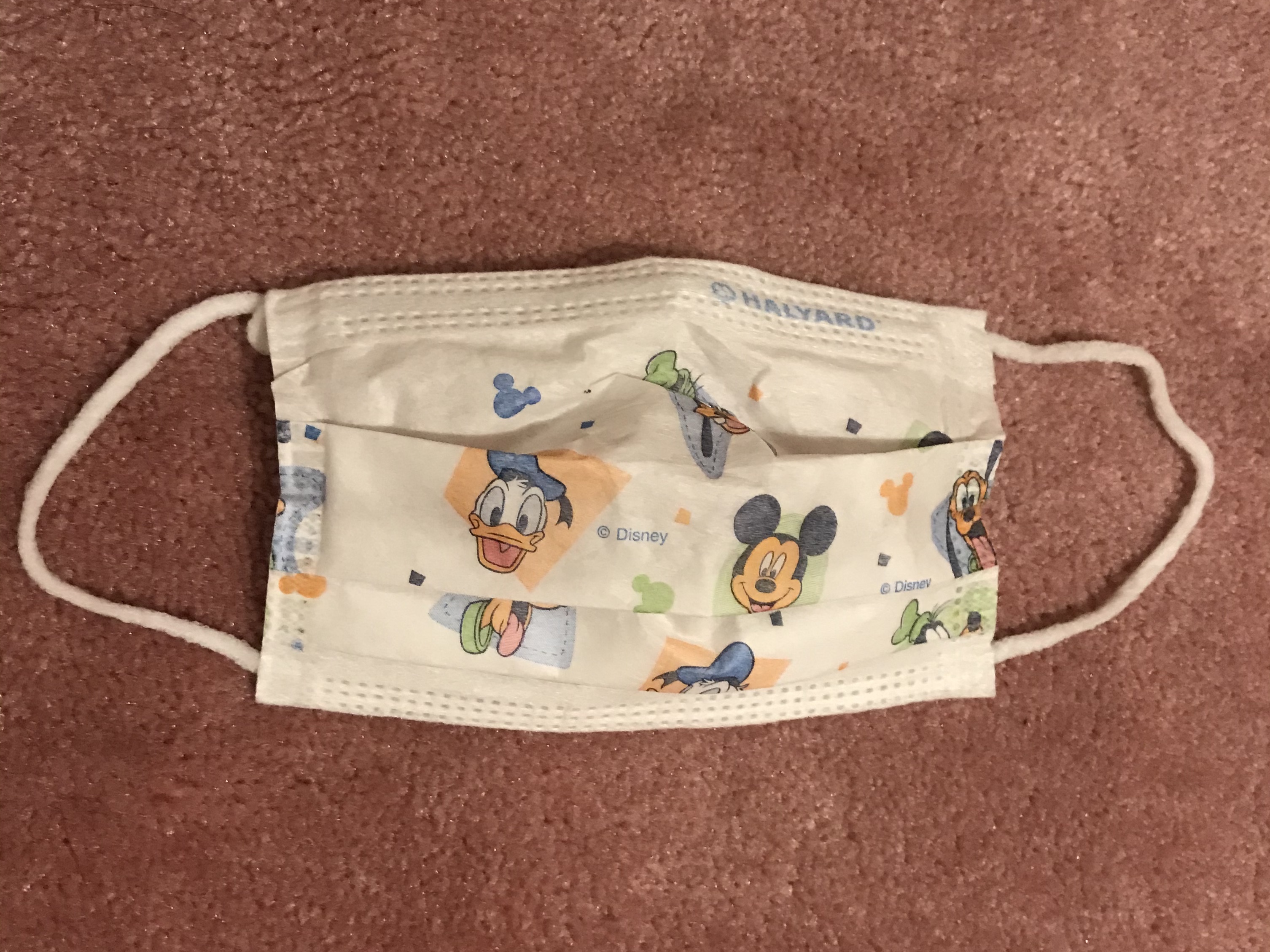
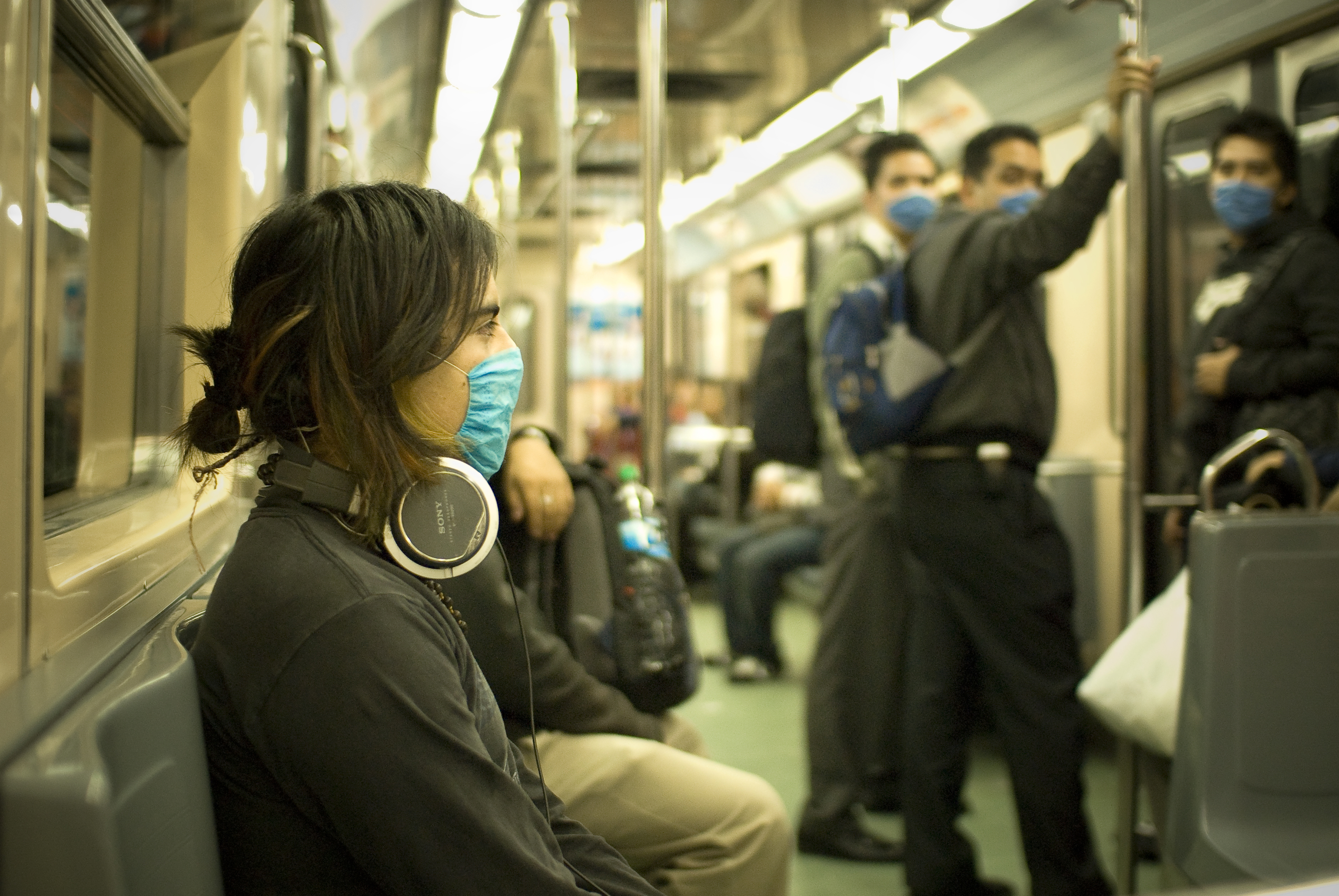
In community and home settings, the use of facemasks and respirators is generally not recommended, with other measures such as avoiding close contact, maintaining good hand hygiene, and wearing cloth face coverings being preferred instead. Surgical masks provide some protection against the spread of diseases, and improvised masks provide about half as much protection.
The custom of wearing surgical masks in public began in Japan in the early 20th century during the Spanish flu pandemic, which killed 20 to 40 million people worldwide. A second global influenza pandemic in 1934 established the use of surgical masks in Japan. Later, this custom spread to other parts of East Asia.
In Japan and Taiwan, surgical masks have commonly been worn in winter months during the flu season by those who have respiratory illnesses as a courtesy intended to prevent viral transmission. People in Japan, as well as Korea and China, may also wear masks in any season to guard against air pollution or allergies. Some younger Japanese people wear masks and audio headsets to signal a desire to avoid interaction. Hay fever has been common in Japan since the 1980s, and as of 2019, 42.5% of the Japanese population suffers from some form of hay fever, with 38.8% suffering from cedar pollinosis, making the use of surgical masks more common in winter and spring. On the other hand, acupuncturist Michelle M. Ching says that mask-wearing as a custom appeared in East Asia rather than other parts of the world also facing pollution and disease due to the historical influence of Traditional Chinese Medicine and its ideas about air and wind.
More recently, due to the rising issue of smog in South and Southeast Asia, surgical masks and air filtering face masks are now frequently used in major cities in India, Nepal and Thailand when air quality deteriorates to toxic levels. Additionally, face masks are used in Indonesia, Malaysia and Singapore during the Southeast Asian haze season. Air filtering surgical-style masks are quite popular across Asia and as a result, many companies have released masks with fashionable designs. In Japan, some use masks as fashion statements, at times as a result of influence from lolita fashion, black metal and K-pop stars.
Surgical masks may also be worn to conceal identity. In the United States banks, convenience stores and other businesses have banned them from being worn as a result of criminals using them for that purpose, but became more lenient due to the COVID-19 pandemic. In the 2019–20 Hong Kong protests, some protestors wore surgical masks amongst other types of mask to avoid facial recognition, and the government banned such use.
Research carried out during the COVID-19 pandemic found that surgical masks increase the attractiveness of the wearer and this effect is greater than with other types of face coverings.
Research and development
Researchers are developing face-masks which may help reduce viral spread better than existing ones and/or have possibly useful properties such as biodegradability or better breathability. Some are exploring whether attachments could be added to existing face-masks to make them more effective The COVID-19 pandemic increased efforts to develop such masks.
There also is an experimental face mask with an embedded biosensor that can detect a pathogenic signature (such as one of SARS-CoV-2) and face masks that glow under ultraviolet light if they contain SARS-CoV-2 when the filter is taken out and sprayed with a fluorescent dye that contains antibodies from ostrich eggs.
Other research investigated environmental pollution associated with face mask waste management and weak spots of masks with product designs of the widely applied FFP standards, in particular variants with exhalation valves.
Regulation

In the United States, surgical masks are cleared for marketing by the U.S. Food and Drug Administration. In the European Economic Area (EEA), surgical masks have to be certified through the CE marking process in order to be commercialized. CE marking of surgical masks involves the respect of many obligations indicated in the Medical Device Regulation (Council Regulation 2017/745 of 5 April 2017 concerning medical devices, OJ No L 117/1 of 2017-05-05).
Surgical masks for use in the US and the EEA conform to ASTM F2100 and EN 14683 respectively. In both standards, a mask must have a Bacterial Filtration Efficiency (BFE) of more than 95%, for an aerosol of particles of size approximately 3.0 μm.
In China, two types of masks are common: surgical masks that conform to YY 0469 standard (BFE ≥ 95%, PFE ≥ 30%, splash resistance) and single-use medical masks that conform to YY/T 0969 standard (BFE ≥ 95%). Daily protective masks conforming to GB/T 32610 standard is yet another type of masks that can have similar appearance to surgical masks.
Sensorized Surgical Masks
In 2014, Firat Güder while he was a research fellow at Harvard University, together with Professor George Whitesides, invented a wireless surgical face mask that can monitor breathing of the individual wearing the mask. Their technology relied on disposal paper-based printed sensors which could be integrated into the mask. The technology, which was first published in 2016, led to the formation of a start-up (Spyras Ltd) company to commercialize it which was later acquired.
References
References
- "N95 Respirators and Surgical Masks (Face Masks)". FDA.
- (July 2020). "Risk of SARS-CoV-2 transmission by aerosols, the rational use of masks, and protection of healthcare workers from COVID-19". Antimicrobial Resistance and Infection Control.
- (May 2008). "Surgical mask filter and fit performance". American Journal of Infection Control.
- (October 2020). "Face masks: what the data say". Nature.
- (May 2020). "Nonpharmaceutical Measures for Pandemic Influenza in Nonhealthcare Settings-Personal Protective and Environmental Measures". Emerging Infectious Diseases.
- (January 2022). "Impact of community masking on COVID-19: A cluster-randomized trial in Bangladesh". Science.
- (July 2020). "Filtration Efficiencies of Nanoscale Aerosol by Cloth Mask Materials Used to Slow the Spread of SARS-CoV-2". ACS Nano.
- Standards, European. "BS EN 14683:2019 Medical face masks. Requirements and test methods".
- "Medical face masks - Requirements and test methods EN 14683:2019+AC:2019".
- "Standard Specification for Performance of Materials Used in Medical Face Masks".
- (July 2020). "A history of the medical mask and the rise of throwaway culture". The Lancet.
- (2020). "Face Masks in the New COVID-19 Normal: Materials, Testing, and Perspectives". Research.
- (1 June 2020). "Which Way Round Should a Surgical Face Mask Go?". SmartAirFilters.com.
- (1 June 2020). "Does Wearing Surgical Masks With the Wrong Side Out Affect Their Ability to Capture Viruses?". SmartAirFilters.com.
- (19 November 2014). "A quick history of why Asians wear surgical masks in public".
- (24 December 2015). "How surgical masks became a fashion statement".
- (February 7, 2019). "How K-Pop Revived Black Sickness Masks In Japan".
- (4 April 2020). "To mask or not to mask: WHO makes U-turn while US, Singapore abandon pandemic advice and tell citizens to start wearing masks". [[South China Morning Post]].
- (5 March 2020). "Not Enough Face Masks Are Made In America To Deal With Coronavirus".
- (1 April 2020). "Chinese mask makers use loopholes to speed up regulatory approval".
- (22 June 2011). "Qualitative real-time schlieren and shadowgraph imaging of human exhaled airflows: an aid to aerosol infection control". PLOS ONE.
- (11 March 2020). "N95 Respirators and Surgical Masks (Face Masks)".
- (28 February 2017). "Respiratory Protection Against Airborne Infectious Agents for Health Care Workers: Do surgical masks protect workers?". Canadian Centre for Occupational Health and Safety.
- (3 April 2020). "Coronavirus might spread much farther than 6 feet in the air. CDC says wear a mask in public.".
- (14 October 2009). "N95 Respirators and Surgical Masks".
- (27 May 2009). "Interim Recommendations for Facemask and Respirator Use to Reduce Novel Influenza A (H1N1) Virus Transmission". [[Centers for Disease Control and Prevention]].
- "How Surgical Masks are Made, Tested and Used".
- (17 March 2006). "Reusability of Facemasks During an Influenza Pandemic: Facing the Flu". The National Academies Press.
- (28 January 2022). "Electrostatic Capture stops a virus smaller than fabric fibers in surgical masks".
- (6 May 2019). "What is PM0.3 and Why Is It Important?".
- "Method Of Charging Electret Filter Media".
- (February 2020). "PROPERTIES OF DIFFERENT TYPES OF MASKS". Government of New South Wales Clinical Excellence Commission.
- (17 March 2020). "KAIST Researchers Develop Highly Reusable Mask Filter". KoreaTechToday.
- "N95 Respirators and Surgical Masks {{!}} {{!}} Blogs {{!}} CDC". CDC.
- (11 February 2020). "Coronavirus Disease 2019 (COVID-19)".
- (27 March 2020). "Recommended Guidance for Extended Use and Limited Reuse of N95 Filtering Facepiece Respirators in Healthcare Settings". CDC.
- (2014). "Respiratory Source Control Using Surgical Masks With Nanofiber Media". [[Annals of Occupational Hygiene]].
- (December 2006). "In vivo protective performance of N95 respirator and surgical facemask". American Journal of Industrial Medicine.
- (July 2020). "A history of the medical mask and the rise of throwaway culture". Lancet.
- (24 July 2006). "Reusability of Facemasks During an Influenza Pandemic: Facing the Flu". National Academies Press.
- (19 June 2013). "Use of cloth masks in the practice of infection control – evidence and policy gaps". International Journal of Infection Control.
- (April 2015). "Facemasks for the prevention of infection in healthcare and community settings". BMJ.
- (2021). "Design, Make, Protect: A report on the Open Source Maker and Manufacturer Response to the COVID-19 PPE Crisis". Open Source Medical Supplies & Nation of Makers.
- [https://web.archive.org/web/20150102025655/http://www.nursingcenter.com/lnc/static?pageid=811924 Procedure mask.] nursingcenter.com
- (April 2015). "Facemasks for the prevention of infection in healthcare and community settings". BMJ.
- (April 2016). "Disposable surgical face masks for preventing surgical wound infection in clean surgery". The Cochrane Database of Systematic Reviews.
- (October 2006). "Interim guidance on planning for the use of surgical masks and respirators in health care settings during an influenza pandemic". [[U.S. Department of Health & Human Services]].
- "Working with highly pathogenic avian influenza virus". UK Health and Safety Executive.
- "N95 Factsheet". [[Centers for Disease Control and Prevention]].
- [https://www.hfmmagazine.com/articles/806-fda-clears-first-single-use-face-mask-for-children FDA clears first single-use face mask for children]; URL accessed 18 October 2020.
- CDC. (11 February 2020). "Coronavirus Disease 2019 (COVID-19)".
- (August 2013). "Testing the efficacy of homemade masks: would they protect in an influenza pandemic?". Disaster Medicine and Public Health Preparedness.
- Juliet Hindell. (30 May 1999). "Japan's war on germs and smells". [[BBC Online]].
- . (2016). ["CJCU Student Handbook"](http://www2.cjcu.edu.tw/~intl/web/Forms/handbook.pdf).
- link. [[Ministry of the Environment (Japan). Ministry of the Environment]]
- link. [[Weathernews Inc.]]
- "Why are face masks selling out in Bangkok?".
- (8 November 2016). "Delhi's rich and beautiful are breathing clean air stylishly, with help from the Nevada desert".
- "Keeping Kathmandu Out".
- "How to choose the right mask to protect yourself from the haze". AsiaOne.
- (20 June 2013). "Face Masks, Anyone? Singapore Struggles With Haze".
- (2016-11-08). "Delhi residents brave the smog in style".
- (December 1, 2016). "New mask against air pollution offers six times more protection".
- (21 January 2021). "Masks, Robberies and Negligent Security Lawsuits—a COVID Quandary for Banks".
- "Hong Kong protesters defy face mask ban — with humor".
- (2022-01-13). "Face masks make people look more attractive, study finds".
- (January 2022). "Unattractive faces are more attractive when the bottom-half is masked, an effect that reverses when the top-half is concealed". Cognitive Research.
- (January 2022). "Beyond the beauty of occlusion: medical masks increase facial attractiveness more than other face coverings". Cognitive Research.
- (14 April 2020). "Queensland researchers hit sweet spot with new mask material". Brisbane Times.
- "New mask material can remove virus-size nanoparticles".
- (November 2021). "Recent advancements in nonwoven bio-degradable facemasks to ameliorate the post-pandemic environmental impact". Materials Research Express.
- (28 January 2020). "New antiviral masks from Israel may help stop deadly coronavirus". Israel21c.
- (12 May 2020). "Scientists are racing to design a face mask that can rip coronavirus apart". Fast Company.
- (18 April 2020). "Self-sanitizing face mask project for COVID-19 research receives NSF grant".
- (September 2021). "Metal leaching from antimicrobial cloth face masks intended to slow the spread of COVID-19". Scientific Reports.
- (November 2021). "Wearable materials with embedded synthetic biology sensors for biomolecule detection". Nature Biotechnology.
- "Japanese scientists develop glowing masks to detect coronavirus". Kyodo News+.
- (14 August 2020). "Coronavirus face masks: an environmental disaster that might last generations".
- (July 2021). "Estimating marine plastic pollution from COVID-19 face masks in coastal regions". Marine Pollution Bulletin.
- (October 2020). "Surgical face masks as a potential source for microplastic pollution in the COVID-19 scenario". Marine Pollution Bulletin.
- (September 2020). "Visualizing droplet dispersal for face shields and masks with exhalation valves". Physics of Fluids.
- (15 March 2020). "Comparison of Mask Standards, Ratings, and Filtration Effectiveness".
- [https://max.book118.com/html/2020/0409/8133012113002105.shtm 中华人民共和国医药行业标准:YY 0469–2011 医用外科口罩(Surgical mask)] (in Chinese)
- [https://max.book118.com/html/2018/0406/160266636.shtm 中华人民共和国医药行业标准:YY/T 0969–2013 一次性使用医用口罩(Single-use medical face mask)] {{Webarchive. link. (2021-02-25 (in Chinese))
- "GB/T 32610–2016 Technical specification of daily protective mask".
- Güder, Firat. (2016). "Paper-Based Electrical Respiration Sensor". Angewandte Chemie International Edition.
This article was imported from Wikipedia and is available under the Creative Commons Attribution-ShareAlike 4.0 License. Content has been adapted to SurfDoc format. Original contributors can be found on the article history page.
Ask Mako anything about Surgical mask — get instant answers, deeper analysis, and related topics.
Research with MakoFree with your Surf account
Create a free account to save articles, ask Mako questions, and organize your research.
Sign up freeThis content may have been generated or modified by AI. CloudSurf Software LLC is not responsible for the accuracy, completeness, or reliability of AI-generated content. Always verify important information from primary sources.
Report