From Surf Wiki (app.surf) — the open knowledge base
Suppository
Dosage form used to deliver medications
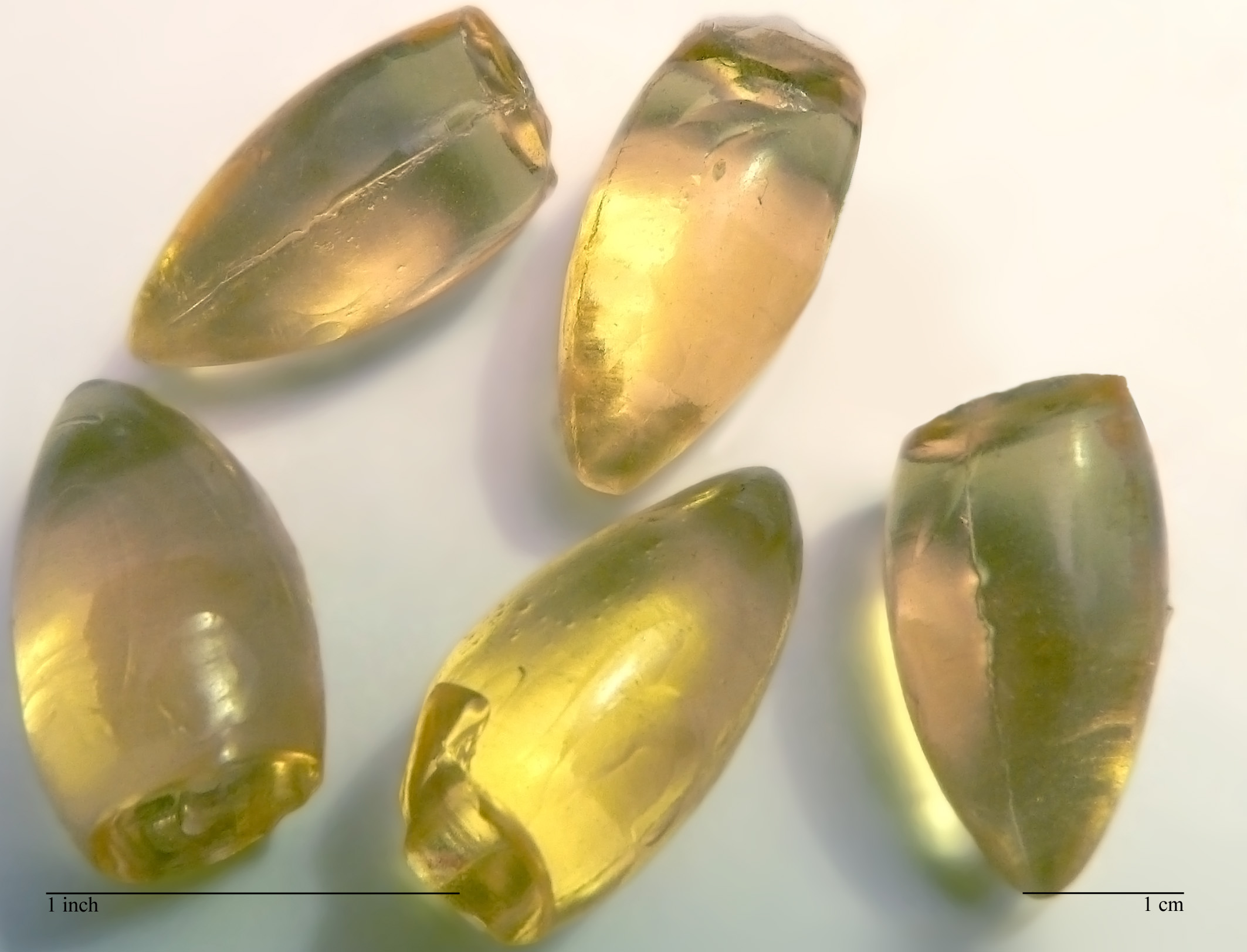
Dosage form used to deliver medications
A suppository is a dosage form used to deliver medications by insertion into a body orifice (any opening in the body), where it dissolves or melts to exert local or systemic effects. There are three types of suppositories, each to insert into a different sections: rectal suppositories into the rectum, vaginal suppositories into the vagina, and urethral suppositories into the urethra of a male.
Suppositories are ideal for infants, elderly individuals and post-operative patients, who are unable to swallow oral medications, and for individuals experiencing severe nausea and/or vomiting. Suppositories are administered through rectal route to reduce onset time of reaction.
Composition
Several different ingredients can be used to form the base of a suppository: cocoa butter or a similar substitute, polyethylene glycol, hydrogels, and glycerinated gelatin. The type of material used depends on the type of suppository, the type of drug, and the conditions in which the suppository will be stored.
Rectal suppositories
In 1991, a study on suppository insertion in The Lancet found that the "torpedo" shape helps the device to travel internally, increasing its efficacy. The findings of this single study have been challenged as there is insufficient evidence on which to base clinical practice.{{cite journal | archive-date = 2020-02-29 Rectal suppositories are intended for localized or systemic action to relieve pain, constipation, irritation, inflammation, nausea and vomiting, fever, migraines, allergies, and sedation. If they cause inflammation, chronic use of suppositories may cause rectal stricture, but overall this is a safe method of drug delivery. [[File:Panadol suppositories.jpg|right|thumb|Four 500 mg [[paracetamol]] suppositories]]
Urethral suppositories
Alprostadil pellets are urethral suppositories used for the treatment of severe erectile dysfunction (impotence). They are marketed under the name Muse in the United States. Its use has diminished since the development of oral impotence medications.
Notes
References
- Doyle, D., "Per Rectum: A History of Enemata", Journal of the Royal College of Physicians of Edinburgh, Vol.35, No.4, (December 2005), pp. 367–370.
- Payer, L., "Borderline Cases: How Medical Practice Reflects National Culture", The Sciences, Vol.30, No.4, (July–August 1990), pp. 38–42.
References
- (2014-06-30). "Rectal route in the 21st Century to treat children". Advanced Drug Delivery Reviews.
- "Dulcolax 5 mg Suppositories - Summary of Product Characteristics (SmPC) - (emc)".
- Lowry, Michael. (2016-02-22). "Rectal drug administration in adults: how, when, why".
- (2006). "Remington: The Science and Practice of Pharmacy". Lippincott Williams & Wilkins.
- Abd-El-Maeboud, K. H.. (28 September 1991). "Rectal suppository: commonsense and mode of insertion". The Lancet.
- Hua, Susan. (2019-10-16). "Physiological and Pharmaceutical Considerations for Rectal Drug Formulations". Frontiers in Pharmacology.
- "ANTIBIOTIC/ANESTHETIC/STEROID - RECTAL SUPPOSITORIES side effects, medical uses, and drug interactions.".
- Ahmad, A; Krishnamurthy, P (June 2021). "[https://practicalgastro.com/2021/08/17/benign-rectal-strictures-a-review-article/ Benign Rectal Strictures: A Review Article]". ''Practical Gastroenterology.'' '''45''' (6): 16-33.
- (May 2007). "Suppositories in anal disorders: a review.". European Review for Medical and Pharmacological Sciences.
- "Muse Suppository - Facts and Comparisons". Drugs.com.
This article was imported from Wikipedia and is available under the Creative Commons Attribution-ShareAlike 4.0 License. Content has been adapted to SurfDoc format. Original contributors can be found on the article history page.
Ask Mako anything about Suppository — get instant answers, deeper analysis, and related topics.
Research with MakoFree with your Surf account
Create a free account to save articles, ask Mako questions, and organize your research.
Sign up freeThis content may have been generated or modified by AI. CloudSurf Software LLC is not responsible for the accuracy, completeness, or reliability of AI-generated content. Always verify important information from primary sources.
Report