From Surf Wiki (app.surf) — the open knowledge base
Super Bowl II
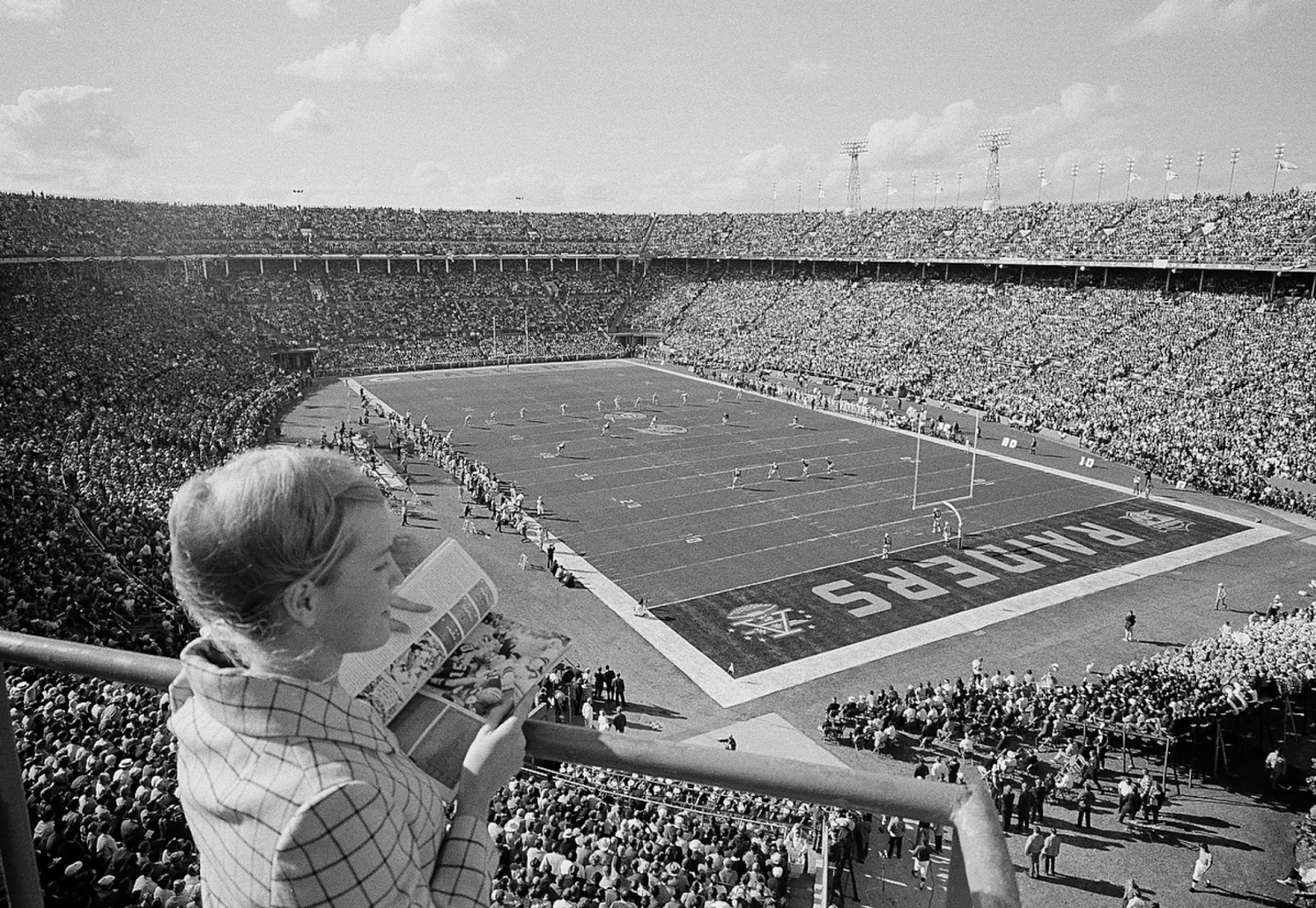
1968 Edition of the Super Bowl
.jpg)
1968 Edition of the Super Bowl
| Field | Value |
|---|---|
| type | sb |
| name | II |
| image | Super Bowl II.svg |
| visitor | Green Bay Packers |
| home | Oakland Raiders |
| visitor_abbr | GB |
| home_abbr | OAK |
| visitor_conf | NFL |
| home_conf | AFL |
| visitor_coach | Vince Lombardi |
| visitor_record | 9–4–1 |
| home_coach | John Rauch |
| home_record | 13–1 |
| visitor_total | 33 |
| home_total | 14 |
| visitor_qtr1 | 3 |
| visitor_qtr2 | 13 |
| visitor_qtr3 | 10 |
| visitor_qtr4 | 7 |
| home_qtr1 | 0 |
| home_qtr2 | 7 |
| home_qtr3 | 0 |
| home_qtr4 | 7 |
| date | |
| time | 3:05 p.m. EST (UTC-5) |
| stadium | Orange Bowl |
| city | Miami, Florida |
| attendance | 75,546 |
| odds | Packers by 14 |
| MVP | Bart Starr, quarterback |
| anthem | Grambling College Band |
| coin_toss | Jack Vest |
| referee | Jack Vest |
| HOFers | Packers: Vince Lombardi (coach/gm), Herb Adderley, Willie Davis, Forrest Gregg, Henry Jordan, Jerry Kramer, Ray Nitschke, Dave Robinson, Bart Starr, Willie Wood |
| Raiders: Al Davis (owner/general manager), | |
| Fred Biletnikoff, George Blanda, Willie Brown, | |
| Jim Otto, Gene Upshaw, | |
| John Madden (linebacker coach) | |
| halftime | Grambling College Band |
| network | CBS |
| announcers | Ray Scott, Pat Summerall, |
| and Jack Kemp | |
| rating | 36.8 |
| (est. 39.12 million viewers) | |
| share | 68 |
| commercial | $54,000 |
| radio | CBS Radio |
| radioannouncers | Jack Drees, Tom Hedrick |
| last | I |
| next | III |
Raiders: Al Davis (owner/general manager), Fred Biletnikoff, George Blanda, Willie Brown, Jim Otto, Gene Upshaw, John Madden (linebacker coach) and Jack Kemp (est. 39.12 million viewers) The second AFL–NFL World Championship Game (known retroactively as Super Bowl II) was an American football game played on January 14, 1968, at the Orange Bowl in Miami, Florida. The National Football League (NFL)'s defending champion Green Bay Packers defeated American Football League (AFL) champion Oakland Raiders by the score of 33–14, winning their eleventh championship and capping off their second three-peat. This game and the following year's are the only two Super Bowls played in the same stadium in consecutive seasons.
Coming into the game, much like during the first Super Bowl, many sports writers and fans believed that any team in the NFL was vastly superior to any club in the AFL. The Packers, the defending champions, posted a 9–4–1 record during the NFL season before defeating the Los Angeles Rams 28–7 in the first round of the playoffs, then outlasted the Dallas Cowboys 21–17 in the frigid NFL Championship Game (popularly known as the Ice Bowl). The Raiders finished the regular season at 13–1, then defeated the Houston Oilers 40–7 in the AFL Championship Game.
As expected, the Packers dominated the Raiders throughout the majority of Super Bowl II. The Raiders could only score two touchdown passes from quarterback Daryle Lamonica. Meanwhile, Packers kicker Don Chandler made four field goals, including three in the first half, while cornerback Herb Adderley had a 60-yard interception return for a touchdown that put the game away. Packers quarterback Bart Starr was named the MVP for the second straight time, becoming the first back-to-back Super Bowl MVP for his 13 of 24 passes for 202 yards and one touchdown.
The Packers won their third consecutive World Championship, the second such occasion in NFL history (the 1929–31 Green Bay Packers did it first). The 1965–67 Packers became the first and only team to win three consecutive championship games, as there were no NFL playoff games from 1920 to 1932. No NFL team has accomplished this feat since.
Background
Host selection process
The NFL awarded Super Bowl II to Miami on May 25, 1967, at the owners meetings in New York City. It marked the first of eleven Super Bowls in the Miami area (as of 2022), and the first of two consecutive (II and III). A total of five cities were considered to host the second edition: Miami, Los Angeles (Coliseum), Houston (Astrodome), Dallas (Cotton Bowl), and New Orleans (Tulane Stadium). After lackluster attendance for Super Bowl I at the Coliseum, Los Angeles was eliminated by the owners. The Miami Orange Bowl was selected for the game, based on weather, hotel accommodations, capacity, and the stadium's previous experience in hosting the Playoff Bowl. The local Orange Bowl committee had even once (unsuccessfully) lobbied to host the NFL Championship Game, which was not normally a neutral field contest. Furthermore, NFL Commissioner Pete Rozelle opined that it was "helpful to move the game around a little", and not play it in the same city every year. Playing the game in an AFL town also established a precedent for maintaining competitive balance between the two leagues. The city's contingent, led by mayor Robert King High, Joe Robbie, and others, would have just under eight months to prepare for the event.
Green Bay Packers
Main article: 1967 Green Bay Packers season
The Packers advanced to their second straight AFL–NFL World Championship Game, but had a much more difficult time than in the previous season. Both of their starting running backs from the previous year, future Pro Football Hall of Famers Paul Hornung and Jim Taylor, had left the team. Their replacements, Elijah Pitts and Jim Grabowski, both went down with season-ending injuries, forcing Green Bay coach Vince Lombardi to use second-year reserve running back Donny Anderson and rookie Travis Williams. Fullbacks Chuck Mercein and Ben Wilson, who were signed as free agents after being discarded by many other teams, were also used to help compensate for the loss of Hornung and Taylor. Meanwhile, the team's 33-year-old veteran quarterback Bart Starr had missed 4 games during the season with injuries, and finished the season with nearly twice as many interceptions (17) as touchdown passes (9).
The team's deep threat was provided by veteran receivers Carroll Dale, who recorded 35 receptions for 738 yards (a 21.1 average), and 5 touchdowns; and Pro Bowler Boyd Dowler, who had 54 catches for 846 yards and 4 touchdowns. The Packers still had the superb blocking of guard Jerry Kramer, Fred Thurston and Forrest Gregg. Grabowski was the team's leading rusher with 466 yards, while Wilson had 453. Anderson had 733 yards from scrimmage and 9 total touchdowns, while also gaining another 324 yards returning kicks. On special teams, Williams returned 18 kickoffs for 749 yards and an NFL record 4 touchdowns, giving him a whopping 41.1 yards per return average. The team ranked just 9th out of 16 NFL teams in scoring with 332 points.
The Packers defense, however, allowed only 209 points, the 3rd best in the NFL. Even this figure was misleading, since Green Bay had yielded only 131 points in the first 11 games (when they clinched their division), the lowest total in professional football. Three members of Green Bay's secondary, the strongest aspect of their defense, were named to the Pro Bowl: Willie Wood, Herb Adderley, and Bob Jeter. The Packers also had a superb defensive line led by Henry Jordan and Willie Davis. Behind them, the Packers linebacking corps was led by Ray Nitschke.
The Packers won the NFL's Central Division with a 9–4–1 regular season record, clinching the division in the 11th week of the season. During the last three weeks, the Packers gave up an uncharacteristic total of 78 points, after having yielded only about a dozen points per game in their first 11 contests. In the playoffs, Green Bay returned to its dominant form, blowing away their first playoff opponent, the Los Angeles Rams, in the Western Conference Championship Game, 28–7. The next week, Green Bay then came from behind to defeat the Dallas Cowboys in the NFL championship game for the second year in a row, in one of the most famous games in NFL lore: The Ice Bowl.
Oakland Raiders
Main article: 1967 Oakland Raiders season
The Raiders, led by head coach John Rauch, had stormed to the top of the AFL with a 13–1 regular season record, the best record in AFL history (their only defeat was an October 7 loss to the New York Jets, 27–14), and went on to crush the Houston Oilers, 40–7, in the AFL Championship game. They had led all AFL and NFL teams in scoring with 468 points. Starting quarterback Daryle Lamonica had thrown for 3,228 yards and an AFL-best 30 touchdown passes.
The offensive line was anchored by center Jim Otto and rookie guard Gene Upshaw, along with AFL All-Stars Harry Schuh and Wayne Hawkins. Wide receiver Fred Biletnikoff led the team with 40 receptions for 876 yards, an average of 21.3 yards per catch. On the other side of the field, tight end Billy Cannon caught 32 passes for 629 yards and scored 10 touchdowns. In the backfield, the Raiders had three running backs, Clem Daniels, Hewritt Dixon, and Pete Banaszak, who carried the ball equally and combined for 1,510 yards and 10 touchdowns. On special teams, defensive back Rodger Bird led the AFL with 612 punt return yards and added another 148 yards returning kickoffs.
The main strength of the Raiders was their defense, nicknamed "The 11 Angry Men". The defensive line was anchored by AFL All-Stars Tom Keating and Ben Davidson, a former Packer who played on Green Bay's 1961 championship team. Davidson was an extremely effective pass rusher who had demonstrated his aggressiveness in a regular season game against the New York Jets by breaking the jaw of Jets quarterback Joe Namath while sacking him. Behind them, All AFL linebacker Dan Conners excelled at blitzing and pass coverage, recording 3 interceptions. The Raiders also had two All AFL defensive backs: Willie Brown, who led the team with 7 interceptions, and Kent McCloughan, who had 2 interceptions. Safety Warren Powers recorded 6 interceptions, returning them for 154 yards and 2 touchdowns.
Super Bowl pregame news and notes
Despite Oakland's accomplishments, and expert consensus that this was the weakest of all the Packer NFL championship teams, Green Bay was a 14-point favorite to win the Super Bowl. Like the previous year, most fans and sports writers believed that the top NFL teams were superior to the best AFL teams.
Thus, most of the drama and discussions surrounding the game focused not on which team would win, but on the rumors that Lombardi might retire from coaching after the game. The game also proved to be the final one for Packers wide receiver Max McGee, one of the heroes of Super Bowl I, and place kicker Don Chandler.
This was the first Super Bowl to use the "tuning fork" or "slingshot" goalposts (with one supporting post instead of two) invented by Jim Trimble and Joel Rottman; they had made their debut at the start of the season for both the AFL and NFL, and first appeared at the pro level in Canada.
Broadcasting
The game was televised in the United States by CBS. This was the first of seventeen Super Bowls in which the game was rotated annually between CBS and NBC. Ray Scott handled the play-by-play duties, and was joined by color commentators Pat Summerall and Jack Kemp in the broadcast booth. Kemp was the first Super Bowl commentator who was still an active player (with Buffalo of the AFL) at the time of the broadcast. The CBS telecast of this game was considered lost; all that survived were in-game photos, most of which were shown in the January 8, 1969, edition of Sports Illustrated. Not even NFL Films, the league's official filmmaker, had a copy of the full game available; however, they did have game footage that they used for their game highlight film. Super Bowl II was aired exclusively by CBS and was long believed to have been erased, but it was later found that the entire telecast fully exists and rests in the vaults of NFL Films.{{cite web |access-date = January 19, 2025 |archive-date = June 1, 2016 |archive-url = https://web.archive.org/web/20160601071237/http://www.marketwatch.com/story/the-hunt-for-tvs-lost-baseball-treasures-2010-10-27 |url-status = live
While the Orange Bowl was sold out for the game, the NFL's unconditional blackout rules in place then prevented the live telecast from being shown in the Miami area.
During the latter part of the second quarter, and again for three minutes of halftime, almost 80 percent of the country (with the exceptions of New York City, Cleveland, Philadelphia and much of the Northeast) lost the video feed of the CBS broadcast. CBS, who had paid $2.5 million for broadcast rights, blamed the glitch on a breakdown in AT&T cable lines.
39.12 million people in the US watched the game on television, resulting in a rating of 36.8 and a market share of 68. The overnight Arbitron rating was 43.
Ceremonies and entertainment
The pregame ceremonies featured two giant figures, one dressed as a Packers player and the other dressed as a Raiders player. They appeared on opposite ends of the field and then faced each other near the 50-yard line.
The Grambling College Tiger Marching Band performed the national anthem as well as during the halftime show. The band was part of the halftime show of Super Bowl I the previous year.
Game summary
First quarter
The game kicked off at 3:05 p.m. EST. After forcing the Raiders to punt, the Packers scored with kicker Don Chandler's 39-yard field goal after marching 34 yards on their first drive of the game, giving Green Bay an early 3-0 lead. The Raiders picked up three first downs on their second drive, which included a pass interference penalty called on Nitschke, but they could not reach field goal range and were forced to punt back to the Packers. Green Bay started their next drive from their own 3-yard line. On their third play quarterback Bart Starr completed a 17-yard pass to wide receiver Carroll Dale and four plays later rushed for 14 yards while escaping a sack by defensive end Ben Davidson and defensive tackle Tom Keating. The Packers also elected to convert 4th-and-inches at the Raiders' 35-yard line, and fullback Ben Wilson picked up 5 yards and the fifth first down of the drive to end the quarter.
Second quarter
Despite Green Bay's excellent field position, their drive stalled at the 13-yard line, forcing them to settle for a 20-yard field goal by Chandler to take a 6–0 lead. Less than two minutes later after forcing an Oakland three-and-out, the Packers took the ball on their own 38-yard line. Raiders cornerback Kent McCloughan jammed Packers wide receiver Boyd Dowler at the line of scrimmage, but then allowed him to head downfield, thinking that a safety would pick him up. However, McCloughan and safety Howie Williams were both influenced by the Packer running backs who were executing a "flood" pattern, with halfback Travis Williams and Wilson running pass routes to the same side as Dowler. Dowler ran a quick post and was wide open down the middle. He grabbed Starr's pass well behind linebacker Dan Conners, and safety Rodger Bird could not get over quickly enough. Dowler outran the defense to score on a 62-yard touchdown reception, increasing the Packers' lead to 13–0. Green Bay became the first team in a Super Bowl to score on its first three possessions on offense.
After being completely dominated until this point, the Raiders offense finally struck back on their next possession, advancing 79 yards in 9 plays, and scoring on a 23-yard touchdown pass from quarterback Daryle Lamonica to wide receiver Bill Miller, cutting the Raiders' deficit to 13–7. The score seemed to fire up the Raiders' defense, and they forced the Packers to punt on their next drive. Bird gave the Raiders great field position with a 12-yard return to Green Bay's 40-yard line, but Oakland could only gain 1 yard with their next three plays and came up empty when kicker/backup quarterback George Blanda's 46-yard field goal attempt fell short of the goal posts. Oakland's defense again forced Green Bay to punt after three plays on the ensuing drive, but this time after calling for a fair catch, Bird fumbled punter/running back Donny Anderson's twisting, left-footed kick, and Packers tight end Dick Capp recovered the ball. After two incomplete passes, Starr threw a 9-yard completion to Dowler (despite a heavy rush from defensive end Ike Lassiter) to set up Chandler's third field goal from the 43 as time expired in the first half, giving the Packers a 16–7 lead.
At halftime, Packers guard Jerry Kramer said to his teammates (referring to Lombardi), "Let's play the last 30 minutes for the old man."
Third quarter
Any chance the Raiders might have had to make a comeback seemed to completely vanish in the second half. The Packers had the ball three times in the third quarter, and held it for all but two and a half minutes. On the Packers' second drive of the half starting at their own 17, Wilson ripped up the middle for 14 yards on a draw play. Anderson picked up 8 yards on a sweep, and Wilson carried to within inches of the first down. Starr then pulled one of his favorite plays on third down and short yardage, faking to Wilson and completing a 35-yard pass to wide receiver Max McGee who had slipped past three Raiders at the line of scrimmage. This was McGee's only reception of the game, and the final one of his career. Starr then hit Dale on a sideline route at the Oakland 13. Starr overthrew Anderson wide open in the end zone, but on the next play he rolled out to the right and threw back to Anderson who was tackled at the 2-yard line by linebacker Gus Otto. The next play was a broken play, as Anderson thought he saw daylight to the right but ran into Starr. The Packers were not rattled, and Anderson's 2-yard touchdown run increased Green Bay's lead to 23–7.
Packers guard Jerry Kramer must have taken to heart his plea to play the second half for Coach Lombardi. On this drive, game films show him blowing Conners out of Wilson's path on the draw play, then flattening Conners again on Anderson's scoring run.
Again the Green Bay defense forced Oakland to go three-and-out, and the Raiders punted. The Packers drove from their own 39-yard line to the Raiders' 24 and increased their lead to 26–7 as Chandler kicked his fourth field goal of the game (which hit the crossbar from 31 yards out and bounced over).
Fourth quarter
On the Raiders' first play of the fourth quarter, Lamonica completed a pass to running back Pete Banaszak, but safety Tom Brown forced a fumble on Banaszak, which was recovered and returned to the Raiders' 37-yard line by linebacker Dave Robinson. On the next play, however, Starr was knocked out of the game when he jammed the thumb on his throwing hand after getting sacked for an 11-yard loss by Davidson. Starr was replaced by Zeke Bratkowski, who was then sacked on his only pass attempt. The Packers could not get back to the original line of scrimmage after the sack, forcing them to punt it back to the Raiders. However, the Packers cemented the game when cornerback Herb Adderley intercepted a pass intended for wide receiver Fred Biletnikoff and returned it 60 yards for a touchdown, making the score 33–7 in favor of Green Bay. Adderley laid back as Biletnikoff ran a curl route, then dashed in front of him to snare the ball and scored with the help of a crushing downfield block by defensive tackle Ron Kostelnik.
Oakland did manage to score on their next drive after the turnover with a second 23-yard touchdown pass from Lamonica to Miller, set up by Banaszak's 41-yard reception on the previous play. But all the Raiders' second touchdown did was make the final score look remotely more respectable, 33–14.
At the end of the game, coach Lombardi was carried off the field by his victorious Packers in one of the more memorable images of early Super Bowl history. It was in fact Lombardi's last game as Packer coach and his ninth consecutive playoff victory.
Oakland's Bill Miller was the top receiver of the game with 5 receptions for 84 yards and 2 touchdowns. Green Bay fullback Ben Wilson was the leading rusher of the game with 62 yards despite missing most of the fourth quarter while looking for a lost contact lens on the sidelines. Don Chandler ended his Packer career in style with 4 field goals. Lamonica, the game's leading passer, finished with 15 out of 34 pass completions for 208 yards, 2 touchdowns, and 1 interception. Bart Starr completed 13 of 24 (with a couple of dropped passes) for 202 yards and one touchdown; his passer rating for the game was 96.2 to Lamonica's 71.7. The Packers outgained the Raiders in rushing yardage 160 to 107, led in time of possession by 35:54 to 24:06, had no turnovers, and only one penalty. Packer guard Jerry Kramer later recalled the mental mistakes his team made in the game, which only highlights the impossibly high standards held by Lombardi's team. As previously mentioned, this was Lombardi's last game as Green Bay head coach and this was also the final game for Green Bay Packer players Max McGee, Fuzzy Thurston, and Don Chandler.
Box score
Final statistics
Sources:The NFL's Official Encyclopedic History of Professional Football, (1973), p. 139, Macmillan Publishing Co. New York, NY, LCCN 73-3862, NFL.com Super Bowl II, Super Bowl II Play Finder GB, Super Bowl II Play Finder Oak
Statistical comparison
| Green Bay Packers | Oakland Raiders |
|---|---|
| First downs | 19 |
| First downs rushing | 11 |
| First downs passing | 7 |
| First downs penalty | 1 |
| Third down efficiency | 5/16 |
| Fourth down efficiency | 1/1 |
| Net yards rushing | 160 |
| Rushing attempts | 41 |
| Yards per rush | 3.9 |
| Passing – Completions/attempts | 13/24 |
| Times sacked-total yards | 4–40 |
| Interceptions thrown | 0 |
| Net yards passing | 162 |
| Total net yards | 322 |
| Punt returns-total yards | 5–35 |
| Kickoff returns-total yards | 3–49 |
| Interceptions-total return yards | 1–60 |
| Punts-average yardage | 6–39.0 |
| Fumbles-lost | 0–0 |
| Penalties-total yards | 1–12 |
| Time of possession | 35:54 |
| Turnovers | 0 |
Individual statistics
| Green Bay Packers | border=2}};" | Packers passing | C/ATT1 | Yds | TD | INT | Rating | Green Bay Packers | border=2}};" | Packers rushing | Car2 | Yds | TD | LG3 | Yds/Car | Green Bay Packers | border=2}};" | Packers receiving | Rec4 | Yds | TD | LG3 | Target5 |
|---|---|---|---|---|---|---|---|---|---|---|---|---|---|---|---|---|---|---|---|---|---|---|---|
| Bart Starr | 13/24 | 202 | 1 | 0 | 96.2 | ||||||||||||||||||
| Ben Wilson | 17 | 62 | 0 | 13 | 3.65 | ||||||||||||||||||
| Donny Anderson | 14 | 48 | 1 | 8 | 3.43 | ||||||||||||||||||
| Travis Williams | 8 | 36 | 0 | 18 | 4.50 | ||||||||||||||||||
| Bart Starr | 1 | 14 | 0 | 14 | 14.00 | ||||||||||||||||||
| Chuck Mercein | 1 | 0 | 0 | 0 | 0.00 | ||||||||||||||||||
| Carroll Dale | 4 | 43 | 0 | 17 | 6 | ||||||||||||||||||
| Marv Fleming | 4 | 35 | 0 | 11 | 7 | ||||||||||||||||||
| Boyd Dowler | 2 | 71 | 1 | 62 | 4 | ||||||||||||||||||
| Donny Anderson | 2 | 18 | 0 | 12 | 4 | ||||||||||||||||||
| Max McGee | 1 | 35 | 0 | 35 | 2 | ||||||||||||||||||
| Travis Williams | 0 | 0 | 0 | 0 | 1 |
| Oakland Raiders | border=2}};" | Raiders passing | C/ATT1 | Yds | TD | INT | Rating | Oakland Raiders | border=2}};" | Raiders rushing | Car2 | Yds | TD | LG3 | Yds/Car | Oakland Raiders | border=2}};" | Raiders receiving | Rec4 | Yds | TD | LG3 | Target5 |
|---|---|---|---|---|---|---|---|---|---|---|---|---|---|---|---|---|---|---|---|---|---|---|---|
| Daryle Lamonica | 15/34 | 208 | 2 | 1 | 71.7 | ||||||||||||||||||
| Hewritt Dixon | 12 | 54 | 0 | 15 | 4.50 | ||||||||||||||||||
| Larry Todd | 2 | 37 | 0 | 32 | 18.50 | ||||||||||||||||||
| Pete Banaszak | 6 | 16 | 0 | 5 | 2.67 | ||||||||||||||||||
| Bill Miller | 5 | 84 | 2 | 23 | 6 | ||||||||||||||||||
| Pete Banaszak | 4 | 69 | 0 | 41 | 7 | ||||||||||||||||||
| Billy Cannon | 2 | 25 | 0 | 15 | 5 | ||||||||||||||||||
| Fred Biletnikoff | 2 | 10 | 0 | 6 | 5 | ||||||||||||||||||
| Warren Wells | 1 | 17 | 0 | 17 | 2 | ||||||||||||||||||
| Hewritt Dixon | 1 | 3 | 0 | 3 | 7 | ||||||||||||||||||
| Larry Todd | 0 | 0 | 0 | 0 | 1 |
1Completions/attempts 2Carries 3Long gain 4Receptions 5Times targeted
Records set
The following records were set or tied in Super Bowl II, according to the official NFL.com boxscore and the ProFootball reference.com game summary. Some records have to meet NFL minimum number of attempts to be recognized. The minimums are shown (in parentheses).
| Player records set | Passing records | Rushing records | Receiving records | Combined yardage records | Fumbles | Defense | Special Teams | Player Records Tied |
|---|---|---|---|---|---|---|---|---|
| Most points scored, game | 15 (4 FG, 3 PAT) | Don Chandler | ||||||
| (Green Bay) | ||||||||
| Most points scored, career | 20 (4 FG, 8 PAT) | |||||||
| Longest scoring play | 62 yard reception | Boyd Dowler | ||||||
| (Green Bay) | ||||||||
| Most attempts, game | 34 | Daryle Lamonica | ||||||
| (Oakland) | ||||||||
| Most attempts, career | 47 | Bart Starr | ||||||
| (Green Bay) | ||||||||
| Most completions, career | 29 | |||||||
| Highest completion | ||||||||
| percentage, career, (40 attempts) | 61.7% (29–47) | |||||||
| Highest passer rating, | ||||||||
| career, (40 attempts) | 103.8 | |||||||
| Most passing yards, career | 452 | |||||||
| Longest pass | 62 yards (TD) | |||||||
| Highest average gain, | ||||||||
| career (40 attempts) | 9.6 yards (452–47) | |||||||
| Fewest interceptions | 0 | |||||||
| Most attempts, without | ||||||||
| interception, game | 24 | |||||||
| Lowest percentage, passes | ||||||||
| had intercepted, career, (40 attempts) | 2.1% (1–47) | |||||||
| Most touchdown passes, career | 3 | |||||||
| Most yards, game | 62 | Ben Wilson | ||||||
| (Green Bay) | ||||||||
| Most yards, career | 62 | |||||||
| Longest run from scrimmage | 32 yards | Larry Todd | ||||||
| (Oakland) | ||||||||
| Highest average gain, | ||||||||
| game (10 attempts) | 4.5 yards (54–12) | Hewritt Dixon | ||||||
| (Oakland) | ||||||||
| Longest reception | 62 yards | Boyd Dowler | ||||||
| Longest touchdown reception | 62 yards | |||||||
| Most receptions, career | 8 | Max McGee | ||||||
| (Green Bay) | ||||||||
| Most yards, career | 173 | |||||||
| Highest average gain, career (8 receptions) | 21.6 yards (8–173) | |||||||
| Most yards gained, career | 173 | Max McGee | ||||||
| Most fumbles recovered, game | 1 | Dick Capp | ||||||
| (Green Bay) | ||||||||
| Dave Robinson | ||||||||
| (Green Bay) | ||||||||
| J. R. Williamson | ||||||||
| (Oakland) | ||||||||
| Most fumbles recovered, career | 1 | |||||||
| Most interception yards gained, game | 60 | Herb Adderley | ||||||
| (Green Bay) | ||||||||
| Most interception yards gained, career | 60 | |||||||
| Longest interception return | 60 yards | |||||||
| Most interceptions returned for touchdown, game | 1 | |||||||
| Most sacks, game ‡ | 3 | Willie Davis | ||||||
| (Green Bay) | ||||||||
| Most sacks, career ‡ | 4.5 | |||||||
| Highest punting average, game (4 punts) | 44.0 yards (6–264) | Mike Eischeid | ||||||
| (Oakland) | ||||||||
| Most punt returns, game | 5 | Willie Wood | ||||||
| (Green Bay) | ||||||||
| Most punt returns, career | 6 | |||||||
| Most punt return yards gained, game | 35 | |||||||
| Most punt return yards gained, career | 33 | |||||||
| Longest punt return | 31 yards | |||||||
| Highest average, punt return | ||||||||
| yardage, career (4 returns) | 5.5 yds (33–6) | |||||||
| Most field goals attempted, game | 4 | Don Chandler | ||||||
| Most field goals attempted, career | 4 | |||||||
| Most field goals made, game | 4 | |||||||
| Most field goals made, career | 4 | |||||||
| Most 40-plus yard field goals, game | 1 | |||||||
| Longest field goal | 43 yards | |||||||
| Most (one point) extra points, career | 8 | |||||||
| Most interceptions, game | 1 | Herb Adderley | ||||||
| Most interceptions, career | 1 | |||||||
| Most fumbles, game | 1 | Pete Banaszak | ||||||
| Warren Wells | ||||||||
| Rodger Bird | ||||||||
| (Oakland) | ||||||||
| Most fumbles, career | 1 | |||||||
| Most punts, career | 7 | Donny Anderson | ||||||
| (Green Bay) | ||||||||
| Most touchdown passes, game | 2 | Daryle Lamonica | ||||||
| Most interceptions thrown, game | 1 | |||||||
| Most interceptions thrown, career | 1 | |||||||
| Most rushing attempts, game | 17 | Ben Wilson | ||||||
| Most rushing attempts, career | 17 | |||||||
| Most receiving touchdowns, game | 2 | Bill Miller | ||||||
| (Oakland) | ||||||||
| Most receiving touchdowns, career | 2 | |||||||
| Most touchdowns, career | 2 |
- † This category includes rushing, receiving, interception returns, punt returns, kickoff returns, and fumble returns.
- ‡ Sacks an official statistic since Super Bowl XVII by the NFL. Sacks are listed as "Tackled Attempting to Pass" in the official NFL box score for Super Bowl II.
| Team records set | Points | Touchdowns, Field Goals | Rushing | Passing | First Downs | Defense | Fumbles | Turnovers | Kickoff returns | Punting | Punt returns | Penalties | Team Records Tied |
|---|---|---|---|---|---|---|---|---|---|---|---|---|---|
| Most Super Bowl appearances | 2 | Packers | |||||||||||
| Most Super Bowl victories | 2 | ||||||||||||
| Most consecutive Super Bowl appearances | 2 | ||||||||||||
| Most consecutive Super Bowl victories | 2 | ||||||||||||
| Smallest margin of victory | 19 points | Packers | |||||||||||
| Most points scored, first half | 16 | ||||||||||||
| Most points, second quarter | 13 | ||||||||||||
| Largest halftime margin | 9 points | ||||||||||||
| Largest lead, end of 3rd quarter | 19 points | ||||||||||||
| Fewest points, first half | 7 | Raiders | |||||||||||
| Most touchdowns, losing team | 2 | Raiders | |||||||||||
| Longest touchdown scoring drive | 82 yards | Packers | |||||||||||
| Most field goals attempted | 4 | ||||||||||||
| Most field goals made | 4 | ||||||||||||
| Most rushing attempts | 41 | Packers | |||||||||||
| Most rushing yards (net) | 160 yards | ||||||||||||
| Highest average gain | |||||||||||||
| per rush attempt | 5.35 yards | Raiders | |||||||||||
| (107–20) | |||||||||||||
| Most passing attempts | 34 | Raiders | |||||||||||
| Fewest passes completed | 13 | Packers | |||||||||||
| Lowest completion percentage | |||||||||||||
| (20 attempts) | 44.1% | Raiders | |||||||||||
| (15–34) | |||||||||||||
| Fewest yards passing (net) | 162 | Packers | |||||||||||
| Fewest times intercepted | 0 | ||||||||||||
| Fewest first downs | 16 | Raiders | |||||||||||
| Most first downs rushing | 11 | Packers | |||||||||||
| Fewest first downs passing | 7 | Packers | |||||||||||
| Most yards gained by | |||||||||||||
| interception return | 60 | Packers | |||||||||||
| Most touchdowns scored by | |||||||||||||
| interception return | 1 | ||||||||||||
| Most yards allowed in a win | 293 | ||||||||||||
| Most fumbles, game | 3 | Raiders | |||||||||||
| Most fumbles lost, game | 2 | ||||||||||||
| Most fumbles recovered, game | 2 | Packers | |||||||||||
| Most turnovers, game | 3 | Raiders | |||||||||||
| Fewest turnovers, game | 0 | Packers | |||||||||||
| Most kickoff returns, game | 7 | Raiders | |||||||||||
| Fewest yards gained, game | 49 | Packers | |||||||||||
| Lowest average, game (4 punts) | 39.0 yards | Packers | |||||||||||
| (234–6) | |||||||||||||
| Most punt returns, game | 5 | Packers | |||||||||||
| Most yards gained, game | 35 | ||||||||||||
| Fewest yards gained, game | 12 | Raiders | |||||||||||
| Highest average return yardage, | |||||||||||||
| game (3 returns) | 7.0 yards | Packers | |||||||||||
| (35–5) | |||||||||||||
| Fewest penalties, game | 1 | Packers | |||||||||||
| Fewest yards penalized, game | 12 | ||||||||||||
| Most points, fourth quarter | 7 | Packers | |||||||||||
| Raiders | |||||||||||||
| Most first downs, penalty | 1 | ||||||||||||
| Most Super Bowl losses | 1 | Raiders | |||||||||||
| Fewest rushing touchdowns | 0 | ||||||||||||
| Most times intercepted | 1 | ||||||||||||
| Most passing touchdowns | 2 | ||||||||||||
| Fewest punt returns, game | 3 | ||||||||||||
| Most penalties, game | 4 | ||||||||||||
| Fewest times sacked | 3 | ||||||||||||
| Fewest passing touchdowns | 1 | Packers | |||||||||||
| Most interceptions by | 1 | ||||||||||||
| Fewest kickoff returns, game | 3 |
Turnovers are defined as the number of times losing the ball on interceptions and fumbles.
| Records set, both team totals | Total | Green | |||||||||||||||
|---|---|---|---|---|---|---|---|---|---|---|---|---|---|---|---|---|---|
| Bay | Oakland | Points, Both Teams | Field goals, extra points, both teams | Net yards, Both Teams | Rushing, Both Teams | Passing, Both Teams | First Downs, Both Teams | Defense, Both Teams | Fumbles, Both Teams | Turnovers, Both Teams | Kickoff returns, Both Teams | Punting, Both Teams | Punt returns, Both Teams | Penalties, Both Teams | Records tied, both team totals | ||
| Most points | 47 | 33 | 14 | ||||||||||||||
| Fewest points scored, first half | 23 | 16 | 7 | ||||||||||||||
| Most points scored, second half | 24 | 17 | 7 | ||||||||||||||
| Most points, second quarter | 20 | 13 | 7 | ||||||||||||||
| Most points, fourth quarter | 14 | 7 | 7 | ||||||||||||||
| Most field goals attempted | 5 | 4 | 1 | ||||||||||||||
| Most field goals made | 4 | 4 | 0 | ||||||||||||||
| Fewest (one point) PATs | 5 | (3-3) | (2-2) | ||||||||||||||
| Most net yards, | |||||||||||||||||
| rushing and passing | 615 | 322 | 293 | ||||||||||||||
| Most rushing attempts | 61 | 41 | 20 | ||||||||||||||
| Most rushing yards (net) | 267 | 160 | 107 | ||||||||||||||
| Most passing attempts | 58 | 24 | 34 | ||||||||||||||
| Fewest yards passing (net) | 348 | 162 | 186 | ||||||||||||||
| Fewest times intercepted | 1 | 0 | 1 | ||||||||||||||
| Fewest first downs | 35 | 19 | 16 | ||||||||||||||
| Most first downs rushing | 16 | 11 | 5 | ||||||||||||||
| Fewest first downs, passing | 17 | 7 | 10 | ||||||||||||||
| Most first downs, penalty | 2 | 1 | 1 | ||||||||||||||
| Fewest sacks by | 7 | 4 | 3 | ||||||||||||||
| Fewest interceptions by | 1 | 1 | 0 | ||||||||||||||
| Most yards gained by | |||||||||||||||||
| interception return | 60 | 60 | 0 | ||||||||||||||
| Most fumbles | 3 | 0 | 3 | ||||||||||||||
| Most fumbles lost | 2 | 0 | 2 | ||||||||||||||
| Most Turnovers | 3 | 0 | 3 | ||||||||||||||
| Most kickoff returns | 10 | 3 | 7 | ||||||||||||||
| Fewest yards gained | 176 | 49 | 127 | ||||||||||||||
| Most punts, game | 12 | 6 | 6 | ||||||||||||||
| Most punt returns, game | 8 | 5 | 3 | ||||||||||||||
| Most yards gained, game | 47 | 35 | 12 | ||||||||||||||
| Fewest penalties, game | 5 | 1 | 4 | ||||||||||||||
| Fewest yards penalized | 43 | 12 | 31 | ||||||||||||||
| Most passing touchdowns | 3 | 1 | 2 |
Starting lineups
Source:
| Green Bay Packers | border=2}};" | Green Bay | Position | Oakland Raiders | border=2}};" | Oakland |
|---|---|---|---|---|---|---|
| Offense | ||||||
| Boyd Dowler | SE | Bill Miller | ||||
| Bob Skoronski | LT | Bob Svihus | ||||
| Gale Gillingham | LG | Gene Upshaw‡ | ||||
| Ken Bowman | C | Jim Otto‡ | ||||
| Jerry Kramer‡ | RG | Wayne Hawkins | ||||
| Forrest Gregg‡ | RT | Harry Schuh | ||||
| Marv Fleming | TE | Billy Cannon | ||||
| Carroll Dale | FL | Fred Biletnikoff‡ | ||||
| Bart Starr‡ | QB | Daryle Lamonica | ||||
| Donny Anderson | HB | Pete Banaszak | ||||
| Ben Wilson | FB | Hewritt Dixon | ||||
| Defense | ||||||
| Willie Davis‡ | LE | Ike Lassiter | ||||
| Ron Kostelnik | LT | Dan Birdwell | ||||
| Henry Jordan‡ | RT | Tom Keating | ||||
| Lionel Aldridge | RE | Ben Davidson | ||||
| Dave Robinson‡ | LLB | Bill Laskey | ||||
| Ray Nitschke‡ | MLB | Dan Conners | ||||
| Lee Roy Caffey | RLB | Gus Otto | ||||
| Herb Adderley‡ | LCB | Kent McCloughan | ||||
| Bob Jeter | RCB | Willie Brown‡ | ||||
| Tom Brown | LS | Warren Powers | ||||
| Willie Wood‡ | RS | Howie Williams |
Officials
- Referee: Jack Vest (AFL)
- Umpire: Ralph Morcroft (NFL)
- Head linesman: Tony Veteri (AFL)
- Line judge: Bruce Alford (NFL)
- Back judge: Stan Javie (NFL)
- Field judge: Bob Baur (AFL)
Alternates
- Referee Ben Dreith (AFL)
Note: A seven-official system was not used until 1978
References
Bibliography
- Gruver, Edward (2002). Nitschke. Lanham, MD.:Taylor Trade Publishing.
References
- "Super Bowl Winners". National Football League.
- (January 14, 1968). "Facts, figure on Super Bowl". Reading Eagle.
- DiNitto, Marcus. (January 25, 2015). "Super Bowl Betting History – Underdogs on Recent Roll". Sporting News.
- "Super Bowl History". Vegas Insider.
- (May 26, 1967). "What to name the Super Bowl? Rozelle asks newsmen to help". Fort Scott Tribune.
- (May 26, 1967). "Miami gets Super Bowl game". Daytona Beach Morning Journal.
- (May 26, 1967). "Super saga at end!". Toledo Blade.
- (May 26, 1967). "Pro football selects site for Super Bowl game". The Bulletin.
- (May 26, 1967). "Super Bowl To Miami". The Courier-Gazette.
- (May 26, 1967). "Want to See Super Bowl? Watch Dolphins". The Miami Herald.
- (May 26, 1967). "Miami Gets Pro Football's Super Bowl - Champs To Clash Jan. 14 (Part 1)". The Miami Herald.
- (May 26, 1967). "Miami Gets Pro Football's Super Bowl - Champs To Clash Jan. 14 (Part 2)". The Miami Herald.
- "Bart Starr 1967 Game Log".
- "1967 Green Bay Packers Rosters, Stats, Schedule, Team Draftees".
- "1967 NFL Opposition & Defensive Statistics".
- "1967 NFL Standings & Team Stats".
- "Divisional Round - Los Angeles Rams at Green Bay Packers - December 23rd, 1967".
- "Championship - Dallas Cowboys at Green Bay Packers - December 31st, 1967".
- Branch, John. (2008-01-20). "Games Hardened by Winter Stay Deeply Etched in Memory".
- "Championship - Houston Oilers at Oakland Raiders - December 31st, 1967".
- "John Rauch Record, Statistics, and Category Ranks".
- "Daryle Lamonica 1967 Game Log".
- "1967 AFL Passing".
- "1967 Oakland Raiders Rosters, Stats, Schedule, Team Draftees".
- "Rodger Bird 1967 Game Log".
- "Warren Powers 1967 Game Log".
- "Archived copy".
- "The Mystery of the Super Bowl I tapes".
- "Welcome to NFL Films".
- (January 18, 2009). "Historical Super Bowl Nielsen TV Ratings, 1967–2009 – Ratings". [[TV by the Numbers]].
- (January 22, 1968). "Broadcasting: The Businessweekly of Television and Radio".
- "Super Bowl - Entertainment". National Football League.
- On Oakland's first offensive play, Green Bay linebacker [[Ray Nitschke]] shot through a gap and upended fullback [[Hewritt Dixon]] by himself in what was one of Nitschke's signature plays of his entire career. The hit was so vicious, it prompted Jerry Green, a ''[[Detroit News]]'' columnist sitting in the press box with fellow journalists, to say in a deadpan, that the game was ''over''.Gruver, 2002 pg. 266
- ''The Ultimate Super Bowl Book,'' Bob McGinn. MVP Books, 2009, p. 22.
- Jerry Kramer, "Super Bowl II," ''Super Bowl: The Game of Their Lives,'' Danny Peary, editor. Macmillan, 1997. {{ISBN. 0-02-860841-0
- ''The Ultimate Super Bowl Book,'' Bob McGinn. MVP Books, 2009, p. 21.
- "Max McGee Career Game Log".
- "Fuzzy Thurston Career Game Log".
- "Don Chandler Career Game Log".
- "Super Bowl Game-Time Temperatures". [[Pro Football Hall of Fame]].
- "2016 NFL Factbook". NFL.
- "Super Bowl II statistics". Pro Football reference.com.
- "Super Bowl definitiona".
- "Super Bowl II boxscore".
- "Super Bowl History". Sports Reference LLC.
- Neft, David S., Cohen, Richard M., and Korch, Rick. ''The Complete History of Professional Football from 1892 to the Present''. 1994 {{ISBN. 0-312-11435-4
- (January 14, 1968). "Super Bowl II Gamebook". National Football League.
- Williams, Trey. (February 15, 2023). "Johnson City's Jack Vest officiated Super Bowl II".
This article was imported from Wikipedia and is available under the Creative Commons Attribution-ShareAlike 4.0 License. Content has been adapted to SurfDoc format. Original contributors can be found on the article history page.
Ask Mako anything about Super Bowl II — get instant answers, deeper analysis, and related topics.
Research with MakoFree with your Surf account
Create a free account to save articles, ask Mako questions, and organize your research.
Sign up freeThis content may have been generated or modified by AI. CloudSurf Software LLC is not responsible for the accuracy, completeness, or reliability of AI-generated content. Always verify important information from primary sources.
Report