From Surf Wiki (app.surf) — the open knowledge base
Stroke (position)
Position on a boat in rowing
Position on a boat in rowing
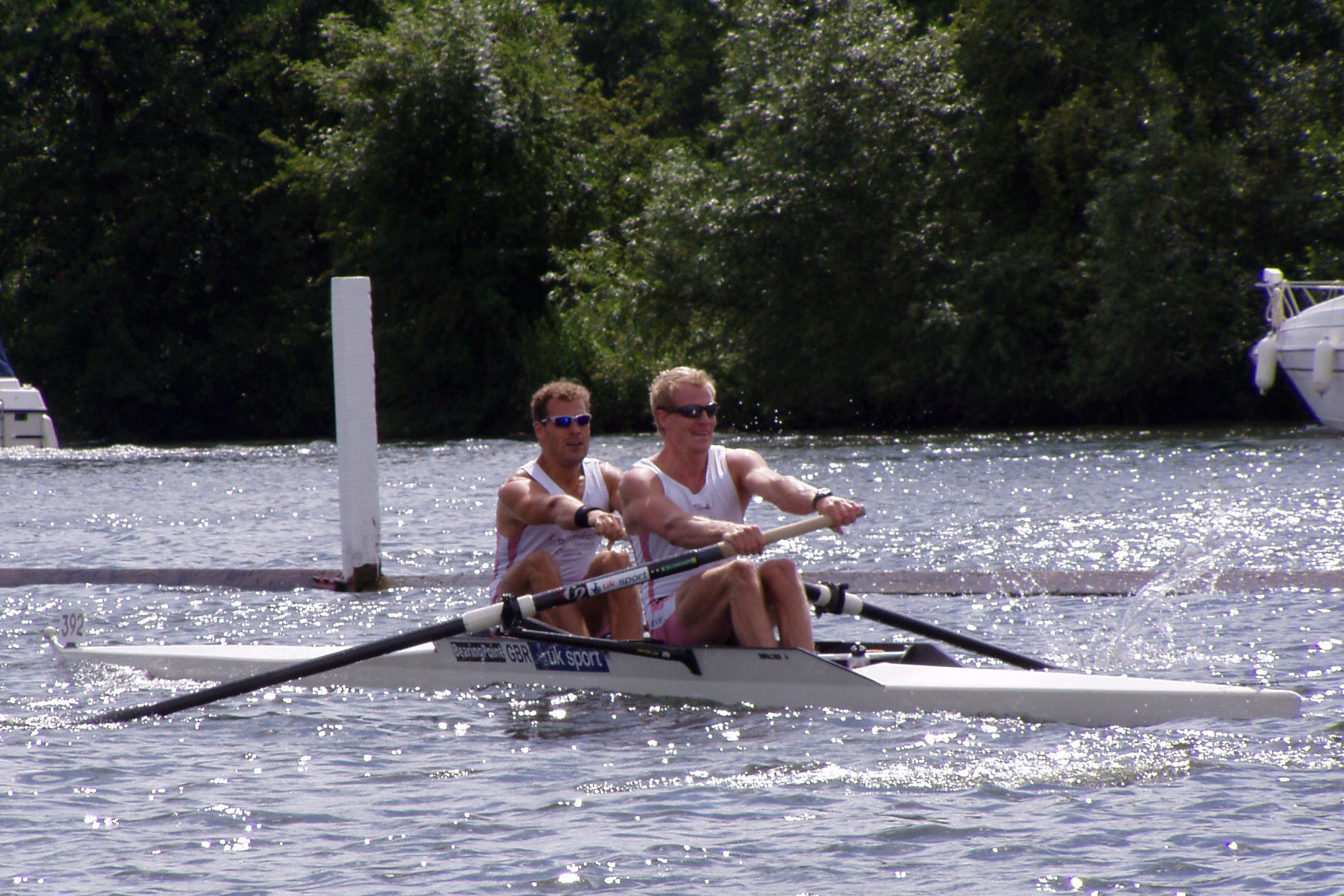
In rowing, the stroke is the rower seated closest to the stern of the boat. In the United Kingdom, the "stroke side" is the port side of the boat, because sweep rowing boats are usually rigged such that the stroke is on the port side of the boat.
Stroke seat
When the boat has more than one rower, the rower closest to the stern of the boat is referred to as "stroke". This is the most important position in the boat, because the stroke rower sets the stroke rate and rhythm for the rest of the crew to follow. Stroke seat has to be a very calm and yet very competitive individual. A good stroke will lead a team by bringing the best out of every rower in the boat. The rower at the opposite end of the boat is referred to as bow. Dudley Storey, double Olympic medallist for New Zealand and later the country's national coach, describes the required qualities of a stroke as follows:
Stroke side
Stroke side refers to the port side of the boat, which is on the left-hand side of a cox facing forwards, but on the right-hand side of a rower facing backwards. The usage derives from the tradition of having the stroke rower's oar be on the port side of the boat. However, the stroke seat oar in a sweep boat does not always emerge from port side, such as when the boat is starboard rigged.
In Cornish pilot gigs, the stroke rower's oar is on the starboard (right) side and therefore stroke side refers to the starboard side of the boat.
References
References
- (24 August 2006). "Rowing: Striving for that golden formula". [[The New Zealand Herald]].
- [https://archive.org/details/artsrowingandtr00arggoog Argonaut] ''The Arts of Rowing and Training'', [[Edwin Brickwood]] 1866 p21]
This article was imported from Wikipedia and is available under the Creative Commons Attribution-ShareAlike 4.0 License. Content has been adapted to SurfDoc format. Original contributors can be found on the article history page.
Ask Mako anything about Stroke (position) — get instant answers, deeper analysis, and related topics.
Research with MakoFree with your Surf account
Create a free account to save articles, ask Mako questions, and organize your research.
Sign up freeThis content may have been generated or modified by AI. CloudSurf Software LLC is not responsible for the accuracy, completeness, or reliability of AI-generated content. Always verify important information from primary sources.
Report