From Surf Wiki (app.surf) — the open knowledge base
Street children in the Philippines
Poverty-stricken children living or working on the streets in The Philippines
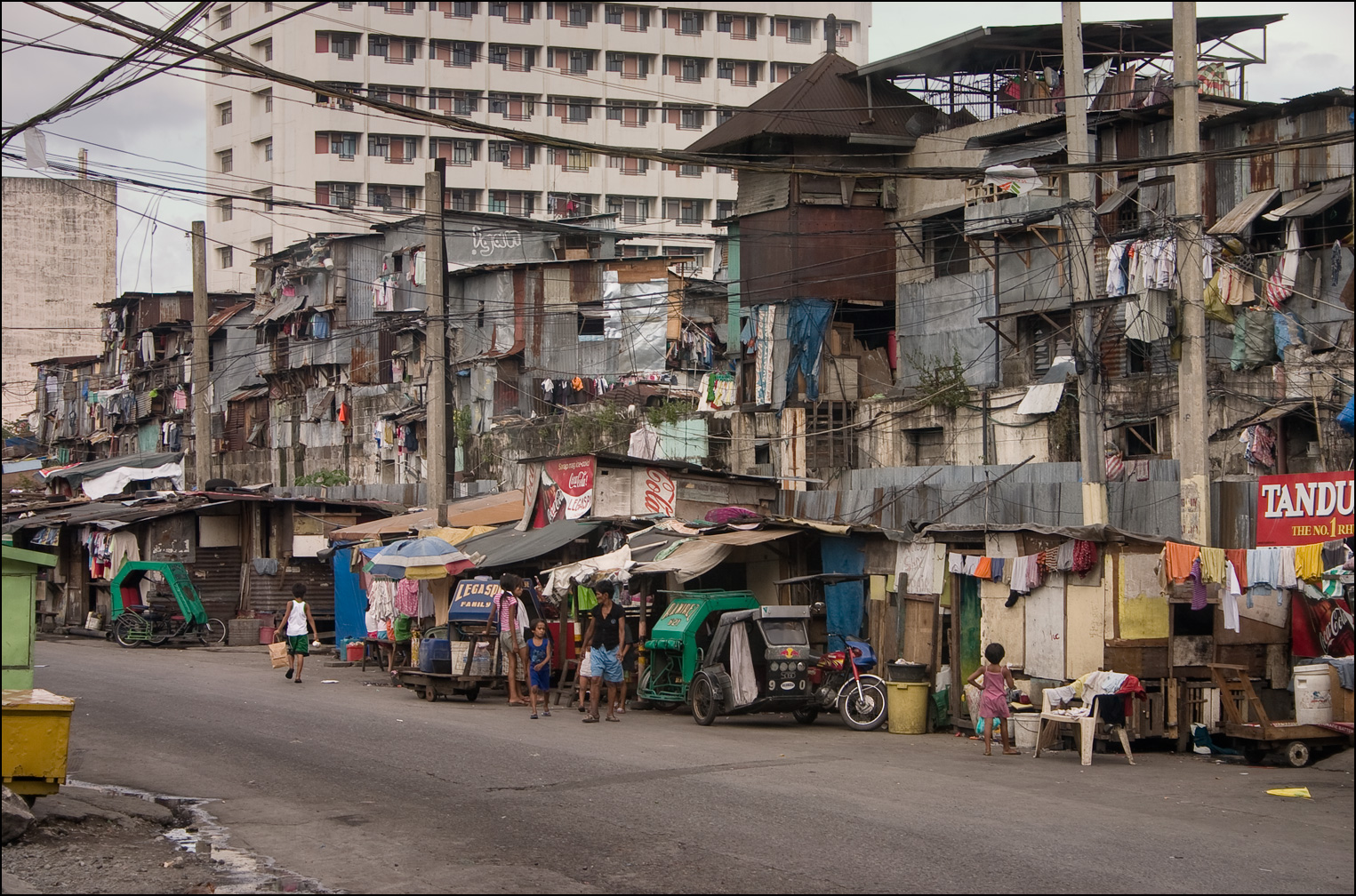
Poverty-stricken children living or working on the streets in The Philippines
The Philippines has an estimated 250,000 street children as of 2021. Street children are defined as those who spend part of their time living in the streets for any reason.
Causes
Poverty, displacement due to armed conflict, and exposure to climatic and environmental impacts are key factors that lead to heightened vulnerability and increases in the number of street children. In 2015, 31.4% of children in the Philippines lived below the poverty line, with poverty rates for children in the Autonomous Region in Muslim Mindanao being much higher at 63.1%, according to official government estimates. Street children are more likely to live in poverty, be deprived of access to education and other social services, and experience social discrimination. They are also less likely to have access to justice or legal status.
Challenges
Crime
A 1997 study estimated that up to 40% of street children had used drugs in the past. Other reports suggest that 66% to 85% of children had used inhalants, and 3% had used marijuana and methamphetamine (known locally as "shabu").
Many street children were in danger of summary execution during the Marcos government era. 39 children in Davao City had been killed by vigilante groups between 2001 and 2005, most after having been released from police detention cells.
Sexual abuse
Street children are at particular risk of child prostitution. and around 60,000 of the 1.5 million street children in the Philippines were involved in prostitution in 1996. Child prostitutes are used by foreign sex tourists and sexual predators, as well as local people. Some are used to film child pornography, which is rampant in the Philippines. Many street children are lured into prostitution as a means of survival, while others do it to earn money for their families. In particular, child prostitution in Angeles City was exacerbated in the 1980s by Clark Air Base, where bars employed children who ended up as sex workers for American soldiers.
Response and solutions
The Philippines ratified the United Nations Convention on the Rights of the Child on August 21, 1990. It also ratified the Optional Protocol to the Convention on the Rights of the Child on the involvement of children in armed conflict on August 26, 2003, and the Optional Protocol to the Convention on the Rights of the Child on the sale of children, child prostitution, and child pornography on May 28, 2002. The Philippines observes the annual commemoration of the International Day for Street Children on April 12.
Various non-government organizations have established charities and shelters, providing counseling, food, clothing and religious instruction in an attempt to help street children, such as the Tuloy Foundation.
A Filipino street child, Darwin Ramos, was named a Servant of God by the Vatican in 2019 for his efforts in caring for his family and his personal relationship with Christ.
References
References
- Freeman. (September 27, 2021). "The Ideologies of Children's Rights". BRILL.
- "Teachers' Corner – Background(Detail)".
- "The Life of Street Children in the Philippines and Initiatives to Help Them".
- "Street children are some of the most vulnerable children on the planet".
- (2017). "Climate landscape analysis for children in the Philippines".
- (2016). "Situation Analysis of Children in the Philippines".
- (May 10, 2010). "Drug Use Among Street Children and Non—Street Children in the Philippines". Asia-Pacific Journal of Public Health.
- "Preda Foundation, Inc. NEWS/ARTICLES: "Nobel Prize Nominee Lauded Around the World Deserted by His Own"".
- "Globalization and Violence Against Children in the Philippines, 2005".
- "BBC Politics 97".
- "Philippines {{!}} Reading, wRiting, aRithmetic—and Child Rights".
- "The Philippines' booming cybersex industry | DW | 04.02.2016".
- "STREET CHILDREN IN THE PHILIPPINES.pdf".
- Agence France-Presse. "Pedophilia: Southeast Asia's sordid secret – INQUIRER.net, Philippine News for Filipinos". [[Inquirer.net]].
- "Celebrating 30 years of the Convention on the Rights of the Child".
- (April 12, 2020). "Pahayag ni CHR Spokesperson, Atty. Jacqueline Ann de Guia, sa paggunita ng International Day for Street Children".
This article was imported from Wikipedia and is available under the Creative Commons Attribution-ShareAlike 4.0 License. Content has been adapted to SurfDoc format. Original contributors can be found on the article history page.
Ask Mako anything about Street children in the Philippines — get instant answers, deeper analysis, and related topics.
Research with MakoFree with your Surf account
Create a free account to save articles, ask Mako questions, and organize your research.
Sign up freeThis content may have been generated or modified by AI. CloudSurf Software LLC is not responsible for the accuracy, completeness, or reliability of AI-generated content. Always verify important information from primary sources.
Report