From Surf Wiki (app.surf) — the open knowledge base
Steve Miller Band
American rock band

American rock band
| Field | Value | |
|---|---|---|
| name | Steve Miller Band | |
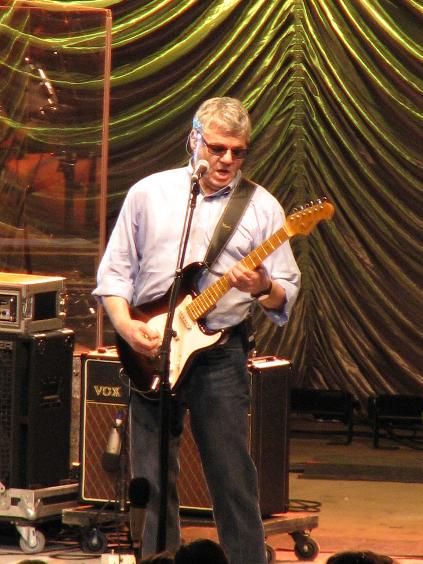
| image | Steve Miller Band Ravinia.jpg | |
| caption | Steve Miller Band at the Ravinia Festival in 2009 | |
| landscape | Yes | |
| background | group_or_band | |
| alias | {{plainlist | |
| origin | San Francisco, California, U.S. | |
| genre | ||
| years_active | 1966–present | |
| label | {{flatlist | |
| website | www.stevemillerband.com | |
| current_members | ||
| past_members | ||
| framestyle | border:none; padding:0; | |
| title |
- Steve Miller Blues Band (1966–1967)
- The Miller Band (1967)
- The Steve Miller Band (1967–1968)
- Capitol
- Mercury
- Polydor
- Roadrunner
- Loud & Proud}}
- Steve Miller
- Kenny Lee Lewis
- Joseph Wooten
- Jacob Petersen
- Ron Wikso |Les Dudek |Sonny Charles |Lonnie Turner |James Cooke |Tim Davis |Jim Peterman |Boz Scaggs |Ben Sidran |Nicky Hopkins |Bobby Winkelman |Jack King |Ross Valory |Gerald Johnson |Dick Thompson |Roger Allen Clark |Gary Mallaber |John King |David Denny |Greg Douglass |Byron Allred |Norton Buffalo |John Massaro |Billy Peterson |Ricky Peterson |Bob Malach |Gordy Knudtson
The Steve Miller Band is an American rock band formed in San Francisco, California, in 1966. The band is led by Steve Miller on guitar and lead vocals. The group had a string of mid- to late-1970s hit singles that are staples of classic rock radio, as well as several earlier psychedelic rock albums. Miller left his first band to move to San Francisco and form the Steve Miller Blues Band. Shortly after Harvey Kornspan negotiated the band's contract with Capitol Records in 1967, the band shortened its name to the Steve Miller Band. In February 1968, the band recorded its debut album, Children of the Future. It went on to produce the albums Sailor, Brave New World, Your Saving Grace, Number 5, The Joker, Fly Like an Eagle, and Book of Dreams, among others. The band's album Greatest Hits 1974–78, released in 1978, has sold over 13 million copies. In 2016, Steve Miller was inducted as a solo artist into the Rock and Roll Hall of Fame.
History
In 1965, after moving to Chicago to play the blues, Steve Miller and keyboardist Barry Goldberg founded the Goldberg-Miller Blues Band along with bassist Roy Ruby, rhythm guitarist Craymore Stevens, and drummer Maurice McKinley. The band contracted to Epic Records and recorded a single, "The Mother Song", which they performed on Hullabaloo, before Miller left the group and moved to San Francisco.
In November 1966, Miller formed the Steve Miller Blues Band, consisting of Miller and a trio of Wisconsin transplants: guitarist James "Curley" Cooke, drummer Tim Davis, and bassist Rich Personett; in January 1967, Lonnie Turner replaced Personett, who had been drafted. The band performed regularly in the San Francisco area, and in June they appeared at the Magic Mountain Festival (held June 10/11, 1967). Tim Davis' former college roommate Jim Peterman then joined on Hammond B3 organ in time for the band's appearance at the Monterey Pop Festival the following week (festival was held June 16/17/18, 1967). Later that same month, the group backed Chuck Berry at a gig at the Fillmore Auditorium that was released as the live album, Live at Fillmore Auditorium. In September, guitarist/vocalist Boz Scaggs (who had played in various bands with Steve in the early '60s in Texas) replaced Curley Cooke, who had taken ill.
In November 1967, The Steve Miller Blues Band signed with Capitol Records. Harvey Kornspan, Miller's lawyer and managing partner, wrote and negotiated the contract ($860,000 over five years as well as $25,000 of promotion money that was to be spent at the band's discretion) with the label's then-president Alan Livingston, who had first approached Miller after seeing the band play at the Monterey Pop Festival in June. Shortly after, the band's name was shortened to the Steve Miller Band at the recommendation of George Martin, in order to broaden its appeal.
In January 1968, the band went to London, England to record their debut album, Children of the Future at Olympic studios, with Glyn Johns as engineer/producer. The album did not score among the Top 100 album chart. The visit itself got off to a poor start also as the group and their entourage were arrested for 'importing drugs and possession of a dangerous firearm'. Kornspan's wife had called Johns asking if he would appear as a character witness in the magistrate's court the day after the arrest and, hopefully, stand bail for them. Johns agreed and the group was released on condition that Johns would 'stand surety for their good behavior' for the rest of their time in England. Both accusations were dropped. The 'dangerous firearm' turned out to be a non-working flare gun that was being used as a wall decoration in the house where the group was staying. The 'imported drugs' happened to be some hash that was buried in the middle of a large fruitcake that had been sent to the group by a stateside friend, unbeknownst to anyone in the group.
The second album Sailor appeared in October 1968 and climbed the Billboard chart to . Successes included the single "Living in the USA". Brave New World (, 1969) featured the songs "Space Cowboy" and "My Dark Hour". Paul McCartney, credited as "Paul Ramon", played drums, bass and sang backing vocals on "My Dark Hour". This was followed by Your Saving Grace (, 1969) and Number 5 (, 1970). In 1971, Capitol Records released the album Rock Love, featuring unreleased live performances and studio material. This is one of two Steve Miller Band albums not to be reissued on CD until 2022, the other being Recall the Beginning...A Journey from Eden from 1972. Later in 1972, the double album compilation Anthology was released, containing 16 songs from five of the band's first seven albums.
The style and personnel of the band changed radically with The Joker (, 1973), concentrating on straightforward rock and leaving the psychedelic blues side of the band behind. The title track, "The Joker", became a single and was certified 7× platinum, reaching over seven million sales. It was awarded a gold disc by the RIAA on January 11, 1974.
Three years later, the band returned with the album Fly Like an Eagle, which charted at . Three singles were released from the album: "Take the Money and Run" (), "Fly Like an Eagle" () and their second success, "Rock'n Me". Miller credits the guitar introduction to "Rock'n Me" as a tribute to the Free song, "All Right Now".
Book of Dreams (, 1977) also included three successes: "Jet Airliner" (), "Jungle Love" (), and "Swingtown" ().
Released in 1978, The Steve Miller Band's Greatest Hits 1974–78 has sold over 15 million copies.
1982's Abracadabra album gave Steve Miller his third success with the title track. Miller's hit pushed Chicago's "Hard to Say I'm Sorry" out of the spot, just as his "Rock'n Me" had knocked Chicago's "If You Leave Me Now" out of the spot in 1976.
Bingo!, an album of blues and R&B covers, was released on June 15, 2010. Let Your Hair Down, a companion release to Bingo!, was released 10 months later, on April 18, 2011.
Founding member Tim Davis died from complications due to diabetes on September 20, 1988, at the age of 44. Long-time band member Norton Buffalo died from lung cancer on October 30, 2009. John King (drummer during "The Joker" era) died after a short bout with kidney cancer on October 26, 2010. James Cooke died from cancer on 16 May 2011. Original bassist Lonnie Turner died from lung cancer on April 28, 2013. His time with the band led to songs such as Jet Airliner, Swingtown, Take the Money And Run, Jungle Love and many more. Blues guitarist Jacob Petersen officially joined the band before the Spring 2011 tour. Following Petersen joining the band, longtime guitarist Kenny Lee Lewis switched instruments to become the band's full-time bassist. In 2014, Steve Miller Band toured with fellow San Francisco rock band Journey.
When it was announced that Steve Miller would be inducted into the Rock and Roll Hall of Fame as a solo artist without his band, Miller told Rolling Stone, "It wasn't my decision, and I didn't have any input into any of it. If they had asked me what do, I think I would have said, 'Here's a list of everyone that was ever in my band. They all ought to be here.'"
Members
Current members
- Steve Miller – lead vocals, guitar, harmonica, keyboards (1966–present)
- Kenny Lee Lewis – bass (1983–1987, 2011–present), guitar (1982–1983, 1987–1988, 1994–2011), backing vocals (1982–1988, 1994–present)
- Joseph Wooten – keyboards, backing vocals (1993–present)
- Jacob Petersen – guitar, backing vocals (2011–present)
- Ron Wikso – drums (2021–present)
Former members
- Lonnie Turner – bass, guitar, backing vocals (1966–1970, 1975–1978; died 2013)
- Boz Scaggs – guitar, lead and backing vocals (1967–1968)
- Jim Peterman – keyboards, backing vocals (1966–1968)
- Tim Davis – drums, backing vocals (1966–1970; died 1988)
- James "Curley" Cooke – guitar (1967; died 2011)
- Ben Sidran – keyboards (1968, 1969, 1970, 1972, 1987–1991)
- Nicky Hopkins – keyboards (1969, 1970; died 1994)
- Bobby Winkelman – bass, guitar, vocals (1969–1970; died 2023)
- Ross Valory – bass, backing vocals (1970–1971)
- Jack King – drums (1970–1972)
- Gary Mallaber – drums, keyboards, backing vocals (1972, 1975–1987)
- Roger Allen Clark – drums (1972; died 2018)
- Dick Thompson – keyboards (1972–1974)
- Gerald Johnson – bass, backing vocals (1972–1974, 1981–1983)
- John King – drums (1972–1974; died 2010)
- Les Dudek – guitar (1975)
- Doug Clifford – drums (1975)
- David Denny – guitar, backing vocals (1975–1978)
- Norton Buffalo – harmonica, guitar, backing vocals (1975–1978, 1982–1987, 1989–2009; died 2009)
- Greg Douglass – slide guitar, backing vocals (1976–1978)
- Byron Allred – keyboards (1976–1987, 1990; died 2021)
- John Massaro – guitar, backing vocals (1982–1983)
- Billy Peterson – bass, backing vocals (1987–2011)
- Bob Mallach – saxophone (1987–1996)
- Paul Peterson – guitar (1988, 1991–1992)
- Ricky Peterson – keyboards (1988, 1991)
- Keith Allen – guitar, backing vocals (1989–1990)
- Sonny Charles – backing vocals (2008–2011)
- Gordy Knudtson – drums (1987–2021)
Timeline
ImageSize = width:900 height:auto barincrement:20 PlotArea = left:90 bottom:100 top:10 right:0 Alignbars = justify DateFormat = dd/mm/yyyy Period = from:01/08/1965 till:31/01/2024 TimeAxis = orientation:horizontal format:yyyy
Colors = id:lvocals value:red legend:Lead_vocals id:guitar value:green legend:Guitar id:bass value:blue legend:Bass id:drums value:orange legend:Drums,_percussion id:keyboards value:purple legend:Keyboards id:bvocals value:pink legend:Backing_vocals id:harmonica value:skyblue legend:Harmonica id:saxophone value:tan2 legend:Saxophone id:lines1 value:black legend:Studio_Albums
Legend = orientation:vertical position:bottom columns:4 ScaleMajor = unit:year increment:5 start:1966 ScaleMinor = unit:year increment:1 start:1966
BarData = bar:Miller text:Steve Miller bar:Cooke text:James Cooke † bar:Scaggs text:Boz Scaggs bar:Winkelman text:Bob Winkelman bar:Dudek text:Les Dudek bar:Denny text:David Denny bar:Douglass text:Greg Douglass bar:Lewis text:Kenny Lee Lewis bar:Massaro text:John Massaro bar:PPeterson text:Paul Peterson bar:Allen text:Keith Allen bar:JPeterson text:Jacob Petersen bar:Peterman text:Jim Peterman bar:Sidran text:Ben Sidran bar:Thompson text:Dick Thompson bar:Allred text:Byron Allred † bar:RPeterson text:Ricky Peterson bar:Wooten text:Joseph Wooten bar:Turner text:Lonnie Turner † bar:Valory text:Ross Valory bar:Johnson text:Gerald Johnson bar:BPeterson text:Billy Peterson bar:Davis text:Tim Davis † bar:JackKing text:Jack King bar:JohnKing text:John King † bar:Clifford text:Doug Clifford bar:Mallaber text:Gary Mallaber bar:Knudtson text:Gordy Knudtson bar:Wikso text:Ron Wikso bar:Buffalo text:Norton Buffalo † bar:Mallach text:Bob Mallach bar:Charles text:Sonny Charles
PlotData= width:13 textcolor:black align:left anchor:from shift:(10,-4) bar:Miller from:start till:end color:lvocals bar:Miller from:start till:end color:Guitar width:7 bar:Miller from:start till:end color:Harmonica width:3 bar:Miller from:01/01/1970 till:01/01/1972 color:Keyboards width:5 bar:Miller from:01/01/1974 till:01/01/1977 color:Keyboards width:5 bar:Miller from:01/01/1992 till:01/01/1994 color:Keyboards width:5 bar:Turner from:start till:01/07/1970 color:Bass bar:Turner from:start till:01/07/1970 color:bvocals width:3 bar:Turner from:01/06/1975 till:01/01/1979 color:bass bar:Turner from:01/06/1975 till:01/01/1979 color:bvocals width:3 bar:Valory from:01/07/1970 till:01/01/1972 color:bass bar:Valory from:01/07/1970 till:01/01/1972 color:bvocals width:3 bar:Johnson from:01/01/1972 till:01/01/1975 color:bass bar:Johnson from:01/01/1972 till:01/01/1975 color:bvocals width:3 bar:Johnson from:01/01/1980 till:01/01/1983 color:bass bar:Johnson from:01/01/1980 till:01/01/1983 color:bvocals width:3 bar:BPeterson from:01/01/1987 till:01/01/2011 color:bass bar:BPeterson from:01/01/1987 till:01/01/2011 color:bvocals width:3 bar:Buffalo from:01/06/1975 till:01/01/1979 color:Harmonica bar:Buffalo from:01/06/1975 till:01/01/1979 color:bvocals width:3 bar:Buffalo from:01/01/1982 till:01/01/1987 color:Harmonica bar:Buffalo from:01/01/1982 till:01/01/1987 color:bvocals width:3 bar:Buffalo from:01/01/1983 till:01/01/1987 color:Guitar width:7 bar:Buffalo from:01/01/1989 till:01/01/2009 color:Harmonica bar:Buffalo from:01/01/1989 till:01/01/2009 color:bvocals width:3 bar:Buffalo from:01/01/1989 till:01/01/2009 color:Guitar width:7 bar:Mallach from:01/01/1987 till:01/01/1996 color:Saxophone bar:Davis from:start till:01/07/1970 color:drums bar:Davis from:start till:01/07/1970 color:bvocals width:3 bar:JackKing from:01/07/1970 till:01/06/1972 color:drums bar:JohnKing from:01/06/1972 till:01/01/1975 color:drums bar:Clifford from:01/01/1975 till:01/06/1975 color:drums bar:Mallaber from:01/06/1975 till:01/01/1987 color:drums bar:Mallaber from:01/06/1975 till:01/01/1987 color:bvocals width:3 bar:Mallaber from:01/06/1975 till:01/01/1977 color:Keyboards width:7 bar:Knudtson from:01/01/1987 till:19/08/2021 color:drums bar:Wikso from:21/08/2021 till:end color:drums bar:Cooke from:01/01/1967 till:01/06/1967 color:Guitar bar:Scaggs from:01/06/1967 till:01/01/1969 color:Guitar bar:Winkelman from:01/01/1970 till:01/01/1971 color:Guitar bar:Scaggs from:01/06/1967 till:01/01/1969 color:lvocals width:3 bar:Winkelman from:01/01/1970 till:01/01/1971 color:bvocals width:3 bar:Dudek from:01/01/1975 till:01/06/1975 color:Guitar bar:Denny from:01/06/1975 till:01/07/1978 color:Guitar bar:Denny from:01/06/1975 till:01/07/1978 color:bvocals width:3 bar:Douglass from:01/01/1977 till:01/01/1978 color:Guitar bar:Douglass from:01/01/1977 till:01/01/1978 color:bvocals width:3 bar:Lewis from:01/01/1982 till:01/01/1983 color:Guitar bar:Lewis from:01/01/1982 till:01/01/1988 color:bvocals width:3 bar:Lewis from:01/01/1983 till:01/01/1987 color:Bass bar:Lewis from:01/01/1987 till:01/01/1988 color:Guitar bar:Lewis from:01/01/1994 till:01/01/2011 color:Guitar bar:Lewis from:01/01/1994 till:end color:bvocals width:3 bar:Lewis from:01/01/2011 till:end color:Bass bar:Massaro from:01/01/1982 till:01/01/1983 color:Guitar bar:Massaro from:01/01/1982 till:01/01/1983 color:bvocals width:3 bar:PPeterson from:01/01/1988 till:01/01/1989 color:Guitar bar:Allen from:01/01/1989 till:01/01/1991 color:Guitar bar:Allen from:01/01/1989 till:01/01/1991 color:bvocals width:3 bar:PPeterson from:01/01/1991 till:01/01/1993 color:Guitar bar:JPeterson from:01/01/2011 till:end color:Guitar bar:JPeterson from:01/01/2011 till:end color:bvocals width:3 bar:Peterman from:start till:01/01/1969 color:Keyboards bar:Peterman from:start till:01/01/1969 color:bvocals width:3 bar:Sidran from:01/01/1969 till:01/01/1970 color:Keyboards bar:Sidran from:01/01/1972 till:02/01/1973 color:Keyboards bar:Sidran from:01/01/1987 till:01/01/1991 color:Keyboards bar:Thompson from:01/01/1972 till:01/01/1975 color:Keyboards bar:Allred from:01/01/1977 till:01/01/1987 color:Keyboards bar:RPeterson from:01/01/1988 till:01/01/1989 color:Keyboards bar:Allred from:01/01/1990 till:01/01/1991 color:Keyboards bar:RPeterson from:01/01/1991 till:01/01/1992 color:Keyboards bar:Wooten from:01/01/1994 till:end color:Keyboards bar:Wooten from:01/01/1994 till:end color:bvocals width:3 bar:Charles from:01/01/2008 till:01/01/2011 color:bvocals
LineData= at:01/06/1968 color:lines1 layer:back at:01/10/1968 color:lines1 layer:back at:16/06/1969 color:lines1 layer:back at:01/11/1969 color:lines1 layer:back at:01/07/1970 color:lines1 layer:back at:01/09/1971 color:lines1 layer:back at:01/03/1972 color:lines1 layer:back at:19/10/1973 color:lines1 layer:back at:01/05/1976 color:lines1 layer:back at:01/05/1977 color:lines1 layer:back at:23/10/1981 color:lines1 layer:back at:15/06/1982 color:lines1 layer:back at:01/11/1984 color:lines1 layer:back at:01/11/1986 color:lines1 layer:back at:08/06/1993 color:lines1 layer:back at:15/06/2010 color:lines1 layer:back at:19/04/2011 color:lines1 layer:back
Discography
Main article: Steve Miller Band discography
;Studio albums The group has been releasing albums and singles since 1968 and currently has released 18 studio albums, six live albums, seven (official) compilation albums, and at least 29 singles.
- Children of the Future (1968)
- Sailor (1968)
- Brave New World (1969)
- Your Saving Grace (1969)
- Number 5 (1970)
- Rock Love (1971)
- Recall the Beginning...A Journey from Eden (1972)
- The Joker (1973)
- Fly Like an Eagle (1976)
- Book of Dreams (1977)
- Circle of Love (1981)
- Abracadabra (1982)
- Italian X Rays (1984)
- Living in the 20th Century (1986)
- Born 2 B Blue (1988)
- Wide River (1993)
- Bingo! (2010)
- Let Your Hair Down (2011)
Awards

- ASCAP Golden Note Award, 2008.
- Star for "Recording" on the Hollywood Walk of Fame on 1750 Vine Street.
- Steve Miller inducted into The Rock and Roll Hall Of Fame in 2016
References
References
- "20 Albums Rolling Stone Loved in the Sixties That You've Never Heard". [[Rolling Stone]].
- Huey, Steve. "Steve Miller Biography". [[AllMusic]].
- Cava, Marco della. (August 27, 2023). "Steve Miller recalls late '60s San Francisco music having 'a dark side' but 'so much beauty'".
- John Milward. (2013). "Crossroads: How the Blues Shaped Rock 'n' Roll". UPNE.
- Lindsay Planer. "Barry Goldberg / The Goldberg-Miller Blues Band Goldberg-Miller Blues Band 1965-66". allmusic.com.
- "Chuck Berry News". Chuckberry.us.
- Bruno Ceriotti. "Steve Miller: The Early Years 1943-1974".
- (2015). "Sound Man". Plume.
- Murrells, Joseph. (1978). "The Book of Golden Discs". Barrie and Jenkins Ltd.
- (2003). "Billboard book of number 1 hits". Billboard Books.
- Jake Grove. (2008-10-15). "The Steve Miller Band hits Littlejohn in Clemson". Independent Mail.
- (2011-02-11). "Steve Miller Band announce new album". Planet Rock.
- (2014-05-18). "Steve Miller Band Official Site". Stevemillerband.com.
- Greene, Andy (2015, December 17). [https://www.rollingstone.com/music/music-news/steve-miller-on-rock-hall-induction-its-taken-a-long-long-long-time-41501/2/ "Steve Miller on Rock Hall Induction: ‘It’s Taken a Long, Long, Long Time’"], ''Rolling Stone''. Retrieved 2022-11-17.
- "ASCAP to Honor Steve Miller and Lionel Richie at 25th Annual Pop Music Awards". Ascap.com.
- "Steve Miller Band".
- "The Steve Miller Band".
- "Steve Miller".
This article was imported from Wikipedia and is available under the Creative Commons Attribution-ShareAlike 4.0 License. Content has been adapted to SurfDoc format. Original contributors can be found on the article history page.
Ask Mako anything about Steve Miller Band — get instant answers, deeper analysis, and related topics.
Research with MakoFree with your Surf account
Create a free account to save articles, ask Mako questions, and organize your research.
Sign up freeThis content may have been generated or modified by AI. CloudSurf Software LLC is not responsible for the accuracy, completeness, or reliability of AI-generated content. Always verify important information from primary sources.
Report