From Surf Wiki (app.surf) — the open knowledge base
Static cling
Sticking caused by static electricity
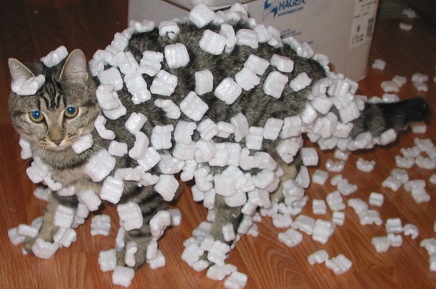
Sticking caused by static electricity
Static cling is the tendency for light objects to stick (cling) to other objects owing to static electricity. It is common in clothing, but occurs with other items, such as the tendency of dust to be attracted to, and stick to, plastic items, as well as fur, such as with cats, dogs, and hamsters.
Cause and prevention
In clothing, static cling occurs from static electricity. An electrostatic charge builds up on clothes due to the triboelectric effect when pieces of fabric rub against each other, as happens particularly in a clothes dryer. The separate positive and negatively charged surfaces attract each other. It is especially noticeable when humidity is low, allowing static electricity to build up. Certain substances can reduce static cling and are often included in fabric softener and dryer sheets. Antistatic agents, which make the surfaces slightly conductive, can be used on fabrics.
Electronic devices
Main article: Thermal management of electronic devices and systems, Computer cooling
Dust accumulation caused by static cling is a significant issue for computers and other electronic devices with heat generating components that need to be cooled by airflow. Dust is carried into the computer by the airflow created by case- and component fans. The accumulated dust covers metal surfaces and clogs the empty space between the fins of heatsinks, diminishing the dissipation of heat and interrupting the outward flow of warm air. Especially for critical components such as microprocessors and memory banks, this raises the risk of them overheating which can ultimately damage or destroy them. To compensate, automatically controlled fans will raise their speed, generating more noise and shortening their lifespan. An additional risk is the (small) electrical conductivity of dust which, given enough accumulation of dust, can cause critical damage to the device's internal components. Dust accumulation grows exponentially, since the accumulated dust creates new static surfaces and physical blockades for new dust to cling to.
In advertising
Advertisers in urban areas, eager to use guerilla marketing techniques, have turned to static cling as a distribution medium. In an advertising campaign for Microsoft's MSN 8 Internet service, on October 24, 2002, hundreds of decals of the MSN butterfly logo were affixed to surfaces in New York City and the New York Times reported that it was static cling that held them there.
References
References
- Dunlap, David W.. (2002-10-25). "City Officials Tell Microsoft to Get Its Butterfly Decals Out of Town". The New York Times.
This article was imported from Wikipedia and is available under the Creative Commons Attribution-ShareAlike 4.0 License. Content has been adapted to SurfDoc format. Original contributors can be found on the article history page.
Ask Mako anything about Static cling — get instant answers, deeper analysis, and related topics.
Research with MakoFree with your Surf account
Create a free account to save articles, ask Mako questions, and organize your research.
Sign up freeThis content may have been generated or modified by AI. CloudSurf Software LLC is not responsible for the accuracy, completeness, or reliability of AI-generated content. Always verify important information from primary sources.
Report