From Surf Wiki (app.surf) — the open knowledge base
Spitting cobra
Common name for several snakes
Common name for several snakes


The term "spitting cobra" is commonly used to refer to several species of cobra that can intentionally, defensively shoot their venom directly from their fangs. This substance has two functions, with the first being as venom that can be absorbed via the victim’s eyes, mouth, or nose (or any mucous membrane or existing wound), and secondly as a toxungen, which can be sprayed on the target surface. Their ability to target and shoot venom is utilised in several different ways, self-defense being the most common instance. Studies have shown that the targets (at which the cobras shoot) are far from random; rather, spitting cobras consciously take aim, directing their spray to the eyes and face of an aggressor with 90% accuracy. In a remarkable case of convergent evolution, the individual cobra species evolved the ability to spit venom independently.
Background
_2.jpg)

Spitting cobras belong to the Elapidae, which comprises snakes including cobras, mambas, coral snakes, kraits, taipans, death adders and sea snakes. Many snakes use their venom as both a defensive and predatory mechanism, and this includes the spitting cobras. The spitting cobra typically inhabits dry savanna and semi-arid environments, particularly the hotter, open areas of sub-Saharan Africa. It uses its venom primarily as a means of defense. The spitting cobra has the ability to direct venom up to three metres away from its location. The trajectory of the venom that the cobra sprays is not at random. The spitting cobra has evolved to aim the venom that it spits into or as close as possible to the antagonist’s face and eyes. The cobras can measure and adjust the venom dosage being delivered, based on the size and relative distance of their target, in order to ensure the highest envenomation potential possible.
Venom
The spat toxungen is generally harmless on intact mammalian skin (although contact can result in delayed blistering of the area), but can cause permanent blindness if introduced to the eye; if left untreated it may cause chemosis and corneal swelling.
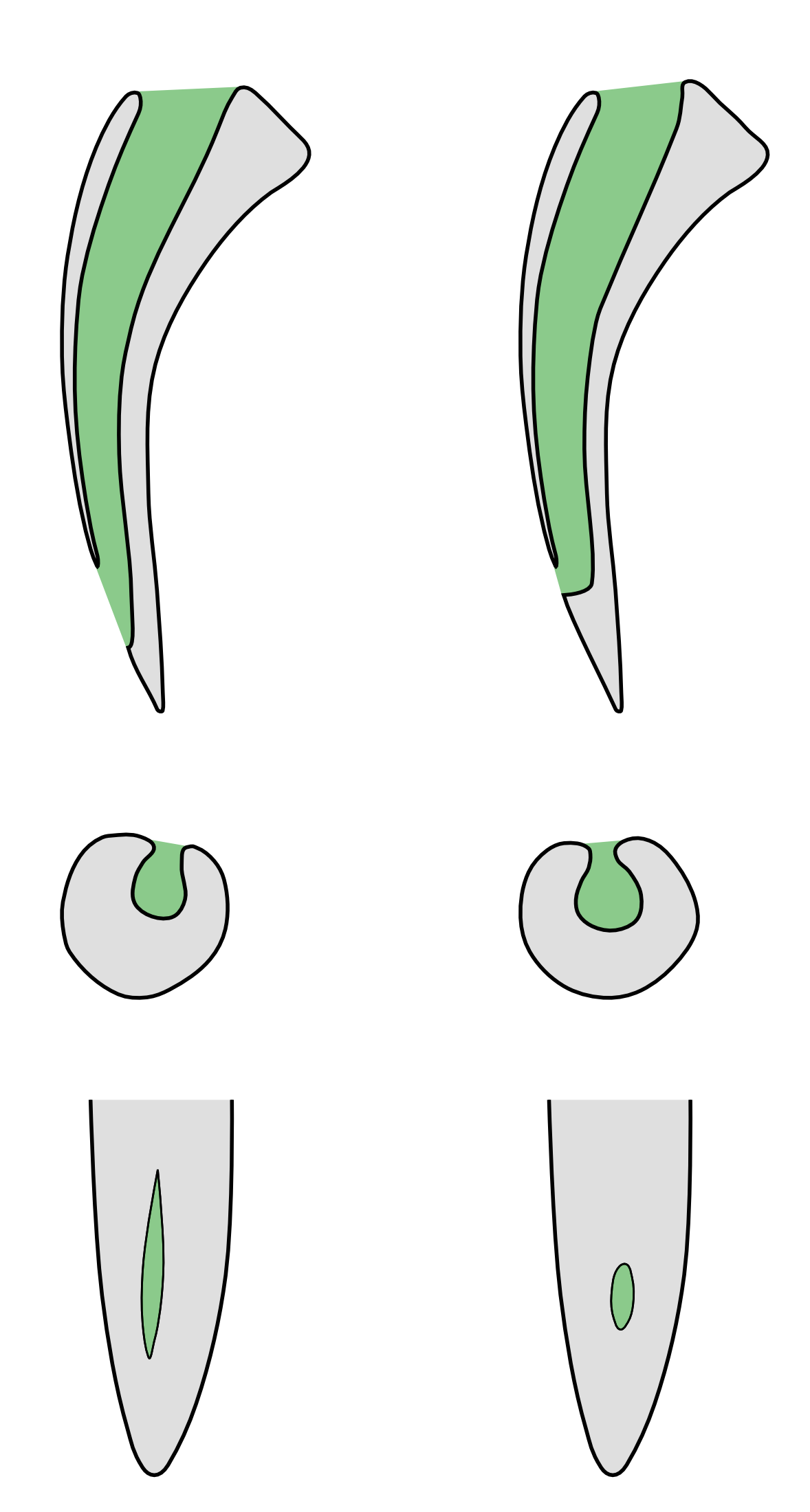
The toxungen sprays out in distinctive geometric patterns when muscles squeeze the glands to squirt it out through forward-facing holes near the tips of the fangs.{{Cite journal | doi-access = free
Most spitting cobras' venom/toxungen is significantly cytotoxic, apart from the neurotoxic and cardiotoxic effects typical of other cobra species. The ability to spit likely evolved in cobras three times independently through convergent evolution. In each of these three events, the venom convergently evolved to be more effective at creating pain in mammals to serve as a better deterrent, with each of the three evolutions roughly correlating with the evolution and/or arrival of early hominins.
Benefits
The spitting cobra predominantly uses its venom for defensive purposes. It has evolved the ability to spit in order to minimize the risk of contact during an altercation. Even though venomous snakes are very dangerous, they often times are not left injury free after a battle with a predator or larger animal. Being able to spit a toxin from afar dramatically decreases the chances of a spitting cobra getting injured in a squabble.
The spitting cobra also has the ability to inject venom through a bite. In fact, a spitting cobra ejects more venom during a bite than spitting venom. Even though the spitting cobra has the ability to spray venom at potential threats, spitting is not the way they kill their prey. Just like most snakes in the Elapid clade, spitting cobras inject their venom through a bite in order to kill their prey. Spitting was evolved as a defense mechanism to deter predators; even if a Spitting cobra blinds a threat, that is not enough to kill the attacker and therefore spitting cobras can also inject venom directly.
Species
‡: Not a “true spitting cobra”, although these species have the ability to “eject” venom, they rarely do so.
African cobras:
- Naja ashei
- Naja katiensis
- Naja mossambica
- Naja nigricincta
- *Naja nigricincta woodi *
- Naja nigricollis
- Naja nubiae
- Naja pallida
- Hemachatus haemachatus
Asian cobras:
- Naja atra ‡
- Naja kaouthia ‡
- Naja sagittifera ‡
- Naja mandalayensis
- Naja philippinensis
- Naja samarensis
- Naja siamensis
- Naja sputatrix
- Naja sumatrana
Some of the Viperidae have been reported to spit occasionally.{{Cite journal
References
- Greene, Harry W. (1997) Snakes: The Evolution of Mystery in Nature. University of California Press, Berkeley and Los Angeles, California.
References
- (October 2005). "The spitting behavior of two species of spitting cobras". Journal of Comparative Physiology A.
- (2010-05-28). "Secret to Spitting Cobra's Deadly Accurate Aim Revealed".
- "Spitting cobras' venom evolved to inflict pain".
- (2018-03-08). "First Look at the Venom of Naja ashei". Molecules.
- (2009-08-01). "Spitting cobras adjust their venom distribution to target distance". Journal of Comparative Physiology A.
- Berthé, Ruben Andres. Spitting behaviour and fang morphology of spitting cobras. Doctoral thesis, Rheinischen Friedrich-Wilhelms-Universität, Bonn, April 2011.
- (2017-03-13). "How the Cobra Got Its Flesh-Eating Venom: Cytotoxicity as a Defensive Innovation and Its Co-Evolution with Hooding, Aposematic Marking, and Spitting". Toxins.
- Leslie, Mitch. (2021-01-21). "Spitting cobras' venom evolved to inflict pain". Science.
- (2021). "Convergent evolution of pain-inducing defensive venom components in spitting cobras". Science.
- (September 2008). "Spitting versus Biting: Differential Venom Gland Contraction Regulates Venom Expenditure in the Black-Necked Spitting Cobra, Naja nigricollis nigricollis". Journal of Herpetology.
This article was imported from Wikipedia and is available under the Creative Commons Attribution-ShareAlike 4.0 License. Content has been adapted to SurfDoc format. Original contributors can be found on the article history page.
Ask Mako anything about Spitting cobra — get instant answers, deeper analysis, and related topics.
Research with MakoFree with your Surf account
Create a free account to save articles, ask Mako questions, and organize your research.
Sign up freeThis content may have been generated or modified by AI. CloudSurf Software LLC is not responsible for the accuracy, completeness, or reliability of AI-generated content. Always verify important information from primary sources.
Report