From Surf Wiki (app.surf) — the open knowledge base
South Schleswig Voters' Association
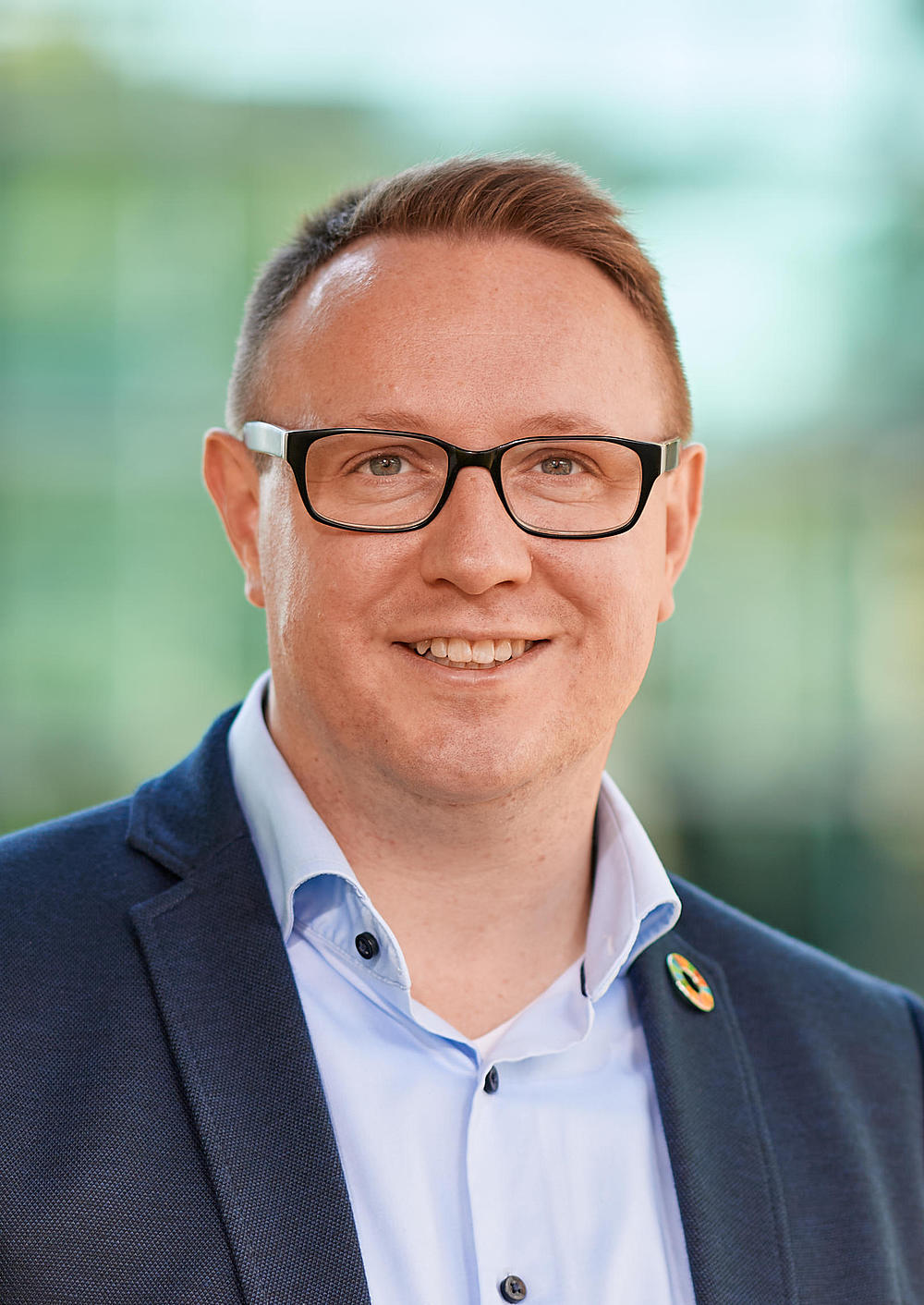
| Field | Value | ||
|---|---|---|---|
| country | Germany | ||
| name | South Schleswig Voters' Association | ||
| native_name | |||
| logo | Südschleswigscher Wählerverband, Logo.svg | ||
| chairman | Christian Dirschauer | ||
| leader1_title | Vice Chairmen | ||
| leader1_name | Sybilla Lena Nitsch, | ||
| Svend Wippich | |||
| leader2_title | National Secretary | ||
| leader2_name | Martin Lorenzen | ||
| abbreviation | |||
| foundation | |||
| split | South Schleswig Association | ||
| youth_wing | Youth in the SSW | ||
| newspaper | Stimme des Nordens | ||
| membership_year | 2020 | ||
| membership | 3,216 | ||
| ideology | {{ubl | class=nowrap | |
| Social liberalism<ref name | "Decker & Neu" | ||
| european | European Free Alliance | ||
| seats1_title | Bundestag (Schleswig-Holstein seats) | ||
| seats1 | |||
| seats2_title | Bundesrat | ||
| seats2 | |||
| seats3_title | European Parliament | ||
| seats3 | |||
| seats4_title | Landtag of Schleswig-Holstein | ||
| seats4 | |||
| seats5_title | Kiel City Council | ||
| seats5 | |||
| seats6_title | Flensburg City Council | ||
| seats6 | |||
| logo_size | 175 | ||
| colorcode | |||
| colours | Blue | ||
| Yellow | |||
| headquarters | Norderstraße 76 | ||
| 24939 Flensburg | |||
| flag | Flag of the South Schleswig Voters' Association.svg | ||
| symbol | [[File:Südschleswigscher Wählerverband, Logo.svg | 100px | ]] |
| website |
Svend Wippich |Regionalism |Danish minority interests |Frisian minority interests | Social liberalism Yellow 24939 Flensburg The South Schleswig Voters' AssociationOther translations include South Schleswig Voter Alliance, South Schleswig Voters' Committee, South Schleswig Voter Federation, South Schleswig Voters Group, South Schleswig Voters League, South Schleswig Voters List, South Schleswig Voters' Union, South Schleswig Electoral Association. (, SSW; , SSV) is a regionalist political party in Schleswig-Holstein in northern Germany. The party represents the Danish and Frisian minorities of the state.
As a party representing a national minority, the SSW declines to identify itself with a scale of left–right politics but models its policies on the Nordic model, which often means favouring a strong welfare state, while favouring a more free-market labour policy than the German social market economy model. In 2011 it was defined as socially liberal by multiple authors. The SSW is represented in the Landtag of Schleswig-Holstein and several regional and municipal councils. The party contested federal elections in Germany until 1961, before returning in 2021, where it obtained one seat, and in 2025, where it once again obtained a seat in the Bundestag.
As a party for the national Danish minority in Southern Schleswig, the SSW is not subject to the general requirement of passing a 5% vote threshold to gain proportional seats in either the state parliament (Landtag) or the federal German parliament (Bundestag). However, the party is not guaranteed representation and must still win enough votes to qualify for a seat. In the most recent 2022 state election, the SSW received 5.7% of the votes and four seats. In the 2021 federal elections, the SSW stood in a federal election for the first time since 1961; the official final result gave them one seat, making Stefan Seidler a Member of Parliament, their first such member since the 1953 federal elections.
History
In the 2005 state election, the SSW received 3.6% (two seats). This was enough for the SSW to hold the balance of power between the national parties of the left and right, and the SSW chose to support a coalition of the Social Democratic Party of Germany (SPD) and The Greens, without joining the coalition itself. This resulted in criticism from the Christian Democratic Union (CDU) and from German national conservative circles, who asserted that since the SSW had been granted a special status, it was obliged to defend only minority interests, and that its status should be revoked if the SSW behaved like a "regular" party. The SSW representatives, however, insisted on the full value of their parliamentary seats and their equal rights as German citizens. One particular point was that the SSW had taken a strong position on educational principles in the state, advocating for abolishing the traditional German system of dividing pupils according to academic ability after the 4th grade (approximately aged 10 years old) into different types of secondary schools. The CDU argued that since there were separate Danish-language schools, it was unreasonable for the SSW to involve itself in the affairs of the public schools.
As the planned SPD-Greens coalition did not make it into office after the 2009 state election, a centre-right coalition was formed between the CDU and Free Democratic Party (FDP), and the SSW joined the opposition.
In the 2012 state election, the SSW gained 4.6% of all votes and three seats in the state Landtag. A coalition of the SPD, Greens and SSW was concluded in June 2012, and the former parliamentary leader, Anke Spoorendonk, was appointed Minister for Culture, Justice and European Affairs. This was the first time in German history that a minority party had participated in a state government. The new coalition government had plenty of nicknames, for instance "Dänen-Ampel" ("Dane-traffic light"), "Schleswig-Holstein-Ampel", "rot-grün-blaue Koalition" or "rød-grøn-blå koalition" (red–green–blue alliance), "Küstenkoalition" (Coastal alliance) and "Nord-Ampel" (North traffic light).
In the 2017 state election, the SSW backed to 3.3% of the votes, but retained three seats in the Landtag. However, since the government coalition parties lost their Landtag majority, a new government was formed without the SSW, which again joined the opposition. Exempt from the threshold of 5%, it won a seat in the 2021 German federal election with 0.1% of the vote nationwide, its first federal seat since the inaugural 1949 West German federal election. Though unlikely to change the balance of power in any way, Stefan Seidler sits as its Member of the German Bundestag.
In the 2022 state election, the SSW again ran with Lars Harms as its top candidate. With 5.7%, the SSW achieved more than five percent of the vote for the first time since the state election in 1950. At the end of 2024, Lars Harms resigned from his state parliament mandate and retired from politics. Michael Schunck took his place in the state parliament. Christian Dirschauer took over the parliamentary group chairmanship in the state parliament. For the 2025 federal election, the SSW aims to defend its seat in the Bundestag and hopes to gain a second seat. The party expects to need around 40,000 votes for the first seat and a total of 110,000 votes (6% of the second votes in Schleswig-Holstein) for the second seat.
In the 2025 German federal election they held their seat from the previous election, putting them in sixth place in terms of seats in the Bundestag.
SSWUngdom
The Youth in the SSW (Danish: SSWUngdom, German: Jugend im SSW) is the youth wing of the South Schleswig Voter Federation. The current chairman is Maylis Roßberg.
Electoral results
Federal parliament (''Bundestag'')
| Election | Leader | Constituency | Party list | Seats | +/– | Status | Votes | % | Votes | % | DE | SH | DE | SH | 1949 | 1953 | 1957 | 1961 | 2021 | 2025 |
|---|---|---|---|---|---|---|---|---|---|---|---|---|---|---|---|---|---|---|---|---|
| Hermann Clausen | 75,388 | 0.3 (#12) | 5.4 (#5) | |||||||||||||||||
| 44,339 | 0.2 (#13) | 3.3 (#6) | 44,585 | 0.2 (#13) | 3.3 (#6) | 1 | ||||||||||||||
| 33,463 | 0.1 (#10) | 2.5 (#6) | 32,262 | 0.1 (#11) | 2.5 (#6) | |||||||||||||||
| Berthold Bahnsen | 24,951 | 0.1 (#8) | 1.8 (#5) | 25,449 | 0.1 (#9) | 1.9 (#5) | ||||||||||||||
| Did not contest (1965–2017) | ||||||||||||||||||||
| Stefan Seidler | 35,027 | 0.1 (#17) | 2.0 (#7) | 55,578 | 0.1 (#17) | 3.2 (#7) | 1 | |||||||||||||
| 58,773 | 0.1 (#14) | 3.1 (#6) | 76,126 | 0.1 (#15) | 4.0 (#6) |
Landtag of Schleswig-Holstein
| Election | Leader | Votes | % | Seats | +/– | Status | 1947 | 1950 | 1954 | 1958 | 1962 | 1967 | 1971 | 1975 | 1979 | 1983 | 1987 | 1988 | 1992 | 1996 | 2000 | 2005 | 2009 | 2012 | 2017 | 2022 |
|---|---|---|---|---|---|---|---|---|---|---|---|---|---|---|---|---|---|---|---|---|---|---|---|---|---|---|
| Samuel Münchow | 99,500 | 9.3% | 6 | |||||||||||||||||||||||
| 71,864 | 5.5% | 2 | ||||||||||||||||||||||||
| 42,242 | 3.5 % | 4 | ||||||||||||||||||||||||
| Berthold Bahnsen | 34,136 | 2.8% | 2 | |||||||||||||||||||||||
| 26,883 | 2.3% | 1 | ||||||||||||||||||||||||
| 23,577 | 1.9% | |||||||||||||||||||||||||
| 19,720 | 1.4% | |||||||||||||||||||||||||
| Karl Otto Meyer | 20,703 | 1.4% | ||||||||||||||||||||||||
| 22,293 | 1.4% | |||||||||||||||||||||||||
| 21,807 | 1.3% | |||||||||||||||||||||||||
| 23,316 | 1.5% | |||||||||||||||||||||||||
| 26,643 | 1.7% | |||||||||||||||||||||||||
| 28,245 | 1.9% | |||||||||||||||||||||||||
| Anke Spoorendonk | 38,285 | 2.5% | 1 | |||||||||||||||||||||||
| 60,367 | 4.1% | 1 | ||||||||||||||||||||||||
| 51,920 | 3.6% | 1 | ||||||||||||||||||||||||
| 69,701 | 4.3% | 2 | ||||||||||||||||||||||||
| 61,025 | 4.6% | 1 | ||||||||||||||||||||||||
| Lars Harms | 48,968 | 3.3% | ||||||||||||||||||||||||
| 78,969 | 5.7% | 1 |
Leadership
Leader of the SSW
| Leader | Year | South Schleswig Voters' Association}}; color:white;" | 1 | South Schleswig Voters' Association}}; color:white;" | 2 | South Schleswig Voters' Association}}; color:white;" | 3 | South Schleswig Voters' Association}}; color:white;" | 4 | South Schleswig Voters' Association}}; color:white;" | 5 | South Schleswig Voters' Association}}; color:white;" | 6 | South Schleswig Voters' Association}}; color:white;" | 7 | South Schleswig Voters' Association}}; color:white;" | 8 | South Schleswig Voters' Association}}; color:white;" | 9 | South Schleswig Voters' Association}}; color:white;" | 10 |
|---|---|---|---|---|---|---|---|---|---|---|---|---|---|---|---|---|---|---|---|---|---|
| Svend Johannsen | 1948–1949 | ||||||||||||||||||||
| Samuel Münchow | 1949–1950 | ||||||||||||||||||||
| Hermann Clausen | 1950–1956 | ||||||||||||||||||||
| Friedrich Mommsen | 1956–1960 | ||||||||||||||||||||
| Karl Otto Meyer | 1960–1975 | ||||||||||||||||||||
| Gerhard Wehlitz | 1975–1989 | ||||||||||||||||||||
| Wilhelm Klüver | 1989–1997 | ||||||||||||||||||||
| Gerda Eichhorn | 1997–2005 | ||||||||||||||||||||
| Flemming Meyer | 2005–2021 | ||||||||||||||||||||
| Christian Dirschauer | 2021–present |
Notes
References
References
- (20 December 2021). "Unterrichtung durch die Präsidentin des Deutschen Bundestages.". [[Deutscher Bundestag]].
- (2012). "Handbuch der deutschen Parteien". Springer.
- Marten, Heiko F.. (2015). "Cultural and Linguistic Minorities in the Russian Federation and the European Union: Comparative Studies on Equality and Diversity". Springer.
- (2012). "Contemporary Europe". [[Palgrave Macmillan]].
- Magone, José. (2011). "Contemporary European Politics: A Comparative Introduction". [[Routledge]].
- "Der SSW will den Minderheiten und der Region eine Stimme in Berlin geben".
- (2025-02-24). "Bundestagswahl: SSW erreicht wieder Sitz im Bundestag".
- (7 October 1991). "Wahlgesetz für den Landtag von Schleswig-Holstein".
- mdr.de. "Mit 0,1 Prozent: Dänen-Partei Südschleswigscher Wählerverband wieder im Bundestag".
- (7 May 2012). "Landtagswahl in Schleswig-Holstein am 6. Mai 2012". Statistical Office for Schleswig-Holstein and Hamburg.
- (12 June 2012). "Dänen-Ampel steht – Albig regiert in Kiel". [[Die Welt]].
- (26 September 2021). "Social Democrats Narrowly Beat Merkel's Bloc In German Elections". NPR.
- (26 September 2021). "Stefan Seidler (SSW): "Die ersten Zahlen sind sensationell"". NDR.
- (27 September 2021). "Danish minority gets representation in German parliament".
- NDR. "Minderheitenpartei SSW will so viele Stimmen holen wie noch nie".
- Clarke, Seán. (23 February 2025). "German election 2025: results in full". [[The Guardian]].
This article was imported from Wikipedia and is available under the Creative Commons Attribution-ShareAlike 4.0 License. Content has been adapted to SurfDoc format. Original contributors can be found on the article history page.
Ask Mako anything about South Schleswig Voters' Association — get instant answers, deeper analysis, and related topics.
Research with MakoFree with your Surf account
Create a free account to save articles, ask Mako questions, and organize your research.
Sign up freeThis content may have been generated or modified by AI. CloudSurf Software LLC is not responsible for the accuracy, completeness, or reliability of AI-generated content. Always verify important information from primary sources.
Report