From Surf Wiki (app.surf) — the open knowledge base
South Ostrobothnia
Region of Finland
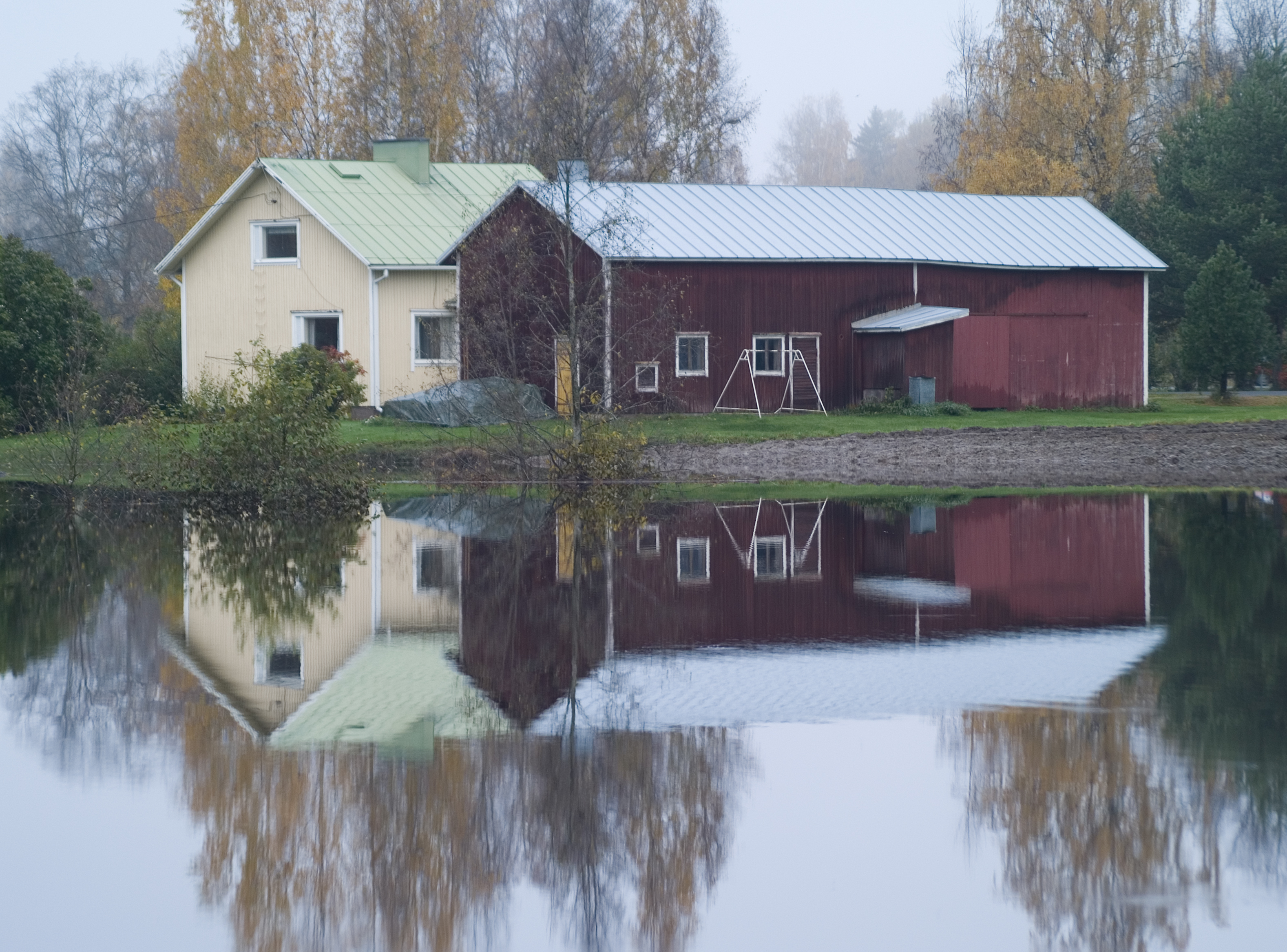
Region of Finland
| Field | Value |
|---|---|
| name | South Ostrobothnia |
| native_name | fi |
| sv | |
| official_name | Region of South Ostrobothnia |
| Etelä-Pohjanmaan maakunta | |
| Landskapet Södra Österbotten | |
| settlement_type | Region |
| image_flag | Flag of Southern Ostrobothnia.svg |
| flag_size | 75px |
| image_shield | Etelä-Pohjanmaan maakunnan vaakuna.svg |
| shield_size | 75px |
| image_map | Etelä-Pohjanmaa sijainti Suomi.svg |
| mapsize | 150px |
| map_caption | South Ostrobothnia on a map of Finland |
| coordinates | |
| subdivision_type | Country |
| subdivision_name | Finland |
| subdivision_type1 | Historical province |
| subdivision_name1 | Ostrobothnia, Satakunta |
| seat_type | Capital |
| seat | Seinäjoki |
| parts_type | Other towns |
| parts | Ähtäri, Alajärvi, Alavus, Kauhajoki, Kauhava, Kurikka and Lapua |
| area_total_km2 | 13999.63 |
| population_total | 191,762 |
| population_as_of | 2021 |
| population_density_km2 | auto |
| demographics_type1 | GDP |
| demographics1_footnotes | |
| demographics1_title1 | Total |
| demographics1_info1 | €5.856 billion (2015) |
| demographics1_title2 | Per capita |
| demographics1_info2 | €30,344 (2015) |
| blank_name_sec1 | NUTS |
| blank_info_sec1 | 194 |
| blank_name_sec2 | Regional animal |
| blank_info_sec2 | Red squirrel (Sciurus vulgaris) |
| blank1_name_sec2 | Regional bird |
| blank1_info_sec2 | Eurasian curlew (Numenius arquata) |
| blank2_name_sec2 | Regional fish |
| blank2_info_sec2 | European whitefish (Coregonus lavaretus) |
| blank3_name_sec2 | Regional flower |
| blank3_info_sec2 | Fireweed (Epilobium angustifolium) |
| blank4_name_sec2 | Regional stone |
| blank4_info_sec2 | Impactite |
| blank5_name_sec2 | Regional lake |
| blank5_info_sec2 | Lake Lappajärvi |
| iso_code | FI-03 |
| website | etelapohjanmaa.fi |
sv Etelä-Pohjanmaan maakunta Landskapet Södra Österbotten
South Ostrobothnia ( ; ) is one of the 19 regions of Finland. It borders the regions of Ostrobothnia, Central Ostrobothnia, Central Finland, Pirkanmaa, and Satakunta. Among the Finnish regions, South Ostrobothnia is the ninth largest in terms of population. Seinäjoki is the regional centre and by far the largest city in the area.
As a cultural area, South Ostrobothnia is larger than its current regional borders and includes the region of Ostrobothnia as well.
Geography
The natural landscape of South Ostrobothnia is mainly expanses, which is Finland's largest plain area. South Ostrobothnia is connected to the coastal region of the Gulf of Bothnia in the west, to the river country of Central Ostrobothnia in the north, and to Suomenselkä in the east and south, which is the watershed between the regions of Ostrobothnia and Finnish Lakeland. The land surface rises gently from the coast inland, and the 100-meter height level is reached about 100 kilometers from the coast.
The river valleys of South Ostrobothnia have traditionally been flood-prone areas.
History
South Ostrobothnia had its first permanent settlements during the Iron Age. Swedish control began in the 12th century, leaving a lasting impact on the region's cultural identity. Swedish remains a spoken language alongside Finnish. In 1809, Finland, including South Ostrobothnia, became part of the Russian Empire as the Grand Duchy of Finland. The region endured hardships during the tumultuous 19th century, including the Crimean War (1853–1856) and the throes of industrialization. The early 19th century also saw the rise of religious revival movements like Pietism, shaping the region's social fabric. Finland gained independence in 1917, and South Ostrobothnia played a role in the nation-building process. The 20th century witnessed significant industrial development, with metalworking, machinery, and electronics becoming major contributors to the economy. Despite the devastation of the Winter War (1939–1945) against the Soviet Union, the region persevered. Since the mid-20th century, the economy has diversified, with the service sector playing an increasingly important role.
Historical provinces
Culture

Regional and historical sub-tribal identity is generally stronger in South Ostrobothnia than in most regions of Finland.
The South Ostrobothnian dialect belongs to the western Finnish dialects. However, in the most eastern part of the region people speak a Savonian dialect that has Ostrobothnian elements.
One of the biggest rock festivals in Finland, Provinssirock, and the world's oldest tango festival Tangomarkkinat are both held in Seinäjoki. The folk music festival Eteläpohjalaiset Spelit is held annually in different South Ostrobothnian locations and the opera and music festival Ilmajoen Musiikkijuhlat is held in Ilmajoki. Many of the cultural events in South Ostrobothnia are rooted in local folk festivals and communal work.
There are several local folk costumes. Jussipaita is a traditional sweater that has become a symbol for South Ostrobothnian identity.

Notable architecture in South Ostrobothnia include the Lakeuden Risti Church and other buildings in the Aalto Centre in Seinäjoki designed by the South Ostrobothnian-born architect Alvar Aalto. A traditional peasant house, ”pohjalaistalo” (Ostrobothnian house), is a part of the local folk culture.
South Ostrobothnia is known for its agriculture and animal husbandry. Traditional local cuisine include leipäjuusto and kropsu, an Ostrobothnian pancake.
Municipalities
Main article: Municipalities of South Ostrobothnia
The region of South Ostrobothnia consists of 18 municipalities, eight of which have city status (marked in bold).
Municipalities on the map
kunta](satakunta)|label_size=80|link=Satakunta}} maa](pirkanmaa)|label_size=80|link=Pirkanmaa}} Finland](central-finland)|label_size=80|link=Central Finland}} Ostrobothnia](central-ostrobothnia)|label_size=80|link=Central Ostrobothnia}} bothnia](ostrobothnia-administrative-region)*|label_size=80|link=Ostrobothnia (administrative region)}}
Sub-regions
Järviseutu sub-region
- [[File:Alajärvi.vaakuna.svg|23px]] Alajärvi
- [[File:Evijärvi.svg|23px]] Evijärvi
- [[File:Lappajärvi.vaakuna.svg|23px]] Lappajärvi
- [[File:Soini.vaakuna.svg|23px]] Soini
- [[File:Vimpeli.vaakuna.svg|23px]] Vimpeli Kuusiokunnat sub-region
- [[File:Töysä.vaakuna.svg|23px]] Alavus
- [[File:Kuortane.vaakuna.svg|23px]] Kuortane
- [[File:Ähtäri.vaakuna.svg|23px]] Ähtäri Seinäjoki sub-region
- [[File:Ilmajoki.vaakuna.svg|23px]] Ilmajoki
- [[File:Isokyrö.vaakuna.svg|23px]] Isokyrö
- [[File:Kauhava.vaakuna.2009.svg|23px]] Kauhava
- [[File:Kurikka.vaakuna.2009.svg|23px]] Kurikka
- [[File:Lapua.vaakuna.svg|23px]] Lapua
- [[File:Seinäjoki.vaakuna.svg|23px]] Seinäjoki Suupohja sub-region
- [[File:Isojoki.vaakuna.svg|23px]] Isojoki
- [[File:Karijoki.vaakuna.svg|23px]] Karijoki
- [[File:Kauhajoki.vaakuna.svg|23px]] Kauhajoki
- [[File:Teuva.vaakuna.svg|23px]] Teuva
List of municipalities
| Coat of | |||||||||||||||
|---|---|---|---|---|---|---|---|---|---|---|---|---|---|---|---|
| arms | Municipality | Population | Land area | ||||||||||||
| (km2) | Density | ||||||||||||||
| (/km2) | Finnish | ||||||||||||||
| speakers | Swedish | ||||||||||||||
| speakers | Other | ||||||||||||||
| speakers | Total | % | % | % | |||||||||||
| [[File:Alajärvi.vaakuna.svg | 50px | border | coat of arms of Alajärvi]] | Alajärvi | % | % | % | ||||||||
| [[File:Töysä.vaakuna.svg | 50px | border | Coat of arms of Alavus]] | Alavus | % | % | % | ||||||||
| [[File:Evijärvi.svg | 50px | border | coat of arms of Evijärvi]] | Evijärvi | % | % | % | ||||||||
| [[File:Ilmajoki.vaakuna.svg | 50px | border | coat of arms of Ilmajoki]] | Ilmajoki | % | % | % | ||||||||
| [[File:Isojoki.vaakuna.svg | 50px | border | Coat of arms of Isojoki]] | Isojoki | % | % | % | ||||||||
| [[File:Isokyrö.vaakuna.svg | 50px | border | coat of arms of Isokyrö]] | Isokyrö | % | % | % | ||||||||
| [[File:Karijoki.vaakuna.svg | 50px | border | Coat of arms of Karijoki]] | Karijoki | % | % | % | ||||||||
| [[File:Kauhajoki.vaakuna.svg | 50px | border | coat of arms of Kauhajoki]] | Kauhajoki | % | % | % | ||||||||
| [[File:Kauhava.vaakuna.2009.svg | 50px | border | Coat of arms of Kauhava]] | Kauhava | % | % | % | ||||||||
| [[File:Kuortane.vaakuna.svg | 50px | border | Coat of arms of Kuortane]] | Kuortane | % | % | % | ||||||||
| [[File:Kurikka.vaakuna.2009.svg | 50px | border | Coat of arms of Kurikka]] | Kurikka | % | % | % | ||||||||
| [[File:Lappajärvi.vaakuna.svg | 50px | border | coat of arms of Lappajärvi]] | Lappajärvi | % | % | % | ||||||||
| [[File:Lapua.vaakuna.svg | 50px | border | Coat of arms of Lapua]] | Lapua | % | % | % | ||||||||
| [[File:Seinäjoki.vaakuna.svg | 50px | border | Coat of arms of Seinäjoki]] | Seinäjoki | % | % | % | ||||||||
| [[File:Soini.vaakuna.svg | 50px | border | Coat of arms of Soini]] | Soini | % | % | % | ||||||||
| [[File:Teuva.vaakuna.svg | 50px | border | coat of arms of Teuva]] | Teuva | % | % | % | ||||||||
| [[File:Vimpeli.vaakuna.svg | 50px | border | Coat of arms of Vimpeli]] | Vimpeli | % | % | % |
Demographics
|1972|200137 |1975|196746 |1980|201152 |1985|206209 |1990|207010 |1995|206136 |2000|200766 |2005|198856 |2010|198469 |2015|197371 |2020|192150 |2021|191762
South Ostrobothnia is the most homogenous region in Finland, with the highest share of the population speaking Finnish (97.1%) and the lowest share of people with a foreign-background (2.7%). Swedish is spoken by 637 people (0.3%). The highest shares of Swedish-speakers are in Evijärvi (2%) and Karijoki (1.6%), both of which border majority Swedish-speaking municipalities in the region of Ostrobothnia. The most spoken immigrant languages are Russian (0.5%), Estonian (0.4%), Ukrainian (0.2%), Hungarian (0.2%) and Thai (0.1%).
South Ostrobothnia has the highest proportion of people who belong to the Evangelical Lutheran Church of Finland out of any region, at 82.8%. It also has the fourth highest dependency ratio at 74.3, higher than the national average of 62.4. The region has a higher proportion of people aged 0-14 and those aged 65 and over than the national average. The proportion of people in the working age (aged 15-64) is one of the lowest in the country. Kauhajoki in South Ostrobothnia is estimated to have the highest proportion of Finnish Kale in Finland, at 5%. In 2019, the city of Seinäjoki became one of the first in the country to fly the Romani flag during International Romani Day.
Population by background country as of 31 December 2021:
- Finland 186,604 (97.31%)
- Russia 1,026 (0.54%)
- Estonia 636 (0.33%)
- Ukraine 291 (0.15%)
- Hungary 286 (0.15%)
- Turkey 261 (0.14%)
- Thailand 254 (0.13%)
- Sweden 191 (0.10%)
- Poland 135 (0.07%)
- Iraq 130 (0.07%)
- Myanmar 129 (0.07%)
- Romania 110 (0.06%) Other 1,709 (0.89%)
Politics
Results of the 2019 Finnish parliamentary election in South Ostrobothnia:
- Centre Party 31.66%
- Finns Party 22.02%
- National Coalition Party 17.64%
- Social Democratic Party 10.79%
- Christian Democrats 6.39%
- Green League 4.22%
- Left Alliance 2.81%
- Blue Reform 1.82%
- Swedish People's Party 0.41%
- Seven Star Movement 0.37%
- Other parties 1.87%
References
References
- [http://stats.oecd.org/ Regions and Cities > Regional Statistics > Regional Economy > Regional GDP per Capita], OECD.Stats. Retrieved 16 November 2018.
- "Luokitus: Maakunnat 2022 | Tilastokeskus".
- https://www.epliitto.fi/vakiluku (in Finnish)
- "Väestö".
- "Etelä-Pohjanmaata ja pohjalaisia {{!}} Elävä arkisto {{!}} yle.fi".
- (1986). "Finlandia: Otavan iso maammekirja 7. Etelä-Pohjanmaa". Viiskunta Oy.
- Hyvärinen, Pekka. (1987). "Näe ja koe Suomi: matka kauneimpiin maisemiin". Yhtyneet Kuvalehdet.
- "Tulvat Pohjalaismaakunnissa".
- "Studies on Finnish attitudes and identities {{!}} The Finnish Cultural Foundation".
- "Suomen murteet".
- Tervonen, Riikka. "Järviseudun murre – itäinen kiila pohjalaismurteiden välissä".
- Pirkko, Kotirinta. (1994-07-01). "Eteläpohjalaisia Spelejä soitetaan nyt Jalasjärvellä".
- "Ilmajoen musiikkijuhlat - Visit Ilmajoki".
- Etelä-Pohjanmaan liitto (2014): ''Etelä-Pohjanmaa − Jotakin parempaa – Etelä-Pohjanmaan kulttuuristrategia vuosille 2015–2020'', pp. 5–9.
- "Etelä-Pohjanmaan kansallispuvut – Etelä-Pohjanmaan Nuorisoseura".
- Luutonen, Marketta (2008): Harrin Jussin muisto: Jussipaita suomalaismiehen rooliasuna ''Oppimista, opetusta, monitieteisyyttä - Kirjoituksia Kuninkaankartanonmäeltä''. Joensuun yliopisto, Savonlinnan opettajankoulutuslaitos.
- Niemistö, Elina. (2020-12-29). "Moni vieroksui Alvar Aaltoa, eikä "funkkislaatikko" ollut kelvata kirkoksi – pohjalaisesta uhosta syntyi kuitenkin Lakeuden risti".
- Riukulehto, Sulevi; Mäkelä, Matti; Orhanen, Outi & Lehtimäki, Anni: Pohjalaistalot – yhteistä kulttuuriperintöämme. Helsingin yliopisto, Ruralia-instituutti, 2014.
- "Maakuntien ruokaperinteitä".
- "Language according to age and sex by region, 1990-2021".
- "Key figures on population by region, 1990-2021".
- "Romanit hajautuneet kuten valtaväestökin – Kauhajoki on Suomen suurin romanipitäjä".
- "Monien vieroksuma lippu nousee Seinäjoen kaupungin salkoon romanien kansallispäivänä – romaniaktiivi: "Olen aivan hämmentynyt"".
- "Origin and background country according to age group and sex by region, 1990-2021".
This article was imported from Wikipedia and is available under the Creative Commons Attribution-ShareAlike 4.0 License. Content has been adapted to SurfDoc format. Original contributors can be found on the article history page.
Ask Mako anything about South Ostrobothnia — get instant answers, deeper analysis, and related topics.
Research with MakoFree with your Surf account
Create a free account to save articles, ask Mako questions, and organize your research.
Sign up freeThis content may have been generated or modified by AI. CloudSurf Software LLC is not responsible for the accuracy, completeness, or reliability of AI-generated content. Always verify important information from primary sources.
Report