From Surf Wiki (app.surf) — the open knowledge base
Solo (music)
Performance by a single musician
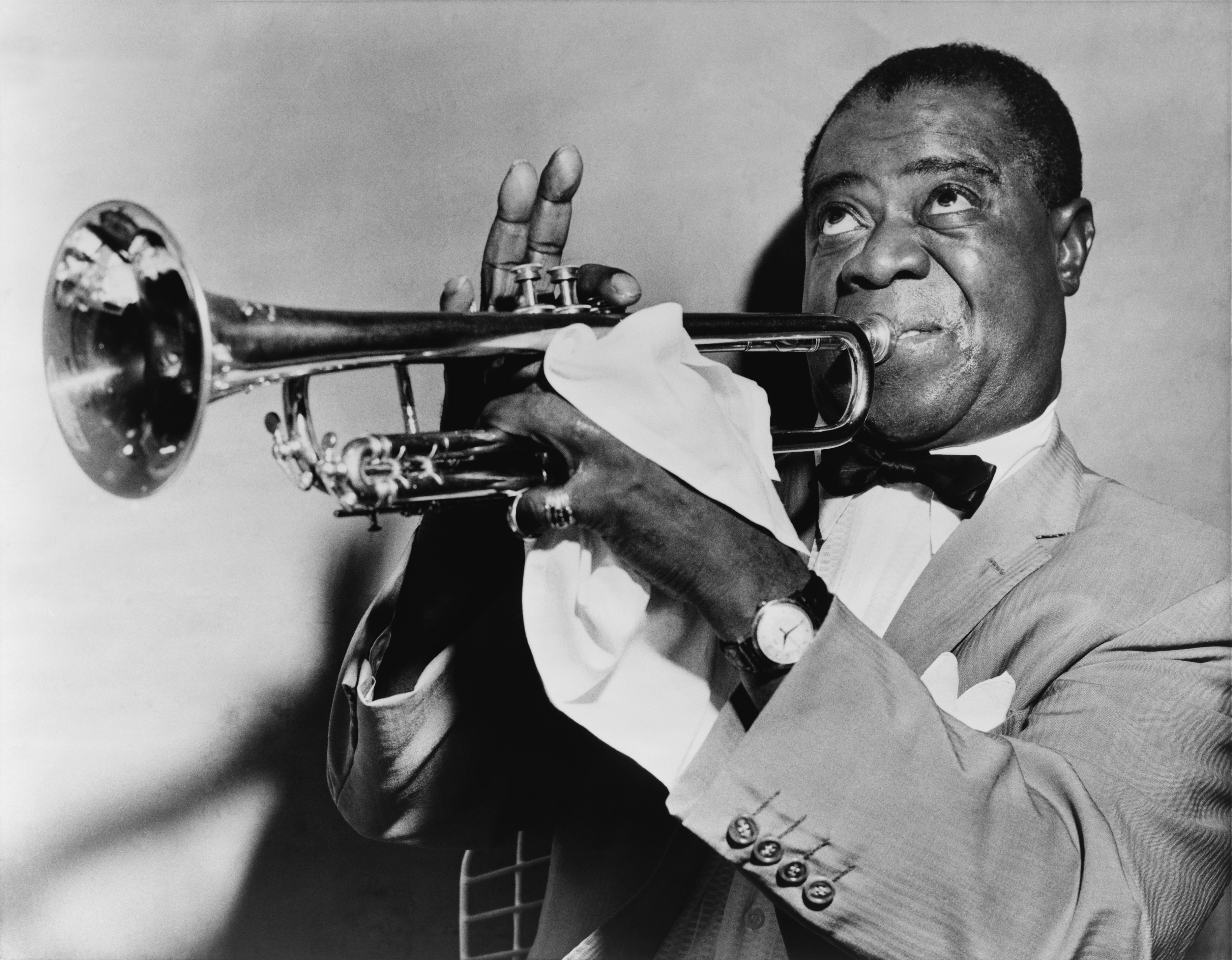
Performance by a single musician
In music, a solo () is a piece or a section of a piece played or sung featuring a single performer, who may be performing completely alone or supported by an accompanying instrument such as a piano or organ, a continuo group (in Baroque music), or the rest of a choir, orchestra, band, or other ensemble. Performing a solo is "to solo", and the performer is known as a soloist.
The plural is soli or the anglicised form solos. In some contexts these are interchangeable, but soli tends to be restricted to classical music, and mostly either the solo performers or the solo passages in a single piece. Furthermore, the word soli can be used to refer to a small number of simultaneous parts assigned to single players in an orchestral composition. In the Baroque concerto grosso, the term for such a group of soloists was concertino.
An instrumental solo is often used in popular music during a break or bridge to add interest and variety to a part of the song without lyrics.
History
18th century
In the Baroque and Classical periods, the word solo was virtually equivalent to sonata, and could refer either to a piece for one melody instrument with (continuo) accompaniment, or to a sonata for an unaccompanied melody instrument, such as Johann Sebastian Bach's sonatas for violin alone.
Sources
References
- David Fuller, "Solo", ''The New Grove Dictionary of Music and Musicians'', second edition, edited by [[Stanley Sadie]] and [[John Tyrrell (professor of music). John Tyrrell]] (London: Macmillan Publishers, 2001).
This article was imported from Wikipedia and is available under the Creative Commons Attribution-ShareAlike 4.0 License. Content has been adapted to SurfDoc format. Original contributors can be found on the article history page.
Ask Mako anything about Solo (music) — get instant answers, deeper analysis, and related topics.
Research with MakoFree with your Surf account
Create a free account to save articles, ask Mako questions, and organize your research.
Sign up freeThis content may have been generated or modified by AI. CloudSurf Software LLC is not responsible for the accuracy, completeness, or reliability of AI-generated content. Always verify important information from primary sources.
Report