From Surf Wiki (app.surf) — the open knowledge base
Skylake (microarchitecture)
CPU microarchitecture by Intel
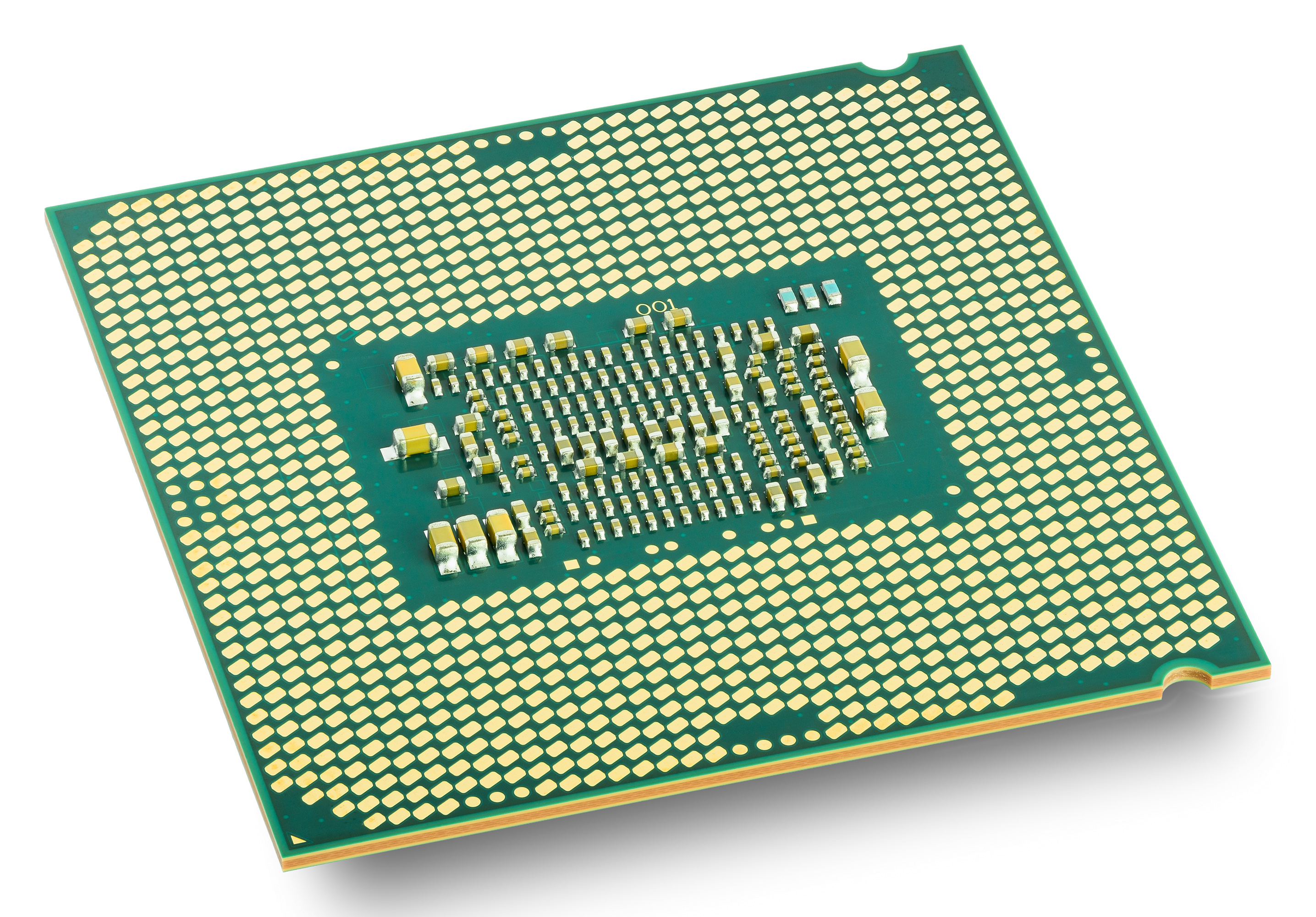
CPU microarchitecture by Intel
| Field | Value |
|---|---|
| name | Skylake |
| image | Image:Intel_CPU_Core_i7_6700K_Skylake_top.jpg |
| caption | Intel Core i7-6700K with four physical cores |
| produced-start | |
| produced-end | (desktop processors) |
| soldby | Intel |
| designfirm | Intel |
| manuf1 | Intel |
| cpuid | 0406e3h, 0506e3h |
| code | |
| l1cache | 64KB per core (32 KB instructions + 32 KB data) |
| l2cache | 256KB per core |
| (1MB per core for Skylake-X, SP, and W) | |
| l3cache | Up to 38.5MB shared |
| l4cache | 128MB of eDRAM (on Iris Pro models) |
| size-from | 14 nm bulk silicon 3D transistors (Tri-Gate) |
| microarch | Skylake |
| arch | x86-16, IA-32, x86-64 |
| extensions | AES-NI, CLMUL, RDRAND, MPX, TXT, SGX |
| extensions1 | MMX, SSE, SSE2, SSE3, SSSE3, SSE4, SSE4.1, SSE4.2, ADX |
| extensions2 | AVX, AVX2, AVX-512 (Skylake-SP, Skylake-W & Skylake-X), TSX, FMA3 |
| extensions3 | VT-x, VT-d |
| sock1 | Desktop |
| sock2 | Server & Workstation |
| sock3 | Mobile |
| numcores | 2–28 |
| clock | Up to 5.0 GHz |
| pcode1 | SKL |
| brand1 | |
| predecessor | Broadwell (tick/process) |
| successor | |
| support status | Client: Unsupported as of December 30, 2022 for iGPU |
| Xeon E3 v5: Unsupported as of December 30, 2022 for iGPU | |
| Other Xeon: supported |
| produced-start = | produced-end = (desktop processors) (1MB per core for Skylake-X, SP, and W) | size-from = 14 nm bulk silicon 3D transistors (Tri-Gate) Xeon E3 v5: Unsupported as of December 30, 2022 for iGPU Other Xeon: supported Skylake is Intel's codename for its sixth generation Core microprocessor family that was launched on August 5, 2015, succeeding the Broadwell microarchitecture. Skylake is a microarchitecture redesign using the same 14 nm manufacturing process technology as its predecessor, serving as a tock in Intel's tick–tock manufacturing and design model. According to Intel, the redesign brings greater CPU and GPU performance and reduced power consumption. Skylake CPUs share their microarchitecture with Kaby Lake, Coffee Lake, Whiskey Lake, and Comet Lake CPUs.
Skylake is the last Intel platform on which Windows versions earlier than Windows 10 are officially supported by Microsoft, although enthusiast-created modifications are available that disabled the Windows Update check and allowed Windows 8.1 and earlier to continue to receive Windows Updates on this and later platforms.
Some of the processors based on the Skylake microarchitecture are marketed as sixth-generation Core.
Intel officially declared end of life and discontinued Skylake LGA 1151 CPUs (except i3-6100, i5-6500, and Xeon E3 v5) on March 4, 2019.
Development history
Skylake's development, as with previous processors such as Banias, Dothan, Conroe, Sandy Bridge, and Ivy Bridge, was primarily undertaken by Intel Israel at its engineering research center in Haifa, Israel. The final design was largely an evolution of Haswell, with minor improvements to performance and several power-saving features being added. A major priority of Skylake's design was to design a microarchitecture for envelopes as low as 4.5W to embed within tablet computers and notebooks in addition to higher-power desktop computers and servers.
In September 2014, Intel announced the Skylake microarchitecture at the Intel Developer Forum in San Francisco, and that volume shipments of Skylake CPUs were scheduled for the second half of 2015. The Skylake development platform was announced to be available in Q1 2015. During the announcement, Intel also demonstrated two computers with desktop and mobile Skylake prototypes: the first was a desktop testbed system, running the latest version of 3DMark, while the second computer was a fully functional laptop, playing 4K video.
An initial batch of Skylake CPU models (i5-6600K and i7-6700K) was announced for immediate availability during the Gamescom on August 5, 2015, unusually soon after the release of its predecessor, Broadwell, which had suffered from launch delays. Intel acknowledged in 2014 that moving from 22 nm (Haswell) to 14 nm (Broadwell) had been its most difficult process to develop yet, causing Broadwell's planned launch to slip by several months; yet, the 14 nm production was back on track and in full production as of Q3 2014. Industry observers had initially believed that the issues affecting Broadwell would also cause Skylake to slip to 2016, but Intel was able to bring forward Skylake's release and shorten Broadwell's release cycle instead. As a result, the Broadwell architecture had an unusually short run.
Overclocking of unsupported processors
Officially Intel supported overclocking of only the K and X versions of Skylake processors. However, it was later discovered that other non-K chips could be overclocked by modifying the base clock value – a process made feasible by the base clock applying only to the CPU, RAM, and integrated graphics on Skylake. Through beta UEFI firmware updates, some motherboard vendors, such as ASRock (which prominently promoted it under the name Sky OC) allowed the base clock to be modified in this manner.
When overclocking unsupported processors using these UEFI firmware updates, several issues arise: C-states are disabled, therefore the CPU will constantly run at its highest frequency and voltage Turbo-boost is disabled Integrated graphics are disabled AVX2 instruction performance is poor, approximately 4-5 times slower due to the upper 128-bit half of the execution units and data buses not being taken out of their power saving states CPU core temperature readings are incorrect These issues are partly caused by the power management of the processor needing to be disabled for base clock overclocking to work.
In February 2016, however, an ASRock firmware update removed the feature. On February 9, 2016, Intel announced that it would no longer allow such overclocking of non-K processors, and that it had issued a CPU microcode update that removes the function. In April 2016, ASRock started selling motherboards that allow overclocking of unsupported CPUs using an external clock generator.
Operating system support
In January 2016, Microsoft announced that it would end support of Windows 7 and Windows 8.1 on Skylake processors effective July 17, 2017; after this date, only the most critical updates for the two operating systems would be released for Skylake users if they have been judged not to affect the reliability of the OS on older hardware (until July 31, 2019; August 2019 critical update requires at least Windows 10), and Windows 10 would be the only Microsoft Windows platform officially supported on Skylake and on later Intel CPU microarchitectures beginning with Skylake's successor Kaby Lake. Terry Myerson stated that Microsoft had to make a large investment in order to reliably support Skylake on older versions of Windows, and that future generations of processors would require further investments. Microsoft also stated that due to the age of the platform, it would be challenging for newer hardware, firmware, and device driver combinations to properly run under Windows 7.
On March 18, 2016, in response to criticism over the move, primarily from enterprise customers, Microsoft announced revisions to the support policy, changing the cutoff for support and non-critical updates to July 17, 2018, and stating that Skylake users would receive all critical security updates for Windows 7 and 8.1 through the end of extended support. In August 2016, citing "a strong partnership with our OEM partners and Intel", Microsoft stated that it would continue to fully support 7 and 8.1 on Skylake through the end of their respective lifecycles. In addition, an enthusiast-created modification was released that disabled the Windows Update check and allowed Windows 8.1 and earlier to continue to be updated on this and later platforms.
As of Linux kernel 4.10, Skylake mobile power management is supported with most Package C states supported seeing some use. Linux 4.11 enables Frame-Buffer Compression for the integrated graphics chipset by default, which lowers power consumption.
Skylake is fully supported on OpenBSD 6.2 and later, including accelerated graphics.
For Windows 11, only the high-end Skylake-X processors are officially listed as compatible. All other Skylake processors are not officially supported due to security concerns. However, it is still possible to manually upgrade using an ISO image (as Windows 10 users on those processors will not be offered to upgrade to Windows 11 via Windows Update), or perform a clean installation as long as the system has Trusted Platform Module (TPM) 2.0 enabled, but the user must accept that they will not be entitled to receive updates, and that damage caused by using Windows 11 on an unsupported configuration are not covered by the manufacturer's warranty.
{{Anchor|SUNRISE-POINT}}Features

Like its predecessor, Broadwell, Skylake is available in five variants, identified by the suffixes S (SKL-S), X (SKL-X), H (SKL-H), U (SKL-U), and Y (SKL-Y). SKL-S and SKL-X contain overclockable K and X variants with unlocked multipliers. The H, U and Y variants are manufactured in ball grid array (BGA) packaging, while the S and X variants are manufactured in land grid array (LGA) packaging using a new socket, LGA 1151 (LGA 2066 for Skylake X). Skylake is used in conjunction with Intel 100 Series chipsets, also known as Sunrise Point.
The major changes between the Haswell and Skylake architectures include the removal of the fully integrated voltage regulator (FIVR) introduced with Haswell. On the variants that will use a discrete Platform Controller Hub (PCH), Direct Media Interface (DMI) 2.0 is replaced by DMI 3.0, which allows speeds of up to 8 GT/s.
Skylake's U and Y variants support one DIMM slot per channel, while H and S variants support two DIMM slots per channel. Skylake's launch and sales lifespan occur at the same time as the ongoing SDRAM market transition, with DDR3 SDRAM memory gradually being replaced by DDR4 SDRAM. Rather than working exclusively with DDR4, the Skylake microarchitecture remains backward compatible by interoperating with both types of memory. Accompanying the microarchitecture's support for both memory standards, a new SO-DIMM type capable of carrying either DDR3 or DDR4 memory chips, called UniDIMM, was also announced.{{cite web
Skylake's few P variants have a reduced on-die graphics unit (12 execution units enabled instead of 24 execution units) over their direct counterparts; see the table below. In contrast, with Ivy Bridge CPUs the P suffix was used for CPUs with completely disabled on-die video chipset.
Other enhancements include Thunderbolt 3.0, Serial ATA Express, Iris Pro graphics with Direct3D feature level 12_1 with up to 128 MB of L4 eDRAM cache on certain SKUs. The Skylake line of processors retires VGA support, while supporting up to three monitors connected via HDMI 1.4, DisplayPort 1.2 or Embedded DisplayPort (eDP) interfaces. HDMI 2.0 (4K@60 Hz) is only supported on motherboards equipped with Intel's Alpine Ridge Thunderbolt controller.
The Skylake instruction set changes include Intel MPX (Memory Protection Extensions) and Intel SGX (Software Guard Extensions). Xeon variants also support Advanced Vector Extensions 3.2 (AVX-512F).
Skylake-based laptops were predicted to use wireless technology called Rezence for charging, and other wireless technologies for communication with peripherals. Many major PC vendors agreed to use this technology in Skylake-based laptops; however, no laptops were released with the technology as of 2019.
The integrated GPU of Skylake's S variant supports DirectX 12 Feature Level 12_1 on Windows, OpenGL 4.6 with a Windows 10 driver update and on Linux, and OpenCL 3.0 standards. The Quick Sync video engine now includes support for VP9 (GPU accelerated decode only), VP8 and HEVC (hardware accelerated 8-bit encode/decode and GPU accelerated 10-bit decode), and supports for resolutions up to 40962048.
Intel also released unlocked (overclocking capable) mobile Skylake CPUs.
Unlike previous generations, Skylake-based Xeon E3 no longer works with a desktop chipset that supports the same socket, and requires either the C232 or the C236 chipset to operate.
Starting from Skylake, Intel removed IDE mode of SATA and EHCI controllers from its client platform chipsets.
Known issues
Short loops with a specific combination of instruction use may cause unpredictable system behavior on CPUs with hyperthreading. A microcode update was issued to fix the issue.
Skylake is vulnerable to Spectre attacks. In fact, it is more vulnerable than other processors because it uses indirect branch speculation not just on indirect branches but also when the return prediction stack underflows.
The latency for the spinlock instruction has been increased dramatically (from the usual 10 cycles to 141 cycles in Skylake), which can cause performance issues with older programs or libraries using pause instructions. Intel documents the increased latency as a feature that improves power efficiency.
Architecture changes compared to [[Broadwell (microarchitecture)|Broadwell]] microarchitecture
CPU
- Improved front-end, deeper out-of-order buffers, improved execution units, more execution units (third vector integer ALU(VALU)) for five ALUs in total, more load/store bandwidth, improved hyper-threading (wider retirement), speedup of AES-GCM and AES-CBC by 17% and 33% accordingly.
- Up to four cores as the default mainstream configuration and up to 18 cores for X-series
- AVX-512: F, CD, VL, BW, and DQ for Xeon Scalable and W variants, but not Xeon E3
- Intel Memory Protection Extensions (MPX)
- Intel Software Guard Extensions (SGX)
- Intel Transactional Synchronization Extensions (Disabled in 2021)
- Intel Speed Shift
- Larger re-order buffer (224 entries, up from 192)
- L2 cache was changed from 8-way to 4-way set associative
- Voltage regulator module (FIVR) is moved back to the motherboard
- Enhancements of Intel Processor Trace: fine-grained timing through CYC packets (cycle-accurate mode) and support for Instruction Pointer (IP) address filtering.
- 64 to 128 MB L4 eDRAM cache on certain SKUs
- Add C10 C-states on certain SKUs (mobile)
GPU
- Skylake's integrated Gen9 GPU supports Direct3D 12 at feature level 12_1
- OpenGL 4.6 support on both Windows and Linux
- Vulkan 1.3 support (1.4 on Linux by Mesa 25.0 and intel ANV driver)
- Full fixed function HEVC Main/8bit encoding(only 4:2:0) and decoding acceleration (Level 5.1).
- Hybrid/Partial HEVC Main10/10bit decoding acceleration.
- Partial VP9 decoding acceleration.
- JPEG encoding acceleration for resolutions up to 16,000×16,000 pixels.
- Offloading some media decoding functionality to HEVC/H.265 micro controller (HuC)
- Frame Buffer Compression (FBC)
- Up to 72 Execution Units (from 48)
- Add Multiplane Overlay (MPO)
- 16-bit float support
I/O
- LGA 1151 socket for mainstream desktop processors and LGA 2066 socket for enthusiast gaming/workstation X-series processors
- 100-series chipset (Sunrise Point) and 200-series chipset (Union Point)
- X-series uses X299-series chipset
- DMI 3.0 (From DMI 2.0)
- Support for both DDR3L SDRAM and DDR4 SDRAM in mainstream variants, using custom UniDIMM SO-DIMM form factor with up to 64 GB of RAM on LGA 1151 variants. Usual DDR3 memory is also supported by certain motherboard vendors even though Intel does not officially support it.
- Support for 16 PCI Express 3.0 lanes from CPU, 20 PCI Express 3.0 lanes from PCH (LGA 1151), 44 PCI Express 3.0 lanes for Skylake-X
- Support for Thunderbolt 3 (Alpine Ridge)
- NVMe PCIe 3.0 x4 support through chipset
Other
- Thermal design power (TDP) up to 95 W (LGA 1151); up to 165 W (LGA 2066)
- 14 nm manufacturing process
Configurations
Skylake processors are produced in seven main families: Y, U, H, S, X, W, and SP. Multiple configurations are available within each family:
| Feature | Family | Y | U | H | T | S | R | X | W | SP |
|---|---|---|---|---|---|---|---|---|---|---|
| Max cores | 2 | 4 | 18 | 28 | ||||||
| Integrated L4 cache (eDRAM) | • | • | • | |||||||
| Low-power mobile/embedded systems | • | • | • | • | ||||||
| Socket | BGA | LGA 1151 | LGA 2066 | LGA 3647 | ||||||
| LPDDR3 SDRAM | • | • | • | |||||||
| DDR3L SDRAM | • | • | • | • | • | • | ||||
| DDR4 SDRAM | • | • | • | • | • | • | • | |||
| 128 GB to 1.5 TB of physical RAM | • | • | •+ | |||||||
| 28 to 44 PCIe 3.0 lanes | • | • | • |
List of Skylake processor models
.jpg)
Mainstream desktop processors
Common features of the mainstream desktop Skylake CPUs:
- DMI 3.0 and PCIe 3.0 interfaces
- Dual-channel memory support in the following configurations: DDR3L-1600 1.35 V (32 GB maximum) or DDR4-2133 1.2 V (64 GB maximum). DDR3 is unofficially supported through some motherboard vendors
- 16 PCIe 3.0 lanes
- The Core-branded processors support the AVX2 instruction set. The Celeron and Pentium-branded ones only support up to SSE4.2
- 350 MHz base graphics clock rate
| Processor | ||||||||||||||||||||
|---|---|---|---|---|---|---|---|---|---|---|---|---|---|---|---|---|---|---|---|---|
| brandingand model | Cores(threads) | Clock rate (GHz) | GPU | Cache | TDP | Socket | Release | |||||||||||||
| date | Release | |||||||||||||||||||
| price | ||||||||||||||||||||
| (USD) | Base | Turbo Boost 2.0 | Model | EUs | Maxfreq.****(GHz) | L2 | L3 | L4 | ||||||||||||
| (eDRAM) | 1 | 2 | 4 | |||||||||||||||||
| Core i7 | 6700K | 4 (8) | 4.0 | 4.2 | 4.0 | HD 530 | 24 | 1.15 | 1MB | 8MB | 91W | LGA 1151 | August 5, 2015 | $339 | ||||||
| 6785R | 3.3 | 3.9 | 3.8 | 3.5 | Iris Pro 580 | 72 | 128MB | 65W | BGA 1440 | May 3, 2016 | $370 | |||||||||
| 6700 | 3.4 | 4.0 | 3.9 | 3.7 | HD 530 | 24 | rowspan="3" | LGA 1151 | September 1, 2015 | $303 | ||||||||||
| 6700T | 2.8 | 3.6 | 3.5 | 3.4 | 35W | |||||||||||||||
| Core i5 | 6600K | 4 (4) | 3.5 | 3.9 | 3.8 | 3.6 | 6MB | 91W | August 5, 2015 | $242 | ||||||||||
| 6685R | 3.2 | 3.8 | 3.7 | 3.3 | Iris Pro 580 | 72 | 128MB | 65W | BGA 1440 | May 3, 2016 | $288 | |||||||||
| 6600 | 3.3 | 3.9 | 3.8 | 3.6 | HD 530 | 24 | LGA 1151 | September 1, 2015 | $213 | |||||||||||
| 6585R | 2.8 | 3.6 | 3.5 | 3.1 | Iris Pro 580 | 72 | 1.1 | 128MB | BGA 1440 | May 3, 2016 | $255 | |||||||||
| 6500 | 3.2 | 3.3 | HD 530 | 24 | 1.05 | rowspan="22" | LGA 1151 | September 1, 2015 | $192 | |||||||||||
| 6600T | 2.7 | 3.5 | 3.4 | 1.1 | 35W | Q3 2015 | $213 | |||||||||||||
| 6500T | 2.5 | 3.1 | 3.0 | 2.8 | $192 | |||||||||||||||
| 6402P | 2.8 | 3.4 | 3.2 | HD 510 | 12 | 0.95 | 65W | December 27, 2015 | $182 | |||||||||||
| 6400T | 2.2 | 2.8 | 2.7 | 2.5 | HD 530 | 24 | 35W | Q3 2015 | ||||||||||||
| 6400 | 2.7 | 3.3 | 3.1 | 65W | August 5, 2015 | |||||||||||||||
| Core i3 | 6320 | 2 (4) | 3.9 | rowspan="16" colspan="3" | 1.15 | 512KB | 4MB | 51W | Q3 2015 | $149 | ||||||||||
| 6300 | 3.8 | $138 | ||||||||||||||||||
| 6100 | 3.7 | 1.05 | 3MB | October 2015 | $117 | |||||||||||||||
| 6300T | 3.3 | 0.95 | 4MB | 35W | $138 | |||||||||||||||
| 6100T | 3.2 | 3MB | $117 | |||||||||||||||||
| 6098P | 3.6 | HD 510 | 12 | 1.050 | 54W | December 27, 2015 | ||||||||||||||
| Pentium | G4520 | 2 (2) | HD 530 | 24 | 51W | October 2015 | $86 | |||||||||||||
| G4500 | 3.5 | $75 | ||||||||||||||||||
| G4500T | 3.0 | 0.95 | 35W | Q3 2015 | ||||||||||||||||
| G4400 | 3.3 | HD 510 | 12 | 1.0 | 54W | October 2015 | $64 | |||||||||||||
| G4400T | 2.9 | 0.95 | 35W | Q3 2015 | ||||||||||||||||
| G4400TE | 2.4 | Q4 2015 | $70 | |||||||||||||||||
| Celeron | G3920 | 2.9 | 2MB | 51W | $52 | |||||||||||||||
| G3900 | 2.8 | $42 | ||||||||||||||||||
| G3900TE | 2.3 | 35W | ||||||||||||||||||
| G3900T | 2.6 |
High-end desktop processors (Skylake-X)
Common features of the high-performance Skylake-X CPUs:
- In addition to the AVX2 instruction set, they also support the AVX-512 instructions
- No built-in iGPU (integrated graphics processor)
- Turbo Boost Max Technology 3.0 for up to two/four threads workloads for CPUs that have eight cores and more (7820X, 7900X, 7920X, 7940X, 7960X, 7980XE, and all ninth generation chips)
- A different cache hierarchy (when compared to client Skylake CPUs or previous architectures)
@i7-7820X@SR3L5_Stack-DSC09155-DSC09210_-_ZS-retouched_(28088639909).jpg)
| Processor | ||||||||||||||||
|---|---|---|---|---|---|---|---|---|---|---|---|---|---|---|---|---|
| brandingand model | Cores(threads) | Clock rate (GHz) | Cache | PCIelanes | Memorysupport | Socket | TDP | Release | ||||||||
| date | Release | |||||||||||||||
| price | ||||||||||||||||
| (USD) | Base | Turbo | L2 | L3 | 2.0 | 3.0 | ||||||||||
| Core i9 | 7980XE | 18 (36) | 2.6 | 4.2 | 4.4 | 18MB | 24.75MB | 44 | ||||||||
| PCIe 3.0 | DDR4-2666 | |||||||||||||||
| quad-channel | LGA 2066 | 165W | $1999 | |||||||||||||
| 7960X | 16 (32) | 2.8 | 16MB | 22MB | $1699 | |||||||||||
| 7940X | 14 (28) | 3.1 | 4.3 | 14MB | 19.25MB | $1399 | ||||||||||
| 7920X | 12 (24) | 2.9 | 12MB | 16.5MB | 140W | $1189 | ||||||||||
| 7900X | 10 (20) | 3.3 | 4.5 | 10MB | 13.75MB | $999 | ||||||||||
| Core i7 | 7820X | 8 (16) | 3.6 | 8MB | 11MB | 28 | ||||||||||
| PCIe 3.0 | $599 | |||||||||||||||
| 7800X | 6 (12) | 3.5 | 4.0 | 6MB | 8.25MB | DDR4-2400 | ||||||||||
| quad-channel | $389 |
| Processor | ||||||||||||||||
|---|---|---|---|---|---|---|---|---|---|---|---|---|---|---|---|---|
| branding and model | Cores(threads) | Clock rate (GHz) | Cache | PCIelanes | Memorysupport | Socket | TDP | Release | ||||||||
| date | Release | |||||||||||||||
| price | ||||||||||||||||
| (USD) | Base | Turbo Boost | L2 | L3 | 2.0 | 3.0 | ||||||||||
| Core i9 | 9990XE | 14 (28) | 4.0 | 5.0 | 5.0 | 14MB | 19.25MB | 44 | ||||||||
| PCIe 3.0 | DDR4-2666 | |||||||||||||||
| quad-channel | LGA 2066 | 255W | OEM | |||||||||||||
| 9980XE | 18 (36) | 3.0 | 4.4 | 4.5 | 18MB | 24.75MB | 165W | $1979 | ||||||||
| 9960X | 16 (32) | 3.1 | 16MB | 22MB | $1684 | |||||||||||
| 9940X | 14 (28) | 3.3 | 14MB | 19.25MB | $1387 | |||||||||||
| 9920X | 12 (24) | 3.5 | 12MB | $1189 | ||||||||||||
| 9900X | 10 (20) | 3.5 | 10MB | $989 | ||||||||||||
| 9820X | 3.3 | 4.1 | 4.2 | 16.5MB | $889 | |||||||||||
| Core i7 | 9800X | 8 (16) | 3.8 | 4.4 | 4.5 | 8MB | $589 |
Xeon high-end desktop processors (Skylake-X)
- Marketed as a Xeon
- Uses the C621 chipset
- Xeon W-3175X was the only Xeon with a multiplier officially unlocked for overclocking until the introduction of Sapphire Rapids-WS Xeon CPUs in 2023.
Mobile processors
For mobile workstation processors, see Server processors
| Processor | |||||||||||||||||||||
|---|---|---|---|---|---|---|---|---|---|---|---|---|---|---|---|---|---|---|---|---|---|
| branding and | |||||||||||||||||||||
| model | Cores | ||||||||||||||||||||
| (threads) | CPU | ||||||||||||||||||||
| clock | |||||||||||||||||||||
| rate | CPU Turbo clock rate | GPU | GPU clock rate | Cache | Max. | ||||||||||||||||
| PCIe | |||||||||||||||||||||
| lanes | TDP | cTDP | Release date | Price(USD) | Single | ||||||||||||||||
| core | Dual | ||||||||||||||||||||
| core | Quad | ||||||||||||||||||||
| core | Base | Turbo | L3 | L4(eDRAM) | Up | Down | |||||||||||||||
| Core i7 | 6970HQ | 4 (8) | 2.8 GHz | 3.7 GHz | colspan=2 | Iris Pro 580 | 350 MHz | 1050 MHz | 8 MB | 128 MB | 16 | 45 W | rowspan=9 | 35 W | Q1 2016 | $623 | |||||
| 6920HQ | 2.9 GHz | 3.8 GHz | 3.6 GHz | 3.4 GHz | HD 530 | September 1, 2015 | $568 | ||||||||||||||
| 6870HQ | 2.7 GHz | 3.6 GHz | colspan=2 | Iris Pro 580 | 1000 MHz | 128 MB | Q1 2016 | $434 | |||||||||||||
| 6820HQ | 3.4 GHz | 3.2 GHz | HD 530 | 1050 MHz | rowspan=2 | September 1, 2015 | $378 | ||||||||||||||
| 6820HK | |||||||||||||||||||||
| 6770HQ | 2.6 GHz | 3.5 GHz | colspan=2 | Iris Pro 580 | 950 MHz | 6 MB | 128 MB | Q1 2016 | $434 | ||||||||||||
| 6700HQ | 3.3 GHz | 3.1 GHz | HD 530 | 1050 MHz | September 1, 2015 | $378 | |||||||||||||||
| 6660U | 2 (4) | 2.4 GHz | 3.4 GHz | 3.2 GHz | rowspan=6 | Iris 540 | 300 MHz | 4 MB | 64 MB | 12 | 15 W | 9.5 W | Q1 2016 | $415 | |||||||
| 6650U | 2.2 GHz | Q3 2015 | |||||||||||||||||||
| 6600U | 2.6 GHz | HD 520 | 25 W | 7.5 W | September 1, 2015 | $393 | |||||||||||||||
| 6567U | 3.3 GHz | 3.6 GHz | 3.4 GHz | Iris 550 | 1100 MHz | 64 MB | 28 W | rowspan=17 | 23 W | Q3 2015 | TBD | ||||||||||
| 6560U | 2.2 GHz | 3.2 GHz | 3.1 GHz | Iris 540 | 1050 MHz | 15 W | 9.5 W | ||||||||||||||
| 6500U | 2.5 GHz | 3.1 GHz | 3.0 GHz | HD 520 | rowspan=2 | 7.5 W | September 1, 2015 | $393 | |||||||||||||
| Core i5 | 6440HQ | 4 (4) | 2.6 GHz | 3.5 GHz | 3.3 GHz | 3.1 GHz | HD 530 | 350 MHz | 950 MHz | 6 MB | 16 | 45 W | 35 W | $250 | |||||||
| 6360U | 2 (4) | 2.0 GHz | 3.1 GHz | 2.9 GHz | Iris 540 | 300 MHz | 1000 MHz | 4 MB | 64 MB | 12 | 15 W | 9.5 W | Q3 2015 | $304 | |||||||
| 6350HQ | 4 (4) | 2.3 GHz | 3.2 GHz | colspan=2 | Iris Pro 580 | 350 MHz | 900 MHz | 6 MB | 128 MB | 16 | 45 W | 35 W | Q1 2016 | $306 | |||||||
| 6300HQ | 3.0 GHz | 2.8 GHz | HD 530 | 950 MHz | rowspan=2 | September 1, 2015 | $250 | ||||||||||||||
| 6300U | 2 (4) | 2.4 GHz | 3.0 GHz | 2.9 GHz | rowspan=16 | HD 520 | 300 MHz | 1000 MHz | 3 MB | 12 | 15 W | 7.5 W | $281 | ||||||||
| 6287U | 3.1 GHz | 3.5 GHz | 3.3 GHz | Iris 550 | 1100 MHz | 4 MB | 64 MB | 28 W | 23 W | Q3 2015 | $304 | ||||||||||
| 6267U | 2.9 GHz | 3.3 GHz | 3.1 GHz | 1050 MHz | 23 W | ||||||||||||||||
| 6260U | 1.8 GHz | 2.9 GHz | 2.7 GHz | Iris 540 | 950 MHz | 15 W | 9.5 W | $304 | |||||||||||||
| 6200U | 2.3 GHz | 2.8 GHz | HD 520 | 1000 MHz | 3 MB | rowspan=1 | 7.5 W | September 1, 2015 | $281 | ||||||||||||
| Core i3 | 6167U | 2.7 GHz | rowspan=5 | rowspan=5 | Iris 550 | 64 MB | 28 W | 23 W | Q3 2015 | $304 | |||||||||||
| 6157U | 2.4 GHz | Q3 2016 | |||||||||||||||||||
| 6100H | 2.7 GHz | HD 530 | 350 MHz | 900 MHz | rowspan=13 | 35 W | September 1, 2015 | $225 | |||||||||||||
| 6100U | 2.3 GHz | HD 520 | 300 MHz | 1000 MHz | 15 W | 7.5 W | $281 | ||||||||||||||
| 6006U | 2.0 GHz | 900 MHz | November, 2016 | $281 | |||||||||||||||||
| Core m7 | 6Y75 | 1.2 GHz | 3.1 GHz | 2.9 GHz | HD 515 | 300 MHz | 1000 MHz | 4 MB | 10 | 4.5 W | 7 W | 3.5 W | September 1, 2015 | $393 | |||||||
| Core m5 | 6Y57 | 1.1 GHz | 2.8 GHz | 2.4 GHz | 900 MHz | $281 | |||||||||||||||
| 6Y54 | 2.7 GHz | ||||||||||||||||||||
| Core m3 | 6Y30 | 0.9 GHz | 2.2 GHz | 2.0 GHz | 850 MHz | 3.8 W | |||||||||||||||
| Pentium | 4405U | 2.1 GHz | rowspan=2 | rowspan=2 | HD 510 | 950 MHz | 2 MB | 15 W | rowspan=6 | 10 W | Q3 2015 | $161 | |||||||||
| 4405Y | 1.5 GHz | HD 515 | 800 MHz | 6 W | 4.5 W | ||||||||||||||||
| Celeron | G3902E | 2 (2) | 1.6 GHz | rowspan=4 colspan=3 | HD 510 | 350 MHz | 950 MHz | 16 | 25 W | rowspan=2 | Q1 2016 | $107 | |||||||||
| G3900E | 2.4 GHz | 35 W | |||||||||||||||||||
| 3955U | 2.0 GHz | 300 MHz | 900 MHz | 10 | 15 W | 10 W | Q4 2015 | ||||||||||||||
| 3855U | 1.6 GHz |
Workstation processors
- All models support: MMX, SSE, SSE2, SSE3, SSSE3, SSE4.1, SSE4.2, AVX, AVX2, AVX-512, FMA3, MPX, Enhanced Intel SpeedStep Technology (EIST), Intel 64, XD bit (an NX bit implementation), Intel VT-x, Intel VT-d, Turbo Boost (excluding W-2102 and W-2104), Hyper-threading (excluding W-2102 and W-2104), AES-NI, Intel TSX-NI, Smart Cache.
- PCI Express lanes: 48
- Supports up to eight DIMMs of DDR4 memory, maximum 512 GB.
Server processors
E3 series server chips all consist of System Bus 9 GT/s, maximum memory bandwidth of 34.1 GB/s dual channel memory. Unlike its predecessor, the Skylake Xeon CPUs require C230 series (C232/C236) or C240 series (C242/C246) chipset to operate, with integrated graphics working only with C236 and C246 chipsets. Mobile counterparts uses CM230 and CM240 series chipsets.
| Target | |||||||||||||||||||||
|---|---|---|---|---|---|---|---|---|---|---|---|---|---|---|---|---|---|---|---|---|---|
| segment | Cores | ||||||||||||||||||||
| (threads) | Processor | ||||||||||||||||||||
| branding and model | GPU | Clock rate | Cache | TDP | Release | ||||||||||||||||
| date | Release | ||||||||||||||||||||
| price (USD) | |||||||||||||||||||||
| tray / box | Motherboard | CPU | Graphics | L3 | L4 (eDRAM) | Socket | Interface | Memory | Normal | Turbo | Normal | Turbo | |||||||||
| Server | 4 (8) | Xeon E3 v5 | 1280v5 | rowspan=1 | 3.7 GHz | 4.0 GHz | colspan=2 rowspan=1 | 8 MB | rowspan=11 | 80 W | Q4 2015 | $612 / — | LGA | ||||||||
| 1151 | DMI 3.0 | ||||||||||||||||||||
| PCIe 3.0 | |||||||||||||||||||||
| DDR4 | |||||||||||||||||||||
| 2133/1866 | |||||||||||||||||||||
| or | |||||||||||||||||||||
| DDR3L | |||||||||||||||||||||
| 1333/1600 | |||||||||||||||||||||
| with ECC | |||||||||||||||||||||
| 1275v5 | HD P530 | 3.6 GHz | 350 MHz | 1.15 GHz | $339 / — | ||||||||||||||||
| 1270v5 | rowspan=2 | 3.6 GHz | colspan=2 rowspan=2 | $328 / $339 | |||||||||||||||||
| 1260Lv5 | 2.9 GHz | 3.9 GHz | 45 W | $294 / — | |||||||||||||||||
| 1245v5 | HD P530 | 3.5 GHz | 350 MHz | 1.15 GHz | 80 W | $284 / — | |||||||||||||||
| 1240v5 | rowspan=3 | 3.5 GHz | colspan=2 rowspan=3 | $272 / $282 | |||||||||||||||||
| 1240Lv5 | 2.1 GHz | 3.2 GHz | 25 W | $278 / — | |||||||||||||||||
| 1230v5 | 3.4 GHz | 3.8 GHz | 80 W | $250 / $260 | |||||||||||||||||
| 4 (4) | 1235Lv5 | HD P530 | 2.0 GHz | 3.0 GHz | 350 MHz | 1.15 GHz | 25 W | $250 / — | |||||||||||||
| 1225v5 | 3.3 GHz | 3.7 GHz | 80 W | $213 / — | |||||||||||||||||
| 1220v5 | rowspan=1 | 3.0 GHz | 3.5 GHz | colspan=2 rowspan=1 | $193 / — | ||||||||||||||||
| Mobileworkstation | 4 (8) | 1575Mv5 | Iris Pro P580 | 3.0 GHz | 3.9 GHz | 350 MHz | 1.1 GHz | 128 MB | 45 W | Q1 2016 | $1207 / — | BGA | |||||||||
| 1440 | |||||||||||||||||||||
| DDR4-2133 | |||||||||||||||||||||
| LPDDR3-1866 | |||||||||||||||||||||
| DDR3L-1600 | |||||||||||||||||||||
| with ECC | |||||||||||||||||||||
| 1545Mv5 | 2.9 GHz | 3.8 GHz | 1.05 GHz | $679 / — | |||||||||||||||||
| 1535Mv5 | HD P530 | rowspan=3 | Q3 2015 | $623 / — | |||||||||||||||||
| 1505Mv5 | 2.8 GHz | 3.7 GHz | $434 / — | ||||||||||||||||||
| Embedded | 1505Lv5 | 2.0 GHz | 2.8 GHz | 1.0 GHz | 25 W | Q4 2015 | $433 / — |
{{anchor|Skylake-SP}}Skylake-SP (14 nm) Scalable Performance
- Xeon Platinum supports up to eight sockets. Xeon Gold supports up to four sockets. Xeon Silver and Bronze support up to two sockets.
- −M: 1536 GB RAM per socket instead of 768 GB RAM for non−M SKUs
- −F: integrated OmniPath fabric
- −T: High thermal-case and extended reliability
- Support for up to 12 DIMMs of DDR4 memory per CPU socket.
- Xeon Platinum, Gold 61XX, and Gold 5122 have two AVX-512 FMA units per core. Xeon Gold 51XX (except 5122), Silver, and Bronze have a single AVX-512 FMA unit per core.
Xeon Bronze and Silver (dual processor)
- Xeon Bronze 31XX has no HT or Turbo Boost support.
- Xeon Bronze 31XX supports DDR4-2133 MHz RAM. Xeon Silver 41XX supports DDR4-2400 MHz RAM.
- Xeon Bronze 31XX and Xeon Silver 41XX support two UPI links at 9.6 GT/s.
Xeon Gold (quad processor)
- Xeon Gold 51XX and F SKUs has two UPIs at 10.4 GT/s. Xeon Gold 61XX has three UPIs at 10.4 GT/s.
- Xeon Gold 51XX support DDR4-2400 MHz RAM (except 5122). Xeon Gold 5122 and 61XX support DDR4-2666 MHz RAM.
File:Intel@14nm@Skylake@Skylake-SP(XCC)@Xeon(ES)@QJW5 DSCx1.jpg|Intel Skylake Xeon gold processor File:Intel@14nm@Skylake@Skylake-SP(XCC)@Xeon(ES)@QJW5 DSCx3.jpg|Intel Skylake Xeon gold processor, delidded File:Intel@14nm@Skylake@Skylake-SP(XCC)@Xeon(ES)@QJW5 DSCx10@5x.jpg|Die shot
Xeon Platinum (octal processor)
- Xeon Platinum non-F SKUs have three UPIs at 10.4 GT/s. Xeon Platinum F-SKUs have two UPIs at 10.4 GT/s.
- Xeon Platinum supports DDR4-2666 MHz RAM.
References
References
- "Intel Core i7-6700K Processor (8M Cache, up to 4.20 GHz)".
- Alcorn, Paul. (June 3, 2016). "Skylake Xeon Platforms Spotted, Purley Makes A Quiet Splash At Computex".
- (August 5, 2015). "The Intel Skylake Mobile and Desktop Launch, with Architecture Analysis".
- "The Compute Architecture of Intel® Processor Graphics Gen9".
- "Intel® 64 and IA-32 Architectures Optimization Reference Manual".
- (August 5, 2015). "Intel Unleashes Next-Gen Enthusiast Desktop PC Platform at Gamescom".
- Demerjian, Charlie. (March 31, 2011). "After Intel's Haswell comes Broadwell".
- "Intel Presentation: 22nm Details".
- Allan, Darren. (August 31, 2016). "Intel's latest CPUs will only support Windows 10".
- (2017-04-20). "There's a patch to reinstate Windows 7 & 8.1 on Kaby Lake CPUs {{!}} TheINQUIRER".
- pilao. (2020-03-03). "zeffy/wufuc".
- Przemysław. (2020-02-09). "p-lider/WuaCpuFix".
- "6th Generation Intel® Core i7-6700K and i5-6600K Processors".
- "6th Generation Intel® Processor Family".
- Mah Ung, Gordon. (August 18, 2015). "Why Intel calls Skylake a 6th-generation CPU". PCWorld.
- "Product Change Notification".
- "Intel in Israel: A Old Relationship Faces New Criticism".
- (August 19, 2015). "The many tricks Intel Skylake uses to go faster and use less power". Condé Nast.
- [http://news.techtime.co.il/2015/09/02/intel-4/ Intel Introduced its 6th Generation Intel Core] Published September 2, 2015, techtime.co.il
- Shvets, Gennadiy. (September 10, 2014). "Intel announces Skylake microarchitecture".
- (June 19, 2015). "Intel to Debut its Core Skylake Processors at Gamescom 2015". TechPowerUp.
- (September 16, 2014). "Intel Corporation Launching Broadwell, Skylake Chips Back to Back". ValueWalk.
- Ryan Smith. "AnandTech – Intel's 14nm Technology in Detail".
- (September 9, 2014). "Intel Broadwell and Skylake client CPUs both launching in 2015".
- Hruska, Joel. (July 14, 2014). "Intel's 14nm puzzle: As Skylake details leak, everybody asks – is the chip coming in 2015 or not?". ExtremeTech.
- Arora, Piyush. (October 15, 2014). "Intel: Skylake Development Appears To Be On Schedule".
- Porter, Matt. (February 9, 2016). "Intel puts a stop to overclocking on non-K Skylake CPUs".
- (February 5, 2016). "Intel Skylake Non-K OC KOed by ASRock".
- "Non-K overclocking".
- Cutress, Ian. (December 11, 2015). "BCLK Overclocking Intel's non-K Skylake Processors: Coming Soon".
- (February 8, 2016). "It's official: Intel shuts down the cheap overclocking party by closing Skylake loophole".
- (December 11, 2015). "Yes, you can overclock cheap Intel Skylake chips".
- (March 11, 2016). "New ASRock motherboards sport external clock generators for Intel CPU overclocking {{!}}".
- 株式会社インプレス. (April 7, 2016). "独自OC機能を備えたH170マザーがASRockから登場、計2モデル - AKIBA PC Hotline!".
- (January 16, 2016). "Skylake users given 18 months to upgrade to Windows 10".
- "Microsoft updates support policy: New CPUs will require Windows 10". CBS Interactive.
- (March 18, 2016). "Skylake support on Windows 7 and 8.1 given a one-year extension".
- (March 18, 2016). "Microsoft backtracks on Windows 7 support deadline".
- (2016-08-11). "Updates to Silicon Support Policy for Windows". Microsoft.
- (2016-08-11). "Microsoft extends again support for Windows 7, 8.1 Skylake-based devices". CBS Interactive.
- "There's a patch to reinstate Windows 7 & 8.1 on Kaby Lake CPUs".
- "Linux 4.11 To Enable Frame-Buffer Compression By Default For Skylake+ - Phoronix".
- "OpenBSD 6.2".
- "Windows processor requirements Windows 11 supported Intel processors".
- (2021-06-28). "Update on Windows 11 minimum system requirements".
- Warren, Tom. (2021-08-27). "Microsoft won't stop you installing Windows 11 on older PCs".
- Hollister, Sean. (2021-09-21). "Windows 11 won't stop older PCs, but it might make you sign this waiver".
- Hollister, Sean. (2021-08-28). "Microsoft is threatening to withhold Windows 11 updates if your CPU is old".
- (February 17, 2015). "Intel Skylake-S desktop CPUs expected at IDF 2015 in August".
- Pirzada, Syed Muhammad Usman. (June 27, 2014). "Massive Intel 14nm Skylake Leak – Multiple eDRAM Configurations and Desktop Variant to have Configurable TDP". WCCFTech Prvt. Ltd..
- (May 5, 2014). "Intel Core Skylake CPUs Accompanied by 100-series Chipset".
- Pirzada, Syed Muhammad Usman. (June 5, 2014). "Intel to Abandon the Internal Voltage Regulator (IVR) with Skylake Microarchitecture". WCCFTech Prvt. Ltd..
- (November 24, 2014). "Intel's 6th Generation Skylake Processors Scheduled For 2H 2015 – 5th Generation Broadwell in Spring '15, Updates 2015–2016 Mobility Roadmap". WCCFtech.
- "ARK {{!}} Intel® Core i7-6700K Processor (8M Cache, up to 4.20 GHz)".
- "[Phoronix] Intel Publishes Initial Skylake Linux Graphics Support".
- Cutress, Ian. "Intel Skylake Z170 Motherboards: A Quick Look at 55+ New Products".
- (February 27, 2015). "AVX-512 SIMD enabled only on Xeon models of SkyLake". Bits and Chips.
- (March 3, 2015). "Skylake processors for the PC will not support the AVX-512".
- (September 10, 2014). "Wire-free PCs, tablets and phones coming in 2015 says Intel". ZDNet.
- (November 11, 2018). "Counterclockwise: the wireless charging format wars". GSMArena.
- "DRIVER VERSION: 31.0.101.2115".
- "Intel's OpenGL Linux Driver Now Has OpenGL 4.6 Support For Mesa 19.2".
- (April 17, 2015). "Intel Skylake-S CPUs and 100-series Chipsets Detailed in Apparent Leak". NDTV Gadgets.
- "Skylake's graphics architecture: Intel is still gunning for dedicated GPUs -- IDF15".
- (2015-08-26). "Intel's Skylake GPU - Analyzing the Media Capabilities".
- (August 5, 2015). "Intel Unleashes Next-Gen Enthusiast Desktop PC Platform at Gamescom – Technology@Intel".
- (June 25, 2017). "[Updated] Critical Flaw In Intel Skylake And Kaby Lake HyperThreading Discovered Requiring BIOS Microcode Fix - HotHardware".
- "Re: [RFC 09/10] x86/enter: Create macros to restrict/unrestrict Indirect Branch Speculation [LWN.net]".
- Alois Kraus. (16 June 2018). "Why Skylake CPUs Are Sometimes 50% Slower – How Intel Has Broken Existing Code".
- (June 2016). "Intel® 64 and IA-32 Architectures Optimization Reference Manual 248966-033".
- (January 2018)
- "Intel talks up new processor releases and celebrates an anniversary". Pcgamer.
- "Intel sticks another nail in the coffin of TSX with feature-disabling microcode update".
- Howse, Brett. "Examining Intel's New Speed Shift Tech on Skylake: More Responsive Processors".
- "Skylake (client) - Microarchitectures - Intel - WikiChip".
- "Cheat sheet for Intel Processor Trace with Linux perf and GDB at Andi Kleen's blog".
- "mjg59 {{!}} Skylake's power management under Linux is dreadful and you shouldn't buy one until it's fixed".
- (August 5, 2015). "Intel Skylake: Core i7-6700K und i5-6600K im Test". PC GAMES HARDWARE ONLINE.
- "Game Dev - Graphics API Developer's Guide For 6th Generation Intel® Core Processors {{!}} Intel® Developer Zone".
- "Report listing - Vulkan Hardware Database by Sascha Willems".
- (2025-06-09). "Intel HD Graphics 530 Specs".
- (2025-06-09). "intel/media-driver". Intel® Corporation.
- Cutress, Ian. "The Intel 6th Gen Skylake Review: Core i7-6700K and i5-6600K Tested".
- "Intel graphics - ArchWiki".
- Cutress, Ian. "The Intel Skylake Mobile and Desktop Launch, with Architecture Analysis".
- (June 6, 2014). "Intel's Cannonlake 10nm Microarchitecture is Due For 2016 – Compatible On Union Bay With Union Point PCH".
- (June 4, 2014). "Intel Skylake Processors To Launch in 2H 2015 – Compatible With LGA 1151 Socket and Z170 Chipset, Will Feature DDR3 / DDR4 Memory Support".
- Shilov, Anton. (April 4, 2012). "Intel to Start DDR4 Usage with Server Platforms in 2014.". X-bit laboratories.
- (September 14, 2014). "Intel Skylake Could Feature Dual DDR3/DDR4 Memory Support with Double IMCs".
- "GIGABYTE – Motherboard – Socket 1151 – GA-Z170-HD3 DDR3 (rev. 1.0)".
- (September 28, 2015). "Skylake's IMC Supports Only DDR3L".
- Kirsch, Nathan. (May 5, 2014). "Intel 2015 Platform Roadmap Shows Skylake CPUs, 100 Series Chipset and DDR4". Legit Reviews.
- (June 5, 2014). "Intel 14nm Skylake Desktop 'Sky Bay Platform Detailed – TDPs For DT, H-Series, U-Series, Y-Series Unveiled, Quad Core With GT4e GPU Has 95W TDP".
- "6th Generation Intel® Core Processor Family Datasheet, Vol. 1".
- "GIGABYTE – Motherboard – Socket 1151 – GA-Z170-HD3 DDR3 (rev. 1.0)".
- "Z170-P D3 – Overview".
- "Z170 Pro4/D3".
- Cutress, Ian. (August 5, 2015). "The Intel 6th Gen Skylake Review: Core i7-6700K and i5-6600K Tested".
- "Intel Core X Series Processor Overview".
- Cutress, Ian. (August 7, 2017). "Intel Finalizes Skylake-X Processor Specifications: 18-Cores, 4.4 GHz Turbo, 165W on September 25th".
- (August 7, 2017). "Intel Unveils Full Intel® Core X-series Processor Family Specs". Intel Newsroom.
- Cutress, Ian. "Intel's Basin Falls Skylake-X Refresh: Core i9-9980XE with up to 15% Better Power Efficiency".
- Cutress, Dr Ian. "The Intel Core i9-9990XE Review: All 14 Cores at 5.0 GHz".
- (October 8, 2018). "Intel debuts 9th-generation Core chips, including Core i9 and X-series parts, with a few twists".
- (15 February 2023). "Intel Launches Overclockable Xeon W CPUs up to 56 Cores: a Return to HEDT-Class Chips". Tom's Hardware.
- "The Intel Xeon W Review: W-2195, W-2155, W-2123, W-2104 and W-2102 Tested".
- (24 December 2017). "Apple's iMac Pro Xeon W are ready".
This article was imported from Wikipedia and is available under the Creative Commons Attribution-ShareAlike 4.0 License. Content has been adapted to SurfDoc format. Original contributors can be found on the article history page.
Ask Mako anything about Skylake (microarchitecture) — get instant answers, deeper analysis, and related topics.
Research with MakoFree with your Surf account
Create a free account to save articles, ask Mako questions, and organize your research.
Sign up freeThis content may have been generated or modified by AI. CloudSurf Software LLC is not responsible for the accuracy, completeness, or reliability of AI-generated content. Always verify important information from primary sources.
Report