From Surf Wiki (app.surf) — the open knowledge base
Shark sanctuary
Area that forbids the commercial fishing of sharks
Area that forbids the commercial fishing of sharks
A shark sanctuary is an area that forbids commercial fishing operations from targeting and retaining caught sharks, including their fins. The first shark sanctuary was created by Palau in 2009. It was followed by Maldives, Honduras, The Bahamas and Tokelau.
Background
Every year, fishermen pull "up to 73 million" or someone"some 100 million" sharks from the world's oceans. The United Nations Food and Agriculture Organization (FAO) estimates that more than half of shark species are overexploited or depleted. |archive-url=https://web.archive.org/web/20091025123200/http://www.timesonline.co.uk/tol/news/environment/article6848627.ece |url-status=dead |archive-date=October 25, 2009 |access-date=September 27, 2009
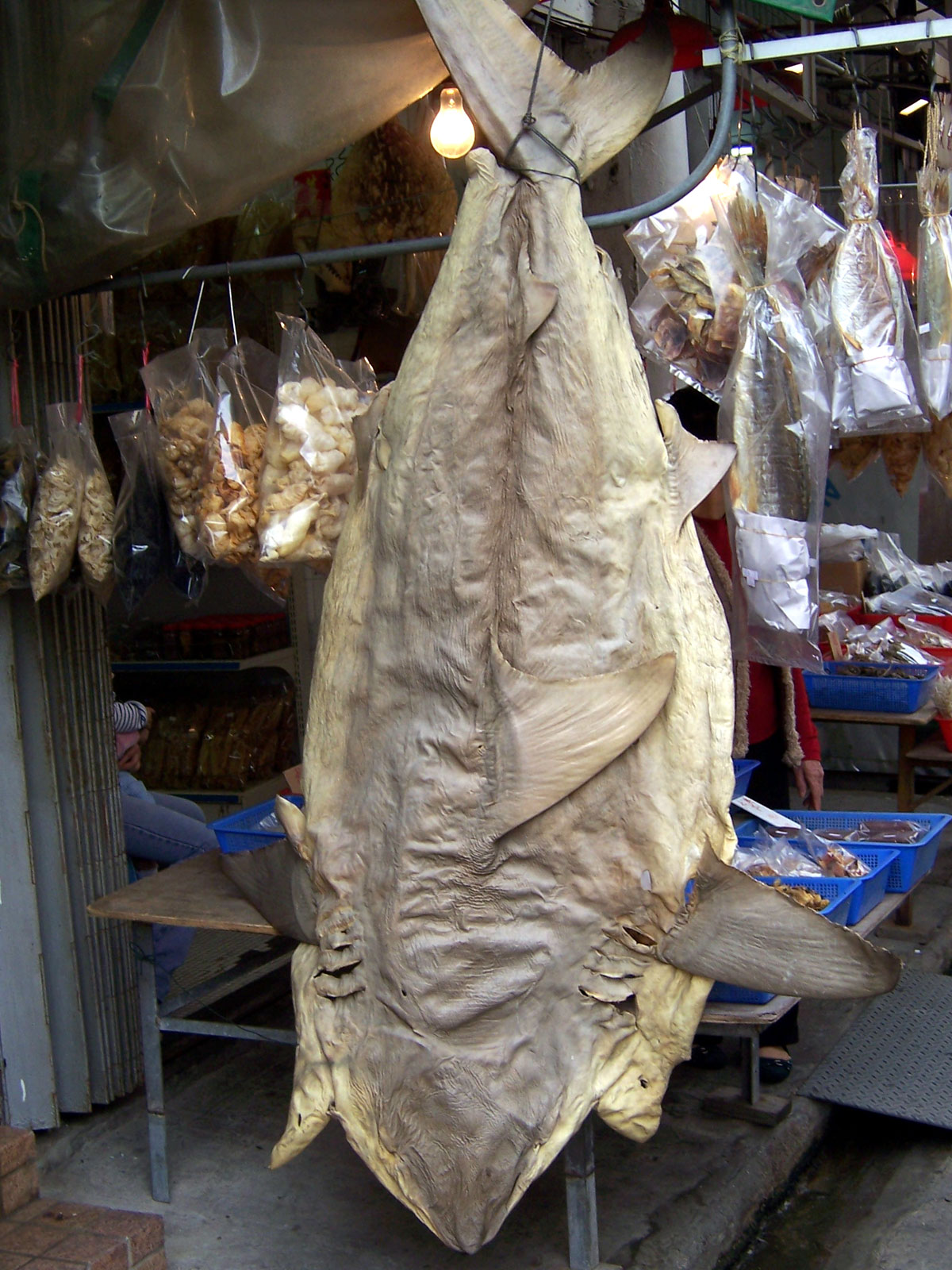
The search for shark fins drives the illegal hunting trade. Some jurisdictions permit fishing for fins and food. Sharks are also caught as bycatch when fishing for marlin, tuna and other varieties.
Sharks generally reach sexual maturity only after several years of life and produce very few offspring in comparison to other harvested fish. Harvesting sharks before they reproduce has severe impacts on future populations.
National and international status
Many nations restrict shark catches and shark finning.
Pacific Islands
Palau created the world's first so-named "shark sanctuary" on September 25, 2009. |archive-url = https://archive.today/20130104125625/http://www.philstar.com/Article.aspx?articleId=508795&publicationSubCategoryId=200 |url-status = dead |archive-date = 2013-01-04 |access-date = 2009-09-28 |archive-url = https://web.archive.org/web/20091001201027/http://usproxy.bbc.com/2/hi/science/nature/8272508.stm |url-status = dead |archive-date = 1 October 2009 |access-date = 25 September 2009 |archive-url=https://web.archive.org/web/20091025123200/http://www.timesonline.co.uk/tol/news/environment/article6848627.ece |url-status=dead |archive-date=October 25, 2009 |access-date=2009-09-28 |archive-url=https://web.archive.org/web/20090929090603/http://news.nationalgeographic.com/news/2009/09/090925-sharks-sanctuary-palau.html |url-status=dead |archive-date=September 29, 2009 |access-date=2009-09-28 |access-date = 2009-09-28 |url-status = dead |archive-url = https://web.archive.org/web/20090930054317/http://news.xinhuanet.com/english/2009-09/27/content_12117618.htm |archive-date = 2009-09-30 |access-date=2009-09-28 |access-date=2009-09-28 |archive-url=https://web.archive.org/web/20091002005127/http://www.google.com/hostednews/ap/article/ALeqM5jYMje1-rh2wiolsO0rE2MOgZ-8nAD9AU1TN00 |url-status=dead |archive-date=October 2, 2009 |access-date=September 27, 2009
The Maldives created a sanctuary in March, 2010. Tokelau declared its entire EEZ a shark sanctuary in 2011.
On February 25, 2011, Guam, a US island territory, voted to ban commerce in fins. Guam's Senate passed a bill banning the sale, possession and distribution of the fins.{{cite web |archive-url=https://web.archive.org/web/20110307125924/http://www.google.com/hostednews/afp/article/ALeqM5itxSWojvMUcfZdMmwLeZ0eELGtdw?docId=CNG.b8be1fa9ceeaf77e3700b0e75ec87ead.a91 |url-status=dead |archive-date=March 7, 2011 |access-date=February 28, 2011}}
In August, 2011, Micronesia, the Marshall Islands, and Guam announced plans to join Palau in a region-wide sanctuary that covers 2000000 sqmi of ocean.{{cite news
Kiribati, another Pacific island state, and the US operate Earth's largest marine reserve.
Americas
Honduras prohibited the taking of sharks in its national waters as of February 2010.{{cite news
The U.S. bans shark finning on all U.S.-flagged vessels, forbids the taking 19 species of sharks including white, whale, and basking sharks and shares lists of illegal vessels with established fishing companies, helping them report illegal activities. The U.S. also assesses the health of many of its shark populations and includes sharks in its various Fishery Management Plans. |access-date=September 30, 2009
Africa
In 1991 South Africa became the first country in the world to declare great white sharks a legally protected species.
Europe
In February 2009, the European Commission proposed first-ever shark conservation rules for European waters, although these are not outright bans. EU countries account for one-third of global shark meat exports.
Shark steaks are increasingly served in restaurants. Shark parts are also used in lotions and leather sports shoes.
Asia
Taiwan banned shark finning in 2012.
Israel - All elasmobranchs are fully protected in Israel's territorial waters, in the Mediterranean Sea and in the Gulf of Aqaba (northeastern Red Sea), since 2005, making these effective shark sanctuaries.
Shark fishery

After reaching about 0.9 million tonnes in 2003, catches of the “sharks, rays and chimaeras” group declined to 0.75 million tonnes in 2006, a drop of 15 percent., |access-date=September 30, 2009 | access-date=2010-05-23
| Country | Capture (2000) |
|---|---|
| Indonesia | 112,000 |
| Spain | 77,300 |
| India | 72,100 |
| Pakistan | 51,200 |
| Taiwan | 45,900 |
| Mexico | 35,300 |
| Japan | 33,100 |
| USA | 30,900 |
| Sri Lanka | 28,000 |
| Argentina | 25,700 |
| Malaysia | 24,500 |
| France | 22,800 |
| Brazil | 18,500 |
| New Zealand | 17,700 |
| Great Britain | 17,400 |
| Thailand | 16,200 |
| Peru | 15,400 |
| South Korea | 15,400 |
| Maldives | 13,500 |
| Canada | 13,500 |
| Nigeria | 13,200 |
| Senegal | 10,800 |
| Portugal | 9,100 |
| Australia | 8,100 |
| Total | 828,400 |
Drivers of the shark trade

Sharks are a common seafood in many places around the world, including China (shark-fin soup), Japan, Australia (fish and chips under the name flake), in India (under the name sora in Tamil language and Telugu language), and Icelanders eat Greenland sharks as hákarl.
The practice of live finning, where a fisherman removes the fin with a hot metal blade and releases the dying animal occurs with some frequency, but is not a prevalent practice, with most fins taken with the entire animal. Around 80% of shark fins are derived as accidental by-catch, which are quickly sold to the market due to their high price.
European consumers consume dogfishes, smoothhounds, catsharks, makos, porbeagle and also skates and rays.{{cite web | access-date = 2007-09-06 For details see mercury in fish.
In the East Asian region, use of shark cartilage in preparing soups is considered a health tonic. Hong Kong imports it from North and South American countries, particularly for use in either a cooked format or to prepare boiled soup, as a health fad, by mixing it with herbals supplements.
Another large demand for shark cartilage is for manufacture of "Shark Cartilage Powder" or pills as a cure for cancer. The anti cancer claims of such powders marketed in many parts of the world has been discounted by the US Food and Drug Administration, Federal Trade Commissions and medical studies. |access-date=2009-08-29
Seafood Watch recommends that everyone avoid eating shark.{{cite web |access-date = 2009-08-29 |url-status = dead |archive-url = https://web.archive.org/web/20100418161105/http://www.montereybayaquarium.org/cr/cr_seafoodwatch/content/media/MBA_SeafoodWatch_NationalGuide.pdf |archive-date = 2010-04-18
The majority of shark fisheries around the globe have little monitoring or management. With the rise in demand for shark products there is a greater pressure on fisheries.{{Cite book
The practice of shark finning, attracts much controversy and regulations are being enacted to prevent it from occurring. The acclaimed 2007 documentary, Sharkwater exposed how sharks are being hunted to extinction, in part due to the massive Asian demand for shark fin soup.
References
References
- Urbina, Ian. (2016-02-17). "Palau vs. the Poachers (Published 2016)". The New York Times.
- Jolly, David. (March 9, 2011). "Maldives Ban Fishing of Sharks". [[New York Times]].
- [http://www.pewenvironment.org/news-room/press-releases/tokelau-declares-shark-sanctuary-85899363741 PEW: ''Tokelau Declares Shark Sanctuary''] {{Webarchive. link. (2014-02-26 , 7 September 2011)
- "White Shark Trust - Conservation". Greatwhiteshark.co.za.
- (October 21, 2011 }}{{dead link). "Taiwan to Establish Shark Finning Ban". PR Newswire.
- FAO Fishery statistics Capture Production Vol.90/1 2000
- Mahtani, Shibani. (10 August 2012). "Experts Swim Against Shark Fin Debate". WSJ.
- "Archived copy".
- Helfman, Gene S.. (4 May 2009). "The diversity of fishes: biology, evolution, and ecology". John Wiley and Sons.
- Owen Gleiberman. (2007-10-31). "Sharkwater Review".
This article was imported from Wikipedia and is available under the Creative Commons Attribution-ShareAlike 4.0 License. Content has been adapted to SurfDoc format. Original contributors can be found on the article history page.
Ask Mako anything about Shark sanctuary — get instant answers, deeper analysis, and related topics.
Research with MakoFree with your Surf account
Create a free account to save articles, ask Mako questions, and organize your research.
Sign up freeThis content may have been generated or modified by AI. CloudSurf Software LLC is not responsible for the accuracy, completeness, or reliability of AI-generated content. Always verify important information from primary sources.
Report