From Surf Wiki (app.surf) — the open knowledge base
Seventh generation of video game consoles
Gaming generation from 2004 to 2017
Gaming generation from 2004 to 2017
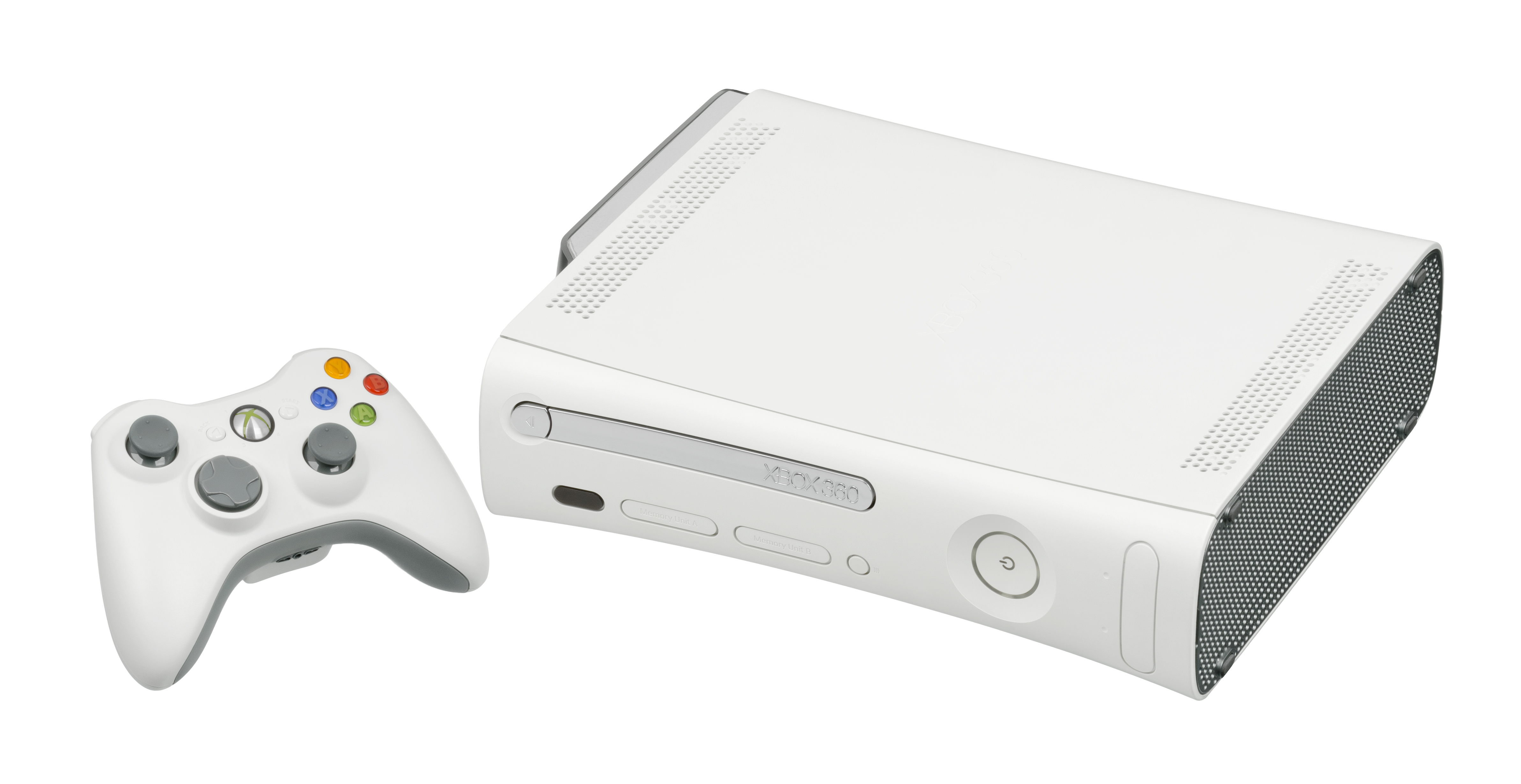
The seventh generation of home video game consoles began on November 22, 2005, with the release of Microsoft's Xbox 360 home console. This was followed by the release of Sony's PlayStation 3 on November 17, 2006, and Nintendo's Wii on November 19, 2006. Each new console introduced new technologies. The Xbox 360 offered games rendered natively at high-definition video (HD) resolutions, the PlayStation 3 offered HD movie playback via a built-in 3D Blu-ray Disc player, and the Wii focused on integrating controllers with movement sensors as well as joysticks. Some Wii controllers could be moved about to control in-game actions, which enabled players to simulate real-world actions through movement during gameplay. By this generation, video game consoles had become an important part of the global IT infrastructure; it is estimated that video game consoles represented 25% of the world's general-purpose computational power in 2007.
Joining Nintendo in releasing motion devices and software, Sony Computer Entertainment released the PlayStation Move in September 2010, which featured motion-sensing gaming similar to that of the Wii. In November 2010, Microsoft released Kinect for use with the Xbox 360. Kinect did not use controllers, instead using cameras to capture the player's body motion and using that to direct gameplay, effectively making the players act as the "controllers". Having sold eight million units in its first 60 days on the market, Kinect claimed the Guinness World Record of being the "fastest selling consumer electronics device".
Among handheld consoles, the seventh generation began somewhat earlier than the home consoles. November 2004 saw the introduction of the Nintendo DS, and the PlayStation Portable (PSP) came out in December. The DS features a touch screen and built-in microphone, and supports wireless standards. The PSP became the first handheld video game console to use an optical disc format as its primary storage media. Sony also gave the PSP multimedia capability; connectivity with the PlayStation 3, PlayStation 2, other PSPs; as well as Internet connectivity. Despite high sales numbers for both consoles, PSP sales consistently lagged behind those of the DS.
A crowdfunded console, the Ouya, received $8.5 million in preorders before launching in 2013. Post-launch sales were poor, and the device was a commercial failure. Additionally, microconsoles like the Nvidia Shield TV, Amazon Fire TV, Mojo, Razer Switchblade, GamePop, GameStick, and more powerful PC-based Steam Machine consoles have attempted to compete in the video game console market; however they are seldom classified as "seventh-generation" consoles.
The seventh generation slowly began to wind down when Nintendo began cutting back on Wii production in the early 2010s. In 2014, Sony announced they were discontinuing the production of the PSP worldwide, and the release of new games for the DS eventually ceased later that year with the last third-party titles. Microsoft announced in that same year that they would discontinue the Xbox 360. The following year, Sony announced that it would soon discontinue the PlayStation 3. Around that time, the remaining Wii consoles were discontinued, ending the generation as all hardware was discontinued. The final Xbox 360 physical games were released in 2018, as FIFA 19 and Just Dance 2019. Despite this, several more Wii games were released, including a few more annual Just Dance sequels, as well as a limited 3,000-copy print run of a physical release of Retro City Rampage DX. The eighth generation had already begun in early 2011, with the release of the Nintendo 3DS.
Home video game consoles
Xbox 360
Main article: Xbox 360
The Xbox 360 gained an early lead in terms of market share, largely due to its established Xbox Live online gaming system, and its early launch date, which was one year before its rivals. Sales in North America and Europe continued to be strong, even after the release of the Wii and PlayStation 3. Like its predecessor, the Xbox 360 received a muted reception in Japan, attributed to the lack of content aimed at Japanese gamers, which was a key reason why its predecessor underperformed in that country. Despite its early launch date, the Xbox 360 finished in 3rd place behind its competitors.
This early launch did come with some trouble, as technical problems appeared in a portion of Xbox 360 units sold. The most well-known problem is the "red ring of death" and Error E74, which received a great deal of attention due to some users having to replace their consoles multiple times. Microsoft attempted to address this by offering a three-year warranty on all affected consoles and repairing them free of charge. It also retroactively reimbursed owners of affected systems who paid for repairs, and ultimately made several adjustments to the console's design to improve reliability, consulting with "an established ASIC vendor".
As they share many cross-platform games and competed for the same audience as their predecessors, frequent comparisons are made between the Xbox 360 and PlayStation 3. The PS3 uses the Blu-ray format, while the Xbox 360 uses a standard DVD9. The Xbox 360 was less expensive to produce and broke even on manufacturing costs earlier than the PS3, while industry consensus was that the Xbox 360's conventional architecture is easier to develop for.
At the end of the first half of 2007, the console stabilized at 11.6 million units shipped as sales dropped 60% while its rival, Wii, gained momentum and Sony announced a competitive price drop on the PlayStation 3. Microsoft's strategy to boost sales with the release of the highly anticipated Halo 3 in September 2007 paid off, outselling the Wii that month in North America. Microsoft's Entertainment and Devices Division experienced a huge increase in revenue, largely driven by the release of Halo 3, and posted a quarterly profit for the first time in two years.
The Xbox 360 focused on the release of high-profile games, such as additions to the Halo franchise. The 2007 Game Critics Awards honored the platform with 38 nominations and 12 wins – more than any other platform. At the 2008 Game Developers Conference, Microsoft announced that it expected over 1,000 games available for Xbox 360 by the end of the year. The Xbox 360 has managed to gain a simultaneous release of titles that were initially planned to be PS3 exclusives, including Devil May Cry, Ace Combat, Virtua Fighter, Grand Theft Auto IV, Final Fantasy XIII, Tekken 6, Metal Gear Rising: Revengeance, and L.A. Noire.
In November 2010, Microsoft released Kinect. Kinect did not use controllers, instead making the players act as the "controllers". Having sold eight million units in its first 60 days on the market, Kinect claimed the Guinness World Record of being the "fastest selling consumer electronics device". At E3 2010, Microsoft revealed a new Xbox 360 SKU known officially as the Xbox 360 S and referred to as the "Slim" by various media outlets. At E3 2013 Microsoft revealed the Xbox 360 E, the final iteration of the Xbox 360 series, to be succeeded by Xbox One. The 360 E featured a new square design with a simplified exterior akin to the Xbox One.
PlayStation 3
Main article: PlayStation 3

Sony's PlayStation 3 was released on November 11, 2006, in Japan and November 17, 2006, in the United States and Canada. The system's reliance on new technologies such as the Cell microprocessor and Blu-ray format caused difficulties in manufacturing, especially the Blu-ray diode, leading to shortages at launch and the delay of the PAL region launches; however, by early December 2006, Sony announced that all production issues had been resolved. Market analysts and Sony executives noted that the success of the PlayStation 3 and the Blu-ray format were dependent on each other; Rich Marty, VP of New Business Development at Sony Pictures Home Entertainment stated that the "PS3 is critical to the success of Blu-ray", while Phil Harrison stated that the PlayStation 3's success would be ensured by "the growth of the Blu-ray Disc movie market".
Sony would provide support for its console with new titles from first-party franchises such as Gran Turismo, Ratchet & Clank, and God of War, while establishing series such as LittleBigPlanet and Uncharted. Sony also secured a number of highly anticipated third-party exclusive titles, including Metal Gear Solid 4: Guns of the Patriots, Yakuza 3 and Valkyria Chronicles. Titles that were originally exclusive or recognized with the platform, such as Devil May Cry, Ace Combat, Virtua Fighter, and Monster Hunter, have been released on other platforms. The previous Grand Theft Auto titles were originally timed exclusives on the PlayStation 2, before making their release on other platforms, such as the Xbox, months later; however, Grand Theft Auto IV, the latest installment, was released simultaneously on the Xbox 360 and PlayStation 3. Titles initially announced as PlayStation 3 exclusives, such as Assassin's Creed; Bladestorm: The Hundred Years' War, and Fatal Inertia, were ultimately released on Xbox 360 as well, with the latter making its appearance on Xbox 360 before the PlayStation 3 version. Sony blamed lower-than-expected sales of the PS3 on the loss of exclusive titles in its software library, its higher price, and stock shortages.
The high launch price of the PlayStation 3 was considered a major drag on its popularity. In July 2007, Sony announced a drop in the price of the already-discontinued 60 GB models of the console by $100 in the United States and Canada. On October 18, 2007, Sony announced a US$100 price drop for the 80 GB model and a new US$399 40 GB model to launch on November 2, 2007, with reduced features such as the removal of backward compatibility with PS2 games. Within weeks, Sony announced that sales of the 40 GB and 80 GB models by major retailers had increased 192%. In November 2008, Sony launched a 160 GB model, and on August 18, 2009, Sony announced the PS3 Slim. The PS3 slim sold 1 million in under a month. It was then announced that a 250 GB slim model was to be released. It was released on September 1 (or 3 depending on country).
In September 2012, Sony announced a new slimmer PS3 redesign (CECH-4000), commonly referred to as the "Super Slim" PS3. It was released in late 2012, available with either a 250 GB or 500 GB hard drive. The "Super Slim" model was the last model to be produced by Sony before the system was slowly discontinued around the world. Shipments of new units to the United States were terminated in October 2016 and Sony officially discontinued the system in Japan on May 29, 2017, the last territory where it was selling new units up until then.
Wii
Main article: Wii
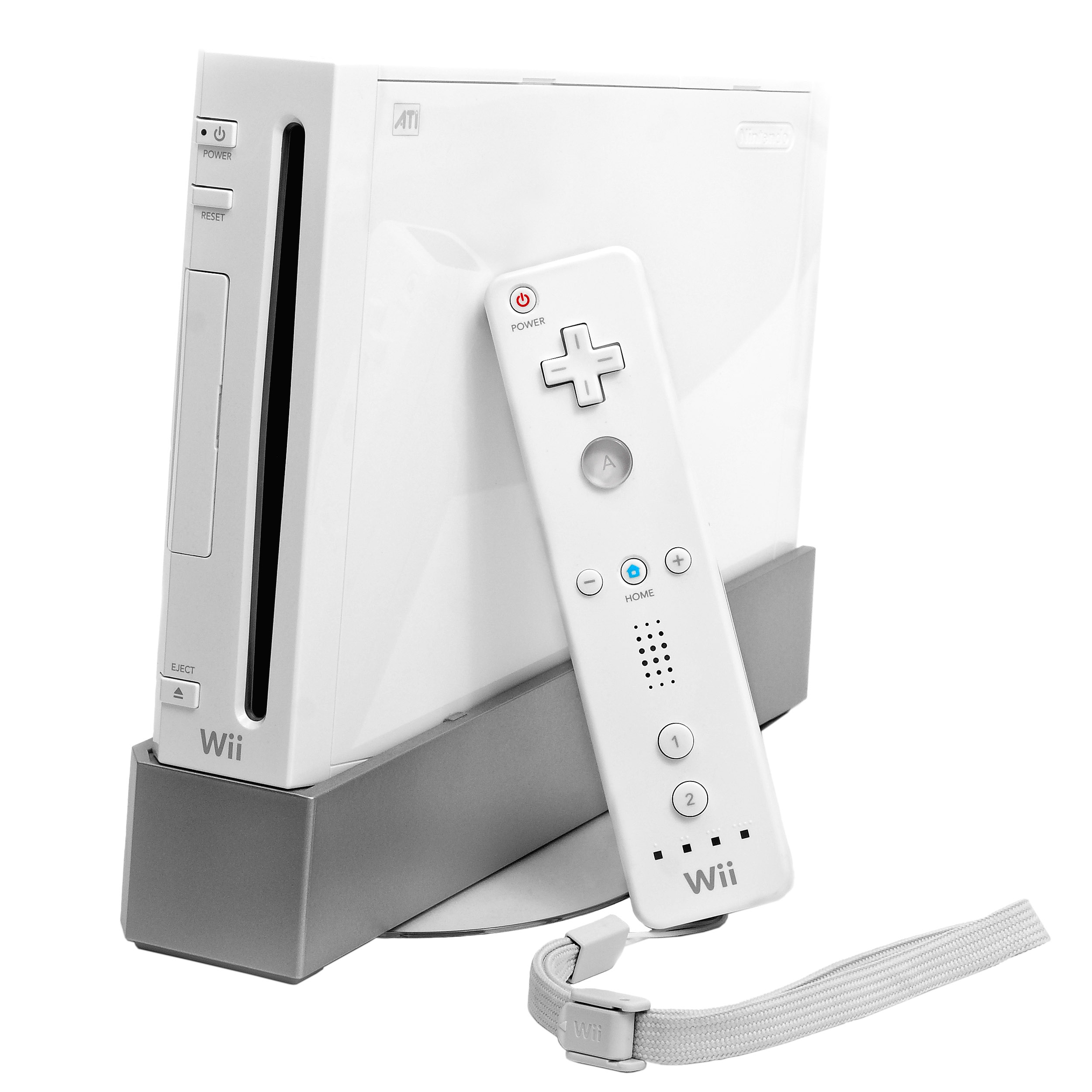
Nintendo entered the generation with a new approach embodied by its Wii. The company planned to attract current hardcore and casual gamers, non-gamers, and lapsed gamers by focusing on new gameplay experiences and new forms of interaction with games rather than cutting edge graphics and expensive technology. This approach was previously implemented in the portable market with the Nintendo DS. Nintendo expressed hope that the new control schemes it had implemented would render conventionally controlled consoles obsolete, leading to Nintendo capturing a large portion of the existing market as well. This strategy paid off, with demand for the Wii outstripping supply throughout 2007. Since Nintendo profited on each console right from the start unlike its competitors, it achieved very positive returns. With only a few exceptions, monthly worldwide sales for the Wii were higher than those of the Xbox 360 and PlayStation 3, eroding Microsoft's early lead and widening the gap between its market share and Sony's. In 2007, it was reported by the British newspaper Financial Times that the Wii's sales surpassed those of the Xbox 360, which had been released one year previously, and became the market leader in worldwide home console sales for the generation.
As in previous generations, Nintendo provided support for its new console with first-party franchises like Mario, The Legend of Zelda, Metroid, and Pokémon. To appeal to casual and non-gamers, Nintendo developed a group of core Wii games, consisting of Wii Sports, Wii Play, Wii Fit, and Wii Music, where players make use of the motion-sensing abilities of the console and its peripherals to simulate real world activities.
Publishers such as Ubisoft, Electronic Arts, Capcom, and Majesco Entertainment continued to release exclusive titles for the console, but the Wii's strongest titles remained within its first-party line-up. Analysts speculated that this would change in time as the Wii's growing popularity persuaded third-party publishers to focus on it; however, some third-party developers expressed frustration at low software sales. Goichi Suda, developer of No More Heroes for the Wii, noted that "only Nintendo titles are doing well" and that he "expected more games for hardcore gamers". Conversely, the PAL publisher of No More Heroes Rising Star Games were greatly impressed with the game's sales. Goichi Suda later retracted his comment, saying his "point was that No More Heroes, unlike a lot of Nintendo Wii titles currently available is the kind of product that will attract a different kind of consumer to the hardware".
In early 2008, the NPD Group revealed sales data showing that, while the Wii's life-to-date attach rate was low, in December 2007, it reached 8.11 – higher than the attach rates for the Xbox 360 and PlayStation 3 in that month. The Wii's low overall attach rate could be explained by reference to its rapidly increasing installed base, as financial analysts have pointed to the Xbox 360's high attach rates as indicative of an unhealthy lack of installed base growth, and warned that what actually benefits third-party developers is "quicker adoption of hardware and a rapidly growing installed base on which to sell progressively more game units", which tends to lower the attach rate of a product.
Comparison
| Console | Xbox 360 | PlayStation 3 | Wii | Wii Mini | Logo | Manufacturer | Image | Release dates | Launch prices | Launch Version | last1=Surette | first1=Tim | date=18 August 2005 | title=Xbox 360 pricing revealed: $299 and $399 models due at launch | url=https://www.gamespot.com/articles/xbox-360-pricing-revealed-299-and-399-models-due-at-launch/1100-6131245/ | archive-url=https://ghostarchive.org/archive/20211003/https://www.gamespot.com/articles/xbox-360-pricing-revealed-299-and-399-models-due-at-launch/1100-6131245/ | archive-date=2021-10-03 | access-date=22 October 2019 | website=GameSpot}} | Xbox 360 (20 GB) | date=November 17, 2006 | title=Sony's PS3 makes U.S. debut | url=https://www.usatoday.com/tech/gaming/2006-11-17-ps3-debut_x.htm | url-status=live | archive-url=https://web.archive.org/web/20080308233638/http://www.usatoday.com/tech/gaming/2006-11-17-ps3-debut_x.htm | archive-date=March 8, 2008 | access-date=January 14, 2008 | newspaper=USA Today | df=mdy-all}} | date=January 24, 2007 | title=SCEE official press release | url=http://www.scee.presscentre.com/Content/Detail.asp?ReleaseID=4317&NewsAreaID=2 | url-status=dead | archive-url=https://web.archive.org/web/20080119221144/http://www.scee.presscentre.com/Content/Detail.asp?ReleaseID=4317&NewsAreaID=2 | archive-date=January 19, 2008 | access-date=January 14, 2008 | publisher=Sony Computer Entertainment Europe}} | US$ | € | EU | 499 | 2006 | r=-1 | fmt=eq | cursign=€}}) but on September 6, 2006, Sony announced that launch would be delayed until March 2007, because of a shortage of materials used in the Blu-ray drive. | GBP | - | A$ | - | JP¥ | Discontinued | Units sold | Media | Game media | Optical media | Regional lockout | Backward compatibility | Best-selling game | CPU | GPU | Memory | Dimensions | Weight | Included accessories | Accessories (retail) | Controller | User interface | System software |
|---|---|---|---|---|---|---|---|---|---|---|---|---|---|---|---|---|---|---|---|---|---|---|---|---|---|---|---|---|---|---|---|---|---|---|---|---|---|---|---|---|---|---|---|---|---|---|---|---|---|---|---|---|---|---|---|---|---|---|---|---|---|---|---|---|---|---|---|---|
| features | Online services | Consumer programmability | I/O | Video outputs | Resolutions | Audio | Network | Storage | Integrated 3DTV support | |||||||||||||||||||||||||||||||||||||||||||||||||||||||||||
| [[File:X Box 360 logo.svg | frameless | 100px]] | [[File:PlayStation 3 logo (2009).svg | frameless | 100px | class=skin-invert]] | [[File:Wii.svg | frameless | 100px]] | |||||||||||||||||||||||||||||||||||||||||||||||||||||||||||
| Microsoft | Sony (SCE/SIE) | Nintendo | ||||||||||||||||||||||||||||||||||||||||||||||||||||||||||||||||||
| [[File:Xbox-360-Pro-wController.jpg | 75px]][[File:Xbox-360-Arcade-wController.jpg | 75px]] | ||||||||||||||||||||||||||||||||||||||||||||||||||||||||||||||||||
| [[File:Xbox-360S-Console-Set.jpg | 75px]][[File:Microsoft-Xbox-360-E-wController.jpg | 75px]] | [[File:Sony-PlayStation-3-CECHA01-wController-L.jpg | 150px]] | ||||||||||||||||||||||||||||||||||||||||||||||||||||||||||||||||
| [[File:Sony-PlayStation-3-2001A-wController-L.jpg | 150px]] | |||||||||||||||||||||||||||||||||||||||||||||||||||||||||||||||||||
| [[File:Sony-PlayStation-3-4001B-wController-L.jpg | 150px]] | [[File:Wii-console.jpg | 150px]] | [[File:Wii-Mini-Console-Set-H.jpg | 150px]] | |||||||||||||||||||||||||||||||||||||||||||||||||||||||||||||||
| More... | More... | More... | ||||||||||||||||||||||||||||||||||||||||||||||||||||||||||||||||||
| US$299 () | US$399 () | US$499.99 () | US$599.99 () | US$249.99 () | ||||||||||||||||||||||||||||||||||||||||||||||||||||||||||||||||
| €299 () | €399 () | €599 () | ||||||||||||||||||||||||||||||||||||||||||||||||||||||||||||||||||
| €629 in Ireland () | €249.99 () | |||||||||||||||||||||||||||||||||||||||||||||||||||||||||||||||||||
| £209 () | £279 () | £425 () | £179.99 () | |||||||||||||||||||||||||||||||||||||||||||||||||||||||||||||||||
| AU$999.95 () | AU$399.95 () | |||||||||||||||||||||||||||||||||||||||||||||||||||||||||||||||||||
| () | () | |||||||||||||||||||||||||||||||||||||||||||||||||||||||||||||||||||
| 84 million | 87.4 million | 101.63 million | ||||||||||||||||||||||||||||||||||||||||||||||||||||||||||||||||||
| DVD-DL | Blu-ray Disc | Wii Optical Disc (proprietary DVD-DL) | Wii Optical Disc | |||||||||||||||||||||||||||||||||||||||||||||||||||||||||||||||||
| 12× DVD (65.6–132 Mbit/s), CD | 2× BD-ROM (72 Mbit/s), 8× DVD, 24× CD, 2× SACD* | |||||||||||||||||||||||||||||||||||||||||||||||||||||||||||||||||||
| *Compatibility removed in 3rd & 4th gen models | Wii Optical Disc, GameCube Game Disc (DVD-Video playback was announced for Japan in 2007, but was not released) | Wii Optical Disc | ||||||||||||||||||||||||||||||||||||||||||||||||||||||||||||||||||
| Region locked}} | Unrestricted except for PlayStation 1 and 2 games which are region locked}} | Region locked}} | ||||||||||||||||||||||||||||||||||||||||||||||||||||||||||||||||||
| 465 Selected Xbox games (as of November 2007). Additions made with software updates. Official Xbox hard drive required.}} | The first-generation model is backward compatible with PS1 and PS2 titles through the inclusion of the Emotion Engine and Graphics Synthesizer chips. | |||||||||||||||||||||||||||||||||||||||||||||||||||||||||||||||||||
| Only the first generation models supports all GameCube software and most accessories. | ||||||||||||||||||||||||||||||||||||||||||||||||||||||||||||||||||||
| 3.2 GHz IBM PowerPC tri-core codenamed "Xenon" | Cell Broadband Engine (3.2 GHz Power ISA 2.03-based PPE with seven 3.2 GHz SPEs) | 729 MHz PowerPC-based IBM "Broadway" | ||||||||||||||||||||||||||||||||||||||||||||||||||||||||||||||||||
| 500 MHz codenamed "Xenos" (ATI custom design) | 550 MHz RSX 'Reality Synthesizer' (based on NVIDIA G70 architecture) | 243 MHz ATI "Hollywood" | ||||||||||||||||||||||||||||||||||||||||||||||||||||||||||||||||||
| 512 MB GDDR3 @ 700 MHz shared between CPU & GPU | ||||||||||||||||||||||||||||||||||||||||||||||||||||||||||||||||||||
| 10 MB EDRAM GPU frame buffer memory | 256 MB XDR @ 3.2 GHz | |||||||||||||||||||||||||||||||||||||||||||||||||||||||||||||||||||
| 256 MB GDDR3 @ 650 MHz | 24 MB "internal" 1T-SRAM integrated into graphics package | |||||||||||||||||||||||||||||||||||||||||||||||||||||||||||||||||||
| 64 MB "external" GDDR3 SDRAM | ||||||||||||||||||||||||||||||||||||||||||||||||||||||||||||||||||||
| 3 MB GPU frame buffer memory | ||||||||||||||||||||||||||||||||||||||||||||||||||||||||||||||||||||
| 4.4 × 16 × 21.5 cm (1,513.6 cm3) / 1.7 × 6.3 × 8.5 in (92.4 in3) | ||||||||||||||||||||||||||||||||||||||||||||||||||||||||||||||||||||
| 19.3 × 16 × 4.6 cm (1,420.5 cm3) / 7.6 × 6.3 × 1.81 in (86.7 in3) | ||||||||||||||||||||||||||||||||||||||||||||||||||||||||||||||||||||
| 1.2 kg | ||||||||||||||||||||||||||||||||||||||||||||||||||||||||||||||||||||
| 0.7 kg | ||||||||||||||||||||||||||||||||||||||||||||||||||||||||||||||||||||
| Xbox 360 Dashboard | ||||||||||||||||||||||||||||||||||||||||||||||||||||||||||||||||||||
| New Xbox Experience (NXE) | XrossMediaBar (XMB) | Wii Menu | ||||||||||||||||||||||||||||||||||||||||||||||||||||||||||||||||||
| Development on PC with XNA Game Studio ($99/year subscription, binary distribution with XNA 1.0 Refresh) | Featured development on console (excluding RSX graphics acceleration) via free Linux platform or PC (excluding all Slim models and any console updated to firmware 3.21 and later) | |||||||||||||||||||||||||||||||||||||||||||||||||||||||||||||||||||
| HDMI 1.2a (on models manufactured after August 2007), VGA (RGBHV), Component/D-Terminal (YPBPR), SCART (RGBS), S-Video, Composite | HDMI 1.3a, Component/D-Terminal (YPBPR), SCART (RGBS), S-Video, Composite | Component/D-Terminal (YPBPR), SCART (RGBS), S-Video, Composite | ||||||||||||||||||||||||||||||||||||||||||||||||||||||||||||||||||
| HDTV-capable (480i, 480p, 576i (50 Hz), 576p, 720p, 1080i, 1080p) | ||||||||||||||||||||||||||||||||||||||||||||||||||||||||||||||||||||
| Various monitor resolutions available via VGA and HDMI/DVI (640×480, 848×480, 1024×768, 1280×720, 1280×768, 1280×1024, 1360×768, 1440×900, 1680×1050 & 1920×1080) | HDTV-capable (480i, 480p, 576i, 576p, 720p, 1080i, 1080p) | EDTV-capable (240p, 480i, 480p, 576i) | ||||||||||||||||||||||||||||||||||||||||||||||||||||||||||||||||||
| Dolby Digital, WMA Pro, DTS, DTS-ES | ||||||||||||||||||||||||||||||||||||||||||||||||||||||||||||||||||||
| *(DVD and HD DVD movies only) | Dolby Digital, DTS, Dolby Digital Plus, Dolby TrueHD, DTS-HD Master Audio, DTS-HD High Resolution Audio, DTS-ES‡, DTS 96/24‡, DTS-ES Matrix† | |||||||||||||||||||||||||||||||||||||||||||||||||||||||||||||||||||
| *DVD and Blu-ray movies only. | ||||||||||||||||||||||||||||||||||||||||||||||||||||||||||||||||||||
| ‡DVD movies only. | ||||||||||||||||||||||||||||||||||||||||||||||||||||||||||||||||||||
| †Blu-ray movies only. | Dolby Pro Logic II surround, stereo sound and an additional Mono speaker is built into the controller. | |||||||||||||||||||||||||||||||||||||||||||||||||||||||||||||||||||
| 100BASE-TX Ethernet | ||||||||||||||||||||||||||||||||||||||||||||||||||||||||||||||||||||
| Optional 802.11a/b/g/n Wi-Fi adapter (Built in with the Slim models) | 10BASE-T/100BASE-TX/1000BASE-T Ethernet | |||||||||||||||||||||||||||||||||||||||||||||||||||||||||||||||||||
| Built-in 802.11 b/g Wi-fi (all models except 20 GB) | Built-in 802.11 b/g Wi-fi | |||||||||||||||||||||||||||||||||||||||||||||||||||||||||||||||||||
| Optional Ethernet via USB adapter | ||||||||||||||||||||||||||||||||||||||||||||||||||||||||||||||||||||
| 512 MB built-in flash memory | ||||||||||||||||||||||||||||||||||||||||||||||||||||||||||||||||||||
| colspan="2" | colspan="2" | colspan="2" |
Game packages not listed. Bundles, special editions and limited editions may include additional or exchanged items.
There is a variety of other input devices available for all three consoles, including rhythm game controllers, microphones and third-part gamepads/controllers.
All consoles are capable of producing 3D images using anaglyph or frame-compatible systems (side-by-side/SbS, top and bottom/TaB), as these do not require any special output hardware. As such, these display modes are dependent on the software being displayed rather than the console.
Facebook and Twitter apps for Xbox 360 were retired in October 2012.
Sales standings
Worldwide figures are based on data from the manufacturers. The Canada and the United States figures are based on data from the NPD Group, the Japan figures are based on data from Famitsu/Enterbrain, and the United Kingdom figures are based on data from GfK Chart-Track.
| Region | Wii | PlayStation 3 | Xbox 360 | Total | Australia | Canada | Europe | Japan | United States | Worldwide | url=https://www.nintendo.co.jp/ir/library/historical_data/pdf/consolidated_sales_e1403.pdf | title=Consolidated Sales Transition by Region | access-date=May 8, 2014 | date=May 8, 2014 | publisher=Nintendo | url-status=dead | archive-url=https://web.archive.org/web/20140508062158/http://www.nintendo.co.jp/ir/library/historical_data/pdf/consolidated_sales_e1403.pdf | archive-date=May 8, 2014 | df=mdy }} |
|---|---|---|---|---|---|---|---|---|---|---|---|---|---|---|---|---|---|---|---|
| (as of June 30, 2017) | url=https://www.sie.com/en/corporate/data.html | title=SIE Business Development | access-date=April 26, 2018 | publisher=Sony Computer Entertainment | date=April 26, 2018 | archive-date=April 27, 2019 | archive-url=https://web.archive.org/web/20190427203732/https://www.sie.com/en/corporate/data.html | url-status=live }} | |||||||||||
| (as of March 31, 2017) | 84 million | ||||||||||||||||||
| (as of June 9, 2017) | 273.03 million | ||||||||||||||||||
| 2 million | |||||||||||||||||||
| (as of October 2010) | first=Jason | last=Hill | title=Game retail sales drop | url=https://www.smh.com.au/digital-life/games/blogs/screenplay/game-retail-sales-drop/20110209-1am78.html | newspaper=The Sydney Morning Herald | date=February 9, 2011 | access-date=February 9, 2011 | archive-date=February 11, 2011 | archive-url=https://web.archive.org/web/20110211002912/http://www.smh.com.au/digital-life/games/blogs/screenplay/game-retail-sales-drop/20110209-1am78.html | url-status=live}} | |||||||||
| (as of December 31, 2010) | 1.2 million | ||||||||||||||||||
| (as of April 20, 2010 and include sales from New Zealand) | 4.2 million | ||||||||||||||||||
| url=http://nintendo.ca/cgi-bin/usersite/display_info.cgi?lang=en&pageNum=9&id=2346657 | title=Nintendo News: More Than Two Million Wii Consoles Sold In Canada | date=December 15, 2009 | work=Nintendo Canada | access-date=March 31, 2011 | url-status=dead | archive-url=https://web.archive.org/web/20101219101733/http://nintendo.ca/cgi-bin/usersite/display_info.cgi?lang=en&pageNum=9&id=2346657 | archive-date=December 19, 2010 | df=mdy-all }} | |||||||||||
| (as of December 16, 2009) | 2 million | ||||||||||||||||||
| (as of October 6, 2010) | 4.4 million | ||||||||||||||||||
| url=https://www.gamedeveloper.com/business/gamestop-details-europe-u-s-installed-base-for-consoles | title=GameStop Details Europe, U.S. Installed Base For Consoles | first=Leigh | last=Alexander | publisher=United Business Media | work=Gamasutra | date=March 31, 2011 | access-date=March 31, 2011 | archive-date=April 4, 2011 | archive-url=https://web.archive.org/web/20110404002915/http://www.gamasutra.com/view/news/33842/GameStop_Details_Europe_US_Installed_Base_For_Consoles.php | url-status=live}} | |||||||||
| (as of December 2010) | 15.7 million | ||||||||||||||||||
| (as of December 2010) | 13.7 million | ||||||||||||||||||
| (as of December 2010) | 53.4 million | ||||||||||||||||||
| 12.75 million | |||||||||||||||||||
| (as of December 31, 2013) | 11 million | ||||||||||||||||||
| (as of April 11, 2010) | 1.5 million | ||||||||||||||||||
| (as of February 28, 2010) | 24.0 million | ||||||||||||||||||
| 39 million | |||||||||||||||||||
| (as of February 28, 2011) | 16.9 million | ||||||||||||||||||
| (as of December 2010) | 25.6 million | ||||||||||||||||||
| (as of December 2010) | 79.8 million |
Discontinuations and revisions
- The PlayStation 3 20 GB was discontinued in North America in April 2007 and effectively discontinued in Japan in early 2008.
- The PlayStation 3 60 GB was discontinued in NTSC territories by September 2007, and replaced with the 80 GB version.
- The PlayStation 3 60 GB was effectively discontinued for PAL territories in late 2007. When the remaining stock in stores was sold, the 40 GB version served as its replacement.
- Sony announced before the PS3 launch in Europe that the PlayStation 2's Emotion Engine CPU would be removed from it for cost savings, and all backward compatibility would be software-based. This is also the same for the 80 GB model launched in the North American market in 2007.
- An HDMI out port was added to the Premium Xbox 360 in May 2007.
- The Xbox 360 Core system was discontinued and replaced by the "Arcade" version in October 2007.
- The price of the Xbox 360 Premium version was dropped to US$299 in North America on July 13, 2008. Supplies of the existing 20 GB model were exhausted by early August and it was replaced by an identical model with a 60 GB HDD at a MSRP of US$349.
- The PlayStation 3 40 GB was discontinued in all territories in early August 2008 and the new 80 GB version served as its replacement.
- The Xbox 360 Arcade 256 MB internal memory SKU was discontinued in all territories in early 2009 and a new 512 MB internal memory SKU still named the Xbox 360 Arcade was released.
- The PlayStation 3 Slim was introduced on August 18, 2009. At US$299, it is US$100 cheaper than the previous model; it is also approximately lighter and more energy efficient. The two original PS3 Slim models, priced at US$299.99 and US$349.99 respectively, hold 120/250 GB. These were then superseded by 160 GB and 320 GB models, which are priced at US$249.99 and US$299.99 respectively.
- The black Wii console was released in Japan on August 1, 2009 and in Europe in November 2009.
- The Wii package for North America has been updated to include a copy of Wii Sports Resort as well as the required Wii MotionPlus accessory to play it, beginning May 9, 2010. The console is also available in black.
- A special edition red Wii console was released in honor of Super Mario Bros. 25th Anniversary.
- The Xbox 360 S was announced at E3 2010 by Microsoft. It is a smaller revision of the Xbox 360 hardware, which includes either a built-in 250 GB hard drive or 4 GB of Flash storage, 802.11n Wi-Fi, a TOSLINK connector, 5 USB ports and an AUX connector for the Kinect sensor device.
- The Wii Family Edition was released on October 23, 2011. It drops support for GameCube games and accessories, and is designed to sit horizontally.
- The PlayStation 3 Super Slim was released on September 25, 2012. It has manual sliding disc cover instead of a motorized loading slot disc cover.
- The Wii Mini was released on December 7, 2012. It has a top-loading disc drive instead of a motorized loading slot disc drive and drops Wi-Fi support, online connectivity and the SD card slot.
- The Xbox 360 E was revealed and released at E3 2013 on June 10, 2013. It featured a new slimmer design, that was quieter than previous models.
Backward compatibility
Early models of the Wii are fully backward compatible with GameCube software and most of its accessories; the Wii Family Edition and the Wii Mini iterations lack GameCube support. Early models of the PlayStation 3 and all models of the Xbox 360 only offer partial support and use software emulation for backward compatibility. Later models of the PS3 do not offer PlayStation 2 compatibility, though PS1 compatibility is retained. Some models of the first generation of the PS3 offered full backward compatibility for PS2 games. The Xbox 360's compatibility is increased through game-specific patches automatically downloaded from Xbox Live or downloaded and burned to a CD or DVD from the Xbox website and the PS3's compatibility is expanded with firmware updates.
All three consoles provide titles from older consoles for download; the Xbox 360 through the Xbox Originals service, the PlayStation 3 through the PlayStation Store, and the Wii through the Virtual Console. When purchased, the game is saved to console's internal memory or, optionally on the Wii, to an inserted SD/SDHC card. Initially the Xbox 360 also provided Xbox Live support for backward compatible games, but the service has since been discontinued for original Xbox games. No more games will be added to the list of backward compatible games for the Xbox 360. In response to the lack of backward compatibility for most PS3s, many popular games have been released for download as PlayStation 2 Classics and other popular series have been updated with gameplay/graphics as high-definition remasters for PlayStation consoles and have been released on Blu-ray Disc or are available for download on the PlayStation Network.
HDTV-capable video support and service
Both the PlayStation 3 and the Xbox 360 support 1080p high definition video output. However, the output signal may be protected by digital rights management and may require an HDCP-compliant display if HDMI is used. The Xbox Live Marketplace service and the PlayStation Store offer HD movies, TV shows, movie trailers, and clips for download to the console's HDD. Other regional PlayStation Stores only allow download of movie trailers and short segment clips. As of November 2009, the Video Download service present on the American PlayStation Store will be available for select European countries.
While only a small number of games render video in native 1080p, many games can be automatically scaled to output this resolution. The Wii is capable of outputting 480p for the Wii Menu and most games through a component cable, which must be purchased separately.
Reliability
In the September 2009 issue of Game Informer magazine, survey results were published in which among nearly 5000 readers who responded, 54.2% of those who owned an Xbox 360 had experienced a console failure for that system, compared with 10.6% for PlayStation 3, and 6.8% for Wii.
In August 2009, warranty provider SquareTrade published console failure rate estimates, in which the proportion of its customers reporting a system failure in the first two years is 23.7% for Xbox 360, 10.0% for PlayStation 3, and 2.7% for Wii.
Other consoles
There were also other consoles released during the seventh generation time period. Generally, they are either niche products or less powerful. File:Game-Wave-Console-Set-FL.jpg|Game Wave Family Entertainment System, commonly abbreviated as Game Wave. Released in October 2005. File:Mattel-HyperScan-wController-FL.jpg|HyperScan, created by Mattel. Released on October 23, 2006. File:V.Flash Console FreeBG.jpg|V.Flash, created by VTech. Released in September 2006. File:V.Smile-Motion-Portuguese.jpg|V.Motion/V.Smile Motion, created by VTech. Released in September 2007. File:Zeebo-Real Console.jpg|Zeebo, designed for emerging countries. Released in 2009 in Mexico and Brazil only. File:OnLive MicroConsole.jpg|OnLive Game System. Released on November 17, 2010. File:SportVii.jpg|Sport Vii, often shortened to Vii, released in 2007 China, 2008 Japan.
Handheld systems
For video game handhelds, the seventh generation began with the release of the Nintendo DS on November 21, 2004. This handheld was based on a design fundamentally different from the Game Boy and other handheld video game systems. The Nintendo DS offered new modes of input over previous generations such as a touch screen, the ability to connect wirelessly using IEEE 802.11b, as well as a microphone to speak to in-game NPCs. On December 12, 2004, Sony released its first handheld, PlayStation Portable. The PlayStation Portable was marketed at launch to an above-25-year-old or "core gamer" market, while the Nintendo DS proved to be popular with both core gamers and new customers.
Nokia revived its N-Gage platform in the form of a service for selected S60 devices. This new service launched on April 3, 2008. Other less-popular handheld systems released during this generation include the Gizmondo (launched on March 19, 2005, and discontinued in February 2006) and the GP2X (launched on November 10, 2005, and discontinued in August 2008). The GP2X Wiz, Pandora, and Gizmondo 2 were scheduled for release in 2009.
Another aspect of the seventh generation was the beginning of direct competition between dedicated handheld gaming devices, and increasingly powerful PDA/cell phone devices such as the iPhone and iPod Touch, and the latter being aggressively marketed for gaming purposes. Simple games such as Tetris and Solitaire had existed for PDA devices since their introduction, but by 2009 PDAs and phones had grown sufficiently powerful to where complex graphical games could be implemented, with the advantage of distribution over wireless broadband.
Sony announced in 2014 that they had discontinued the production of the PlayStation Portable worldwide.
Handheld game console comparison
| Product line | Nintendo DS family | PlayStation Portable | Console | Nintendo DS/ | |||||||||||||||||||||||||||||||||||||||||||||||||||||
|---|---|---|---|---|---|---|---|---|---|---|---|---|---|---|---|---|---|---|---|---|---|---|---|---|---|---|---|---|---|---|---|---|---|---|---|---|---|---|---|---|---|---|---|---|---|---|---|---|---|---|---|---|---|---|---|---|---|
| Nintendo DS Lite | Nintendo DSi/ | ||||||||||||||||||||||||||||||||||||||||||||||||||||||||
| Nintendo DSi XL | PSP | PSP Go | PSP Street | Logo | Manufacturer | Image | Release dates | Launch prices | Discontinuation | Media | Type | Regional lockout | Backward compatibility | Display | Resolutions | Color depth | Best-selling game | Accessories | |||||||||||||||||||||||||||||||||||||||
| (retail) | CPU | Memory | Interface | Dimensions (H×W×D) | Weight | Online service | System software | Network | Audio | I/O | Storage | Lithium-ion battery | Units sold (all models combined) | ||||||||||||||||||||||||||||||||||||||||||||
| [[File:Nintendo DS Logo.svg | frameless | 100px | class=skin-invert]][[File:Nintendo DS Lite logo.svg | frameless | 100px | class=skin-invert]] | [[File:Nintendo DSi logo.svg | frameless | 100px | class=skin-invert]][[File:Nintendo DSi XL logo.svg | frameless | 100px | class=skin-invert]] | [[File:PSP Logo.svg | frameless | 100px | class=skin-invert]] | ||||||||||||||||||||||||||||||||||||||||
| Nintendo | Sony (SCE) | ||||||||||||||||||||||||||||||||||||||||||||||||||||||||
| [[File:Nintendo-DS-Fat-Blue.jpg | 95px]] [[File:Nintendo-DS-Lite-Black-Open.jpg | 100px]] | [[File:Nintendo-DSi-Bl-Open.jpg | 100px]] [[File:Nintendo-DSi-XL-Burg.jpg | 105px]] | [[File:Sony-PSP-1000-Body.jpg | 100px]] | ||||||||||||||||||||||||||||||||||||||||||||||||||
| [[File:PSP-2000.jpg | 100px]] [[File:PSP-3000-Silver.jpg | 100px]] | [[File:PSP-Go-FL-Open.jpg | 100px]] | [[File:PSP E1000 illustration.svg | 100px]] | |||||||||||||||||||||||||||||||||||||||||||||||||||
| DS:{{vgrelease | NA | November 21, 2004 | JP | December 2, 2004 | AU | February 24, 2005 | EU | March 11, 2005 | JP | March 21, 2006 | AU | June 1, 2006 | NA | June 11, 2006 | EU | June 23, 2006 | DSi: {{vgrelease | JP | November 1, 2008 | AU | April 2, 2009 | EU | April 3, 2009 | NA | April 5, 2009 | JP | November 21, 2009 | EU | March 5, 2010 | NA | March 28, 2010 | AU | April 15, 2010 | {{vgrelease | JP | December 12, 2004 | NA | March 24, 2005 | EU/AU | September 1, 2005 | {{vgrelease | NA/EU | October 1, 2009 | JP | November 1, 2009 | ||||||||||||
| DS: US$149.99 | |||||||||||||||||||||||||||||||||||||||||||||||||||||||||
| DS Lite: US$129.99 | DSi: US$169.99 | ||||||||||||||||||||||||||||||||||||||||||||||||||||||||
| DSi XL: US$189.99 | US$249.99 | ||||||||||||||||||||||||||||||||||||||||||||||||||||||||
| Yes; date undisclosed | 2014 | ||||||||||||||||||||||||||||||||||||||||||||||||||||||||
| Nintendo DS Game Card | |||||||||||||||||||||||||||||||||||||||||||||||||||||||||
| Game Boy Advance Game Pak | Nintendo DS Game Card | Universal Media Disc | |||||||||||||||||||||||||||||||||||||||||||||||||||||||
| Digital distribution via PSN | Digital distribution via PSN | Universal Media Disc | |||||||||||||||||||||||||||||||||||||||||||||||||||||||
| Unrestricted (Video discs are region locked)}} | |||||||||||||||||||||||||||||||||||||||||||||||||||||||||
| None}} | |||||||||||||||||||||||||||||||||||||||||||||||||||||||||
| 2 × 3 in TFT LCD, bottom with resistive touch | DSi: 2 × 3.25 in TFT LCD, bottom with resistive touch | ||||||||||||||||||||||||||||||||||||||||||||||||||||||||
| DSi XL: 2 × 4.2 in TFT LCD, bottom with resistive touch | 4.3 in TFT LCD | 3.8 in TFT LCD | 4.3 in TFT LCD | ||||||||||||||||||||||||||||||||||||||||||||||||||||||
| 256 × 192 (both screens) | 480 × 272 | ||||||||||||||||||||||||||||||||||||||||||||||||||||||||
| 18-bit | 24-bit | ||||||||||||||||||||||||||||||||||||||||||||||||||||||||
| New Super Mario Bros. (30.8 million) | Grand Theft Auto: Liberty City Stories (2 million) | ||||||||||||||||||||||||||||||||||||||||||||||||||||||||
| 67 MHz ARM9 and 33 MHz ARM7 | 133 MHz ARM9 and 33 MHz ARM7 | MIPS R4000-based; clocked from 1 to 333 MHz (2 of these) | |||||||||||||||||||||||||||||||||||||||||||||||||||||||
| 4 MB SRAM | 16 MB SRAM | PSP-1000: 32 MB EDRAM | |||||||||||||||||||||||||||||||||||||||||||||||||||||||
| PSP-2000/3000: 64 MB EDRAM | 64 MB EDRAM | ||||||||||||||||||||||||||||||||||||||||||||||||||||||||
| DS: 148.7 xx | |||||||||||||||||||||||||||||||||||||||||||||||||||||||||
| DS Lite: 133 xx | DSi: 137 xx | ||||||||||||||||||||||||||||||||||||||||||||||||||||||||
| DSi XL: 161 xx | PSP 1000: 74 xx | ||||||||||||||||||||||||||||||||||||||||||||||||||||||||
| PSP-2000/3000: 71.4 xx | 69 xx | 73.4 xx | |||||||||||||||||||||||||||||||||||||||||||||||||||||||
| DS: 275 g (9.7 oz) | |||||||||||||||||||||||||||||||||||||||||||||||||||||||||
| DS Lite: 218 g | DSi: 214 g | ||||||||||||||||||||||||||||||||||||||||||||||||||||||||
| DSi XL: 314 g | PSP 1000: 280 g | ||||||||||||||||||||||||||||||||||||||||||||||||||||||||
| PSP-2000/3000 189 g | 158 g | 189 g | |||||||||||||||||||||||||||||||||||||||||||||||||||||||
| Nintendo Wi-Fi Connection | Nintendo Wi-Fi Connection, DSi Shop | PlayStation Network, PlayStation Store | |||||||||||||||||||||||||||||||||||||||||||||||||||||||
| Nintendo DS Menu | Nintendo DSi Menu | XrossMediaBar (XMB) | |||||||||||||||||||||||||||||||||||||||||||||||||||||||
| Wi-Fi (802.11b) | Wi-Fi (802.11b/g) | Wi-Fi (802.11b) | |||||||||||||||||||||||||||||||||||||||||||||||||||||||
| IrDA (PSP-1000) | Wi-Fi (802.11b) | ||||||||||||||||||||||||||||||||||||||||||||||||||||||||
| Bluetooth | |||||||||||||||||||||||||||||||||||||||||||||||||||||||||
| Stereo speakers, headphone jack, with 16 PCM/ADPCM channels | Stereo speakers, headphone jack | ||||||||||||||||||||||||||||||||||||||||||||||||||||||||
| 1 Nintendo DS Game Card slot | |||||||||||||||||||||||||||||||||||||||||||||||||||||||||
| 1 GBA slot | 1 Nintendo DS Game Card slot | ||||||||||||||||||||||||||||||||||||||||||||||||||||||||
| 1 SD (HC) card slot | UMD drive | ||||||||||||||||||||||||||||||||||||||||||||||||||||||||
| 1 USB device port (mini-b connector) | |||||||||||||||||||||||||||||||||||||||||||||||||||||||||
| 1 Memory Stick Duo/PRO Duo slot | |||||||||||||||||||||||||||||||||||||||||||||||||||||||||
| 1 IrDA (PSP-1000 series only) | 1 USB device port (proprietary connector) | ||||||||||||||||||||||||||||||||||||||||||||||||||||||||
| 1 Memory Stick Micro (M2) | UMD drive | ||||||||||||||||||||||||||||||||||||||||||||||||||||||||
| 1 USB device port (mini-b connector) | |||||||||||||||||||||||||||||||||||||||||||||||||||||||||
| 1 Memory Stick Duo/PRO Duo slot | |||||||||||||||||||||||||||||||||||||||||||||||||||||||||
| ≤32 GB SD card | |||||||||||||||||||||||||||||||||||||||||||||||||||||||||
| 256 MB internal flash memory | ≤32 GB Memory Stick Duo | ≤32 GB Memory Stick Micro | |||||||||||||||||||||||||||||||||||||||||||||||||||||||
| 16 GB internal flash memory | ≤32 GB Memory Stick Duo | ||||||||||||||||||||||||||||||||||||||||||||||||||||||||
| author=Brian Ashcraft | date=October 2, 2008 | title=Let's Compare The DS Lite and the DSi – DSI | url=http://kotaku.com/5057883/lets-compare-the-ds-lite-and-the-dsi | url-status=dead | archive-url=https://web.archive.org/web/20171125012427/https://kotaku.com/5057883/lets-compare-the-ds-lite-and-the-dsi | archive-date=November 25, 2017 | access-date=June 14, 2011 | website=Kotaku}} | DSi: 840 mAh, 9–14 -hour life | ||||||||||||||||||||||||||||||||||||||||||||||||
| DSi XL: 1050 mAh, 13–17-hour life | PSP-1000: 1800 mAh, 4–6-hour life | ||||||||||||||||||||||||||||||||||||||||||||||||||||||||
| PSP-2000/3000: 1200 mAh, 4–6-hour life | 930 mAh, 3–6-hour life | 900 mAh |
Note: First year of release is the first year of the system's worldwide availability.
Other handhelds
File:Gizmondo.jpg|Gizmondo. Released on March 19, 2005. Grey Innovation. Released in 2005. File:GP2X 01.JPG|GP2X. Released on November 10, 2005, in South Korea. File:Gp2xwiz 2.jpg|GP2X Wiz. May 13, 2009. File:CAANOO.jpg|GP2X Caanoo. August 16, 2010. File:Dingoo_A320_White.jpg|Dingoo A320. Released in February 2009 in China only. File:Mass Production Pandora.JPG|Pandora. Released in May 2010.
Software
Milestone titles
- The Call of Duty series by Activision (individual games by Treyarch and Infinity Ward) was immensely popular during the seventh generation, with the franchise popularizing online multiplayer on consoles along with its cinematic single-player campaigns.
- Dark Souls (PS3, 360, PC) by FromSoftware was one of the most influential games of its generation, receiving acclaim for its combat, atmosphere, and level design. It also proved that the Japanese game industry was still competitive at a time when Western games were generally considered superior.
- Halo 3 (360) by Bungie and Microsoft Studios was immediately met with critical acclaim, and was the top selling video game of 2007.
- LittleBigPlanet and its sequel (PS3) by Media Molecule popularized user-generated content on consoles, and were additionally praised for their unique hand-made aesthetic.
- Minecraft (PC, 360, PS3, mobile) by Mojang Studios was critically acclaimed for the level of freedom it provided to players, and was also one of the first games to spread by word-of-mouth on social media.
- Grand Theft Auto IV, Red Dead Redemption and Grand Theft Auto V (PS3, Xbox 360, PC) by Rockstar Games were critically acclaimed for their story mode and expanded open world thanks to new graphics systems.
- God of War III (PS3, PS4) by Santa Monica Studio was acclaimed by critics and fans who claimed it was an perfect ending to an saga.
- Super Meat Boy (PS3. Xbox 360, PC) by Team Meat was highly acclaimed marking its name as an first indie game success.
- Super Mario Galaxy (Wii) by Nintendo became the third best-selling non-bundled Wii game on the console and became a critical and commercial darling upon its release in 2007.
Notes
References
References
- Wisniowski, Howard. (May 9, 2006). "Analog Devices And Nintendo Collaboration Drives Video Game Innovation With iMEMS Motion Signal Processing Technology". Analog Devices, Inc..
- Martin Hilbert and Priscila López. (2011). "The World's Technological Capacity to Store, Communicate, and Compute Information". [[Science (journal).
- Stevens, Tim. (March 9, 2011). "Microsoft sells 10 million Kinects, 10 million Kinect games". [[Engadget]].
- "Kinect Confirmed As Fastest-Selling Consumer Electronics Device". Guinnessworldrecords.com.
- Bayer, Glen. (March 1, 2004). "Various Satoru Iwata comments regarding the Nintendo DS". N-sider.com.
- Darkain. (January 21, 2005). "Nintendo DS – WI-FI vs NI-FI".
- (December 31, 2003). "E3 2003: PSP Press Release". gamedaily.com.
- "Support – PSP – Movies". "Sony Computer Entertainment.
- "PSP – About – Multimedia". Sony Computer Entertainment.
- "User's Guide – Remote Play". Sony Computer Entertainment.
- "Support – PSP – Connecting to the Internet". Sony Computer Entertainment.
- (November 29, 2007). "8 reasons why the PSP might overtake the DS".
- (January 13, 2013). "Can Android consoles Ouya, Project Shield challenge PlayStation, Xbox?". DigitalSpy.com.
- Kelly, Tadhg. (January 10, 2013). "With Ouya, GameStick, Steam Box and more, will 2013 be the year of the 'microconsole'?". Edge Online.
- Pereira, Chris. (January 15, 2013). "Digital and Nontraditional: Breaking Down Ouya, Steam Box, And Other New Wave Systems". 1up.com.
- Kohler, Chris. (June 11, 2018). "Ubisoft Just Announced A Wii Game".
- (10 June 2019). "JUST DANCE 2020 ANNOUNCED DURING UBISOFT E3 CONFERENCE - E3 2019".
- (December 10, 2005). "Muted hello for Xbox 360 in Japan". BBC.
- Fildes, Johnathan. (September 23, 2006). "Xbox still hopes to storm Japan". BBC.
- Haigh, Marilyn. (2019-10-08). "Why Japanese gamers don't buy Xbox".
- "Features -- Why Xbox Failed in Japan".
- (July 5, 2007). "Xbox 360 Warranty Coverage Expanded". Microsoft.
- (June 12, 2008). "Xbox 360 RRoD Failures Finally Explained".
- Perry, Douglass. (May 20, 2005). "E3 2005: Microsoft's Xbox 360 vs. Sony's PlayStation 3".
- Martindale, Jon. (January 8, 2013). "Guess how much Microsoft and Sony lost on the Xbox 360 and PS3?".
- Doerr, Nick. (August 17, 2007). "Ubisoft's GRAW team denies PS3 programming difficulty". PS3 Fanboy.
- Gualco, Scott. (February 7, 2006). "UPDATE PlayStation 3 Programming Predicament?". Gamer 2.0.
- McDougall, Paul. (July 20, 2007). "Microsoft Xbox 360 Sales Plunge 60% As Problems Mount".
- Lai, Marcus. (August 30, 2007). "Wii, Xbox 360 sales up; PS3 down at Ebay". Punch Jump.
- Boyer, Brandon. (October 19, 2007). "Halo 3 Drives Xbox 360 Sales Above Wii in September".
- Kuchera, Ben. (October 26, 2007). "Strong ''Halo 3'' launch helps Microsoft gaming to first profit in years".
- "2007 Nominee Fast Facts". [[Game Critics Awards]].
- "2007 Winners Fast Facts". Game Critics Awards.
- Rain Anderson. (February 20, 2008). "Microsoft keynote reveals Xbox stats". That VideoGame Blog.
- (March 20, 2007). "Official Press Release on DMC4 going Multiplatform". [[Capcom]].
- "Namco Bandai Games announces the worldwide launch of Ace Combat 6: fires of liberation for the Xbox 360". [[Namco Bandai Games.
- McWhertor, Michael. (December 21, 2006). "PS3 Loses Another Exclusive, Virtua Fighter 5 Comes to 360".
- "Grand Theft Auto IV Comes to Xbox 360 on Day One".
- "Final Fantasy XIII Comes to the 360". X-Play.
- Ramsay, Randolph. (October 8, 2008). "TGS 2008: Tekken 6 smacking Xbox 360 – News at GameSpot". Gamespot.com.
- Totilo, Stephen. (June 3, 2009). "Sony Expects Metal Gear Solid Rising on PS3 at Launch". Kotaku.com.
- (February 8, 2010). "L.A. Noire No Longer A PS3 Exclusive – News (PS3/Xbox 360)". News.spong.com.
- "Microsoft Store Official Site - Free Shipping, Free Returns". Microsoft Store.
- (August 1, 2013). "Xbox 360 E console review". CBS Interactive.
- Graft, Kris. (December 8, 2006). "PS3 Manufacturing Troubles 'Solved'". Next Generation.
- (May 7, 2006). "Sony's other units depend on the PS3's success". CNN.
- (September 6, 2007). "PS3 fuels Blu-ray revolution says Sony Pictures". PSPSPS.
- Gibson, Ellie. (March 13, 2007). "Blu-ray will help ensure success of PlayStation 3, says Harrison". [[GamesIndustry.biz]].
- "Capcom unleashes the beast as "Monster Hunter 3 (tri-)" rumbles its way onto the Nintendo Wii". [[Capcom]].
- Hatfield, Daemon. (August 30, 2006). "Assassin's Creed Loses PS3 Exclusivity".
- Boyes, Emma. (November 22, 2006). "More PS3 exclusives head to 360".
- Kalning, Kristin. (December 2, 2007). "Sony aims for comeback win with PS3". [[NBC News]].
- Ivan, Tom. (December 16, 2007). "Hirai: Sony's Focus Is Now On PS3 Software". [[Next Generation (magazine).
- Brightman, James. (December 7, 2007). "Interview: Jack Tretton Reflects on Year One as SCEA Chief". GameDaily.
- (July 10, 2018). "PlayStation 3 Price Reveal was a 'Horrifying Moment,' Says SIE President".
- Hillis, Scott. (July 9, 2007). "Sony cuts price on PlayStation 3 by $100". Reuters.
- Thorsen, Tor. (July 13, 2007). "60GB PS3 'no longer in production'". GameSpot AU.
- (November 23, 2007). "Sony Press Release". [[Sony]].
- Williams, Martyn. (November 23, 2007). "PS3 sales jump in US on heels of price cut". Washington Post.
- (August 20, 2008). "GC 08". PS3fanboy.
- Carnoy, David. "Sony officially announces $299 PS3 Slim | Crave – CNET". News.cnet.com.
- Ashcraft, Brian. (2017-05-30). "Sony Finally Killed Off The PS3 In Japan".
- Ackerman, Dan. (2017-05-30). "Sony PlayStation 3 ends shipments, fulfilling 10-year promise".
- Morris, Chris. (May 9, 2006). "Nintendo continues to play coy". CNN.
- Hermida, Alfred. (May 10, 2006). "Nintendo shows new games console". BBC News.
- Hartley, Matt. (December 10, 2007). "Reginald Fils-Aime: Nintendo goes for wild ride". [[The Globe and Mail]].
- "Nintendo President, Satoru Iwata, media briefing speech at E3 2006". Nintendo.
- Yen, Yi-Wyn. (October 5, 2007). "Wii woes for the wee ones on Xmas". CNN.
- Ehrenberg, Ron. (May 3, 2007). "Game Console Wars II: Nintendo Shaves Off Profits, Leaving Competition Scruffy". Seeking Alpha.
- (June 25, 2007). "Nintendo jumps ahead of Sony in market value". [[The Age]].
- Levine, Barry. (November 28, 2007). "Gamers Buy 350,000 Wii Consoles in Single Week". CIO Today.
- Takenaka, Kiyoshi. (November 30, 2007). "Sony PS3 tops Nintendo Wii in Japan for first time".
- (April 25, 2007). "The untold story of how the Wii beat the Xbox 360, PlayStation 3". CNNMoney.
- Sanchanta, Mariko. (September 12, 2007). "Nintendo's Wii takes console lead". Financial Times.
- Iwata, Satoru. "Part 1 – A Truly Ground-breaking Collection of Games". [[Nintendo]].
- Totilo, Stephen. (July 15, 2008). "Nintendo Announces ''Wii Music'', Improved Wii Remote at E3". MTV Networks.
- Iwata, Satoru. "Part 4 – Games That Even the People Watching Can Enjoy". [[Nintendo]].
- Wingfield, Nick. (April 19, 2007). "Wii and DS Turn Also-Ran Nintendo into Winner in Videogames Business". Wall Street Journal.
- Martin, Matt. (January 24, 2007). "Publishers wary of creating Nintendo titles, says Wii developer".
- Hicks, Chris. (January 16, 2008). "Suda 51: Third party Wii games aren't selling".
- (March 18, 2008). "Rising Star enjoys Wii chart success". www.mcvuk.com.
- (January 20, 2008). "Suda 51: Retracted Comment". Grasshopper Manufacture.
- Casamassina, Matt. (January 24, 2008). "Wii Tie Ratio at 8:1 in December".
- Dobson, Jason. (November 21, 2006). "Opinion: Xbox 360 Software Attach Rate Is 'Alarming'".
- Reynolds, Matthew. (February 26, 2013). "Wii Mini confirmed for Europe, launching next month".
- Coldeway, Devin. (November 5, 2013). "Wii Mini comes to the US in time for holidays".
- (18 August 2005). "Xbox 360 pricing revealed: $299 and $399 models due at launch".
- (November 17, 2006). "Sony's PS3 makes U.S. debut". USA Today.
- (November 13, 2006). "PlayStation 3 hits 'grey market'". BBC News.
- (January 24, 2007). "SCEE official press release". Sony Computer Entertainment Europe.
- (January 24, 2007). "PlayStation 3 launches March 23 in Europe, 425".
- (2007-01-24). "Sony Confirms PS3 Euro Launch Details". Edge-Online.
- (September 6, 2006). "PlayStation 3 Euro launch delayed". BBC.
- Boxer, Steve. (February 1, 2007). "PS3 launch price is no fun for UK gamers". The Guardian.
- (April 20, 2016). "Achievement Unlocked: 10 Years – Thank You, Xbox 360". Xbox wire.
- (October 2, 2015). "PS3 Discontinued in New Zealand By Sony". PlayStation LifeStyle.
- "Nintendo says sayonara to the original Wii".
- "E3 2014: $399 Xbox One Out Now, Xbox 360 Sales Rise to 84 million".
- "SIE Business Development | Sony Interactive Entertainment Inc".
- "Nintendo Co., Ltd. Consolidated Sales Transition by Region". [[Nintendo]].
- Farivar, Cyrus. (November 17, 2006). "Nintendo confirms Wii DVD playback only for Japan, for now". Engadget.
- Except for Persona 4 Arena and Way of the Samurai 3
- Gantayat, Anoop. (November 12, 2006). "PS3 Backwards Compatibility Issues – New system has some problems with past titles".
- "Playstation 3 80GB's PS2 backwards compatibility sucks".
- "Official PlayStation website – PS3 FAQ".
- Davison, Pete. (October 12, 2011). "New 'Family Edition' Wii Drops Gamecube Support".
- Epstein, Zach. (February 12, 2013). "MICROSOFT SAYS XBOX 360 SALES HAVE SURPASSED 76 MILLION UNITS, KINECT SALES TOP 24 MILLION". BGR.com.
- "Xbox 360 Best Selling Games Statistics".
- "PS3 Best Selling Games Statistics".
- "IR Information : Financial Data - Top Selling Title Sales Units - Wii Software". Nintendo Co., Ltd..
- Casamassina, Matt. (September 19, 2006). "Nintendo Wii FAQ".
- "Sony Introduces PlayStation 3, to launch in 2006".
- (May 16, 2005). "PlayStation 3's GPU – The NVIDIA RSX Reality Synthesizer". AnandTech.
- "Xbox 360S specs".
- (May 8, 2006). "PLAYSTATION3 LAUNCHES ON NOVEMBER 11, 2006 IN JAPAN". Sony Computer Entertainment Inc..
- "Xbox 360 Technical Specifications". Xbox (Microsoft).
- "About PlayStation3 – Technical Specifications". PlayStation (Sony).
- (August 18, 2009). "Entertainment on PS3 has a new look". NZ PlayStation.com.
- (June 20, 2011). "Greener, lighter, 320GB PS3 confirmed".
- (December 21, 2012). "Sony reveals new "Super Slim" PS3 hardware redesign".
- Allen, Danny. (November 17, 2006). "A Closer Look at the Nintendo Wii".
- "Nintendo Wii mini with Mario Kart Wii Game (Red) RVOSRAAC".
- (December 4, 2007). "Xbox 360 DivX/XviD Playback Tested (Verdict: It's Almost Perfect)".
- "Xbox 360 Media Download Center". Xbox (Microsoft).
- "SD Cards". Nintendo.
- Burman, Rob. (August 8, 2007). "Keyboard Functionality Added to Wii". IGN UK.
- "XNA Game Studio Express". MSDN (Microsoft).
- "Wiiの概要 (Wii本体)". Nintendo.
- (March 25, 2009). "Wii to Support SDHC, Not a Hard Drive".
- Block, Ryan. (August 8, 2007). "Microsoft officially adds HDMI to Xbox 360 Premium". Engadget.
- "Product information – Xbox 360 VGA HD AV Cable". Microsoft.
- "System Software Update History". SONY Computer Entertainment America.
- "Update features (ver 2.40)". SCEE.
- (October 19, 2012). "Xbox Live 'retires' Twitter/Facebook apps as of today".
- (November 8, 2010). "Wii Sells Through More Than Two Million Units". [[Nintendo Australia]].
- Hill, Jason. (February 9, 2011). "Game retail sales drop". [[The Sydney Morning Herald]].
- Leigh Alexander. (March 20, 2010). "Xbox Hits 1 Million Across Australia, New Zealand". [[UBM plc.
- (December 15, 2009). "Nintendo News: More Than Two Million Wii Consoles Sold In Canada". Nintendo Canada.
- Peter Nowak. (October 6, 2010). "Sony aims for PS3 holiday sales boost". [[Canadian Broadcasting Corporation.
- Neil Davidson. (August 26, 2008). "Nintendo Wii surpasses mark of one million consoles sold in Canada". [[Yahoo!]].
- Alexander, Leigh. (March 31, 2011). "GameStop Details Europe, U.S. Installed Base For Consoles". [[UBM plc.
- Ben Reeves. (April 13, 2010). "Yakuza 4 One of Japan's Best Selling PS3 Games".
- Alexander, Leigh. (March 1, 2010). "Wii Japan Total Passes 10 Million". [[UBM plc.
- Orry, James. (March 11, 2011). "Wii has sold 35 million units in the US". VideoGamer.com.
- (May 8, 2014). "Consolidated Sales Transition by Region". Nintendo.
- (April 26, 2018). "SIE Business Development". [[Sony Computer Entertainment]].
- (June 9, 2014). "Xbox Delivers Winning Lineup of Exclusive Games for this Holiday Season".
- Eddie Makuch. (June 9, 2014). "E3 2014: $399 Xbox One Out Now, Xbox 360 Sales Rise to 84 million".
- Thorsen, Tor. (April 11, 2007). "20 GB PS3 officially discontinued in North America".
- Boyes, Emma. (January 10, 2008). "Sony discontinuing 20GB and 60GB PS3 in Japan".
- Thorsen, Tor. (July 13, 2007). "E3 07: Hirai: 60GB PS3 'no longer in production'".
- Boxer, Steve. (March 1, 2007). "PlayStation 3 loses all Emotion in Europe". Guardian.
- Androvich, Mark. (July 9, 2007). "New 80GB PS3 eliminates "emotion engine" chip". [[GamesIndustry.biz]].
- Callaham, John. (May 8, 2007). "HDMI Port in Xbox 360 Premium System Confirmed; Game Included?". FiringSquad.
- Cohen, Peter. (October 23, 2007). "Xbox 360 Arcade Officially Debuts".
- (July 13, 2008). "Microsoft cuts Xbox price by $50, plans 60GB model".
- (June 18, 2009). "Microsoft increases the internal memory of the Xbox 360 Arcade to 512MB".
- (August 18, 2009). "Entertainment on PS3 has a new look". PlayStation UK.
- (June 4, 2009). "Nintendo Selling Black Wii in Japan This Summer".
- (October 20, 2009). "Limited Edition Black Wii bundle announced for Europe, including Wii Sports Resort and Wii MotionPlus". Nintendo.
- (May 3, 2010). "Nintendo to Include Wii Sports Resort, Wii MotionPlus with All New Wii Systems". Nintendo of America.
- (June 14, 2010). "E3: Xbox 360 Slim Priced At $299, Shipping Today".
- (September 19, 2012). "Sony shocks world and announces PS3 super duper Slim". Eurogamer.
- Fingas, Jon. (November 27, 2012). "Nintendo makes Wii Mini official: currently exclusive to Canada, launches December 7th for $100". [[Engadget]].
- (June 10, 2013). "E3 2013 Reveals New Xbox 360 Console Model And Introduces Free Games For Gold Members". The Inquisitr News.
- "Xbox 360 – Original Xbox Games on Xbox 360". Xbox.com.
- "Setting Up the PlayStation3". SCEA.
- Brian Crecente. (September 20, 2006). "Shane Kim Talks 360 1080p Game Output".
- "Walt Disney Studios now on Xbox LIVE Marketplace". Xbox.com.
- (July 15, 2008). "'s Video Delivery Service to Offer Movies and TV Shows for Purchase and TV Shows for Purchase and Rental Through PLAYSTATION 3 and PSP (PlayStationPortable)". Sony Computer Entertainment America.
- Thorsen, Tor. (August 18, 2009). "Xbox 360 failure rate = 54.2%?". CBS Interactive.
- (August 2009). "Game Console Failure Rates: Wii 9 times more reliable than Xbox 360, 4 times more than PS3". SquareTrade.
- Darkain. (January 21, 2005). "Nintendo DS – WI-FI vs NI-FI".
- Brightman, James. (June 26, 2007). "SCEA: PSP Will Be Big Revenue Driver". GameDaily.
- Sheffield, Brandon. (July 24, 2007). "What's the Dille? Sony's Marketing Head Gets Heated".
- Rojas, Peter. (February 20, 2006). "The Engadget Interview: Reggie Fils-Aime, Executive Vice President of Sales and Marketing for Nintendo". Engadget.
- "A New Day for N-Gage". Nokia.
- "ニンテンドーDS:DSシリーズ本体". Nintendo.
- Campbell, Evan. (2014-06-03). "Sony Discontinuing PSP".
- "IR Information : Financial Data - Top Selling Title Sales Units - Nintendo DS Software". [[Nintendo]].
- Matt Matthews. (November 26, 2008). "Exclusive: Sony PSP Versus Nintendo DS – The Sales Showdown".
- Brian Ashcraft. (October 2, 2008). "Let's Compare The DS Lite and the DSi – DSI".
- Jenkins, David. (November 27, 2013). "Xbox One v PlayStation 4: Who will win the next-gen console race?". [[Metro (British newspaper).
- {{cite magazine. link. [[Enterbrain]]. (January 5, 2009)
- Brian Ashcraft. (January 5, 2009). "Last Year, Japanese Game Market Experienced Shrinkage".
- Michael McWhertor. (January 18, 2008). "Who's Winning The Console War in the US?".
- James Brightman. (January 17, 2008). "NPD: U.S. Video Game Industry Totals $17.94 Billion, Halo 3 Tops All". GameDaily.
- Brandon Boyer. (January 18, 2008). "NPD: 2007 U.S. Game Industry Growth Up 43% To $17.9 Billion".
This article was imported from Wikipedia and is available under the Creative Commons Attribution-ShareAlike 4.0 License. Content has been adapted to SurfDoc format. Original contributors can be found on the article history page.
Ask Mako anything about Seventh generation of video game consoles — get instant answers, deeper analysis, and related topics.
Research with MakoFree with your Surf account
Create a free account to save articles, ask Mako questions, and organize your research.
Sign up freeThis content may have been generated or modified by AI. CloudSurf Software LLC is not responsible for the accuracy, completeness, or reliability of AI-generated content. Always verify important information from primary sources.
Report