From Surf Wiki (app.surf) — the open knowledge base
Sclerotization
Biochemical process in insects
Biochemical process in insects
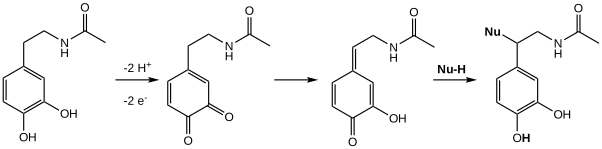
Sclerotization is a biochemical process that produces the rigid shell of sclerotin that comprises an insect's chitinous exoskeleton. It is prominent in the thicker, armored parts of insects and arachnids, especially in the biting mouthparts and sclerites of scorpions and beetles.
Molecular mechanism
Sclerotization entails crosslinking of oxygen-reactive derivatives of dopamine. The reaction of the dopamine derivatives toward oxygen is catalyzed by diverse enzymes such as laccase, which convert the catechol groups to quinones. The resulting quinones are susceptible to nucleophilic attack by amines and thiols, which decorate the side-chains of proteins. These reactions gives rise to color (typically brown), loss of solubility, and rigidification that accompany sclerotization.
References
References
- (2010). "Insect Cuticular Sclerotization: A Review". Insect Biochemistry and Molecular Biology.
- (2001). "Oxidative Conjugation of Catechols with Proteins in Insect Skeletal Systems". Tetrahedron.
- (2006). "When Quinones Meet Amino Acids: Chemical, Physical and Biological Consequences". Amino Acids.
This article was imported from Wikipedia and is available under the Creative Commons Attribution-ShareAlike 4.0 License. Content has been adapted to SurfDoc format. Original contributors can be found on the article history page.
Ask Mako anything about Sclerotization — get instant answers, deeper analysis, and related topics.
Research with MakoFree with your Surf account
Create a free account to save articles, ask Mako questions, and organize your research.
Sign up freeThis content may have been generated or modified by AI. CloudSurf Software LLC is not responsible for the accuracy, completeness, or reliability of AI-generated content. Always verify important information from primary sources.
Report