From Surf Wiki (app.surf) — the open knowledge base
Sandalwood oil
Essential oil
Essential oil
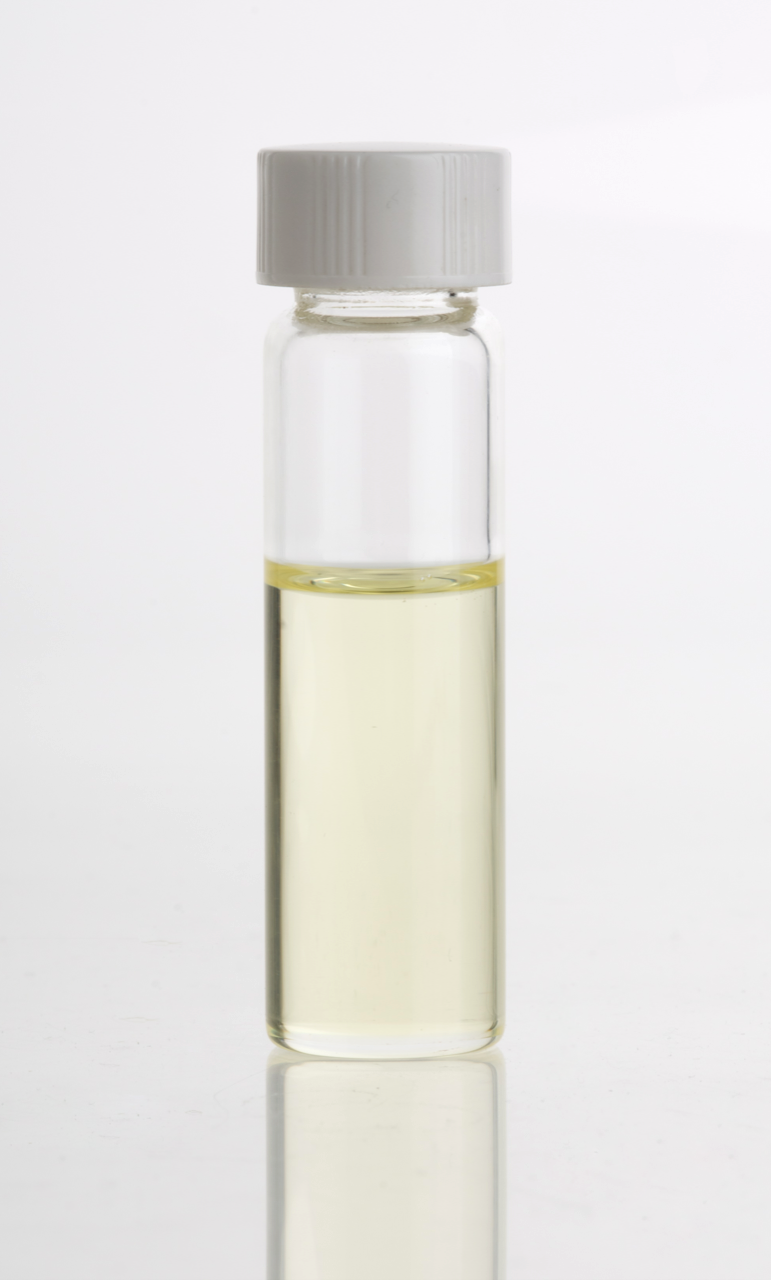
Sandalwood oil is an essential oil obtained from the steam distillation of chips and billets cut from the heartwood of various species of sandalwood trees, mainly Santalum album (Indian sandalwood) and Santalum spicatum (Australian sandalwood).
Sandalwood oil is used in perfumes, cosmetics, sacred unguents, and as a mild food flavouring.
Main constituents
Sandalwood oil contains more than 90% sesquiterpenic alcohols of which 50–60% is the tricyclic α-santalol. β-Santalol comprises 20–25%.
The composition of the oil will depend on the species, region grown, age of tree, and possibly the season of harvest and details of the extraction process used.
Current International Organization for Standardization (ISO) standards for S. album oil are 41–55% α-santalol and 16–24% β–santalol (ISO 3518: 2002E).
Traditional uses
Due to its highly coveted fragrance, the essential oil produced from sandalwood is often used in aromatherapy, and is also added to soaps, cosmetics and perfumes (usually combined with floral, resinous and spicy notes). It is used in Ayurvedic medicine for the treatment of both somatic and mental disorders, including common colds, bronchitis, fever, urinary tract infections, and inflammation.
There is also religious significance associated with sandalwood oil and it is used in many different religions around the world, including Hinduism, Jainism, Buddhism, and Zoroastrianism.
Production
The oil is distilled from the wood of the entire tree including stump and roots. Australian sandalwood (S. spicatum) is unique in that the white sapwood does not require removal before distilling the oil, while Indian Sandalwood (S. album) does require removal of the sapwood prior to distillation.
Fragrance
Sandalwood oil is used extensively for its woody-floral scent. Sandalwood oil can also, under certain conditions, have a creamy or even pickled aroma. It pairs well with other wood or floral scents such as violet, rose, tuberose, clove, and oakmoss. But since the wood is so rare and expensive, cosmetic companies use synthetic substitutes of similar structure and scent.
There are several synthetic odorants with odor similar to sandalwood oil, used as lower-cost alternatives for perfumes, emollients, and skin cleaning agents. Common synthetic substitutes include Bacdanlol, Brahmanol, Ebanol, Firsantol, Sandalore, and Sandaxol.
Two of these, Sandalore and Brahmanol, have been found to be agonists of the cutaneous olfactory receptor OR2AT4, with potential therapeutic benefits for wound healing. Natural sandalwood oil, and other synthetic sandalwood odorants, did not have the same effect.
Safety
There hasn't been extensive research conducted on the safety of sandalwood oil. But because there haven't been any significant adverse effects documented in scientific literature, it continues to be used cosmetically and in food. A few studies were found to identify sandalwood oil's potential toxic effects, but it was determined to be safe at the present levels that the oil is used in food as flavorings.
References
References
- Kapoor LD. (2001). "Handbook of Ayurvedic Medicinal Plants". CRC Press.
- (2015). "Sandalwood Essential Oil".
- (1994). "Total Syntheses, Optical Rotations and Fragrance Properties of Sandalwood Constituents: (−)-(''Z'')- and (−)-(''E'')-β-Santalol and Their Enantiomers, ''ent''-β-Santalene". Liebigs Ann Chem.
- (2006-03-28). "Preliminary oil results from a 14-year-old Indian Sandalwood (Santalum album) plantation at Kununurra, WA".
- "Сандаловое эфирное масло (Oleum Santali)".
- (2006). "East Indian Sandalwood and alpha-santalol odor increase physiological and self-rated arousal in humans". Planta Medica.
- Tony Page. (2012). "Vanuatu sandalwood: growers' guide for sandalwood production in Vanuatu". Australian Centre for International Agricultural Research.
- "Frequently Asked Questions".
- "Парфюмерный словарь - Термины из парфюмерии.".
- (Summer 2007). "Safety assessment of sandalwood oil". Food and Chemical Toxicology.
- Cancellieri, Maria C.. (2024). "Biocatalytic approaches for a more sustainable synthesis of sandalwood fragrances". Green Chemistry.
- Busse, Daniela. (2014). "A Synthetic Sandalwood Odorant Induces Wound-Healing Processes in Human Keratinocytes via the Olfactory Receptor OR2AT4". Journal of Investigative Dermatology.
- [https://www.newscientist.com/article/dn25865-skins-ability-to-smell-seems-to-help-it-heal-itself/ New Scientist magazine, Skin's ability to 'smell' seems to help it heal itself, 8 July 2014]
This article was imported from Wikipedia and is available under the Creative Commons Attribution-ShareAlike 4.0 License. Content has been adapted to SurfDoc format. Original contributors can be found on the article history page.
Ask Mako anything about Sandalwood oil — get instant answers, deeper analysis, and related topics.
Research with MakoFree with your Surf account
Create a free account to save articles, ask Mako questions, and organize your research.
Sign up freeThis content may have been generated or modified by AI. CloudSurf Software LLC is not responsible for the accuracy, completeness, or reliability of AI-generated content. Always verify important information from primary sources.
Report