From Surf Wiki (app.surf) — the open knowledge base
Sage oil
Steam distillation of Salvia officinalis
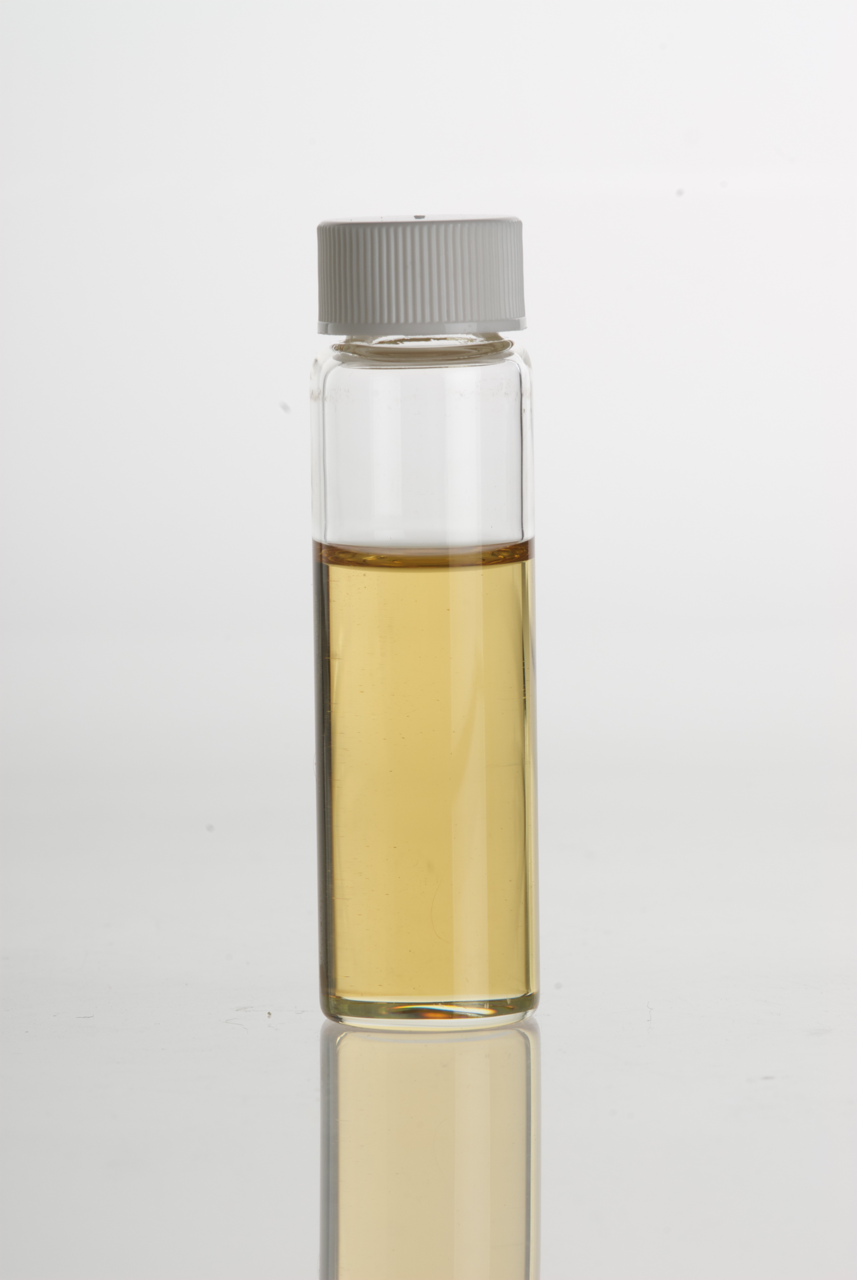
Steam distillation of Salvia officinalis
Sage oils are essential oils that come in several varieties:
Dalmatian sage oil
Also called English, Garden, and True sage oil. Made by steam distillation of Salvia officinalis partially dried leaves. Yields range from 0.5 to 1.0%. A colorless to yellow liquid with a warm camphoraceous, thujone-like odor and sharp and bitter taste. The main components of the oil are thujone (50%), camphor, pinene, and cineol.
Clary sage oil
Sometimes called muscatel. Made by steam or water distillation of Salvia sclarea flowering tops and foliage. Yields range from 0.7 to 1.5%. A pale yellow to yellow liquid with a herbaceous odor and a winelike bouquet. Produced in large quantities in France, Russia and Morocco. The oil contains linalyl acetate, linalool and other terpene alcohols (sclareol), as well as their acetates.
Spanish sage oil
Made by steam distillation of the leaves and twigs of S. officinalis subsp. lavandulifolia (syn. S. lavandulifolia). A colorless to pale yellow liquid with the characteristic camphoraceous odor. Unlike Dalmatian sage oil, Spanish sage oil contains no or only traces of thujone; camphor and eucalyptol are the major components.
Greek sage oil
Made by steam distillation of Salvia triloba leaves. Grows in Greece and Turkey. Yields range from 0.25% to 4%. The oil contains camphor, thujone, and pinene, the dominant component being eucalyptol.
Judaean sage oil
Made by steam distillation of Salvia judaica leaves. The oil contains mainly cubebene and ledol.
References
References
- Karl-Georg Fahlbusch. (2007). "[[Ullmann's Encyclopedia of Industrial Chemistry]]". Wiley.
- George A. Burdock. (2010). "Fenaroli's Handbook of Flavor Ingredients". Taylor & Francis.
- Ivana Cvetkovikj. (2015). "Essential oil composition of Salvia fruticosa Mill. populations from Balkan Peninsula". Macedonian Pharmaceutical Bulletin.
- Andrea Böszörményi. (2009). "Chemical and Genetic Relationships among Sage (Salvia officinalis L.) Cultivars and Judean Sage (Salvia judaica Boiss.)". [[Journal of Agricultural and Food Chemistry]].
This article was imported from Wikipedia and is available under the Creative Commons Attribution-ShareAlike 4.0 License. Content has been adapted to SurfDoc format. Original contributors can be found on the article history page.
Ask Mako anything about Sage oil — get instant answers, deeper analysis, and related topics.
Research with MakoFree with your Surf account
Create a free account to save articles, ask Mako questions, and organize your research.
Sign up freeThis content may have been generated or modified by AI. CloudSurf Software LLC is not responsible for the accuracy, completeness, or reliability of AI-generated content. Always verify important information from primary sources.
Report